How to Reduce Press Brake Breakdowns with Simple Maintenance Routines


The Critical Importance of Press Brake Maintenance
In the fast-paced world of metal fabrication, the press brake is often the heartbeat of the production floor. Whether you are running a high-volume automotive line or a custom job shop, the reliability of your bending equipment directly impacts your bottom line. To reduce press brake breakdowns simple maintenance routines are not just a recommendation; they are a necessity. A well-maintained machine ensures precision, extends the lifespan of expensive tooling, and, most importantly, keeps your operators safe. When a press brake fails, the ripple effect is felt throughout the entire facility—deadlines are missed, labor costs rise due to idle time, and emergency repair fees can be astronomical.
HARSLE understands that industrial machinery is a significant investment. By implementing a structured maintenance program, you transition from reactive repairs to proactive care. Reactive maintenance—fixing things only when they break—is the most expensive way to run a shop. Proactive maintenance, on the other hand, allows you to identify wear and tear before it leads to a catastrophic failure. This guide will walk you through the essential steps to keep your press brake running at peak performance, ensuring that every bend is as accurate as the first.
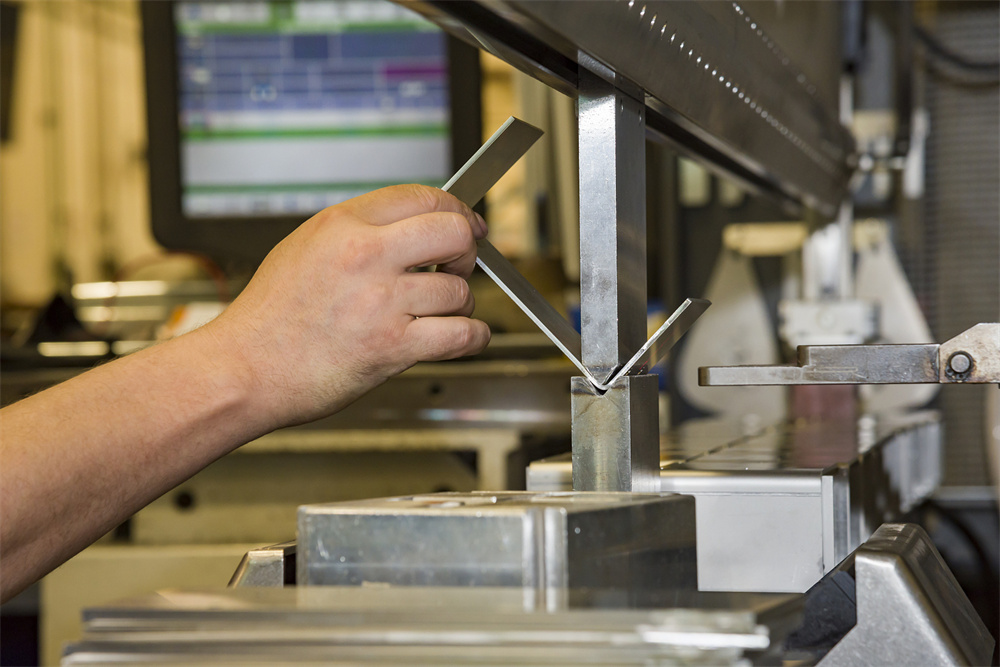
Beyond the financial implications, maintenance is a cornerstone of workplace safety. Press brakes involve immense hydraulic pressure and heavy mechanical components. A loose bolt, a frayed wire, or a leaking hydraulic seal can lead to dangerous malfunctions. By following the routines outlined in this article, you create a culture of safety and excellence that empowers your team and protects your assets. Let’s dive into the specific daily, weekly, and monthly tasks required to maintain your machinery.
Daily Inspection: The First Line of Defense
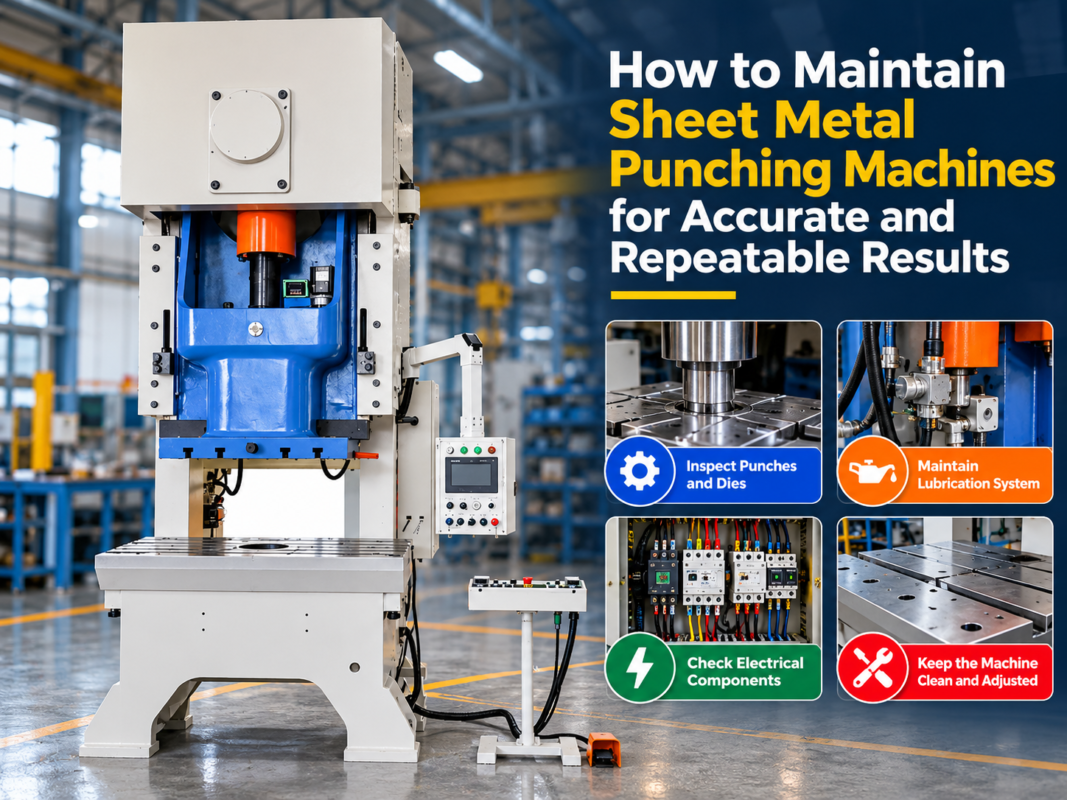
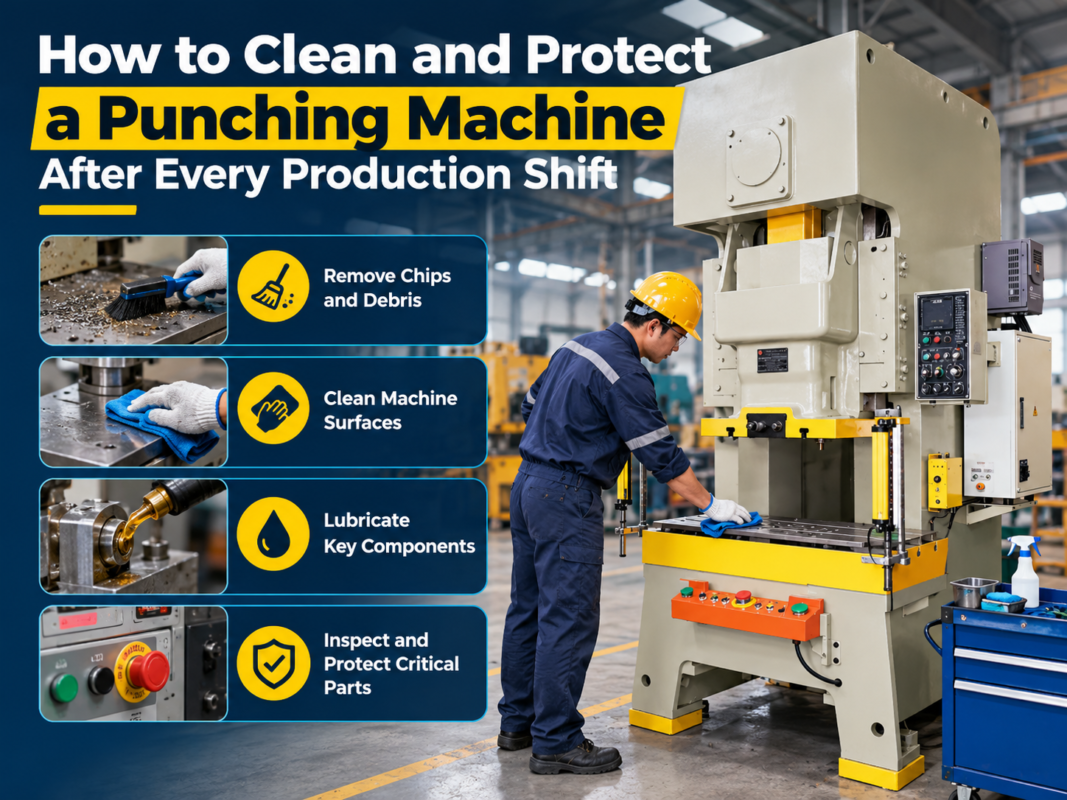
The most effective way to reduce press brake breakdowns simple maintenance routines start with a daily visual and functional inspection. This should be performed at the beginning of every shift. The goal is to catch obvious issues before the machine is under load. Start by cleaning the machine. Dust, metal shavings, and scale from raw materials can accumulate on the bed and the ram. If left unchecked, this debris can find its way into the hydraulic system or cause premature wear on the guides.
Check the oil level in the hydraulic reservoir. Most modern HARSLE press brakes feature a sight glass or a digital sensor. If the oil is low, it could indicate a leak that needs immediate attention. Operating with low oil levels can cause cavitation in the pump, leading to permanent damage. Next, inspect the tooling. Look for chips, cracks, or excessive wear on the punches and dies. Damaged tooling not only produces poor-quality parts but can also exert uneven pressure on the ram, leading to misalignment over time.
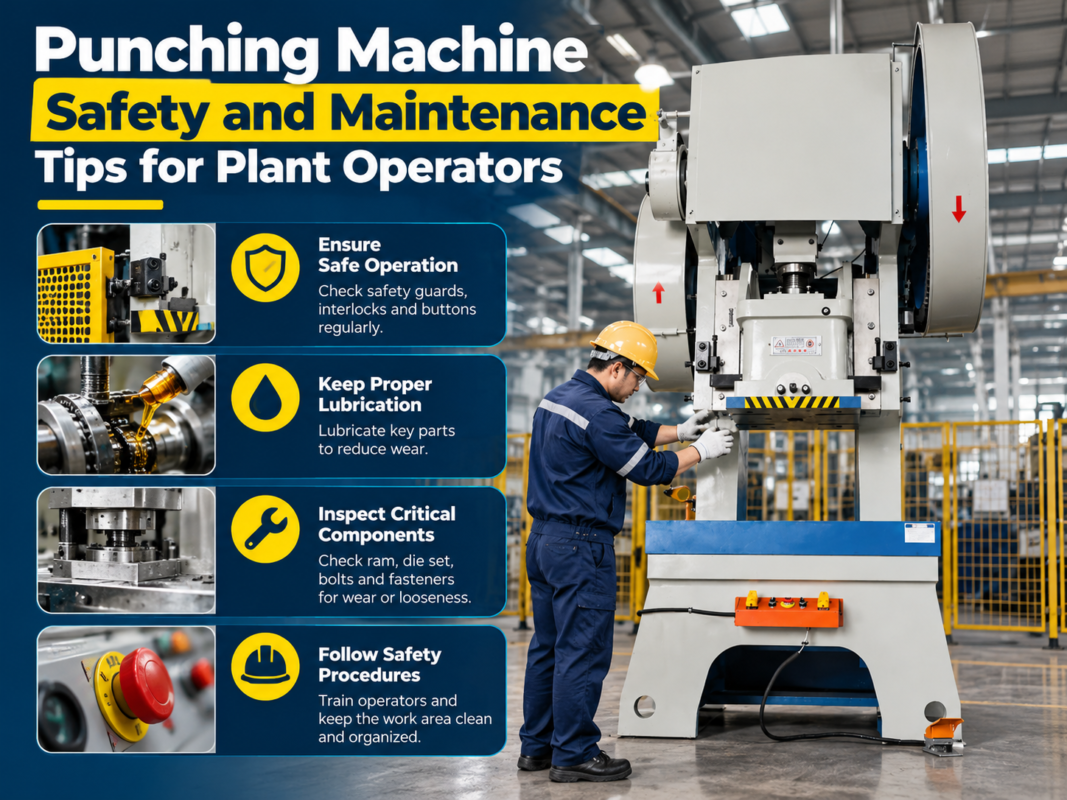
Safety devices must be tested daily without exception. This includes the emergency stop buttons, light curtains, and laser guards. If a safety device is bypassed or malfunctioning, the machine must be locked out until it is repaired. Finally, listen to the machine as it starts up. Unusual grinding, whining, or clicking sounds are early warning signs of mechanical or hydraulic distress. Documenting these daily checks in a logbook helps track the machine’s health over time and provides a valuable record for service technicians.
Hydraulic System Integrity and Fluid Management
The hydraulic system is the muscles of the press brake. To reduce press brake breakdowns simple maintenance routines must prioritize hydraulic health. The hydraulic oil is not just a medium for power; it also lubricates internal components and dissipates heat. Over time, hydraulic oil breaks down due to thermal stress and contamination. It is vital to monitor the oil temperature during operation. Most systems are designed to run between 35°C and 55°C. If the oil exceeds 60°C, its viscosity drops, leading to poor lubrication and potential seal damage.
Filters are your best defense against contamination. Even microscopic particles can score cylinder walls or clog sensitive valves. Replace hydraulic filters according to the manufacturer’s schedule, or sooner if the filter bypass indicator is triggered. When adding oil, always use the specific grade recommended by HARSLE. Mixing different types of oil can lead to chemical reactions that sludge the system. It is also wise to perform an oil analysis annually. This laboratory test can detect metal shavings (indicating component wear) or water content (indicating a cooling system leak).
Inspect all hydraulic hoses and connections for signs of weeping or bulging. A high-pressure hose failure is not only a maintenance disaster but a severe safety hazard. Ensure that all fittings are tight, but avoid over-tightening, which can crack the housings. If you notice the ram drifting or failing to maintain pressure, it may indicate internal leakage in the cylinders or a faulty check valve. Addressing these issues early prevents the need for a full cylinder rebuild later.
Electrical and Control System Care
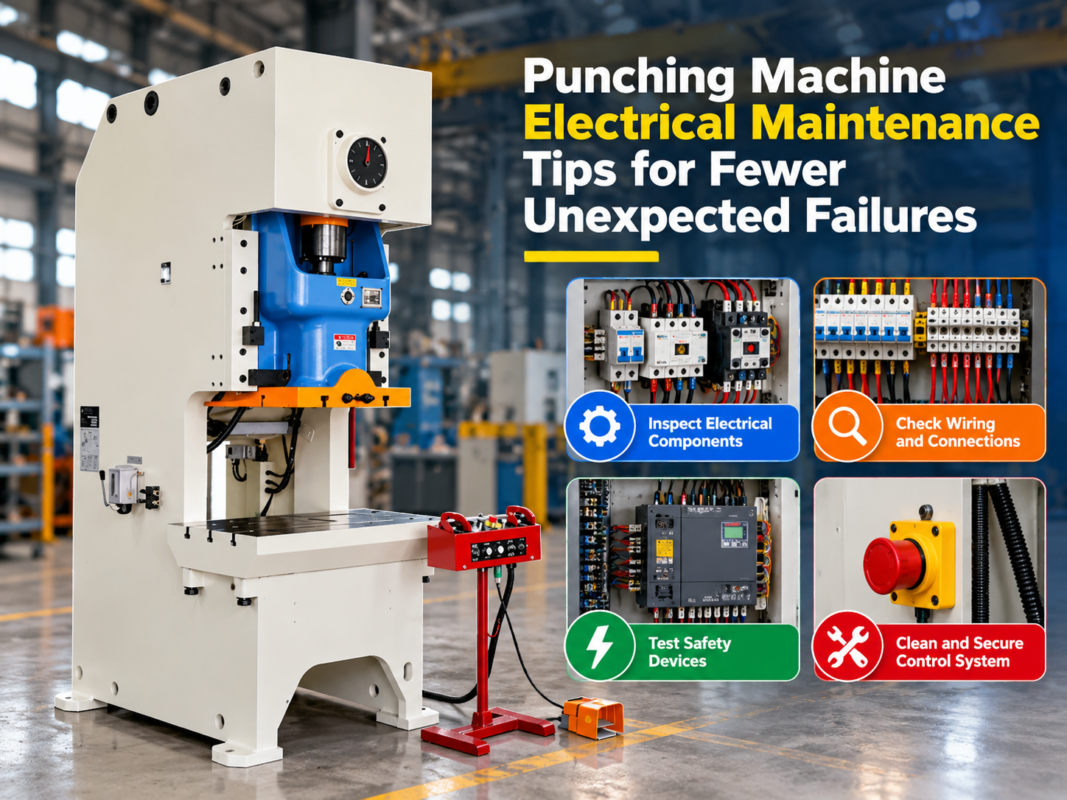
Modern CNC press brakes rely heavily on sophisticated electronics. To reduce press brake breakdowns simple maintenance routines should include a thorough check of the electrical cabinet and the controller. Dust is the primary enemy of electronics. It acts as an insulator, causing components to overheat, and can even become conductive if it contains metal particles. Once a month, with the power safely disconnected, use low-pressure compressed air or a vacuum to clean the electrical cabinet. Ensure that cooling fans are spinning freely and that filters are clean.
Vibration is a constant factor in metal fabrication. Over time, vibration can loosen electrical terminals. Periodically check the tightness of wires on contactors, relays, and terminal blocks. A loose connection can cause intermittent faults that are notoriously difficult to diagnose. Inspect the cables leading to the backgauge motors and encoders. These cables are constantly moving and can suffer from fatigue or abrasion. Ensure they are properly routed in their cable tracks and show no signs of outer jacket damage.
The CNC controller itself requires care. Keep the screen clean using approved cleaners—never use harsh solvents that can damage the touch interface. Regularly back up your programs and machine parameters to an external drive. In the event of a hard drive failure or a lightning strike, having a backup can save days of reprogramming. If your machine uses a battery-backed memory, replace the batteries on schedule to prevent the loss of critical system data during a power outage.
Mechanical Precision and Backgauge Maintenance
The accuracy of your bends depends on the mechanical integrity of the ram and the backgauge. To reduce press brake breakdowns simple maintenance routines must address the mechanical wear points. The backgauge is a high-precision component that moves on ball screws and linear guides. These must be kept clean and properly lubricated. If dust accumulates on the ball screws, it can act as an abrasive, quickly destroying the precision of the nuts and bearings.
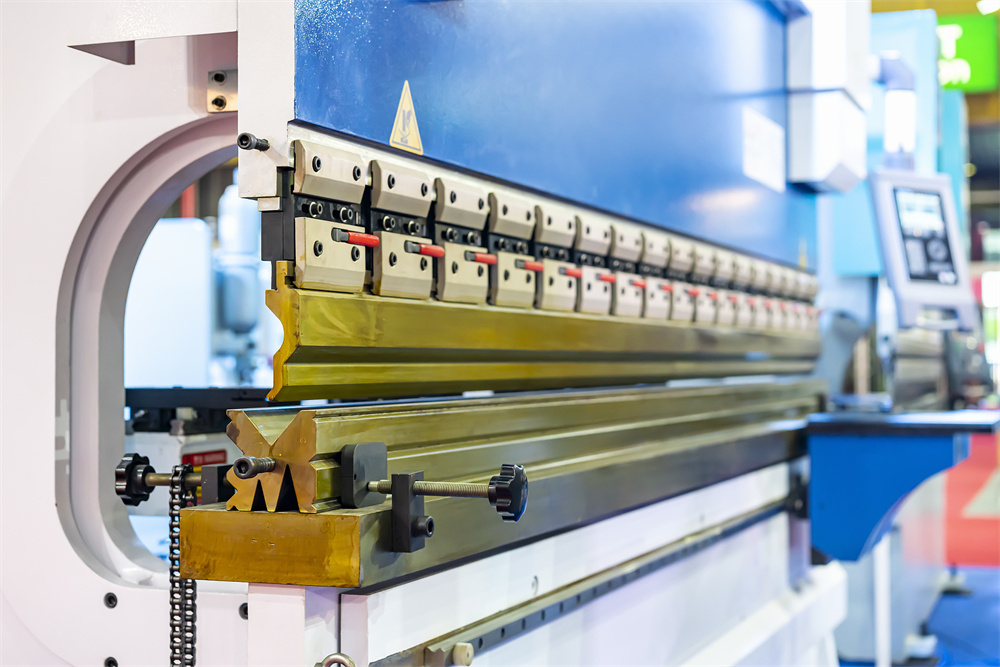
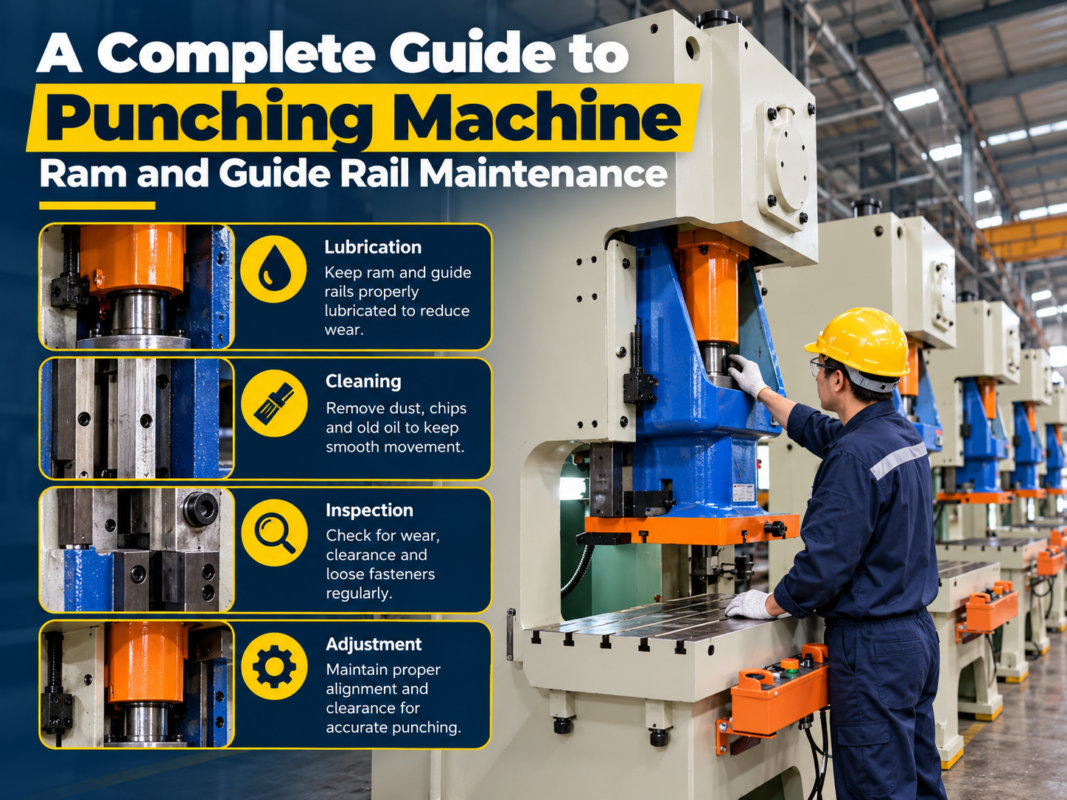
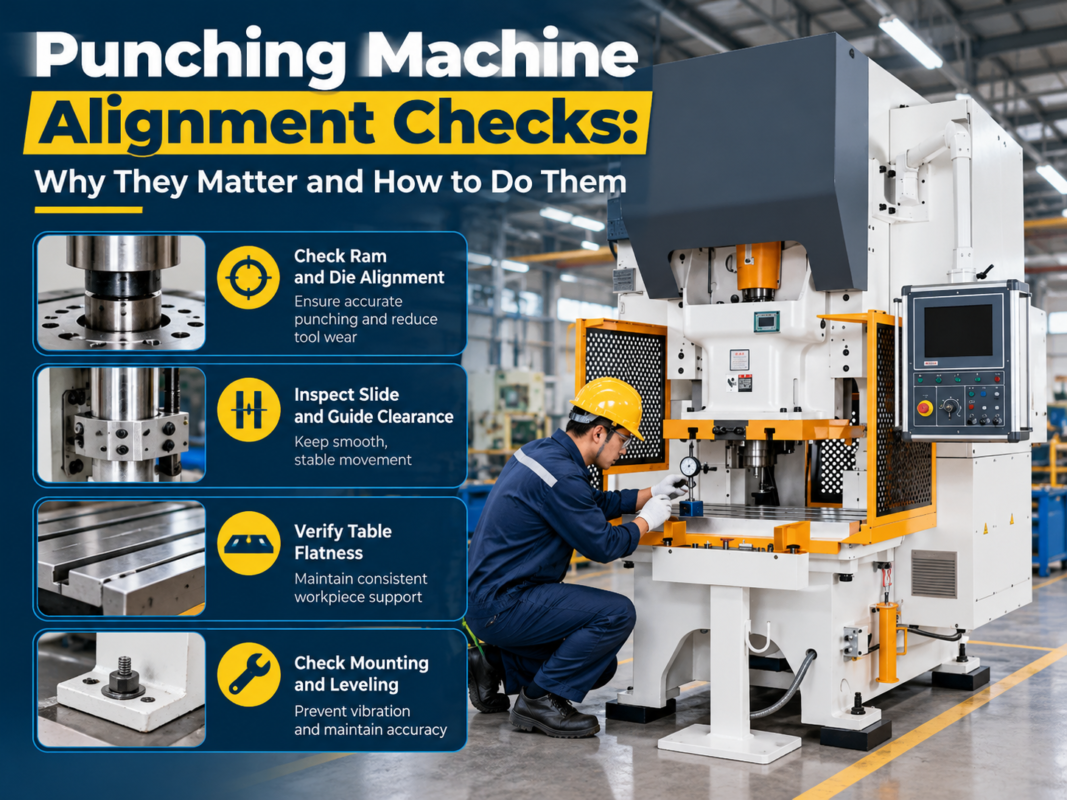
Check the alignment of the backgauge fingers regularly. If the backgauge is bumped by a heavy sheet, it can be knocked out of square, leading to tapered bends. Use a dial indicator to verify that the gauge bar is parallel to the die rail. Similarly, inspect the ram’s gibs—the guides that ensure the ram moves vertically without side-to-side play. If the gibs are too loose, accuracy suffers; if they are too tight, they can overheat and gall. Adjusting gibs is a precision task that should be done according to the HARSLE service manual.
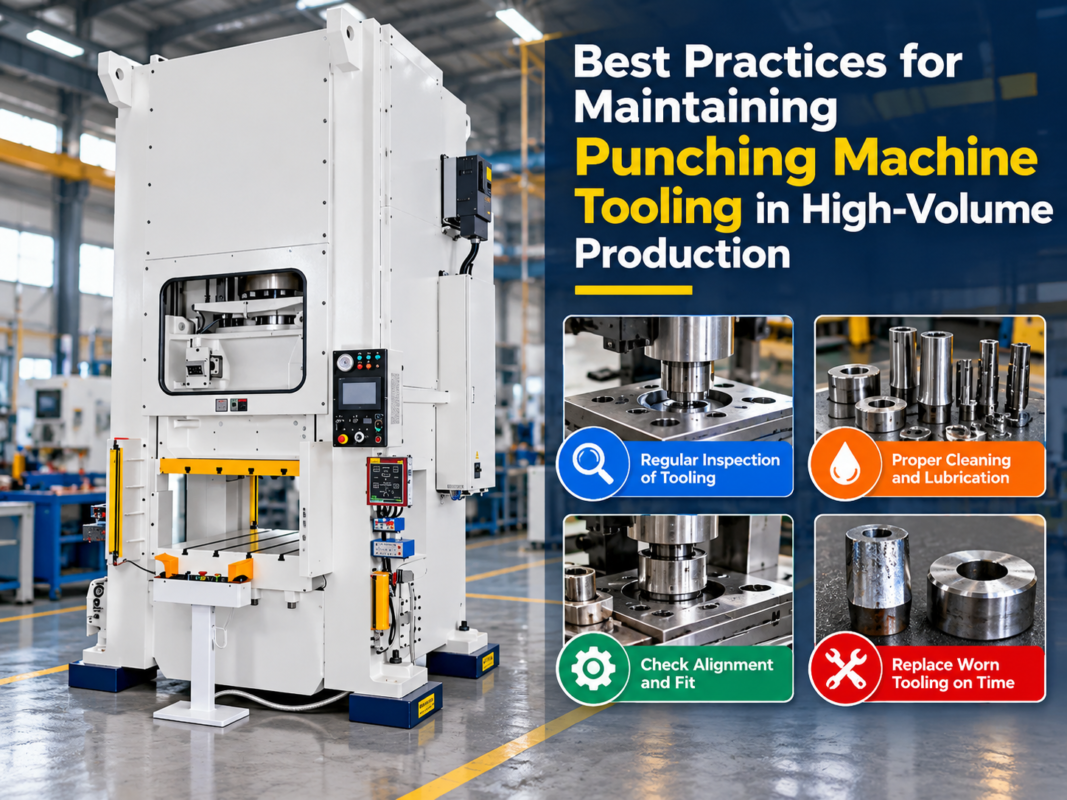
Tooling maintenance is often overlooked but is crucial for mechanical health. Always clean the die rail and the ram’s clamping surface before installing new tools. Any debris trapped between the tool and the machine will cause an uneven load, potentially damaging the machine’s bed or the ram itself. Store your tooling in a dedicated rack, protected from rust and physical damage. Using the right tool for the job—and never exceeding the machine’s tonnage limits—is the best way to prevent mechanical failure.
The Comprehensive Lubrication Strategy
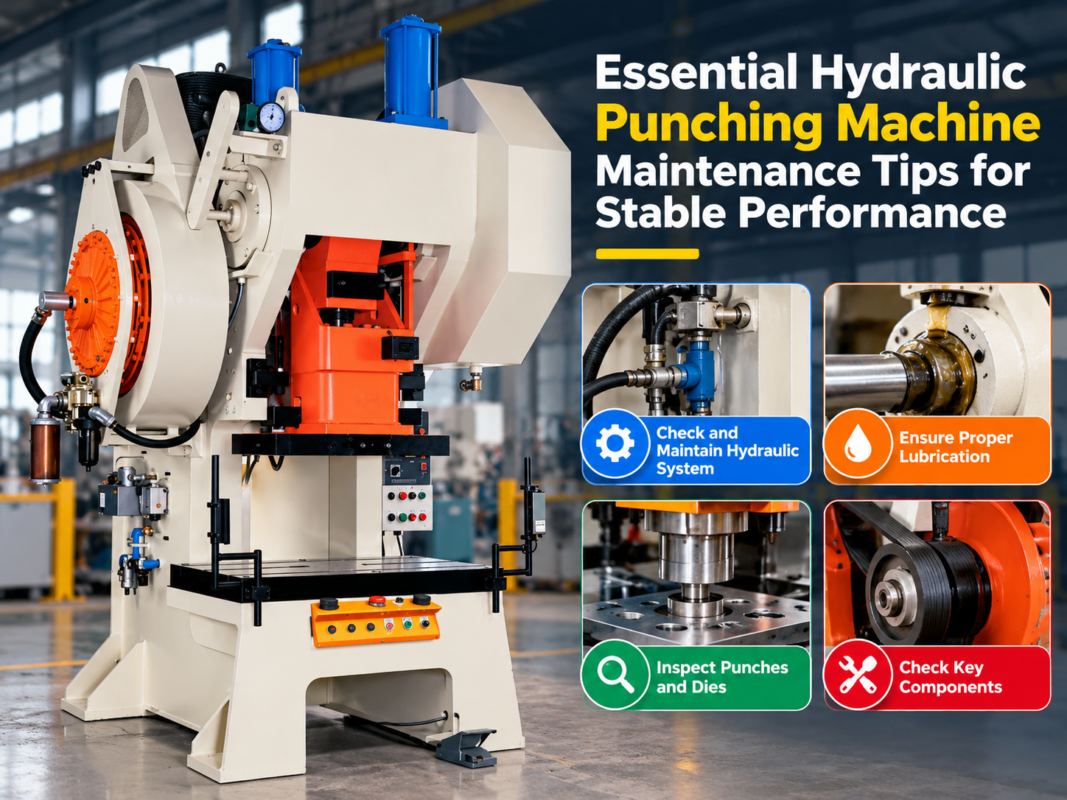
Lubrication is the simplest yet most effective way to reduce press brake breakdowns simple maintenance routines. Without proper lubrication, friction generates heat, which leads to rapid wear and eventual seizure of moving parts. Most HARSLE press brakes feature centralized lubrication systems, either manual or automatic. If your machine has an automatic system, ensure the reservoir is always full and check that the pump is functioning correctly. If it is a manual system, follow a strict schedule to ensure no point is missed.
Different parts of the machine require different lubricants. High-speed ball screws typically require a specific grade of grease that won’t “fling off” or attract excessive dust. Linear guides may require a lighter oil. The main pivot points on older mechanical brakes or the guide ways on hydraulic models need heavy-duty extreme-pressure (EP) grease. Always refer to the lubrication chart provided with your machine to ensure you are using the correct product for each application.
Don’t just pump grease into the fittings; observe the old grease being pushed out. If the old grease is black or contains metal flakes, it indicates a problem. Wipe away any excess grease, as it will only serve to attract dirt and debris. In cold environments, ensure the lubricant is suitable for low temperatures, as thick grease can prevent the automatic system from distributing it properly. A consistent lubrication routine can double the life of your mechanical components.
Recognizing Troubleshooting Signals
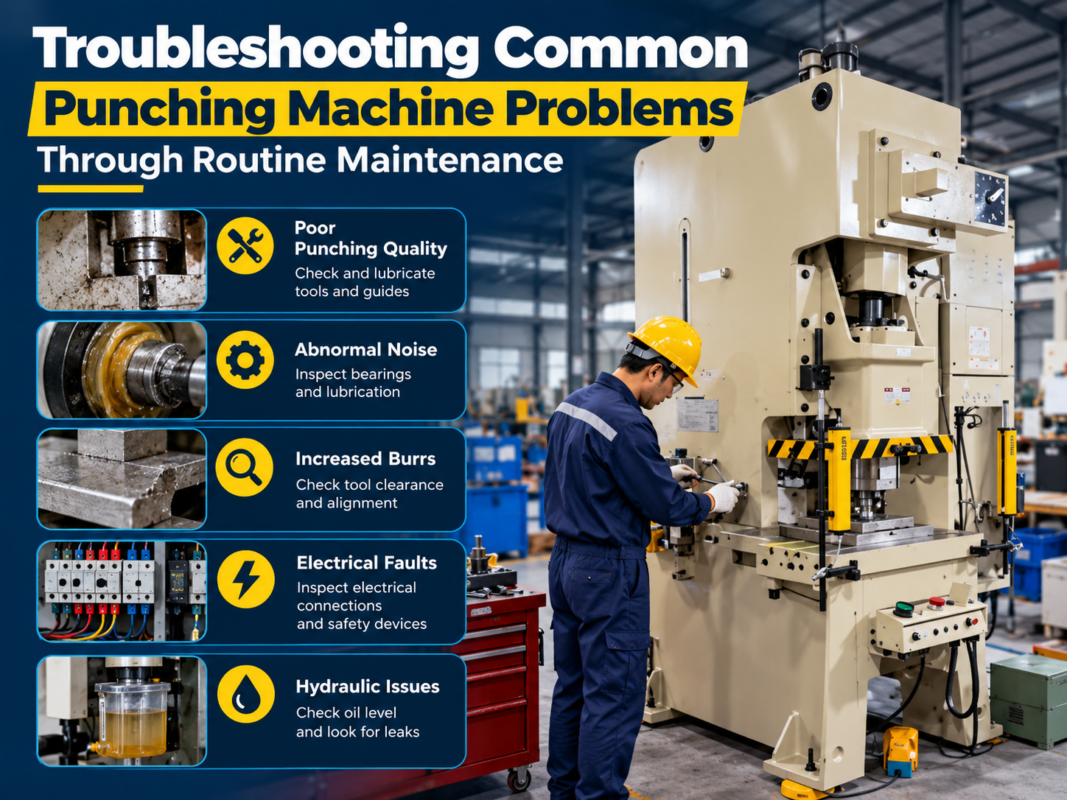
Even with the best routines, components will eventually wear out. The key to reduce press brake breakdowns simple maintenance routines is recognizing the early warning signals. Operators should be trained to be the “eyes and ears” of the maintenance department. A change in the sound of the hydraulic pump often precedes a failure. A high-pitched whine might indicate air entering the system, while a growling sound could mean the pump bearings are failing.
Watch for changes in performance. If the machine starts to lose its “bottoming” accuracy or if the ram speed becomes inconsistent, it’s time to investigate. Heat is another major signal. If a specific hydraulic valve or motor feels excessively hot to the touch, it is likely working too hard or failing internally. Use an infrared thermometer to take baseline readings of key components when the machine is running well, so you have a point of comparison when things seem off.
Error codes on the CNC screen are the most direct way the machine communicates problems. Don’t just clear the code and keep running. Look up the code in the HARSLE manual to understand the root cause. Often, a minor sensor error is a precursor to a larger electrical issue. By addressing these signals immediately, you prevent a minor annoyance from turning into a multi-day shutdown.
Comprehensive Maintenance Schedule Table
To help you implement these strategies, use the following table as a template for your facility’s maintenance plan. Consistency is the key to success.
| Frequency | Component | Action Required | Responsibility |
|---|---|---|---|
| Daily | Safety Systems | Test E-stops, light curtains, and laser guards. | Operator |
| Daily | Hydraulic Level | Check sight glass; top off with recommended oil if needed. | Operator |
| Daily | Machine Bed/Tooling | Clean debris, scale, and dust from all surfaces. | Operator |
| Weekly | Backgauge Guides | Clean and apply a light coat of lubricant to ball screws. | Maintenance |
| Weekly | Air Filters | Check and clean electrical cabinet and motor filters. | Maintenance |
| Monthly | Electrical Cabinet | Vacuum dust and check for loose wire connections. | Electrician |
| Monthly | Ram Gibs | Inspect for proper clearance and lubrication. | Maintenance |
| 6 Months | Hydraulic Oil | Perform oil analysis and check for contamination. | Specialist |
| Yearly | Full Calibration | Verify ram parallelism and backgauge accuracy. | HARSLE Tech |
| Yearly | Hydraulic Filters | Replace all high-pressure and return line filters. | Maintenance |
Frequently Asked Questions (FAQ)
How often should I change the hydraulic oil in my press brake?
Generally, hydraulic oil should be changed every 2,000 to 4,000 hours of operation, or at least once every two years. However, this depends on the environment. In dusty or high-heat shops, more frequent changes or annual oil analysis are recommended to ensure the fluid hasn’t degraded.
What is the most common cause of press brake breakdowns?
The most common causes are lack of lubrication and hydraulic contamination. When moving parts run dry, they seize. When hydraulic oil is dirty, it damages valves and seals. Both of these issues are entirely preventable through the simple routines discussed in this guide.
Can I use any grease for the backgauge ball screws?
No. You should use the specific lubricant recommended by HARSLE. Using the wrong grease can cause the ball screw to gum up or fail to provide adequate protection at high speeds, leading to a loss of positioning accuracy.
Why is my press brake losing its bending accuracy?
Loss of accuracy is often due to worn tooling, loose backgauge components, or the machine being out of level. Start by checking your tools for wear, then verify the machine’s level and the backgauge’s calibration. If the issue persists, it may be a sign of internal hydraulic leakage.
Is it necessary to clean the machine every day?
Yes. Metal scale is highly abrasive. If it gets into the guides or under the tooling, it acts like sandpaper, wearing down precision-ground surfaces. A five-minute cleaning at the end of each shift can save thousands of dollars in repair costs over the life of the machine.
Conclusion: Investing in Longevity
To reduce press brake breakdowns simple maintenance routines are the most cost-effective strategy any fabrication shop can employ. By dedicating a small amount of time each day and week to the care of your HARSLE equipment, you ensure that your production remains uninterrupted and your parts remain precise. Maintenance is not a chore; it is an investment in the longevity and profitability of your business. Start today by implementing a logbook and training your operators on these essential checks. Your machinery—and your bottom line—will thank you.