Top Factors That Influence Hydraulic Shearing Machine Cost In 2026


Price Range Overview
As we move further into 2026, the industrial landscape for metal fabrication is undergoing significant shifts driven by automation, material science advancements, and global supply chain dynamics. Understanding the Top Factors That Influence Hydraulic Shearing Machine Cost In 2026 is essential for procurement managers and shop owners looking to optimize their capital expenditure. Generally, the market for hydraulic shearing machines is segmented into entry-level, mid-range, and high-end industrial systems, with prices fluctuating based on precision, capacity, and integrated technology.
Entry-level hydraulic shearing machines, often used for light-gauge sheet metal work, typically range from $15,000 to $35,000. These machines are designed for smaller workshops where high-volume, continuous operation is not the primary requirement. They offer essential functionality but may lack advanced CNC controls or automated material handling features. For many small-to-medium enterprises, these machines represent a balanced entry point into professional-grade shearing.
Mid-range shearing machines, which form the backbone of most fabrication shops, generally fall between $40,000 and $90,000. These units feature robust hydraulic systems, programmable backgauges, and improved safety features. They are built for durability and can handle a wider variety of material thicknesses and types. In 2026, this segment has seen the most innovation, particularly in energy-efficient hydraulic pumps and user-friendly interface designs.
High-end, heavy-duty industrial shearing machines can exceed $150,000, reaching upwards of $300,000 for fully automated, high-precision lines. These machines are engineered for 24/7 operation, featuring advanced material handling, laser-guided cutting lines, and sophisticated CNC integration that links directly to factory ERP systems. Investing in this tier is usually reserved for large-scale manufacturing facilities where throughput and precision are non-negotiable.

Main Cost Drivers
The primary driver of cost in any hydraulic shearing machine is the cutting capacity, specifically the maximum thickness and length of the material the machine can process. A machine capable of shearing 20mm thick steel plate requires a significantly more robust frame, larger hydraulic cylinders, and higher-grade blade materials than a machine designed for 6mm sheets. The structural integrity of the machine frame—often made from stress-relieved welded steel—is a major cost component that dictates the machine’s longevity and precision.
Hydraulic system quality is another critical factor. In 2026, the industry is shifting toward variable-frequency drive (VFD) hydraulic systems. While these systems carry a higher upfront cost compared to traditional constant-speed pumps, they offer substantial savings in electricity consumption and reduce wear and tear on hydraulic components. The quality of valves, seals, and pumps directly influences the machine’s reliability and maintenance frequency, making it a key differentiator in pricing.
The control system represents a growing portion of the total cost. Modern shearing machines are no longer just mechanical cutters; they are digital assets. Advanced CNC controllers that allow for automatic blade gap adjustment, rake angle optimization, and backgauge positioning add significant value. These systems reduce setup time and operator error, which justifies the higher initial investment for shops focused on lean manufacturing.
Blade quality and material composition also play a role. High-carbon, high-chrome tool steel blades are standard for most applications, but specialized coatings or materials for cutting high-tensile alloys or stainless steel increase the cost. Furthermore, the brand reputation and the level of after-sales support provided by the manufacturer are reflected in the price. HARSLE, for instance, emphasizes long-term support and spare parts availability, which adds value beyond the initial hardware purchase.
Configuration Impact
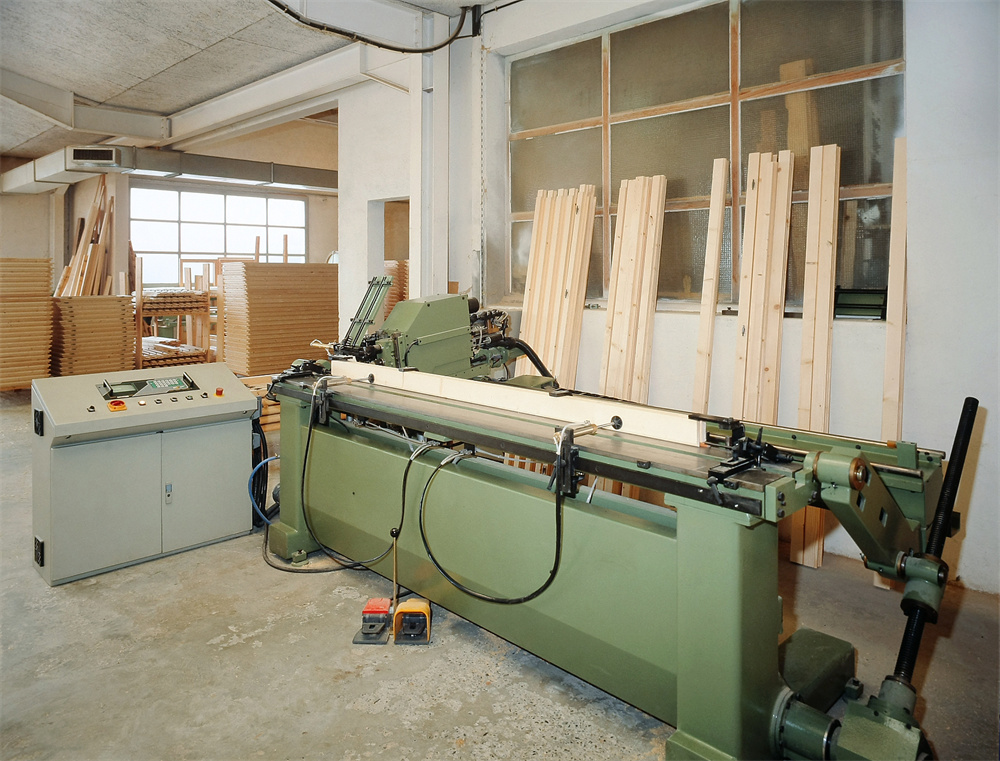
Customization is a major factor in the final price of a shearing machine. Many fabricators require specific configurations to meet the demands of their unique production lines. For example, adding a pneumatic sheet support system prevents thin sheets from sagging during the cutting process, ensuring higher accuracy and reducing scrap rates. While this is an optional feature, it is often considered a necessity for shops working with large, thin-gauge panels.
The backgauge design is another area where configuration impacts cost. A standard motorized backgauge is sufficient for basic tasks, but high-precision, multi-axis backgauges that can handle tapered cuts or complex geometries significantly increase the machine’s capabilities and price. In 2026, we are seeing more demand for integrated material handling systems, such as conveyor belts and scrap separators, which allow for automated sorting of cut parts.
Safety configurations are non-negotiable but vary in complexity. Standard light curtains and rear safety fences are baseline requirements. However, advanced laser safety scanners and integrated software interlocks that prevent operation if the blade gap is incorrectly set for the material thickness add to the cost. These features are essential for compliance with modern industrial safety standards and help reduce insurance premiums.
Hidden Costs
When calculating the total cost of ownership, buyers often overlook several hidden expenses associated with hydraulic shearing machines. Installation and commissioning are the first of these. A heavy-duty shear requires a reinforced concrete foundation to dampen vibrations and ensure long-term accuracy. The cost of site preparation, including electrical upgrades and hydraulic oil filling, should be factored into the initial budget.
Maintenance and consumables are ongoing costs that vary by machine quality. Blades require periodic sharpening or replacement, and hydraulic oil must be filtered or changed according to the manufacturer’s schedule. Choosing a machine with easy access to maintenance points can save thousands of dollars in labor costs over the machine’s lifespan. Furthermore, training staff to operate advanced CNC controls is an investment that should not be underestimated.
Energy consumption is a hidden cost that is becoming more transparent in 2026. Older hydraulic systems are notoriously inefficient, often running at full power even when the machine is idle. Modern machines with energy-saving modes and efficient hydraulic circuits can pay for themselves through lower utility bills. It is important to ask manufacturers for energy efficiency ratings when comparing quotes.
Finally, consider the cost of downtime. If a machine breaks down and the manufacturer lacks a local service network or a readily available supply of spare parts, the cost of lost production can quickly exceed the savings gained from buying a cheaper, less reliable machine. Always evaluate the manufacturer’s commitment to long-term support and the availability of technical documentation.
ROI Calculation
To calculate the Return on Investment (ROI) for a hydraulic shearing machine, you must look beyond the purchase price. Start by calculating the annual labor savings. A machine that automates blade gap and rake angle adjustments can save an operator 15-20 minutes per setup. If you perform multiple setups per day, these minutes add up to hundreds of hours of saved labor annually.
Next, consider the reduction in material waste. High-precision shears with advanced backgauges and sheet support systems produce fewer scrap pieces. By calculating the cost of the raw material saved per year, you can determine how quickly the machine pays for itself. For many shops, a 5% reduction in scrap is enough to justify the premium for a high-end machine.
Increased throughput is another ROI driver. A faster, more reliable machine allows you to take on more work or reduce overtime costs. When evaluating ROI, use the following formula: (Annual Savings + Increased Profit from Higher Throughput) / Total Investment Cost = ROI. In 2026, the integration of digital monitoring tools allows for more accurate tracking of these metrics, making it easier to justify capital expenditure to stakeholders.
Buying Advice
When purchasing a hydraulic shearing machine in 2026, start by clearly defining your production requirements. Do not over-specify; buying a machine with a 20mm capacity when you only ever cut 6mm material is a waste of capital. Conversely, do not under-specify, as pushing a machine to its limits will lead to premature failure and poor cut quality.
Request demonstrations or visit the manufacturer’s showroom. Seeing the machine in action allows you to assess the build quality, the ease of use of the control interface, and the noise levels. Ask for references from other companies in your industry that have purchased the same model. Their feedback on reliability and service is invaluable.
Always prioritize manufacturers that offer comprehensive warranties and local technical support. A machine is only as good as the service behind it. Ensure that the contract includes provisions for installation, operator training, and a clear schedule for preventative maintenance. By following these steps, you can ensure that your investment in a hydraulic shearing machine provides long-term value and competitive advantage.
FAQ
- What is the most important factor in shearing machine cost? The most important factor is the cutting capacity (thickness and length), followed by the level of CNC automation and the quality of the hydraulic components.
- How does blade gap adjustment affect price? Automatic blade gap adjustment is a premium feature that increases the cost but significantly improves cut quality and reduces setup time compared to manual adjustment.
- Are energy-efficient shears worth the extra cost? Yes, in 2026, the energy savings from VFD-driven hydraulic systems often result in a lower total cost of ownership over the machine’s lifespan.
- How often should I perform maintenance on my shear? Maintenance schedules vary, but daily checks of oil levels and blade condition are recommended, with professional servicing every 6-12 months.
- Can I use a shearing machine for materials other than steel? Yes, but you must ensure the machine is configured with the correct blade clearance and material hardness settings to avoid damaging the blades or the frame.