Shearing Machine ROI: How Price Affects Productivity and Profit


Price Range Overview: Understanding the Investment Spectrum
When investing in a shearing machine, the initial price tag is often the first hurdle for shop owners. However, viewing the purchase solely as an expense is a common pitfall. In the metal fabrication industry, the price of a shearing machine is a reflection of its engineering, material quality, and integrated technology. Entry-level machines, often manual or simple hydraulic swing-beam models, offer a lower barrier to entry but may lack the precision required for high-volume, high-tolerance production.
Mid-range machines represent the sweet spot for many small-to-medium enterprises (SMEs). These units typically feature CNC-controlled backgauges, variable rake angles, and improved hydraulic systems. The price increase here is justified by the reduction in setup time and the increase in material versatility. By investing in a mid-range HARSLE shearing machine, fabricators often find that the machine pays for itself through consistent output and reduced scrap rates.
High-end, fully automated shearing centers represent the top tier of the price spectrum. These machines are designed for 24/7 operation, featuring automatic blade gap adjustment, sheet support systems, and advanced software integration. While the upfront cost is significantly higher, the ROI is realized through massive labor savings and the ability to process complex, high-value materials with near-zero waste. Understanding where your production needs fall on this spectrum is the first step in calculating your long-term ROI.
It is essential to distinguish between the ‘sticker price’ and the ‘total cost of ownership.’ A cheaper machine might seem like a bargain, but if it requires frequent repairs, has slow cycle times, or produces inaccurate cuts that require secondary processing, the true cost will quickly exceed that of a more robust, higher-priced alternative. HARSLE emphasizes that the initial price is merely the foundation upon which your operational efficiency is built.
Main Cost Drivers: What You Are Really Paying For
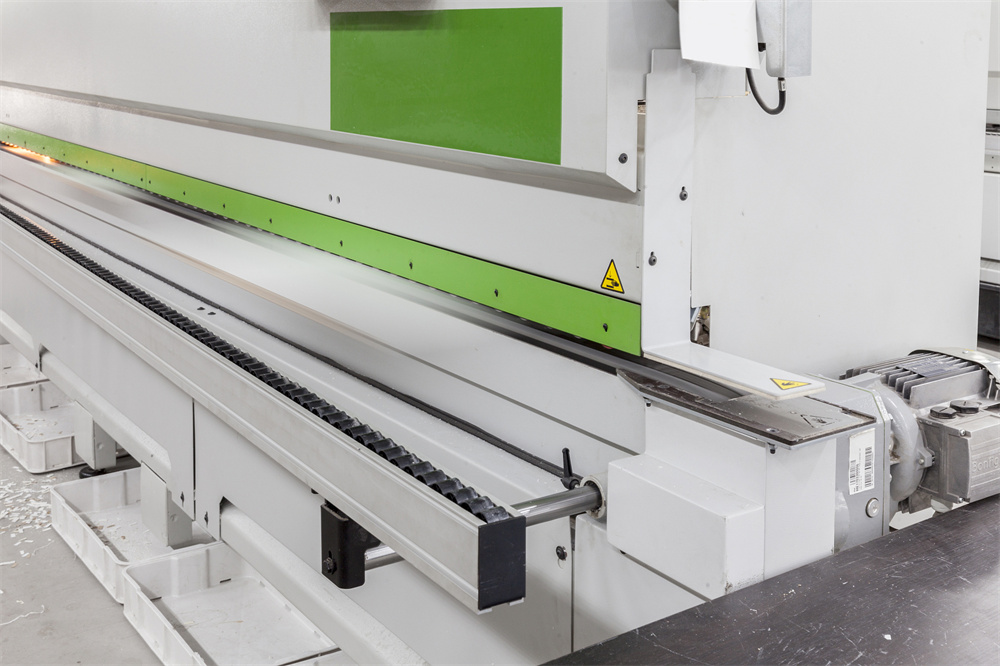
The price of a shearing machine is dictated by several core components. The frame construction is perhaps the most significant driver. A heavy-duty, stress-relieved steel frame ensures that the machine remains rigid under load, preventing deflection that leads to inaccurate cuts. Cheaper machines often use thinner steel or inadequate welding techniques, which compromises the machine’s lifespan and the quality of the finished product.
Hydraulic and electrical components also play a major role in the pricing structure. Premium machines utilize high-quality valves, pumps, and motors from reputable global brands. These components are not just more expensive; they are more reliable, energy-efficient, and easier to service. When a machine uses proprietary or low-grade electronics, the risk of downtime increases, which directly negatively impacts your shearing machine ROI.
The control system is another major cost factor. Basic machines might use simple digital readouts, while advanced models feature sophisticated CNC controllers that allow for complex programming, job memory, and integration with other fabrication software. The ability to store cutting parameters for different materials and thicknesses significantly reduces setup time, allowing operators to switch between jobs in seconds rather than minutes.
Finally, the tooling and blade quality contribute to the overall price. High-carbon, high-chrome steel blades are essential for cutting stainless steel and other tough alloys. Investing in superior blades means less frequent sharpening and replacement, which is a hidden cost that many buyers overlook. HARSLE ensures that every machine is equipped with blades designed for longevity and precision, protecting your investment from day one.
Configuration Impact: Customizing for Maximum Output
Configuration is where the ‘Shearing Machine ROI: Price Affects Productivity Profit’ equation truly comes to life. A machine configured specifically for your workflow will always outperform a generic, off-the-shelf model. For instance, adding a pneumatic sheet support system allows for the accurate cutting of thin, wide sheets that would otherwise sag and cause inaccuracies. This feature alone can drastically reduce scrap rates.
Variable rake angle adjustment is another critical configuration option. By allowing the operator to change the angle of the blade, the machine can handle a wider range of material thicknesses without distorting the edges. This flexibility is invaluable for job shops that handle diverse projects. While this adds to the initial price, the versatility it provides allows you to bid on a wider variety of contracts, directly increasing your revenue potential.
Backgauge speed and precision are also vital. A high-speed, motorized backgauge with ball screws allows for rapid positioning, which is essential for high-volume production. If your operators spend too much time manually adjusting the backgauge, your productivity will stagnate. Investing in an automated, high-precision backgauge ensures that every piece is cut to the exact dimension required, eliminating the need for rework.
Consider the integration of safety features as well. While they add to the cost, modern light curtains and laser guards not only protect your workforce but also ensure compliance with international safety standards. A safe working environment is a productive one, as it reduces the risk of accidents that could halt production for days or weeks. HARSLE offers modular configurations, allowing you to scale your machine’s capabilities as your business grows.

Hidden Costs: The True Price of Inefficiency
When evaluating the price of a shearing machine, many buyers fail to account for the ‘hidden’ costs of ownership. Maintenance is the most prominent. A machine that is difficult to access for lubrication, blade changes, or hydraulic fluid checks will inevitably be neglected. This leads to premature wear and tear, resulting in expensive emergency repairs and lost production time.
Energy consumption is another factor that is often ignored. Older or lower-quality hydraulic systems are notoriously inefficient, consuming electricity even when the machine is idle. Modern HARSLE shearing machines feature energy-saving modes and high-efficiency motors that can significantly reduce your monthly utility bills. Over the course of a machine’s 10-15 year lifespan, these savings can be substantial.
Scrap material is a silent profit killer. If your shearing machine lacks the precision to cut within tight tolerances, you are essentially throwing money away with every cut. Inaccurate cuts lead to wasted material, which is particularly costly when working with expensive alloys like stainless steel or aluminum. A slightly higher initial investment in a machine with superior precision will pay for itself through material savings alone.
Operator training and ease of use are also hidden costs. If a machine is overly complex or has a poor user interface, your operators will be less efficient, and the risk of error increases. A machine that is intuitive to operate allows for faster training and higher throughput. HARSLE prioritizes user-friendly design, ensuring that your team can get up to speed quickly and maintain high levels of productivity from the start.
ROI Calculation: Measuring Your Success
Calculating your shearing machine ROI involves more than just looking at the purchase price. You must consider the total increase in production capacity, the reduction in labor costs per part, and the decrease in waste. To start, determine your current cost per cut. Include labor, electricity, maintenance, and material waste. Then, estimate how a new, more efficient machine will change these variables.
For example, if a new machine reduces your setup time by 30 minutes per day, and your operator’s hourly rate is $30, you are saving $15 per day, or roughly $3,750 per year in labor alone. When you add the reduction in scrap material and the ability to take on more complex, higher-margin jobs, the ROI becomes clear. Many businesses find that a high-quality shearing machine pays for itself within 18 to 36 months.
Another way to view ROI is through the lens of ‘opportunity cost.’ What jobs are you currently turning down because your existing equipment is too slow or inaccurate? By upgrading to a more capable machine, you open up new revenue streams. This potential for growth is often the most significant factor in the ROI calculation, yet it is the one most frequently overlooked by buyers focused only on the sticker price.
Finally, consider the resale value. High-quality machines from reputable manufacturers like HARSLE hold their value significantly better than generic, low-cost alternatives. When it comes time to upgrade or expand, you will be able to recoup a larger portion of your initial investment. This residual value should be factored into your long-term financial planning, as it effectively lowers the total cost of ownership over the life of the machine.
Buying Advice: Making the Right Choice for Your Shop
Before purchasing a shearing machine, conduct a thorough audit of your current and projected production needs. Are you cutting thin sheet metal or heavy plate? What are the most common material types you process? Do you need high-speed, repetitive cutting, or do you handle a wide variety of custom, one-off jobs? Answering these questions will help you narrow down the features that are truly necessary for your business.
Always prioritize build quality over ‘bells and whistles.’ A machine with a solid, heavy-duty frame and high-quality hydraulic components will always be a better investment than a machine with a flimsy frame but a fancy touchscreen. The core function of a shearing machine is to cut metal accurately and reliably; ensure that the manufacturer has a proven track record in these areas.
Don’t overlook the importance of after-sales support. A shearing machine is a long-term asset, and you need a partner who can provide technical support, spare parts, and maintenance advice when you need it. HARSLE is committed to providing comprehensive support, ensuring that your machine remains operational and productive throughout its entire service life. Check for local service availability and the manufacturer’s reputation for customer service.
Finally, involve your operators in the decision-making process. They are the ones who will be using the machine every day. Their feedback on ease of use, safety, and ergonomics can be invaluable. A machine that is well-liked by the operators is more likely to be well-maintained and used to its full potential, which is the ultimate key to maximizing your shearing machine ROI.
FAQ: Frequently Asked Questions
- How does the rake angle affect the shearing process? The rake angle determines the force required to cut the material. A lower rake angle is better for thin sheets to prevent distortion, while a higher rake angle is necessary for thicker plates to reduce the cutting force.
- Why is blade gap adjustment important? Proper blade gap adjustment is critical for achieving a clean, burr-free cut. If the gap is too wide, the material will bend; if it is too narrow, the blades will wear out prematurely.
- How often should I sharpen the blades? The frequency of sharpening depends on the material type, thickness, and volume of cuts. Regular inspection is key; if you notice burrs on the edges of your cut parts, it is time to sharpen or replace the blades.
- Can I cut stainless steel on a standard shearing machine? Yes, but you must ensure that the machine has the capacity and the correct blade material for stainless steel, which is harder and tougher than mild steel.
- What is the difference between a swing-beam and a guillotine shear? A swing-beam shear uses a pivoting upper blade, which is generally more cost-effective for thinner materials. A guillotine shear uses a vertical cutting motion, providing higher precision and better edge quality for thicker materials.
- How do I calculate the ROI for a new machine? Calculate the total cost of ownership (purchase price + maintenance + energy) and subtract it from the projected revenue increase (labor savings + material savings + increased production capacity).