Why Your Punching Machine Is Losing Accuracy and How to Restore Precision


Introduction
In the high-stakes world of metal fabrication, precision is the currency of success. When your punching machine is losing accuracy, it doesn’t just result in wasted material; it compromises your production schedule, increases labor costs, and damages your reputation for quality. For manufacturers relying on HARSLE equipment, maintaining tight tolerances is essential for competitive advantage. Understanding why your punching machine is losing accuracy and how to restore precision is a critical skill for any shop floor manager or maintenance technician.
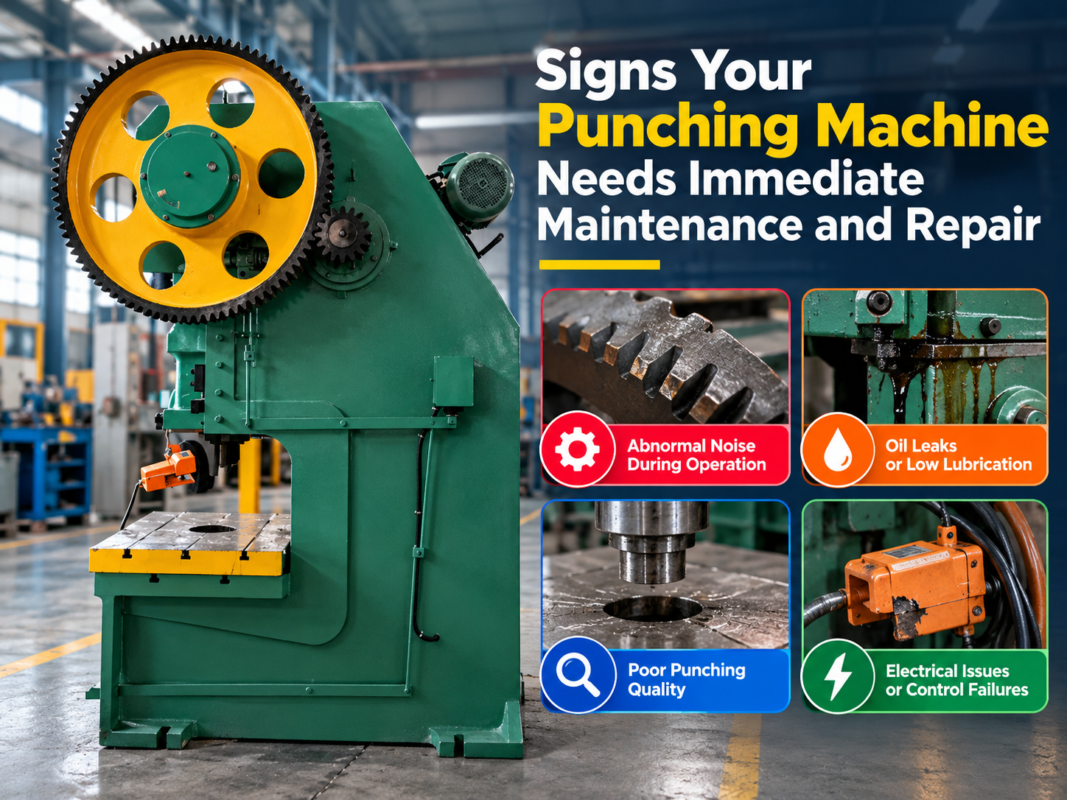
Accuracy loss is rarely the result of a single catastrophic failure. Instead, it is usually a cumulative process driven by mechanical wear, environmental factors, or improper tooling management. By identifying the early warning signs—such as burrs on the edges of holes, inconsistent hole positioning, or unusual vibration during the punching cycle—you can intervene before the machine requires a major overhaul. This guide explores the technical intricacies of punching machine performance and provides a roadmap for restoring your equipment to its original factory specifications.
Restoring precision requires a systematic approach. It involves evaluating the structural integrity of the machine frame, the condition of the hydraulic or mechanical drive system, and the precision of the CNC control software. Whether you are operating a turret punch or a single-station hydraulic press, the principles of accuracy remain consistent. In the following sections, we will break down the common culprits behind precision degradation and offer actionable steps to bring your production back to peak performance.
Key Considerations for Punching Machine Accuracy
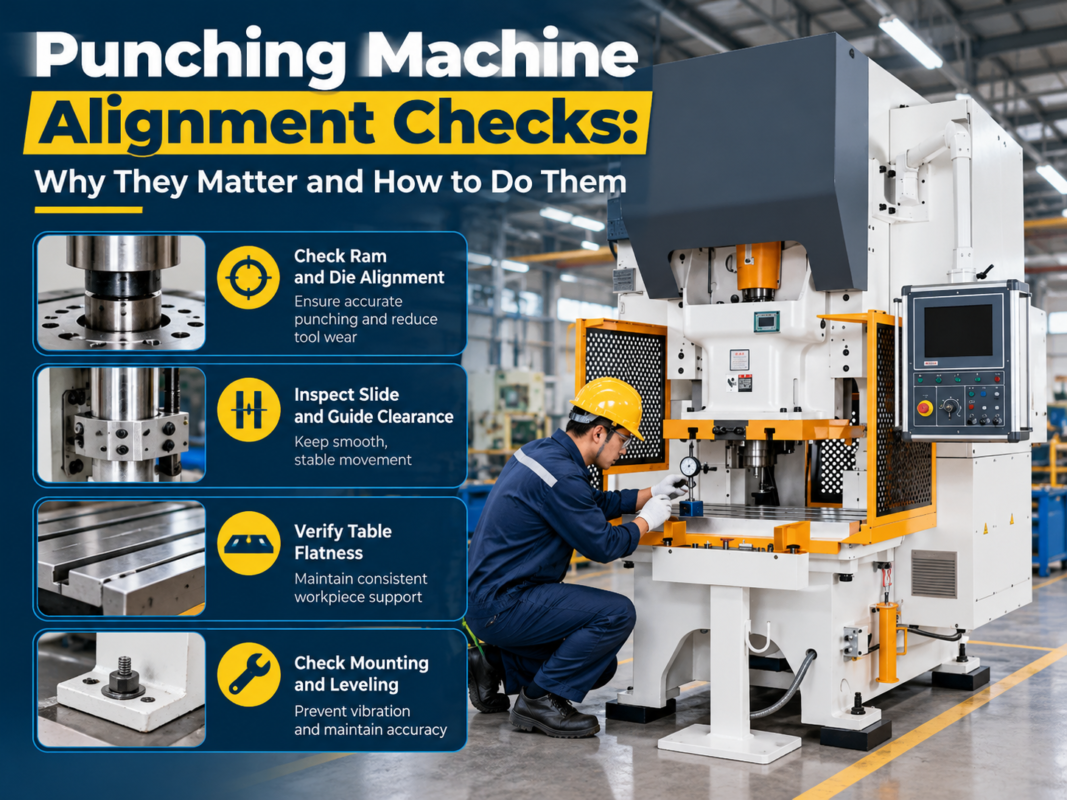
The first step in addressing accuracy issues is to understand the environment in which your machine operates. Metal fabrication equipment is subject to extreme forces, and even minor deviations in the foundation or the ambient temperature can lead to measurable errors. A machine that is not properly leveled, for instance, will experience uneven stress distribution across its frame, leading to micro-deflections that manifest as inaccurate hole locations.
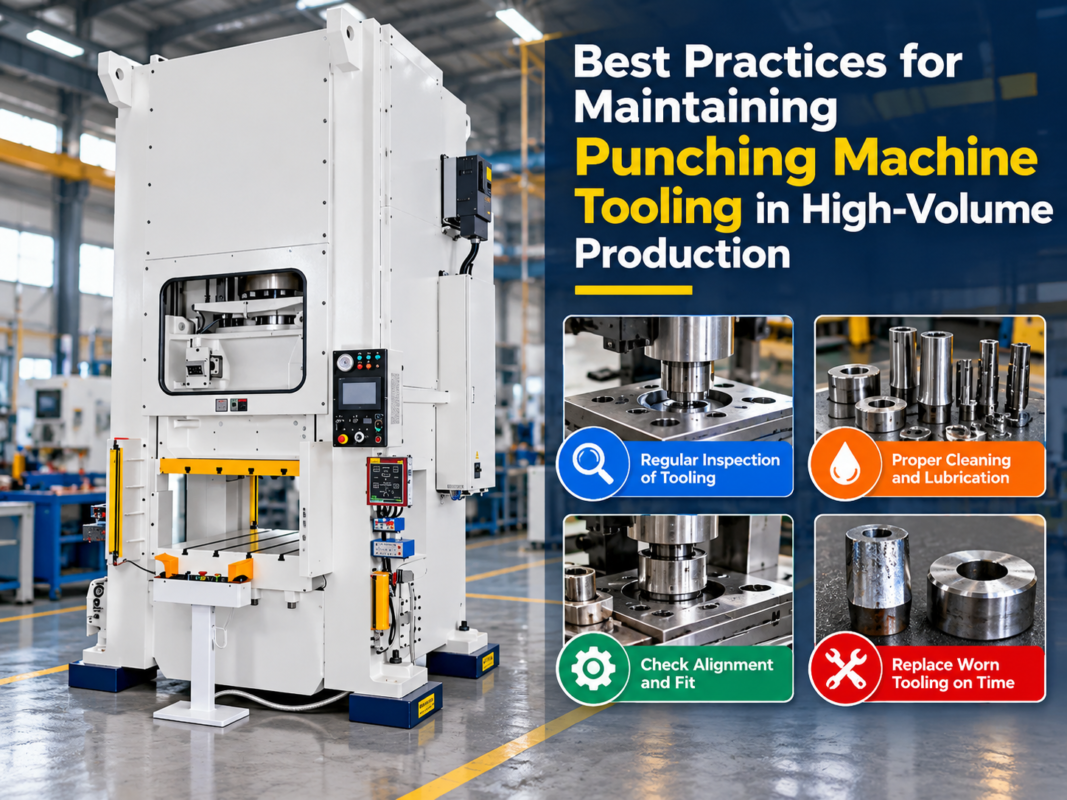
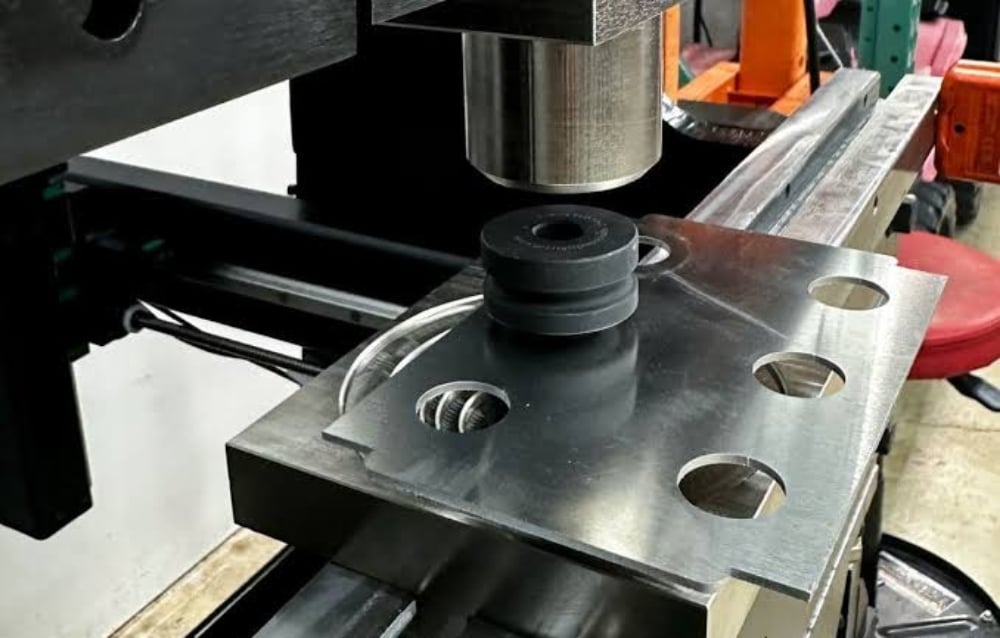
Tooling condition is another primary factor. Many operators mistakenly blame the machine’s drive system when the actual culprit is dull or chipped tooling. When a punch is dull, it requires more force to penetrate the material, which increases the stress on the ram and the guide bushings. This extra force can cause the punch to deflect slightly upon contact, resulting in holes that are out of round or misaligned. Regularly inspecting your punch and die sets is not just a maintenance task; it is a fundamental requirement for precision.
Furthermore, the material being processed plays a significant role. Variations in material thickness, hardness, or surface finish can affect how the machine reacts during the punching cycle. If your machine is calibrated for a specific material grade, switching to a harder alloy without adjusting the clearance or the punching speed can lead to premature wear of the guide systems. Always ensure that your machine parameters are optimized for the specific material batch currently on the line.
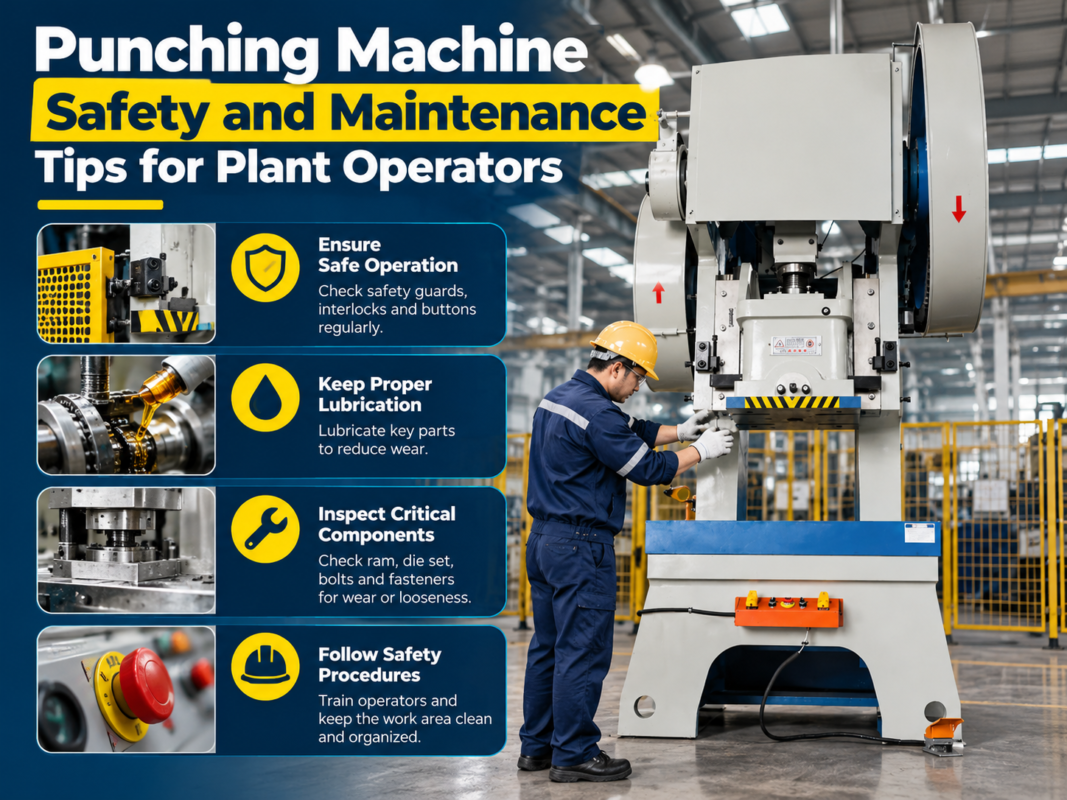
Finally, consider the human element. Operator training is vital. Incorrect loading of sheets, improper clamping, or failure to follow the recommended lubrication schedule can all contribute to a gradual loss of precision. By fostering a culture of maintenance and precision awareness, you can significantly extend the lifespan of your HARSLE equipment and ensure that your punching machine is losing accuracy is a problem you rarely have to face.
Technical Details: Diagnosing Precision Loss
To effectively restore precision, you must look at the mechanical linkages and the drive system. In hydraulic punching machines, the hydraulic fluid itself can be a source of inaccuracy. If the fluid is contaminated or if the operating temperature is not stabilized, the viscosity changes, affecting the response time of the valves. This leads to inconsistent ram travel, which directly impacts the depth and quality of the punch.
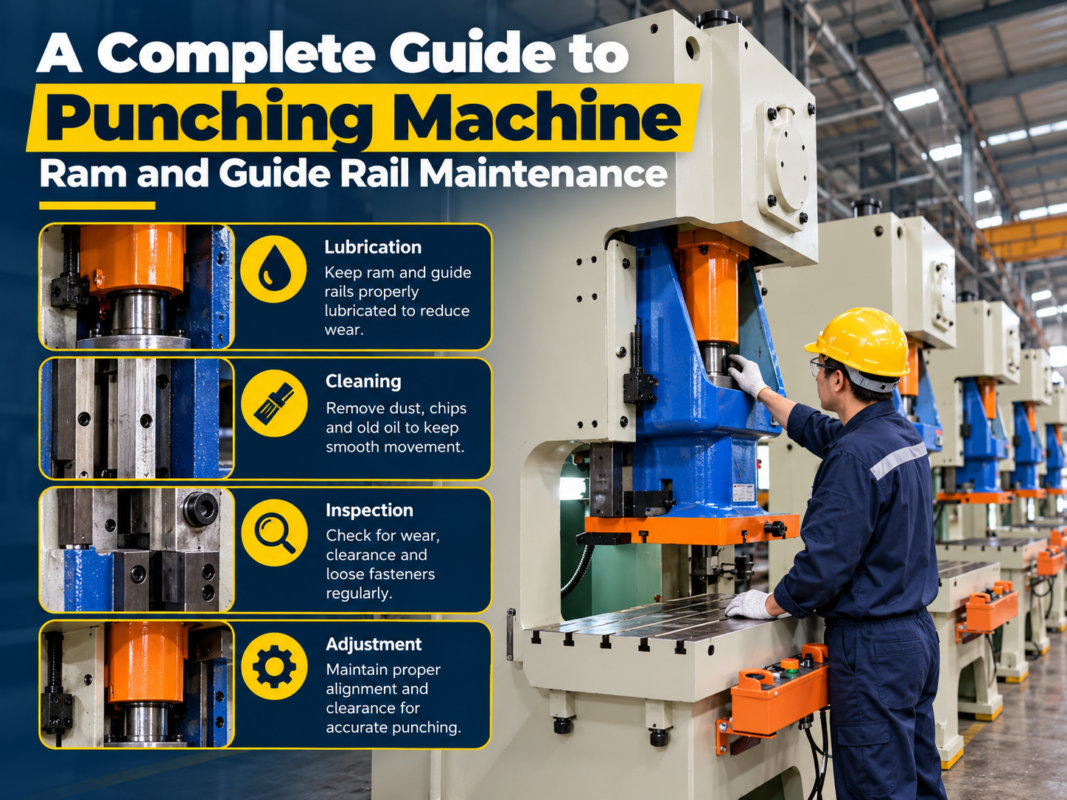
The guide system—specifically the ram guides and the turret alignment—is the heart of the machine’s accuracy. Over time, the gibs that guide the ram can wear down, creating play or ‘slop’ in the vertical movement. Even a few microns of play can result in significant errors when punching thin-gauge materials. Checking the gib clearance and adjusting it according to the manufacturer’s specifications is a standard procedure that can immediately restore a degree of precision to your operations.
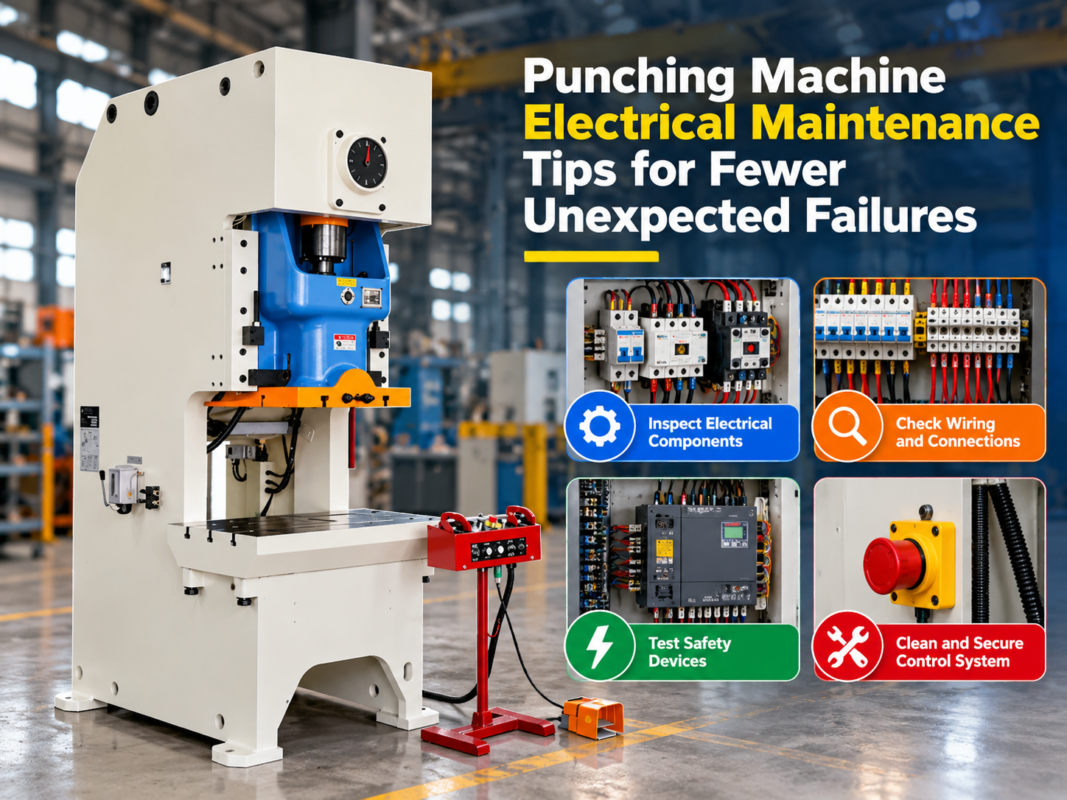
CNC control systems also require periodic calibration. The encoders that track the position of the X and Y axes can drift over time due to electrical noise, vibration, or simple wear. If the machine’s software believes the ram is at a specific coordinate but the physical position is off by even a fraction of a millimeter, the resulting parts will fail inspection. Performing a ‘homing’ sequence and verifying the axis accuracy with a laser interferometer or a precision dial indicator is essential for high-tolerance work.
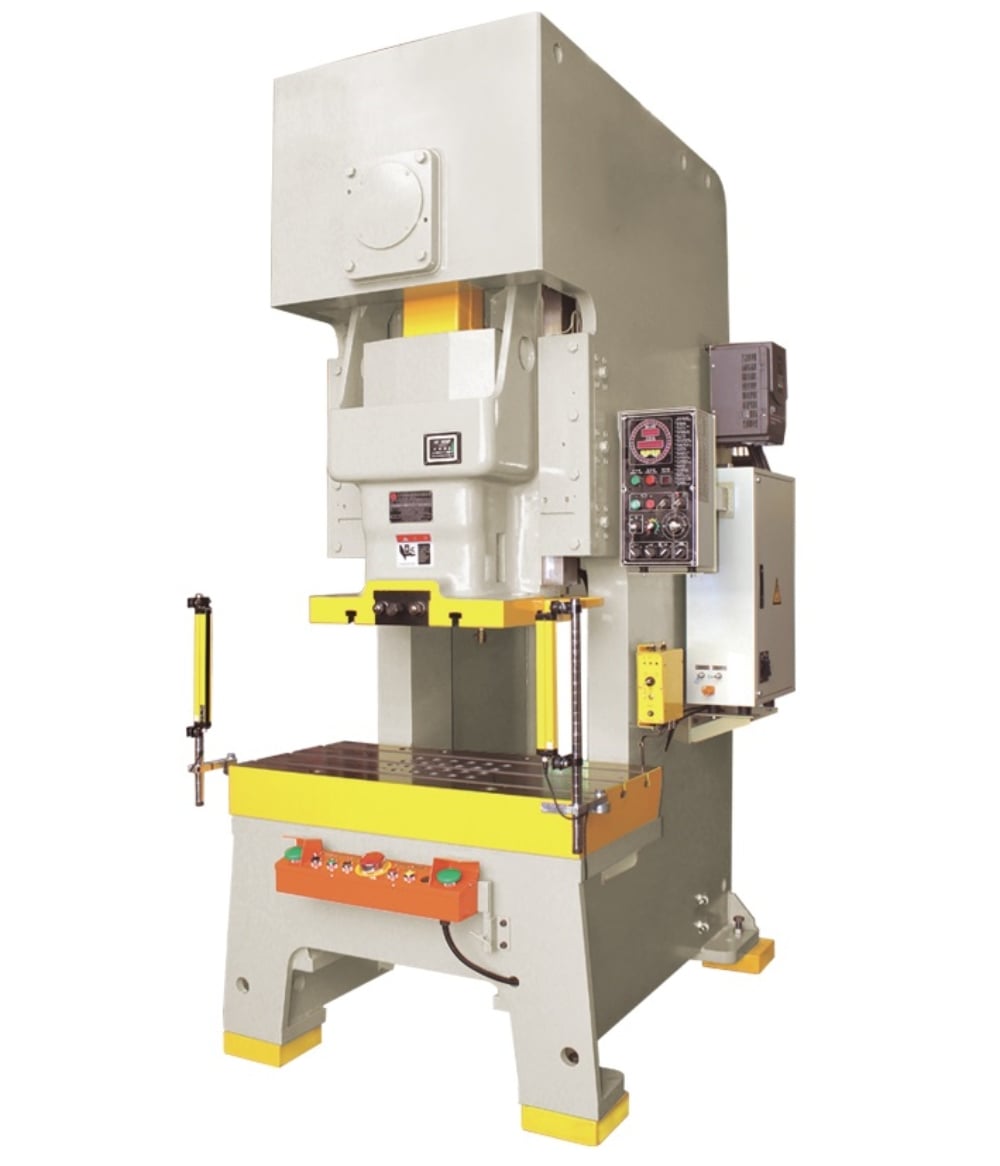
Another technical aspect is the clamping system. If the clamps that hold the sheet metal are not exerting uniform pressure, the sheet can ‘creep’ during the punching process. This is a common cause of cumulative error, where the first hole is accurate, but the last hole on the sheet is significantly off-position. Inspecting the clamp pressure and the condition of the clamp pads should be part of your daily startup checklist to prevent this type of drift.
Selection Advice: Choosing the Right Equipment
When you are in the market for a new punching machine, or looking to upgrade your existing fleet, precision should be a primary selection criterion. Not all machines are built to the same tolerance standards. Look for manufacturers like HARSLE that prioritize rigid frame construction, as a stiffer frame is inherently more resistant to the deflections that cause accuracy loss. A heavy-duty, stress-relieved steel frame is the foundation of long-term precision.
Consider the type of drive system that best suits your production needs. While hydraulic systems are robust and capable of handling thick materials, servo-electric punching machines offer superior repeatability and energy efficiency. Servo systems provide precise control over the ram position and speed, which can significantly reduce the wear on tooling and improve the overall accuracy of the punching process. If your shop focuses on high-speed, high-precision work, a servo-driven machine may be the better investment.
Evaluate the ease of maintenance. A machine that is difficult to calibrate or requires specialized tools for basic adjustments will inevitably suffer from neglect. Look for features like automatic lubrication systems, easy-access panels for gib adjustment, and user-friendly CNC interfaces that provide diagnostic feedback. The ability to quickly identify and rectify minor issues is what keeps a machine running at peak performance for years.
Finally, consider the support ecosystem. A punching machine is a long-term asset. Ensure that the manufacturer provides comprehensive training, readily available spare parts, and responsive technical support. Having access to expert advice when you notice your punching machine is losing accuracy can save you thousands of dollars in downtime and scrap material. Investing in a brand that stands behind its equipment is the best way to ensure your production remains accurate and profitable.
Maintenance Checklist for Restoring Precision
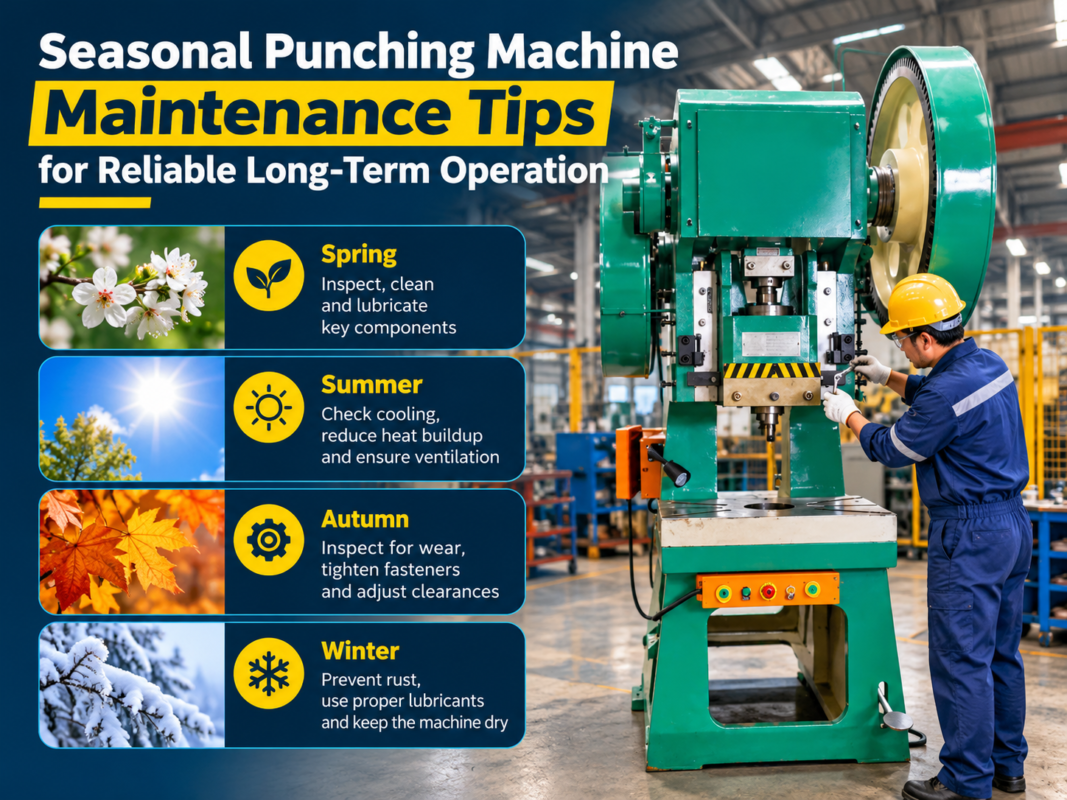
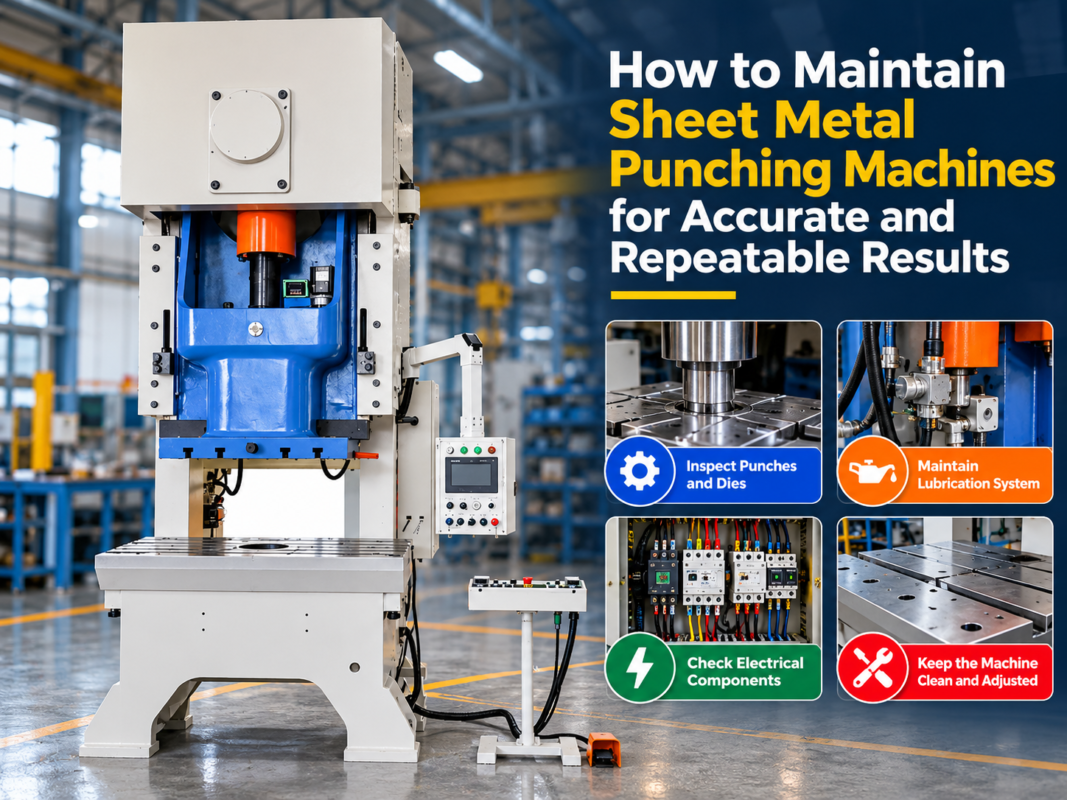
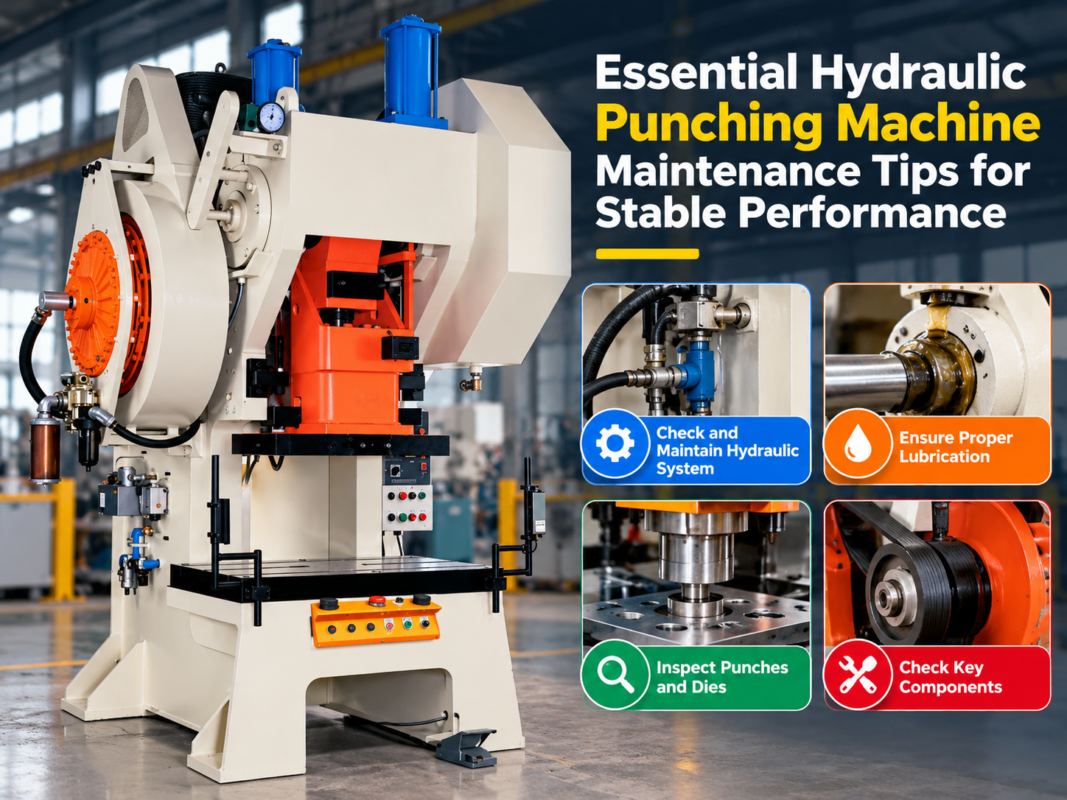
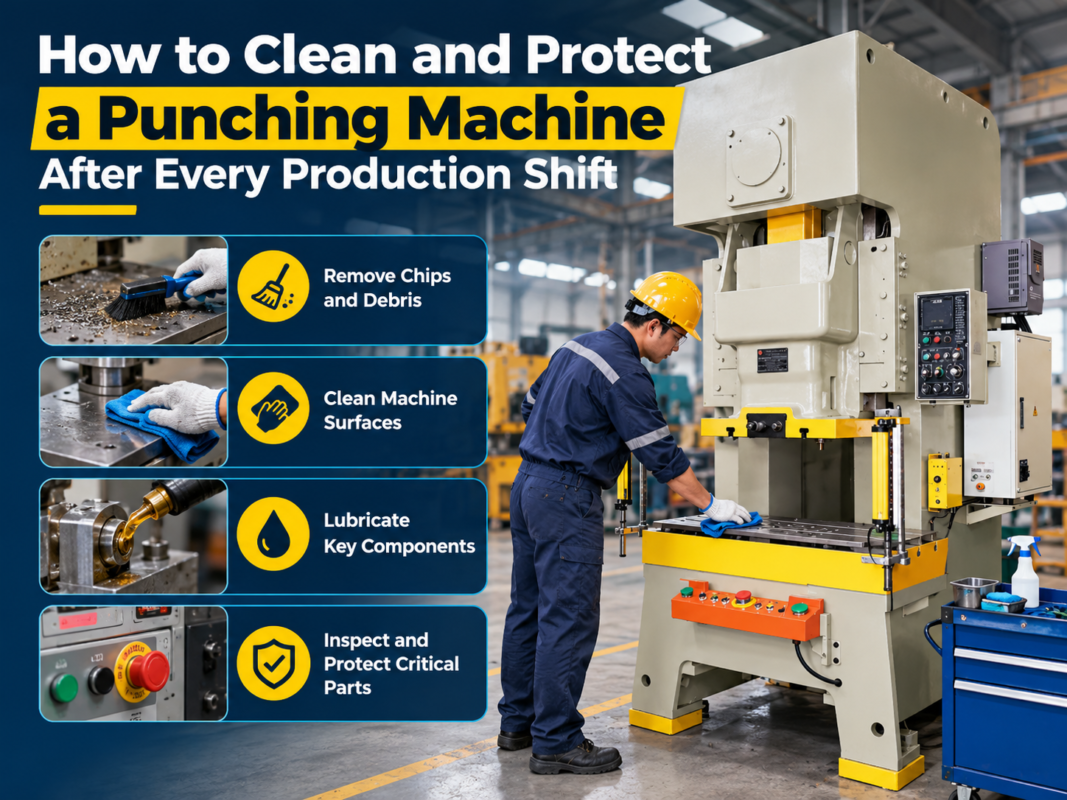
- Daily: Clean the turret and die holders to remove metal dust and debris. Check clamp pressure and ensure the sheet is held firmly.
- Weekly: Inspect punch and die sets for signs of wear, chipping, or galling. Replace any tooling that shows signs of degradation.
- Monthly: Check the hydraulic fluid levels and quality. Ensure the cooling system is functioning correctly to maintain stable operating temperatures.
- Quarterly: Perform a full axis calibration. Verify the X and Y axis positioning accuracy using a precision measuring tool.
- Annually: Conduct a comprehensive inspection of the ram guides, gibs, and drive linkages. Adjust or replace components as necessary to eliminate mechanical play.
FAQ: Common Questions About Punching Accuracy
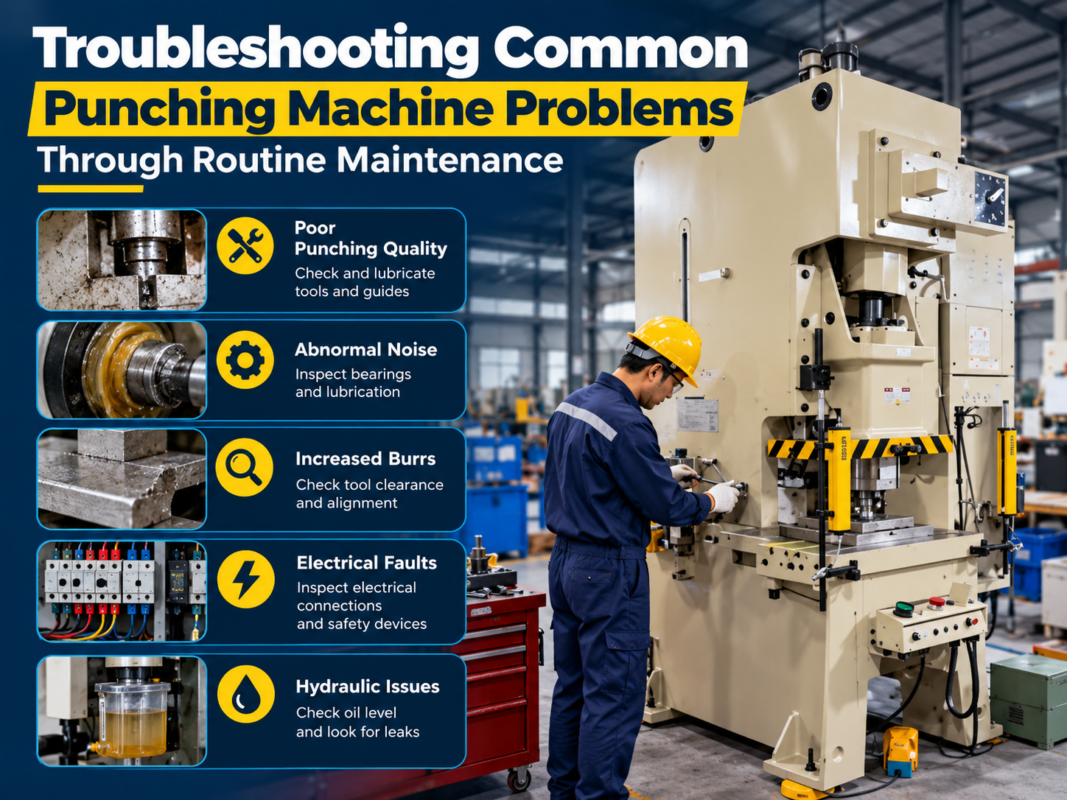
Q: Why does my punching machine produce burrs on the underside of the sheet?
A: Burrs are typically caused by excessive clearance between the punch and the die, or by dull tooling. Check your clearance settings and ensure your punch and die are sharp and properly aligned.
Q: How often should I calibrate my CNC punching machine?
A: For high-precision work, a quarterly calibration is recommended. However, if you notice any drift in hole positioning, you should perform a check immediately.
Q: Can environmental factors affect punching accuracy?
A: Yes. Significant fluctuations in ambient temperature can cause the machine frame to expand or contract, leading to positioning errors. Keeping your shop at a stable temperature is beneficial for precision.
Q: What is the most common cause of accuracy loss?
A: The most common cause is a combination of dull tooling and worn guide systems. Regular maintenance of these two areas will solve the majority of accuracy problems.
Conclusion
Maintaining the precision of your punching machine is an ongoing process that requires diligence, technical knowledge, and a proactive approach to maintenance. When you notice your punching machine is losing accuracy, it is a signal that the machine is working harder than it should be. By addressing the root causes—whether they are related to tooling, mechanical wear, or environmental factors—you can restore your equipment to its optimal state and ensure consistent, high-quality production.
Remember that precision is not just about the machine; it is about the entire fabrication process. From the quality of the raw material to the skill of the operator and the rigor of your maintenance schedule, every element plays a role. By choosing high-quality equipment from HARSLE and adhering to the maintenance guidelines outlined in this article, you can minimize downtime, reduce scrap, and keep your metal fabrication business running at the highest level of efficiency. Don’t wait for a major failure to act; prioritize your machine’s health today to secure your production’s future.