
What Is the Price of a Guillotine Shearing Machine? Buyer’s Guide


Price Range Overview
When investigating the question, “What Is the Price of a Guillotine Shearing Machine? Buyer’s Guide,” the first realization is that there is no single fixed price. The market for industrial metal fabrication equipment is vast, ranging from entry-level manual machines to high-end, fully automated CNC hydraulic systems. Generally, a basic mechanical shearing machine might start as low as $5,000 to $10,000, while heavy-duty, high-precision CNC hydraulic guillotine shears can easily exceed $100,000 or more depending on the cutting capacity and integrated technology.
For small-to-medium workshops, a standard hydraulic guillotine shear with a cutting capacity of 6mm to 10mm typically falls within the $15,000 to $35,000 range. These machines are the workhorses of the industry, offering a balance between cost and performance. As you move into thicker plate capacities—such as 20mm or 30mm steel—the structural requirements of the machine increase significantly, pushing prices into the $50,000 to $80,000 bracket.
It is important to understand that the price is not just for the steel frame; it is for the engineering precision, the hydraulic components, and the control systems that ensure clean, burr-free cuts. When you are researching the price of a guillotine shearing machine, you must look beyond the sticker price and consider the total cost of ownership, including installation, training, and long-term maintenance requirements.
Market volatility also plays a role in pricing. Raw material costs, specifically high-grade steel and electronic components, fluctuate globally. Furthermore, the brand reputation and the level of after-sales support provided by the manufacturer significantly influence the final quote. HARSLE, for instance, focuses on providing a balance of industrial-grade durability and competitive pricing, ensuring that fabricators get the best value for their investment.
Main Cost Drivers
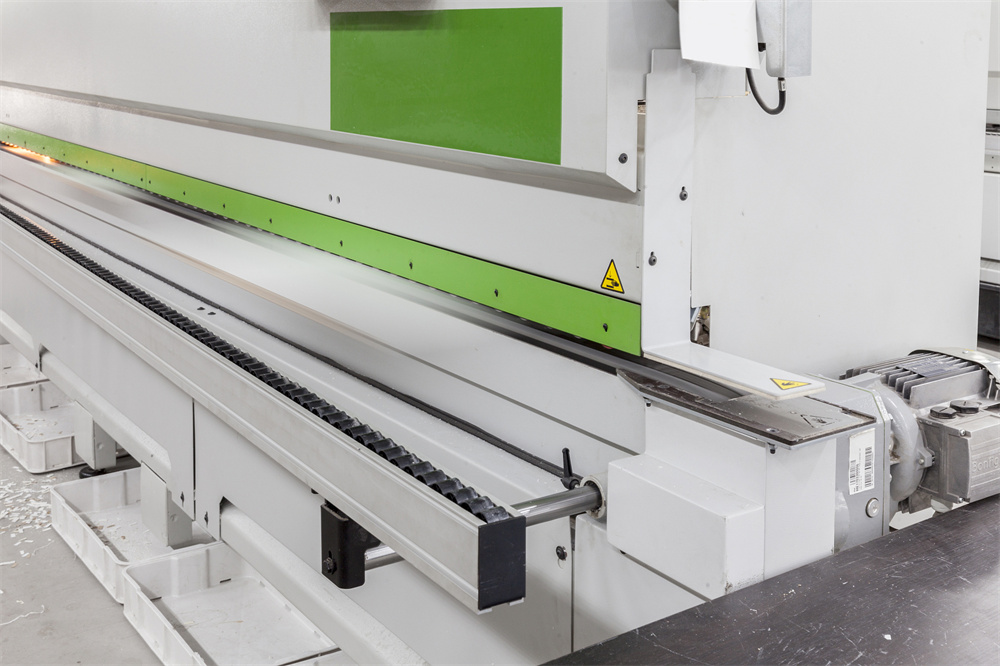
The primary factor driving the cost of a shearing machine is its cutting capacity. Capacity is defined by both the maximum thickness of the material and the length of the shear blade. A machine designed to cut 20mm thick mild steel requires a much heavier frame, more powerful hydraulic cylinders, and a more robust blade clearance adjustment system than a machine designed for 4mm sheet metal. The sheer weight of the machine is often a direct indicator of its cost, as more steel in the frame translates to higher material and manufacturing expenses.
Another significant cost driver is the quality of the hydraulic and electrical components. High-end machines utilize world-class valves, pumps, and seals from reputable international brands. These components ensure the machine operates reliably under high pressure for thousands of hours without leaking or losing precision. Cheaper alternatives may use lower-grade hydraulics that might save money upfront but lead to frequent downtime and expensive repairs later in the machine’s lifecycle.
The control system is the “brain” of the shearing machine. Basic models may feature simple manual backgauge controls, which are cost-effective but slower to operate. Advanced CNC controllers, which allow for programmable cutting sequences, automatic blade gap adjustment, and material thickness compensation, add a premium to the price. However, these systems often pay for themselves by drastically reducing setup time and minimizing operator error.
Finally, the blade quality and material composition are critical. High-carbon, high-chrome steel blades are essential for cutting stainless steel and other tough alloys. These blades are more expensive to manufacture and heat-treat, but they last significantly longer than standard blades. When evaluating the price, always ask about the blade material and the expected service life before requiring a regrind or replacement.
Configuration Impact
Configuration options allow fabricators to tailor the machine to their specific production needs, but each addition impacts the final price. One of the most common configurations is the automatic blade gap adjustment system. In manual machines, the operator must adjust the gap between the upper and lower blades based on the material thickness. An automatic system does this via the CNC controller, ensuring the perfect cut every time and extending the life of the blades. This feature is a major value-add for shops handling diverse material thicknesses.
The backgauge system is another area where configuration varies. A simple motorized backgauge is standard on most hydraulic shears, but high-precision ball screw backgauges with linear guides offer superior accuracy and repeatability. For shops that require high-speed production, adding a pneumatic sheet support system is essential. This prevents thin sheets from sagging or drooping during the cut, which ensures the accuracy of the dimensions and prevents the material from jamming in the machine.
Safety configurations are non-negotiable but also impact the budget. Modern guillotine shears are equipped with light curtains, laser scanners, and interlocked safety guards. While these add to the initial investment, they are vital for protecting operators and complying with international safety standards. Investing in a machine with integrated safety features is a cost-effective way to avoid workplace accidents and potential legal liabilities.
Customization for specific applications, such as specialized feeding tables, scrap conveyors, or automatic stacking systems, can turn a standard shear into a high-efficiency production line. While these additions increase the price, they also increase the throughput of the fabrication facility. When discussing the price of a guillotine shearing machine with a supplier, it is helpful to outline your specific production workflow so that you only pay for the configurations that provide a tangible return on investment.
Hidden Costs
When buyers ask, “What Is the Price of a Guillotine Shearing Machine? Buyer’s Guide,” they often overlook the hidden costs associated with installation and commissioning. Shipping a multi-ton machine requires specialized logistics, including flatbed trucks and heavy-duty cranes for unloading. If your facility does not have the necessary floor capacity or power supply, you may need to invest in concrete foundation work or electrical upgrades, which can add thousands to the total project cost.
Maintenance and consumables are ongoing costs that must be factored into the budget. Shearing machines require regular lubrication, hydraulic oil changes, and periodic blade sharpening. Depending on the volume of work, you may need to keep spare blades, seals, and electronic components in stock to minimize downtime. Ignoring these maintenance requirements will lead to premature wear and significantly higher repair costs in the long run.
Training is another often-underestimated cost. Even the most advanced CNC shearing machine is only as effective as the operator using it. Investing in professional training for your staff ensures that the machine is operated safely and efficiently. Many manufacturers offer training packages, and while they may seem like an extra expense, they are essential for maximizing the productivity of your new equipment.
Finally, consider the cost of energy consumption and waste management. High-performance hydraulic systems are designed to be energy-efficient, but older or poorly maintained machines can consume excessive power. Additionally, managing the scrap metal generated by the shearing process requires a well-organized system. Efficient material utilization software can help minimize waste, effectively lowering the cost per part over the life of the machine.
ROI Calculation
Calculating the Return on Investment (ROI) for a guillotine shearing machine involves analyzing how the machine improves your production efficiency. Start by calculating the current cost per cut, including labor, material waste, and the time spent on secondary finishing processes like deburring. A high-quality guillotine shear produces clean, square edges that often eliminate the need for secondary grinding or filing, saving significant labor hours.
Next, consider the increase in production capacity. If your current manual or outdated equipment is a bottleneck, a new, faster hydraulic shear can increase your daily output by 30% to 50%. Multiply this increase in output by your average profit margin per part to estimate the additional revenue generated by the new machine. This is the primary driver for your ROI.
Factor in the reduction in downtime. Older machines are prone to breakdowns that halt production. A new machine under warranty, supported by a reputable manufacturer like HARSLE, provides peace of mind and predictable production schedules. The cost of just one or two major production stoppages can often equal the price difference between a budget machine and a high-quality, reliable one.
Finally, consider the resale value. Industrial machinery from reputable brands retains its value well over time. If you eventually decide to upgrade to a larger or more automated system, a well-maintained guillotine shear can be sold on the secondary market, recouping a portion of your initial investment. When you view the purchase as a long-term asset rather than a one-time expense, the ROI becomes much clearer and easier to justify to stakeholders.
Buying Advice
Before finalizing your purchase, conduct a thorough assessment of your current and future production requirements. Do not just buy for today; consider the types of materials and thicknesses you might be cutting in three to five years. It is often more cost-effective to buy a machine with slightly more capacity than you currently need than to have to replace it prematurely when your business grows.
Always request a demonstration or visit a showroom to see the machine in action. Pay attention to the quality of the cut, the ease of the control interface, and the overall build quality. Ask the manufacturer for references from other customers in your industry. Speaking with someone who has used the machine for several years will provide invaluable insights into its reliability and the quality of the manufacturer’s support.
Check the warranty and after-sales support terms carefully. A machine is only as good as the service behind it. Ensure that the supplier has a local presence or a robust remote support system to help with troubleshooting and spare parts. HARSLE prides itself on comprehensive support, ensuring that our clients are never left without assistance when they need it most.
Finally, compare quotes from multiple suppliers, but be wary of prices that seem too good to be true. In the world of industrial machinery, you generally get what you pay for. A significantly lower price often indicates lower-quality components, thinner steel in the frame, or a lack of long-term support. Focus on the total value proposition—the combination of price, performance, reliability, and support—rather than just the lowest initial cost.
FAQ
- What is the typical lifespan of a guillotine shearing machine? With proper maintenance, a high-quality hydraulic shearing machine can last 15 to 20 years or more.
- How often should I sharpen the blades? This depends on the material type and volume. Generally, blades should be inspected every 6 months and sharpened when you notice burrs on the cut edge.
- Can a guillotine shear cut non-metal materials? Most are designed specifically for metal. Cutting non-metal materials can damage the blades and void the warranty.
- What is the difference between a swing beam and a guillotine shear? A swing beam shear uses a pivoting motion, while a guillotine shear uses a vertical, straight-line motion, which generally offers better precision and less distortion.
- Is it better to buy new or used? New machines offer warranties, the latest technology, and reliability. Used machines are cheaper but carry the risk of hidden mechanical issues and lack of support.
- How do I choose the right cutting capacity? Always choose a machine with a capacity at least 10-20% higher than your maximum expected material thickness to avoid overworking the machine.












