Why the Shearing Machine Cut Is Inconsistent Across the Sheet: A Comprehensive Troubleshooting Guide


Introduction
In the precision-driven world of metal fabrication, the shearing machine serves as the backbone of production. Whether you are working with thin gauge aluminum or thick structural steel, the expectation is always a clean, straight, and consistent cut across the entire length of the sheet. However, operators often encounter a frustrating scenario: the shearing machine cut is inconsistent across the sheet. This issue not only leads to wasted material and costly rework but can also indicate underlying mechanical failures that threaten the longevity of your equipment.
At HARSLE, we understand that industrial efficiency relies on the reliability of your machinery. When a cut varies in quality—perhaps clean on one end and burred on the other, or showing a distinct taper—it is a signal that the machine’s geometry, blade clearance, or structural integrity has been compromised. This comprehensive guide explores the technical reasons behind inconsistent shearing and provides actionable steps to restore your machine to peak performance.
Understanding the mechanics of a shear is the first step toward resolution. A shearing machine operates on the principle of a scissor-like action, where the upper blade moves past a stationary lower blade. For this to produce a uniform result, the relationship between these two blades must remain perfectly parallel and consistent throughout the entire stroke. When this relationship is disrupted, the quality of the cut suffers immediately.
In this article, we will delve into the mechanical, hydraulic, and operational factors that contribute to inconsistent cuts. By following this industrial machinery guide, maintenance teams and operators can systematically diagnose the problem, implement repairs, and establish preventative maintenance routines that keep your HARSLE equipment running at the highest level of precision.
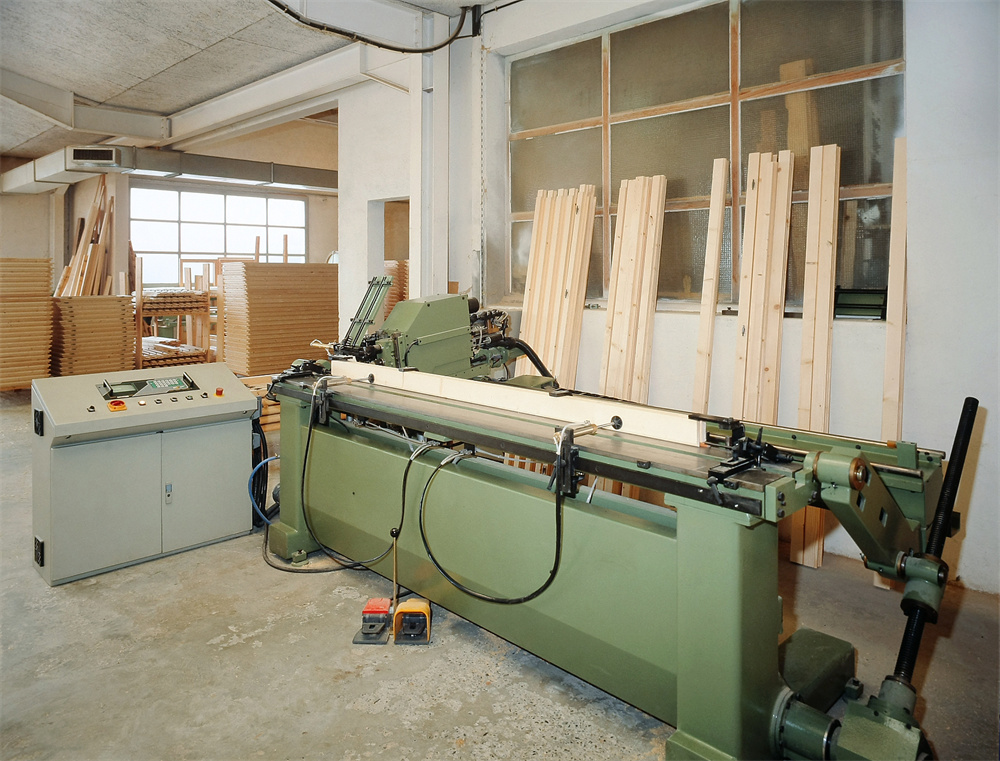
Key Considerations: Why the Shearing Machine Cut Is Inconsistent Across the Sheet
When you notice that the shearing machine cut is inconsistent across the sheet, the first step is to categorize the symptoms. Is the inconsistency a result of blade gap issues, structural deflection, or material handling errors? Identifying the root cause requires a methodical approach to inspecting the machine’s critical components.
One of the most common culprits is improper blade clearance. If the gap between the upper and lower blades is not uniform, the shearing force will vary as the blade travels across the material. This often manifests as a burr on one side of the sheet while the other side appears clean. Adjusting the blade clearance is a fundamental task, yet it is frequently overlooked or performed incorrectly, leading to uneven cutting forces.
Another significant factor is the condition of the blades themselves. Over time, blades suffer from wear, chipping, or dulling. If one section of the blade is more worn than another, the cutting action will be inconsistent. Furthermore, if the blades are not properly shimmed or if the blade bed has developed a slight bow due to overloading, the cut will inevitably vary across the width of the sheet.
Structural deflection is a more serious concern. Heavy-duty shearing machines are designed to withstand immense forces, but if the frame is not sufficiently rigid or if the hold-down cylinders are not applying uniform pressure, the material may shift during the cut. This shifting causes the sheet to move slightly, resulting in a cut that is not square or a finish that varies in quality from the start to the end of the stroke.
Finally, consider the material itself. Variations in material thickness, hardness, or internal stresses can cause the sheet to react differently as it is being sheared. If the machine is not calibrated for the specific material properties, the resulting cut will reflect these inconsistencies. Always ensure that the material being fed into the shear is within the machine’s rated capacity and that the hold-down system is engaging correctly.
Technical Details: Diagnosing Mechanical and Hydraulic Issues
To solve the problem of an inconsistent cut, we must look at the technical interplay between the hydraulic system and the mechanical structure. The hydraulic shearing machine relies on synchronized cylinders to drive the upper blade beam. If these cylinders are not synchronized, or if there is air in the hydraulic lines, the beam may tilt slightly during the stroke, causing an uneven gap.
Check the hydraulic pressure levels across the hold-down cylinders. These cylinders are responsible for pinning the sheet firmly against the table before the blade makes contact. If one or more hold-down cylinders are failing to exert sufficient pressure, the sheet will “crawl” or lift during the cutting process. This movement is a primary cause of inconsistent cuts, especially when shearing long, narrow strips where the material is prone to bending.
The blade beam guide system is another critical area. The beam must travel in a perfectly vertical or slightly angled path (depending on the machine design) without any lateral play. If the guide ways are worn or the gibs are loose, the beam will wobble during the cut. This instability prevents the blades from maintaining the precise clearance required for a clean shear, leading to inconsistent results across the sheet.
We must also address the issue of blade parallelism. Even if the clearance is set correctly, if the blades are not parallel to the table surface, the cut will be deeper or shallower at different points. This requires a precision check using feeler gauges across the entire length of the blade. If you find that the gap is wider at the center than at the ends, you may need to adjust the blade bed or replace the shims behind the blades.
Lastly, examine the backgauge system. If the backgauge is not perfectly parallel to the blade, the sheet will be positioned at an angle. While this might not cause a “burr” inconsistency, it will cause the cut to be out of square, which is often perceived as an inconsistent cut by the operator. Ensure that the backgauge is calibrated and that the drive motors are synchronized to prevent any skewing during the positioning process.
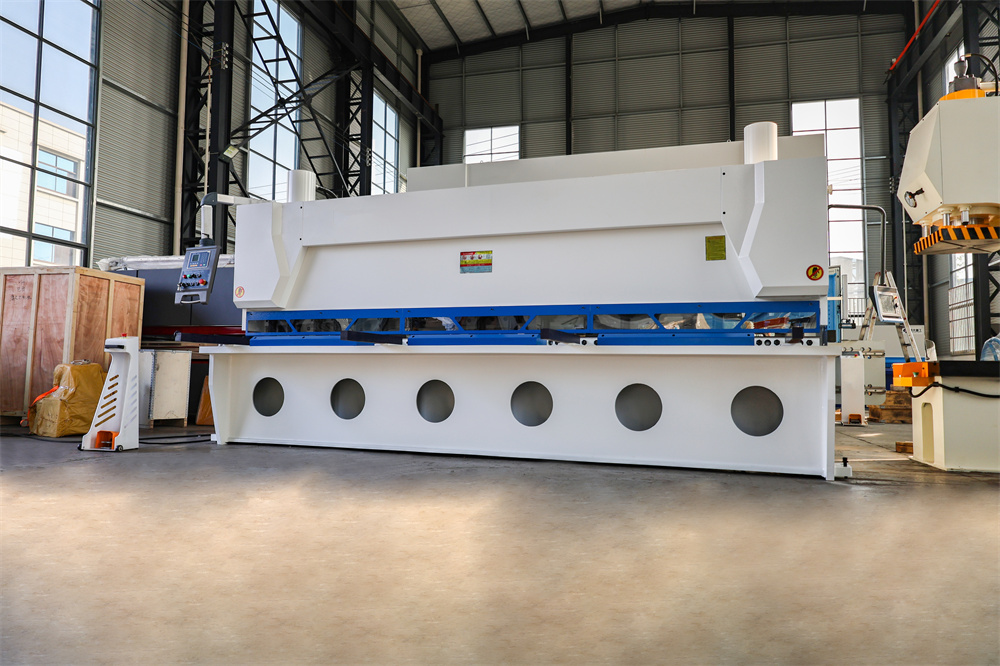
Selection Advice: Choosing the Right Shearing Machine for Your Needs
When selecting a shearing machine, the goal is to minimize the risk of inconsistent cuts before the machine even reaches your floor. HARSLE offers a variety of models, each designed for specific applications. Choosing the right machine involves understanding your production volume, material types, and the required precision levels.
For high-precision applications, consider a hydraulic swing beam shear. These machines are known for their rigidity and ability to maintain consistent blade clearance over long periods. The swing beam design minimizes the friction between blades, which helps in maintaining a clean edge. If your shop handles a wide variety of thicknesses, look for machines with motorized blade gap adjustment, which allows for quick and accurate changes without manual shimming.
Consider the hold-down system carefully. A machine with individual hydraulic hold-down cylinders is superior to a single-bar hold-down system because it ensures that each section of the sheet is clamped with equal force, regardless of the material’s surface irregularities. This is particularly important when working with thinner sheets that are prone to buckling.
Evaluate the machine’s structural build. A heavy-duty, stress-relieved steel frame is essential for preventing deflection under load. When a machine frame flexes, the blade gap changes, and the cut quality drops. Investing in a machine with a robust frame is an investment in long-term consistency and reduced maintenance costs.
Finally, look for advanced control systems. Modern shearing machines come with CNC controllers that can automatically calculate the optimal blade gap and rake angle based on the material thickness and type. By removing the human element from these calculations, you significantly reduce the likelihood of operator error and ensure that every cut is consistent, regardless of who is running the machine.
FAQ: Common Questions About Shearing Inconsistency
- Q: Why does my shear leave a burr on one side?
A: This is almost always due to incorrect blade clearance. If the gap is too wide, the material is pulled into the gap rather than being sheared, creating a burr. Check your clearance settings and adjust according to the material thickness. - Q: How often should I check the blade gap?
A: You should check the blade gap at the start of every shift, especially if you have changed the material thickness or type. Regular checks prevent the accumulation of errors. - Q: Can a dull blade cause an inconsistent cut?
A: Yes. A dull blade requires more force to penetrate the material, which increases the stress on the machine frame and can lead to deflection. Always keep your blades sharp and properly shimmed. - Q: What should I do if the hold-down cylinders are leaking?
A: Leaking cylinders lose pressure, which causes the sheet to shift. Replace the seals immediately to ensure consistent clamping force across the entire sheet. - Q: Is it possible to fix a bowed blade bed?
A: A bowed blade bed is a serious mechanical issue. It usually requires professional recalibration or, in severe cases, machining the bed back to a flat surface. Contact HARSLE support for specialized assistance.
Conclusion
Addressing the issue of why the shearing machine cut is inconsistent across the sheet is a matter of combining diligent maintenance with a deep understanding of your equipment’s mechanics. Whether the problem stems from blade clearance, hydraulic pressure, or structural deflection, the solution lies in systematic inspection and precise calibration. By maintaining your HARSLE shearing machine according to the guidelines provided, you ensure that your production remains efficient, your material waste is minimized, and your output meets the highest industrial standards.
Remember that consistency is the hallmark of quality in metal fabrication. When your shearing machine performs reliably, it sets the stage for every subsequent process, from bending to welding. Do not settle for inconsistent cuts; take the time to diagnose the root cause, invest in proper maintenance, and leverage the advanced features of your HARSLE equipment to achieve the perfect cut every single time.
For further assistance with your shearing machine or to explore our latest range of metal fabrication equipment, visit the HARSLE website. Our team of experts is dedicated to helping you optimize your workshop performance and ensuring that your machinery remains a reliable asset for years to come.