Best Press Brake Features for Improving Bending Accuracy and Productivity


Introduction to Modern Press Brake Technology
In the competitive landscape of metal fabrication, the ability to produce high-precision parts quickly is the difference between a profitable shop and one that struggles to keep up. As materials become more expensive and customer tolerances become tighter, the demand for advanced machinery has never been higher. Identifying the Best Press Brake Features Improving Bending Accuracy Productivity is essential for any business looking to upgrade its capabilities. HARSLE, a leader in the manufacturing of high-quality metalworking machinery, understands that a press brake is not just a piece of equipment; it is the heart of the fabrication process.
Modern press brakes have evolved from simple mechanical devices into highly sophisticated, computer-controlled systems. These machines integrate advanced hydraulics, precision electronics, and intuitive software to ensure that every bend is consistent, regardless of material variations. By focusing on specific features that enhance both the speed of operation and the precision of the final product, fabricators can significantly reduce waste and increase their throughput. This guide will delve deep into the technical aspects and financial considerations of selecting the right press brake for your needs.
Price Range Overview: Investing in Quality
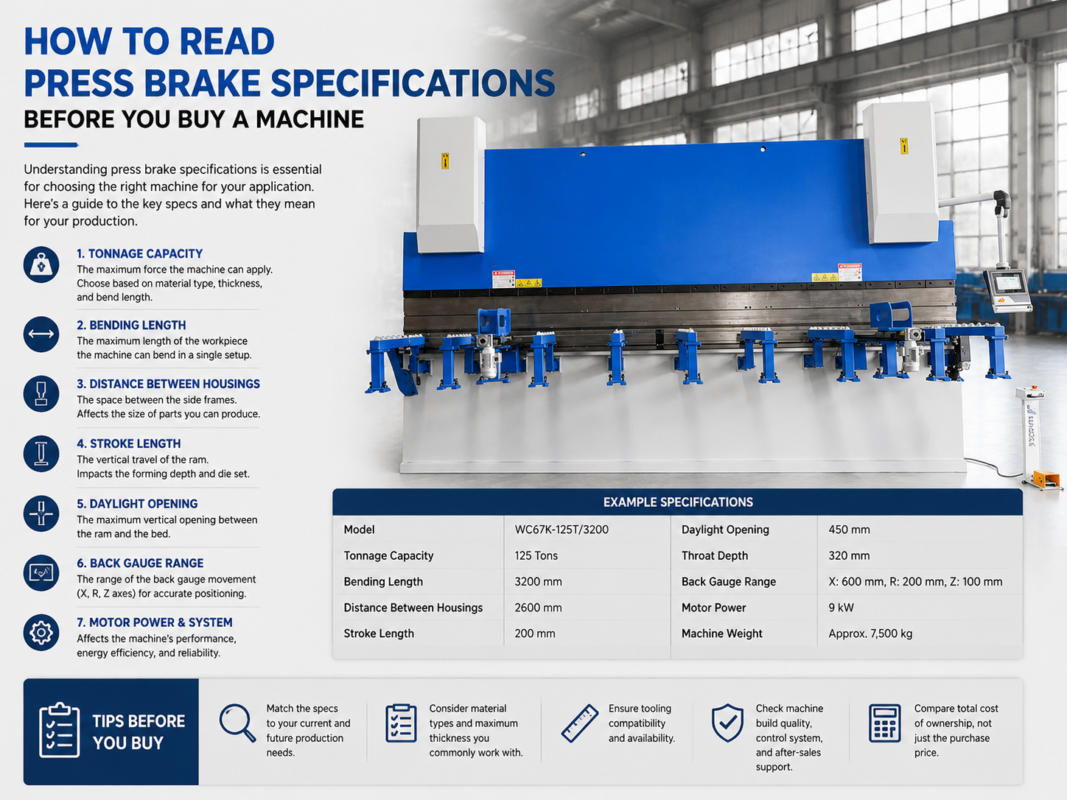
When evaluating the cost of a press brake, it is important to categorize machines based on their technological capabilities and tonnage. The price of a press brake is a direct reflection of its accuracy, speed, and the complexity of the parts it can produce. Generally, the market is divided into three main tiers: entry-level, mid-range, and high-end CNC systems.
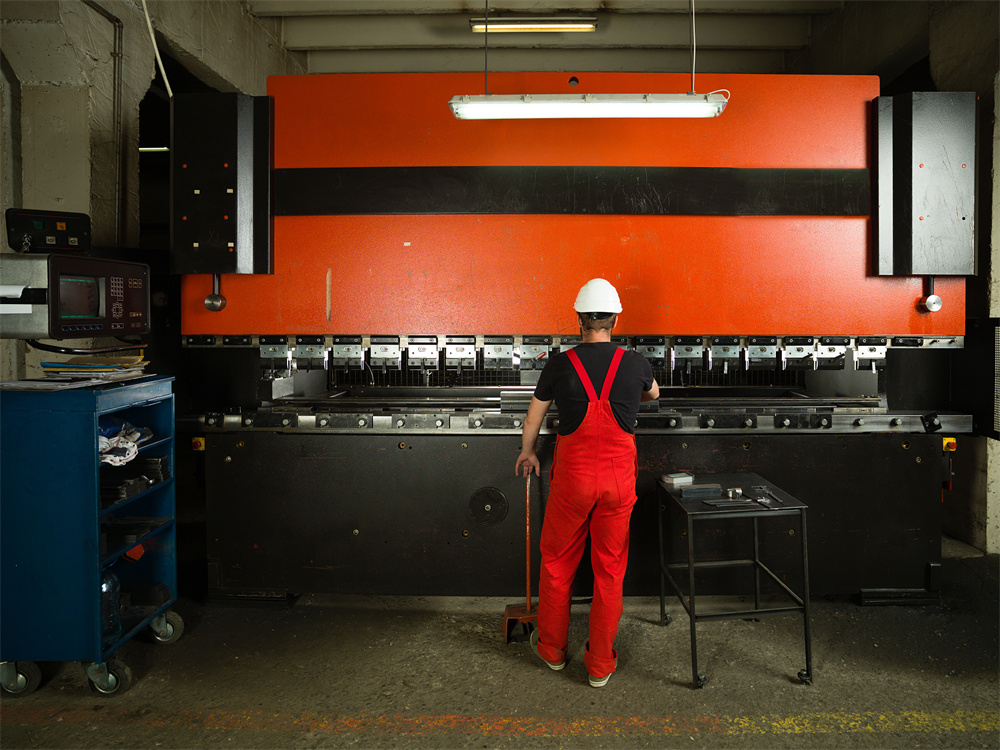
Entry-level machines, often featuring torsion bar synchronization and simple 2-axis NC controllers, typically range from $15,000 to $35,000. These are suitable for basic bending tasks where high precision is not the primary concern. However, for businesses targeting the Best Press Brake Features Improving Bending Accuracy Productivity, mid-range machines are the starting point. These machines, priced between $40,000 and $85,000, usually feature electro-hydraulic synchronization (Y1, Y2 axes) and more advanced CNC controllers like the Delem DA-53T or ESA S630. They offer significantly better repeatability and are capable of handling more complex geometries.
High-end CNC press brakes can exceed $100,000, reaching up to $250,000 or more for large-tonnage or highly specialized models. These machines are equipped with multi-axis backgauges (up to 6 or 8 axes), automatic crowning systems, and real-time angle measurement lasers. While the initial investment is higher, the productivity gains and the reduction in scrap material often lead to a much faster return on investment (ROI) compared to cheaper, less capable alternatives.
Main Cost Drivers in Press Brake Manufacturing
Understanding what drives the cost of a press brake helps buyers make informed decisions. The primary cost driver is the CNC control system. A high-end controller from a reputable brand like Delem, Cybelec, or ESA provides the processing power needed for 3D visualization, offline programming, and complex calculations that ensure accuracy. These controllers are essentially the brain of the machine, and their sophistication directly impacts the ease of use and the speed of setup.
The hydraulic system is another significant factor. High-performance machines utilize proportional valves from manufacturers like Rexroth or Hoerbiger. These valves allow for precise control over the ram’s movement, enabling high-speed approach, slow bending, and rapid return cycles. This precision is vital for maintaining a consistent bend angle across different batches of material. Furthermore, the frame construction—specifically the quality of the steel and the precision of the welding and machining—determines the machine’s long-term stability and resistance to deflection under load.
Finally, the backgauge system contributes heavily to the price. A simple X-axis backgauge is inexpensive but limits the machine to basic bends. In contrast, a multi-axis backgauge (X, R, Z1, Z2, X1, X2) allows for the bending of asymmetrical parts and complex sequences without the need for manual adjustments. The use of high-precision ball screws and linear guides in the backgauge ensures that the workpiece is positioned with sub-millimeter accuracy every single time.
Configuration Impact: Features That Define Accuracy
To achieve the Best Press Brake Features Improving Bending Accuracy Productivity, one must look closely at the machine’s configuration. One of the most critical features is the crowning system. When a press brake bends a long piece of metal, the center of the ram and the bed tend to deflect upward and downward, respectively. This results in a “canoe effect,” where the angle in the middle of the part is wider than at the ends. An automatic CNC crowning system compensates for this deflection by adjusting the bed’s profile in real-time, ensuring a perfectly straight bend across the entire length of the machine.
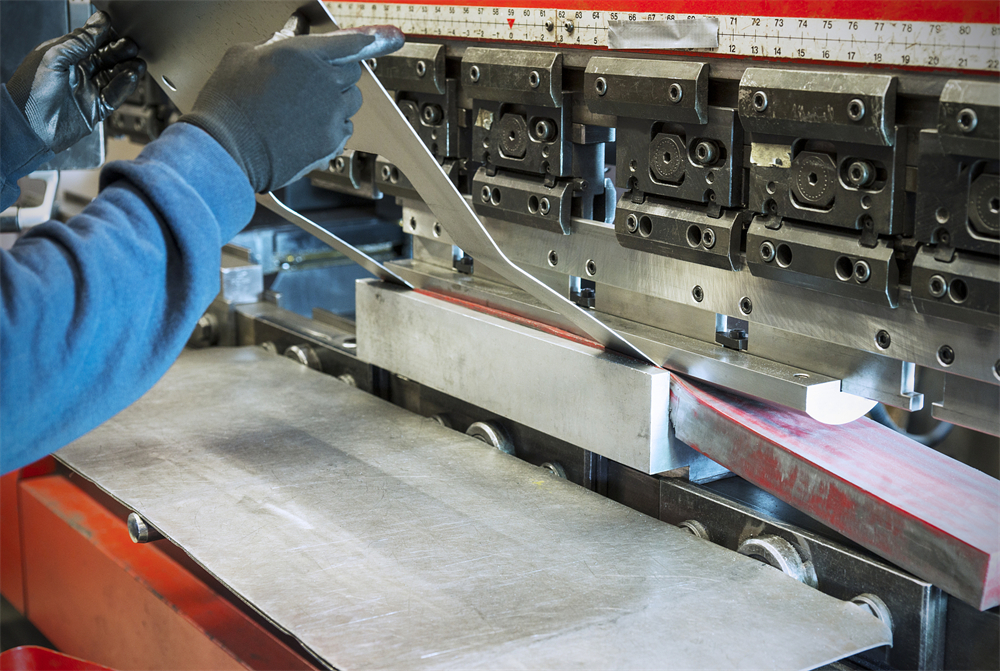
Another game-changing feature is the integration of Laser Angle Measurement Systems. These systems use lasers to measure the actual angle of the bend as it is being formed. If the material springs back or varies in thickness, the CNC controller automatically adjusts the ram depth to achieve the programmed angle. This eliminates the need for “test bends” and manual corrections, which are the biggest time-wasters in traditional fabrication. By getting the first part right every time, productivity is maximized and material waste is virtually eliminated.
Tooling clamping systems also play a vital role. Hydraulic or pneumatic quick-clamping systems allow operators to change tools in seconds rather than minutes. In a high-mix, low-volume production environment, the time saved during tool changes can add up to several hours per week. When combined with a sophisticated CNC controller that supports offline programming, the machine can transition from one job to the next with minimal downtime, keeping the spindle—or in this case, the ram—moving as much as possible.
Hidden Costs of Press Brake Ownership
While the purchase price is the most visible expense, several hidden costs can affect the total cost of ownership. Tooling is often the most overlooked. High-quality, precision-ground tooling is required to match the accuracy of a high-end CNC press brake. Investing in a cheap machine but using low-quality tools will negate any accuracy gains. Fabricators should budget for a comprehensive set of punches and dies tailored to their specific material types and thicknesses.
Maintenance and spare parts are another consideration. High-performance hydraulic systems and electronic components require regular servicing to maintain peak performance. Choosing a manufacturer like HARSLE, which provides excellent after-sales support and readily available spare parts, can mitigate the risk of costly downtime. Additionally, energy consumption is becoming a larger factor. Modern hybrid press brakes, which use servo-motors to drive the hydraulic pumps only when the machine is moving, can reduce electricity costs by up to 60% compared to traditional hydraulic systems.
Training and software licenses also add to the initial outlay. To fully utilize the Best Press Brake Features Improving Bending Accuracy Productivity, operators need to be trained on the CNC interface and offline programming software. While this represents an upfront cost, the ability to program jobs in the office while the machine is running another task is a massive productivity booster that pays for itself quickly.
ROI Calculation: The Value of Precision
Calculating the Return on Investment (ROI) for a high-feature press brake involves looking beyond the monthly lease payment. The primary drivers of ROI are scrap reduction, labor savings, and increased capacity. For example, if a shop currently spends 20% of its time performing test bends and correcting errors, a machine with laser angle measurement can reclaim that time. If that shop operates 2,000 hours a year, that’s 400 hours of additional production capacity gained.
Furthermore, the reduction in scrap is a direct addition to the bottom line. In industries using expensive materials like stainless steel or aluminum, reducing scrap by even 5% can save thousands of dollars annually. When you factor in the ability to take on more complex, higher-margin work that a basic machine couldn’t handle, the ROI of a well-configured HARSLE CNC press brake often becomes apparent within the first 12 to 18 months of operation. High productivity means more parts out the door, and high accuracy means fewer customer rejections and rework.
Buying Advice: Choosing the Right HARSLE Machine
When selecting a press brake, start by analyzing your most common workpieces. What is the maximum length and thickness? What is the tightest tolerance you need to hold? For most general fabrication, a 100-ton to 160-ton machine with a 3-meter bed is the “sweet spot.” However, if you are working with thin gauge materials and require high speed, a smaller, faster electric or hybrid press brake might be more efficient.
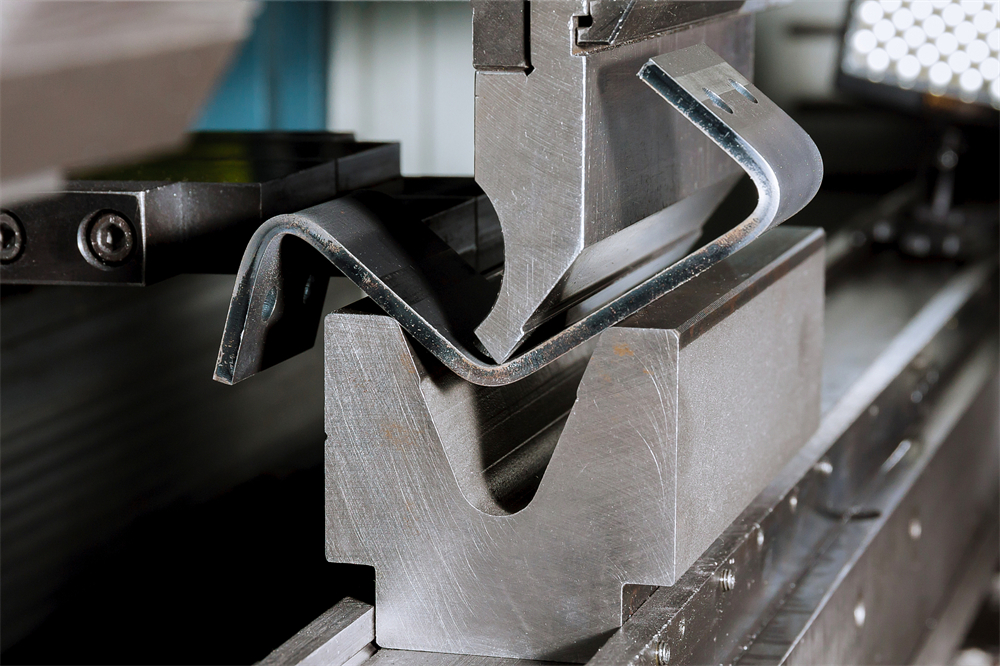
Always prioritize the CNC controller and the crowning system. These are the two features that have the greatest impact on the Best Press Brake Features Improving Bending Accuracy Productivity. Don’t settle for a manual crowning system if you frequently bend parts longer than 2 meters. Similarly, ensure the backgauge has enough axes to handle your most complex parts. It is better to invest in a slightly more capable machine now than to find yourself limited by your equipment as your business grows.
Finally, consider the reputation of the manufacturer. HARSLE has built a global reputation for delivering machines that balance advanced technology with rugged durability. By choosing a HARSLE press brake, you are not just buying a machine; you are partnering with a company that understands the nuances of metal fabrication and provides the tools necessary to succeed in a demanding market. Check for local service availability and talk to other users to ensure the machine meets your expectations for reliability and performance.
Frequently Asked Questions (FAQ)
What is the most important feature for bending accuracy?
The most important feature for consistent accuracy across the length of a part is the CNC Crowning System. It compensates for the natural deflection of the machine’s frame under pressure. For angle accuracy regardless of material variation, a Laser Angle Measurement System is the most effective feature.
How does a CNC controller improve productivity?
A CNC controller improves productivity by allowing for offline programming, 3D simulation of the bending process (to prevent collisions), and automatic calculation of the bend sequence and backgauge positions. This drastically reduces setup time and allows the operator to focus on feeding the machine.
Is a hybrid press brake worth the extra cost?
Yes, for most high-volume shops. Hybrid press brakes use servo-drives to control the hydraulics, which results in faster cycle times, higher precision, significantly lower energy consumption, and quieter operation. The energy savings and increased speed usually justify the higher initial price within a few years.
What backgauge configuration do I need?
For simple 90-degree bends, a 2-axis (X, R) backgauge is often sufficient. However, for complex parts with multiple flanges or asymmetrical shapes, a 4-axis (X, R, Z1, Z2) or 6-axis (X1, X2, R1, R2, Z1, Z2) backgauge is necessary to ensure the part is positioned correctly for every bend.
Can I upgrade my old press brake with these features?
While some retrofits are possible, such as adding a new CNC controller or a basic crowning table, it is often more cost-effective to invest in a new machine. Modern press brakes are designed as integrated systems where the frame, hydraulics, and electronics work together to achieve levels of accuracy and speed that older frames simply cannot support.
Why should I choose HARSLE for my next press brake?
HARSLE offers a superior balance of advanced features, build quality, and value. Our machines incorporate top-tier components like Delem controllers and Rexroth hydraulics, ensuring that you get the Best Press Brake Features Improving Bending Accuracy Productivity at a competitive price point, backed by expert technical support.