
Hydraulic Press Buying Guide: Manual, Semi-Automatic, or Fully Automatic?


Introduction to Hydraulic Press Selection
In the modern landscape of metal fabrication, the hydraulic press remains a cornerstone of production. Whether you are deep drawing automotive components, punching precision holes, or molding composite materials, the efficiency of your operation depends heavily on the level of automation you choose. Selecting between manual, semi-automatic, and fully automatic hydraulic presses is not merely a matter of budget; it is a strategic decision that affects labor costs, cycle times, safety, and long-term scalability. At HARSLE, we understand that every workshop has unique requirements, and this guide is designed to help you navigate the complexities of hydraulic press procurement.
The evolution of hydraulic technology has bridged the gap between simple mechanical force and sophisticated CNC-controlled systems. Today’s buyers must weigh the initial capital expenditure against the potential for increased throughput. A manual press might be perfect for a low-volume repair shop, but it would become a bottleneck in a high-speed manufacturing facility. Conversely, a fully automated system offers incredible ROI for mass production but may be overkill for specialized, low-volume aerospace components. This guide provides a deep dive into the cost structures, technical configurations, and ROI metrics necessary to make an informed investment.
Price Range Overview
Understanding the financial commitment required for different hydraulic press configurations is the first step in the buying process. Prices vary significantly based on tonnage, frame design, and the level of integrated technology. Below is a general overview of the market pricing for standard industrial-grade hydraulic presses.
| Configuration Type | Typical Tonnage Range | Estimated Price Range (USD) | Primary Application |
|---|---|---|---|
| Manual Hydraulic Press | 10 – 100 Tons | $2,000 – $15,000 | Prototyping, Repair, Small Batch |
| Semi-Automatic Press | 50 – 500 Tons | $15,000 – $80,000 | General Fabrication, Component Assembly |
| Fully Automatic Press | 100 – 2000+ Tons | $80,000 – $500,000+ | Mass Production, Automotive, Aerospace |
Manual presses are the most affordable, often featuring a simple hand pump or a basic electric motor with manual valve controls. These are ideal for educational settings or maintenance departments where the machine is used sporadically. Semi-automatic presses represent the middle ground, featuring motorized hydraulic units and basic electrical controls (like two-hand start buttons) that ensure safety while increasing speed. Fully automatic presses are the premium choice, often integrated with PLC (Programmable Logic Controller) systems, touch-screen interfaces, and robotic loading/unloading capabilities. These machines are built for 24/7 operation and high precision.
Main Cost Drivers in Hydraulic Press Procurement
When evaluating the price of a hydraulic press, several technical factors drive the final quote. It is rarely just about the “tonnage.” While a 200-ton press will naturally cost more than a 50-ton press, the internal components and structural integrity play a massive role in the machine’s longevity and performance.
1. Tonnage and Frame Construction
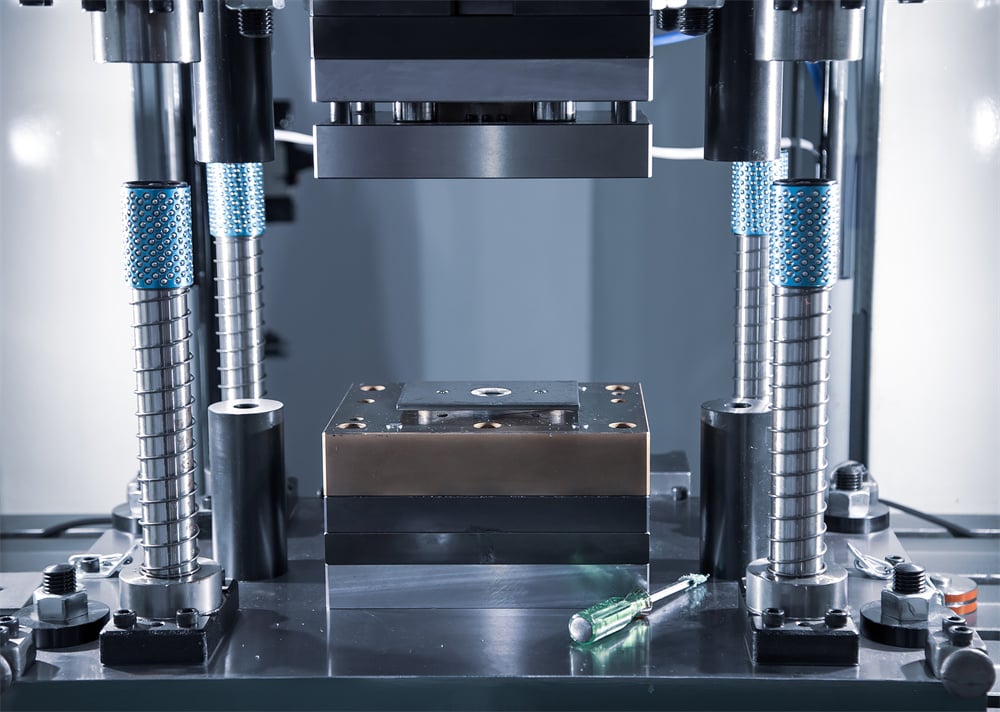
The force capacity (tonnage) is the most obvious cost driver. However, the frame type used to support that force is equally important. A C-frame (or gap-frame) press offers three-sided access, which is excellent for smaller parts but can suffer from “yaw” or deflection under high pressure. H-frame and four-column presses are more expensive because they provide superior rigidity and bed parallelism, which is critical for high-precision die work. HARSLE utilizes high-tensile steel and advanced welding techniques to ensure that even our most affordable frames resist deformation over decades of use.
2. Hydraulic System Quality
The “heart” of the machine is the hydraulic circuit. High-end presses utilize components from world-renowned brands like Bosch Rexroth, Vickers, or Parker. These components offer better heat dissipation, faster response times, and higher reliability. A press equipped with a servo-hydraulic system will have a higher upfront cost but will significantly reduce energy consumption—often by up to 50%—compared to traditional fixed-displacement pump systems. This is a crucial consideration for shops looking to lower their utility bills.
3. Control Systems and Electronics
The transition from manual to automatic is defined by the electronics. A basic manual press has almost no electronics, whereas a fully automatic press features a sophisticated PLC (such as Siemens or Schneider). These systems allow for programmable stroke lengths, pressure dwell times, and speed transitions. The inclusion of HMI (Human Machine Interface) touch screens adds to the cost but simplifies the setup process for operators, reducing the risk of human error and shortening the learning curve for new staff.
Configuration Impact: Manual vs. Semi-Automatic vs. Fully Automatic
Choosing the right configuration requires a balance between your current production needs and your future growth projections. Each level of automation offers distinct advantages and limitations.
Manual Hydraulic Presses
Manual presses are best suited for applications where precision and speed are secondary to the application of force. They are commonly used for pressing bearings, bending small brackets, or laboratory testing. The operator has total control over the movement, which is beneficial for delicate tasks. However, manual presses are slow and physically demanding, leading to operator fatigue and inconsistent results over a long shift. From a safety perspective, they often lack the advanced light curtains and interlocking guards found on automated models.
Semi-Automatic Hydraulic Presses
Semi-automatic machines are the workhorses of the general metal fabrication industry. In this configuration, the operator typically loads the part manually, but the pressing cycle is controlled by an electric system. Features like “two-hand tie-down” controls ensure that the operator’s hands are clear of the press zone during operation. These machines often include adjustable limit switches to set the top and bottom of the stroke, ensuring repeatability that manual presses cannot match. They offer a significant boost in productivity without the extreme cost of a fully robotic cell.
Fully Automatic Hydraulic Presses
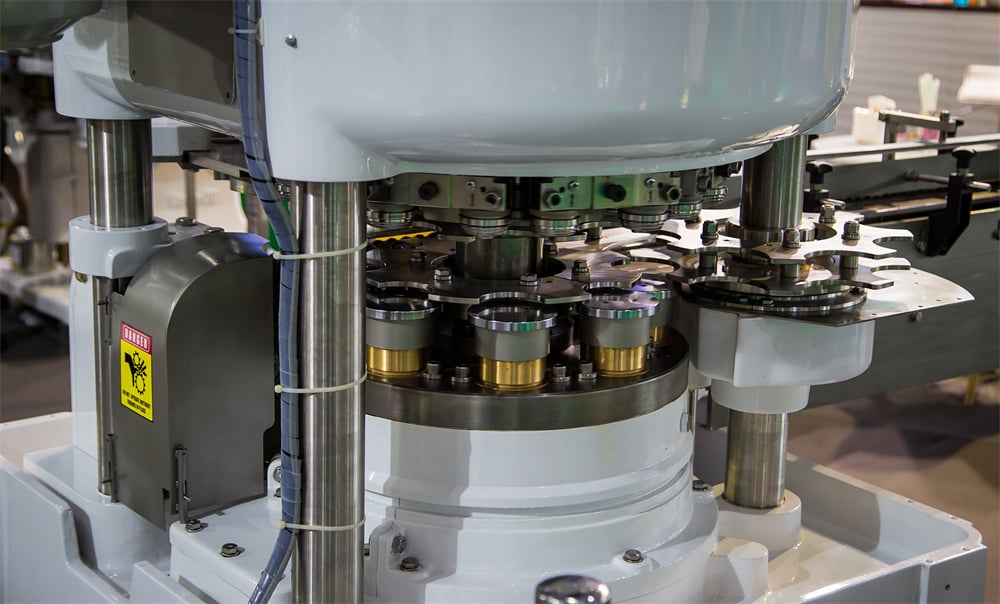
For high-volume manufacturing, fully automatic presses are essential. These systems are designed to work in conjunction with coil feeders, transfer systems, or robotic arms. A fully automatic HARSLE press can perform complex sequences: rapid approach, slow pressing, pressure holding (dwell), and rapid return, all without human intervention. These machines are equipped with advanced sensors to monitor oil temperature, pressure fluctuations, and die alignment in real-time. While the initial investment is high, the cost per part is significantly lower due to the high speed and minimal labor requirement.
Hidden Costs of Ownership
The purchase price is only one part of the Total Cost of Ownership (TCO). Buyers often overlook secondary expenses that can impact the budget in the first year of operation.
- Installation and Commissioning: Large hydraulic presses require specialized rigging, foundation preparation (especially for high-tonnage H-frame models), and professional electrical hookups.
- Tooling and Dies: A press is useless without the proper dies. High-precision automatic presses require high-quality tooling to match their performance, which can cost thousands of dollars.
- Maintenance and Spare Parts: Hydraulic systems require regular oil changes, filter replacements, and seal inspections. Automated systems also require software updates and occasional sensor calibration.
- Operator Training: While manual presses are intuitive, fully automatic CNC presses require trained technicians who understand PLC logic and safety protocols.
- Energy Consumption: Large motors drawing constant power can significantly increase operational costs. Investing in a servo-driven motor can mitigate this, though it increases the initial price.
ROI Calculation: When to Upgrade?
Calculating the Return on Investment (ROI) is critical when deciding whether to move from a semi-automatic to a fully automatic system. The formula generally considers labor savings, scrap reduction, and increased output.
For example, if a manual process produces 20 parts per hour and requires one full-time operator, and a fully automatic system produces 120 parts per hour with only 10% of an operator’s time (for monitoring), the labor savings alone are massive. Furthermore, automatic presses provide consistent pressure and stroke depth, which drastically reduces the scrap rate compared to manual operation where human error is common. Most high-volume shops find that a fully automatic press pays for itself within 18 to 24 months through increased throughput and reduced labor overhead.
Buying Advice: A Checklist for Success
Before finalizing your purchase, consider the following checklist to ensure the machine meets your long-term needs:
- Define Your Maximum Requirements: Always buy a press with about 20% more tonnage than your heaviest job requires. Running a press at its absolute limit constantly will shorten its lifespan.
- Consider the Stroke and Daylight: Ensure the “daylight” (the opening between the bolster and the ram) and the stroke length are sufficient for your largest dies and parts.
- Safety Compliance: Ensure the machine meets local safety standards (such as OSHA in the US or CE in Europe). Look for light curtains, emergency stops, and safety interlocks.
- Future-Proofing: If you plan to add robotics later, ensure the press controller is compatible with external automation interfaces (like Profibus or Ethernet/IP).
- Manufacturer Reputation: Choose a partner like HARSLE that offers robust after-sales support, readily available spare parts, and comprehensive technical documentation.
Frequently Asked Questions (FAQ)
What is the main advantage of a 4-column hydraulic press?
The 4-column design provides equal pressure distribution across the entire die surface and offers excellent access from all four sides. It is the preferred choice for large-scale molding and deep drawing where precision alignment is critical.
How often should I change the hydraulic oil?
For most industrial applications, hydraulic oil should be tested every 2,000 hours of operation and changed if it shows signs of oxidation or contamination. Regular filtration can extend the life of the oil and protect sensitive valves.
Can a semi-automatic press be upgraded to fully automatic later?
Yes, many semi-automatic presses can be retrofitted with PLCs, sensors, and feeding systems. However, it is often more cost-effective to buy the level of automation you need from the start, as retrofitting requires significant downtime and engineering labor.
What safety features are essential for a hydraulic press?
At a minimum, a modern press should have dual-hand start buttons, an emergency stop, and a safety valve to prevent the ram from dropping in the event of a power failure. For high-speed operations, infrared light curtains are highly recommended to protect the operator.
Why choose HARSLE for my hydraulic press needs?
HARSLE combines decades of engineering expertise with high-quality components to deliver presses that are both durable and technologically advanced. Our commitment to customer service ensures that you receive the right machine for your specific application, backed by global support.












