How to Choose a Hydraulic Press for Heavy-Duty Manufacturing Needs: A Comprehensive Industrial Guide


Introduction to Heavy-Duty Hydraulic Press Selection
In the realm of modern metal fabrication, the hydraulic press remains an indispensable workhorse. Whether you are involved in automotive stamping, aerospace component forging, or heavy industrial equipment manufacturing, the ability to apply massive, controlled force is fundamental to production success. However, the process to choose a hydraulic press for heavy-duty manufacturing needs is far from simple. It requires a deep understanding of mechanical engineering, material science, and long-term financial planning.
A hydraulic press utilizes Pascal’s Principle to generate significant compressive force through fluid pressure. For heavy-duty applications, these machines often range from 100 tons to over 5,000 tons of pressure. Selecting the wrong machine can lead to catastrophic production bottlenecks, premature equipment failure, or unnecessary capital expenditure. This guide is designed to walk you through every critical decision point, ensuring your investment aligns with your operational goals and technical requirements.
HARSLE understands that heavy-duty manufacturing demands more than just raw power; it requires precision, durability, and adaptability. As we explore the nuances of these machines, we will focus on how to balance performance with cost-efficiency, helping you navigate the complex landscape of industrial machinery procurement.
Price Range Overview: What to Expect
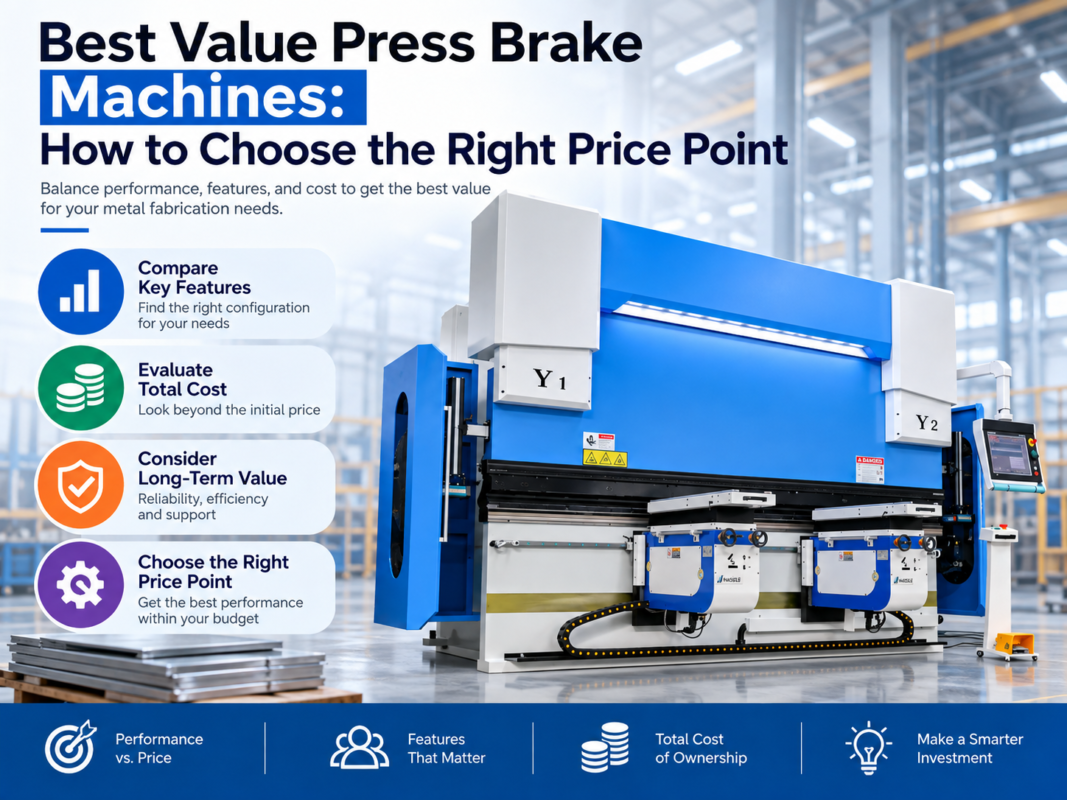
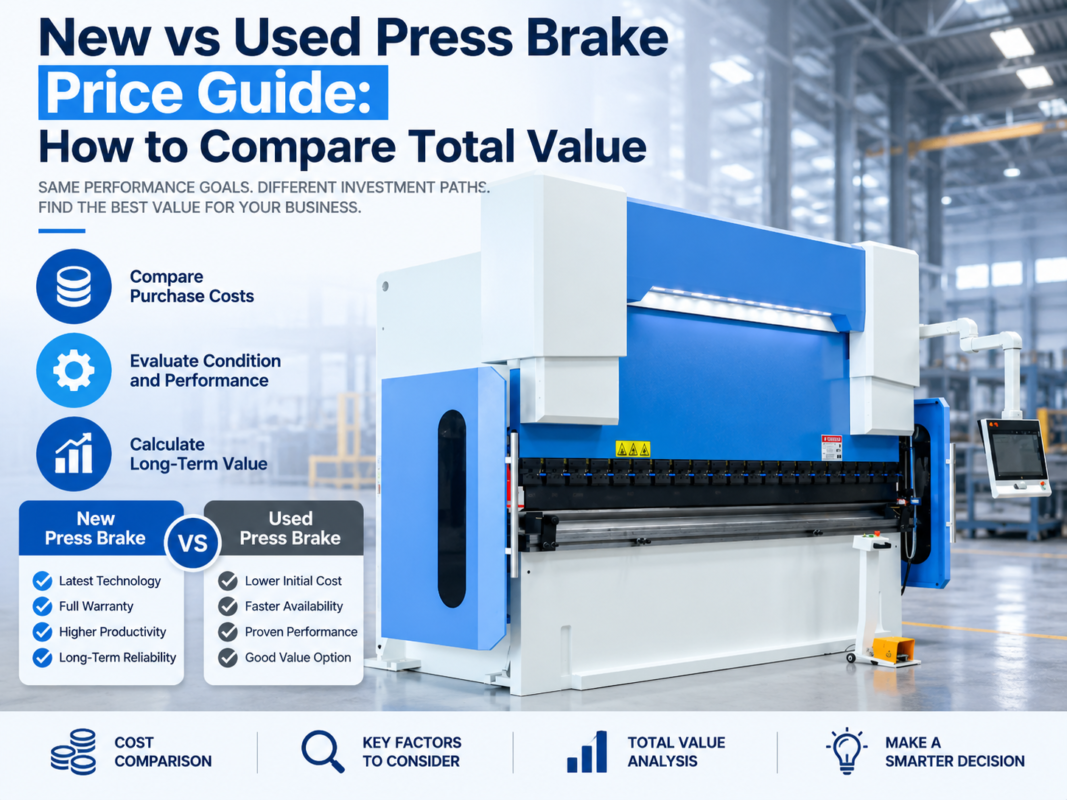
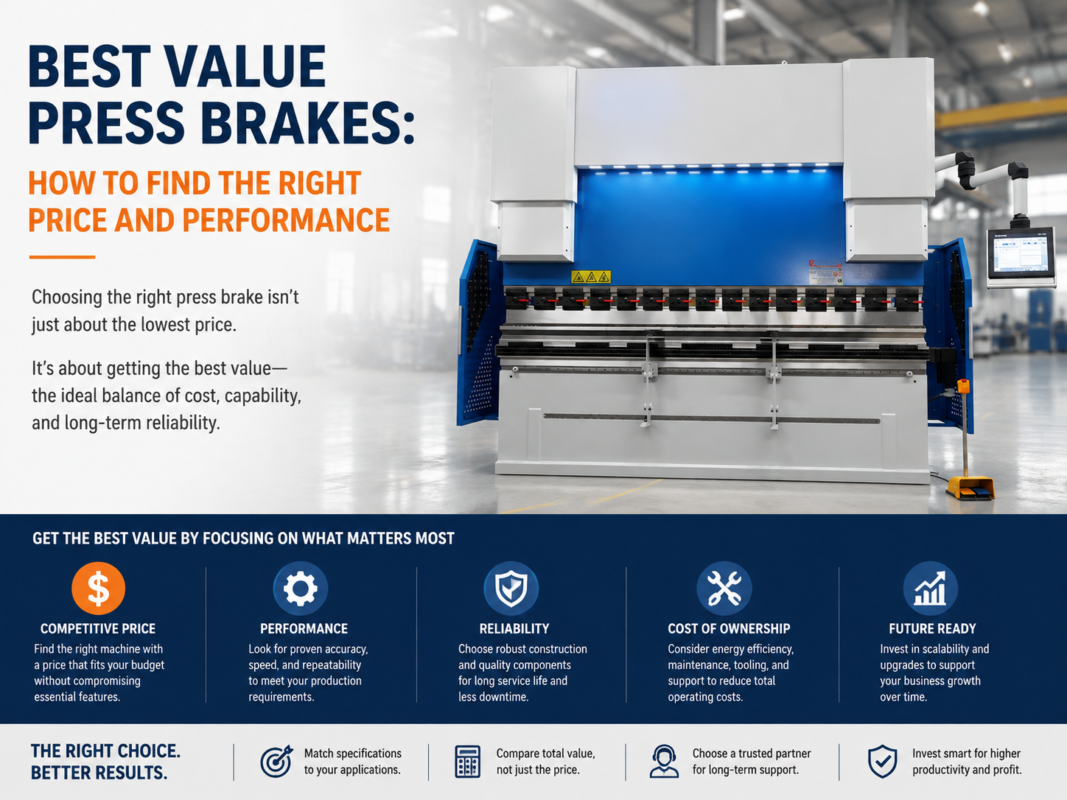
When you begin to choose a hydraulic press for heavy-duty manufacturing needs, the first hurdle is often the budget. The price of a hydraulic press is dictated primarily by its tonnage, frame construction, and level of automation. For heavy-duty industrial applications, you are generally looking at three distinct price tiers.
The entry-level tier for heavy-duty work typically starts around $30,000 to $70,000. These are often standard H-frame or 4-column presses with basic controls and moderate tonnage (100-300 tons). While capable, they may lack the high-speed cycling or advanced PLC integration required for high-volume automotive or aerospace production. They are ideal for maintenance shops or low-volume specialized forming.
The mid-range tier, priced between $80,000 and $250,000, offers significantly more versatility. In this bracket, you find machines with 400 to 1,000 tons of force, equipped with advanced hydraulic manifolds, servo-motor integration, and sophisticated safety systems. These machines are the backbone of most Tier 2 and Tier 3 automotive suppliers, providing a balance between speed, precision, and durability.
Finally, the high-end tier exceeds $300,000 and can reach into the millions for custom-engineered lines. These systems are often fully automated, featuring robotic loading/unloading, multi-station dies, and tonnage capacities exceeding 2,000 tons. These are specialized investments for high-output environments where every second of cycle time and every micron of precision is critical to the bottom line.
Main Cost Drivers in Heavy-Duty Hydraulic Presses
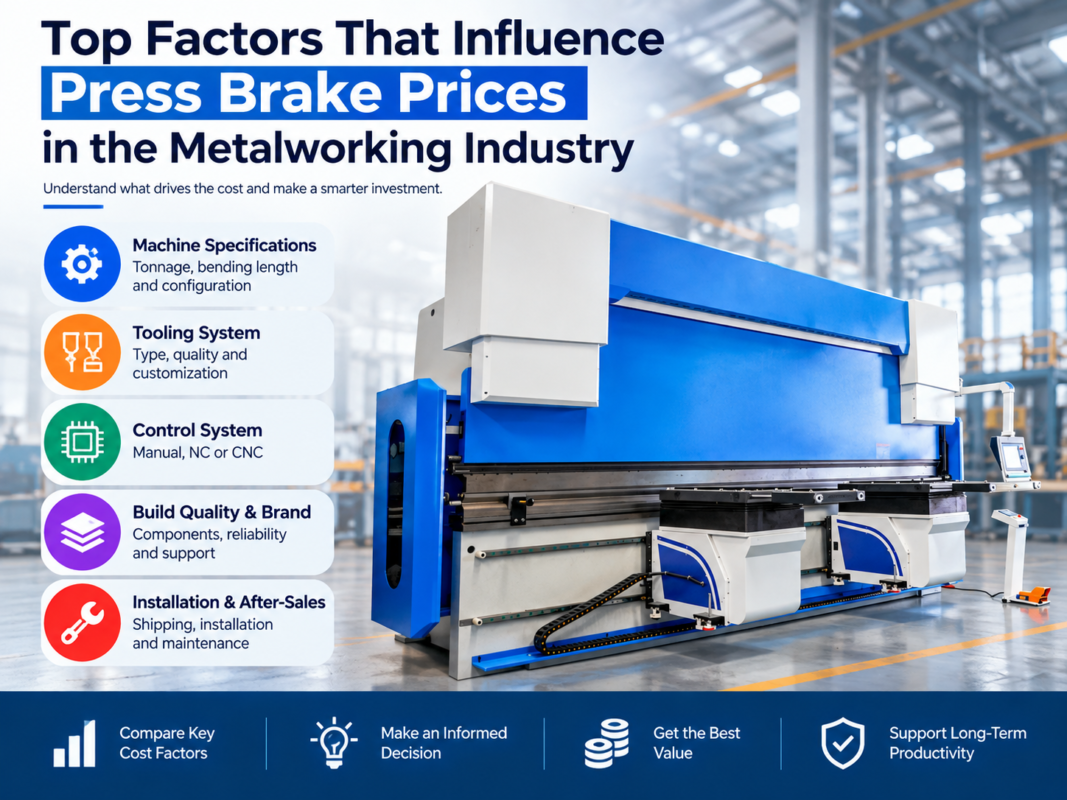
Understanding what drives the cost of a hydraulic press is essential for making an informed decision. The most obvious factor is Tonnage. The amount of force required to deform a specific material is the primary engineering constraint. As tonnage increases, the thickness of the steel plates used in the frame must increase, the hydraulic cylinders must become larger, and the pumping systems must become more powerful. Each 100-ton increment adds significant material and engineering costs.
Frame Rigidity and Type is the second major driver. A heavy-duty press must withstand immense internal stresses without flexing. An H-frame (or side-plate) design offers excellent rigidity and is often preferred for high-tonnage applications where off-center loading might occur. A 4-column design provides superior access to the work area from all four sides but requires precision-ground columns to maintain alignment. The choice between these designs impacts both the initial price and the long-term accuracy of the machine.
The Hydraulic System Complexity also plays a massive role. Modern heavy-duty presses often utilize variable displacement pumps and servo-driven hydraulics. While more expensive upfront, these systems offer precise control over ram speed and pressure, and they are significantly more energy-efficient. High-quality components from brands like Rexroth, Parker, or Vickers will increase the initial cost but drastically reduce downtime and maintenance expenses over the machine’s lifespan.
Lastly, Stroke and Daylight dimensions affect the price. “Daylight” refers to the vertical opening between the bolster plate and the ram in its fully retracted position. Larger daylight and longer stroke lengths require longer cylinders and taller frames, which increase the amount of steel and the complexity of the hydraulic circuit. If your manufacturing needs involve deep-drawing large parts, you must account for these dimensions early in the selection process.
Configuration Impact: Customizing for Performance
The configuration of your hydraulic press determines its suitability for specific manufacturing tasks. When you choose a hydraulic press for heavy-duty manufacturing needs, you must decide on the level of control and automation required. For instance, a press used for simple assembly or straightening may only need manual lever controls. However, for complex metal forming, a CNC (Computer Numerical Control) system is vital.
Modern CNC systems allow operators to program multi-step cycles, controlling the ram’s approach speed, pressing speed, dwell time at the bottom of the stroke, and return speed. This level of control is essential for materials that are prone to cracking or for parts that require high repeatability. Integration with industrial IoT (Internet of Things) platforms also allows for real-time monitoring of pressure and temperature, which is a requirement for many quality-certified manufacturing processes.
- Cushion Systems: For deep drawing applications, a hydraulic die cushion is often necessary to control the blank-holding force, preventing wrinkles and tears in the metal.
- Safety Features: Heavy-duty presses are inherently dangerous. Configuration must include light curtains, dual-hand palm buttons, and safety blocks to meet OSHA or CE standards.
- Quick Die Change (QDC) Systems: In environments with frequent product changeovers, QDC systems (including hydraulic clamps and die lifters) can reduce downtime from hours to minutes.
The choice of bolster plate and ram size also impacts configuration. A larger bed area allows for bigger dies or multiple dies to be run simultaneously, but it also increases the risk of deflection if the press isn’t engineered to handle the spread-out load. Ensuring the bed size matches your largest anticipated workpiece is a fundamental step in the configuration process.
Hidden Costs of Industrial Hydraulic Presses
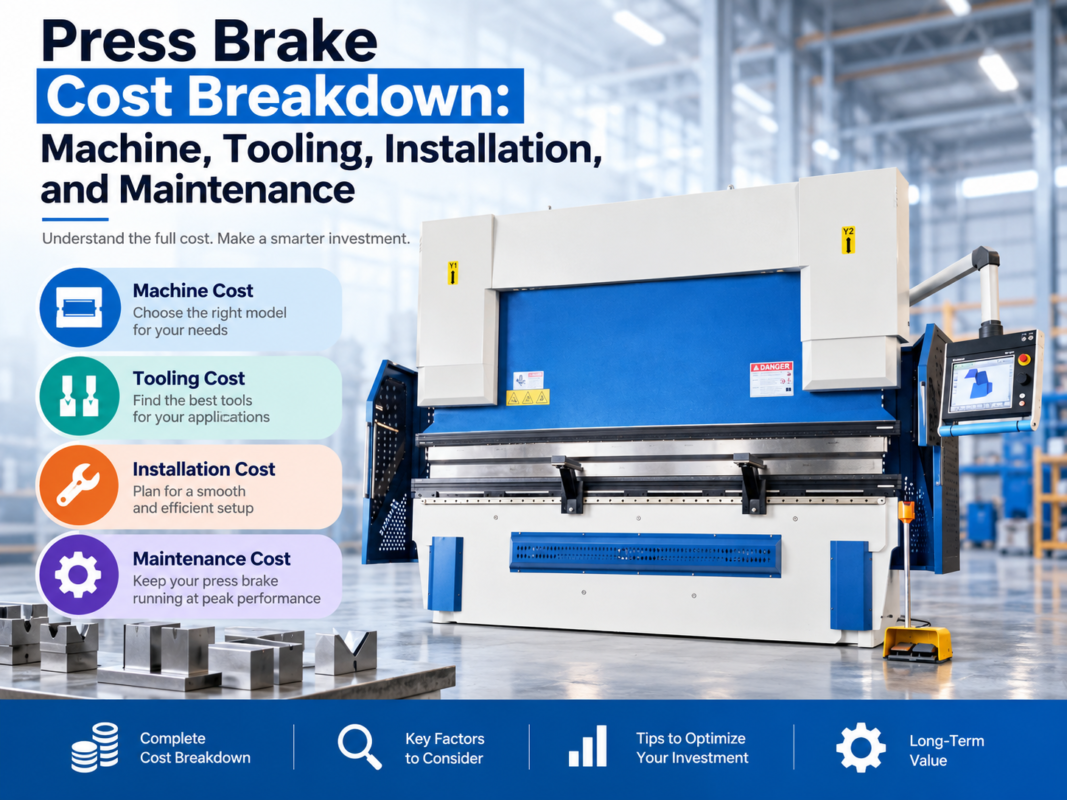
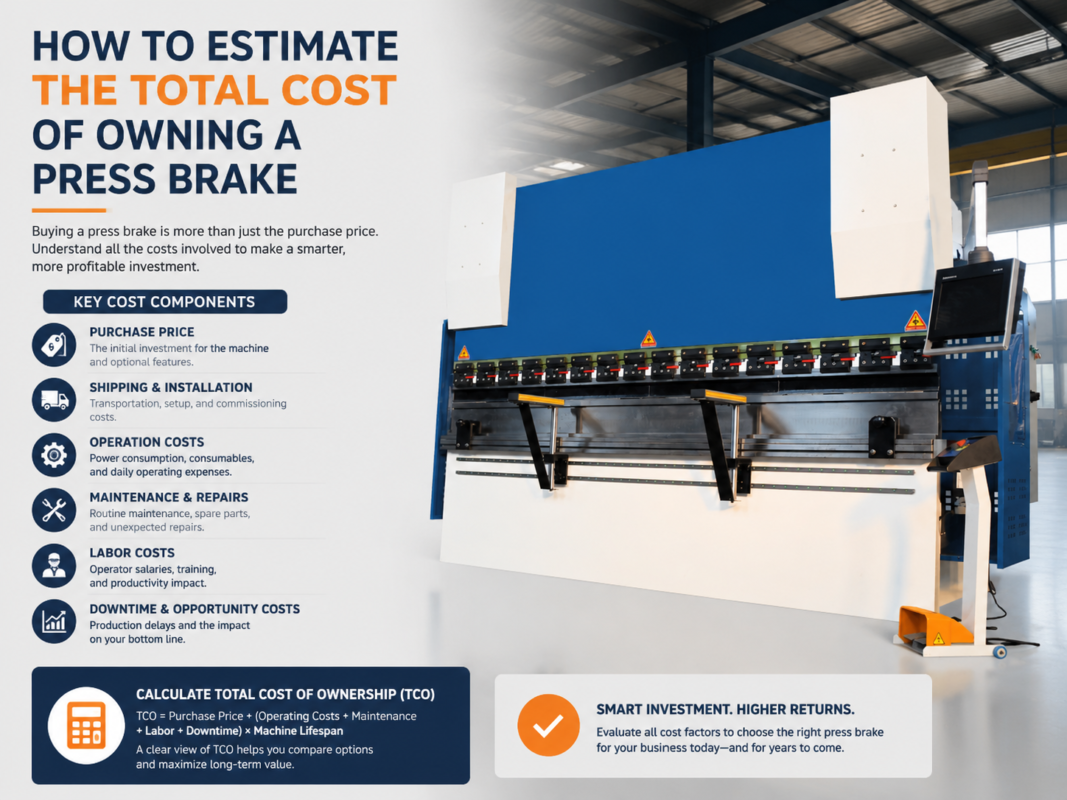
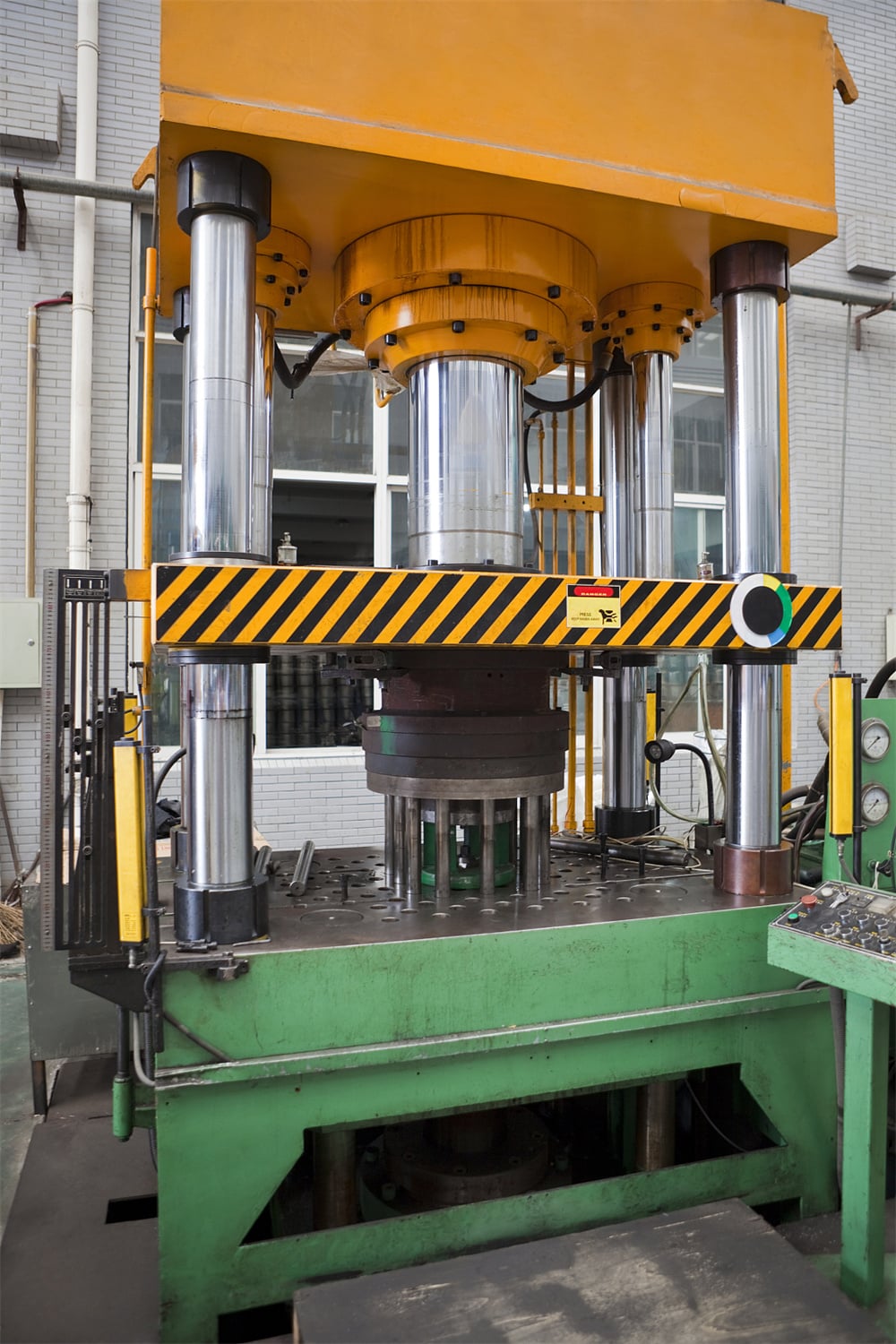
The purchase price of the machine is only the beginning. To accurately choose a hydraulic press for heavy-duty manufacturing needs, you must account for the “hidden” costs that arise during and after installation. One of the most significant is Foundation and Rigging. A 500-ton press can weigh tens of thousands of pounds. Your factory floor may require a reinforced concrete pit or a specialized foundation to prevent the machine from sinking or vibrating excessively. Additionally, hiring professional riggers with heavy-lift cranes to move the machine into place can cost several thousand dollars.
Utility Upgrades are another common oversight. Heavy-duty hydraulic pumps require substantial electrical power. You may need to upgrade your facility’s electrical panels or install new high-voltage lines to support the motor’s startup current. Furthermore, hydraulic systems generate heat. Depending on your duty cycle, you might need an external cooling system (water-cooled or air-cooled) to maintain the hydraulic oil’s viscosity and protect the seals.
Hydraulic Oil and Filtration represent ongoing operational costs. A large press can require hundreds or even thousands of gallons of specialized hydraulic fluid. This oil must be filtered and occasionally replaced to prevent contamination from damaging the sensitive valves and pumps. High-quality synthetic oils offer better performance but come at a premium price. Regular oil analysis is a recommended maintenance cost to prevent catastrophic system failure.
Finally, consider Training and Documentation. Operating a high-tonnage press safely and efficiently requires skilled labor. Budgeting for manufacturer-led training for your operators and maintenance staff is crucial. Without proper training, the risk of tool damage or workplace injury increases significantly, which can lead to costs far exceeding the initial training investment.
ROI Calculation: Justifying the Investment
Calculating the Return on Investment (ROI) for a heavy-duty hydraulic press involves more than just looking at the output rate. You must consider the Total Cost of Ownership (TCO) over a 10 to 15-year period. The primary driver of ROI is increased productivity. If a new press with faster cycle times and automated loading can produce 20% more parts per shift than your current equipment, the revenue gain can often pay for the machine within 18 to 24 months.
Another factor is Scrap Reduction. Precision hydraulic presses with advanced pressure control reduce the number of rejected parts. In heavy-duty manufacturing, where raw materials like high-strength steel or aerospace-grade aluminum are expensive, reducing scrap by even 2-3% can result in massive annual savings. Additionally, the ability to perform complex forming in a single hit—rather than multiple stages—reduces labor costs and work-in-progress (WIP) inventory.
Energy efficiency is becoming a larger part of the ROI equation. Modern servo-hydraulic presses only consume significant power when the ram is moving. Compared to older systems where the pump runs constantly at full speed, a servo-driven system can reduce energy costs by up to 50%. Over a decade of multi-shift operation, these utility savings can amount to tens of thousands of dollars, directly impacting the machine’s long-term profitability.
| Factor | Impact on ROI | Estimated Savings/Gain |
|---|---|---|
| Cycle Time Reduction | High | 15-30% increase in throughput |
| Scrap Rate Improvement | Medium | 2-5% reduction in material waste |
| Energy Efficiency (Servo) | Medium | 30-50% reduction in power bills |
| Maintenance Downtime | High | Reduced repair costs with high-quality components |
Buying Advice: A Step-by-Step Checklist
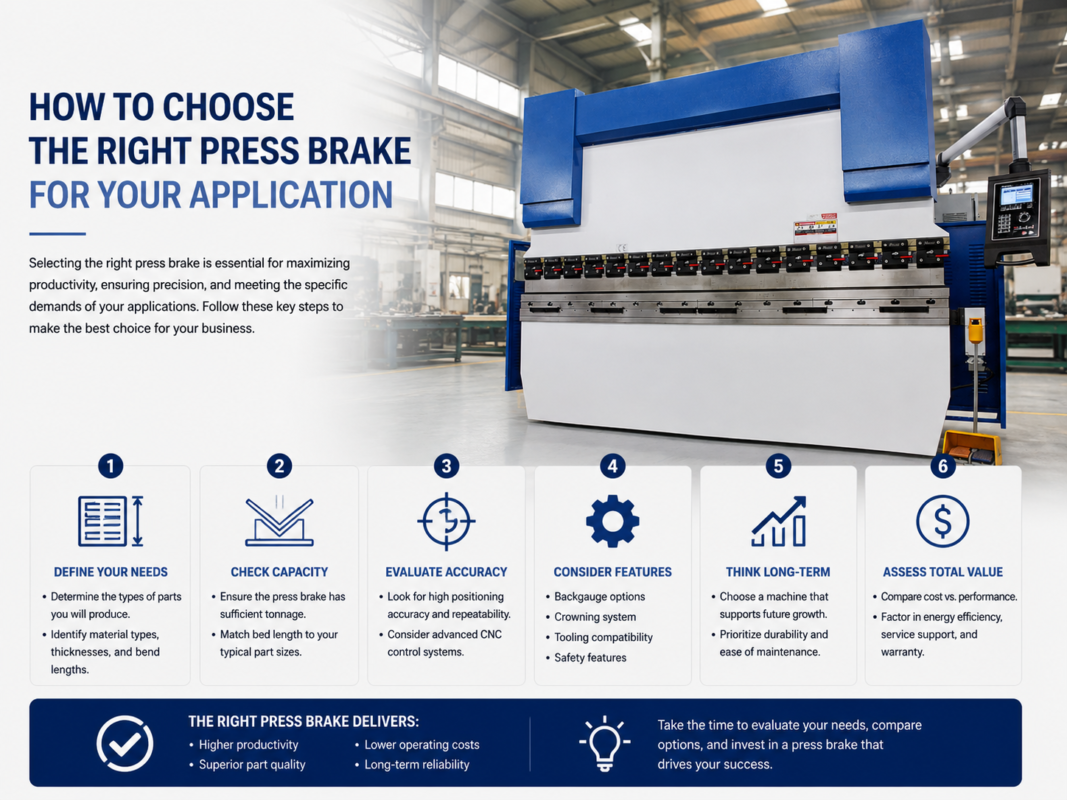
When you are ready to choose a hydraulic press for heavy-duty manufacturing needs, follow this structured approach to ensure no detail is missed. First, define your Maximum Requirements. Do not buy a press that just barely meets your current needs. Calculate the tonnage required for your toughest material and then add a 20-25% safety margin. This prevents the machine from running at its absolute limit, which extends the life of the hydraulics and the frame.
Second, evaluate the Vendor’s Reputation and Support. A hydraulic press is a long-term asset. You need a partner like HARSLE who provides comprehensive technical support, readily available spare parts, and clear communication. Ask for references from other heavy-duty manufacturers and inquire about the vendor’s ability to provide on-site service in your region. A machine that is down for three weeks waiting for a proprietary valve from overseas is a major liability.
Third, conduct a Technical Review of Components. Ask for a detailed bill of materials. Are the seals from a reputable manufacturer? Is the PLC a standard industrial brand that your local technicians can program? Avoid machines that use “black box” proprietary components that force you into a single-source repair loop. Transparency in component sourcing is a hallmark of a high-quality industrial machine.
Finally, perform a Factory Acceptance Test (FAT). If possible, send your tooling to the manufacturer and have them run sample parts before the machine is shipped. This allows you to verify the tonnage, cycle times, and precision in a controlled environment. It is much easier to fix a hydraulic leak or a software bug at the factory than it is after the machine is bolted to your floor.
Frequently Asked Questions (FAQ)
1. How do I calculate the tonnage needed for my application?
Tonnage is generally calculated based on the perimeter of the cut or form, the thickness of the material, and its shear or tensile strength. The formula for blanking is: Tonnage = (Perimeter x Thickness x Shear Strength) / 2000. For forming or deep drawing, the calculation is more complex and should involve a consultation with an applications engineer to account for friction and material flow.
2. What is the difference between an H-frame and a 4-column press?
An H-frame press uses two solid steel side plates, offering extreme rigidity and resistance to deflection, making it ideal for heavy-duty stamping. A 4-column press uses four precision-ground pillars to guide the ram. It offers better access for large dies and automated loading from the sides, but it may be more susceptible to off-center loading issues if not properly designed.
3. Can a hydraulic press be used for high-speed production?
While traditionally slower than mechanical presses, modern hydraulic presses equipped with high-flow valves and servo-pumps can achieve impressive speeds. They are now commonly used in high-volume production lines where the flexibility of the hydraulic stroke (full power at any point) outweighs the raw speed of a mechanical flywheel.
4. How often does the hydraulic oil need to be changed?
This depends on the environment and duty cycle, but generally, hydraulic oil should be tested every 2,000 hours of operation. If the oil remains clean and the additive package is intact, it may last much longer. However, the filters should be changed more frequently—usually every 500 to 1,000 hours—to ensure system longevity.
5. Is it better to buy a standard press or a custom-engineered one?
If your parts fit within standard dimensions and tonnage ranges, a standard press is more cost-effective and has a shorter lead time. However, if you have unique requirements for daylight, stroke, or specialized integration (like heated platens or vacuum chambers), a custom-engineered press from a manufacturer like HARSLE is a better long-term investment to ensure the machine perfectly fits your process.