Top Things to Know Before Buying an Industrial Hydraulic Press


Introduction to Industrial Hydraulic Press Procurement
In the realm of modern metalworking, the hydraulic press remains an indispensable workhorse. Whether you are involved in deep drawing, stamping, forging, or assembly, selecting the right machine is a high-stakes decision that impacts your production efficiency for decades. Understanding the Top Things Know Before Buying An Industrial Hydraulic Press is not just about comparing prices; it is about aligning technical capabilities with your specific manufacturing goals. At HARSLE, we have seen how the right configuration can transform a workshop’s output, while a poor choice can lead to bottlenecks and unexpected overhead.
The complexity of hydraulic systems means that buyers must look beyond the surface-level tonnage. Factors such as frame rigidity, bolster size, cycle speed, and control precision play critical roles in the quality of the finished part. As industries move toward Industry 4.0, the integration of smart sensors and servo-driven hydraulics has further complicated the buying process. This guide is designed to navigate these complexities, providing a roadmap for procurement officers and shop managers alike.
Price Range Overview: What to Expect
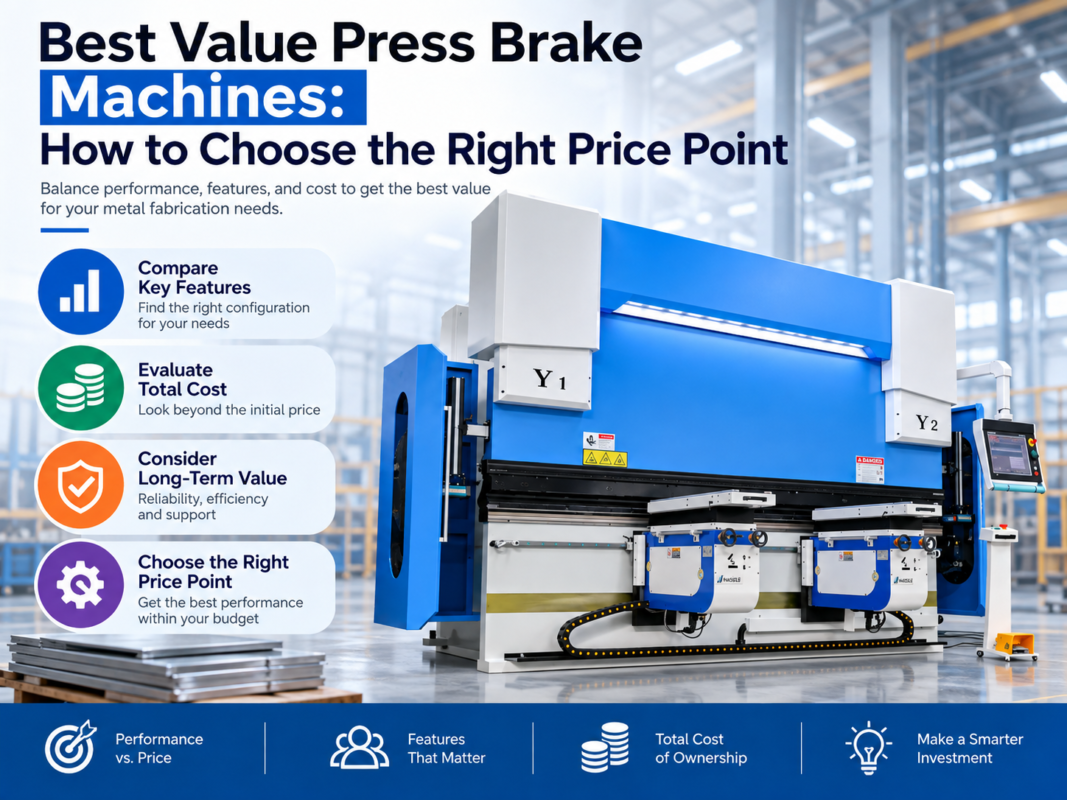
When budgeting for an industrial hydraulic press, the price spectrum is vast. At the entry-level, small C-frame or benchtop presses used for light assembly or laboratory work can range from $5,000 to $15,000. These machines offer basic functionality and manual or semi-automatic controls. However, for true industrial applications involving heavy-duty metal forming, the investment starts significantly higher.
Mid-range industrial presses, typically ranging from 100 to 500 tons, generally fall between $30,000 and $120,000. These machines often feature H-frame or four-column designs, providing the stability required for consistent production runs. The price varies based on the inclusion of PLC controls, light curtains, and basic automation features. For high-capacity operations requiring 1,000 tons or more, or specialized deep-drawing presses with hydraulic cushions, prices can easily exceed $250,000 to $500,000.
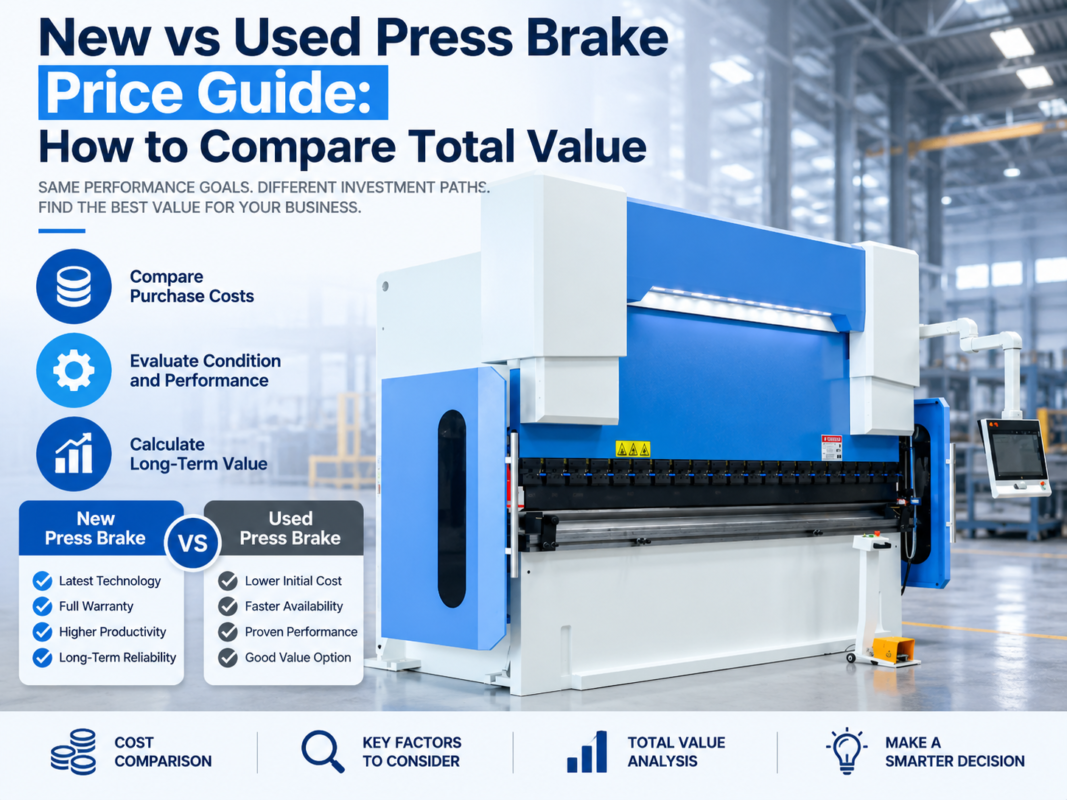
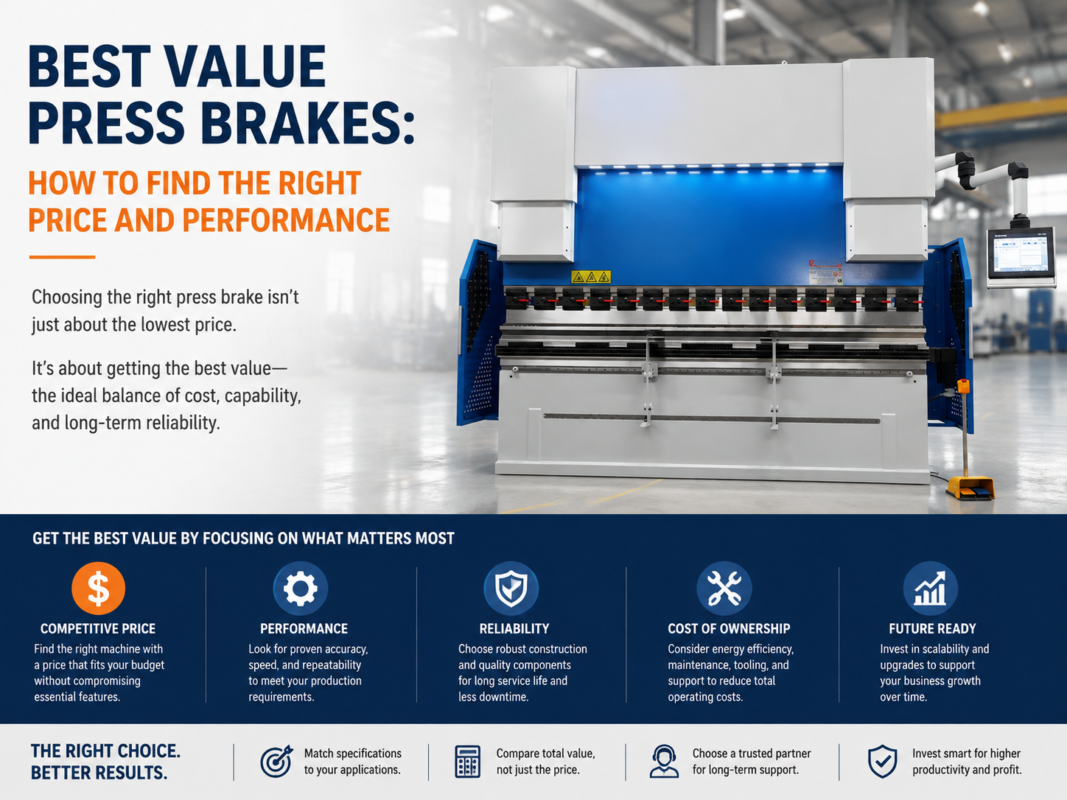
It is important to note that the initial purchase price is only one part of the financial equation. High-end machines from reputable manufacturers like HARSLE often come with better energy efficiency and lower maintenance requirements, which can offset a higher upfront cost over the machine’s lifespan. Understanding the Top Things Know Before Buying An Industrial Hydraulic Press involves recognizing that the cheapest option often carries the highest long-term cost due to downtime and repair needs.
Main Cost Drivers in Hydraulic Press Manufacturing
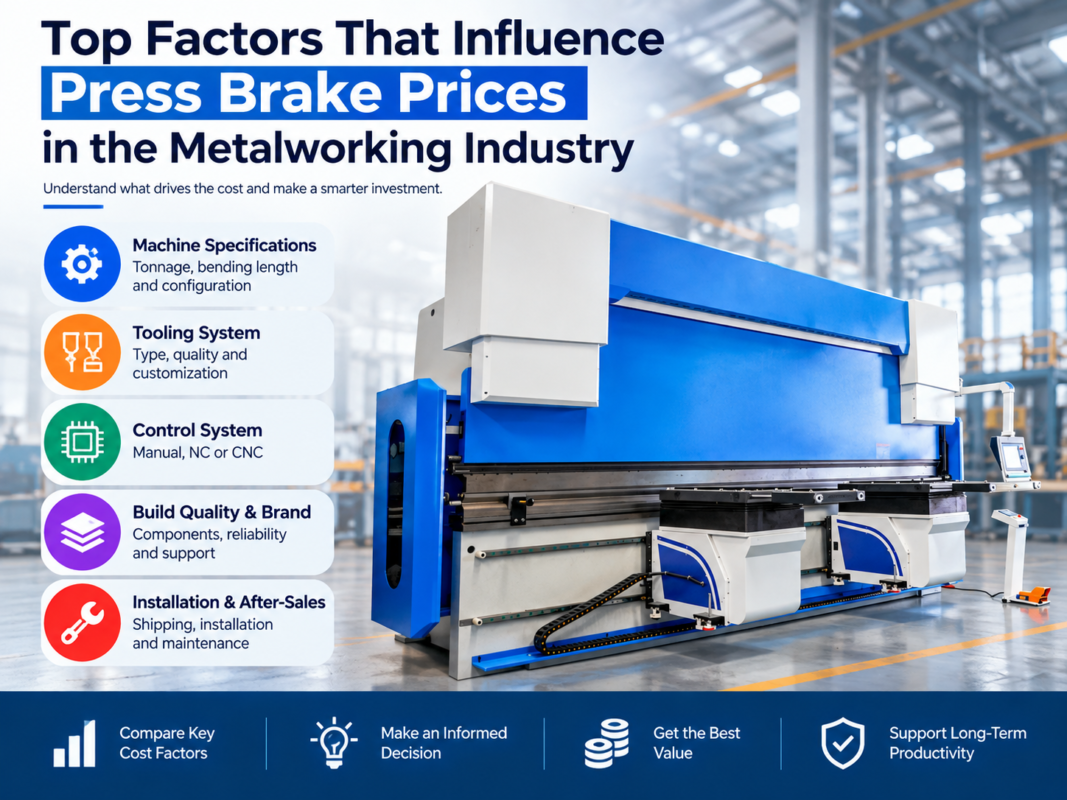
Several technical factors dictate the final price of a hydraulic press. The most obvious is tonnage—the maximum force the press can exert. Increasing tonnage requires thicker steel plates for the frame, larger hydraulic cylinders, and more powerful motor-pump groups. A 500-ton press is not just twice as expensive as a 250-ton press; the engineering requirements for structural integrity grow exponentially with force.
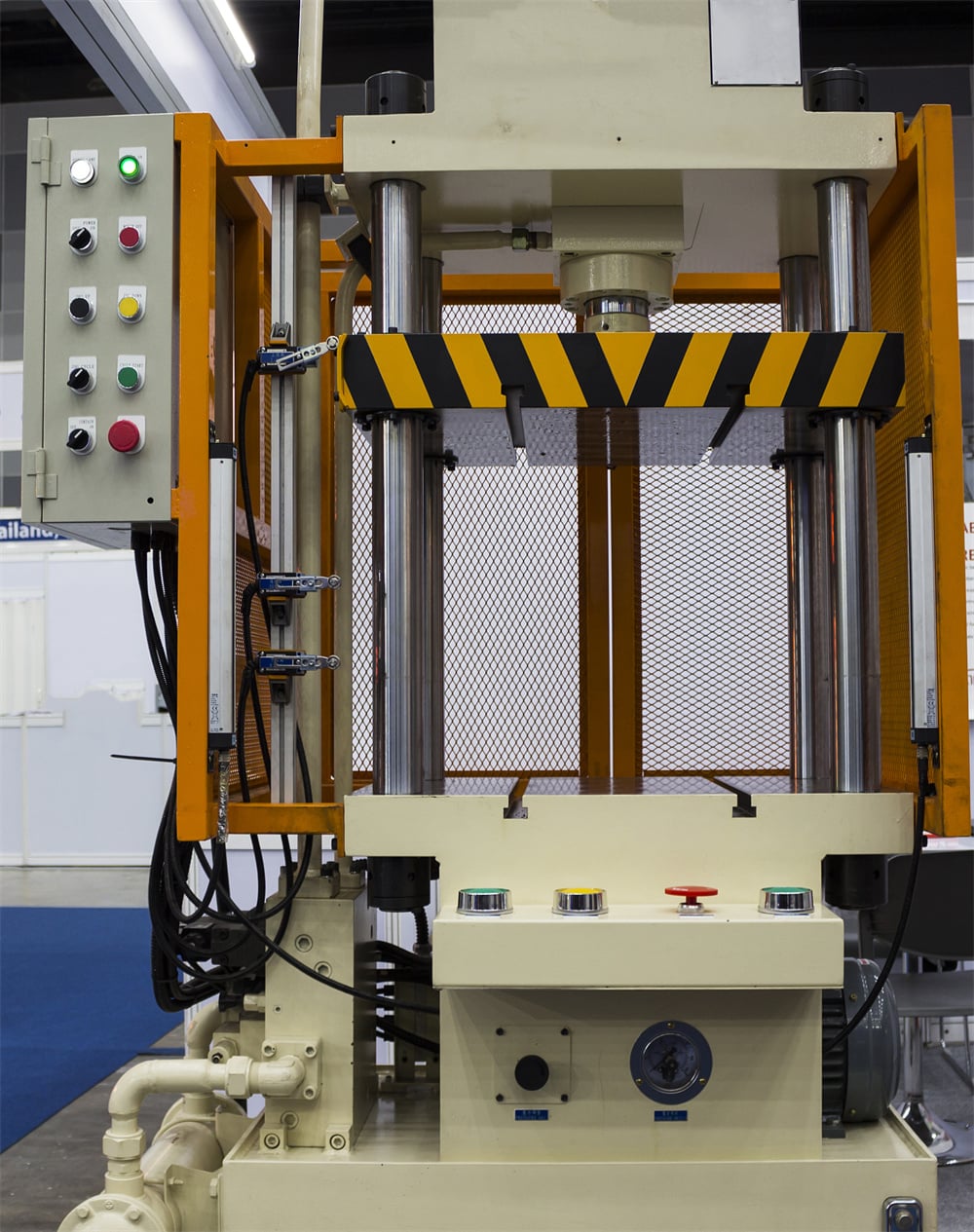
Frame design is another significant cost driver. C-frame (or gap-frame) presses offer three-sided access, which is excellent for manual feeding but can suffer from “angular deflection” under high pressure. H-frame and four-column presses are more expensive because they distribute the load more evenly, ensuring higher precision and less tool wear. The choice between these designs depends entirely on your part geometry and the required tolerances.
Speed and precision also add to the cost. Standard hydraulic systems move at a fixed rate, but high-speed production requires variable displacement pumps or servo-hydraulic systems. These advanced systems allow for rapid approach speeds, controlled pressing speeds, and fast retraction, significantly reducing cycle times. Additionally, the precision of the ram’s movement—controlled by linear scales and high-end valves—can add several thousand dollars to the build but is essential for complex forming operations.
Configuration Impact: Customizing for Efficiency
The configuration of your hydraulic press determines its versatility. One of the most critical components to consider is the hydraulic cushion, often used in deep drawing to control the flow of metal into the die. Without a properly configured cushion, you risk tearing or wrinkling the material. Furthermore, the size of the bolster (the work surface) and the daylight (the distance between the bolster and the ram) must be sized not just for your current dies, but for potential future projects.

Automation is the next frontier in configuration. Modern presses can be equipped with mechanical arms, suction cup feeders, and conveyor systems to create a fully autonomous production cell. As shown in the image above, integrating robotics can drastically increase throughput and improve safety by removing the need for manual intervention. When considering the Top Things Know Before Buying An Industrial Hydraulic Press, evaluate whether your press should be “automation-ready,” even if you don’t implement robotics immediately.
Control systems also vary widely. Basic models use relay logic, while advanced machines utilize touchscreen PLCs (Programmable Logic Controllers). These digital interfaces allow operators to save “recipes” for different parts, ensuring that pressure, stroke length, and dwell time are consistent every time a specific die is loaded. This reduces setup time and minimizes human error, which is vital for high-mix, low-volume manufacturing environments.
Hidden Costs: Beyond the Sticker Price
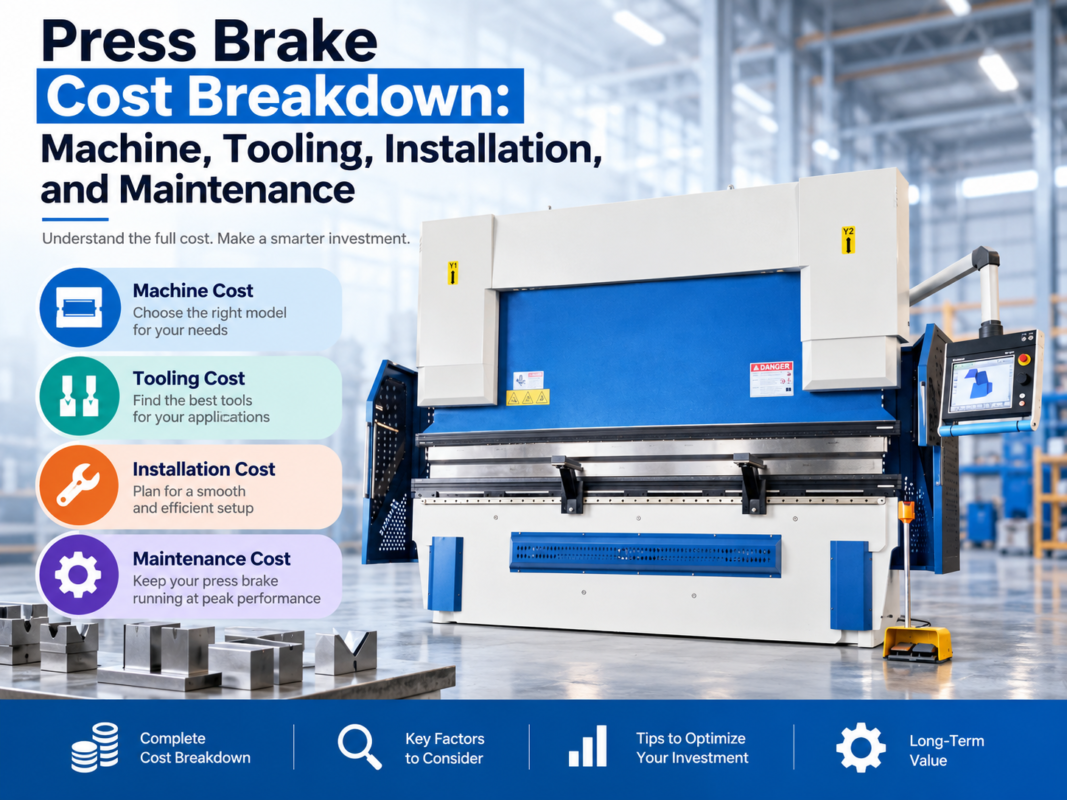
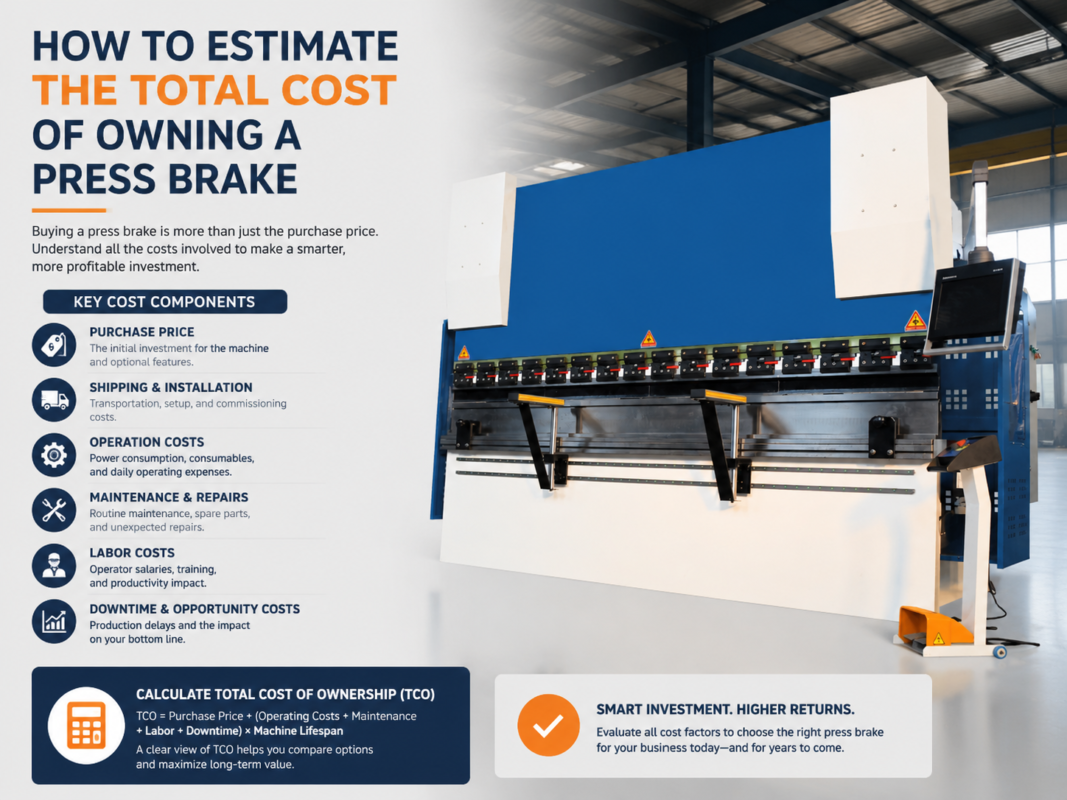
Many first-time buyers overlook the ancillary costs associated with heavy machinery. Shipping and logistics for a 50-ton machine are complex, often requiring specialized flatbed trailers and oversized load permits. Once the machine arrives, rigging and installation require professional services. A large H-frame press cannot simply be placed on a standard factory floor; it often requires a reinforced concrete foundation to handle the vibration and concentrated weight.
Hydraulic fluid is another recurring cost. A large press may require hundreds of gallons of high-quality hydraulic oil, which must be filtered and replaced periodically. Furthermore, energy consumption can be significant. Standard hydraulic motors run continuously, consuming power even when the press is idle. Investing in a servo-motor drive system can reduce energy consumption by up to 50%, but it carries a higher initial cost.
Training and safety compliance are also essential investments. Operators must be trained not only on how to run the machine but also on how to perform daily maintenance checks. Safety equipment, such as light curtains, safety gates, and dual-hand start buttons, must meet local OSHA or CE standards. Neglecting these aspects can lead to costly fines or, worse, workplace injuries that halt production entirely.
ROI Calculation: Measuring the Value
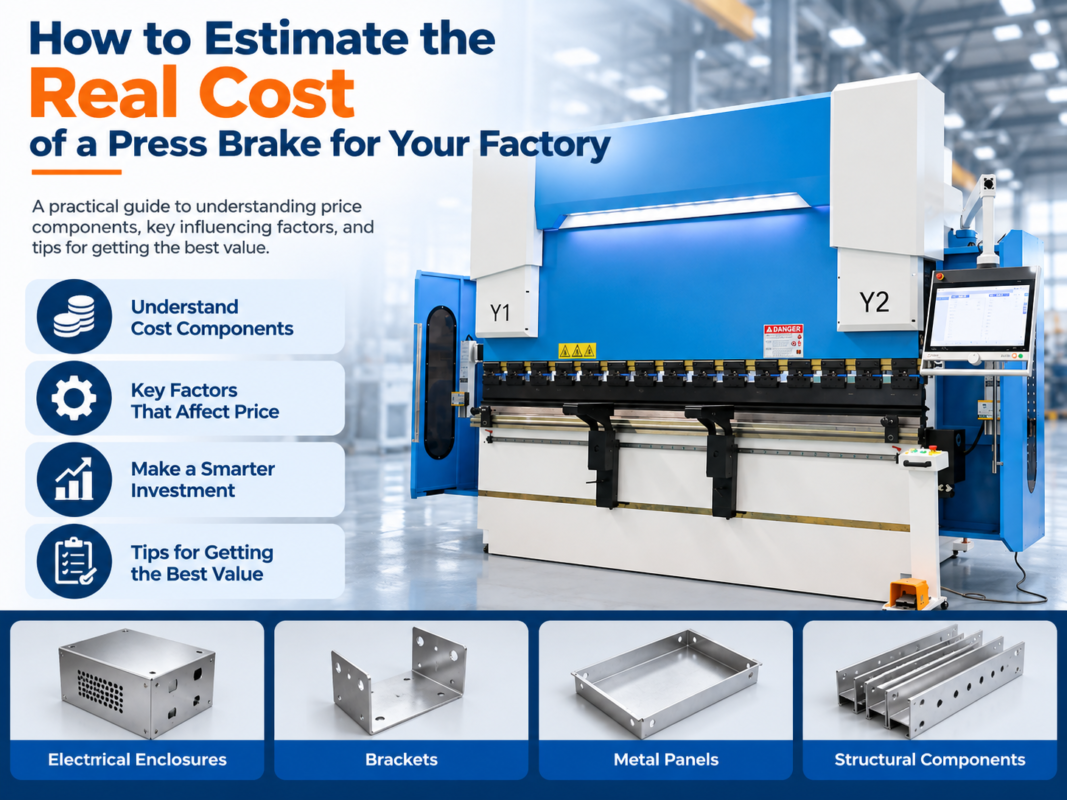
To justify the purchase of an industrial hydraulic press, you must calculate the Return on Investment (ROI). This involves comparing the total cost of ownership against the projected revenue and savings. Start by calculating the cycle time reduction. If a new HARSLE press can produce 20% more parts per hour than your current equipment, that translates directly into increased capacity and revenue.
Consider scrap reduction as well. High-precision presses with consistent pressure control result in fewer rejected parts. If your current scrap rate is 5% and a new machine reduces it to 1%, the material savings over a year can be substantial. Additionally, labor savings from automation or faster setup times should be factored in. A machine that allows for a 10-minute die change versus a 60-minute change adds hours of productive time back to your schedule every week.
Finally, factor in the machine’s resale value. High-quality hydraulic presses hold their value well in the secondary market. A well-maintained machine from a recognized brand like HARSLE can often be sold for 40-60% of its original value even after a decade of use. This residual value is a key component of the long-term ROI that many buyers forget to include in their initial proposals.
Buying Advice: Expert Tips for a Smooth Purchase
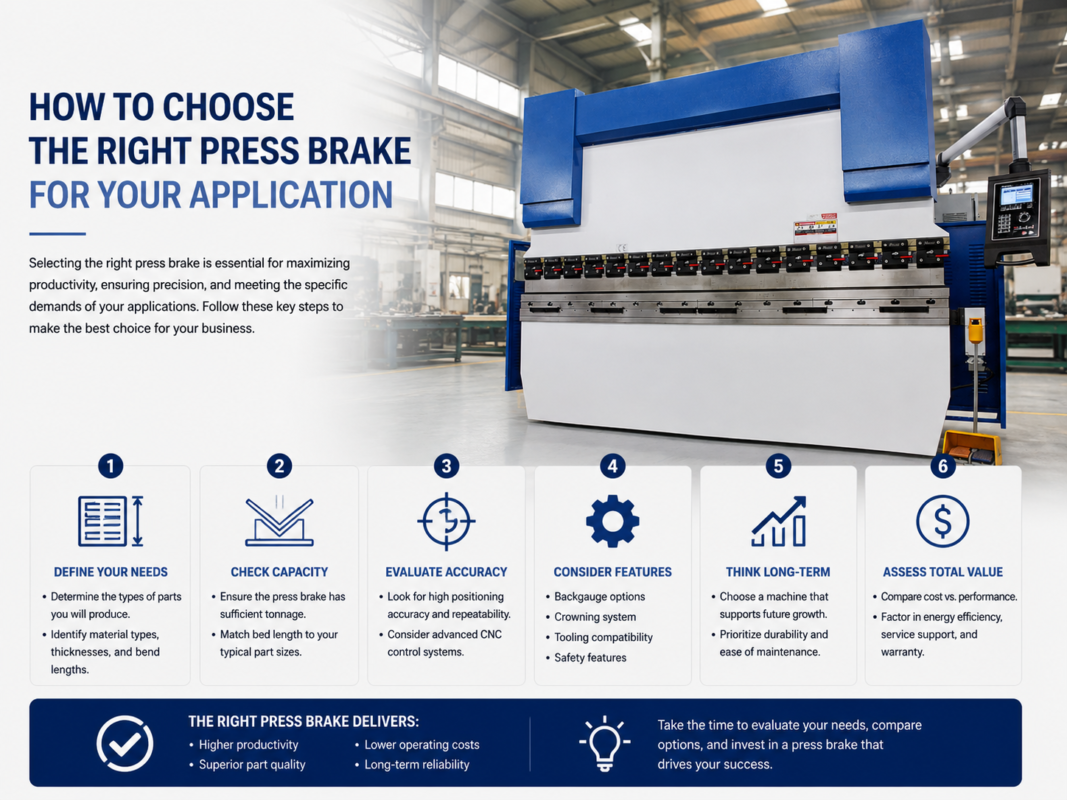
When you are ready to buy, the first step is to define your “worst-case scenario” part. What is the largest, thickest, and most complex part you plan to make? Size your press based on this requirement, but add a 20% safety margin for tonnage to avoid running the machine at its absolute limit, which extends the life of the hydraulic components. This is one of the most vital Top Things Know Before Buying An Industrial Hydraulic Press.
Vetting the manufacturer is equally important. Ask for references and, if possible, visit a facility where their machines are in operation. Check the availability of spare parts. A machine is only an asset if it’s running; if a proprietary valve fails and the lead time for a replacement is six weeks, your production will suffer. Ensure the manufacturer offers robust technical support and has a clear warranty policy.
Lastly, involve your operators in the selection process. They are the ones who will interact with the machine daily. Their input on the ergonomics of the control panel, the ease of die loading, and the accessibility for maintenance can provide insights that a purchasing manager might miss. A machine that is easy to use and maintain is much more likely to be kept in peak condition.
Summary Table: Hydraulic Press Comparison
| Feature | C-Frame Press | H-Frame Press | Four-Column Press |
|---|---|---|---|
| Best For | Small parts, manual feeding | Heavy stamping, high precision | Deep drawing, large molds |
| Access | 3-sided (Excellent) | Front/Back (Good) | All-around (Excellent) |
| Rigidity | Moderate (Potential deflection) | High | Very High |
| Cost | Lower | Moderate to High | High |
| Footprint | Compact | Large | Large |
Frequently Asked Questions (FAQ)
1. What is the difference between a mechanical press and a hydraulic press?
A mechanical press uses a flywheel and crank mechanism to deliver force, making it very fast but with a fixed stroke and force profile. A hydraulic press uses fluid pressure, allowing for full tonnage at any point in the stroke and much greater flexibility in stroke length and speed control. Hydraulic presses are generally preferred for deep drawing and complex forming.
2. How often does a hydraulic press need maintenance?
Daily checks should include oil levels and leak inspections. Monthly maintenance involves checking bolt tightness and lubricating moving parts. A full system diagnostic, including oil filtration or replacement and seal inspection, should be performed annually. Proper maintenance is one of the Top Things Know Before Buying An Industrial Hydraulic Press to ensure longevity.
3. Can I use one hydraulic press for multiple different products?
Yes, that is one of the primary advantages of hydraulic presses. By changing the dies and adjusting the PLC settings (pressure, stroke, dwell time), you can switch from stamping small brackets to deep-drawing kitchen sinks on the same machine, provided the tonnage and bolster size are sufficient.
4. Is a servo-hydraulic system worth the extra cost?
If your electricity costs are high or if you require extremely precise control over the pressing cycle, yes. Servo-hydraulic systems only consume significant power during the pressing movement, leading to energy savings of 30-70% compared to traditional systems. They also run cooler, which extends the life of the hydraulic oil and seals.
5. What safety features are mandatory for industrial presses?
While requirements vary by region, standard safety features include emergency stop buttons, dual-hand start controls (to keep hands away from the die), and light curtains that stop the machine if an object enters the work zone. Many modern presses also include interlocked safety gates for the rear and sides of the machine.