
Comprehensive Guide to Press Brake Applications for Trailer, Truck, and Commercial Vehicle Parts


Introduction to Press Brake Applications in the Transportation Industry
The global transportation and logistics sector relies heavily on the structural integrity and precision of commercial vehicles. From heavy-duty long-haul trucks to specialized trailers and urban delivery vans, the demand for lightweight yet incredibly strong metal components has never been higher. At the heart of this manufacturing revolution is the CNC press brake. Press brake applications for trailer, truck, and commercial vehicle parts have evolved from simple bending tasks to complex, high-precision operations that define the safety and efficiency of the modern fleet.
HARSLE, a leader in industrial metal fabrication machinery, understands that the automotive and commercial vehicle industries require equipment that can handle high-tensile materials, extreme lengths, and rigorous production schedules. This guide explores how advanced press brake technology is applied to create the backbone of the transport industry, ensuring that every chassis, panel, and support beam meets the highest engineering standards.
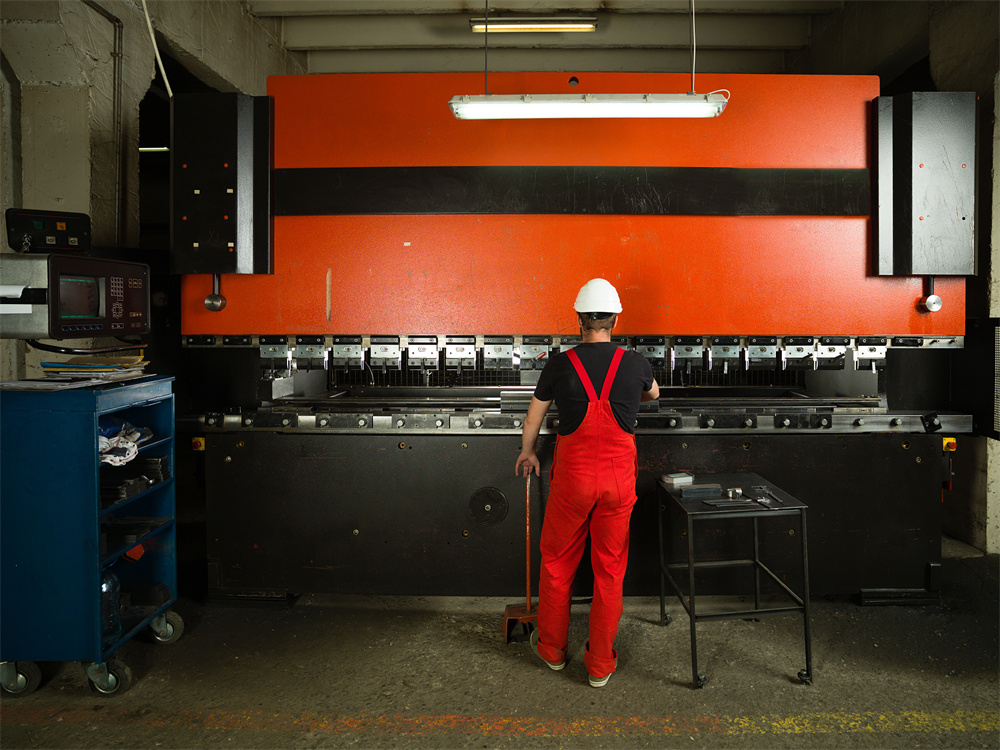
Application Scenarios: Where Precision Meets Heavy-Duty Fabrication
1. Main Chassis Rails and Cross Members
The chassis is the most critical component of any truck or trailer. It must support the weight of the cargo, the engine, and the cabin while enduring the dynamic stresses of road travel. Press brake applications for trailer, truck, and commercial vehicle parts often begin with the fabrication of long, U-shaped or C-shaped chassis rails. These parts can exceed 12 meters in length, requiring specialized tandem press brake setups. The precision of the bend ensures that the rails are perfectly straight, which is vital for wheel alignment and overall vehicle stability.
2. Side Panels and Flooring for Trailers
Modern trailers, especially refrigerated units and dry vans, utilize large-format side panels. These panels are often made from thin-gauge high-strength steel or aluminum to maximize payload capacity by reducing tare weight. Press brakes are used to create stiffening ribs and interlocking edges that provide structural rigidity without adding unnecessary mass. The ability to perform multiple bends in a single setup significantly reduces production time for these large-area components.
3. Fuel Tanks and Fluid Reservoirs
Commercial vehicles require large-capacity fuel and hydraulic tanks. These components are often fabricated from aluminum or stainless steel to prevent corrosion. A press brake with specialized radius tooling is used to form the rounded corners of the tank bodies, minimizing the number of welded seams. Fewer welds mean a lower risk of leaks and a cleaner aesthetic finish, which is increasingly important for high-end commercial vehicle brands.
4. Bumpers, Fenders, and Aesthetic Trim
While structural integrity is paramount, the aesthetic and aerodynamic properties of trucks and commercial vehicles cannot be ignored. Press brakes are used to form complex curves in bumpers and fenders. These parts often involve multi-stage bending sequences and require high repeatability to ensure a perfect fit during assembly. Advanced CNC controllers allow operators to manage these complex sequences with ease, ensuring that every part is identical to the last.
Material and Process Requirements
High-Strength and Ultra-High-Strength Steels (AHSS)
To meet modern safety and fuel efficiency standards, manufacturers are increasingly turning to materials like S700MC, Hardox, and other high-tensile alloys. These materials offer incredible strength-to-weight ratios but present significant challenges during the bending process. They require higher tonnages and exhibit significant “springback”—the tendency of the metal to return to its original shape after the bending force is removed. Press brakes used in this sector must have sophisticated springback compensation systems and high-tonnage capacities to handle these stubborn materials.
Large Format and Long Bed Requirements
Unlike standard sheet metal shops, truck and trailer manufacturers often deal with workpieces that are 6, 8, or even 12 meters long. This necessitates the use of tandem press brakes—two machines synchronized to work as one. The process requirement here is absolute synchronization; if one machine is even a fraction of a millimeter out of sync with the other, the long workpiece will twist or warp, rendering it useless for a precision chassis.
Thickness Variability
Commercial vehicle parts range from 2mm aluminum skins to 20mm thick steel reinforcement plates. A versatile press brake must be able to handle this wide range of thicknesses. This requires a robust hydraulic system and a wide variety of tooling options. The process also demands precise control over the “V-die” opening and the punch radius to avoid cracking the material, especially when working with high-strength alloys that have limited ductility.
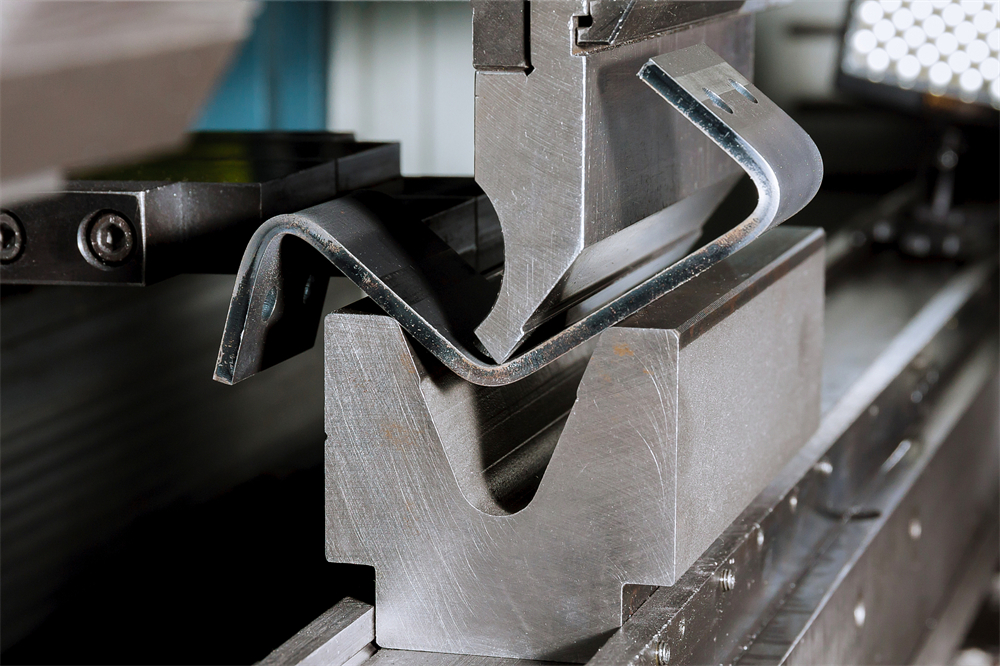
Recommended Machine Configuration for Vehicle Parts
When selecting a press brake for trailer and truck parts, certain configurations are non-negotiable for maintaining productivity and quality. HARSLE recommends the following specifications for this demanding industry:
| Feature | Recommended Specification | Benefit for Vehicle Parts |
|---|---|---|
| Tonnage | 300T to 1000T (or Tandem) | Handles high-tensile steel and thick chassis plates. |
| Bending Length | 4000mm to 12000mm (Tandem) | Allows for single-piece long rail fabrication. |
| Control System | Delem DA66T / DA69T | Advanced 3D visualization and complex sequence management. |
| Crowning System | CNC Hydraulic or Mechanical | Compensates for bed deflection over long distances. |
| Backgauge | 4-Axis to 6-Axis (X, R, Z1, Z2) | Enables complex, multi-angled bends for custom parts. |
| Safety Systems | Laser Protection (DSP/Lazersafe) | Ensures operator safety during high-speed operations. |
The Importance of CNC Crowning
In long-bed press brake applications, the machine’s frame will naturally deflect under the immense pressure required to bend thick steel. Without compensation, this results in a “canoe effect,” where the angle in the middle of the bend is different from the angles at the ends. A CNC-controlled crowning system is essential. It automatically adjusts the bed’s profile to counteract this deflection, ensuring a perfectly consistent angle across the entire 12-meter length of a trailer rail.
Workflow: From Raw Plate to Finished Component
- Design and Simulation: The process begins with CAD/CAM software. Engineers design the part and simulate the bending process to identify potential collisions or material limitations. HARSLE machines integrate seamlessly with modern offline programming software.
- Material Preparation: Large steel plates are typically laser or plasma cut to size. For truck frames, these plates are often pre-drilled with mounting holes. The press brake must align perfectly with these pre-existing features.
- Tooling Setup: Depending on the material and thickness, the operator selects the appropriate punch and die. For heavy-duty applications, hardened, heavy-duty tooling is used to withstand the high pressures.
- The Bending Sequence: The CNC controller guides the operator through the sequence. For a chassis rail, this might involve a simple 90-degree bend, but for a complex bumper, it could involve five or six different angles and positions.
- Quality Control: Using integrated laser angle measurement systems, the machine can check the angle in real-time and adjust the stroke depth to account for material variations or springback.
- Finishing: Once bent, the parts are moved to welding or assembly stations. Because the press brake provides such high accuracy, the fit-up time for welding is greatly reduced.
Productivity Benefits of Advanced Press Brakes
Investing in a high-quality press brake specifically configured for commercial vehicle parts offers several transformative benefits for manufacturers:
- Reduced Secondary Operations: High-precision bending reduces the need for manual straightening or excessive welding. When parts fit together perfectly the first time, the entire assembly line moves faster.
- Material Savings: Advanced CNC controllers optimize the bending process, reducing scrap. Furthermore, the ability to work with high-strength steels allows manufacturers to use thinner (and thus cheaper and lighter) materials without sacrificing strength.
- Enhanced Safety: Modern press brakes are equipped with advanced safety sensors and ergonomic features that protect operators, which is crucial in heavy-industrial environments where large, heavy workpieces are handled.
- Versatility: A single HARSLE press brake can be used to make everything from the smallest bracket to the largest frame rail, providing incredible ROI for specialized vehicle builders.
Case Example: Heavy-Duty Trailer Manufacturer
A leading manufacturer of specialized logging trailers faced challenges with their aging fleet of manual press brakes. They were struggling with inconsistent angles on their 10-meter main beams, leading to hours of corrective welding and alignment work. They transitioned to a HARSLE 800T/10000 Tandem CNC Press Brake equipped with a Delem DA66T controller and a hydraulic crowning system.
The Result: The manufacturer saw a 40% reduction in assembly time. The precision of the tandem synchronization meant that the 10-meter beams were straight within a tolerance of 0.5mm. Additionally, the integrated springback compensation allowed them to switch to a higher grade of S700 steel, reducing the overall weight of their trailers by 15% while increasing load capacity. This transition not only improved their internal efficiency but also gave them a significant competitive advantage in the market.
Frequently Asked Questions (FAQ)
What tonnage is required for truck chassis bending?
Typically, truck chassis bending requires between 400 and 1000 tons, depending on the thickness and the grade of the steel. For very long rails, tandem machines are used to distribute this force evenly over the length of the part.
How do you handle springback in high-tensile steel?
Springback is managed through a combination of “over-bending” (bending the part slightly past the desired angle) and using CNC-controlled angle measurement systems that provide real-time feedback to the machine’s hydraulic system.
Can one press brake handle both aluminum and heavy steel?
Yes, provided the machine has a sensitive hydraulic system and the operator uses the correct tooling. Aluminum requires larger radii to prevent cracking, while steel requires higher pressure and hardened dies.
Why is a tandem press brake better than a single long machine?
Tandem machines offer more flexibility. You can use them as one long machine for chassis rails or as two independent machines for smaller parts, effectively doubling your production capacity for shorter components when needed.
Conclusion: Elevate Your Production with HARSLE
The demands of the commercial vehicle industry are unforgiving. To stay competitive, manufacturers need machinery that combines brute force with surgical precision. HARSLE’s range of CNC press brakes is designed specifically to meet these challenges, offering the power, length, and intelligence required for modern trailer and truck fabrication.
Whether you are building heavy-duty trailers, specialized commercial vehicles, or high-volume truck components, HARSLE has the expertise and the equipment to streamline your workflow and enhance your product quality. Contact us today to discuss your specific application requirements and discover how our press brake solutions can drive your business forward.


