
Why Press Brake Tooling Leaves Marks on Sheet Metal and How to Prevent It


Introduction to Surface Integrity in Metal Bending
In the world of precision metal fabrication, the aesthetic and structural integrity of the finished product is paramount. One of the most common challenges faced by operators is the appearance of unsightly marks, scratches, or indentations on the workpiece after the bending process. When press brake tooling leaves marks on sheet metal, it can lead to increased scrap rates, the need for secondary finishing processes like grinding or polishing, and ultimately, higher production costs. For industries such as aerospace, medical equipment, and high-end architectural metalwork, even the slightest blemish is unacceptable.
Understanding the root causes of these marks is the first step toward achieving a flawless finish. Marking typically occurs at the point of contact between the sheet metal and the die shoulders. As the punch forces the material into the V-die, the metal must slide across the edges of the die. This friction, combined with the immense pressure required to deform the metal, creates the perfect conditions for marring. HARSLE, a leader in industrial machinery, recognizes that achieving a mark-free bend requires a combination of the right equipment, specialized tooling, and refined operational techniques.
This comprehensive guide explores the technical reasons behind tooling marks and provides actionable strategies to prevent it. Whether you are working with sensitive mirror-finish stainless steel or soft aluminum alloys, implementing these professional solutions will ensure your press brake operations meet the highest quality standards. By focusing on the interaction between the material and the tool, fabricators can significantly reduce surface damage and improve the overall value of their output.
Key Considerations for Surface Quality
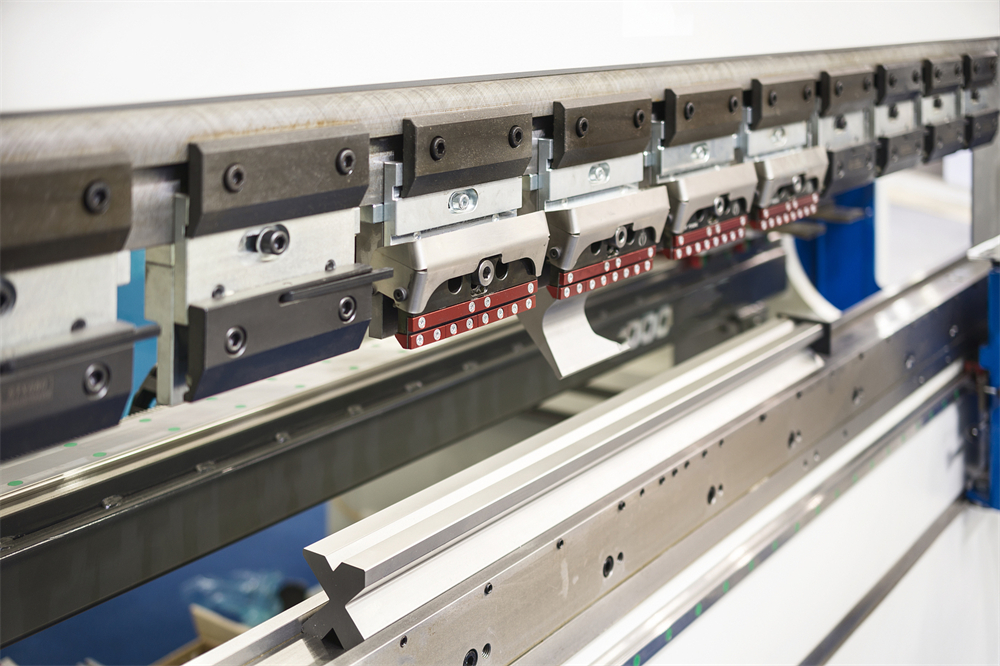
When analyzing why press brake tooling leaves marks on sheet metal, several key factors must be considered. The first is the material type. Different metals react differently to the stresses of bending. For instance, stainless steel is highly susceptible to “galling,” where small particles of the material weld themselves to the die, creating a rough surface that scratches subsequent workpieces. Aluminum, being much softer, is easily indented by any imperfections on the die surface or by the pressure of the die shoulders themselves.
The second consideration is the condition of the tooling. Over time, dies can develop small nicks, burrs, or wear patterns. These imperfections act like sandpaper against the sheet metal. Even high-quality hardened steel tools are not immune to wear. Regular inspection and maintenance of the die shoulders are essential. If the radius of the die shoulder is too sharp, it concentrates the pressure on a very small area, increasing the likelihood of deep marking. Conversely, a larger, smoother radius distributes the load more evenly.
Thirdly, the environment of the workshop plays a role. Dust, metal shavings, and mill scale can act as abrasives if they get trapped between the sheet metal and the die. A clean working environment and a protocol for wiping down tools and workpieces before bending are simple yet effective ways to prevent it. Furthermore, the choice of lubricant can either mitigate or exacerbate the problem. While lubricants reduce friction, the wrong type can trap debris, leading to “pitting” on the surface of the metal.
Finally, the tonnage applied during the bend is a critical variable. Using excessive force—often due to incorrect die selection or machine calibration—forces the material harder against the die shoulders. Precision in calculating the required tonnage for a specific material thickness and V-opening is vital. Modern CNC systems, like those found on HARSLE press brakes, allow for fine-tuning of these parameters to ensure that only the necessary amount of force is applied, thereby minimizing the risk of surface deformation.
Technical Details: The Mechanics of Die Marking
To effectively prevent it, one must understand the physics of the bending cycle. When a punch descends, the sheet metal is supported by the two top edges of the V-die, known as the die shoulders. As the punch pushes the material into the V-opening, the sheet metal must slide inward. This sliding action under high pressure is where the marking occurs. The friction between the die shoulder and the workpiece generates heat and mechanical stress, which can rupture the protective oxide layer of the metal or physically displace the surface material.
The relationship between the V-die opening (V) and the material thickness (T) is a fundamental technical aspect. A common rule of thumb is to use a V-opening 8 times the material thickness. However, if the V-opening is too narrow, the pressure at the contact points increases exponentially. This increased pressure forces the die shoulders to “dig” into the material. By increasing the V-opening slightly, the contact angle changes, and the pressure is distributed over a larger area, which can significantly reduce the severity of the marks.
Another technical factor is the “shoulder radius” of the die. Standard dies often have a relatively small radius to allow for a wider range of bending applications. However, for mark-free bending, a “large radius die” is often preferred. A larger radius provides a smoother transition for the metal as it slides, reducing the concentrated friction. In technical terms, this reduces the Hertzian contact stress between the tool and the workpiece. When the stress remains below the yield strength of the material’s surface, marking is virtually eliminated.
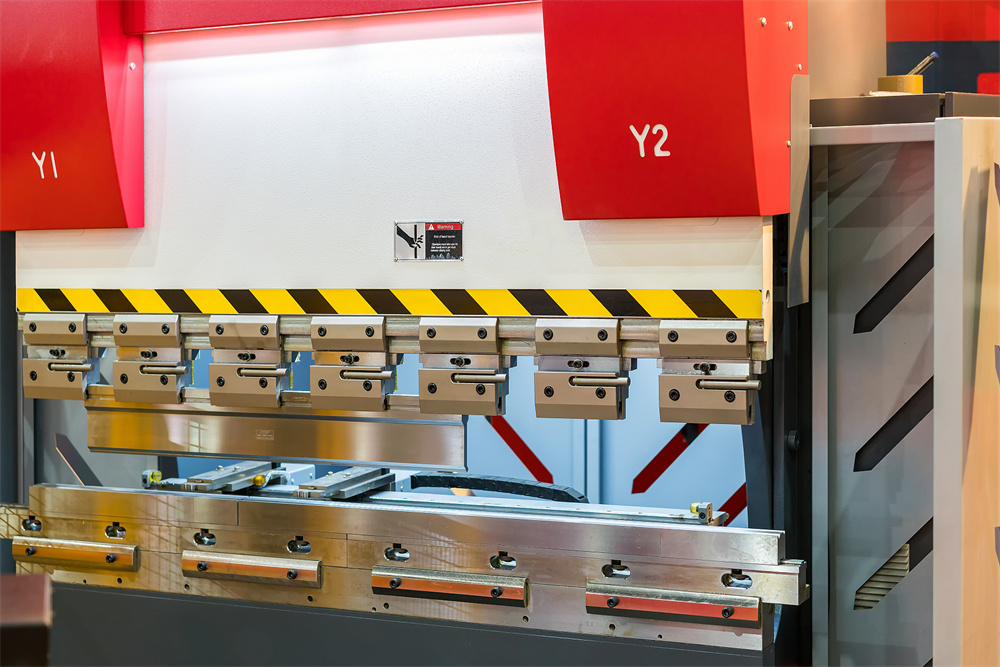
Furthermore, the phenomenon of “springback” must be managed. When the pressure is released, the metal attempts to return to its original shape. If the die is not designed to accommodate this movement smoothly, a secondary mark can occur during the decompression phase. Precision-ground tooling with specific relief angles can help mitigate this. Additionally, the use of CNC-controlled crowning systems ensures that the pressure is uniform across the entire length of the bend, preventing localized “hot spots” where marking might be more aggressive due to uneven force distribution.
Selection Advice: Choosing the Right Tooling and Accessories
Selecting the right accessories is the most direct way to prevent it. There are several specialized solutions available in the market today that are designed specifically to eliminate tooling marks. One of the most popular and cost-effective methods is the use of Urethane Die Film. This is a thin, tough plastic ribbon that is placed over the V-die before bending. The film acts as a sacrificial barrier, preventing direct metal-to-metal contact. It is particularly effective for stainless steel and pre-painted materials.
For high-volume production where applying film manually is inefficient, Urethane Inserts or Nylon Dies are excellent alternatives. These tools are made from high-density synthetic materials that possess enough structural integrity to bend metal but are soft enough not to mark the surface. While they have a shorter lifespan than steel dies, the savings in post-processing labor often justify the cost. These are ideal for light-gauge aluminum and decorative metals.
| Solution Type | Best For | Pros | Cons |
|---|---|---|---|
| Urethane Film | Polished Stainless, Painted Steel | Inexpensive, easy to use | Needs frequent replacement |
| Rotary Dies (Wing Bend) | Heavy Duty, High Precision | Eliminates sliding friction | High initial cost |
| Large Radius Steel Dies | General Fabrication | Durable, versatile | May not eliminate all marks |
| Synthetic Lubricants | Aluminum, Galvanized | Reduces galling | Requires cleaning after bend |
Another advanced solution is the Rotary Die, also known as a “Wing Bend” tool. Unlike a traditional V-die, a rotary die features two rotating supports that move with the sheet metal as it is bent. Because the supports rotate, there is no sliding friction between the die and the workpiece. This technology is the gold standard for mark-free bending, especially for thick materials or parts with short flanges. While the initial investment in rotary tooling is higher, it virtually eliminates the problem of press brake tooling leaves marks on sheet metal.
When selecting steel tooling, always opt for precision-ground and hardened tools. Precision grinding ensures that the surface finish of the tool itself is incredibly smooth, which reduces the coefficient of friction. Hardening prevents the tool from developing the small scratches and nicks that lead to marking. HARSLE recommends checking the Rockwell hardness of your tooling; high-quality dies should typically be in the range of 45-55 HRC to ensure longevity and surface quality.
Advanced Prevention Strategies and Maintenance
Beyond tooling selection, operational habits play a massive role in surface protection. One of the most effective strategies is the implementation of a rigorous tooling maintenance schedule. After every shift, dies should be cleaned with a soft cloth and a specialized cleaning agent to remove any metal dust or lubricant buildup. If galling is observed (small bits of metal stuck to the die), it must be carefully removed using a fine abrasive stone or polishing compound without altering the geometry of the die shoulder.
Proper material handling is another critical area. Sheet metal often arrives with a protective plastic coating (PVC or laser film). Whenever possible, leave this film on during the bending process. If the material does not have a coating, consider applying a temporary protective tape along the bend line. This provides an extra layer of defense against the die shoulders. Additionally, ensure that the backgauge fingers are clean and properly adjusted; sometimes, marks that appear to be from the tooling are actually scratches caused by the material sliding against the backgauge.
Machine calibration is equally important. If the press brake is not perfectly level or if the ram is not parallel to the bed, the pressure will be unevenly distributed. This can cause one side of the workpiece to be marked more heavily than the other. Utilizing the CNC crowning features of a HARSLE press brake allows the operator to compensate for bed deflection, ensuring that the pressure remains constant across the entire length of the workpiece. This uniformity is key to consistent, mark-free results.
Finally, consider the “Air Bending” technique over “Bottoming” or “Coining.” Air bending involves pushing the material into the die only far enough to achieve the desired angle, without the material touching the bottom of the V. This method requires significantly less tonnage than bottoming or coining. Since marking is directly proportional to the pressure applied, air bending is inherently less likely to leave deep indentations on the sheet metal surface.
Frequently Asked Questions (FAQ)
1. Why does stainless steel mark more easily than mild steel?
Stainless steel is prone to a process called galling. Because it is a relatively “sticky” metal at a molecular level, under high pressure, small particles of the stainless steel can transfer to the steel die. These particles then act as abrasives, scratching every subsequent piece of metal that passes over them. Using urethane film or specialized lubricants is highly recommended for stainless steel.
2. Can I use masking tape to prevent marks?
Yes, heavy-duty masking tape or specialized “mark-less” tape can be applied to the die shoulders or the workpiece. While not as durable as urethane die film, it is a quick and effective solution for small batches or prototypes. Ensure the tape is applied smoothly to avoid creating uneven pressure points.
3. How often should I polish my press brake dies?
Dies should be inspected daily. If you can feel any roughness or see metal buildup on the shoulders, they need cleaning or light polishing. A full professional polish should be done whenever the surface finish of the workpieces begins to degrade. Regular maintenance prevents minor wear from becoming a major cause of marking.
4. Does the V-opening size really affect marking?
Absolutely. A wider V-opening reduces the force required to make the bend and changes the contact angle between the metal and the die shoulder. This reduces the concentrated pressure, which is the primary driver of marking. Always use the largest V-opening possible that still allows you to achieve the required internal radius.
5. Are rotary dies worth the extra cost?
For shops that frequently work with high-end materials like mirror-finish stainless, brass, or painted aluminum, rotary dies are definitely worth the investment. They eliminate the sliding friction that causes marks, potentially saving thousands of dollars in labor costs associated with polishing and finishing.
Conclusion: Achieving Perfection in Every Bend
The issue of press brake tooling leaves marks on sheet metal is a common hurdle, but it is one that can be overcome with technical knowledge and the right equipment. By understanding the mechanics of friction and pressure, and by selecting the appropriate tooling solutions—such as urethane films, rotary dies, or precision-ground tools—fabricators can produce parts that are as beautiful as they are functional. Prevention is always more cost-effective than correction; avoiding a scratch in the first place is far cheaper than trying to polish it out later.
At HARSLE, we are committed to providing the metalworking industry with the tools and knowledge necessary to achieve excellence. Our range of CNC press brakes is designed with precision and surface integrity in mind, featuring advanced crowning systems and compatible with a wide variety of mark-free tooling options. By combining high-quality machinery with the strategies outlined in this guide, you can ensure that your production line remains efficient, your scrap rates stay low, and your customers remain satisfied with the flawless quality of your work. Invest in the right techniques today to prevent it and elevate your fabrication standards to the next level.












