
Press Brake Synchronization Problems: How to Identify and Troubleshoot Axle Errors


Introduction to Press Brake Synchronization
In the world of precision metal fabrication, the press brake stands as a cornerstone of production. However, the utility of this machine is entirely dependent on its accuracy. One of the most critical aspects of this accuracy is synchronization—specifically, the ability of the machine’s ram to descend perfectly level. When we talk about Press Brake Synchronization Problems: Identify Troubleshoot Axle Errors, we are usually referring to the coordination between the Y1 and Y2 axes. These axes represent the left and right hydraulic cylinders that drive the ram.
Modern CNC electro-hydraulic press brakes rely on a complex feedback loop involving high-resolution linear encoders, proportional valves, and sophisticated CNC controllers. When this loop is interrupted, the machine experiences synchronization errors. These errors can manifest as uneven bend angles across the length of a workpiece, the machine stopping mid-stroke, or the controller displaying cryptic ‘Axle Error’ messages. Understanding the root causes of these issues is essential for any shop manager or operator looking to minimize downtime and maintain high-quality output.
Synchronization is not merely about the ram moving up and down; it is about the ram moving with sub-micron precision relative to the bed. Even a deviation of a few hundredths of a millimeter can result in a rejected part, especially when working with high-tolerance components for the aerospace or medical industries. This guide will delve deep into the technicalities of why these errors occur and how you can systematically resolve them to keep your HARSLE machinery running at peak performance.
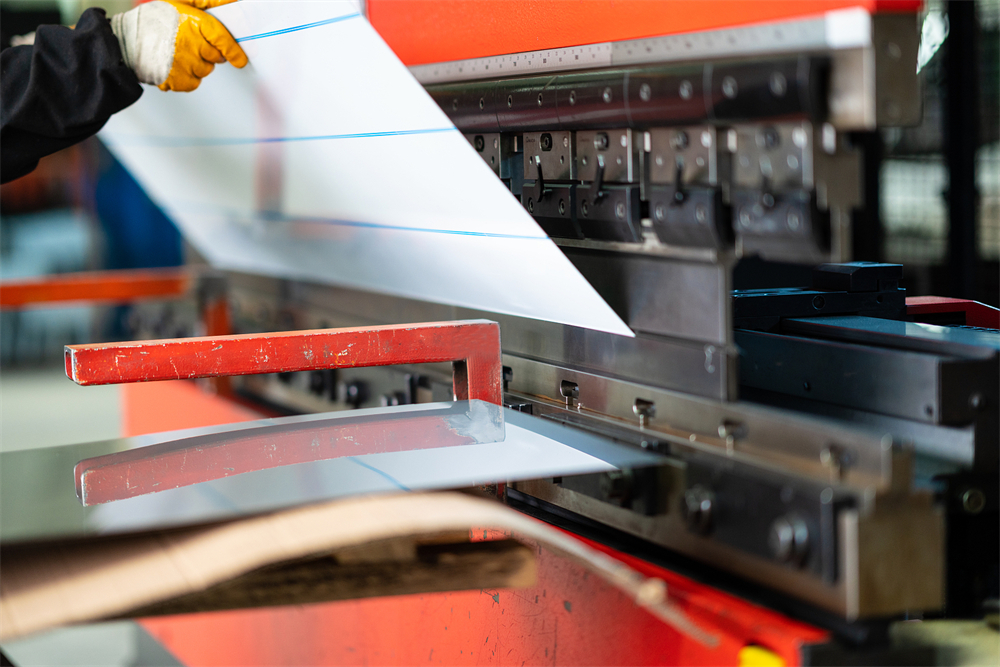
Key Considerations in Press Brake Synchronization
Before diving into troubleshooting, it is vital to understand the different types of synchronization systems used in the industry. Historically, mechanical press brakes used a torsion bar to physically link the two sides of the ram. While robust, these systems lack the flexibility and extreme precision of modern electro-hydraulic systems. Today, most high-end machines, such as those produced by HARSLE, utilize independent hydraulic circuits for each cylinder, synchronized electronically via the CNC controller.
The first key consideration is the environment. Press brakes are often located in dusty, temperature-fluctuating environments. Dust can settle on linear scales, and temperature changes can affect hydraulic oil viscosity. Both factors are leading contributors to synchronization drift. If your shop experiences significant temperature swings between morning and afternoon, you may notice that synchronization errors occur more frequently at specific times of the day.
Another consideration is the mechanical state of the machine. No amount of electronic compensation can fix a machine with severely worn gibs or loose foundation bolts. The ‘guides’ or ‘gibs’ ensure the ram moves in a straight vertical plane. If these are worn or improperly lubricated, the ram may ‘cock’ or bind, creating a mechanical resistance that the hydraulic system struggles to overcome, eventually triggering a synchronization alarm on the controller.
Finally, consider the tooling and the load. Off-center loading is a common cause of perceived synchronization problems. If you are bending a small, thick piece of metal on the far left side of a long press brake, the machine must work harder to keep the ram level against the uneven resistance. While modern CNC machines are designed to handle some degree of off-center loading, extreme cases will inevitably lead to axle errors or premature wear on the hydraulic seals and guides.
Technical Details: The Anatomy of an Axle Error
To effectively troubleshoot Press Brake Synchronization Problems: Identify Troubleshoot Axle Errors, one must understand the components involved in the feedback loop. The primary components are the CNC Controller, the Proportional Valves, and the Linear Encoders (Scales).
1. The Role of Linear Encoders
Linear encoders are the ‘eyes’ of the press brake. Mounted on the side frames, they measure the exact position of the ram relative to the bed. If the scale on the Y1 side reports a position different from the Y2 side beyond a pre-set tolerance (often as small as 0.01mm), the controller will trigger a synchronization error. Common technical failures here include loose mounting brackets, oil mist contamination on the glass scale, or a faulty reader head. If the reader head cannot ‘see’ the markings on the scale, it sends erratic data to the controller, leading to jerky ram movement or an immediate emergency stop.
2. Proportional Valve Dynamics
The proportional valves are the ‘muscles’ that control oil flow to the cylinders. Unlike standard on/off valves, proportional valves can open and close in minute increments based on electrical voltage or current signals from the CNC. If the Y1 valve is slightly slower to respond than the Y2 valve, the ram will tilt. Technical issues often involve ‘stiction’ (static friction) within the valve spool caused by contaminated hydraulic oil. Even microscopic particles can jam the tight tolerances of a proportional valve, leading to inconsistent axle speeds and synchronization faults.
3. The CNC Control Logic
The CNC controller runs a PID (Proportional-Integral-Derivative) loop to maintain synchronization. It constantly compares the target position with the actual position reported by the scales. If the ‘following error’ (the gap between where the ram should be and where it actually is) exceeds a certain threshold, the machine stops. This is a safety feature designed to prevent damage to the machine or the tooling. Sometimes, the error isn’t mechanical but a parameter issue within the software, such as incorrect gain settings or acceleration/deceleration ramps that are too aggressive for the weight of the tooling being used.
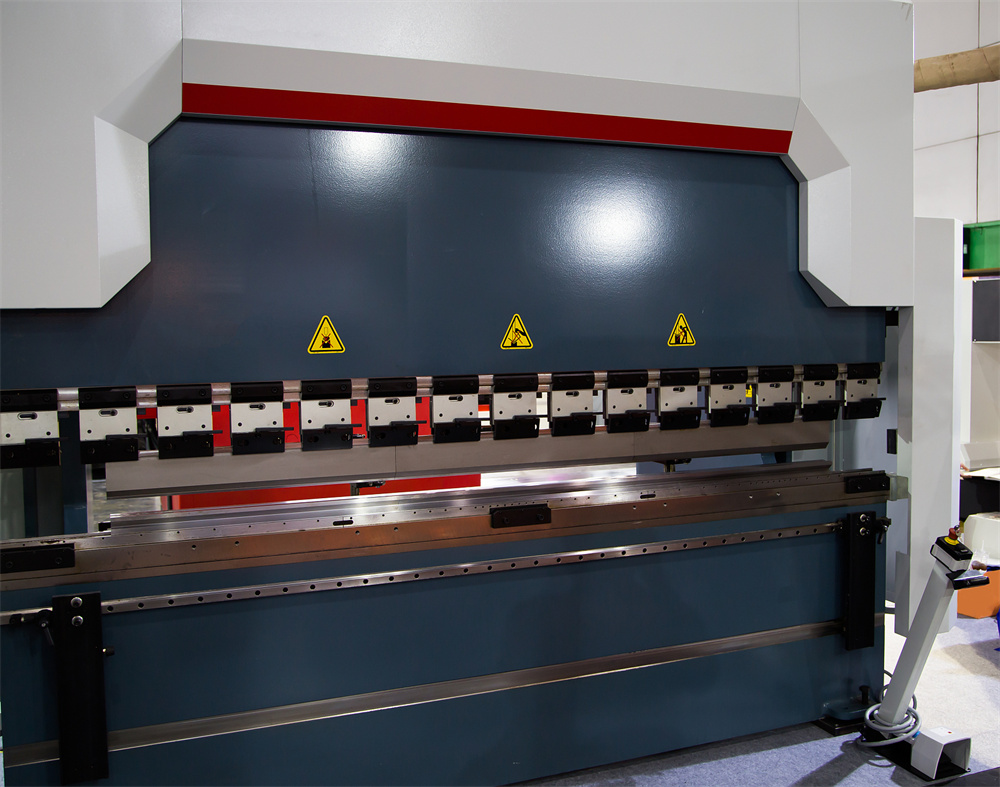
Troubleshooting Step-by-Step: Identifying Axle Errors
When an axle error occurs, follow this systematic approach to identify and resolve the problem. This process helps distinguish between electrical, hydraulic, and mechanical failures.
Step 1: Check for Mechanical Obstructions
Before touching the electronics, perform a visual inspection. Ensure there are no tools, scrap metal, or debris caught in the guides or between the ram and the bed. Check the lubrication levels of the gibs. A dry guide can cause enough friction to lag one side of the ram, triggering a Y1/Y2 synchronization error. If the machine has been sitting idle for a long period, the grease may have hardened, requiring a thorough cleaning and re-greasing.
Step 2: Inspect the Linear Scales
The linear scales are sensitive instruments. Check that the reader head is securely fastened and that the scale itself hasn’t been bumped or misaligned. Use a clean, lint-free cloth to gently wipe the exterior of the scale housing. If the scale is an open type, check for dust or oil on the glass. Many ‘Axle Errors’ are simply the result of the controller losing track of the ram’s position due to a dirty scale. If the error persists, try swapping the cables between the Y1 and Y2 scales at the controller. If the error moves from Y1 to Y2, you have confirmed a faulty scale or cable.
Step 3: Analyze Hydraulic Oil and Pressure
Hydraulic oil is the lifeblood of the press brake. Check the oil level and, more importantly, the oil temperature. Overheated oil loses its viscosity, which can cause proportional valves to behave erratically. Furthermore, check for air in the system. Air is compressible, whereas oil is not. If air is trapped in one of the cylinders, that side of the ram will ‘spongily’ lag behind the other, causing a synchronization fault. Bleeding the hydraulic system is a standard maintenance task that can often resolve mysterious axle errors.
Step 4: Proportional Valve Testing
If the scales and mechanics are fine, the issue likely lies in the proportional valves. Most CNC controllers have a diagnostic screen where you can view the voltage being sent to each valve. During a slow descent, the voltages for Y1 and Y2 should be nearly identical. If one side requires significantly more voltage to move at the same speed, that valve may be clogged or failing. Cleaning the valve or replacing the internal filter (if equipped) is the next logical step.
Selection Advice: Choosing a Machine with Reliable Synchronization
When purchasing a new press brake, the synchronization system should be a primary factor in your decision. Not all ‘synchronized’ machines are created equal. Here is what to look for to ensure long-term reliability and ease of troubleshooting:
- High-Quality Linear Encoders: Look for machines equipped with reputable scale brands like Heidenhain or Givi Misure. These scales offer better sealing against dust and oil, reducing the frequency of axle errors.
- Advanced CNC Controllers: Systems like Delem, Cybelec, or ESA provide superior diagnostic tools. A good controller won’t just say ‘Axle Error’; it will provide a detailed log of following errors, valve voltages, and sensor states, making troubleshooting much faster.
- Rigid Frame Construction: A press brake is only as accurate as its frame. A heavy, stress-relieved frame resists deflection, which in turn places less stress on the synchronization system. HARSLE machines are known for their robust frame designs that minimize ‘yawning’ under load.
- Quality Hydraulics: Ensure the machine uses high-end proportional valves (such as Bosch Rexroth or Hoerbiger). These components are the gold standard for precision and have a much longer service life than generic alternatives.
- Self-Diagnostic Software: Modern machines often include software that can automatically calibrate the valves and scales. This feature can save hours of manual labor and ensure the machine is always operating within its optimal parameters.
Investing in a machine with these features might have a higher upfront cost, but the reduction in downtime and the elimination of wasted material due to synchronization errors will provide a much higher return on investment (ROI) over the machine’s lifespan.
Frequently Asked Questions (FAQ)
What is the difference between Y1 and Y2 axes?
In a CNC press brake, Y1 refers to the left hydraulic cylinder and Y2 refers to the right hydraulic cylinder. The CNC controller manages these two axes independently but simultaneously to ensure the ram remains perfectly level during the bending process.
Why does my press brake show an ‘Axle Error’ only when bending thick plate?
This is often due to frame deflection or off-center loading. When bending thick material, the forces involved are much higher. If the material is not perfectly centered, or if the machine’s ‘crowning’ system is not properly adjusted, the resistance on one cylinder will be higher than the other, leading to a synchronization lag that triggers the error.
How often should I calibrate the synchronization on my press brake?
For high-precision shops, a quick check of the ram’s level should be done weekly. A full calibration of the linear scales and proportional valves should be performed annually or whenever major hydraulic components are serviced. Regular maintenance of the oil and filters will also reduce the need for frequent recalibration.
Can a power surge cause synchronization problems?
Yes. The CNC controller and the amplifiers for the proportional valves are sensitive to power fluctuations. A power surge can corrupt the parameters in the controller or damage the electronic components of the valves. Using a high-quality surge protector or a regulated power supply is highly recommended for industrial machinery.
Is it possible to fix a synchronization error by adjusting the software parameters?
While you can sometimes ‘mask’ a mechanical or hydraulic problem by widening the tolerance parameters in the software, this is not recommended. It usually leads to poor bend quality and can eventually cause mechanical damage. Always find and fix the root cause of the error rather than just changing the software limits.
Conclusion
Mastering the complexities of Press Brake Synchronization Problems: Identify Troubleshoot Axle Errors is a vital skill for any modern metal fabricator. By understanding the interplay between the mechanical guides, the hydraulic proportional valves, and the electronic feedback from linear scales, operators and maintenance teams can quickly diagnose issues that would otherwise lead to costly downtime. Most synchronization problems stem from simple issues like dirt, lack of lubrication, or air in the hydraulic lines. However, having a systematic troubleshooting process ensures that even the most complex electronic faults can be isolated and repaired.
At HARSLE, we prioritize the integration of world-class components and intuitive diagnostic software in our press brakes to minimize these issues. However, no machine is immune to the rigors of the factory floor. By following the guidelines laid out in this article—maintaining a clean environment, performing regular hydraulic service, and choosing high-quality equipment—you can ensure that your press brake remains a precise and reliable asset for years to come. Remember, a well-synchronized machine is not just about avoiding errors; it is about achieving the perfect bend every single time.












