Why Your Press Brake Is Overtraveling or Undertraveling and What to Inspect


Introduction to Press Brake Travel Inaccuracies
In the world of precision metal fabrication, the accuracy of a press brake is the cornerstone of quality production. When a machine begins to exhibit signs of overtravel or undertravel, it directly impacts the bend angle, material integrity, and overall throughput of the workshop. Overtravel occurs when the ram descends further than the programmed depth, leading to over-bent parts or potential tool damage. Conversely, undertravel happens when the ram fails to reach the target position, resulting in under-bent components that require costly rework. Understanding why your Press Brake Is Overtraveling Or Undertraveling Inspect protocols are necessary is the first step toward restoring operational excellence.
These issues are rarely the result of a single catastrophic failure. Instead, they often stem from a combination of gradual mechanical wear, hydraulic fluid degradation, or electronic feedback errors. For operators and maintenance managers, diagnosing these discrepancies requires a systematic approach that looks beyond the surface symptoms. A press brake is a complex synergy of high-pressure hydraulics, precision electronics, and heavy-duty mechanical components. When one element of this triad falls out of sync, the entire bending process is compromised.
At HARSLE, we recognize that downtime is the enemy of profitability. This comprehensive guide is designed to help you navigate the complexities of ram positioning errors. We will delve into the technical nuances of hydraulic valve response, the critical role of linear scales, and the mechanical adjustments that ensure your machine hits its mark every single time. By following a structured inspection routine, you can identify the root cause of travel issues and implement corrective measures before they escalate into major repairs.
Key Considerations for Travel Inaccuracy
Before diving into the deep technical inspections, it is essential to consider the environmental and operational factors that influence ram travel. One of the most overlooked aspects is the consistency of the material being processed. Variations in sheet thickness, tensile strength, and grain direction can mimic the symptoms of machine overtravel or undertravel. If the machine performs perfectly on one batch of steel but fails on another, the issue may lie in the material properties rather than the machine’s internal systems. However, if the error is consistent across different materials, a deeper Press Brake Is Overtraveling Or Undertraveling Inspect process is mandatory.
Temperature fluctuations within the facility also play a significant role. Hydraulic oil changes its viscosity based on temperature. In the early morning, cold oil may cause the valves to respond sluggishly, leading to undertravel. As the machine warms up during a shift, the oil thins out, potentially causing the ram to overtravel due to decreased resistance in the hydraulic circuit. Modern CNC press brakes often include temperature compensation features, but older or less sophisticated models require manual monitoring of the oil temperature to maintain consistency.
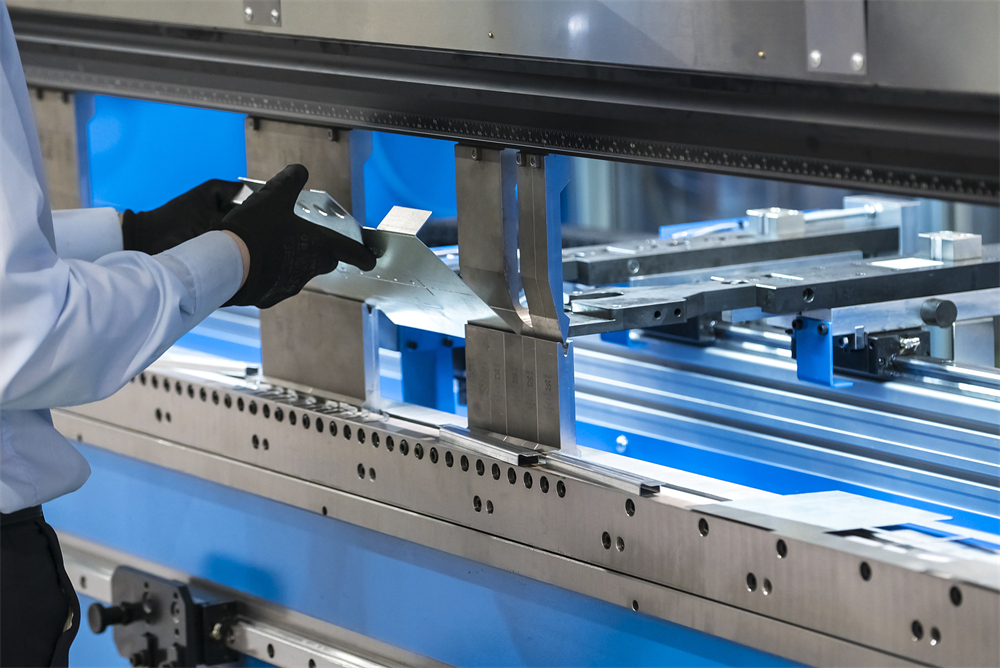
Another key consideration is the tooling setup. Improperly seated dies or worn-out punches can create an illusion of travel errors. If the punch is not perfectly centered or if the V-die has uneven wear, the pressure distribution will be asymmetrical, causing the ram to tilt or deflect. This deflection is often interpreted by the operator as a travel issue, when in fact it is a mechanical alignment problem. Always verify that your tooling is in top condition and correctly installed before adjusting the machine’s internal parameters.
Finally, consider the age and maintenance history of the machine. Press brakes that have been in service for many years without regular calibration are prone to “drift.” This is a gradual shift in the electronic zero-point or a loosening of mechanical linkages. Regular preventative maintenance is the best defense against these issues. By keeping a detailed log of machine performance, you can spot trends in travel inaccuracies and address them during scheduled downtime rather than during a critical production run.
Technical Details: Why Press Brakes Overtravel or Undertravel
Hydraulic Valve Response and Synchronization
The heart of a hydraulic press brake’s movement lies in its proportional valves. These valves control the flow and pressure of oil to the cylinders with extreme precision. Overtravel is frequently caused by a valve that fails to close quickly enough when the target depth is reached. This “lag” can be due to internal contamination, where tiny metal particles or degraded oil sludge interfere with the valve’s spool movement. If the spool sticks even for a few milliseconds, the ram will continue its descent under its own momentum, resulting in an over-bend.
Undertravel, on the other hand, often points toward insufficient pressure or air trapped in the hydraulic lines. Air is compressible, whereas hydraulic oil is not. If air bubbles are present in the system, the initial movement of the piston will compress the air rather than moving the ram, leading to a shortfall in the final position. Furthermore, if the synchronization valves (in torsion bar models) or the independent servo-valves (in electro-hydraulic models) are out of balance, one side of the ram may travel further than the other, causing a twisted bend and triggering an error code on the CNC controller.
Linear Scale and Feedback Loop Integrity
Modern CNC press brakes rely on linear scales (encoders) to tell the controller exactly where the ram is located in real-time. These scales are the “eyes” of the machine. If a Press Brake Is Overtraveling Or Undertraveling Inspect the linear scales immediately. Dust, oil mist, or vibration can cause the scale to misread the position. If the scale reports that the ram is at 100mm when it is actually at 102mm, the controller will stop the movement prematurely, causing undertravel. Conversely, if the scale fails to register the final few millimeters of movement, the controller will keep the valves open, leading to overtravel.
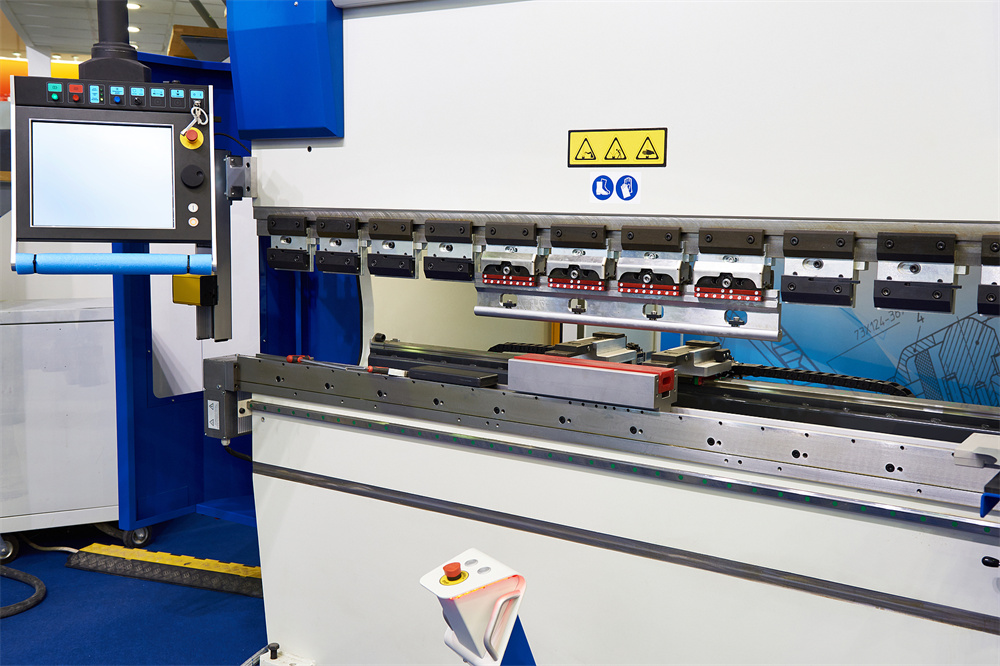
The mounting of these scales is equally critical. They are typically mounted on a “C-frame” or a separate reference frame to isolate them from the main frame’s deflection under load. If the mounting bolts have loosened or if the reference frame has been bumped, the scale will provide inaccurate data. Checking the cleanliness of the glass scale and the alignment of the reading head is a fundamental step in troubleshooting travel errors. Even a microscopic layer of oil on the scale can cause signal skipping, leading to erratic ram behavior.
Mechanical Wear and Gib Clearance
The ram of a press brake slides within guides known as gibs. These gibs are designed to keep the ram perfectly vertical and prevent any lateral movement. Over time, the friction material on the gibs wears down, increasing the clearance between the ram and the frame. Excessive clearance allows the ram to “float” or tilt during the bending cycle. This mechanical instability can lead to overtravel because the ram doesn’t stop cleanly; it may drop slightly due to gravity once the hydraulic pressure is released if the gibs are too loose.
Furthermore, in torsion bar machines, the mechanical link between the two cylinders can develop play in the bearings or bushings. This play results in a loss of synchronization. When you Press Brake Is Overtraveling Or Undertraveling Inspect the torsion bar assembly for any signs of physical wear or lack of lubrication. A dry bearing can create enough resistance to cause undertravel on one side, while a worn bearing can allow the ram to over-travel due to the lack of mechanical constraint. Regular lubrication of all sliding surfaces and pivot points is non-negotiable for maintaining travel accuracy.
Software Parameters and CNC Logic
Sometimes the issue isn’t physical but digital. The CNC controller uses a set of parameters to manage the deceleration and stopping of the ram. There is a “slow-down point” where the ram transitions from fast approach speed to slow pressing speed. If this point is set too low, the ram may have too much inertia when it reaches the target depth, causing it to overshoot (overtravel). If the “gain” settings in the PID (Proportional-Integral-Derivative) loop are incorrectly tuned, the system may oscillate or fail to reach the target position accurately.
Operators sometimes inadvertently change these parameters or the “zero offset” values. A common scenario involves an operator adjusting the Y-axis offset to compensate for a specific tool, but forgetting to reset it for the next job. This leads to consistent undertravel or overtravel across all subsequent parts. During your inspection, always verify the software settings against the machine’s original factory specifications. Restoring the default parameters can often resolve mysterious travel issues that mechanical inspections fail to uncover.
Selection Advice: Choosing a Reliable Press Brake
When purchasing a new press brake, selecting a machine built with high-quality components is the best way to prevent future overtravel and undertravel issues. At HARSLE, we prioritize the integration of world-class parts to ensure long-term precision. Here are the key features to look for when selecting a machine that maintains its accuracy over years of heavy use:
- High-Precision Linear Scales: Look for machines equipped with scales from reputable brands like Heidenhain or Givi Misure. These scales should have a high IP rating to resist dust and oil contamination.
- Advanced Hydraulic Systems: Opt for electro-hydraulic synchronized machines (like the HARSLE WE67K series) rather than simple torsion bar models. Electro-hydraulic systems use independent servo-valves for each cylinder, providing much better control over ram travel and tilt.
- Robust Frame Construction: A rigid, stress-relieved frame minimizes deflection. Less deflection means the linear scales can provide more accurate feedback, reducing the risk of travel errors under high tonnage.
- User-Friendly CNC Controllers: Systems like Delem, Cybelec, or ESA offer sophisticated algorithms for pressure and travel compensation. These controllers can automatically adjust for material thickness variations and oil temperature changes.
- Quality Gibbing Systems: Ensure the machine uses high-quality, adjustable gibs with replaceable wear liners. This allows you to maintain the tight tolerances required for precision bending as the machine ages.
Investing in a HARSLE press brake means investing in a machine designed for stability. Our engineering team focuses on the synergy between the hydraulic circuit and the electronic feedback loop. By using Bosch-Rexroth valves and high-speed PLC processing, HARSLE machines achieve a positioning accuracy of ±0.01mm. This level of precision virtually eliminates the common frustrations of overtravel and undertravel, allowing your operators to focus on production rather than constant machine adjustment.
Frequently Asked Questions (FAQ)
1. Why does my press brake overtravel only on the first few bends of the day?
This is typically due to oil viscosity. When the hydraulic oil is cold, it is thicker and can cause the valves to behave differently. As the oil warms up and reaches its optimal operating temperature, the viscosity stabilizes, and the travel becomes consistent. Many modern machines have a “warm-up” cycle to prevent this issue.
2. Can a dirty linear scale cause both overtravel and undertravel?
Yes. If the scale is dirty, it may miss pulses or provide erratic feedback to the CNC. This can cause the controller to think the ram is in a different position than it actually is, leading to unpredictable travel errors in either direction. Cleaning the scales with the manufacturer-recommended solution is a vital maintenance step.
3. How often should I calibrate the Y-axis on my press brake?
For high-precision environments, a quick calibration check should be performed weekly. A full system calibration by a certified technician is recommended annually or whenever major components like valves or scales are replaced. Regular calibration ensures that the Press Brake Is Overtraveling Or Undertraveling Inspect routine remains a preventative measure rather than a reactive one.
4. Does the type of hydraulic oil affect ram travel?
Absolutely. Using oil with the wrong viscosity grade or using degraded, oxidized oil can lead to sluggish valve response and internal leakage. Always use the oil grade specified by the manufacturer (usually ISO VG 32 or 46) and change it according to the recommended service intervals to maintain precise ram control.
5. What is the difference between a mechanical stop and a CNC-controlled stop?
Older manual press brakes use a mechanical nut inside the cylinder to set the depth (mechanical stop). These are very consistent but slow to adjust. Modern CNC press brakes use electronic feedback to stop the ram (CNC-controlled stop), which is much faster and more versatile but relies heavily on the accuracy of the linear scales and valve response times.
6. Can worn-out seals cause undertravel?
Yes. If the internal seals in the hydraulic cylinders are leaking, high-pressure oil can bypass the piston. This results in a loss of force and can prevent the ram from reaching its full programmed depth, especially under high-tonnage loads. If you notice the ram “drifting” downward when stopped, it is a clear sign of seal failure.
Conclusion: Maintaining Precision in Your Workshop
In conclusion, when your Press Brake Is Overtraveling Or Undertraveling Inspect the system holistically. Start with the simplest possibilities—material consistency, tooling alignment, and oil temperature. If the problem persists, move into the technical heart of the machine: the hydraulic valves, the linear scales, and the CNC parameters. Most travel issues are solvable through thorough cleaning, precise calibration, and the replacement of worn consumables like seals or gib liners.
Maintaining a press brake is an ongoing commitment to quality. By understanding the mechanics of how the ram moves and stops, you empower your maintenance team to catch small errors before they lead to scrapped parts or machine failure. Remember that a well-maintained machine not only produces better parts but also operates more safely and lasts significantly longer, providing a better return on your investment.
At HARSLE, we are dedicated to providing the metal fabrication industry with high-performance machinery and the knowledge to keep it running at peak efficiency. Whether you are troubleshooting an older machine or looking to upgrade to the latest CNC technology, our team is here to support your journey toward manufacturing excellence. Precision is not just a goal; it is the standard we build into every HARSLE press brake.