Comprehensive Press Brake Safety Guidelines for Operators and Maintenance Teams: A Technical Manual


Technical Overview: The Critical Importance of Press Brake Safety
In the modern metal fabrication industry, the press brake stands as one of the most versatile yet potentially hazardous pieces of machinery. Ensuring Press Brake Safety Guidelines for Operators and Maintenance Teams are strictly followed is not merely a matter of regulatory compliance; it is a fundamental pillar of operational efficiency and workforce protection. A press brake operates by applying immense force—often hundreds of tons—to bend sheet metal between a punch and a die. The primary risk involves the ‘point of operation,’ where the tooling meets the workpiece, but secondary risks such as material whip-up, back-gauge movement, and hydraulic failure are equally significant.
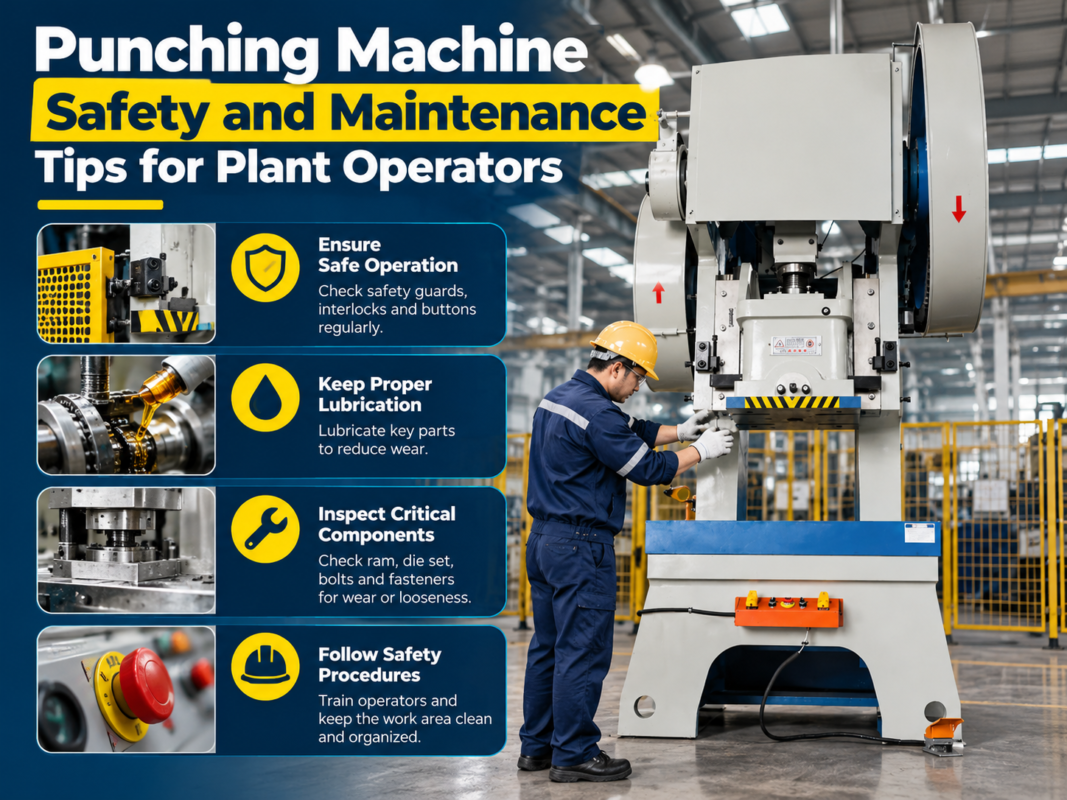
HARSLE emphasizes a holistic approach to safety that integrates advanced hardware, such as laser guarding systems and light curtains, with rigorous behavioral protocols. For operators, safety begins with understanding the machine’s limits and the physics of the bending process. For maintenance teams, safety involves the meticulous upkeep of hydraulic circuits, electrical interlocks, and structural integrity. When these two groups work in harmony with a shared understanding of safety parameters, the risk of catastrophic failure or personal injury is drastically reduced.
Modern CNC hydraulic press brakes have evolved to include sophisticated safety features that were unavailable a decade ago. These include rapid-response valves, dual-monitored safety circuits, and ergonomic designs that reduce operator fatigue. However, technology is only as effective as the people who manage it. This guide serves as a technical blueprint for establishing a culture of safety that protects both the personnel and the high-value equipment they operate.
The Hierarchy of Safety Controls
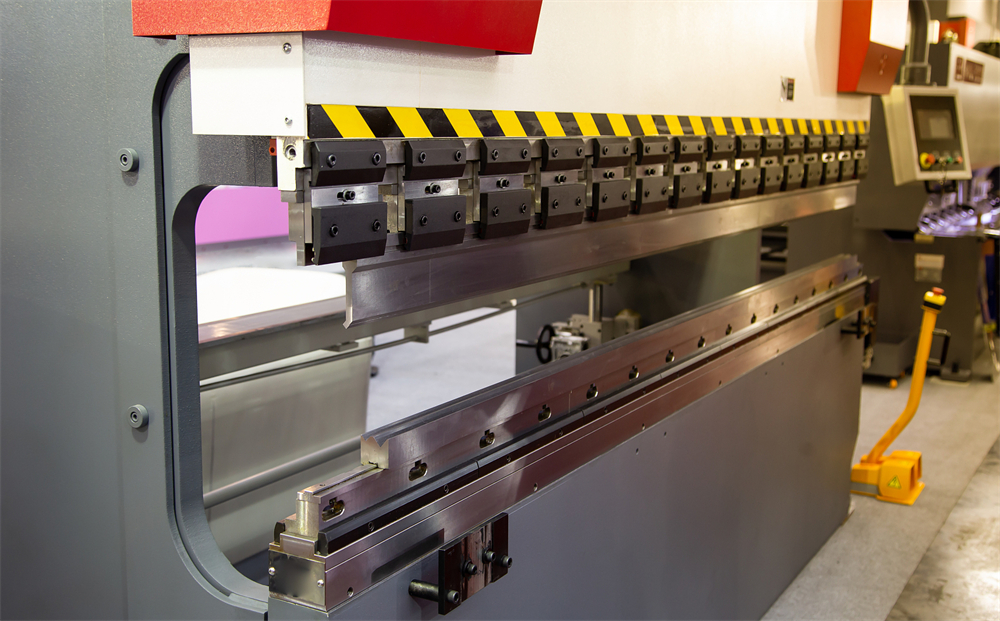
To effectively implement Press Brake Safety Guidelines for Operators and Maintenance Teams, one must understand the hierarchy of controls. This starts with elimination and substitution, which are often difficult in metal fabrication, and moves toward engineering controls. Engineering controls include physical barriers, light curtains, and laser guards like the DSP or Fiessler systems. These systems are designed to detect the presence of a finger or hand within the danger zone and stop the ram movement in milliseconds.
Administrative controls follow, involving the creation of Standard Operating Procedures (SOPs) and mandatory training sessions. Finally, Personal Protective Equipment (PPE) serves as the last line of defense. While gloves and safety glasses are standard, they cannot protect against the crushing force of a 100-ton ram. Therefore, the focus must always remain on engineering controls and strict adherence to operational limits.
Core Parameters for Safe Operation
Understanding the technical parameters of a press brake is essential for maintaining a safe working environment. These parameters define the machine’s capabilities and the boundaries within which it can safely operate. For operators, knowing the tonnage limit of the tooling is just as important as knowing the tonnage limit of the machine itself. Overloading a small punch with excessive force can lead to ‘exploding’ tools, where metal shards become high-velocity projectiles.
The approach speed and bending speed are also critical. Modern machines utilize a ‘fast approach’ to bring the ram close to the material, followed by a ‘slow bending speed’ for the actual deformation. Safety systems are programmed to monitor these speeds; if the machine fails to transition to the slow speed at the designated mute point, the safety system must trigger an emergency stop. Maintenance teams must calibrate these transition points regularly to ensure the safety system remains effective.
Stroke Length and Throat Depth
The stroke length determines how far the ram can move, while the throat depth determines the maximum width of the material that can be processed. From a safety perspective, these parameters influence the ‘pinch points’ of the machine. Operators must be trained to keep their hands away from the throat area during the bending cycle, as the material may ‘whip up’ unexpectedly, trapping the operator’s hands against the machine frame. Maintenance teams should ensure that all side and rear guards are securely in place to prevent unauthorized access to these moving parts.
Calculation Method: Determining Safety Distances and Tonnage
One of the most critical technical aspects of Press Brake Safety Guidelines for Operators and Maintenance Teams is the calculation of the safety distance for light curtains. According to ISO 13855, the safety distance (S) is calculated using the formula: S = (K × T) + C.
- K: The hand speed constant (typically 1600 mm/s or 2000 mm/s depending on the distance).
- T: The total response time of the system (including the light curtain’s response time and the machine’s stopping time).
- C: The penetration depth factor, which accounts for how far a hand can reach through the light curtain before being detected.
Maintenance teams must conduct ‘stop-time measurements’ annually to verify that the machine’s braking system has not degraded. If the stopping time increases, the safety distance must be recalculated and the light curtains moved further back, or the braking system must be repaired.
Tonnage Calculation and Tooling Safety
Calculating the required tonnage for a bend is vital to prevent tool breakage. The standard formula for air bending is: P = (650 × S² × L) / V, where P is the force in tons, S is the material thickness, L is the length of the bend, and V is the V-opening of the die. Operators must ensure that the calculated P does not exceed the rated capacity of the machine or the specific tonnage limit of the tools being used. Using a V-opening that is too small significantly increases the required pressure and the risk of tool failure.
Parameter Table: Safety and Maintenance Standards
| Parameter | Operator Requirement | Maintenance Requirement | Safety Threshold |
|---|---|---|---|
| Ram Stopping Time | Monitor for drift | Measure with stop-time meter | < 100ms (typical) |
| Light Curtain Alignment | Visual check daily | Recalibrate every 6 months | Zero bypass allowed |
| Hydraulic Oil Temp | Check gauge hourly | Change filters/oil annually | Max 55°C (131°F) |
| Tooling Integrity | Inspect for cracks/chips | Verify hardness and wear | Replace if deformed |
| Back Gauge Precision | Verify part dimensions | Lubricate lead screws weekly | +/- 0.01mm tolerance |
| Emergency Stop Function | Test at start of shift | Inspect wiring and contacts | Instantaneous response |
Common Engineering Mistakes in Press Brake Safety
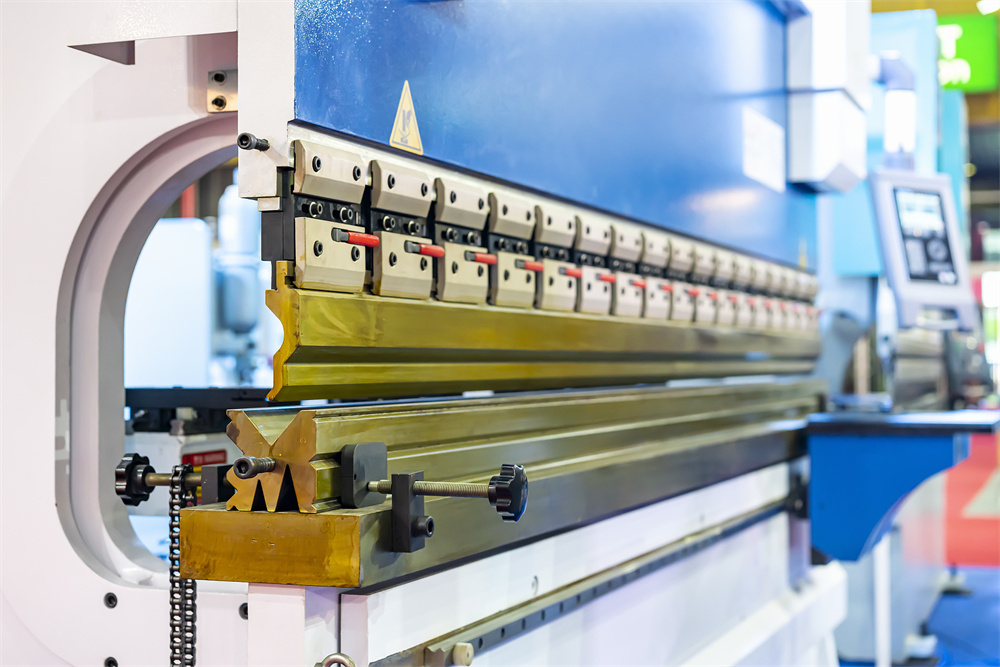
Even with the best equipment, engineering and operational mistakes can lead to dangerous situations. One of the most common mistakes is the ‘bypassing’ of safety interlocks. Operators may feel that light curtains slow down their production speed and might attempt to disable them. This is a catastrophic error that should result in immediate disciplinary action. From an engineering standpoint, safety circuits should be designed to be ‘tamper-proof,’ requiring specialized tools or codes to modify.
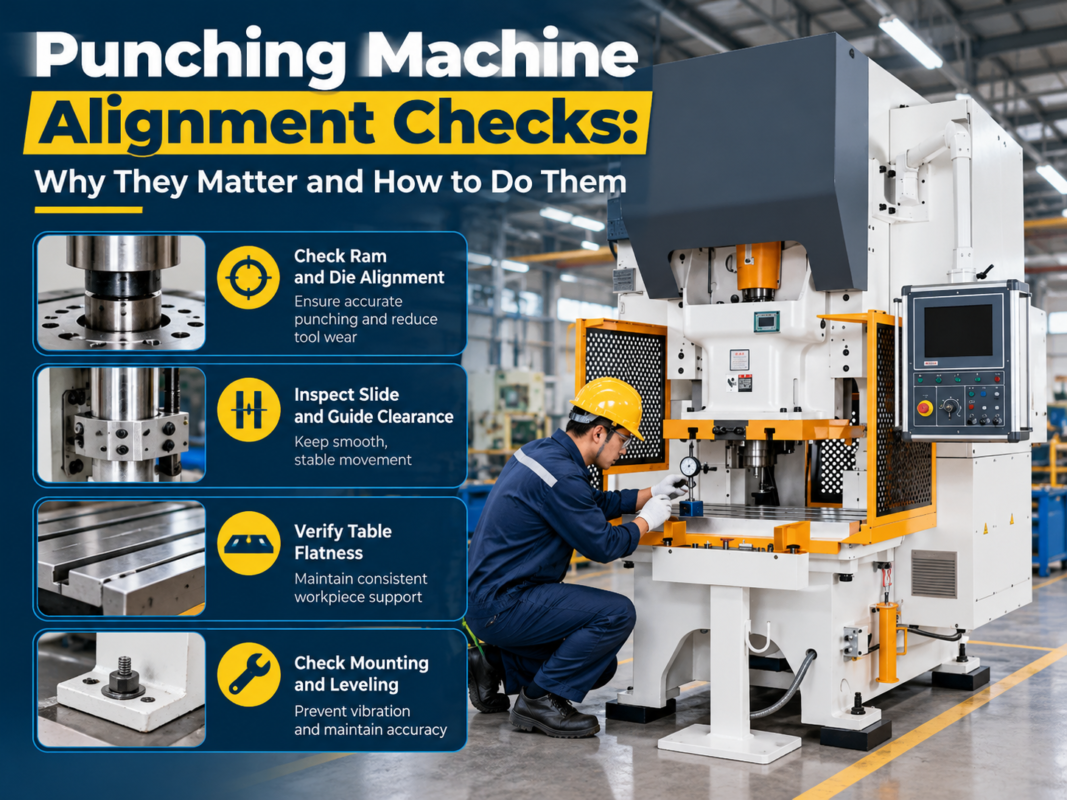
Another frequent mistake is improper tool alignment. If the punch and die are not perfectly centered, the lateral forces generated during a bend can cause the tools to ‘spit out’ or shatter. This not only ruins the workpiece but poses a severe risk to the operator. Maintenance teams must ensure that the ram and bed are parallel and that the clamping systems are functioning correctly to hold the tools under high pressure.
Neglecting Hydraulic Health
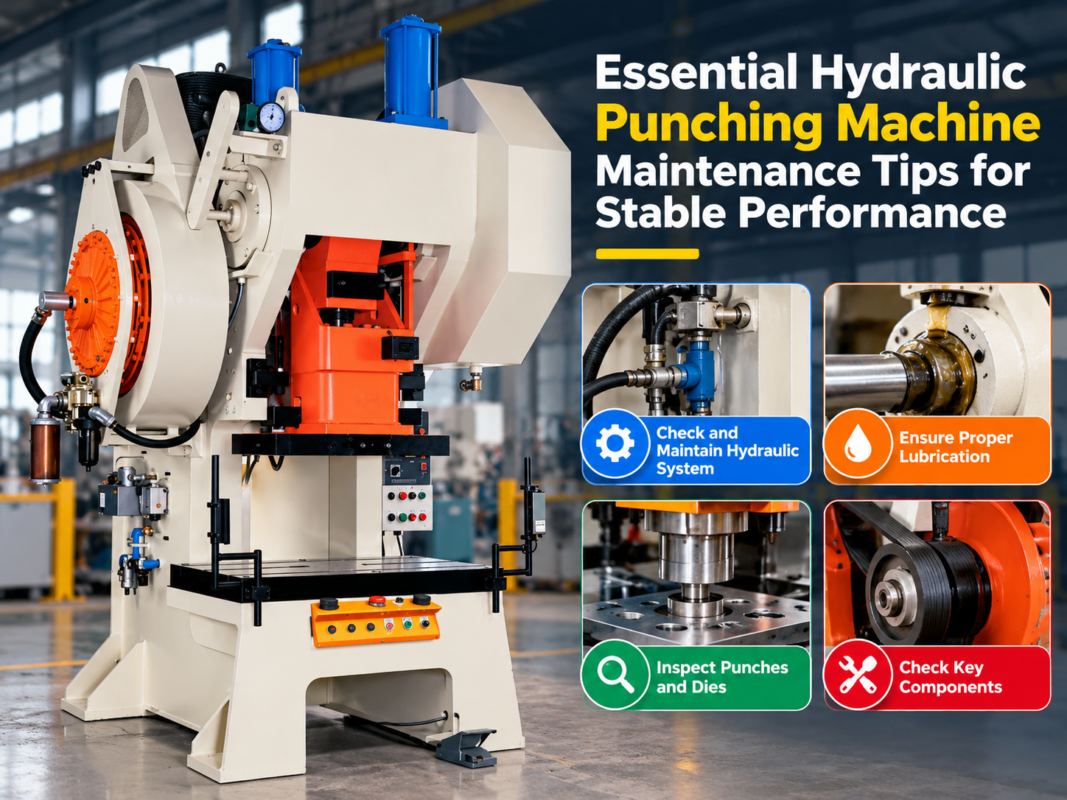
For maintenance teams, neglecting the hydraulic system is a silent danger. Contaminated oil can cause valves to stick, leading to ‘ram drift’ where the ram moves downward even when the foot pedal is not depressed. This is a major crushing hazard. Regular oil analysis and filter changes are not just maintenance tasks; they are essential safety protocols. Furthermore, the failure to bleed air from the hydraulic lines can lead to spongy control and unpredictable ram movement.
Selection Checklist: Choosing a Safe Press Brake
When selecting a new press brake, safety features should be at the top of the specification list. Use this checklist to ensure the machine meets modern safety standards:
- Laser Guarding System: Does the machine include a high-speed laser guard (e.g., DSP, Lazersafe) that allows for close-proximity working?
- Dual-Monitored Valves: Are the hydraulic valves redundant and monitored by the safety PLC?
- CNC Safety PLC: Does the machine have a dedicated safety controller separate from the main CNC?
- Ergonomic Foot Pedal: Is the foot pedal shrouded to prevent accidental activation and equipped with an emergency stop?
- Side and Rear Interlocked Guards: Are all access points protected by physical guards that stop the machine if opened?
- Overload Protection: Does the system have automatic hydraulic and electrical overload protection?
- Tooling Clamping: Are the tools secured with a safety tang or a power clamping system to prevent them from falling during setup?
Frequently Asked Questions (FAQ)
1. How often should press brake safety systems be tested?
Operators should perform a functional test of the emergency stops and light curtains at the beginning of every shift. Maintenance teams should conduct a comprehensive safety audit, including stop-time measurements and interlock checks, at least every six months or whenever the machine is moved or repaired.
2. Can I use a press brake without a light curtain for small parts?
Operating without a light curtain or laser guard is highly discouraged and often illegal under OSHA or CE regulations. For small parts where the operator’s fingers must be close to the tooling, specialized ‘safe-speed’ modes or robotic bending cells should be used. Alternatively, use hand tools (pliers/magnets) to hold the part so fingers remain outside the danger zone.
3. What is ‘Mute Point’ and why is it important for safety?
The mute point is the position in the ram’s downward stroke where the safety system (like a light curtain) is temporarily deactivated to allow the punch to enter the die without triggering a stop. It must be set no higher than 6mm above the material. If set too high, an operator’s finger could still be caught between the tool and the workpiece before the safety system reacts.
4. How does material ‘whip-up’ affect safety?
When a long sheet of metal is bent, the part outside the die moves upward rapidly. This is called ‘whip-up.’ If an operator is standing too close or holding the material incorrectly, the sheet can strike them in the face or chest. Operators should stand to the side and use material supports or ‘sheet followers’ for large workpieces.
5. What should a maintenance team do if they detect ram drift?
If the ram moves downward while the machine is idling, it must be locked out immediately. Maintenance should check for internal leaks in the hydraulic cylinders or faulty check valves. The machine should not return to service until the ram remains perfectly stationary under its own weight.
6. Are older mechanical press brakes safe to use?
Mechanical press brakes are significantly more dangerous than hydraulic ones because their stroke cannot be easily reversed once started. While they can be retrofitted with modern safety guards, many companies are phasing them out in favor of hydraulic or electric press brakes which offer much better control and safety integration.