Press Brake Machine Cost Guide for Fabrication Shops in 2026


Introduction to Press Brake Investment in 2026
As we move through 2026, the metal fabrication industry continues to undergo a massive transformation driven by automation, precision engineering, and energy efficiency. For fabrication shops, the press brake remains the cornerstone of the production floor. However, understanding the Press Brake Machine Cost Fabrication Shops In 2026 requires more than just looking at a sticker price. It involves a deep dive into technological advancements, global supply chain shifts, and the long-term operational value of the machinery.
HARSLE has been at the forefront of providing cost-effective yet high-performance solutions for shops ranging from small custom boutiques to large-scale industrial manufacturers. In this guide, we will break down the various factors that influence the total cost of ownership and help you navigate the complex landscape of purchasing a press brake in today’s market. Whether you are looking for a traditional hydraulic system or a cutting-edge electric servo model, this guide provides the financial and technical clarity needed for a smart investment.
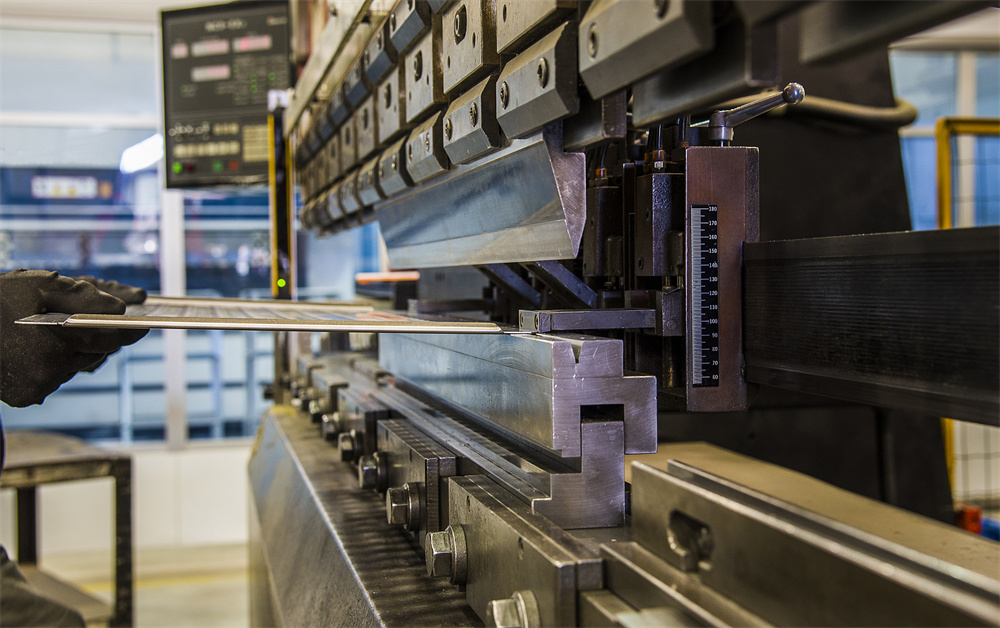
Price Range Overview: What to Expect in 2026
The market for press brakes in 2026 is segmented into three primary categories: entry-level/utility machines, mid-range production units, and high-end automated systems. Prices have stabilized after the volatility of the early 2020s, but the integration of smarter AI-driven controllers has added a new premium tier to the market.
Entry-Level and Small Tonnage Machines
For small shops or those focusing on thin-gauge materials, entry-level machines (typically 30 to 60 tons) range from $18,000 to $35,000. These are often torsion bar hydraulic machines or basic CNC models. While they lack the advanced crowning systems of their larger counterparts, they offer incredible reliability for straightforward bending tasks. HARSLE’s entry-level series provides an excellent balance for startups looking to bring bending capabilities in-house without a massive capital outlay.
Mid-Range Production Press Brakes
The “workhorse” category, consisting of 100-ton to 200-ton machines with 2.5 to 4-meter bed lengths, typically costs between $45,000 and $95,000. In 2026, these machines almost exclusively feature electro-hydraulic synchronous technology (Y1, Y2 axes). The price variation in this bracket is largely determined by the CNC controller brand (such as Delem, Cybelec, or ESA) and the number of backgauge axes (X, R, Z1, Z2).
High-End and Specialized Systems
Large-scale fabrication shops requiring 300 tons or more, or those investing in fully electric press brakes, should expect budgets starting at $120,000 and exceeding $300,000 for tandem setups or robotic integration. Electric press brakes, while carrying a 20-30% higher upfront cost than hydraulic models, are becoming increasingly popular in 2026 due to their lower energy consumption and extreme precision in high-speed environments.
Main Cost Drivers: What Are You Paying For?
When evaluating the Press Brake Machine Cost Fabrication Shops In 2026, it is essential to identify the specific components that drive the price upward. Not all tons are created equal, and the “brain” of the machine often costs as much as the frame itself.
1. Tonnage and Bending Length
The most obvious cost driver is the physical capacity of the machine. Higher tonnage requires thicker steel frames, larger hydraulic cylinders, and more robust components. Similarly, the bending length dictates the size of the ram and the bed. A 4-meter machine requires significantly more structural integrity than a 2-meter machine to prevent deflection, which is reflected in the price.
2. CNC Control Systems
In 2026, the CNC controller is the heart of the press brake. A basic 2D controller is significantly cheaper than a high-end 3D graphical interface that supports offline programming and Industry 4.0 connectivity. Brands like Delem (DA-66T or DA-69T) are industry standards but come with a premium. Choosing a controller that matches your operator’s skill level and your shop’s workflow is critical for cost management.
3. Backgauge Complexity
The backgauge system determines the complexity of the parts you can produce. A simple 2-axis backgauge (X, R) is standard, but as you add Z1, Z2, and X-Prime axes, the cost increases. In 2026, many shops are opting for 4-axis or 6-axis backgauges to handle complex, multi-bend parts in a single setup, reducing labor time but increasing the initial machine cost.
4. Frame Construction and Accuracy
The quality of the steel and the welding process used in the frame construction impact long-term accuracy. HARSLE utilizes stress-relieved frames to ensure that the machine maintains its precision over decades of use. Cheaper machines may save money on the frame, but they often suffer from “frame yawn,” which leads to inaccurate bends over time.
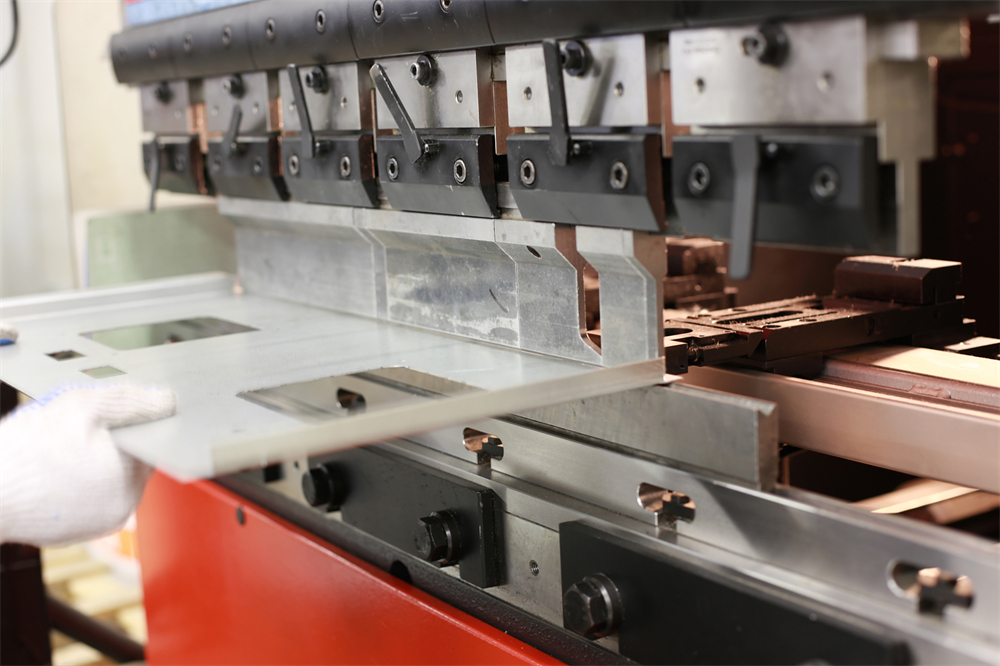
Configuration Impact: Customizing for Efficiency
The base price of a press brake is rarely the final price. Configuration options can add 10% to 40% to the total cost, but these features often pay for themselves through increased productivity.
Crowning Systems
To compensate for the natural deflection of the machine under load, a crowning system is necessary. Manual crowning is the most affordable option, but CNC-controlled hydraulic or mechanical crowning is the standard for 2026. Mechanical crowning (Wila-style) is often preferred for its consistency across different temperatures and is a common upgrade in high-precision shops.
Tooling Clamping Systems
Standard manual clamps are time-consuming. In high-volume environments, hydraulic or pneumatic quick-clamping systems are essential. These systems allow operators to change tools in seconds rather than minutes. While they add several thousand dollars to the Press Brake Machine Cost Fabrication Shops In 2026, the reduction in setup time is a major factor in ROI.
Safety Features
Safety regulations in 2026 are stricter than ever. Laser protection systems like DSP, Fiessler, or LazerSafe are no longer optional in many jurisdictions. These systems protect the operator while allowing the machine to operate at high speeds. Integrating these systems at the factory level is more cost-effective than retrofitting them later.
Hidden Costs of Press Brake Ownership
Beyond the purchase price, fabrication shops must account for several “hidden” costs that can impact the total budget.
- Shipping and Logistics: Moving a 10-ton to 50-ton machine requires specialized freight and rigging. Depending on the distance from the HARSLE distribution center to your shop, this can cost between $2,000 and $10,000.
- Installation and Training: While some shops have the expertise to install a machine, most require a factory-trained technician. Proper leveling and calibration are essential for the machine’s warranty and performance.
- Tooling: A press brake is useless without punches and dies. A basic starter set of tooling can cost $3,000, while a comprehensive library of precision-ground tools for various materials can easily exceed $20,000.
- Foundation Requirements: Larger press brakes require a reinforced concrete pad. If your shop floor isn’t rated for the weight and concentrated load of a 200-ton machine, you may need to excavate and pour a new foundation.
- Software: Offline programming software allows your engineers to program parts in the office, keeping the machine running instead of being tied up with manual data entry. Licensing for this software is an additional cost to consider.
ROI Calculation: Justifying the Investment
Investing in a new press brake in 2026 is a significant financial commitment. To calculate the Return on Investment (ROI), shops should look at the following metrics:
| Factor | Impact on ROI | Estimated Savings/Gain |
|---|---|---|
| Labor Efficiency | Faster setup and bending cycles | 20-40% reduction in man-hours |
| Scrap Reduction | Precision CNC and crowning reduce errors | 5-10% material savings |
| Energy Consumption | Hybrid/Electric models use less power | $1,000 – $5,000 annually |
| Capability Expansion | Ability to take on more complex jobs | Increased market competitiveness |
For most shops, a modern HARSLE CNC press brake pays for itself within 18 to 36 months, depending on the volume of work. By reducing the reliance on highly skilled manual operators and minimizing setup times, the machine allows for higher throughput and better profit margins on every part produced.
Buying Advice for Fabrication Shops in 2026
Choosing the right machine requires a balance between current needs and future growth. Here are some expert tips for 2026 buyers:
- Don’t Under-Buy Tonnage: It is always better to have 20% more capacity than you think you need. Running a machine at its maximum limit constantly will shorten its lifespan.
- Prioritize the Controller: Your operators will interact with the screen every day. Choose a user-friendly interface. If you have multiple machines, try to standardize the controllers to reduce the learning curve.
- Consider the Hybrid Option: Hybrid press brakes offer the power of hydraulics with the precision and energy savings of electric drives. They are often the “sweet spot” for 2026 fabrication shops.
- Check Service and Support: A machine is only an asset when it’s running. Ensure that your supplier, like HARSLE, offers robust technical support, readily available spare parts, and remote diagnostic capabilities.
Frequently Asked Questions (FAQ)
What is the average life expectancy of a HARSLE press brake?
With proper maintenance, a high-quality press brake can last 20 to 25 years. The mechanical frame often outlasts the electronic components, which may need upgrading after 10-12 years to keep up with software advancements.
Is an electric press brake worth the extra cost?
If you are bending thin materials (under 6mm) and require high speed and extreme precision, yes. The lack of oil changes and lower energy bills make electric machines very attractive for high-duty cycle environments.
How does the 2026 economy affect machine prices?
While material costs have stabilized, the cost of advanced electronics and sensors has increased. However, the increased productivity of these new machines generally offsets the higher purchase price compared to older, simpler models.
Can I retrofit my old press brake with a new CNC?
Yes, retrofitting is possible, but it is often not cost-effective for very old machines. The cost of a new controller, wiring, and integration can sometimes approach 50% of the cost of a new machine, without the benefit of a new warranty or improved mechanical structure.
Conclusion
The Press Brake Machine Cost Fabrication Shops In 2026 is a reflection of the incredible technology now available to metal fabricators. While the initial investment can be significant, the precision, speed, and reliability of modern HARSLE machines provide a clear path to profitability. By understanding the cost drivers—from tonnage and controllers to hidden logistics and tooling—you can make an informed decision that will serve your shop for decades to come. As the industry continues to evolve, staying ahead with the right equipment is the best way to ensure your shop remains competitive in an increasingly demanding market.