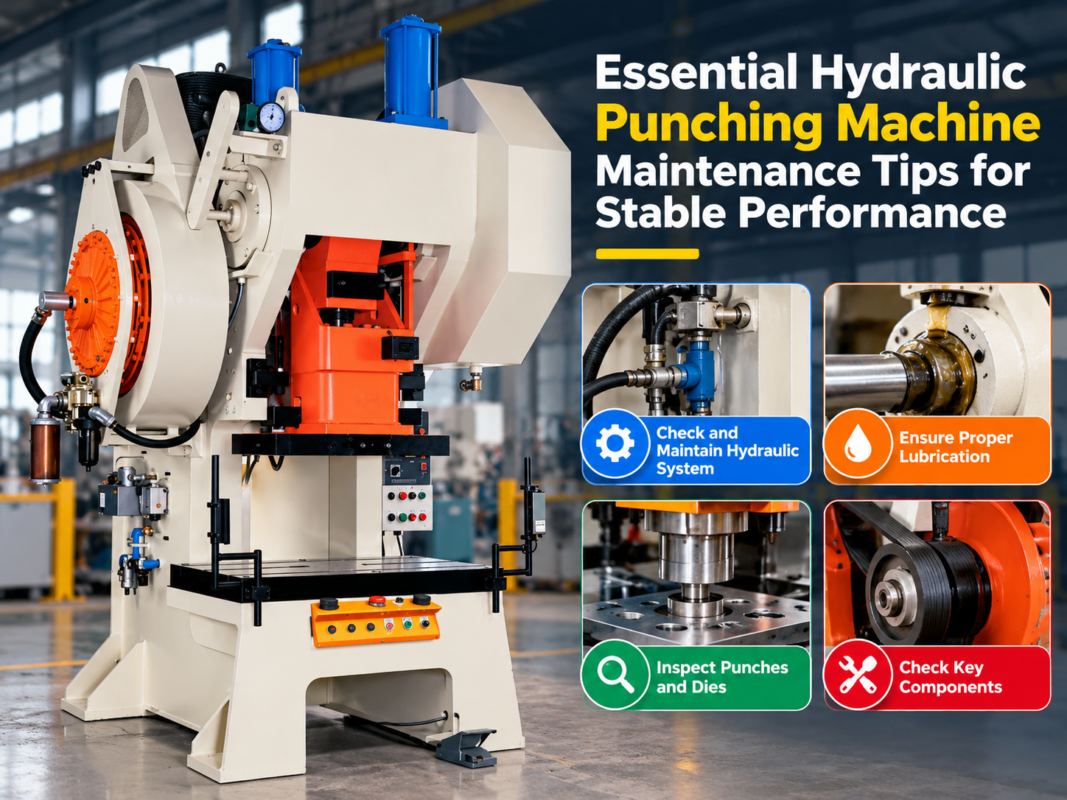
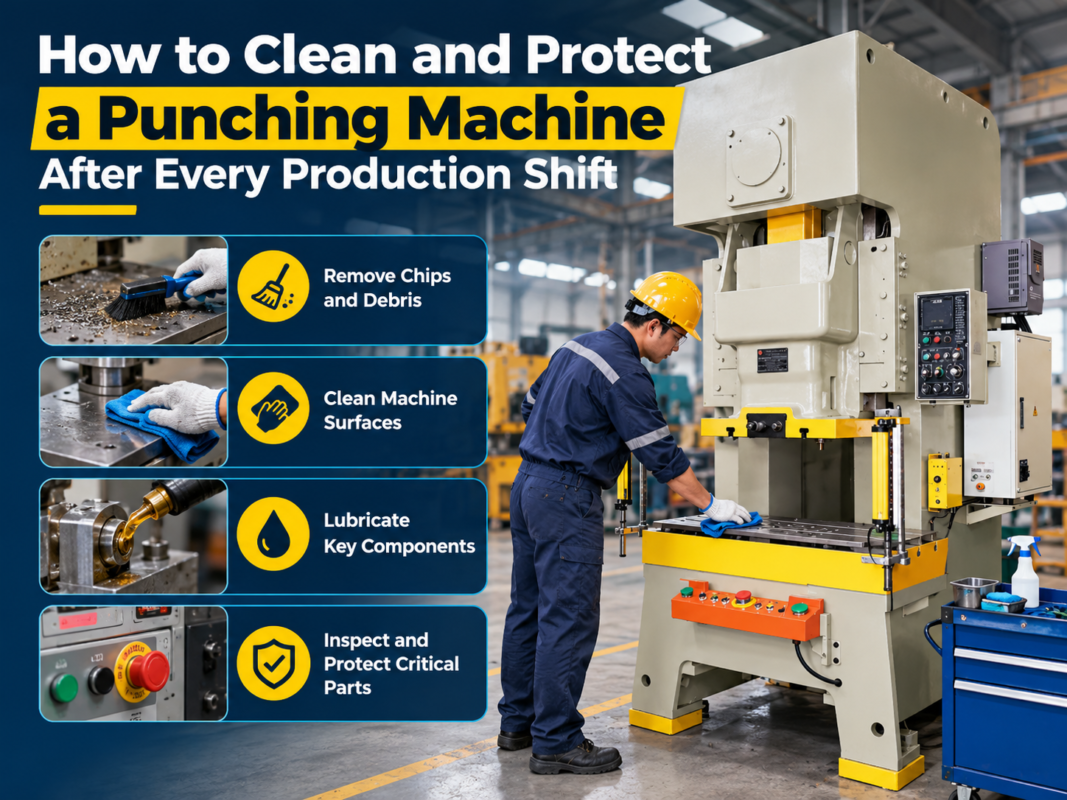
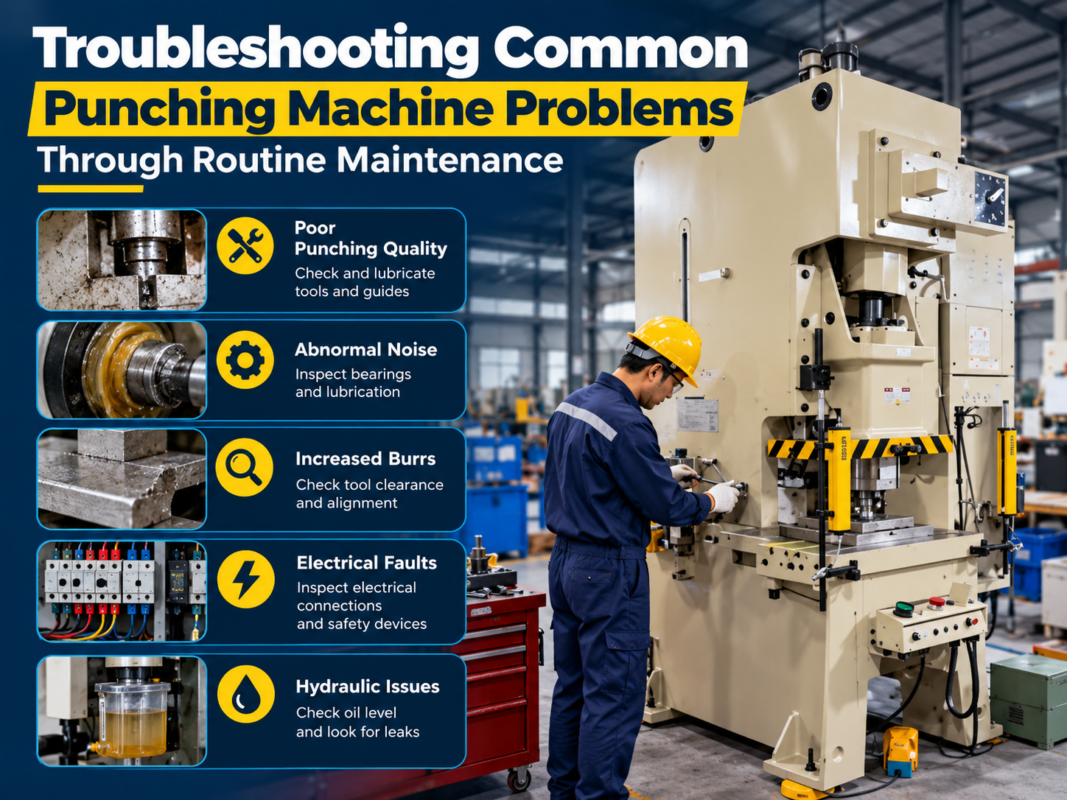
Hydraulic Press Buying Guide: Safety, Precision, and Productivity Features to Consider


Introduction to Modern Hydraulic Press Procurement
In the rapidly evolving landscape of metal fabrication, selecting the right machinery is not merely a purchase but a strategic investment. A hydraulic press is the backbone of many manufacturing facilities, performing tasks ranging from simple assembly and deep drawing to complex metal forming and stamping. However, the market is saturated with various models, tonnages, and configurations, making the decision-making process daunting for many business owners. This comprehensive guide focuses on Hydraulic Press Buying : Safety, Precision, Productivity Features Consider to ensure you select a machine that aligns with your operational goals and safety standards.
HARSLE has established itself as a leader in providing high-performance hydraulic solutions that prioritize user safety and mechanical precision. When evaluating a new press, one must look beyond the initial price tag and consider the long-term implications of machine uptime, energy efficiency, and the quality of the finished parts. This guide will walk you through the essential technical specifications, cost drivers, and ROI calculations necessary for an informed purchase.
Price Range Overview: Understanding the Market Landscape
The cost of a hydraulic press varies significantly based on its capacity, frame design, and technological integration. Generally, the market can be divided into three primary tiers: entry-level, mid-range, and high-end industrial presses. Understanding where your needs fall within these tiers is the first step in budgeting for your new equipment.
- Entry-Level (10 to 100 Tons): These are typically C-frame or small H-frame presses used for light assembly, laboratory testing, or small-scale metal forming. Prices usually range from $5,000 to $25,000. While affordable, they may lack advanced CNC controls or high-speed hydraulic circuits.
- Mid-Range (100 to 500 Tons): This is the most common category for general metal fabrication. These machines often feature PLC controls, enhanced safety light curtains, and more robust frame constructions. Prices typically fall between $30,000 and $150,000, depending on the level of customization and the quality of the hydraulic components.
- High-End Industrial (500 to 5,000+ Tons): These are heavy-duty machines designed for automotive body panels, aerospace components, and large-scale deep drawing. They feature advanced servo-hydraulic systems, multi-axis control, and massive bolster areas. Prices can exceed $250,000 and reach into the millions for specialized, automated production lines.
When considering the price, it is vital to remember that a lower upfront cost often translates to higher maintenance requirements or lower precision over time. HARSLE focuses on providing mid-to-high-range performance at competitive price points, ensuring that manufacturers get the best value for their investment.
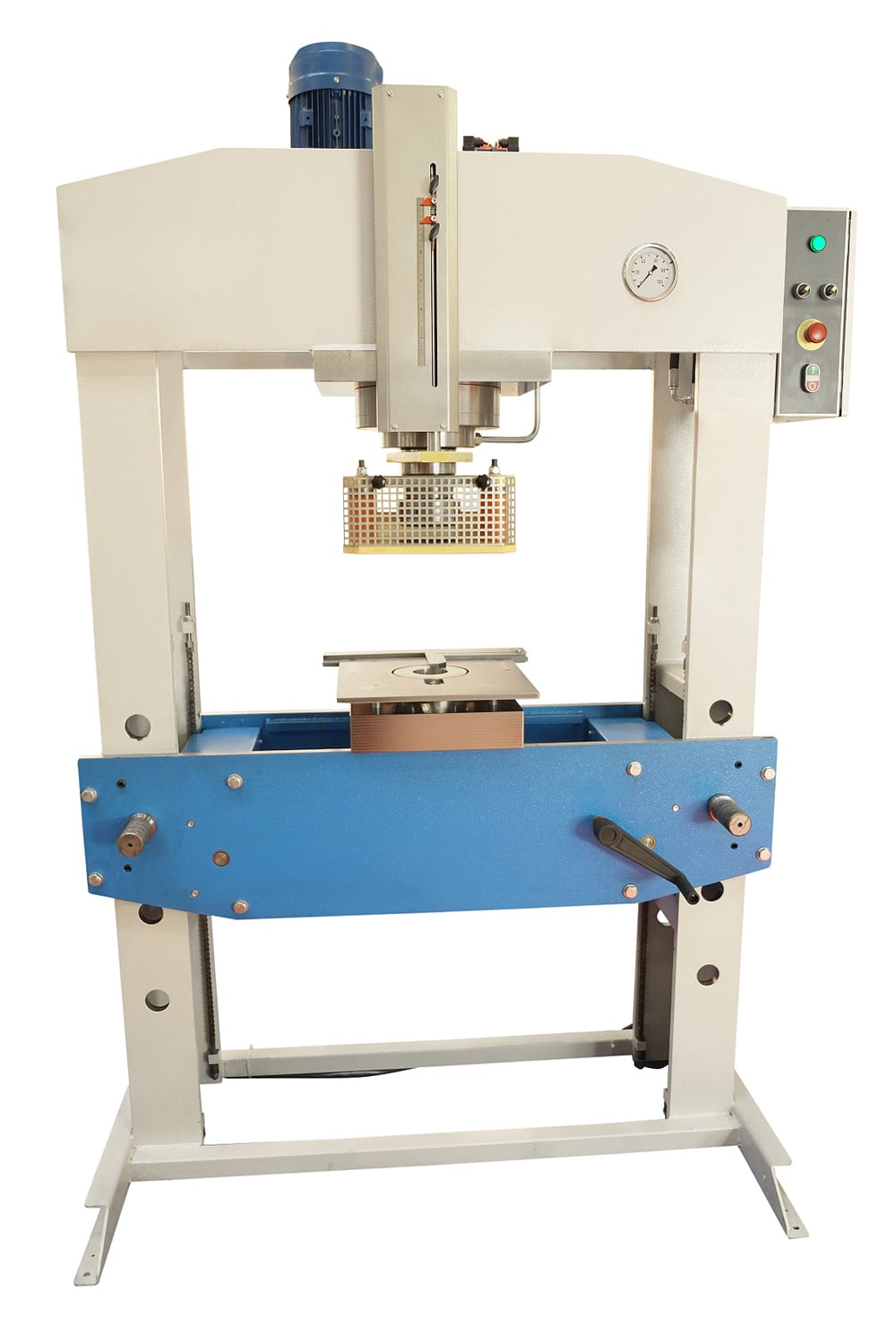
Main Cost Drivers in Hydraulic Press Acquisition
Several technical factors dictate the final price of a hydraulic press. By understanding these drivers, you can prioritize features that are essential for your specific applications while avoiding unnecessary expenses on features that do not add value to your process.
1. Tonnage and Frame Rigidity
Tonnage is the maximum force the press can exert. Naturally, higher tonnage requires larger cylinders, more robust hydraulic pumps, and a heavier frame to withstand the pressure. However, frame rigidity is equally important. A frame that deflects under load will compromise part precision and lead to premature tool wear. H-frame and four-column designs offer superior rigidity compared to C-frames but come at a higher cost due to the increased material and machining required.
2. Hydraulic System Complexity
The heart of the machine is its hydraulic circuit. Basic systems use standard gear pumps and manual valves, which are inexpensive but offer limited control. Advanced systems utilize variable displacement piston pumps, proportional valves, and servo-driven motors. These components allow for precise control over ram speed, pressure, and position, which is critical for complex forming operations. While these systems increase the initial cost, they significantly reduce energy consumption and improve cycle times.
3. Control Systems and Automation
A simple push-button interface is sufficient for basic tasks, but modern manufacturing demands more. Integration with PLC (Programmable Logic Controller) or CNC (Computer Numerical Control) systems allows for recipe storage, real-time monitoring, and integration with robotic loaders. The cost of the control system is driven by the complexity of the software and the number of sensors (linear scales, pressure transducers) required to provide feedback to the controller.
Configuration Impact: Precision and Productivity Features
When we discuss Hydraulic Press Buying : Safety, Precision, Productivity Features Consider, the configuration of the machine plays a pivotal role. The right configuration ensures that the machine can handle the specific geometry and material properties of your workpieces while maintaining high throughput.
Precision Features to Look For
Precision is defined by the machine’s ability to repeat a specific stroke depth and maintain parallelism between the ram and the bolster. Key features that enhance precision include:
- Linear Transducers: High-resolution scales provide real-time feedback on the ram’s position, allowing for sub-millimeter accuracy.
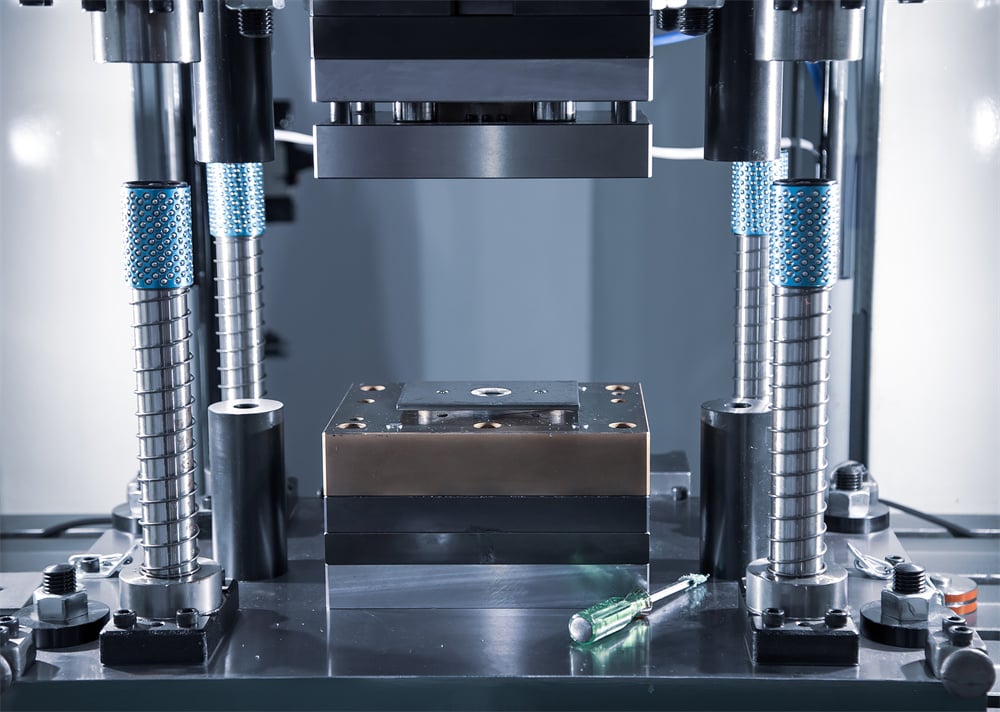
- Guided Rams: Using high-quality gibs or oversized columns ensures that the ram does not tilt or shift during the pressing cycle, which is essential for maintaining part tolerances.
- Pressure Control Valves: Proportional pressure control allows the machine to apply the exact force needed at different stages of the stroke, preventing material cracking or over-thinning.
Productivity Enhancements
Productivity is not just about how fast the ram moves; it is about the total cycle time, including loading, pressing, and unloading. Features that boost productivity include:
- High-Speed Approach and Return: Using regenerative circuits or specialized valves allows the ram to move quickly when not under load, saving valuable seconds in every cycle.
- Automatic Die Change Systems: For facilities that run multiple different parts, quick-change systems reduce downtime from hours to minutes.
- Servo-Hydraulic Technology: Servo motors only run when the machine is moving or holding pressure, drastically reducing energy waste and heat generation, which in turn reduces cooling requirements and maintenance intervals.
Safety Features: Protecting Your Workforce and Assets
Safety is non-negotiable in modern industrial environments. A hydraulic press is a powerful machine that can cause catastrophic injury if not properly guarded. When evaluating a press, ensure it meets or exceeds international safety standards such as CE, OSHA, or ANSI.
Essential Safety Components
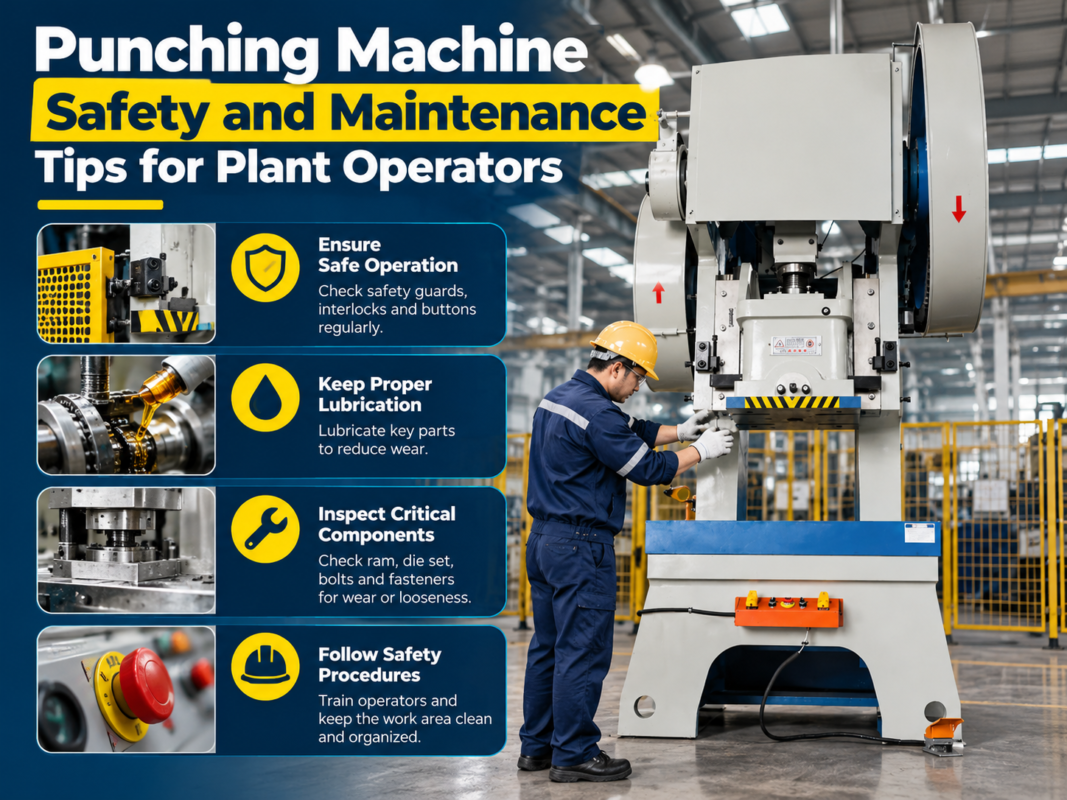
- Light Curtains: These optical sensors create an invisible barrier around the work area. If the beam is broken during the downward stroke, the machine stops instantly.
- Dual-Hand Controls: Requiring the operator to use both hands to initiate the cycle ensures that their hands are far away from the pinch points.
- Safety Blocks and Interlocks: Mechanical blocks prevent the ram from falling during maintenance, while electrical interlocks ensure that the machine cannot run if safety guards are open.
- Overload Protection: Hydraulic relief valves and electronic monitoring prevent the machine from exceeding its rated tonnage, protecting both the press and the tooling from damage.
Hidden Costs of Hydraulic Press Ownership
The purchase price is only the beginning. To truly understand the financial impact of a new press, you must account for several hidden costs that often catch buyers off guard.
| Cost Category | Description | Estimated Impact |
|---|---|---|
| Installation & Foundation | Large presses require reinforced concrete pits or specialized pads to handle the weight and vibration. | 5% – 15% of purchase price |
| Hydraulic Oil | High-quality anti-wear hydraulic oil is required, often in large quantities (hundreds of gallons). | $1,000 – $5,000 initially |
| Training | Operators and maintenance staff need specialized training to handle CNC controls and hydraulic troubleshooting. | $2,000 – $10,000 |
| Tooling | Custom dies and molds are required for specific parts and must be maintained or replaced periodically. | Variable (High) |
| Energy Consumption | Standard hydraulic systems can be energy-intensive. Servo systems mitigate this but cost more upfront. | Ongoing Monthly Expense |
ROI Calculation: Justifying the Investment
Calculating the Return on Investment (ROI) is crucial for securing financing or internal approval for a large equipment purchase. To calculate ROI, consider the following formula:
ROI = (Net Profit from Investment / Cost of Investment) x 100
To find the “Net Profit,” you must estimate the annual savings or additional revenue generated by the new press. For example, if a HARSLE servo-hydraulic press reduces cycle time by 20% and energy costs by 40% compared to your old machine, those savings contribute directly to the ROI. Additionally, consider the reduction in scrap rates due to the higher precision of the new machine. If the new press allows you to take on higher-margin work that requires tighter tolerances, that additional revenue should also be included in the calculation.
Buying Advice: A Step-by-Step Checklist
Before signing a purchase agreement, use this checklist to ensure you have covered all the bases regarding Hydraulic Press Buying : Safety, Precision, Productivity Features Consider.
- Define Your Requirements: What is the maximum tonnage, stroke, and bed size you will need for your largest part? Always buy slightly more capacity than you currently need to allow for future growth.
- Evaluate the Manufacturer: Does the manufacturer (like HARSLE) have a reputation for reliability? Do they offer local support, spare parts, and technical documentation?
- Inspect the Components: Are the hydraulic valves, pumps, and electrical components from reputable global brands (e.g., Rexroth, Schneider, Siemens)? This ensures easier sourcing of replacement parts in the future.
- Test the Machine: If possible, perform a test run with your own tooling to verify the machine’s performance, noise levels, and ease of use.
- Review the Warranty: Understand what is covered and for how long. A comprehensive warranty is a sign of the manufacturer’s confidence in their product.
Frequently Asked Questions (FAQ)
What is the difference between a C-frame and an H-frame press?
A C-frame press (or gap frame) provides three-sided access to the work area, which is ideal for smaller parts and manual loading. However, it is prone to “yawing” or deflection under high loads. An H-frame press (or straight-side) is enclosed on both sides, providing much higher rigidity and better parallelism, making it suitable for high-tonnage and high-precision applications.
How often should I change the hydraulic oil?
Typically, hydraulic oil should be changed every 2,000 to 4,000 hours of operation, or at least once a year. However, you should perform regular oil analysis to check for contamination, oxidation, and additive depletion. Keeping the oil clean is the single most important factor in extending the life of your hydraulic components.
Can I retrofit an old hydraulic press with modern safety features?
Yes, it is possible to retrofit older machines with light curtains, safety PLC modules, and new valves. However, the cost of retrofitting can sometimes approach the cost of a new, mid-range machine. Additionally, a retrofit does not improve the mechanical rigidity or wear of the old frame.
Why should I choose a servo-hydraulic press over a standard one?
Servo-hydraulic presses offer significant advantages in energy efficiency (up to 70% savings), reduced noise, less heat generation (which extends oil life), and superior control over the pressing cycle. They are ideal for precision applications and facilities looking to reduce their carbon footprint and operating costs.
What tonnage do I need for my application?
Tonnage is calculated based on the material type, thickness, and the perimeter of the cut or the surface area of the form. It is always recommended to consult with a HARSLE engineer or use a tonnage calculator to ensure you select a machine with a sufficient safety margin (usually 20% above the calculated requirement).
Conclusion
Investing in a hydraulic press is a significant milestone for any metal fabrication business. By focusing on Hydraulic Press Buying : Safety, Precision, Productivity Features Consider, you ensure that your facility remains competitive, safe, and efficient. HARSLE continues to innovate in this space, offering machines that bridge the gap between high-end performance and accessible pricing. Whether you are upgrading an existing line or starting a new production facility, prioritizing these key features will lead to a more successful and profitable operation.