Comprehensive Hydraulic Press Buying Guide for First-Time Buyers in the Machinery Industry


Introduction to Hydraulic Press Procurement
Entering the world of industrial metal fabrication can be a daunting task for first-time buyers. Among the most critical investments a workshop or factory will make is the acquisition of a hydraulic press. This versatile machine is the backbone of various operations, including deep drawing, punching, bending, and assembly. However, the market is saturated with different types, tonnages, and configurations, making the Hydraulic Press Buying First-Time Buyers In Machinery Industry process complex. This guide aims to demystify the technical jargon and provide a clear roadmap for selecting the right equipment from HARSLE.
A hydraulic press operates on Pascal’s principle, using fluid pressure to generate massive force. For a first-time buyer, understanding that you aren’t just buying a piece of steel, but a precision instrument capable of shaping the future of your production line, is essential. Whether you are a small startup or an expanding manufacturing unit, the right hydraulic press will dictate your production speed, part quality, and overall operational safety. In the following sections, we will break down every aspect of the purchase, from initial costs to long-term return on investment.
Price Range Overview: What to Expect
When searching for a Hydraulic Press Buying First-Time Buyers In Machinery Industry, the first question is almost always about price. The cost of a hydraulic press varies significantly based on its capacity and complexity. Generally, industrial-grade hydraulic presses can be categorized into three main price tiers. Entry-level machines, often C-frame or small 4-column presses with capacities between 20 to 100 tons, typically range from $5,000 to $20,000. These are ideal for light assembly, laboratory work, or small-scale metal forming.
Mid-range presses, which are the workhorses of the machinery industry, usually offer 100 to 500 tons of pressure. These machines often feature more advanced PLC controls and better hydraulic components. Prices for these units generally fall between $25,000 and $80,000. Finally, high-capacity or specialized presses (1,000 tons and above), such as those used in the automotive or aerospace sectors for large-scale deep drawing, can exceed $150,000, reaching into the millions for fully automated production lines.
| Press Type | Tonnage Range | Estimated Price (USD) | Primary Application |
|---|---|---|---|
| C-Frame (Gap Frame) | 20 – 200 Tons | $5,000 – $35,000 | Punching, Riveting, Small Assembly |
| 4-Column Press | 100 – 1,000 Tons | $20,000 – $120,000 | Deep Drawing, Molding, General Forming |
| H-Frame Press | 50 – 500 Tons | $15,000 – $70,000 | Heavy Maintenance, Straightening |
| Custom/Servo Press | Variable | $100,000+ | High Precision, Energy Efficient Production |
It is important to note that these prices are estimates. Factors such as the country of origin, the brand reputation of the manufacturer like HARSLE, and the specific technological features included will influence the final quote. First-time buyers should always request a detailed breakdown of what is included in the base price to avoid surprises later.
Main Cost Drivers in Hydraulic Press Manufacturing
Understanding what drives the cost of a hydraulic press is vital for making an informed decision. The most significant driver is Tonnage. The amount of force a press can exert determines the thickness and type of material it can process. Higher tonnage requires larger cylinders, more robust frames, and more powerful hydraulic pumps, all of which increase the cost. For a first-time buyer, it is tempting to buy the highest tonnage possible “just in case,” but this can lead to unnecessary expenditure and higher energy costs.
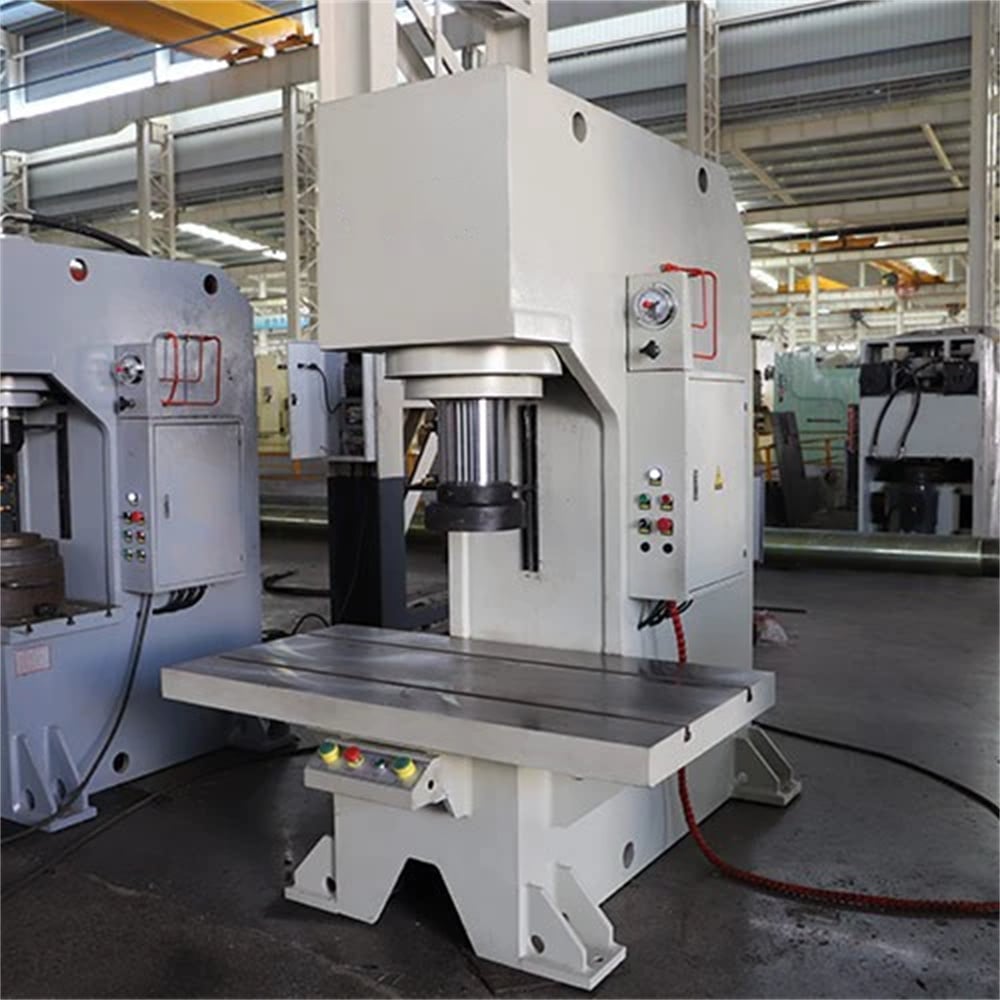
The Frame Construction is another major factor. C-frame presses are generally cheaper because they use less steel and offer three-sided access, but they are prone to “yaw” or deflection under high pressure. H-frame and 4-column presses are more expensive because they provide superior rigidity and alignment, which is critical for high-precision work. The quality of the steel and the welding techniques used by the manufacturer also play a role in the machine’s longevity and price.
The Hydraulic System and Components represent a large portion of the machine’s value. High-end brands like HARSLE often utilize components from world-renowned suppliers such as Rexroth, Vickers, or Schneider. While these components increase the initial purchase price, they offer better reliability, easier sourcing of spare parts, and superior performance. A press with a basic, generic hydraulic system might save money upfront but could lead to frequent downtime and maintenance headaches in the future.
Configuration Impact: Customizing for Efficiency
The configuration of your hydraulic press significantly impacts both its price and its utility. One of the most important choices is the Control System. Basic presses use manual lever controls or simple push-buttons. However, for modern machinery industry standards, PLC (Programmable Logic Controller) systems are preferred. A PLC allows for precise control over stroke length, pressure dwell time, and speed. Adding a CNC interface further enhances this by allowing operators to save profiles for different jobs, drastically reducing setup times.
Speed and Stroke Options also affect the configuration. Standard presses have a set approach, pressing, and return speed. If your production requires high-speed cycles, you may need a press with a “fast-acting” hydraulic circuit, which involves additional valves and accumulators. Similarly, a longer stroke length or a larger bolster area (the surface where the die is mounted) will increase the machine’s footprint and cost but may be necessary for larger parts.
Safety configurations should never be overlooked. In many regions, light curtains, interlocked safety guards, and dual-hand start buttons are mandatory. While these add to the cost, they are essential for protecting operators and complying with local labor laws. Additionally, features like Servo-Hydraulic Systems are becoming popular. These systems use servo motors to drive the hydraulic pumps, offering incredible energy savings (up to 50%) and much quieter operation, though they come with a higher initial price tag.
Hidden Costs: Beyond the Sticker Price
First-time buyers often focus solely on the machine’s purchase price, but the Hydraulic Press Buying First-Time Buyers In Machinery Industry process involves several “hidden” costs. Shipping and Logistics are significant, especially for heavy machinery. A 500-ton press can weigh tens of thousands of pounds, requiring specialized heavy-haul trucking and potentially ocean freight if importing. You must also consider the cost of a crane rental to offload and position the machine in your facility.
Installation and Foundation work is another critical expense. Large hydraulic presses exert tremendous force not just on the workpiece, but on the floor beneath them. You may need to excavate and pour a reinforced concrete foundation specifically designed to handle the machine’s weight and vibration. Furthermore, electrical requirements can be substantial. You might need to upgrade your facility’s power supply to handle the high amperage required by the press’s motors.
Finally, consider Training and Maintenance. Your operators need to be trained not only on how to use the machine but also on how to perform daily safety checks. While HARSLE provides excellent documentation and support, professional on-site training is an investment that pays off in safety and productivity. Additionally, you should budget for initial hydraulic oil (which can be hundreds of gallons) and a spare parts kit (seals, filters, etc.) to ensure you aren’t sidelined by a minor component failure in your first month of operation.
ROI Calculation: Making the Business Case
Calculating the Return on Investment (ROI) is essential for justifying the purchase of a hydraulic press. To do this, you must look at the Total Cost of Ownership (TCO) versus the projected revenue or savings. Start by estimating the number of parts the press will produce per hour. Compare this to your current method (e.g., outsourcing or using an older, slower machine). The increase in throughput is your primary driver of ROI.
Consider Material Savings and Quality Improvements. A modern hydraulic press with precise PLC control reduces scrap rates by ensuring consistent pressure and stroke. If you reduce your scrap rate from 5% to 1%, those savings go directly to your bottom line. Furthermore, the ability to bring production in-house eliminates the markup and lead times associated with third-party vendors, giving you more control over your supply chain and pricing.
Labor costs are another factor. An automated or semi-automated press allows one operator to do the work that might have previously required two or three people, or it allows the operator to perform secondary tasks while the press completes its cycle. When you factor in energy savings from modern servo-driven pumps and the long lifespan of a high-quality HARSLE press (often 20+ years with proper maintenance), the ROI often becomes clear within the first 18 to 36 months of operation.
Buying Advice for First-Time Buyers
For those navigating the Hydraulic Press Buying First-Time Buyers In Machinery Industry landscape, the best advice is to start with your part, not the machine. Provide your manufacturer with detailed drawings of the parts you intend to make, including material type, thickness, and production volume. A reputable manufacturer like HARSLE will use this data to recommend the exact tonnage and bolster size you need, preventing you from over-buying or under-buying.
Always perform a Factory Acceptance Test (FAT) if possible. This involves visiting the manufacturer (or attending via video link) to see your specific machine running and producing your parts before it is shipped. This is the time to catch any configuration errors or performance issues. Additionally, check the availability of technical support. Does the manufacturer have a local service partner? How quickly can they ship replacement seals or valves? In the machinery industry, downtime is the ultimate profit killer.
Lastly, don’t ignore the importance of the warranty. A standard one-year warranty is common, but look for what it covers. Does it include labor or just parts? Does it cover the hydraulic cylinders and the PLC? Reading the fine print now can save you thousands of dollars later. Buying from an established brand like HARSLE ensures that you are not just getting a machine, but a long-term partnership in your manufacturing success.
Frequently Asked Questions (FAQ)
1. What is the difference between a C-frame and an H-frame press?
A C-frame (or gap frame) press is shaped like the letter ‘C’, providing open access from three sides, which is great for smaller parts and manual loading. An H-frame press has a rectangular frame with four columns, providing much higher rigidity and preventing frame deflection, making it better for heavy-duty, high-precision work.
2. How much tonnage do I actually need?
Tonnage depends on the material’s shear strength, thickness, and the perimeter of the cut or the surface area of the form. It is always best to consult with HARSLE engineers who can use formulas to calculate the exact force required for your specific application, usually adding a 20% safety margin.
3. Can I use a hydraulic press for both bending and punching?
Yes, hydraulic presses are extremely versatile. By changing the tooling (dies and punches), you can perform a wide variety of tasks. However, ensure the press has the necessary stroke control and bed size to accommodate the different tools you plan to use.
4. How often does a hydraulic press require maintenance?
Daily checks should include oil levels and safety device testing. Monthly maintenance involves checking for leaks and inspecting filters. A full system check, including oil analysis and seal inspection, should be performed annually. Proper maintenance can extend the life of a HARSLE press to several decades.
5. Is a servo-hydraulic press worth the extra cost?
If your electricity costs are high or you require extreme precision and quiet operation, yes. Servo-hydraulic presses only run the motor when the machine is actually moving, leading to significant energy savings compared to traditional systems where the motor runs constantly.
6. What kind of hydraulic oil should I use?
Most industrial presses use standard anti-wear hydraulic oil (ISO VG 32, 46, or 68). The specific grade depends on your operating environment’s temperature. Always refer to the manufacturer’s manual to ensure you are using the correct specification to maintain your warranty.