Comprehensive Guide: How Hydraulic Press Machines Are Used In Sheet Metal Fabrication


Introduction to Hydraulic Presses in Modern Manufacturing
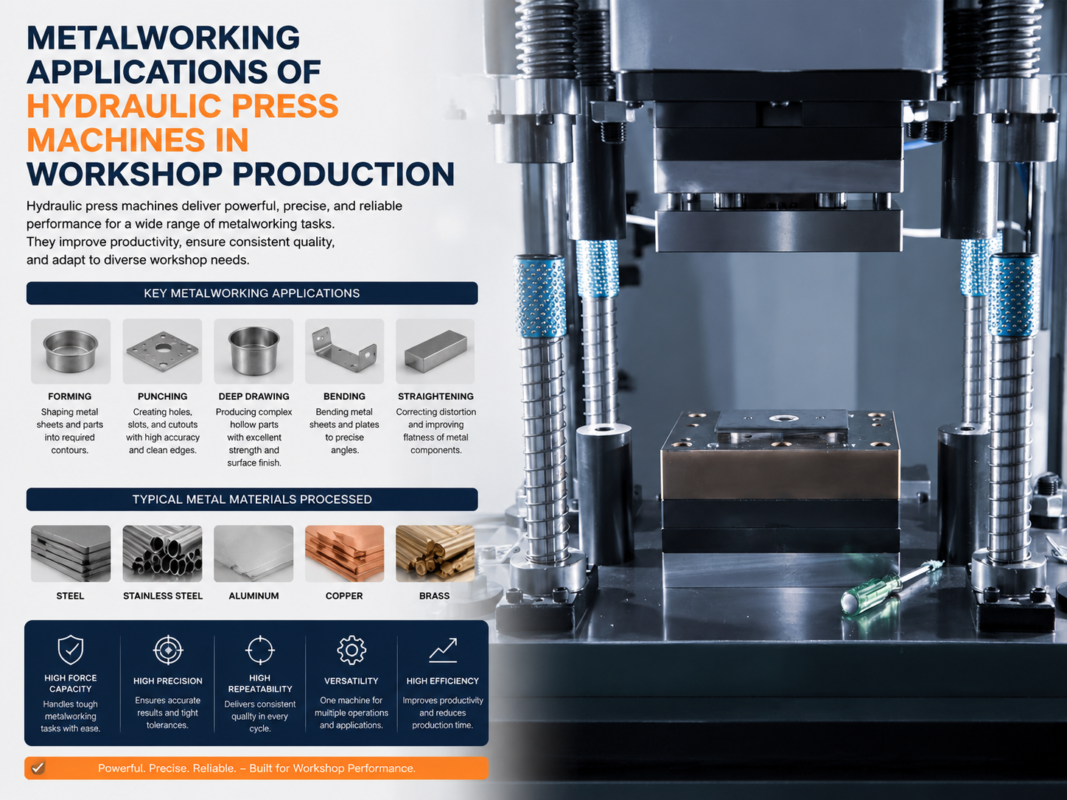
In the realm of industrial manufacturing, the question of how hydraulic press machines are used in sheet metal fabrication is central to understanding high-volume production and precision engineering. Hydraulic presses utilize the principles of fluid mechanics—specifically Pascal’s Law—to exert massive amounts of force onto a workpiece. Unlike mechanical presses that rely on a flywheel and crankshaft, hydraulic presses offer a constant force throughout the entire stroke, making them indispensable for complex metal-forming tasks.
Sheet metal fabrication is a versatile process that involves turning flat sheets of metal, such as steel, aluminum, or brass, into functional parts. The integration of hydraulic technology into this field has revolutionized the way we produce everything from automotive body panels to intricate kitchenware. This guide provides an in-depth analysis of the applications, technical requirements, and operational workflows that define the role of hydraulic presses in the modern workshop.
Application Scenarios: Where Hydraulic Press Machines Are Used In Sheet Metal Fabrication
The versatility of hydraulic presses allows them to be utilized across a vast array of industries. Because they can be finely tuned for pressure, speed, and stroke length, they are the preferred choice for processes that require deep deformation or high precision. Below are the primary sectors where these machines excel.
Automotive Industry
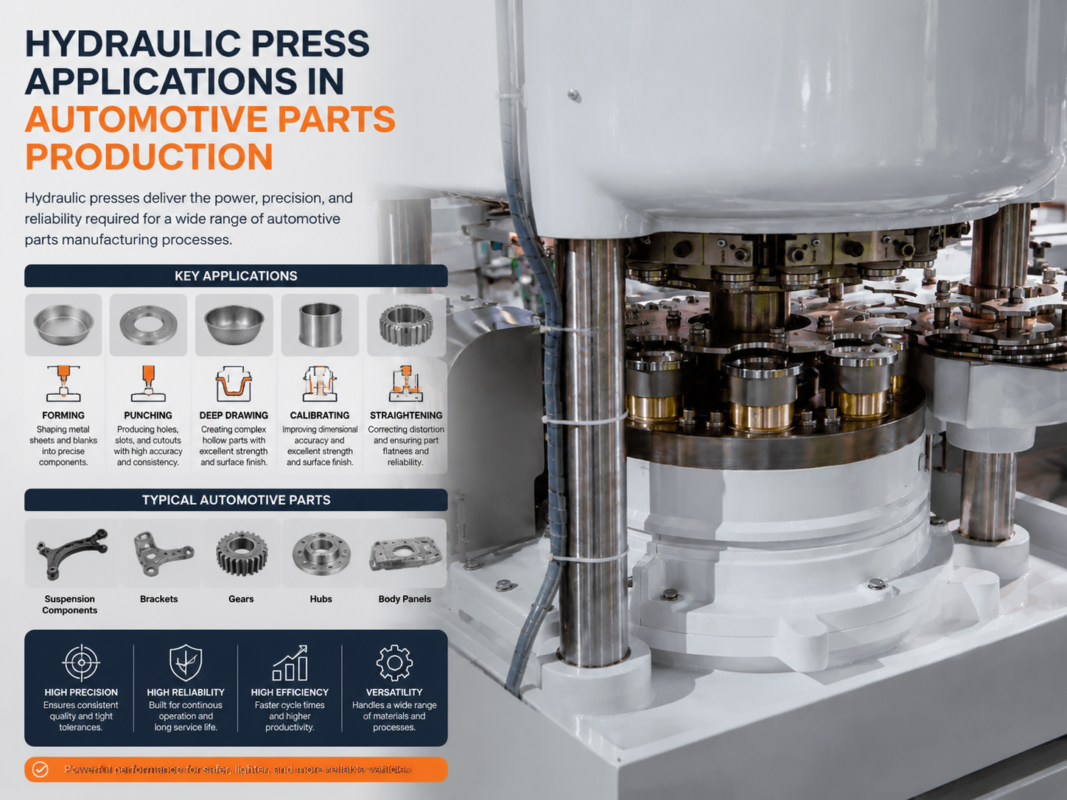
The automotive sector is perhaps the largest consumer of hydraulic press technology. From the structural chassis to the aesthetic outer body panels, hydraulic presses are used to stamp, bend, and draw metal into complex aerodynamic shapes. Deep drawing is particularly critical here, as it allows for the creation of fuel tanks, oil pans, and door frames from a single sheet of metal, reducing the need for welding and increasing structural integrity.
Aerospace and Defense
In aerospace, the materials used are often high-strength alloys like titanium or specialized aluminum. These materials require consistent, high-pressure forming to ensure that the components can withstand extreme flight conditions. Hydraulic presses provide the necessary control to form wing ribs, fuselage skins, and engine brackets without inducing internal stresses that could lead to material failure.
Household Appliances and Consumer Goods
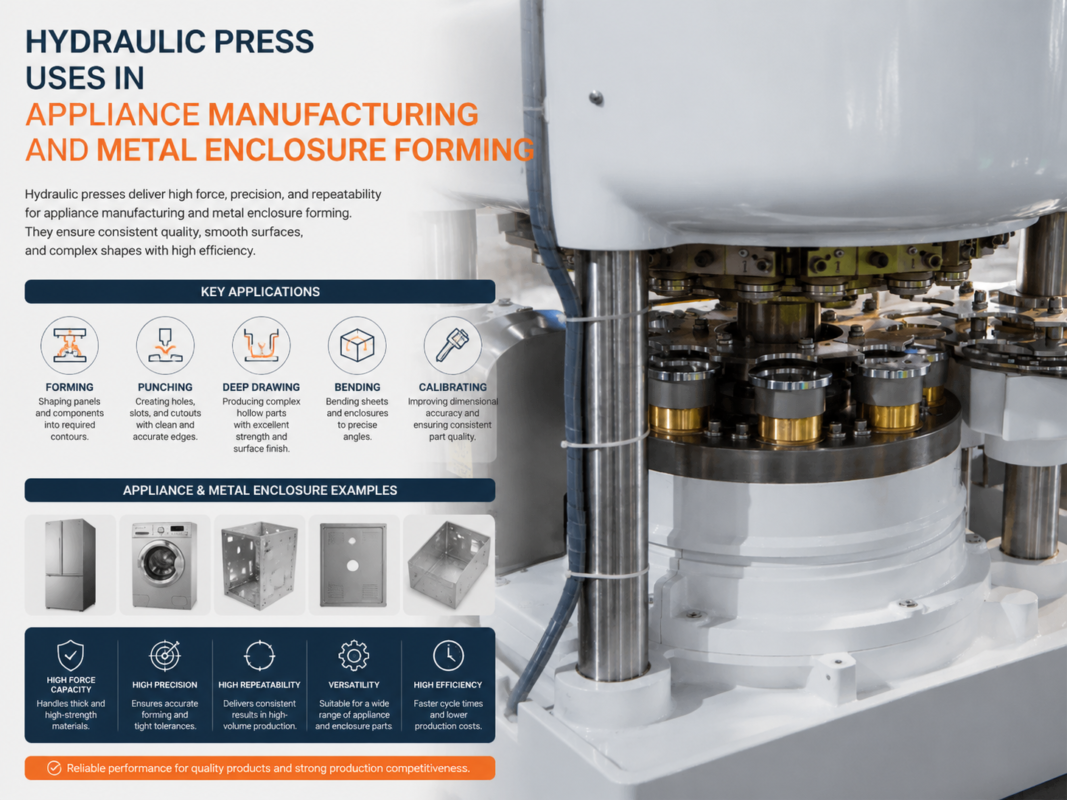
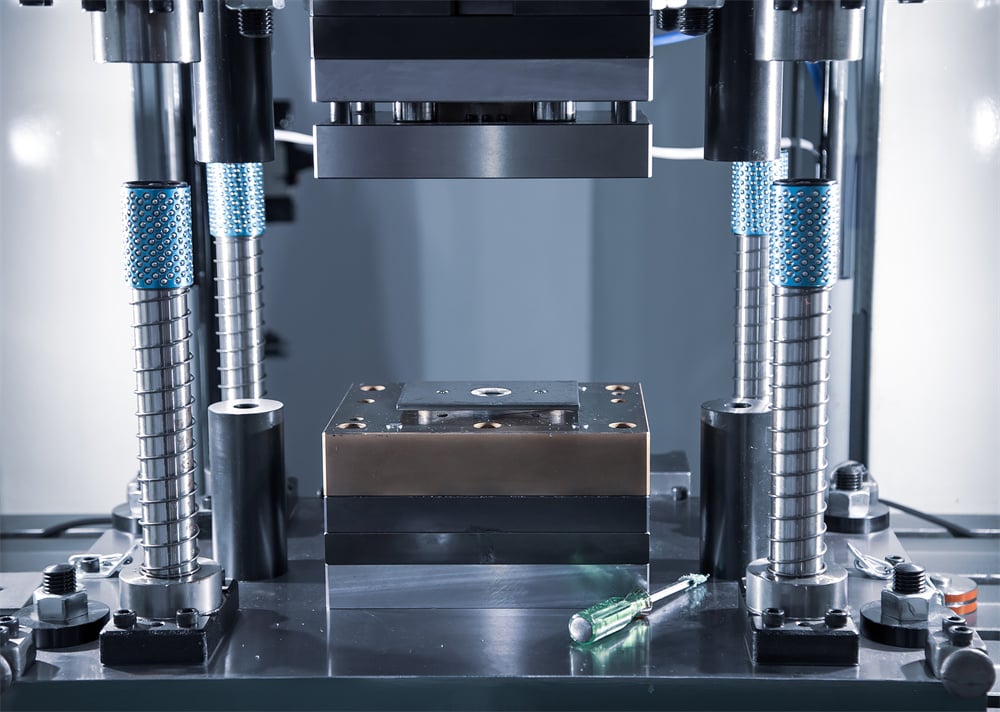
Look around any modern kitchen, and you will see the results of hydraulic pressing. Stainless steel sinks, refrigerator panels, and washing machine drums are all products of sheet metal fabrication. The ability of hydraulic presses to handle large surface areas with uniform pressure ensures that these consumer goods have a smooth, blemish-free finish and precise dimensions for assembly.
Construction and Infrastructure
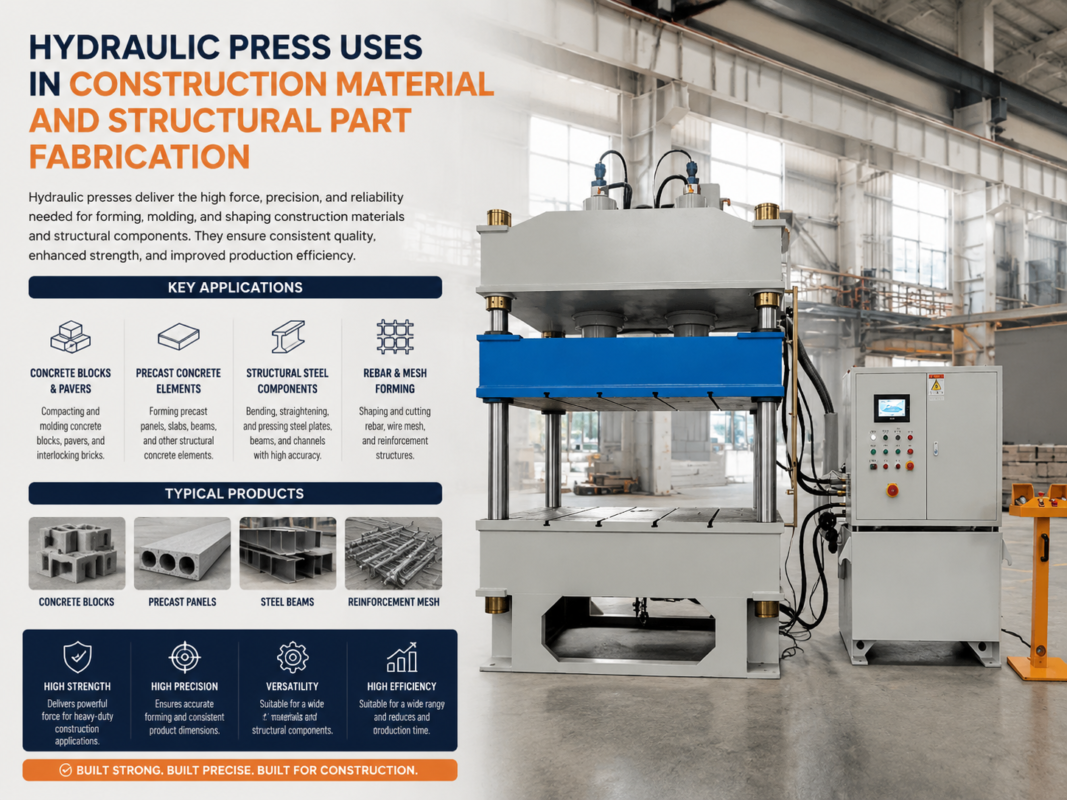
The construction industry relies on hydraulic presses for manufacturing heavy-duty components such as roofing panels, structural beams, and HVAC ductwork. The machines’ ability to work with thicker gauges of steel makes them ideal for producing the robust parts required for large-scale infrastructure projects.
Material and Process Requirements
Understanding how hydraulic press machines are used in sheet metal fabrication requires a deep dive into the materials they process. Not all metals behave the same way under pressure, and the machine must be configured to accommodate these differences.
Common Materials
- Carbon Steel: The most common material, valued for its strength and cost-effectiveness. It requires significant tonnage but is highly predictable during the forming process.
- Stainless Steel: Known for its corrosion resistance, stainless steel has a higher work-hardening rate. This means the hydraulic press must provide consistent pressure to prevent the material from springing back or cracking.
- Aluminum: Lightweight and ductile, aluminum is prone to tearing if the drawing speed is too high. Hydraulic presses with adjustable ram speeds are essential for successful aluminum fabrication.
- Copper and Brass: Often used for electrical components or decorative items, these materials require precision and soft-touch control to avoid surface marring.
Process Variables
When setting up a hydraulic press, engineers must consider the yield strength and tensile strength of the material. The “Springback” effect—where the metal attempts to return to its original shape after the pressure is released—must be compensated for in the die design or through the press’s dwell-time settings. Additionally, the thickness of the sheet (gauge) determines the required tonnage. A general rule of thumb is that the thicker the material and the tighter the bend radius, the more force is required.
Recommended Machine Configuration
To maximize efficiency, the configuration of the hydraulic press must match the specific needs of the fabrication task. HARSLE offers several configurations designed for different industrial needs.
Frame Types
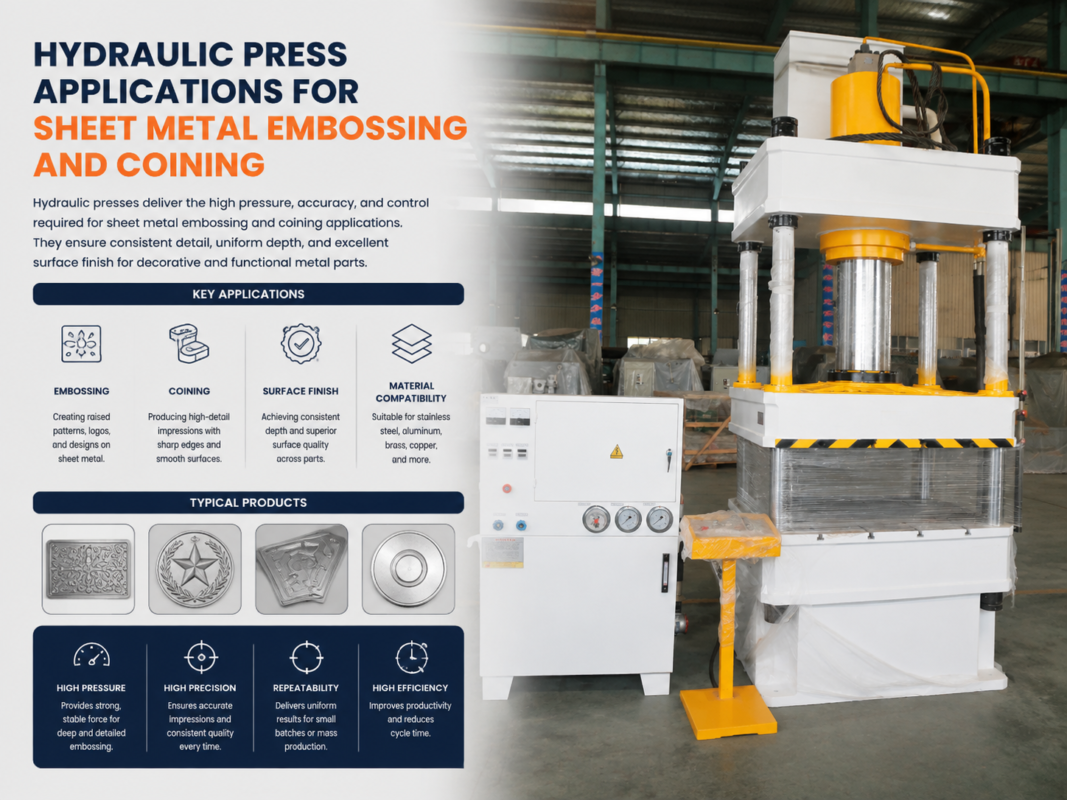
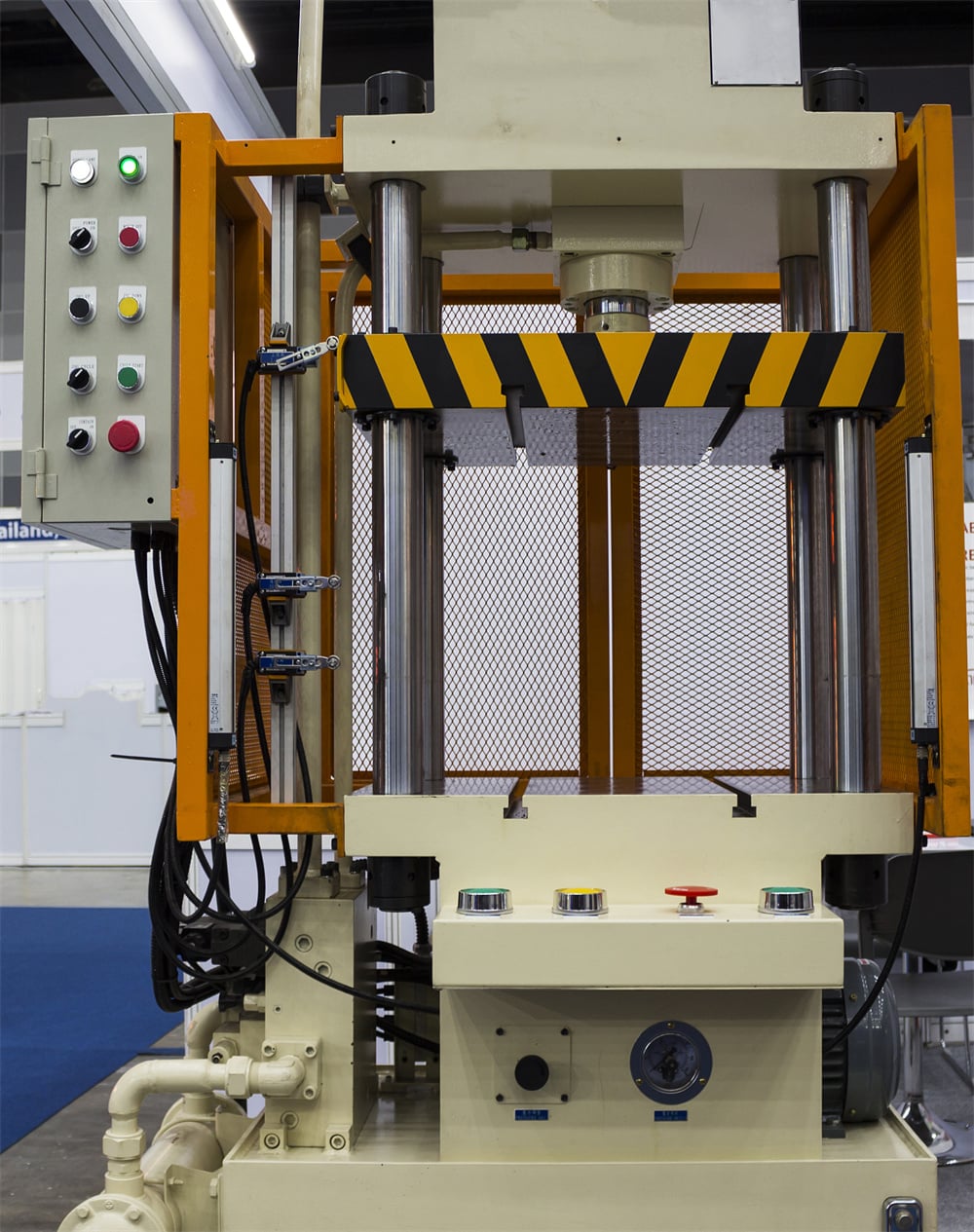
- Four-Column Hydraulic Press: This is the most versatile configuration. The four columns provide excellent stability and allow for even pressure distribution across large dies. It is the gold standard for deep drawing and large-scale stamping.
- H-Frame (Gantry) Press: Known for its extreme rigidity, the H-frame is used for heavy-duty applications where frame deflection must be minimized. It is ideal for high-tonnage punching and blanking.
- C-Frame (Gap) Press: These machines provide three-sided access to the work area, making them perfect for smaller parts, manual loading, or integration into automated assembly lines.
Technical Specifications to Consider
| Feature | Description | Importance in Fabrication |
|---|---|---|
| Tonnage | The total force the press can exert. | Determines the thickness and type of metal that can be processed. |
| Stroke Length | The total distance the ram can move. | Crucial for deep drawing applications where the part depth is significant. |
| Bolster Size | The dimensions of the work table. | Must accommodate the largest die sets used in production. |
| Approach/Press Speed | The speed at which the ram moves. | Adjustable speeds prevent material tearing and improve cycle times. |
| PLC Control | Programmable Logic Controllers. | Allows for precise repeatability and integration with robotic loaders. |
The Workflow: Step-by-Step Fabrication
The actual process of how hydraulic press machines are used in sheet metal fabrication follows a rigorous workflow to ensure safety and quality.
- Die Installation: The upper and lower halves of the die are mounted onto the ram and the bolster plate, respectively. Alignment is critical to prevent tool wear and part defects.
- Parameter Setting: The operator inputs the required pressure, stroke limits, and dwell time into the CNC or PLC interface. For complex parts, multi-stage pressure settings may be used.
- Material Preparation: The sheet metal is cleaned and lubricated. Lubrication is vital in deep drawing to reduce friction between the metal and the die, preventing heat buildup and tearing.
- The Pressing Cycle: The ram descends at a rapid approach speed, slowing down just before contact. It then exerts the programmed force to deform the metal. The “dwell time” allows the metal to settle into the shape of the die.
- Ejection and Cooling: Once the ram retracts, an ejection system (often hydraulic or pneumatic) pushes the finished part out of the die. The part is then cooled and inspected.
Productivity Benefits of Hydraulic Presses
Why choose a hydraulic press over other methods? The benefits are numerous and directly impact the bottom line of a fabrication business.
Precision and Control
Hydraulic presses offer unparalleled control over the pressing force. Unlike mechanical presses, which have a fixed stroke, a hydraulic press can be stopped or reversed at any point. This allows for “inching” during setup and precise control over the final depth of the part.
Built-in Overload Protection
A hydraulic press cannot exceed its rated tonnage. If the pressure reaches the limit, a relief valve opens, preventing damage to the machine or the die. This is a significant advantage over mechanical presses, which can suffer catastrophic frame failure if overloaded.
Reduced Noise and Vibration
Modern hydraulic systems are designed to be much quieter than their mechanical counterparts. This creates a better working environment and reduces the structural fatigue on the factory floor caused by constant vibration.
Versatility in Tooling
Because the stroke and pressure are adjustable, a single hydraulic press can perform a wide variety of tasks—from delicate assembly to heavy-duty forging—simply by changing the die and the software settings.
Case Example: Deep Drawing a Kitchen Sink
To illustrate how hydraulic press machines are used in sheet metal fabrication, let’s look at the production of a standard stainless steel kitchen sink. The manufacturer uses a HARSLE 500-ton four-column hydraulic press.
The process begins with a flat sheet of 304 stainless steel. Because the sink is deep, a single press could tear the metal. The hydraulic press is programmed for a “double-action” process. A blank holder grips the edges of the sheet with a specific force, while the main punch pushes the center of the sheet into the die cavity. The hydraulic system allows the operator to adjust the blank holder pressure in real-time, ensuring the metal flows smoothly into the die without wrinkling or thinning excessively. The result is a seamless, high-quality sink produced in a single cycle of less than 30 seconds.
Maintenance and Safety Protocols
To ensure the longevity of a hydraulic press, a strict maintenance schedule is required. This includes regular oil analysis to check for contaminants, inspection of seals to prevent leaks, and calibration of pressure gauges. Safety is equally paramount. Modern HARSLE machines are equipped with light curtains, dual-hand start buttons, and emergency stop valves to protect operators from the immense forces generated during operation.
Frequently Asked Questions (FAQ)
1. What is the main advantage of a hydraulic press over a mechanical press?
The main advantage is the ability to deliver full tonnage at any point in the stroke and the precise control over ram speed and pressure. This makes hydraulic presses much better for deep drawing and complex forming.
2. How do I calculate the tonnage needed for my sheet metal project?
Tonnage is calculated based on the perimeter of the cut or bend, the thickness of the material, and its shear or tensile strength. Most manufacturers provide formulas, but it is always safer to choose a machine with 20% more capacity than your highest calculation.
3. Can hydraulic presses be used for high-speed production?
While traditionally slower than mechanical presses, modern servo-hydraulic presses can achieve very high cycle speeds, making them competitive for high-volume production while maintaining superior control.
4. What kind of oil should be used in a hydraulic press?
High-quality anti-wear hydraulic oil (usually ISO VG 32 or 46) is recommended. The specific grade depends on the operating temperature and the machine manufacturer’s specifications.
5. How long does a hydraulic press typically last?
With proper maintenance, a high-quality hydraulic press from a reputable manufacturer like HARSLE can last 20 to 30 years or more in an industrial environment.
Conclusion: Partnering with HARSLE for Your Fabrication Needs
Understanding how hydraulic press machines are used in sheet metal fabrication is the first step toward optimizing your production line. Whether you are in the automotive, aerospace, or consumer goods industry, the right hydraulic press can significantly enhance your precision, safety, and throughput.
At HARSLE, we specialize in providing cutting-edge hydraulic solutions tailored to your specific material and process requirements. From high-tonnage four-column presses to specialized deep drawing machines, our equipment is built to withstand the rigors of modern manufacturing. Contact us today to speak with an expert about your next sheet metal fabrication project and discover how our technology can drive your business forward.