Top Hydraulic Press Applications in Modern Manufacturing: A Comprehensive Guide


Introduction to Hydraulic Presses in the Industrial Era
In the landscape of modern industrial production, the hydraulic press stands as a cornerstone of versatility and power. Utilizing Pascal’s Principle—where pressure applied to a confined fluid is transmitted undiminished in every direction—these machines generate immense force with precision control. As manufacturing demands evolve toward higher complexity, tighter tolerances, and faster cycle times, understanding the Top Hydraulic Press Applications In Modern Manufacturing becomes essential for any facility looking to maintain a competitive edge.
HARSLE, a leader in metal fabrication machinery, has observed a significant shift in how hydraulic presses are integrated into automated production lines. No longer just ‘dumb’ heavy lifters, modern hydraulic presses are equipped with sophisticated CNC systems, servo-motor drives, and real-time monitoring sensors. This evolution allows them to handle everything from the delicate lamination of electronic components to the heavy-duty forging of aerospace structural parts. In this guide, we will explore the diverse applications, technical requirements, and strategic benefits of deploying hydraulic presses in today’s factory environment.
Application Scenarios: Where Hydraulic Presses Excel
1. Automotive Industry: Body Panels and Structural Components
The automotive sector is perhaps the largest consumer of hydraulic press technology. From the sleek curves of a car’s hood to the rigid safety cage of the chassis, hydraulic presses are used for deep drawing, blanking, and stamping. High-tonnage presses, often exceeding 2,000 tons, are required to shape high-strength steel and aluminum alloys into complex geometries. The ability to maintain constant pressure throughout the stroke makes hydraulic presses ideal for deep drawing parts like oil pans, doors, and fenders, ensuring uniform thickness and minimal material thinning.

2. Aerospace and Defense: High-Precision Forging
In aerospace manufacturing, material integrity is non-negotiable. Hydraulic presses are used to forge turbine blades, landing gear components, and structural airframe parts. These applications often involve exotic materials like titanium and Inconel, which require precise temperature control and slow, steady deformation. Hydraulic presses offer the ‘dwell’ capability—holding pressure at the bottom of the stroke—which is critical for ensuring the grain structure of the metal is optimized for maximum strength and fatigue resistance.
3. Electronics and Appliances: Precision Molding and Stamping
The consumer electronics and household appliance industries rely on hydraulic presses for both metal and plastic components. For appliances, presses are used to create stainless steel kitchen sinks, washing machine drums, and refrigerator panels. In electronics, smaller, high-speed hydraulic presses are used for laminating multi-layer circuit boards and encapsulating microchips. The precision of modern hydraulic systems allows for the handling of thin foils and delicate substrates without damage.
4. Construction and Infrastructure: Heavy-Duty Forming
The construction industry utilizes hydraulic presses to manufacture large-scale components such as steel beams, corrugated roofing sheets, and heavy-duty pipe fittings. These machines are also essential in the production of pre-stressed concrete elements and the shaping of thick plate steel for bridge components. The robustness of the H-frame hydraulic press makes it a favorite for these high-stress environments where durability is as important as precision.
Material and Process Requirements
To achieve success in the Top Hydraulic Press Applications In Modern Manufacturing, one must match the machine to the material and the specific process. Different materials react uniquely under pressure, and the hydraulic press must be configurable to accommodate these variations.
- High-Strength Steel (HSS): Requires high tonnage and precise speed control to prevent springback and cracking. Modern presses use hydraulic cushions to manage the flow of material into the die.
- Aluminum Alloys: Common in automotive lightweighting, aluminum is prone to tearing. Hydraulic presses with variable stroke speeds help manage the material’s ductility.
- Composites and Plastics: Often require heated platens and precise pressure ramping to ensure proper resin flow and curing in compression molding processes.
- Powder Metallurgy: Involves compacting metal powders into complex shapes. This requires multi-action hydraulic presses that can apply pressure from both the top and bottom simultaneously to ensure uniform density.
Process requirements also dictate the choice of press. For example, Deep Drawing requires a long stroke and a blank holder (cushion) to prevent wrinkling, while Blanking requires high-speed cycles and shock absorption systems to handle the sudden release of energy when the material shears.
Recommended Machine Configuration
Choosing the right configuration is critical for optimizing productivity and ensuring machine longevity. HARSLE offers several configurations tailored to specific industrial needs.
| Configuration Type | Best For | Key Features |
|---|---|---|
| Four-Column Press | Deep Drawing, Large Parts | Excellent accessibility, uniform pressure distribution, versatile die mounting. |
| H-Frame (Gantry) Press | Heavy Forging, Straightening | High rigidity, handles off-center loads well, extremely durable. |
| C-Frame (Gap) Press | Small Parts, Assembly, Punching | Space-saving design, easy access from three sides, high speed. |
| Servo-Hydraulic Press | Precision Molding, Energy Efficiency | CNC control, reduced noise, significant energy savings, programmable curves. |
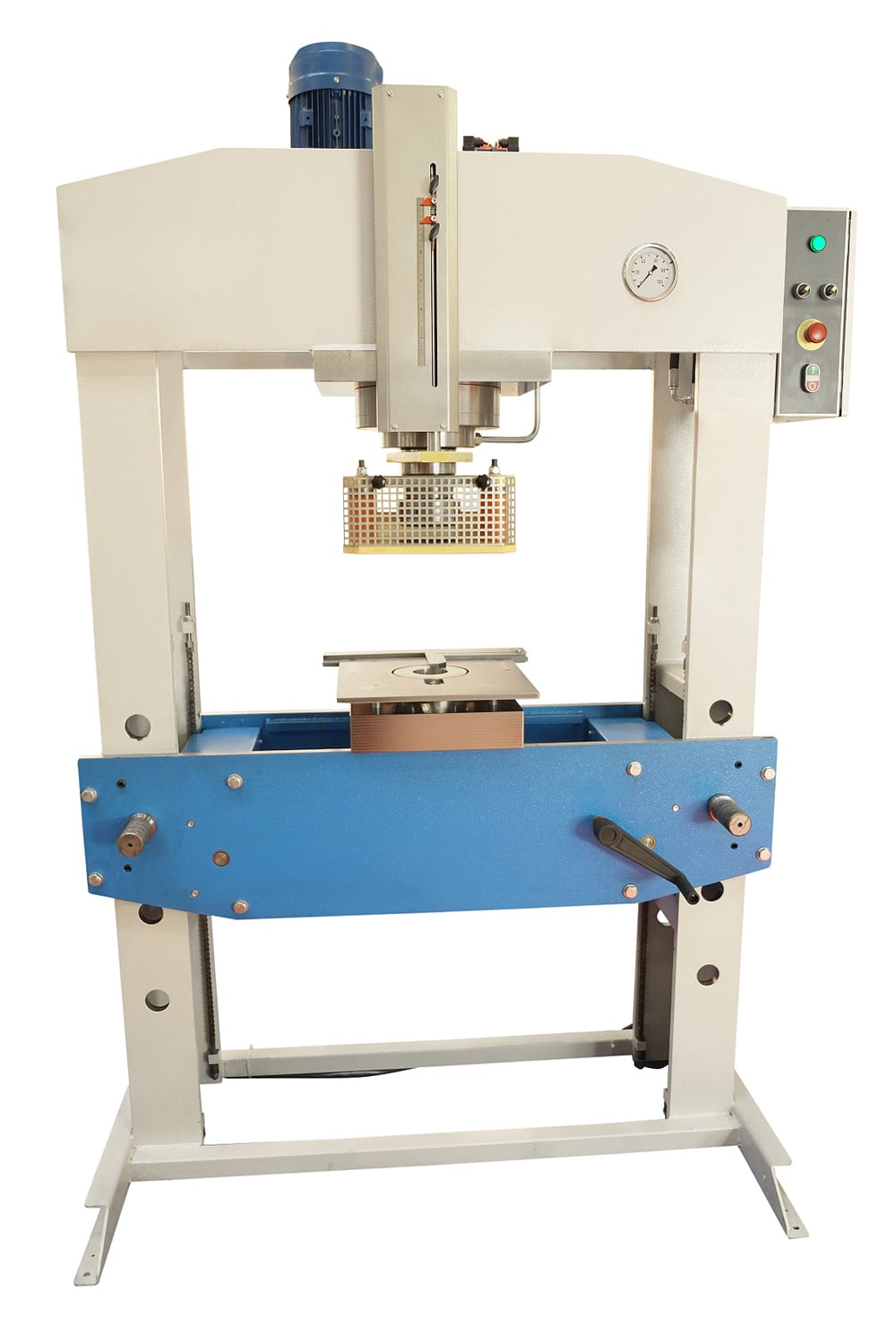
When configuring a machine, consider the Tonnage (the maximum force required), Bolster Size (the area available for the die), and Stroke Length. Additionally, modern manufacturers should look for Proportional Valve Technology, which allows for infinite adjustment of pressure and flow, enabling the press to perform complex motion profiles that were previously only possible with mechanical servo presses.
The Standard Workflow in Hydraulic Press Operations
A systematic workflow ensures safety and consistency. In a modern manufacturing setup, the workflow typically follows these stages:
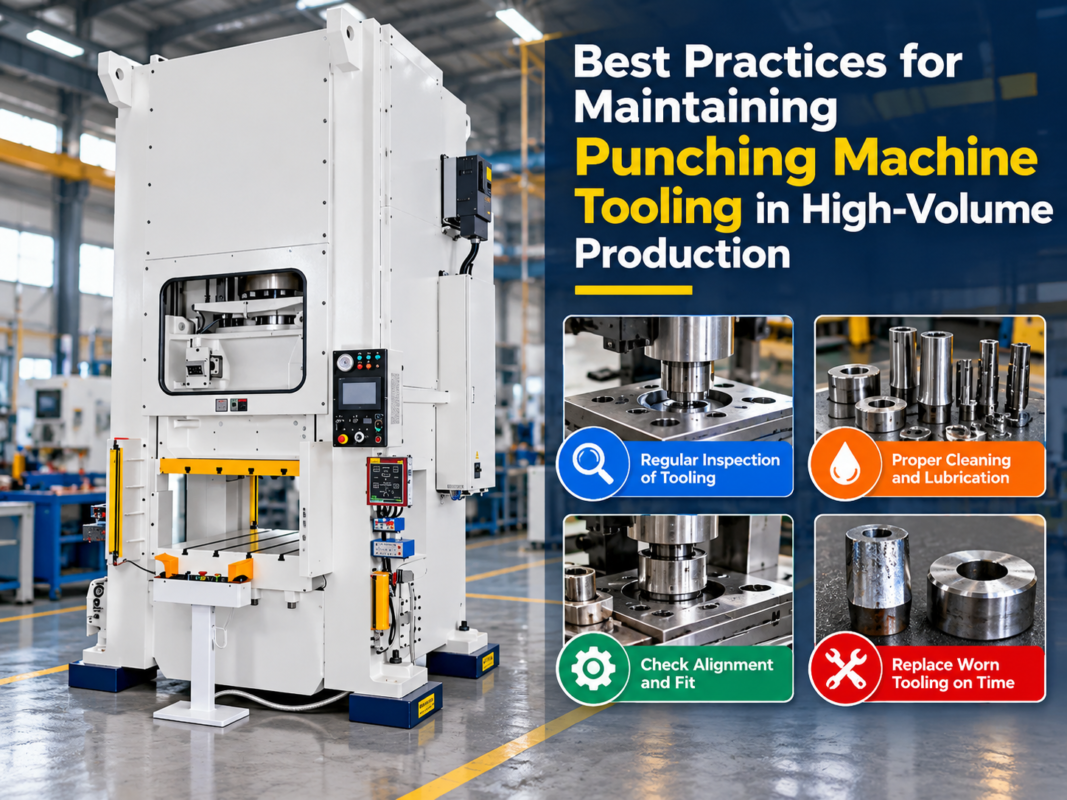
- Preparation and Die Setup: The specific tooling (die and punch) is installed. Modern HARSLE presses often feature Quick Die Change (QDC) systems to reduce downtime between different production runs.
- Material Loading: Raw material (sheets, blanks, or slugs) is loaded into the press. This can be done manually or via automated robotic arms for high-volume production.
- The Pressing Cycle: The slide descends. In a CNC-controlled environment, the press may follow a specific speed profile—fast approach, slow pressing, and rapid return. This optimizes cycle time while protecting the tooling.
- Pressure Dwell (Optional): For processes like forging or composite molding, the press holds the maximum pressure for a set duration to allow the material to set or the grain to flow.
- Ejection and Unloading: The finished part is ejected from the die using a hydraulic cushion or mechanical ejector and moved to the next station.
- Quality Inspection: Integrated sensors may check the part’s dimensions or the peak pressure reached during the cycle to ensure it meets quality standards.
Productivity Benefits of Hydraulic Presses
Why do manufacturers continue to prioritize hydraulic technology? The benefits are multifaceted:
- Versatility: A single hydraulic press can perform a wide range of tasks—from light assembly to heavy stamping—simply by changing the tooling and adjusting the pressure settings.
- Full Power Throughout the Stroke: Unlike mechanical presses, which only reach peak force at the bottom of the stroke, hydraulic presses can deliver full tonnage at any point in the travel. This is essential for deep drawing.
- Built-in Overload Protection: Hydraulic systems have inherent relief valves. If the press encounters an obstruction or the force exceeds the limit, the valve opens, preventing catastrophic damage to the machine or die.
- Lower Maintenance Costs: With fewer moving parts than mechanical linkages, hydraulic presses are often easier and cheaper to maintain over a long service life.
- Precision Control: Modern PLC and CNC integrations allow for sub-millimeter precision, making them suitable for the most demanding high-tech applications.
Case Example: Automotive Sink Production
A prominent kitchenware manufacturer recently upgraded their production line with a HARSLE 600-ton Four-Column Hydraulic Press. Their goal was to produce deep-drawn stainless steel sinks with a depth of 250mm in a single draw. Previously, using older mechanical equipment, they faced a 15% scrap rate due to material tearing and uneven wall thickness.
By switching to a hydraulic press with a programmable hydraulic cushion, they were able to precisely control the blank holding force throughout the draw. The result was a reduction in scrap rate to less than 1% and a 20% increase in production speed. This case highlights how the Top Hydraulic Press Applications In Modern Manufacturing are not just about force, but about the intelligent application of that force.
Maintenance and Safety Protocols
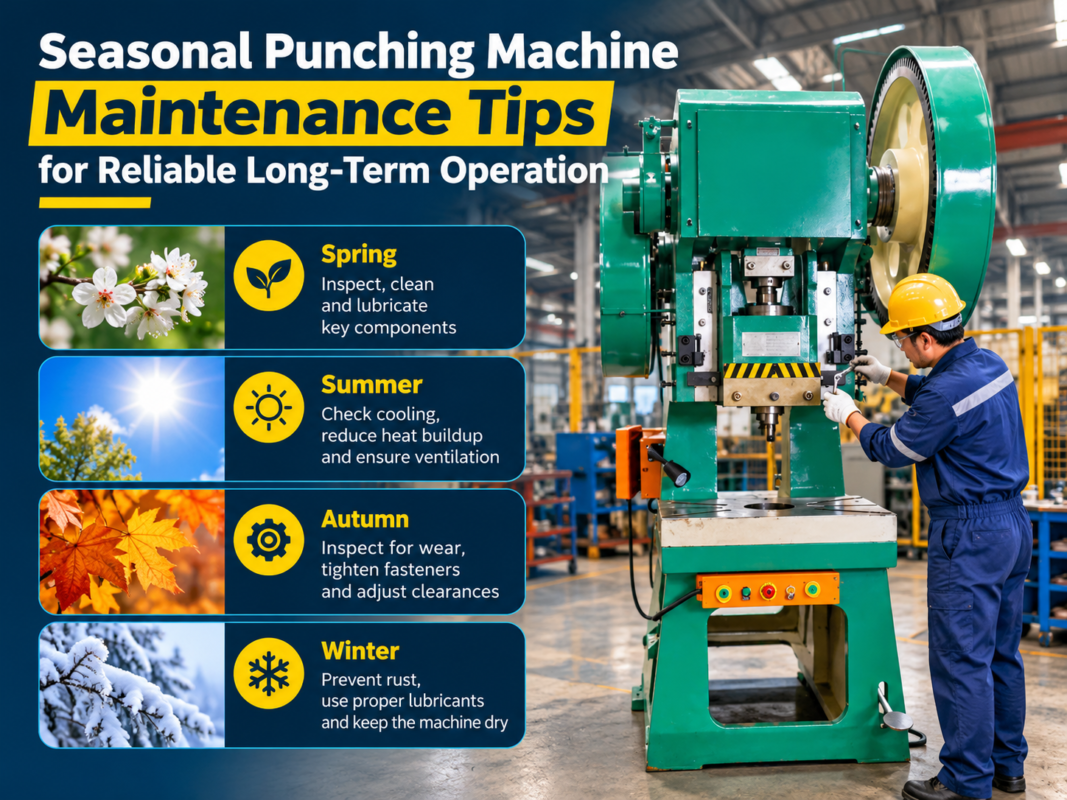
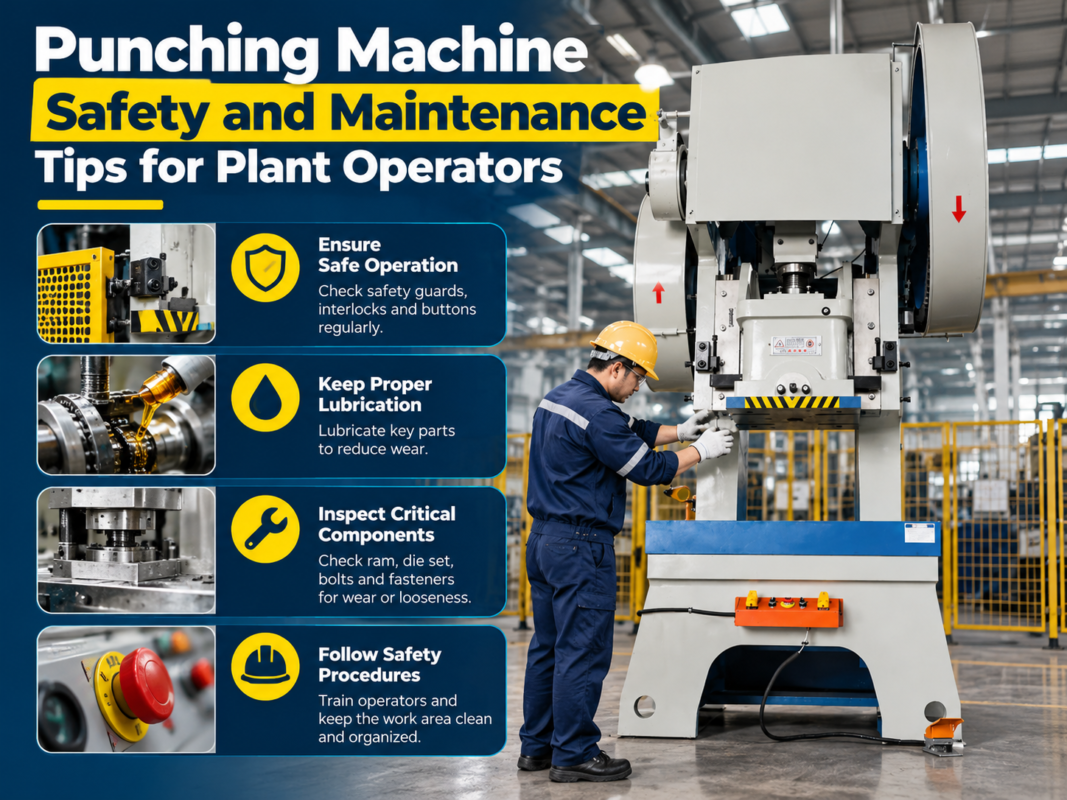
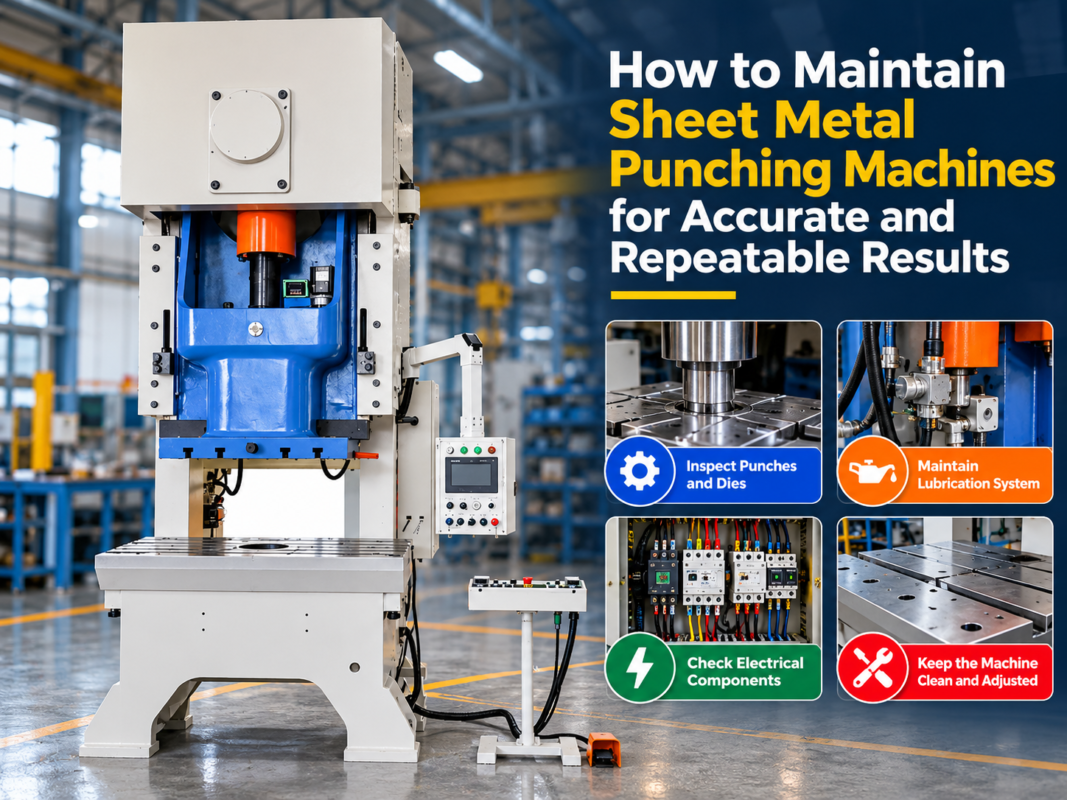
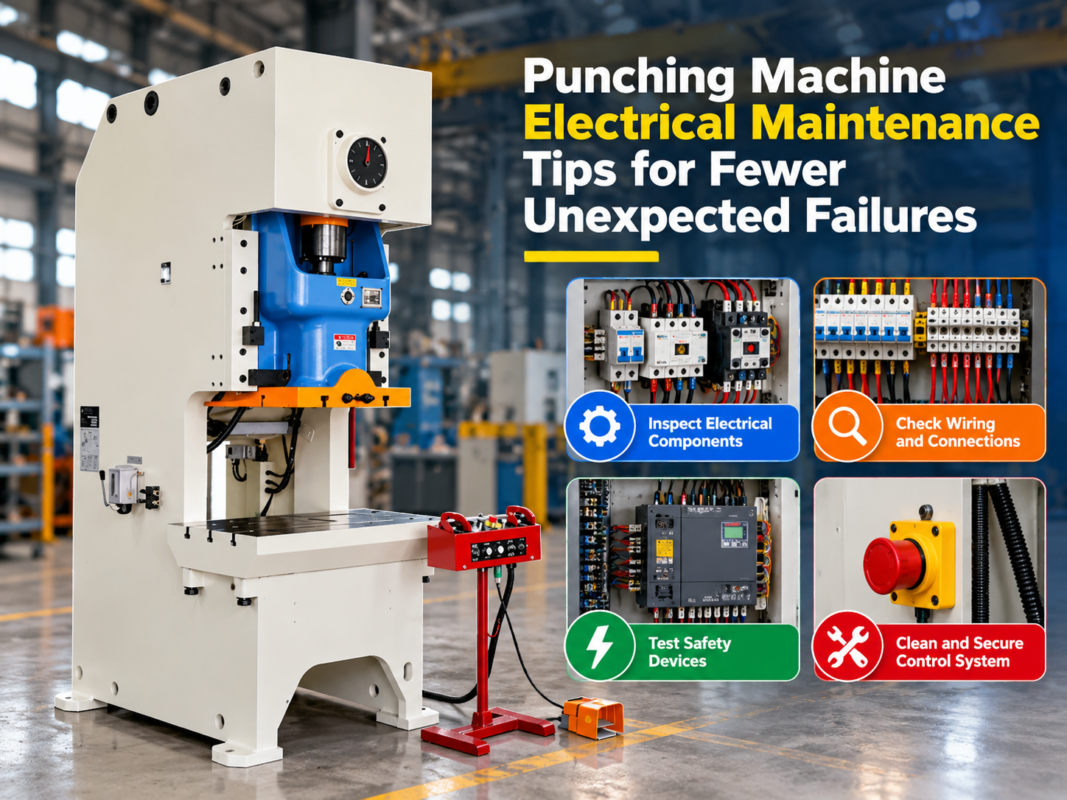
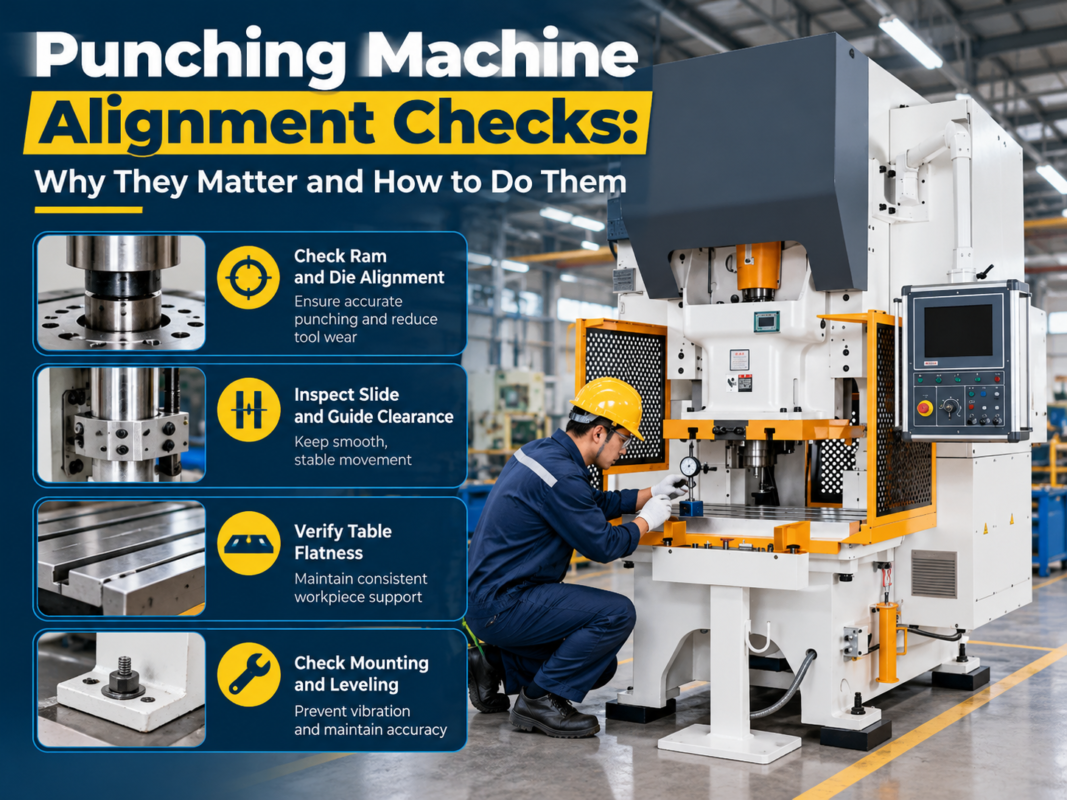
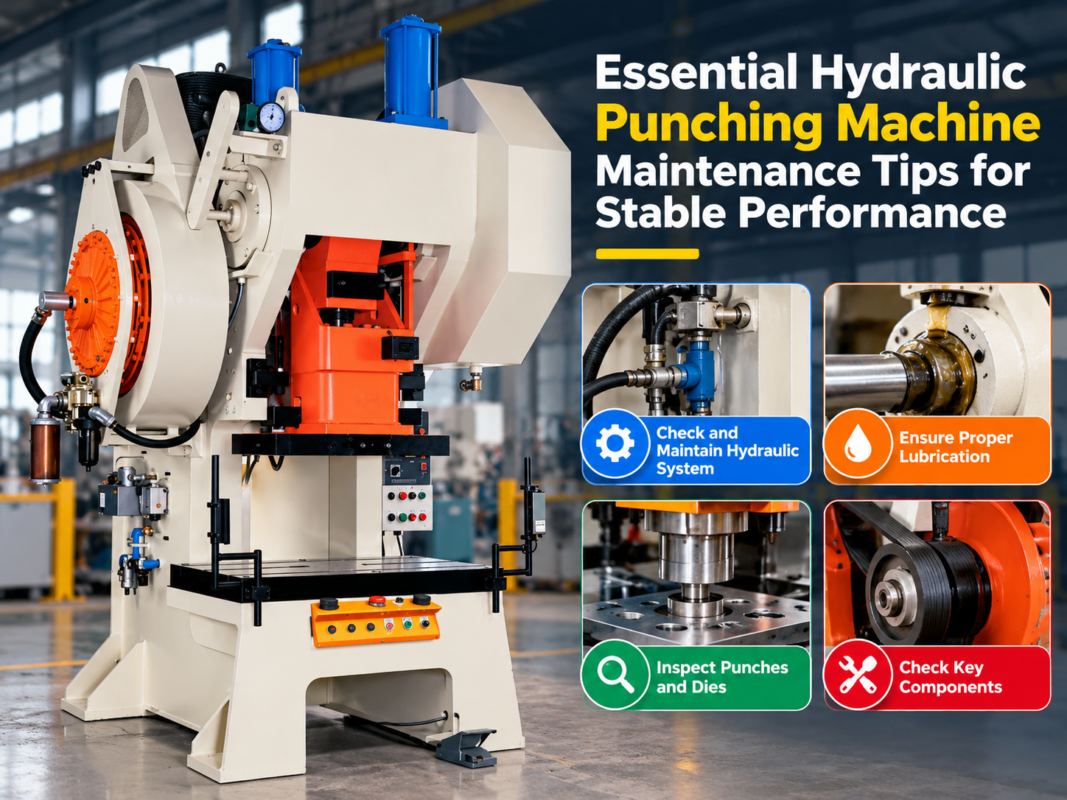
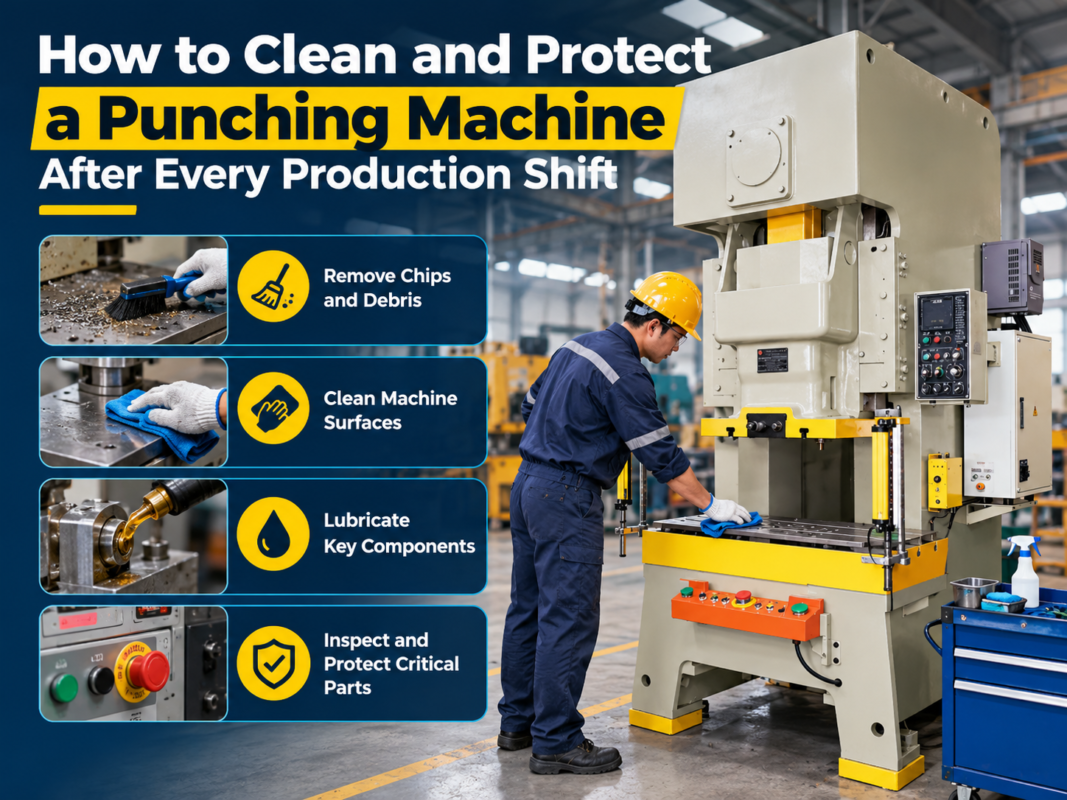
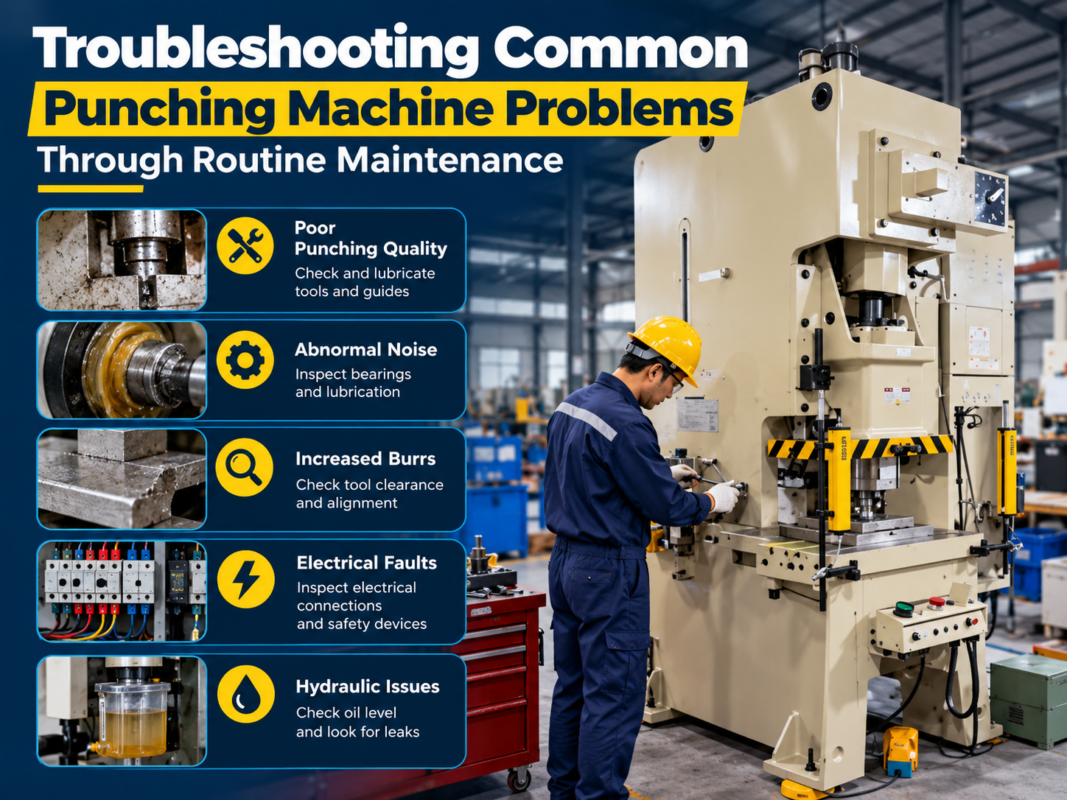
To keep a hydraulic press operating at peak performance, a rigorous maintenance schedule is required. This includes regular oil analysis to check for contamination, inspection of seals for leaks, and calibration of pressure gauges. Safety is equally paramount; modern presses must be equipped with light curtains, dual-hand start buttons, and emergency stop circuits that comply with international safety standards like CE or OSHA.
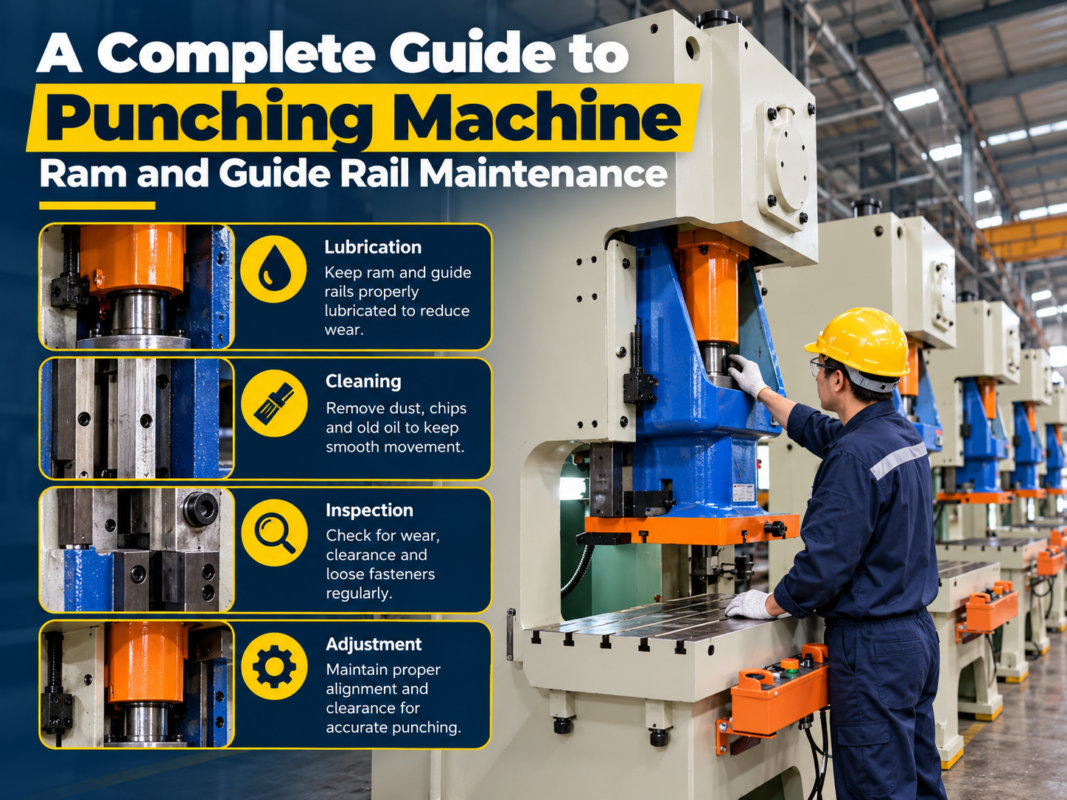
HARSLE recommends a weekly check of the hydraulic fluid levels and a monthly inspection of the guiding rails and lubrication systems. Proper maintenance not only extends the life of the machine but also ensures the safety of the operators and the consistency of the manufactured parts.
Frequently Asked Questions (FAQ)
What is the difference between a hydraulic press and a mechanical press?
A hydraulic press uses fluid pressure to move the ram, providing constant force throughout the stroke and greater flexibility. A mechanical press uses a flywheel and crank mechanism, providing high speed and high force only at the bottom of the stroke, making it better for shallow stamping but less versatile for deep drawing.
How do I determine the tonnage required for my application?
Tonnage depends on the material type, thickness, the perimeter of the cut or shape, and the specific process (e.g., drawing requires more force than simple blanking). HARSLE engineers can provide a calculation based on your part drawings to ensure you select the correct machine capacity.
Can hydraulic presses be integrated into Industry 4.0 workflows?
Yes. Modern hydraulic presses can be equipped with IoT sensors to monitor temperature, pressure, and vibration. This data can be sent to a central system for predictive maintenance and real-time production tracking, fully integrating the machine into a smart factory environment.
What are the energy-saving options for hydraulic presses?
Servo-driven hydraulic systems are the best option for energy efficiency. They only run the motor when the press is in motion, reducing energy consumption by up to 50-70% compared to traditional constant-speed motors that run even when the press is idling.
How long does a typical hydraulic press last?
With proper maintenance, a high-quality hydraulic press from a reputable manufacturer like HARSLE can last 20 to 30 years or more. Many machines are eventually retrofitted with new control systems to keep them up to date with modern technology.
Conclusion: Partnering with HARSLE for Your Manufacturing Needs
The Top Hydraulic Press Applications In Modern Manufacturing demonstrate that these machines are more relevant today than ever before. Whether you are in the automotive, aerospace, or consumer goods sector, the right hydraulic press can transform your production capabilities, offering a blend of power, precision, and flexibility that other technologies struggle to match.
At HARSLE, we specialize in providing high-performance hydraulic solutions tailored to your specific industrial challenges. From standard four-column presses to custom-engineered production cells, our equipment is designed to help you achieve higher efficiency and superior product quality. Contact our technical team today to discuss your next project and discover how HARSLE can power your manufacturing future.