Why Hydraulic Presses Are Essential for Stamping and Pressing Operations


Introduction to Modern Metal Forming
In the realm of industrial manufacturing, the ability to shape metal with precision, power, and consistency is the cornerstone of production. Among the various tools available to fabricators, the hydraulic press stands out as a versatile powerhouse. Understanding Why Hydraulic Presses Are Essential Stamping Pressing Operations requires a deep dive into the mechanics of fluid power and its application in modern factory environments. Unlike their mechanical counterparts, hydraulic presses offer a unique set of advantages that make them indispensable for complex forming tasks.
HARSLE has long been at the forefront of developing high-performance hydraulic solutions. From automotive body panels to intricate electronic components, the demand for high-quality stamped parts is ever-growing. Hydraulic presses provide the necessary force and control to meet these demands, ensuring that manufacturers can produce high volumes of parts with minimal waste and maximum efficiency. This article explores the multifaceted roles these machines play and why they remain the preferred choice for diverse industrial applications.
Application Scenarios for Hydraulic Presses
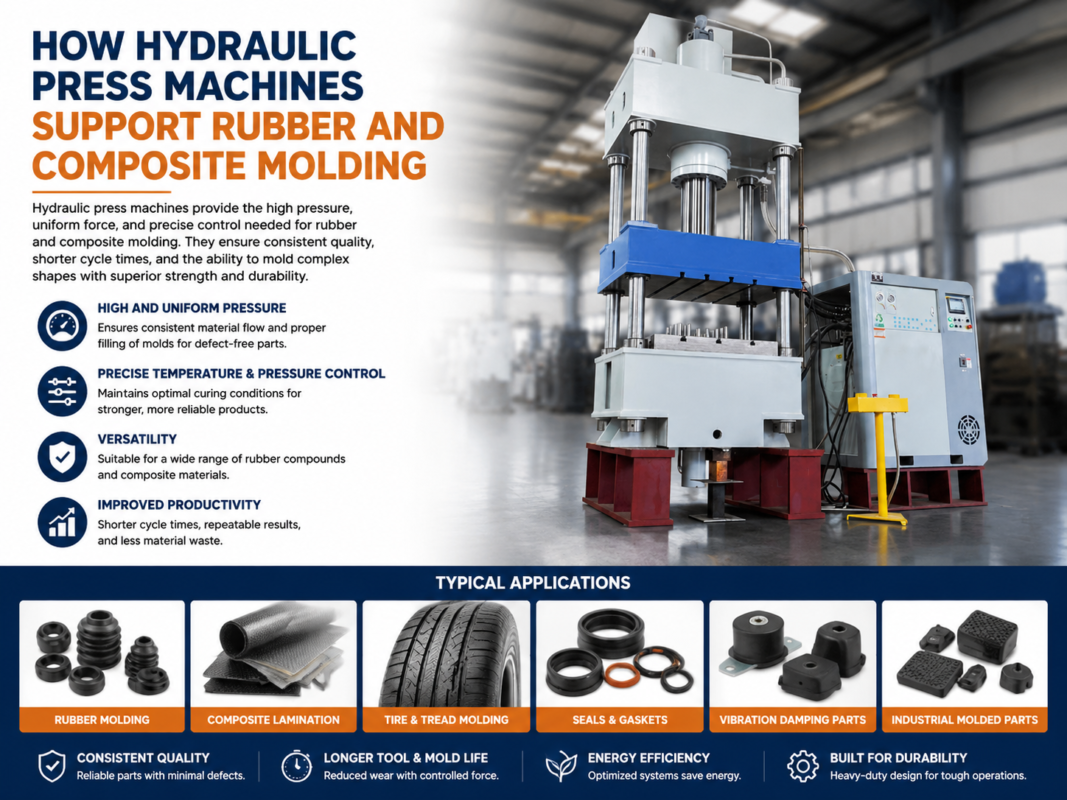
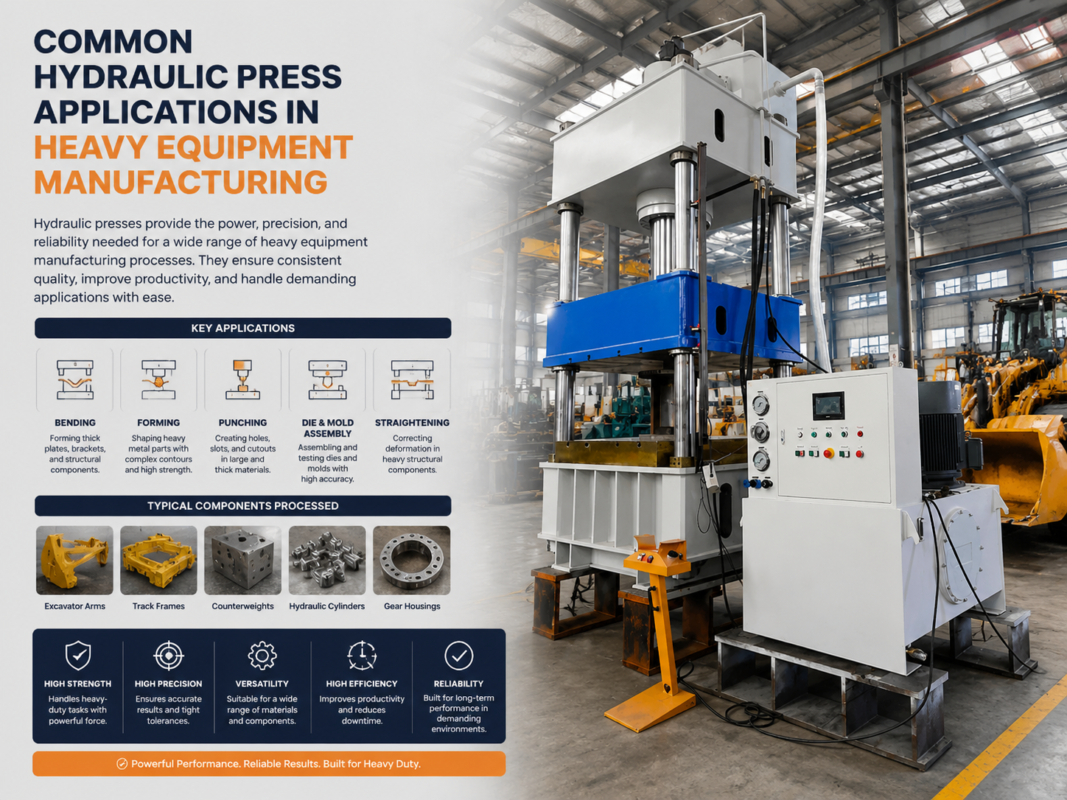
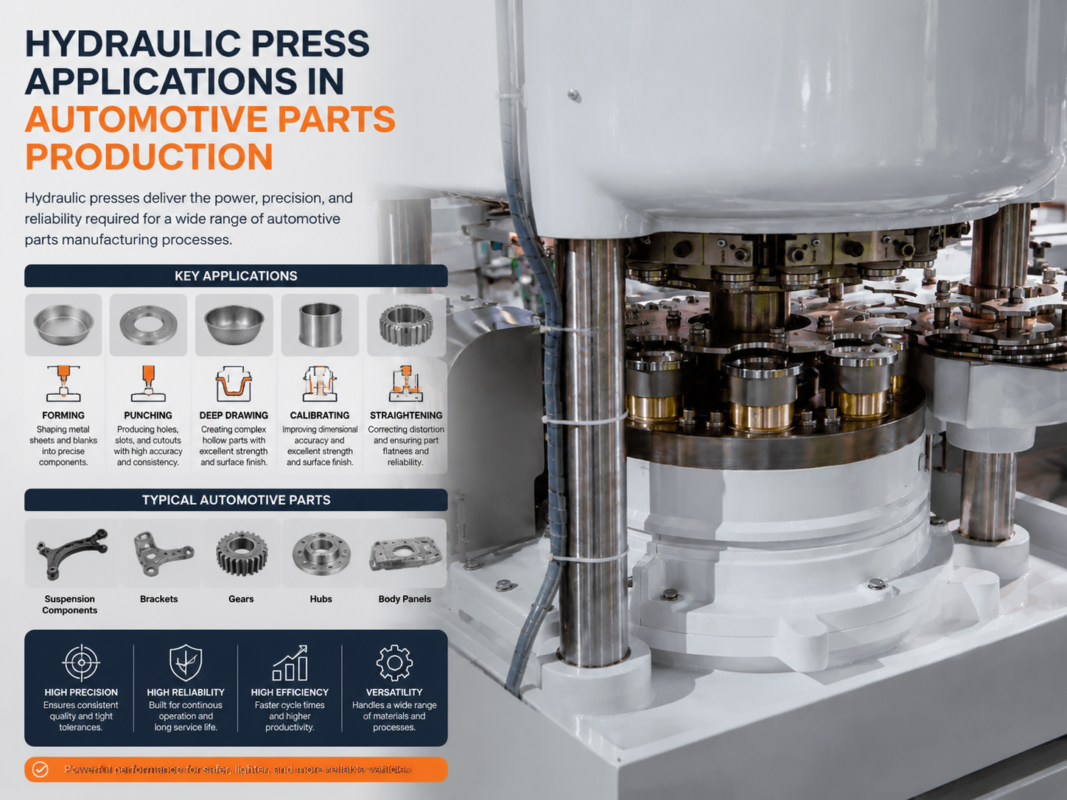
The versatility of hydraulic presses allows them to be utilized across a vast array of industries. One of the primary sectors is the automotive industry. Here, hydraulic presses are used to create everything from heavy-duty chassis components to delicate interior trim pieces. The ability to maintain constant pressure throughout the entire stroke is critical when forming large, complex curves in sheet metal, a task where Hydraulic Presses Are Essential Stamping Pressing Operations.
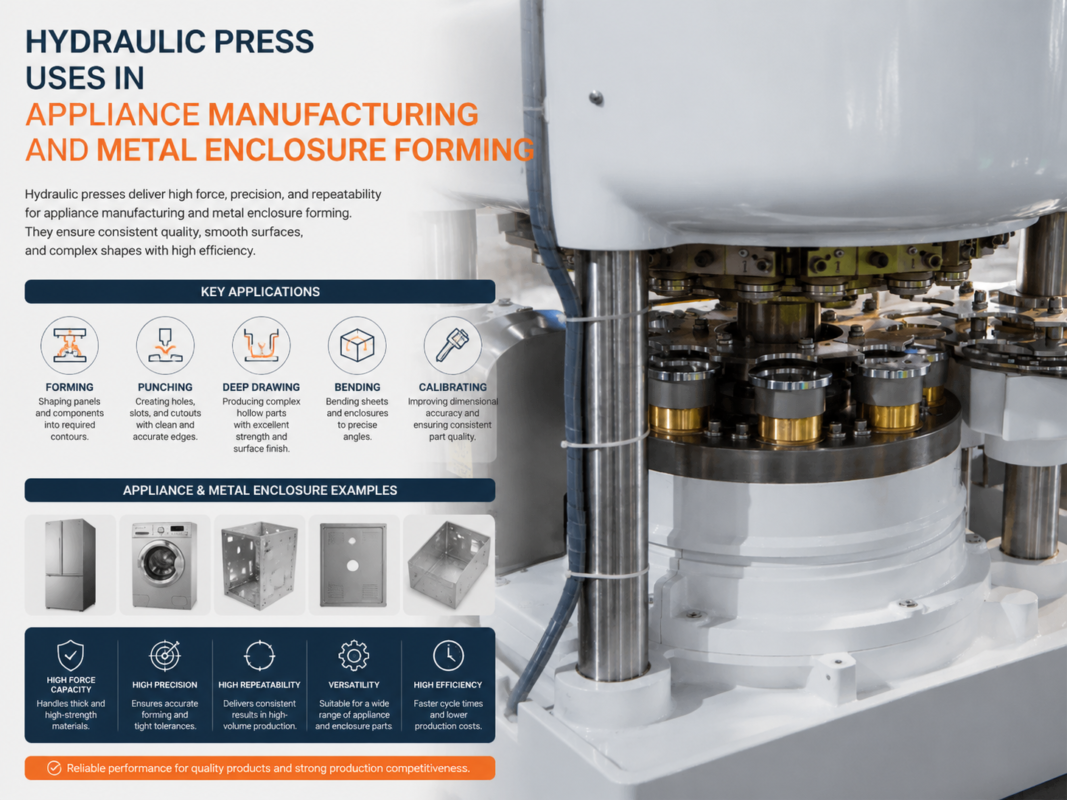
In the aerospace sector, the requirements for precision and material integrity are even more stringent. Hydraulic presses are used to form high-strength alloys that require slow, controlled deformation to prevent cracking or internal stresses. Similarly, the appliance industry relies on these machines for the production of refrigerator panels, washing machine drums, and microwave casings. The smooth action of a hydraulic ram ensures that pre-painted or coated metals can be formed without damaging the surface finish.
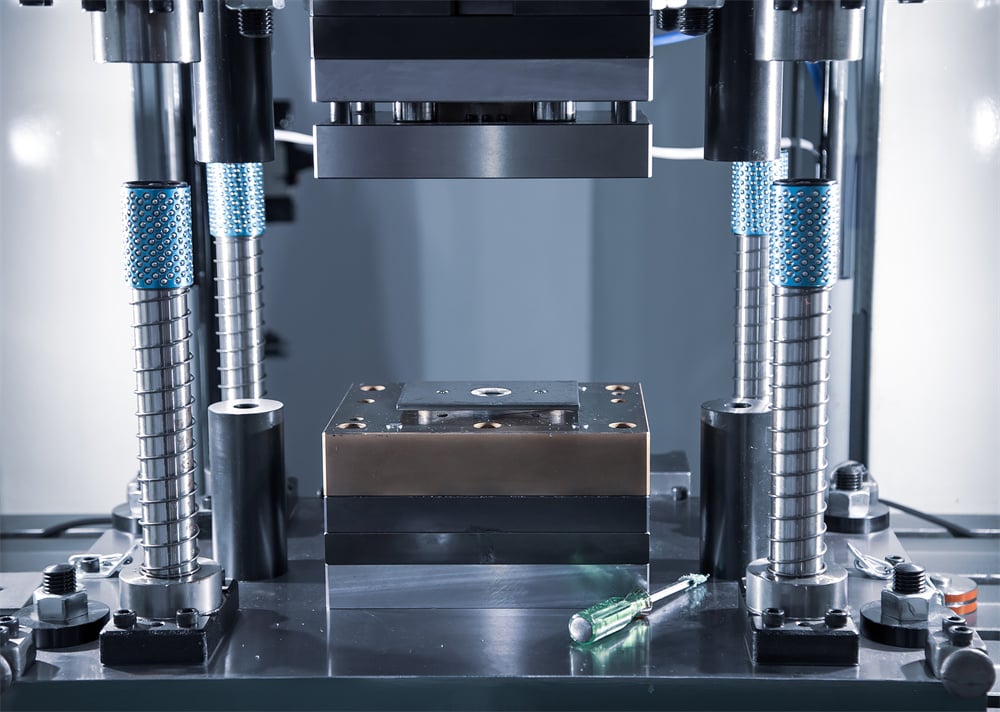
Beyond large-scale industrial parts, hydraulic presses are also vital in the electronics and medical device industries. For electronics, they are used to stamp out shielding components and heat sinks. In the medical field, they help manufacture surgical instruments and orthopedic implants. The adaptability of the hydraulic system allows for quick tool changes, making it ideal for both high-volume production runs and smaller, specialized batches.
Material and Process Requirements
When discussing why Hydraulic Presses Are Essential Stamping Pressing Operations, one must consider the materials involved. Modern manufacturing utilizes a wide range of materials, including carbon steel, stainless steel, aluminum, copper, and even advanced composites. Each material has its own yield strength and elasticity, requiring specific pressure profiles during the forming process. Hydraulic presses allow operators to fine-tune the pressure and speed, accommodating the unique characteristics of each material.
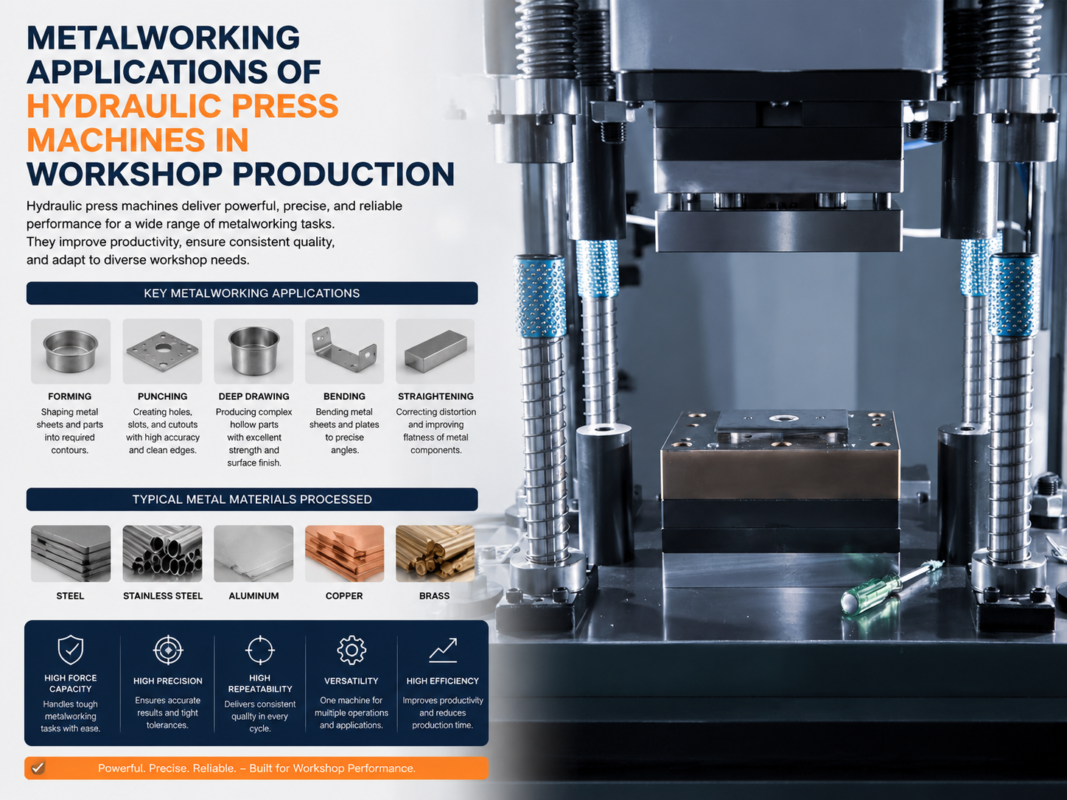
The processes performed by these machines are equally diverse. Deep drawing is perhaps the most common application where hydraulic power excels. In deep drawing, a metal sheet is pulled into a die by a mechanical punch, creating a hollow shape. Because a hydraulic press can provide full tonnage at any point in the stroke, it is far superior to mechanical presses for deep-draw applications where the material needs to be controlled carefully as it flows into the die cavity.
- Blanking and Punching: Creating flat shapes or holes in sheet metal with high precision.
- Forming and Bending: Shaping metal into specific angles or curves without compromising structural integrity.
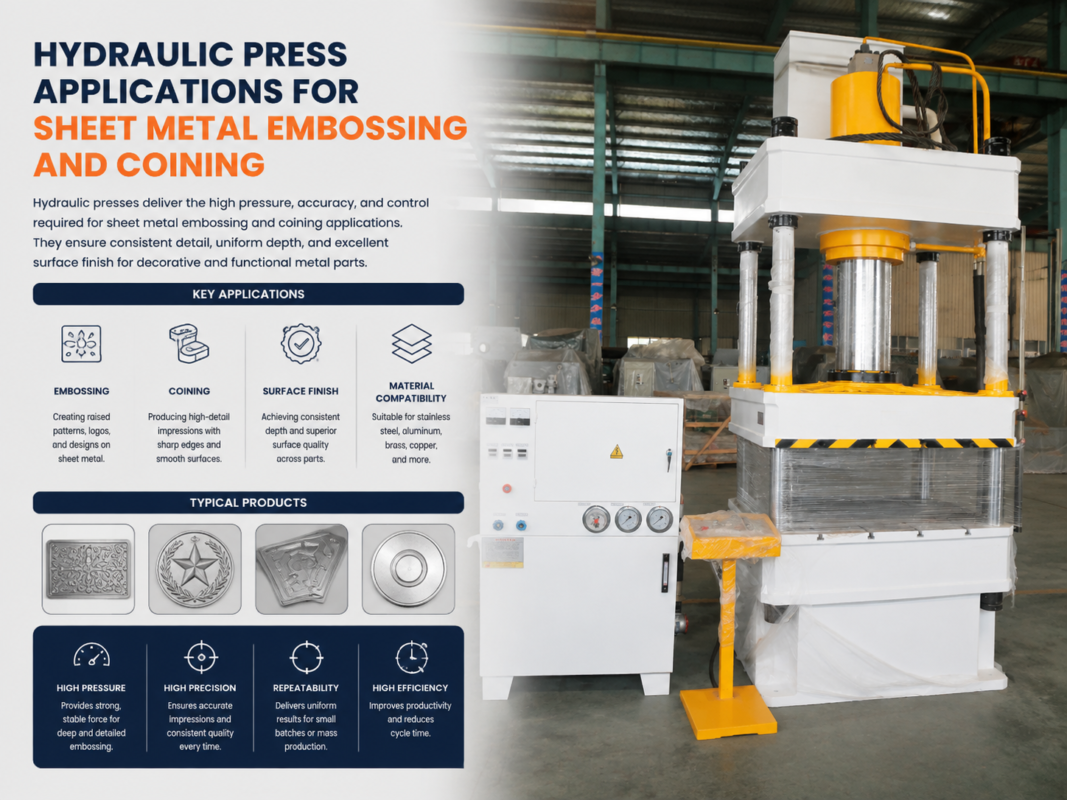
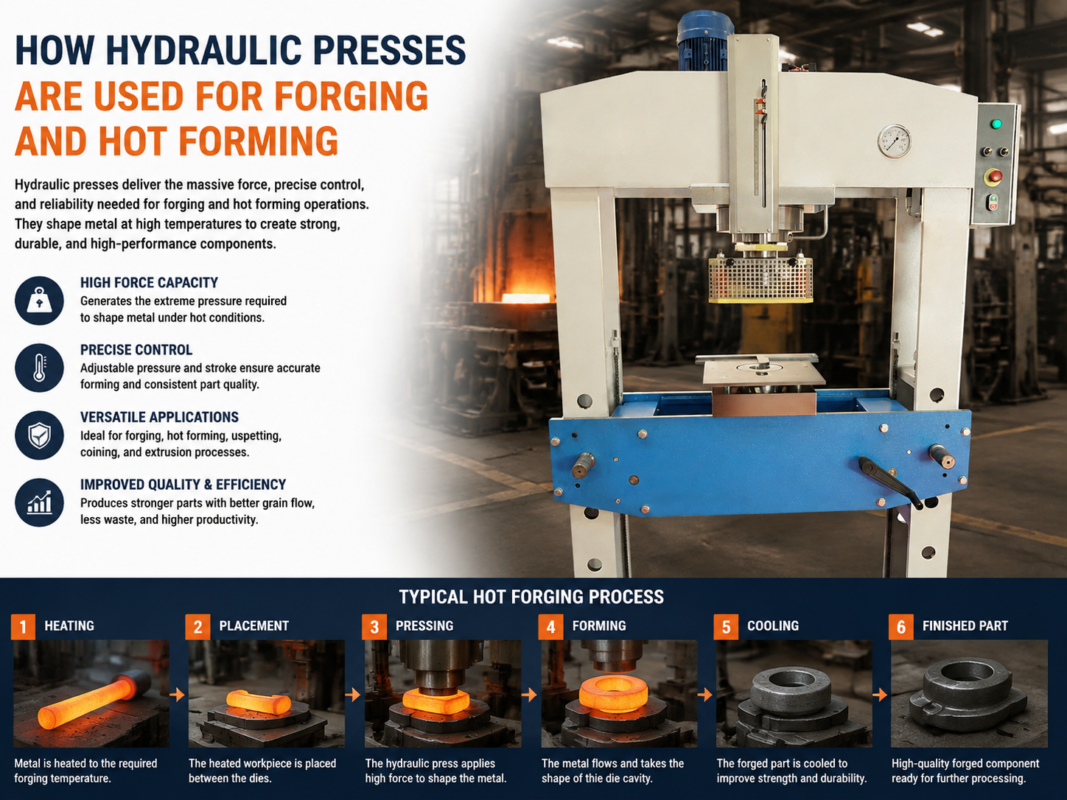
- Coining: Applying extreme pressure to force the metal to take the exact shape of the die, used for intricate details.
- Straightening: Using controlled pressure to remove warps or bends from metal plates or shafts.
Furthermore, the thickness of the material plays a significant role. Hydraulic presses can handle everything from thin foils to heavy plates several inches thick. This range is possible because the hydraulic system can be adjusted to deliver exactly the amount of force needed, preventing over-pressurization which could damage the die or the workpiece.
Recommended Machine Configuration
Choosing the right configuration is essential for maximizing the benefits of a hydraulic press. HARSLE offers several configurations tailored to specific operational needs. The most common types include the C-frame (or gap frame), the H-frame (or four-column), and the horizontal press. Each has its own advantages depending on the size of the workpiece and the required precision.
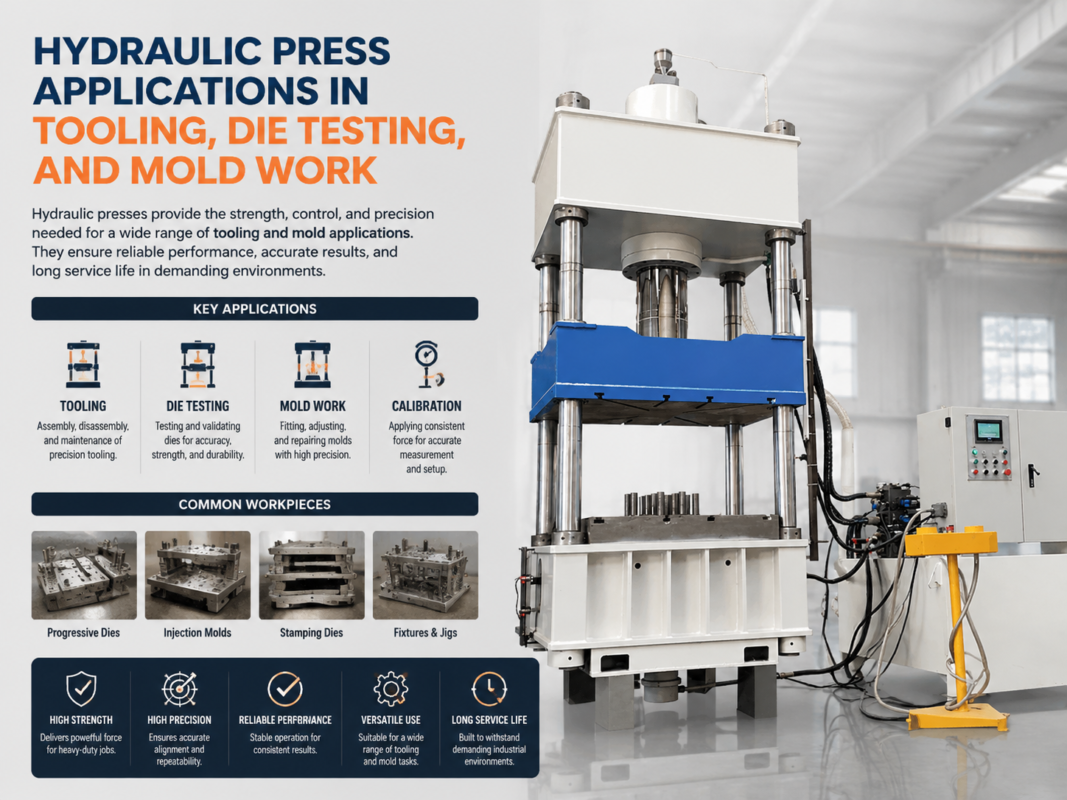
For high-precision stamping, the Four-Column Hydraulic Press is often recommended. This design provides excellent rigidity and ensures that the bed and the ram remain perfectly parallel, even under maximum load. This is crucial for maintaining tight tolerances in stamping operations. On the other hand, C-Frame Presses offer easier access from three sides, making them ideal for smaller parts and manual loading operations.
| Feature | C-Frame Press | Four-Column (H-Frame) |
|---|---|---|
| Accessibility | High (3 sides open) | Moderate (Front/Back) |
| Rigidity | Moderate | Very High |
| Tonnage Range | Typically 10 – 250 Tons | 50 – 5000+ Tons |
| Application | Small parts, assembly | Deep drawing, heavy stamping |
| Footprint | Compact | Large |
Advanced configurations also include PLC (Programmable Logic Controller) systems and CNC (Computer Numerical Control) integration. These systems allow for the storage of multiple “recipes” or programs, enabling the machine to automatically adjust stroke length, pressure, and speed for different jobs. Safety features such as light curtains, dual-hand start buttons, and emergency stop circuits are also standard in modern HARSLE configurations to protect operators while maintaining high productivity levels.
Workflow of Hydraulic Stamping Operations
The workflow in a hydraulic stamping operation is a synchronized sequence of events designed for safety and efficiency. It begins with the Die Setup. The upper and lower dies are securely mounted to the ram and the bolster plate, respectively. Precision alignment is critical here to ensure that the punch enters the die correctly without causing wear or breakage.
Once the dies are set, the Parameter Configuration takes place. The operator inputs the required pressure, stroke limits, and dwell times into the control panel. For complex parts, a multi-stage pressure cycle might be programmed. Following this, the Material Loading occurs. This can be done manually for low-volume work or via automated coil feeders for high-speed production. The hydraulic system then initiates the Pressing Cycle.
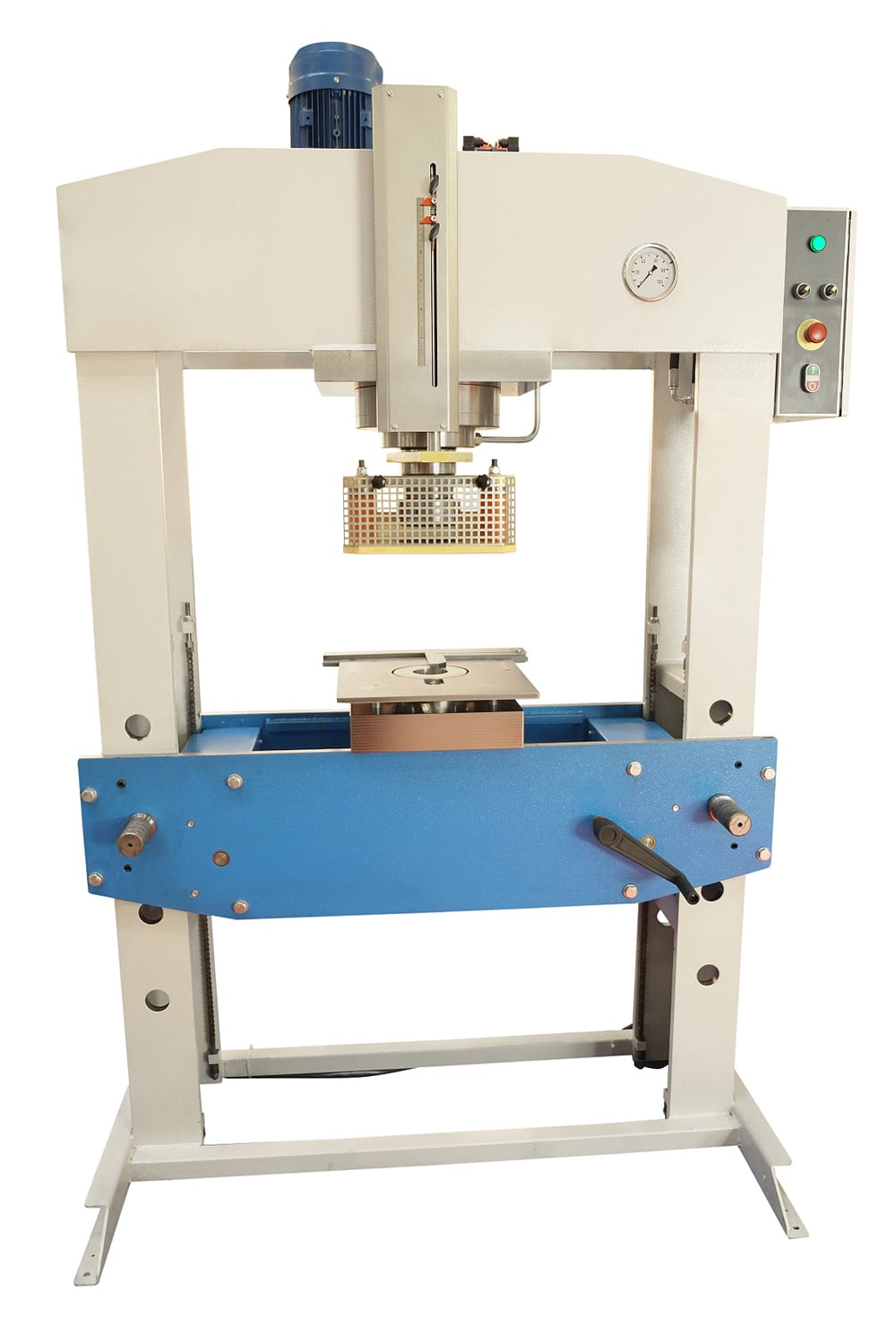
During the cycle, the ram descends at a controlled speed. As it contacts the material, the pressure builds up to the pre-set limit. In deep drawing, a hydraulic cushion might be used to provide resistance from below, controlling the flow of the metal and preventing wrinkles. After the dwell time (if required), the ram retracts, and the Part Ejection system—often a pneumatic or hydraulic knockout—removes the finished part from the die. Finally, a Quality Inspection is performed to ensure the part meets all dimensional specifications before the cycle repeats.
Productivity and Operational Benefits
The reason Hydraulic Presses Are Essential Stamping Pressing Operations is largely due to the significant productivity benefits they offer. One of the most notable is Built-in Overload Protection. A hydraulic press can only exert the pressure it is programmed for. If an obstruction occurs or a double-blank is loaded, the press simply stops at its pressure limit, preventing catastrophic damage to the expensive dies or the machine frame itself.
Another benefit is Flexibility in Stroke and Pressure. Unlike mechanical presses, which have a fixed stroke determined by a crankshaft, hydraulic presses have a fully adjustable stroke. This means you can use the same machine for a shallow blanking job and a deep drawing job simply by changing the settings. This versatility reduces the need for multiple specialized machines, saving floor space and capital investment.
Furthermore, hydraulic presses are known for their Quiet Operation. Because they do not rely on the massive flywheels and sudden impacts of mechanical presses, the noise levels in the factory are significantly lower. This creates a better working environment and reduces the need for expensive soundproofing. Additionally, the ability to control the speed of the ram means that the “breakthrough” shock during blanking can be minimized, further reducing noise and vibration while extending the life of the tooling.
Case Example: Automotive Component Production
Consider a Tier 1 automotive supplier tasked with producing stainless steel exhaust heat shields. These parts require a combination of shallow drawing, complex embossing for structural rigidity, and precise perimeter blanking. Initially, the company used older mechanical presses, but they faced high scrap rates due to material tearing and inconsistent pressure during the drawing phase.
By switching to a HARSLE Y32 Series Four-Column Hydraulic Press, the manufacturer was able to implement a controlled, variable-speed stroke. The press was configured with a hydraulic die cushion that provided constant blank-holder pressure. This allowed the stainless steel to flow smoothly into the die without thinning or tearing. The result was a 30% reduction in scrap and a 20% increase in overall production speed because the machine could be programmed to move quickly during the non-working part of the stroke and slow down precisely during the forming phase. This case perfectly illustrates why Hydraulic Presses Are Essential Stamping Pressing Operations in high-stakes manufacturing.
Frequently Asked Questions (FAQ)
1. How do I determine the tonnage required for my stamping operation?
Tonnage is calculated based on the material type, thickness, and the total perimeter of the cut or the surface area of the form. The formula usually involves the shear strength of the material multiplied by the cross-sectional area being cut. It is always recommended to choose a press with about 20% more capacity than the calculated requirement to ensure longevity and safety.
2. Can hydraulic presses be used for high-speed stamping?
While traditionally slower than mechanical presses, modern hydraulic presses equipped with high-speed valves and advanced accumulators can achieve very competitive cycle times. For many applications, the superior quality and reduced scrap of a hydraulic press outweigh the raw speed of a mechanical one.
3. What maintenance is required for a hydraulic press?
Regular maintenance involves monitoring oil levels and quality, checking for leaks in hoses and seals, and ensuring the filtration system is clean. Lubricating the guide rails and checking the alignment of the ram are also essential tasks. HARSLE machines are designed for easy maintenance access to minimize downtime.
4. Are hydraulic presses more expensive to operate?
In terms of energy, modern hydraulic presses are very efficient, often using variable frequency drives (VFDs) to only consume power when the ram is moving. When you factor in the reduced tool wear and lower scrap rates, the total cost of ownership is often lower than other pressing methods.
Conclusion: Partnering with HARSLE for Success
In conclusion, the evidence is clear: Hydraulic Presses Are Essential Stamping Pressing Operations because of their unmatched control, versatility, and safety. Whether you are a small fabrication shop or a large-scale industrial manufacturer, the right hydraulic press can transform your production capabilities, allowing you to take on more complex projects with confidence.
HARSLE is committed to providing the metalworking industry with the highest quality hydraulic machinery. Our team of experts is ready to help you select the perfect configuration for your specific needs, ensuring that your investment yields maximum productivity for years to come. Contact us today to learn more about our range of hydraulic presses and how we can help you optimize your stamping and pressing operations.