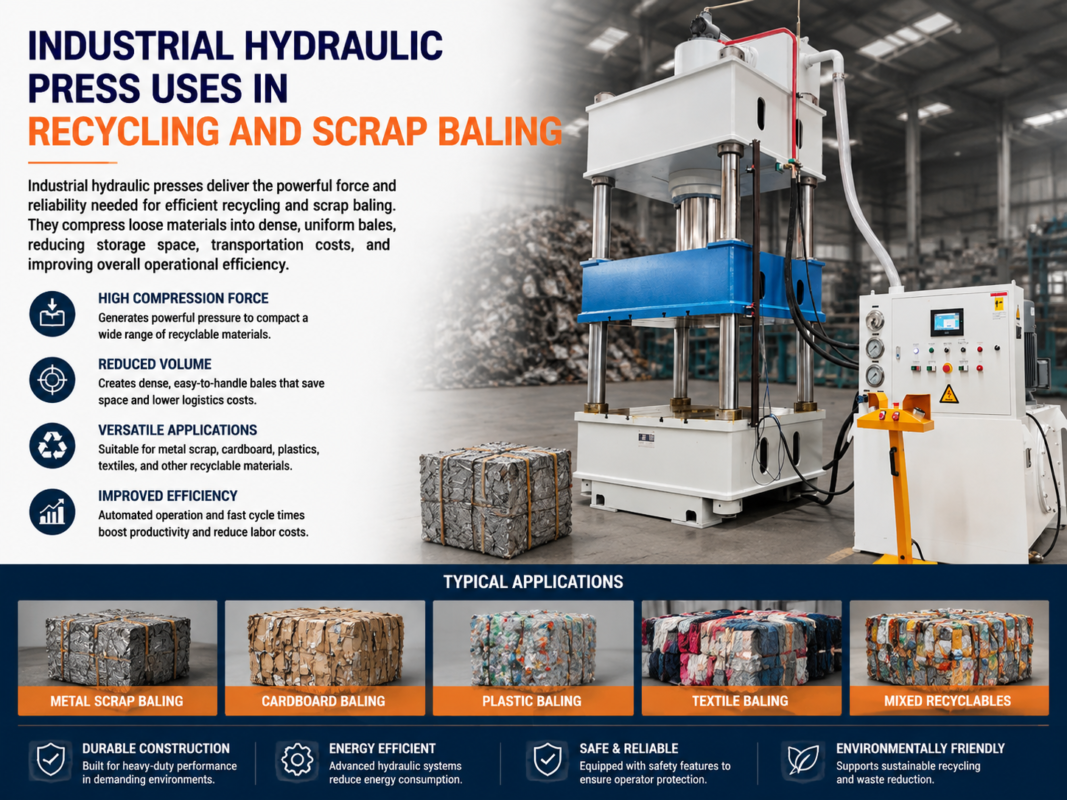
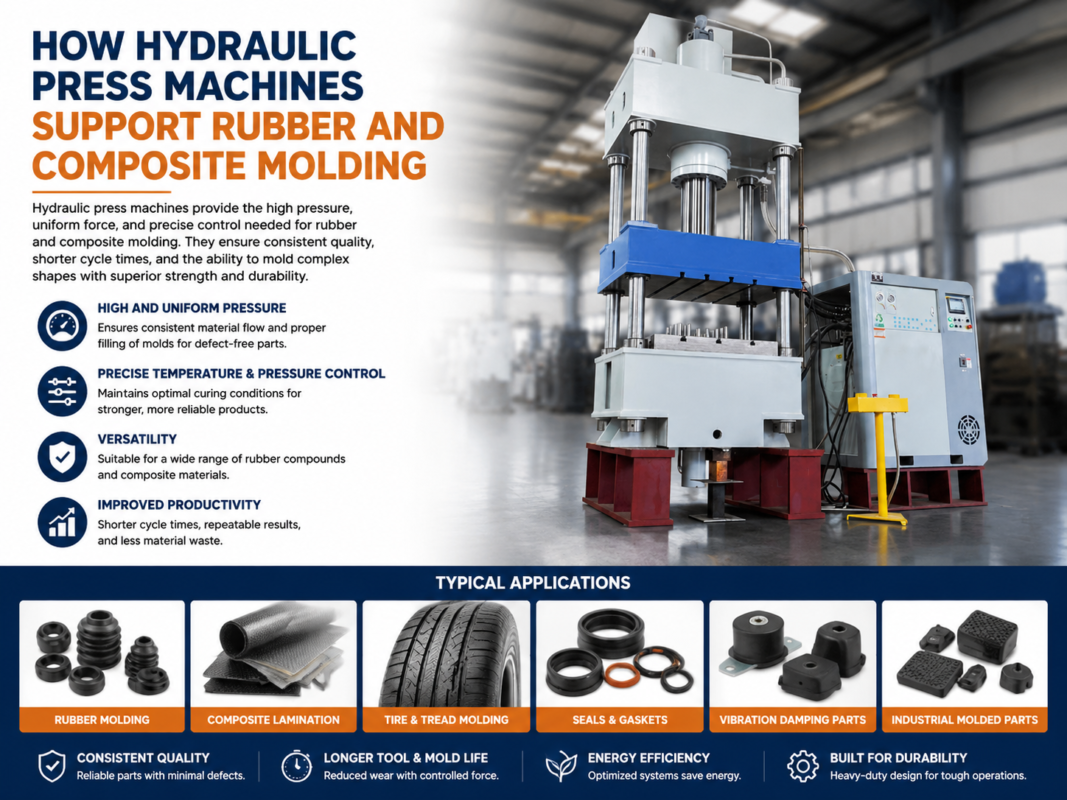
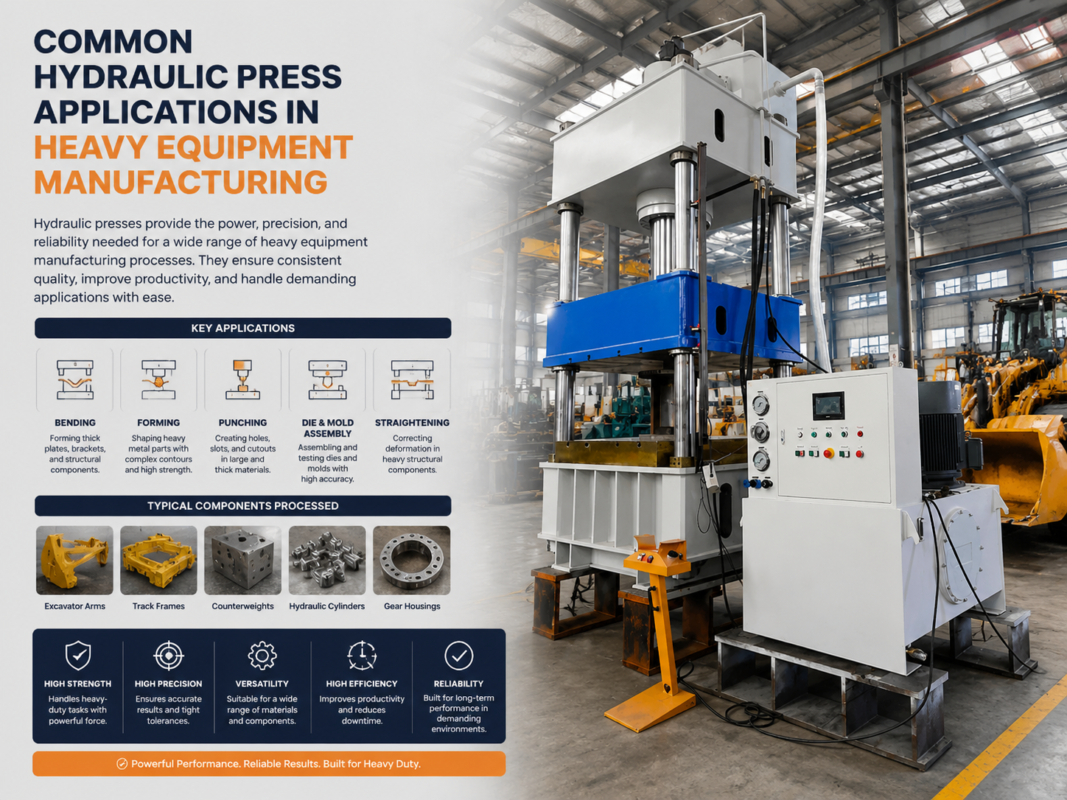
Hydraulic Press Uses in Bearing Installation and Maintenance Work: A Comprehensive Industrial Guide


Introduction to Hydraulic Press Uses in Bearing Installation and Maintenance Work
In the world of industrial maintenance and heavy machinery repair, the precision and power of a hydraulic press are indispensable. Bearings are the heart of rotating equipment, ensuring smooth motion and reducing friction in everything from electric motors to massive mining crushers. However, the integrity of a bearing is often determined at the moment of installation. Improper handling, such as using manual hammers or uneven force, can lead to microscopic damage that results in premature failure, costly downtime, and safety hazards. This is where the Hydraulic Press Uses In Bearing Installation Maintenance Work become critical.
A hydraulic press provides a controlled, steady, and measurable force that allows technicians to seat bearings with micron-level precision. Whether it is a small ball bearing for a high-speed spindle or a massive spherical roller bearing for a wind turbine gearbox, the hydraulic press ensures that the interference fit is achieved without distorting the race or damaging the shaft. HARSLE, a leader in metal fabrication machinery, provides the robust equipment necessary to handle these demanding tasks across various industrial sectors.

Application Scenarios for Bearing Maintenance
The versatility of hydraulic presses allows them to be used in a wide array of scenarios. In the automotive industry, they are used for pressing wheel bearings into steering knuckles. In the power generation sector, they facilitate the maintenance of large generator rotors. The ability to apply tons of force with the flip of a lever or the press of a button makes the hydraulic press a staple in any professional workshop.
One of the most common scenarios is the refurbishment of electric motors. Over time, bearings wear out due to heat and vibration. Removing a seized bearing from a motor shaft requires significant force that must be applied perfectly perpendicular to the axis to avoid bending the shaft. Similarly, in the agricultural sector, heavy-duty tractors and harvesters rely on large bearings that operate in harsh environments. Maintenance crews use portable or stationary hydraulic presses to swap out these components during the off-season to prevent field failures.
In manufacturing plants, hydraulic presses are integrated into assembly lines for the initial installation of bearings into gearboxes and pump housings. Here, the focus is on repeatability and speed. By using a hydraulic press with adjustable stroke limits, manufacturers can ensure that every bearing is pressed to the exact depth required, maintaining the tight tolerances necessary for high-performance machinery. This consistency is a primary driver for the widespread Hydraulic Press Uses In Bearing Installation Maintenance Work.
Material and Process Requirements
Successful bearing installation is not just about raw power; it is about understanding the materials and the physics of the “interference fit.” Most industrial bearings are made of high-carbon chrome steel, which is incredibly hard but can be brittle if subjected to shock loads (like a hammer blow). The shaft and the housing are typically made of different grades of steel or cast iron. The goal of the press fit is to create a friction-based bond that prevents the bearing race from spinning independently of its mount.
The process requires a clean environment and precise alignment. Even a slight tilt during the initial press-in can gall the shaft surface or crack the bearing race. Therefore, the hydraulic press must have a perfectly square bed and a ram that moves without lateral play. Lubrication also plays a vital role; specialized mounting pastes are often used to reduce the force required and prevent fretting corrosion in the future.
Temperature control is another critical factor. In some advanced maintenance workflows, the bearing is heated (induction heating) or the shaft is cooled (liquid nitrogen) to temporarily alter their dimensions. The hydraulic press is then used to quickly and accurately seat the components before the temperatures equalize. This “shrink-fit” combined with hydraulic assistance provides the most secure bond possible for high-torque applications. Understanding these material interactions is essential for anyone looking to optimize their Hydraulic Press Uses In Bearing Installation Maintenance Work.
Recommended Machine Configuration
Choosing the right machine is paramount for bearing work. For most maintenance shops, an H-frame hydraulic press is the gold standard. The H-frame design offers a large working area and high structural rigidity, which is necessary when dealing with high tonnages. HARSLE offers a range of H-frame presses with capacities from 20 tons to over 500 tons, depending on the scale of the bearings being serviced.
Key features to look for in a configuration include:
- Adjustable Work Table: The ability to raise or lower the bed allows the press to accommodate shafts of varying lengths.
- Pressure Gauge: A high-precision gauge is mandatory to monitor the force being applied, ensuring it stays within the bearing manufacturer’s specifications.
- Variable Speed Control: A slow “inching” speed is critical for the initial alignment phase, while a faster speed can be used for the bulk of the stroke.
- V-Blocks and Mandrels: Specialized tooling that supports the shaft and applies force only to the bearing race being pressed (usually the inner race for shaft mounting).
- Safety Guards: Transparent shields to protect operators from potential component failure under high pressure.
For high-volume production environments, a C-frame or “gap frame” press might be more appropriate. These machines allow for easier access from three sides, facilitating faster loading and unloading of parts. However, for the heavy-duty requirements of maintenance and repair, the H-frame remains the preferred choice due to its superior stability and force distribution.
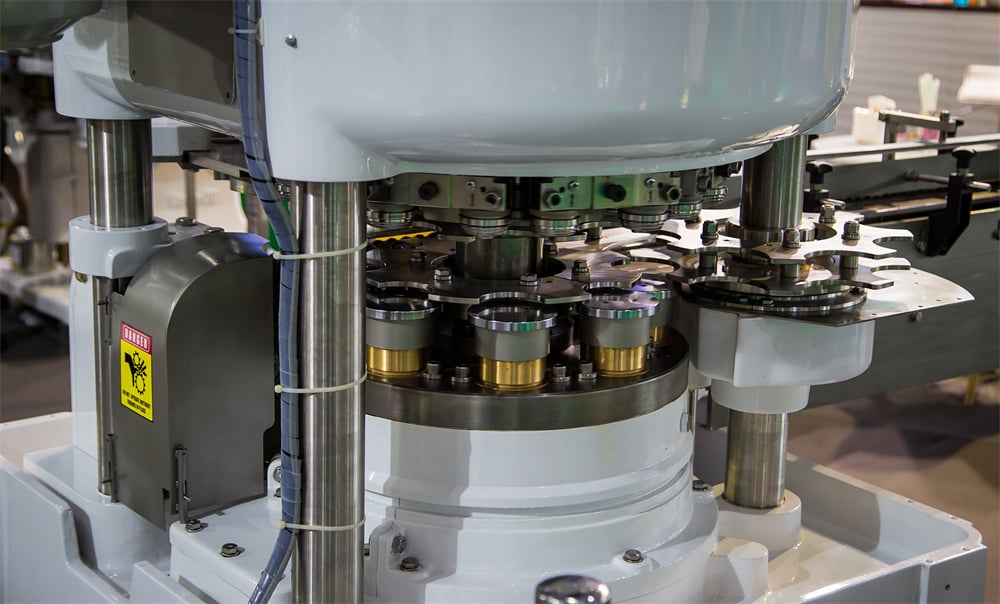
Step-by-Step Workflow for Bearing Installation
To maximize the benefits of Hydraulic Press Uses In Bearing Installation Maintenance Work, a standardized workflow must be followed. This ensures safety and component longevity.
Step 1: Preparation and Cleaning
Before any pressing occurs, the shaft, housing, and bearing must be meticulously cleaned. Any dirt, metal shavings, or old grease can act as an abrasive, damaging the precision surfaces. Inspect the shaft for burrs or scoring and remove them with a fine abrasive stone if necessary.
Step 2: Alignment and Lubrication
Apply a thin layer of mounting oil to the mating surfaces. Place the bearing on the shaft or in the housing. It is vital to ensure the bearing is square. Using a spirit level or a dial indicator can help verify that the bearing is not tilted. The hydraulic press ram should be centered directly over the axis of the bearing.
Step 3: The Pressing Operation
Using the appropriate mandrel (which should only contact the race that is being press-fitted), begin to apply pressure slowly. Watch the pressure gauge. A sudden spike in pressure usually indicates misalignment or a burr. If the pressure rises steadily and the bearing moves smoothly, continue until the bearing is seated against the shoulder of the shaft or the bottom of the housing.
Step 4: Verification and Inspection
Once seated, release the hydraulic pressure and inspect the assembly. Rotate the bearing by hand to ensure it moves freely without any clicking or resistance. Check the gap between the bearing and the shoulder with a feeler gauge to confirm it is fully seated. Finally, apply the required grease or oil as per the machinery’s lubrication schedule.
Productivity and Safety Benefits
The transition from manual bearing installation to using a HARSLE hydraulic press offers immediate productivity gains. Firstly, the speed of the operation is significantly increased. What might take an hour of struggling with manual pullers and hammers can be accomplished in minutes with a press. This reduction in labor time translates directly to lower maintenance costs and faster turnaround for critical machinery.
Precision is the second major benefit. Because the force is applied linearly and steadily, the risk of damaging the bearing or the shaft is nearly eliminated. This extends the Mean Time Between Failures (MTBF) for the equipment, saving the company thousands of dollars in replacement parts and lost production. In high-precision industries like aerospace or CNC tool manufacturing, the use of a hydraulic press is often a mandated quality control requirement.
From a safety perspective, the hydraulic press is a lifesaver. Manual methods often involve “striking” tools which can chip, sending high-velocity metal shards into the air. Furthermore, manual pulling of large bearings can lead to back injuries or crushed fingers. A hydraulic press, equipped with proper guarding and operated via a remote pendant or foot switch, keeps the technician at a safe distance from the point of operation, significantly reducing the risk of workplace accidents.
Case Example: Heavy Equipment Refurbishment
Consider a large-scale mining operation that maintains a fleet of haul trucks. Each wheel hub contains massive tapered roller bearings that must be replaced every 5,000 operating hours. Previously, the maintenance team used a combination of sledgehammers and heating torches, a process that took two technicians four hours per hub and often resulted in damaged hub housings.
By implementing a HARSLE 300-ton H-frame hydraulic press with a custom-designed fixture, the process was transformed. The hub is now placed on the press bed, and the old bearings are pressed out in a single, smooth motion. The new bearings are then pressed in with controlled force, monitored by a digital pressure transducer. The time per hub was reduced to 45 minutes, and the failure rate of new bearings dropped to zero. This real-world application highlights the transformative power of Hydraulic Press Uses In Bearing Installation Maintenance Work.
Frequently Asked Questions (FAQ)
How do I determine the tonnage required for a bearing?
The required tonnage depends on the interference fit (the difference in diameter between the bearing and the shaft) and the surface area of the contact. As a general rule, most automotive bearings require 5-20 tons, while large industrial bearings may require 50-200 tons. Always consult the bearing manufacturer’s technical data sheet for specific mounting force recommendations.
Can a hydraulic press be used to remove bearings as well?
Yes, removal is one of the primary Hydraulic Press Uses In Bearing Installation Maintenance Work. By using a “bearing splitter” or a specialized pulling attachment, the press can safely push the shaft out of the bearing or vice versa. This is much safer and more effective than using mechanical jaw pullers which can slip.
What maintenance does the hydraulic press itself require?
To ensure accuracy, the hydraulic oil should be changed annually, and the filters should be checked regularly. Inspect the seals for leaks and ensure the ram is kept clean and lightly lubricated to prevent corrosion. Periodically check the squareness of the bed to ensure the press remains accurate for precision bearing work.
Is it necessary to heat the bearing if I have a high-tonnage press?
While a high-tonnage press can overcome the friction of a cold fit, heating the bearing (usually to around 110°C/230°F) expands the inner race and makes the installation much easier. This reduces the stress on both the bearing and the shaft, leading to a better overall fit. Combining heat with a hydraulic press is the best practice for large-scale industrial components.
Conclusion and Call to Action
The Hydraulic Press Uses In Bearing Installation Maintenance Work are a cornerstone of modern industrial efficiency. By providing the perfect balance of power, precision, and safety, these machines ensure that the most critical components of our infrastructure—bearings—are handled with the care they require. Investing in a high-quality hydraulic press from HARSLE is an investment in the longevity of your machinery and the safety of your workforce.
Whether you are upgrading a small repair shop or outfitting a massive manufacturing facility, HARSLE has the expertise and the equipment to meet your needs. Our range of hydraulic presses is designed for durability, ease of use, and extreme precision. Don’t leave your bearing maintenance to chance. Contact HARSLE today to find the perfect hydraulic solution for your specific application and take your maintenance capabilities to the next level.