Hydraulic Press Uses in Recycling, Waste Compaction, and Material Recovery: A Comprehensive Industrial Guide


Introduction to Hydraulic Press Uses in Recycling, Waste Compaction, and Material Recovery
In the modern industrial landscape, the drive toward sustainability and the circular economy has placed immense pressure on waste management systems. Central to this evolution is the hydraulic press, a powerhouse of mechanical engineering that has become indispensable in the fields of recycling, waste compaction, and material recovery. By utilizing Pascal’s principle to generate massive amounts of force, these machines transform bulky, unmanageable waste into dense, transportable, and valuable raw materials. Whether it is crushing scrap metal, baling cardboard, or compacting plastic waste, the hydraulic press is the engine driving efficiency in the global recycling industry.
HARSLE, a leader in metal fabrication machinery, recognizes that the versatility of hydraulic presses extends far beyond traditional metal forming. In the context of material recovery, these machines are engineered to withstand harsh environments, handle abrasive materials, and operate with high-frequency cycles. This guide explores the multifaceted applications of hydraulic presses in the recycling sector, detailing the technical requirements, machine configurations, and the significant productivity benefits they offer to modern enterprises.
Application Scenarios for Hydraulic Presses in Recycling
1. Scrap Metal Processing and Briquetting
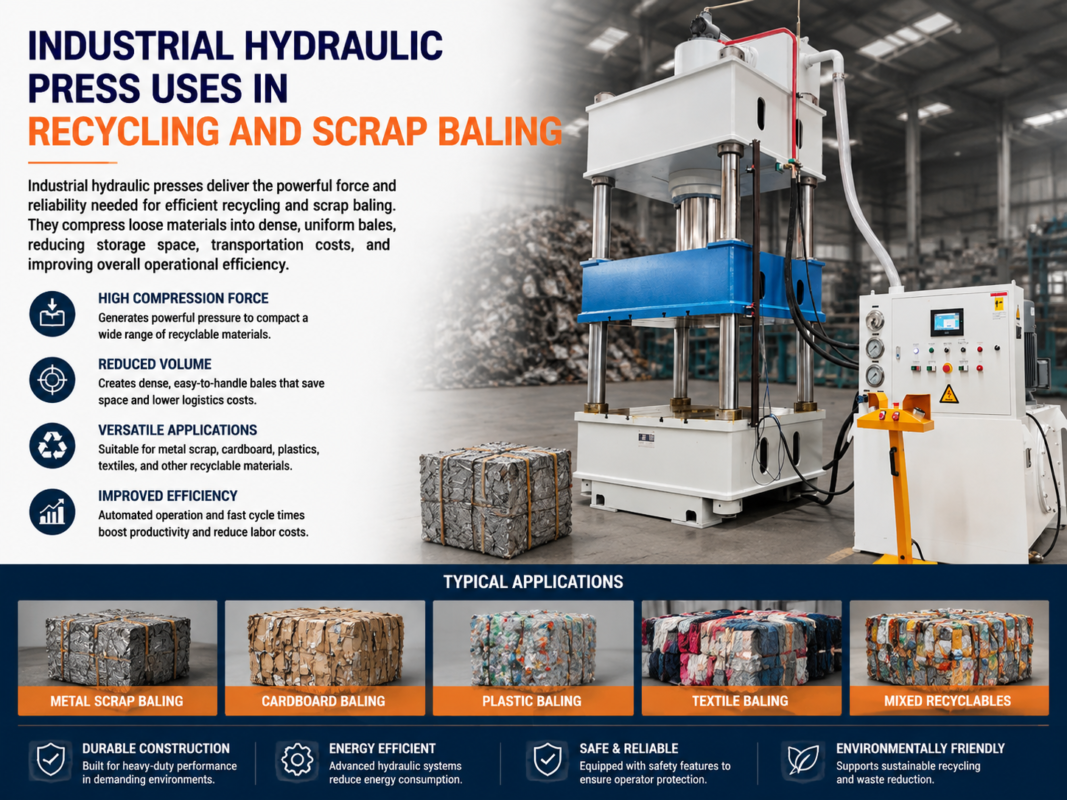
One of the most prominent hydraulic press uses in recycling is the processing of scrap metal. Industrial facilities generate vast quantities of metal shavings, turnings, and offcuts. Without compaction, these materials occupy significant floor space and are expensive to transport due to their low density. Hydraulic presses are used to create ‘briquettes’—highly compressed blocks of metal. This process not only facilitates easier handling but also increases the value of the scrap, as briquettes are preferred by foundries for their reduced oxidation during melting.
2. Municipal Solid Waste (MSW) Compaction
Municipalities deal with thousands of tons of waste daily. Hydraulic presses are integrated into transfer stations to compact general waste before it is sent to landfills or incineration plants. By reducing the volume of waste by up to 90%, these machines significantly lower the number of truck trips required, thereby reducing the carbon footprint of the waste management logistics chain. This application requires heavy-duty presses capable of handling heterogeneous materials, including organic waste, plastics, and small household appliances.
3. Paper and Cardboard Baling
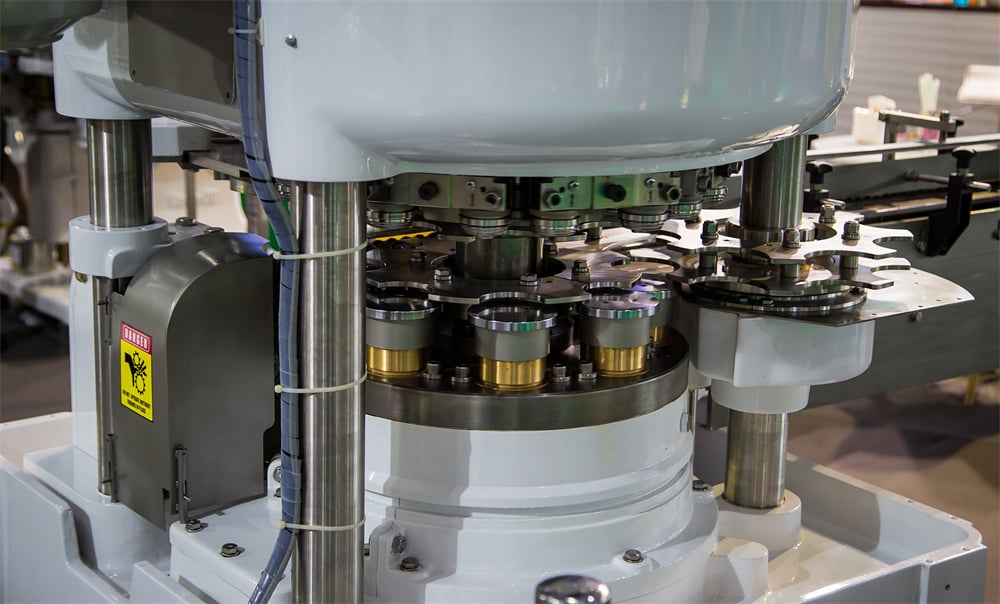
In the retail and logistics sectors, cardboard waste is a major byproduct. Hydraulic baling presses are used to compress loose cardboard into tight, wire-bound bales. These bales are then sold to paper mills for pulping. The hydraulic press ensures that the bales meet the density requirements for international shipping containers, maximizing the weight-to-volume ratio and ensuring economic viability for the recycler.
4. E-Waste Recovery and Component Separation
Electronic waste (e-waste) contains precious metals like gold, silver, and copper, but it also contains hazardous materials. Specialized hydraulic presses are used in the initial stages of e-waste recovery to crush components or strip casings, making it easier for automated sorting systems to separate valuable metals from plastics and glass. The precision control of a hydraulic press allows for the application of specific forces that break outer shells without damaging internal circuit boards that require delicate handling.
5. End-of-Life Vehicle (ELV) Recycling
The automotive recycling industry relies heavily on massive hydraulic presses. Once a vehicle has been stripped of its fluids, engine, and reusable parts, the remaining chassis is fed into a car crusher. These high-tonnage hydraulic presses flatten the vehicle into a dense slab or ‘pancake,’ which is then sent to a shredder. This process is vital for the efficient transport of steel scrap to steel mills for recycling.
Material and Process Requirements
To achieve successful material recovery, the hydraulic press must be matched to the specific physical properties of the waste material. Different materials exhibit varying levels of elasticity, friction, and resistance to compression.
- Metal Scraps: Require high tonnage (often 200 to 1000 tons) to overcome the structural integrity of the metal. The process often involves multi-stage compression (side and top) to achieve maximum density.
- Plastics (PET/HDPE): These materials have high ‘memory,’ meaning they tend to expand after the pressure is released. The hydraulic press must have a long ‘dwell time’ or a specialized locking mechanism to ensure the bale remains compact while being strapped.
- Fibrous Materials (Paper/Textiles): These require lower tonnage but higher volume capacity. The focus here is on the speed of the cycle and the ability to handle dust and debris within the hydraulic system.
- Hazardous Waste: Requires stainless steel components or specialized coatings to prevent corrosion, along with sealed hydraulic systems to prevent leaks from contaminating the environment.
Furthermore, the moisture content of the material plays a critical role. For instance, wet paper requires different drainage considerations in the press bed compared to dry metal shavings. HARSLE machines are designed with these variables in mind, offering customizable bed sizes and drainage ports for specialized recycling applications.
Recommended Machine Configuration
When selecting a hydraulic press for recycling and waste compaction, the configuration must prioritize durability and ease of maintenance. Unlike precision metal stamping, recycling presses operate in dusty, often outdoor environments.
1. Frame Construction
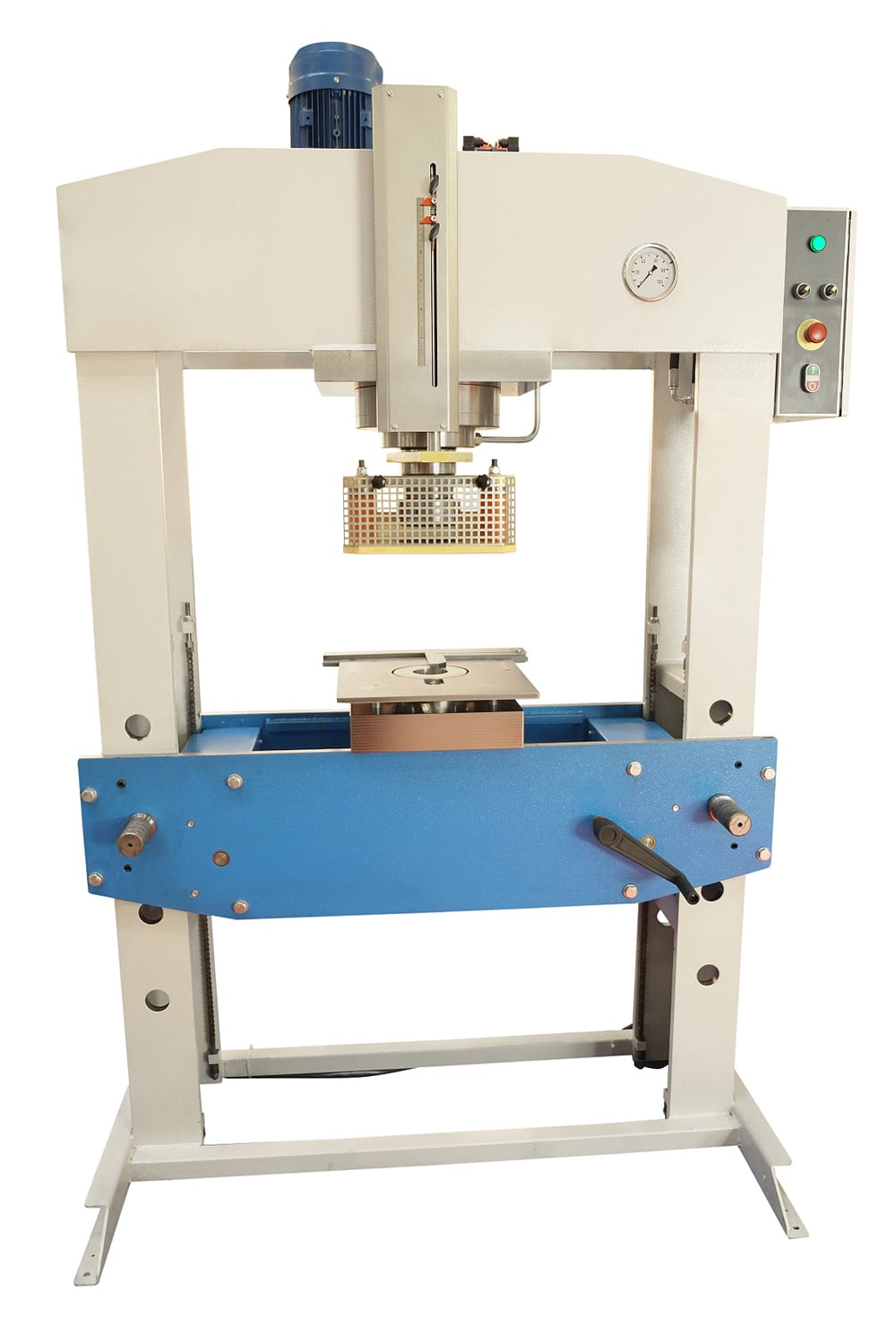
For heavy-duty scrap metal compaction, an H-frame (Four-Column) or a Heavy-Duty Welded Box Frame is recommended. These structures provide the necessary rigidity to handle off-center loading, which is common when compressing irregular scrap pieces. For smaller-scale baling, a Vertical C-frame may suffice, offering easier access for manual loading.
2. Hydraulic System and Cooling
Recycling operations often run 24/7. This requires a hydraulic system with high-efficiency pumps (such as variable displacement piston pumps) and robust oil cooling systems. Overheated oil can lead to seal failure and reduced pressure, halting production. HARSLE integrates advanced cooling manifolds to maintain optimal oil temperature even in high-ambient-temperature environments.
3. PLC and Automation
Modern material recovery facilities (MRFs) require integration with conveyor belts and sorting sensors. A PLC (Programmable Logic Controller) with a touch-screen HMI (Human Machine Interface) allows operators to select pre-set programs for different materials (e.g., “Aluminum Mode” vs. “Steel Mode”). This ensures the correct pressure and cycle time are applied automatically.
4. Safety Features
Safety is paramount in waste compaction. Recommended configurations include light curtains to prevent operation if a human enters the loading zone, emergency stop buttons at multiple stations, and pressure relief valves to prevent structural failure in the event of an uncrushable object (like a solid steel shaft) entering the press.
Workflow of Hydraulic Compaction in Material Recovery
The workflow of a hydraulic press in a recycling environment is a streamlined process designed for maximum throughput. While it varies by material, the general steps are as follows:
- Material Collection and Sorting: Waste is collected and sorted to remove contaminants. For example, in metal recycling, non-metallic items are removed to ensure the purity of the resulting briquette.
- Feeding: The material is fed into the press hopper or chamber. This can be done manually, via a conveyor belt, or using a grapple crane for large scrap.
- Pre-Compression: In many balers, a secondary ram or a ‘lid’ first compresses the material into a smaller area before the main hydraulic ram applies the final force.
- Main Compaction: The main hydraulic cylinder extends, applying the rated tonnage to the material. The air is forced out, and the material is deformed into a dense shape.
- Baling/Binding: For materials like paper or plastic, the press holds the material under pressure while wire or plastic strapping is applied to maintain the shape.
- Ejection: The finished bale or briquette is pushed out of the chamber by an ejection ram or a tilting floor, ready for transport.
Productivity and Environmental Benefits
The implementation of hydraulic press technology in waste management offers a dual advantage: economic profitability and environmental stewardship.
Logistics and Storage Efficiency
The primary benefit is the reduction in volume. Compacting waste allows companies to store more material in the same footprint, reducing the need for expensive warehouse expansion. Furthermore, transporting dense bales is significantly cheaper than transporting loose waste. A single truck carrying compacted metal briquettes can carry the equivalent of ten trucks carrying loose scrap, leading to massive savings in fuel and labor.
Revenue Generation
Recycling is a commodity business. High-density bales and briquettes fetch a higher price on the market because they are easier for smelters and mills to process. By investing in a HARSLE hydraulic press, waste management companies can turn a disposal cost into a revenue stream.
Environmental Compliance
Many jurisdictions now mandate the compaction of certain waste types to reduce landfill usage. Using a hydraulic press helps companies stay compliant with local and international environmental regulations, avoiding fines and enhancing their corporate social responsibility (CSR) profile.
Case Example: Aluminum Scrap Recovery
A mid-sized manufacturing plant producing aluminum window frames was struggling with the volume of aluminum offcuts and shavings. The loose scrap was filling three large industrial bins daily, requiring daily pickups from a scrap dealer. The dealer paid a lower rate due to the “fluff” factor of the loose material.
The company installed a HARSLE 200-ton horizontal hydraulic briquetting press. The workflow was integrated so that shavings from the CNC machines were vacuum-fed directly into the press hopper. The press produced 10kg aluminum briquettes with a density nearly 80% that of solid aluminum.
Results:
- Transport: Pickup frequency was reduced from once a day to once every two weeks.
- Value: The scrap dealer increased the payout per ton by 25% because the briquettes could be fed directly into the melting furnace with minimal melt loss.
- ROI: The machine paid for itself within 14 months through transport savings and increased scrap value.
Frequently Asked Questions (FAQ)
1. What tonnage do I need for a recycling hydraulic press?
Tonnage depends entirely on the material. For cardboard and plastic, 30 to 100 tons is usually sufficient. For scrap metal briquetting, you typically need 150 to 500 tons. For heavy vehicle crushing, 1000 tons or more may be required. HARSLE can help calculate the specific force needed based on your material samples.
2. How often does a recycling press require maintenance?
Due to the dirty environment, daily inspections of hydraulic seals and oil levels are recommended. A full service, including oil filtration and bolt tightening, should be performed every 1,000 operating hours. Using high-quality hydraulic oil is essential for longevity.
3. Can one press handle different types of materials?
Yes, but with caveats. While a press can physically crush different items, the settings (pressure, dwell time) must be adjusted. Furthermore, cross-contamination can be an issue; for example, you wouldn’t want to bale cardboard in a press that just processed oily metal shavings without a thorough cleaning.
4. Are vertical or horizontal presses better for recycling?
Vertical presses are generally more affordable and have a smaller footprint, making them ideal for retail stores and small warehouses. Horizontal presses are better for high-volume, automated industrial operations as they can be easily integrated with conveyor systems.
5. What is the lifespan of a HARSLE hydraulic press in a waste environment?
With proper maintenance, a HARSLE hydraulic press is designed to last 15-20 years. The key to longevity in recycling is protecting the hydraulic cylinders from abrasive dust and ensuring the frame is not subjected to loads beyond its rated capacity.
Conclusion: Investing in the Future of Material Recovery
The role of the hydraulic press in recycling, waste compaction, and material recovery cannot be overstated. As global resources become scarcer and environmental regulations tighten, the ability to efficiently process and reuse materials becomes a competitive necessity. HARSLE provides the robust, high-performance machinery required to meet these challenges head-on.
By choosing the right hydraulic press configuration, businesses can optimize their waste streams, reduce operational costs, and contribute to a more sustainable industrial future. Whether you are a small recycling center or a large-scale industrial plant, HARSLE’s range of hydraulic solutions offers the reliability and power needed to transform waste into wealth.
Ready to optimize your recycling workflow? Contact HARSLE today for a consultation on the best hydraulic press for your specific material recovery needs. Our engineers are ready to help you select a machine that maximizes your ROI and operational efficiency.