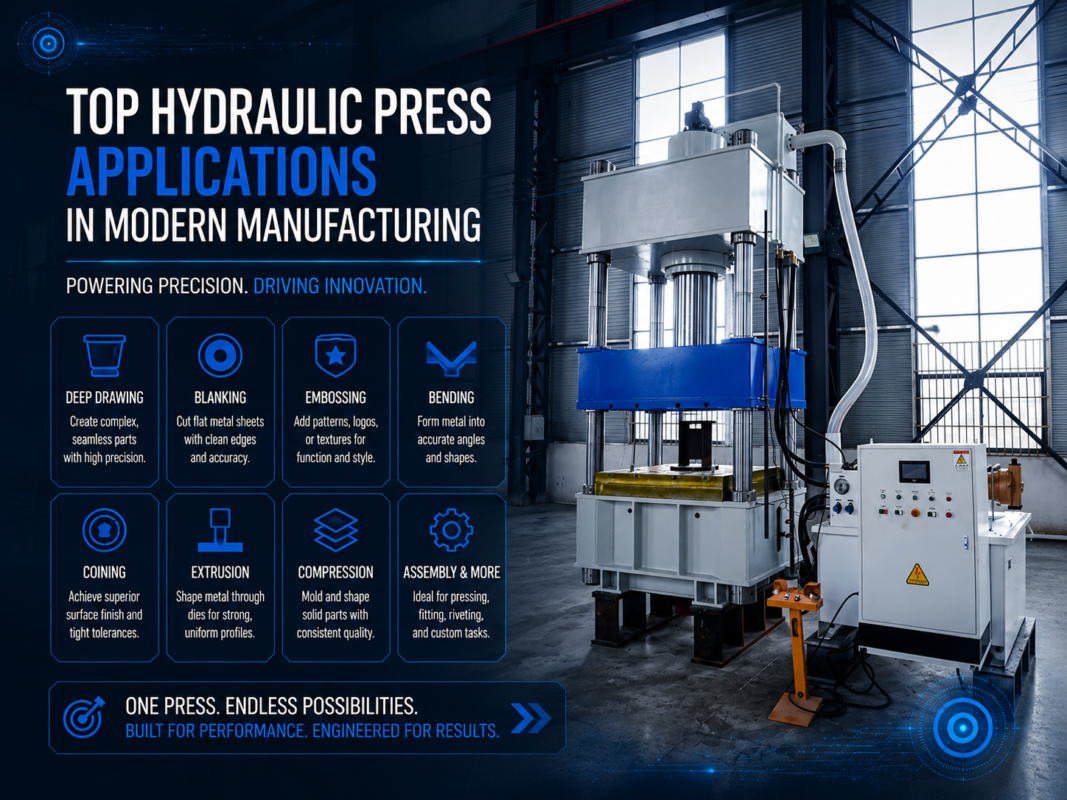
Comprehensive Guide to Hydraulic Press Machine Applications for Composite and Material Testing

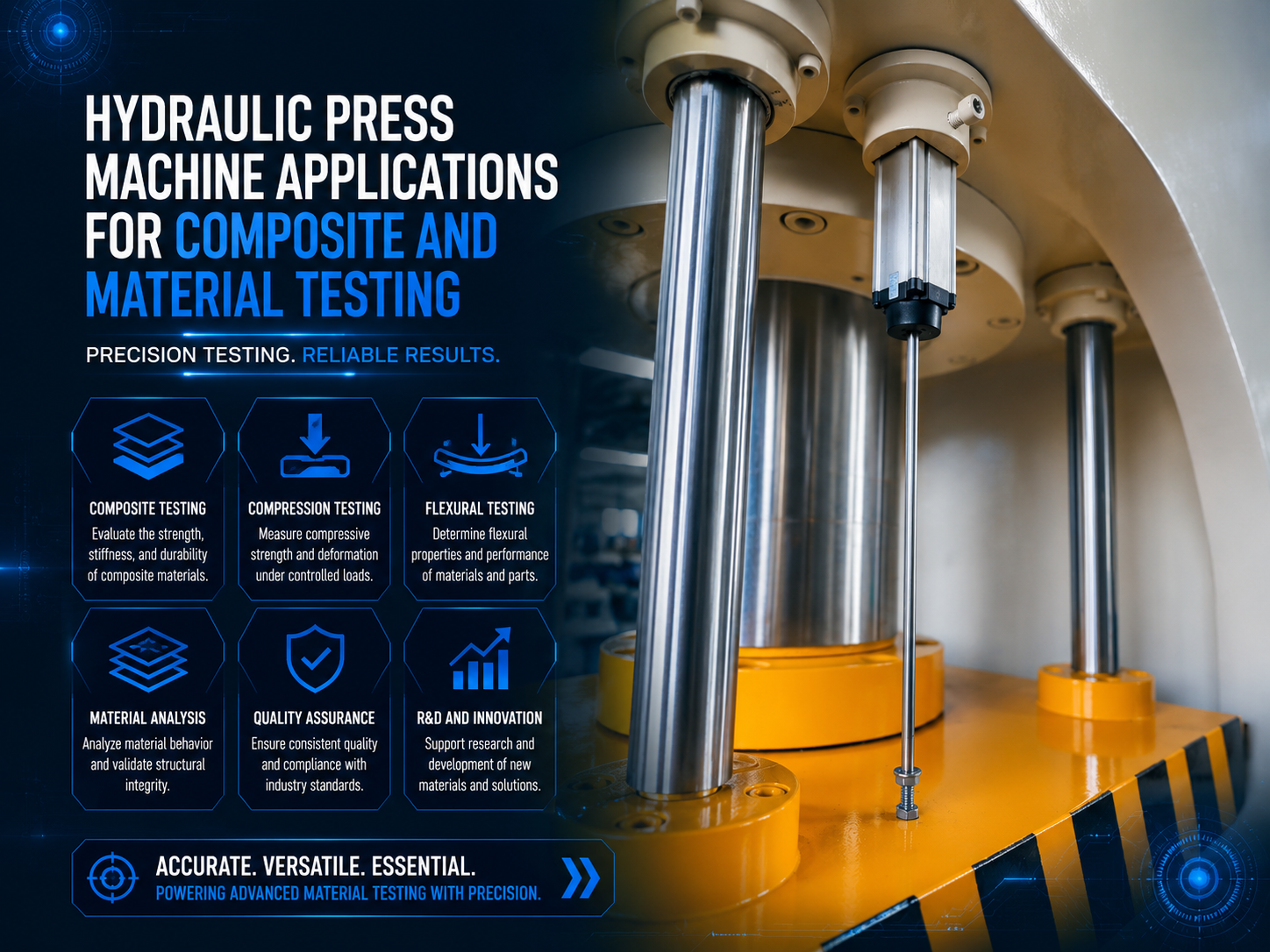
Introduction to Hydraulic Press Machine Applications for Composite and Material Testing
In the modern industrial landscape, the demand for lightweight, high-strength materials has led to a revolution in manufacturing. Hydraulic press machines have emerged as the backbone of this transformation, particularly in the realms of composite manufacturing and rigorous material testing. As industries like aerospace, automotive, and renewable energy pivot toward carbon fiber, fiberglass, and advanced polymers, the precision and power of a HARSLE hydraulic press become indispensable. This guide explores the intricate applications of these machines, detailing how they facilitate the creation and validation of the materials that define our future.
Hydraulic press machine applications for composite and material testing are not merely about applying force; they are about the controlled delivery of pressure and temperature over specific durations. Whether it is the consolidation of thermoplastic layers or the destructive testing of a new alloy, the hydraulic press provides the stability and repeatability required for scientific accuracy and industrial efficiency. By understanding the nuances of these applications, manufacturers can optimize their production lines and ensure that every component meets the highest safety and performance standards.
Application Scenarios: Where Precision Meets Power
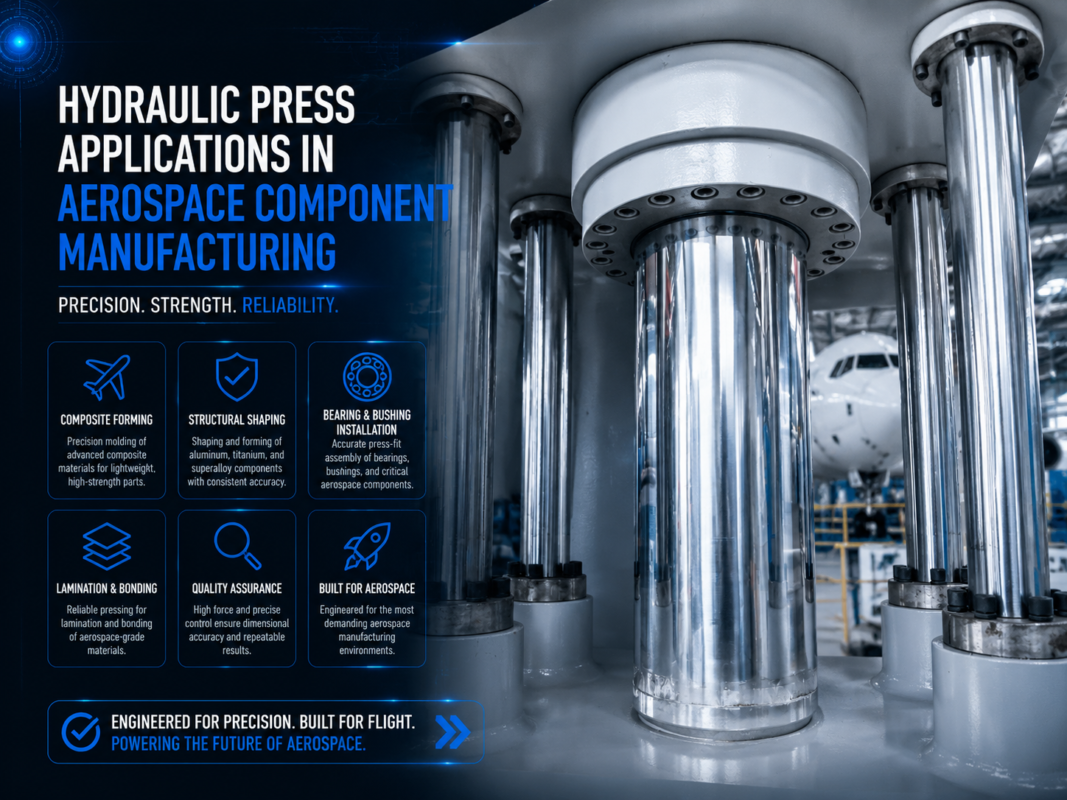
The versatility of hydraulic presses allows them to serve a wide array of sectors. In the aerospace industry, the production of structural components such as wing ribs and fuselage panels requires the molding of composite materials under extreme pressure to eliminate voids and ensure structural integrity. A hydraulic press equipped with heated platens is the primary tool for this task, allowing for the precise curing of thermoset resins. The ability to maintain constant pressure during the resin flow phase is critical to preventing defects that could lead to catastrophic failure in flight.
In the automotive sector, the push for electric vehicles (EVs) has intensified the need for lightweighting. Hydraulic presses are used to manufacture battery enclosures, leaf springs, and body panels from Sheet Molding Compound (SMC) and Bulk Molding Compound (BMC). These materials offer a high strength-to-weight ratio but require sophisticated pressing cycles to achieve the desired finish and mechanical properties. Furthermore, material testing labs use these machines to perform compression tests on crash-buffer components, ensuring they can absorb the necessary energy during an impact.
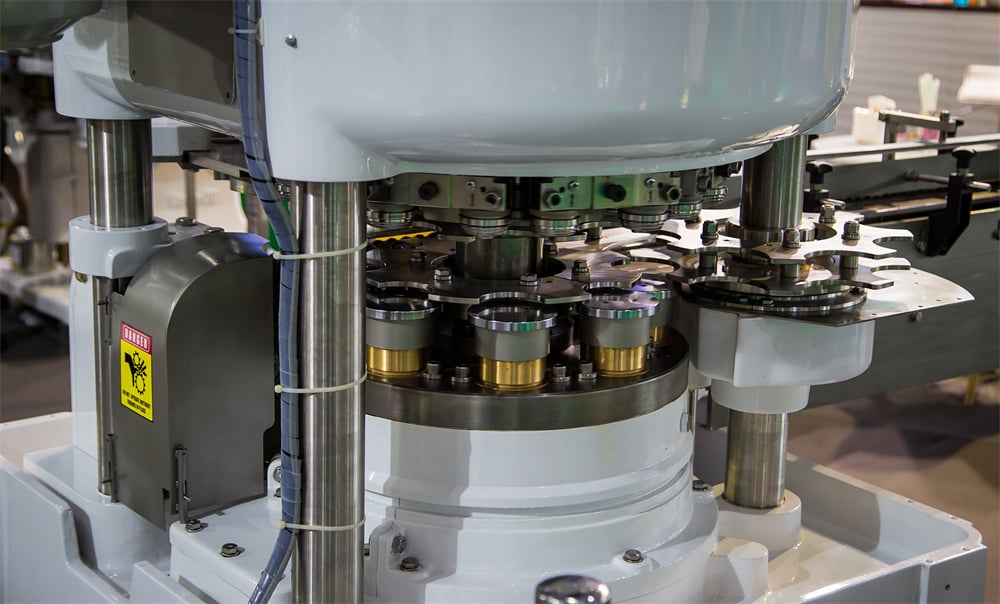
Beyond heavy industry, hydraulic presses play a vital role in research and development. Universities and private labs utilize smaller, high-precision presses to develop new biomaterials for medical implants or to test the durability of recycled plastics. The ability to simulate real-world stress conditions in a controlled environment makes the hydraulic press an essential instrument for material science. From testing the tensile strength of a new ceramic to the lamination of high-tech circuit boards, the application scenarios are virtually limitless.
Material and Process Requirements
Working with composites and conducting material tests imposes strict requirements on the machinery used. Unlike traditional metal forming, composite molding often involves chemical reactions (curing) that are sensitive to both heat and pressure. The material must be heated to a specific temperature to allow the resin to flow and saturate the fibers, then held at that temperature while the chemical bonds form. Any fluctuation in pressure during this ‘dwell’ time can result in uneven thickness or internal delamination.
Material testing, on the other hand, requires extreme accuracy in data acquisition. When a hydraulic press is used for material testing, it must be capable of ‘load control’ or ‘displacement control.’ This means the machine can either apply a specific amount of force regardless of how much the material deforms, or move the ram at a specific speed regardless of the resistance encountered. High-resolution sensors and fast-acting valves are necessary to capture the exact moment a material yields or fractures, providing the data needed for engineering certifications.
- Pressure Uniformity: The platens must remain perfectly parallel, even under maximum load, to ensure the material is compressed evenly across its entire surface area.
- Thermal Management: Integrated heating and cooling systems must provide rapid ramp-up times and stable soak temperatures, often reaching up to 400°C for high-performance thermoplastics.
- Vacuum Integration: Many composite processes require a vacuum environment to remove air bubbles and volatiles, necessitating a press design that can accommodate vacuum chambers or bags.
- Data Logging: For material testing, the system must record pressure, position, and temperature at high frequencies (e.g., 100Hz) to create accurate stress-strain curves.
Recommended Machine Configuration for Composites and Testing
For successful hydraulic press machine applications for composite and material testing, the machine configuration must be tailored to the specific process. HARSLE recommends a four-column or frame-style hydraulic press for these applications due to their superior rigidity and accessibility. A four-column design allows for easy installation of molds and auxiliary equipment like vacuum pumps or heating controllers. The frame-style (H-frame) offers maximum resistance to deflection, which is critical for high-precision material testing.
The heart of a modern composite press is the servo-hydraulic system. Unlike traditional fixed-displacement pumps, servo-driven pumps can vary their speed and torque in real-time. This allows for incredibly precise control over the ram’s movement, enabling ‘micro-inching’ during mold closure to prevent damage to delicate fiber preforms. Additionally, servo systems are significantly more energy-efficient, as they only consume power when the machine is actively moving or maintaining pressure, reducing operational costs in long-cycle curing processes.
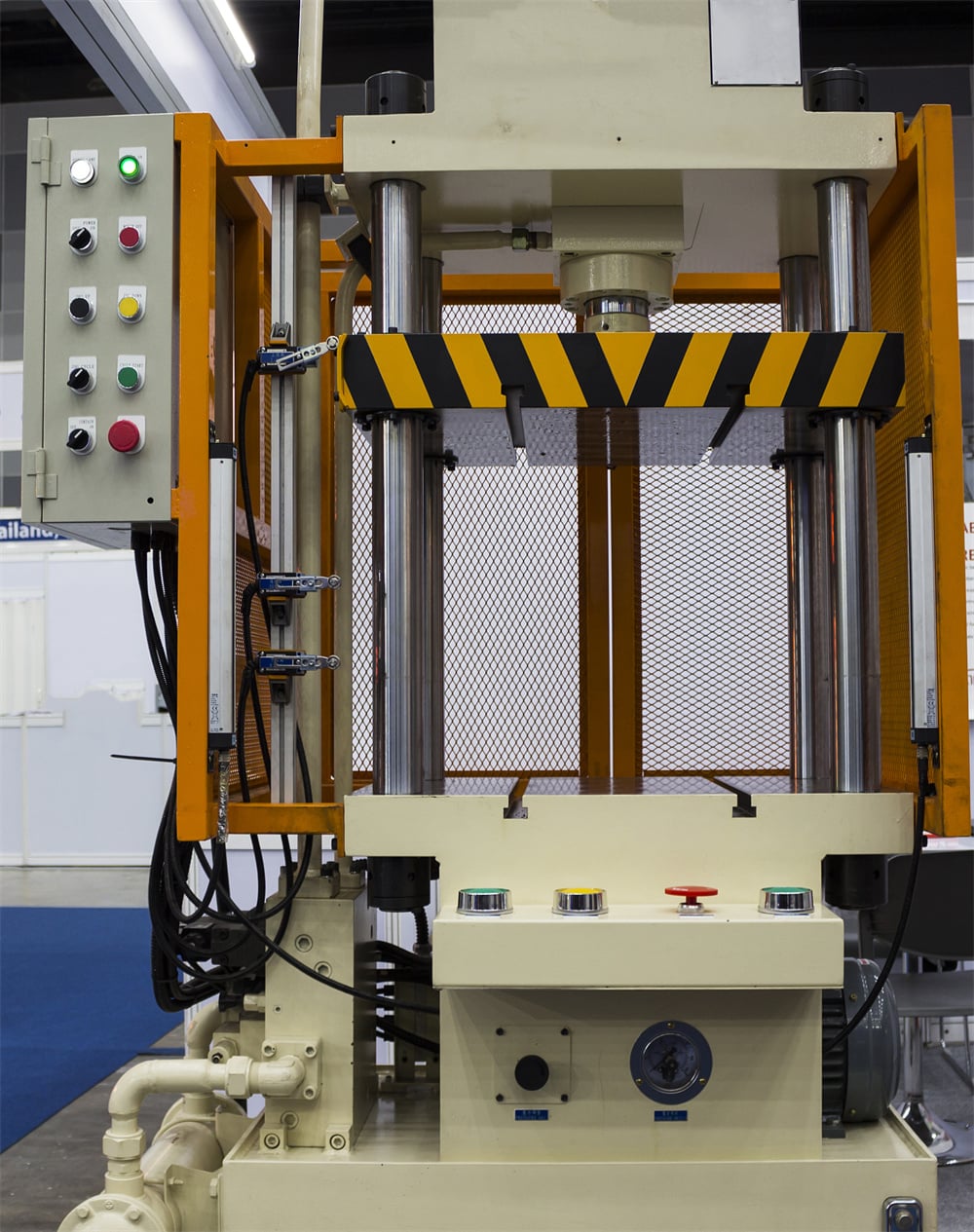
Platen configuration is another critical factor. For composite work, HARSLE offers electrically heated platens with multiple heating zones to ensure thermal uniformity. For material testing, the press should be equipped with high-precision load cells and linear transducers. These components bypass the hydraulic system’s internal friction to measure the actual force applied to the specimen, ensuring that the data collected is accurate to within 0.5% of the full scale. Safety features, such as light curtains and dual-hand start buttons, are standard to protect operators during high-pressure cycles.
The Workflow: From Raw Material to Validated Component
The workflow for composite manufacturing using a hydraulic press is a multi-stage process that begins with mold preparation. The mold surfaces are cleaned and treated with a release agent to ensure the finished part can be removed without damage. The composite material—whether it be pre-impregnated (prepreg) carbon fiber, SMC, or a dry fiber mat with resin—is then carefully laid into the mold. This ‘layup’ phase is critical, as the orientation of the fibers determines the final strength of the part.
Once the material is loaded, the press cycle begins. The ram descends at a high ‘approach speed’ to save time, then slows down to a ‘pressing speed’ just before contacting the material. As the mold closes, the heating system activates. The press maintains a specific pressure profile, often increasing the force as the resin thins and then holding it steady during the cure. After the curing time has elapsed, the cooling system (often water-cooled channels within the platens) reduces the temperature so the part can be safely ejected. The final step involves trimming the edges and performing a quality inspection, which may include ultrasonic testing or further compression testing on a sample coupon.
- Preparation: Cleaning the mold and applying release agents.
- Loading: Placing the composite charge or test specimen into the work area.
- Closure: Rapid approach followed by controlled contact.
- Processing: Simultaneous application of heat and pressure according to a programmed recipe.
- Curing/Testing: Maintaining dwell time or reaching the fracture point.
- De-molding/Analysis: Removing the part and reviewing the data logs.
Productivity Benefits of Advanced Hydraulic Presses
Investing in a high-quality hydraulic press for composite and material testing yields significant productivity benefits. First and foremost is the reduction in scrap rates. Precision control over temperature and pressure ensures that every part is cured under identical conditions, eliminating the variability that leads to rejected components. In the world of high-cost materials like carbon fiber, reducing waste by even a few percentage points can result in thousands of dollars in savings annually.
Furthermore, the integration of PLC (Programmable Logic Controller) systems allows for the storage of hundreds of different ‘recipes.’ This means an operator can switch from producing a small fiberglass bracket to testing a large carbon fiber panel with the touch of a button. The machine automatically adjusts its pressure limits, heating profiles, and safety parameters, drastically reducing setup times. The energy efficiency of servo-hydraulic systems also contributes to a lower total cost of ownership, making the facility more competitive in a global market.
| Feature | Traditional Hydraulic Press | HARSLE Servo-Hydraulic Press |
|---|---|---|
| Pressure Control | Manual/Analog (Low Precision) | Digital Closed-Loop (High Precision) |
| Energy Consumption | High (Constant Pump Operation) | Low (Power on Demand) |
| Data Integration | Limited/None | Full Data Logging & Export |
| Maintenance | Frequent (Heat/Wear) | Reduced (Less Heat Generation) |
| Cycle Repeatability | Variable | Highly Consistent |
Case Example: Automotive Lightweighting with CFRP
A leading automotive Tier-1 supplier recently partnered with HARSLE to upgrade their production line for Carbon Fiber Reinforced Polymer (CFRP) roof panels. The goal was to reduce the cycle time from 15 minutes to under 5 minutes while maintaining a Class-A surface finish. HARSLE provided a 1000-ton hydraulic press equipped with high-speed servo-hydraulics and an advanced thermal control system. By utilizing a ‘fast-cure’ resin system and the precise pressure ramping capabilities of the HARSLE press, the client was able to achieve the target cycle time.
In addition to production, the client used the same press platform to perform ‘coupon testing’ on every batch of raw material. By pressing small samples to failure and analyzing the load-displacement data, they could ensure that the incoming carbon fiber met the required specifications before committing it to the full-scale production of roof panels. This dual-use capability—production and testing—maximized the ROI of the equipment and ensured that every vehicle leaving the assembly line met the highest safety standards.
Frequently Asked Questions (FAQ)
What is the difference between a composite press and a standard metal forming press?
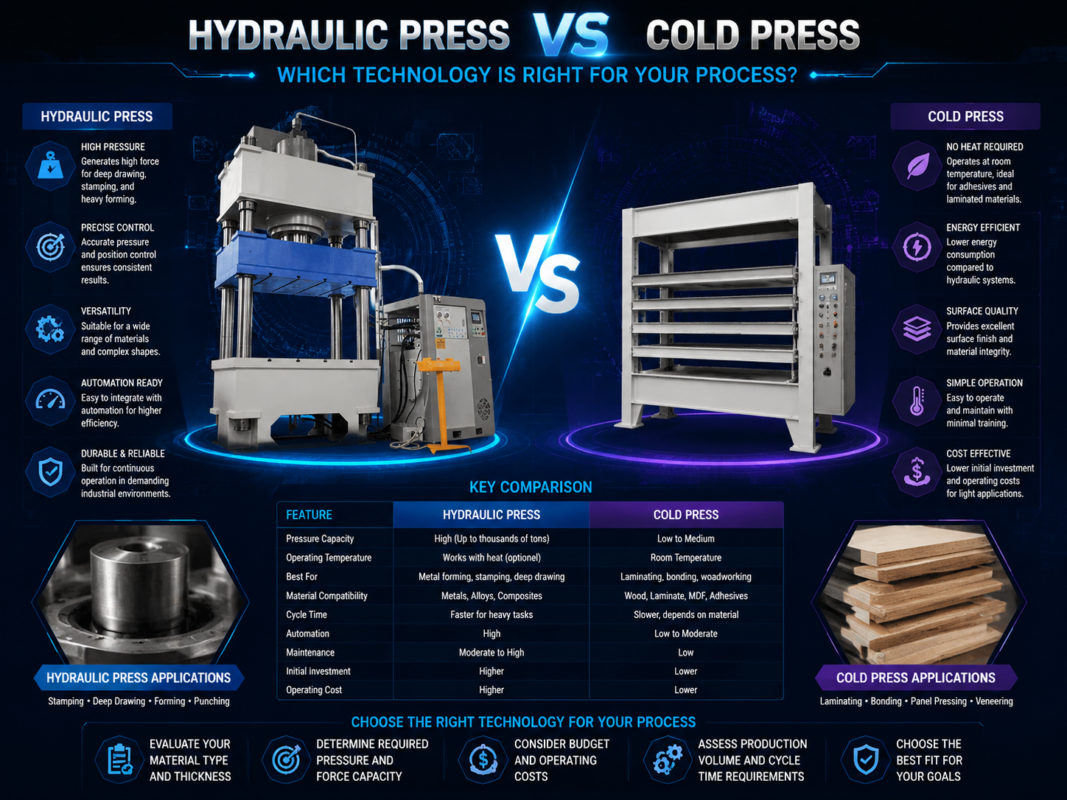
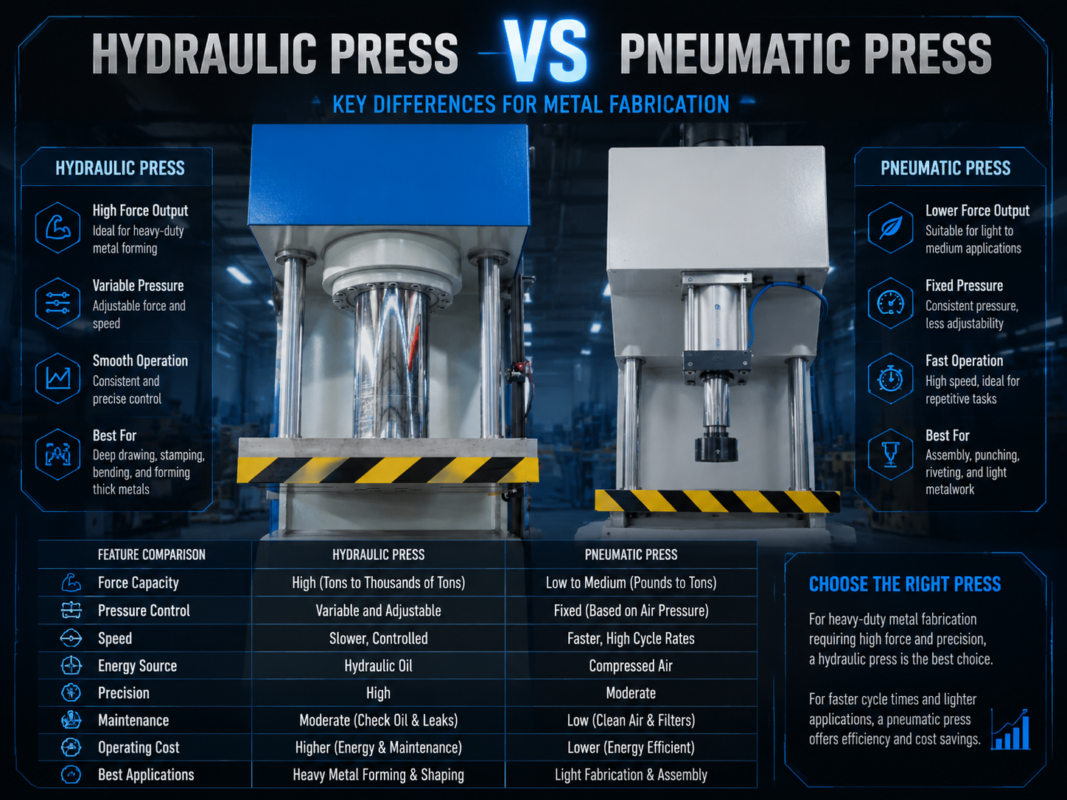
While both use hydraulic force, a composite press requires much more sophisticated control over temperature and dwell time. Metal forming is usually a quick ‘hit,’ whereas composite molding involves holding pressure for minutes or even hours while the material cures. Composite presses also require higher precision in platen parallelism to ensure uniform thickness.
Can a hydraulic press be used for both production and material testing?
Yes, provided the press is equipped with the necessary sensors and data acquisition software. A production press can be used for material testing by installing specialized fixtures (like tensile grips or compression blocks) and using a testing-specific software module to record the results. However, dedicated testing presses are often smaller and more focused on high-speed data capture.
How does heating affect the hydraulic system?
In a heated platen press, it is vital to have thermal insulation between the platens and the machine frame. This prevents heat from transferring to the hydraulic cylinders and oil, which could damage seals and degrade the hydraulic fluid. HARSLE machines use high-grade insulation boards and, in some cases, active cooling for the ram to ensure long-term reliability.
What maintenance is required for a composite testing press?
Regular maintenance includes checking the hydraulic oil for contaminants, inspecting the heating elements for continuity, and calibrating the pressure sensors and linear transducers. For material testing, annual calibration by a certified body is often required to maintain the validity of the test results. Keeping the platens clean and free of resin buildup is also essential for part quality.
Conclusion: Elevating Your Material Capabilities with HARSLE
The role of hydraulic press machine applications for composite and material testing will only grow as we move toward a more sustainable and technologically advanced future. Whether you are a researcher pushing the boundaries of material science or a manufacturer scaling up production of advanced composites, the right hydraulic press is the foundation of your success. HARSLE is committed to providing the precision, reliability, and innovation needed to meet these challenges head-on.
Ready to enhance your manufacturing or testing capabilities? Contact HARSLE today to discuss your specific requirements. Our team of experts will help you configure a hydraulic press solution that delivers the power you need and the precision you demand. Visit our website or reach out to our sales department to start your journey toward industrial excellence.