Hydraulic Press Applications in Metal Forming: A Complete Industry Guide


Introduction to Hydraulic Press Applications In Metal Forming: A Complete Industry Overview
In the realm of modern manufacturing, the hydraulic press stands as a cornerstone of industrial capability. From the massive machines used to forge aircraft components to the high-speed units producing household appliances, the versatility of these machines is unmatched. This guide explores Hydraulic Press Applications In Metal Forming: A Complete Industry perspective, detailing how these powerful tools transform raw metal into the products that define our modern world. At HARSLE, we understand that selecting the right hydraulic press is not just about tonnage; it is about understanding the synergy between material science, mechanical engineering, and production efficiency.
Hydraulic presses operate on Pascal’s Principle, which states that pressure applied to a confined fluid is transmitted undiminished in every direction. This allows for the generation of immense force with precise control, a requirement that mechanical presses often struggle to meet in complex forming operations. As industries move toward lighter, stronger materials and more intricate designs, the role of the hydraulic press has evolved from a simple brute-force tool to a sophisticated, CNC-controlled system capable of micron-level accuracy. Whether you are involved in automotive stamping, aerospace forging, or general metal fabrication, understanding the breadth of applications is essential for staying competitive in today’s market.
Diverse Application Scenarios in Modern Industry
The scope of Hydraulic Press Applications In Metal Forming: A Complete Industry spans across multiple sectors, each with unique demands. In the automotive industry, hydraulic presses are the workhorses of the production line. They are used to create everything from structural chassis components to aesthetic body panels. The ability of a hydraulic press to maintain constant pressure throughout the entire stroke makes it ideal for deep drawing car doors, hoods, and fenders, where material thickness must remain uniform to ensure structural integrity and paint quality.
In the aerospace sector, the requirements are even more stringent. Here, hydraulic presses are used to form high-strength alloys like titanium and Inconel. These materials require high temperatures and precise pressure cycles to prevent cracking or internal stresses. Hydraulic presses equipped with heated platens and vacuum chambers allow for isothermal forging, a process critical for turbine blades and structural airframe parts. The precision of modern hydraulic systems ensures that these critical components meet the rigorous safety standards of the aviation industry.
Beyond heavy industry, hydraulic presses are vital in the production of consumer goods. The appliance industry relies on them for manufacturing stainless steel sinks, washing machine drums, and refrigerator panels. These applications often require high-speed cycles and multi-stage dies to maintain high throughput. Similarly, in the electronics industry, small-tonnage hydraulic presses are used for precision stamping of battery casings and heat sinks, where the delicate nature of the components requires a soft touch combined with high repeatability.
Material and Process Requirements
Understanding the material behavior is crucial when discussing Hydraulic Press Applications In Metal Forming: A Complete Industry. Different metals react uniquely under pressure. For instance, carbon steel is widely used due to its balance of strength and ductility, making it perfect for general stamping and bending. However, when working with stainless steel, the press must account for the material’s tendency to work-harden. This requires higher tonnage and slower pressing speeds to ensure the metal flows correctly into the die without tearing.
Aluminum has become increasingly popular in the automotive and electronics sectors due to its lightweight properties. However, aluminum has a lower formability limit compared to steel, often requiring specialized lubrication and specific pressure curves to prevent wrinkling. Hydraulic presses offer the advantage of adjustable stroke speeds and dwell times, which are essential for managing the flow of aluminum in complex deep-drawing operations. Furthermore, exotic alloys used in medical implants or high-end electronics require the press to have extremely clean hydraulic systems and precise control over the ram’s descent to avoid contamination and ensure dimensional accuracy.
The Deep Drawing Process
Deep drawing is perhaps the most common process associated with hydraulic presses. It involves pulling a metal sheet blank into a forming die by the mechanical action of a punch. A hydraulic press is uniquely suited for this because it can provide a constant blank holder force. This force prevents the metal from wrinkling as it is drawn into the cavity. Without the precise control offered by hydraulic systems, achieving the depth-to-diameter ratios required for products like fire extinguishers or kitchenware would be nearly impossible.
Recommended Machine Configuration
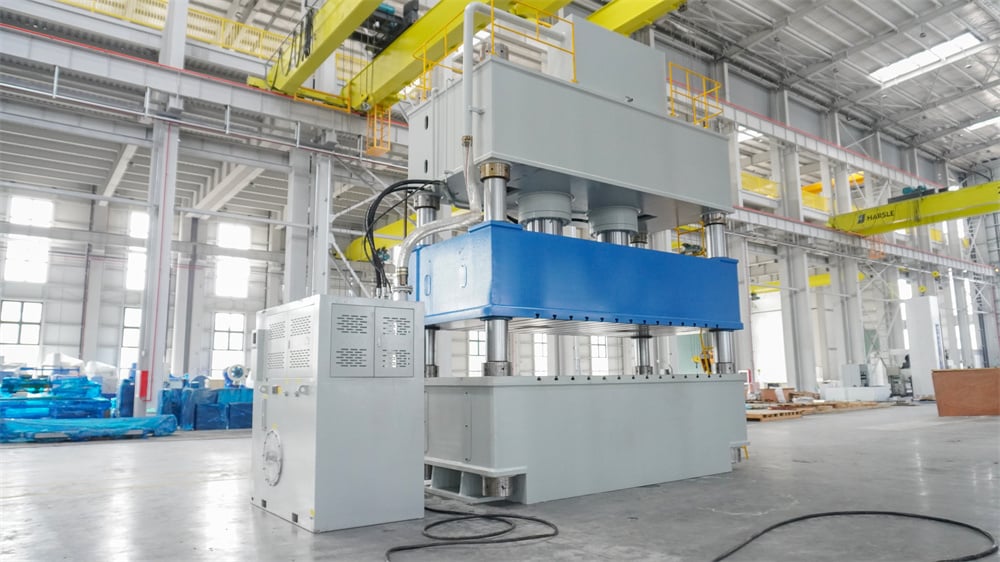
Choosing the right configuration is the most critical step in implementing Hydraulic Press Applications In Metal Forming: A Complete Industry. The three primary frame types are C-frame, H-frame (or 4-column), and side-frame presses. C-frame presses offer excellent accessibility from three sides, making them ideal for smaller parts and manual loading. However, for high-tonnage applications requiring maximum rigidity and minimal deflection, the 4-column or H-frame design is preferred. These designs distribute the load evenly across the structure, ensuring that the die remains perfectly aligned even under hundreds of tons of pressure.
The hydraulic system itself is another key consideration. Traditional systems use fixed-displacement pumps, but modern HARSLE machines often feature servo-driven hydraulic systems. These systems only run the pump when pressure is needed, significantly reducing energy consumption and heat generation. Additionally, the integration of PLC (Programmable Logic Controller) and CNC (Computer Numerical Control) systems allows operators to store hundreds of different tool profiles, enabling quick changeovers and consistent part quality. For deep drawing, a hydraulic cushion is often integrated into the bed of the press to provide the necessary resistance for the blank holder.
| Feature | C-Frame Press | 4-Column Press | H-Frame Press |
|---|---|---|---|
| Best For | Small parts, assembly | Deep drawing, precision | Heavy-duty stamping |
| Accessibility | High (3 sides) | Moderate (4 sides) | Limited (Front/Back) |
| Rigidity | Moderate | High | Very High |
| Tonnage Range | 10 – 250 Tons | 50 – 5000+ Tons | 100 – 3000+ Tons |
Standard Workflow in Hydraulic Metal Forming
The workflow for Hydraulic Press Applications In Metal Forming: A Complete Industry follows a structured sequence to ensure safety and quality. It begins with the preparation of the material, which may involve cleaning, lubricating, and cutting the metal blanks to the correct size. Once the material is ready, the operator selects the appropriate program on the CNC interface, which sets the stroke length, pressure, and speed parameters.
- Material Loading: The blank is placed onto the die, either manually or via an automated robotic arm.
- Pre-Pressing Cycle: The ram descends rapidly to a pre-determined point just above the material. This “fast approach” saves cycle time.
- Pressing Phase: The ram slows down as it contacts the metal, applying the programmed force to form the part. If it is a deep drawing operation, the hydraulic cushion engages to control material flow.
- Dwell Time: In some applications, the press holds the pressure for a few seconds to allow the metal to “set” and reduce springback.
- Decompression and Return: The hydraulic system slowly releases pressure to prevent hydraulic shock before the ram returns to its top position.
- Ejection: An ejection system pushes the finished part out of the die for collection.
Productivity Benefits of Hydraulic Presses
The primary benefit of utilizing Hydraulic Press Applications In Metal Forming: A Complete Industry is the sheer versatility of the equipment. Unlike mechanical presses, which have a fixed stroke and force curve, a hydraulic press can deliver full tonnage at any point in the stroke. This allows for much greater flexibility in the types of dies and parts that can be run on a single machine. Furthermore, the ability to control the speed of the ram means that delicate operations can be performed without the risk of damaging the tooling or the workpiece.
Modern hydraulic presses also offer significant cost savings through energy efficiency and reduced maintenance. Servo-hydraulic technology can reduce energy consumption by up to 50% compared to older systems. Additionally, because hydraulic presses have fewer moving parts than mechanical presses, they generally require less frequent maintenance and have a longer operational lifespan. The integration of IoT (Internet of Things) sensors allows for predictive maintenance, where the machine can alert operators to potential issues before they cause downtime, further enhancing productivity.
Case Example: Automotive Structural Component Production
To illustrate the power of Hydraulic Press Applications In Metal Forming: A Complete Industry, let us look at a real-world case involving the production of an automotive B-pillar. This component is critical for side-impact safety and requires high-strength steel. A 1000-ton HARSLE 4-column hydraulic press was selected for this task. The process involved a multi-stage progressive die that performed blanking, drawing, and piercing in a single sequence.
By using a hydraulic press, the manufacturer was able to precisely control the blank holder force, which was essential for managing the high-strength steel’s resistance to forming. The result was a part with zero defects and high dimensional consistency. The use of a servo-hydraulic system reduced the cycle time by 15% and lowered energy costs by 30% compared to the manufacturer’s previous mechanical press setup. This case demonstrates how the right hydraulic press configuration can directly impact a company’s bottom line and product quality.
Maintenance and Safety Checklist
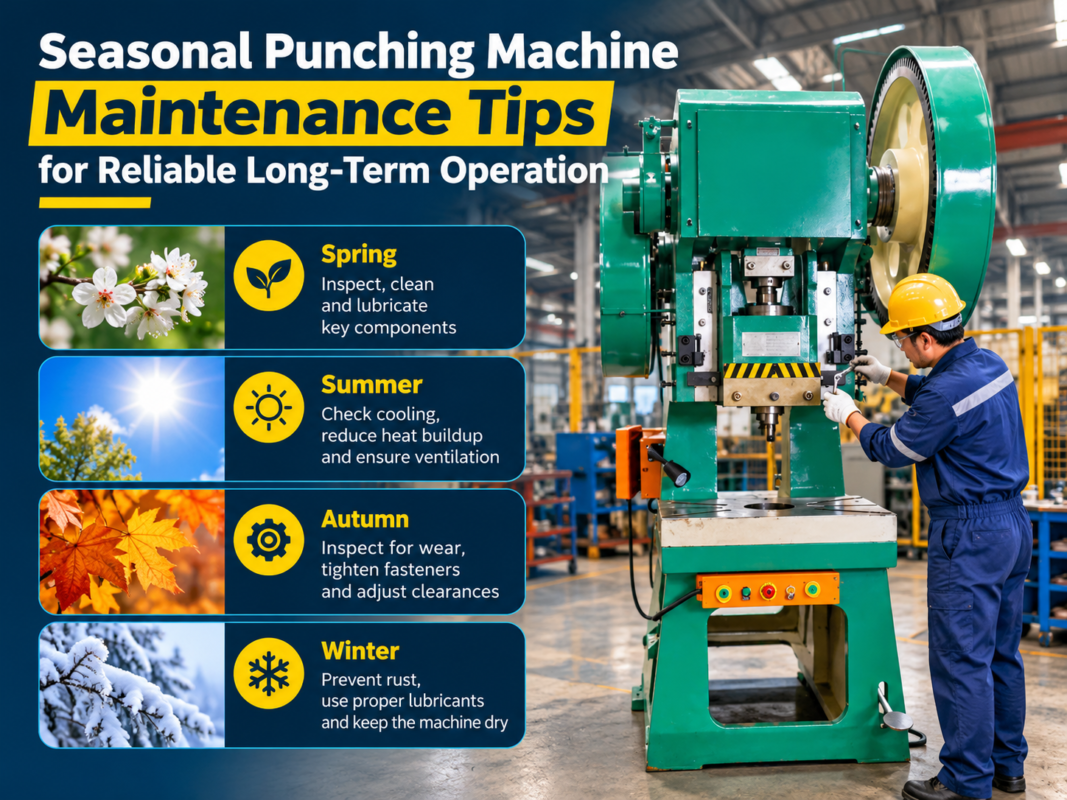
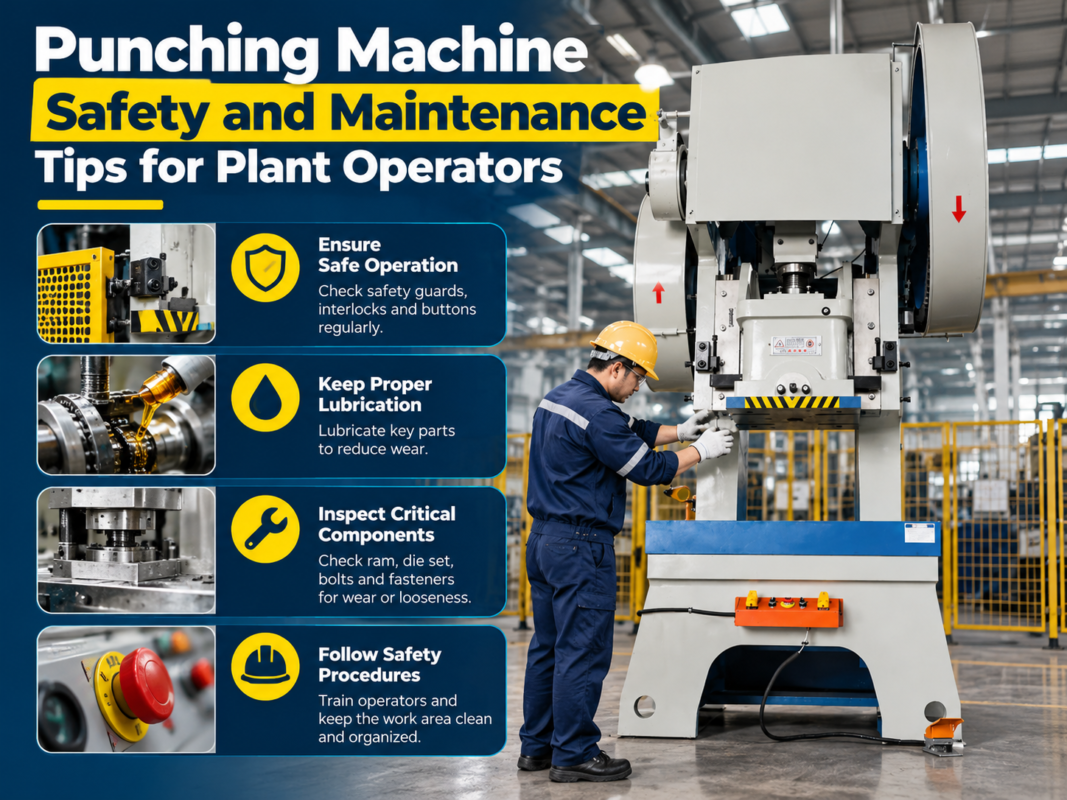
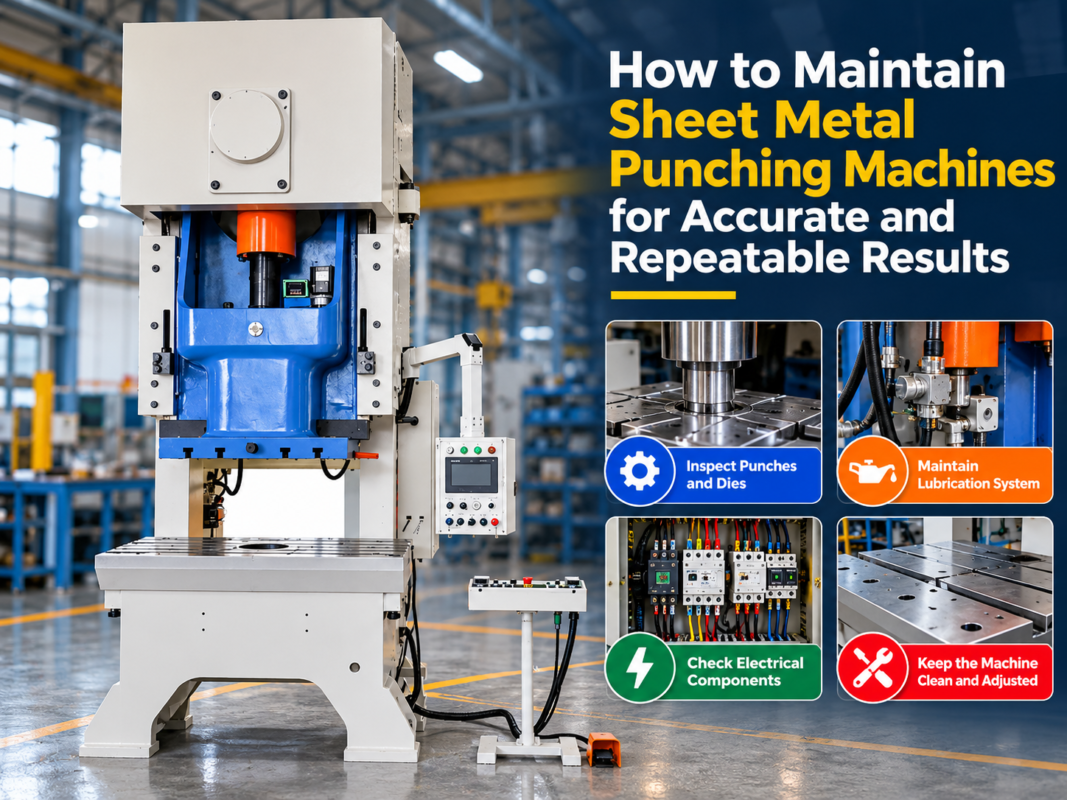
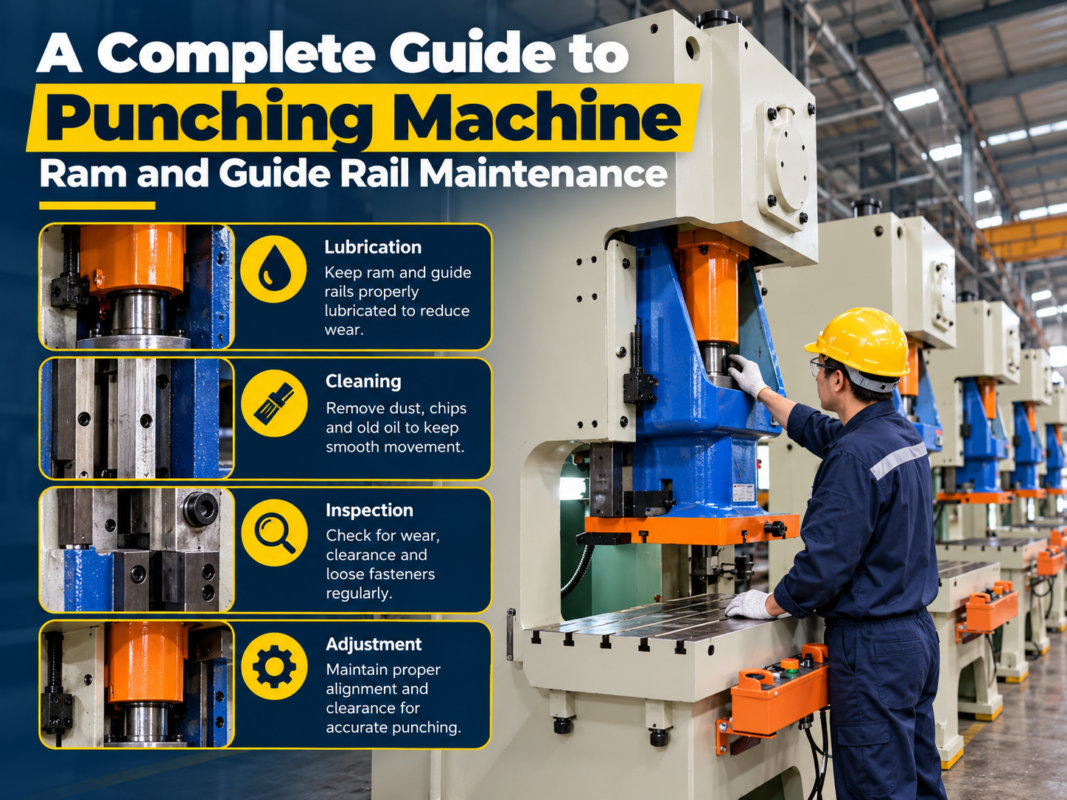
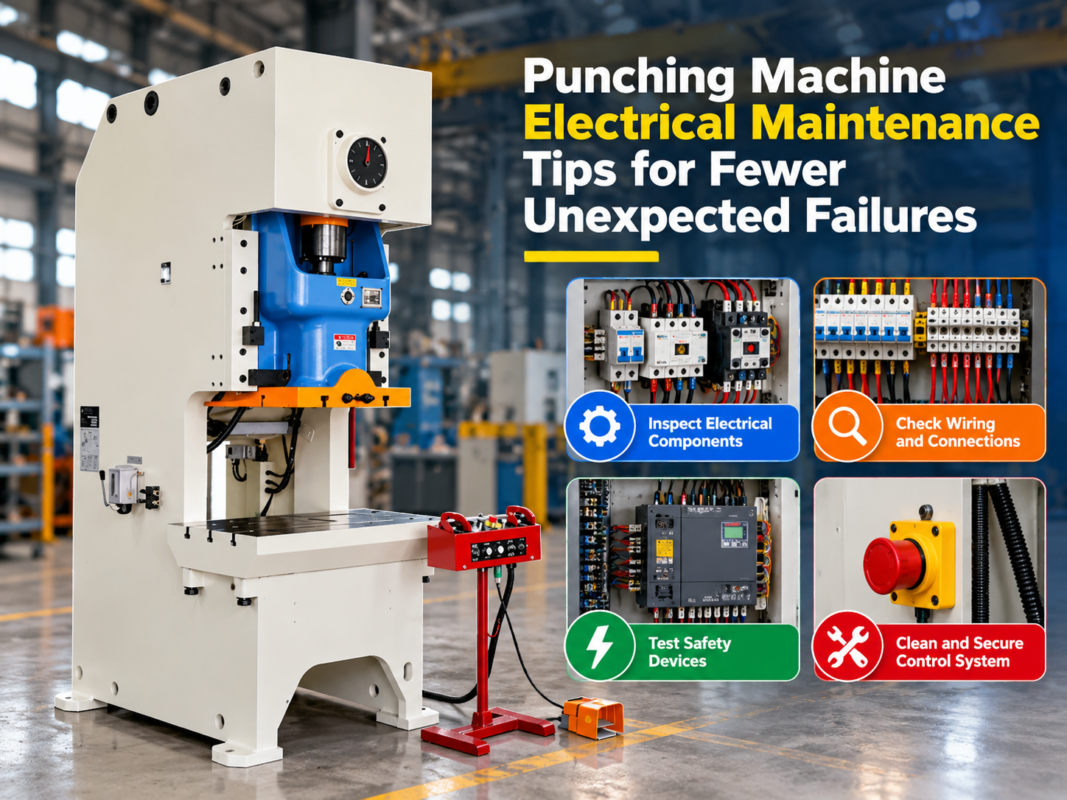
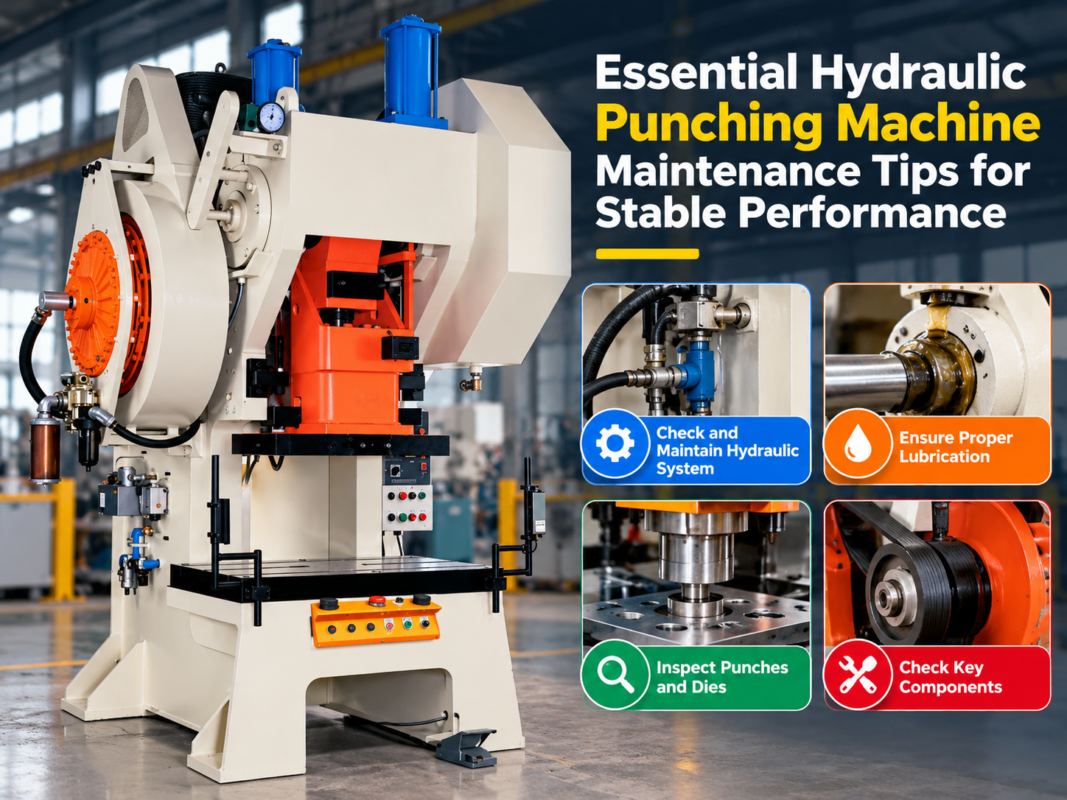
Ensuring the longevity of your equipment is vital for maximizing the ROI of Hydraulic Press Applications In Metal Forming: A Complete Industry. Regular maintenance should include monitoring oil levels and quality, checking for leaks in hydraulic lines, and ensuring that all safety light curtains and emergency stops are functional. Lubrication of the guide rails is also essential to prevent wear and maintain the alignment of the ram.
- Daily: Check for oil leaks and verify safety sensor operation.
- Weekly: Inspect the hydraulic fluid for contamination and check bolt tightness.
- Monthly: Inspect the cooling system and clean the hydraulic filters.
- Annually: Perform a full system calibration and replace hydraulic oil if necessary.
Frequently Asked Questions
What is the main advantage of a hydraulic press over a mechanical press?
The main advantage is flexibility. A hydraulic press provides full tonnage throughout the entire stroke, adjustable stroke lengths, and controllable speeds. This makes it far superior for deep drawing and complex forming where constant pressure is required, whereas mechanical presses are generally better for high-speed, shallow stamping.
How do I determine the tonnage required for my application?
Tonnage is calculated based on the material type, thickness, the perimeter of the cut or form, and the shear strength of the metal. It is always recommended to choose a press with about 20% more capacity than your maximum calculated requirement to ensure machine longevity and safety.
Can hydraulic presses be automated?
Absolutely. Modern hydraulic presses are easily integrated with robotic loaders, conveyors, and automated die-change systems. HARSLE provides fully integrated solutions that allow for lights-out manufacturing in high-volume environments.
What maintenance does a hydraulic press require?
Key maintenance tasks include monitoring hydraulic oil cleanliness, replacing filters, checking for seal wear, and ensuring the cooling system is functioning. Modern presses with PLC controls often have built-in maintenance reminders and diagnostic tools.
Conclusion: Partnering with HARSLE for Your Metal Forming Needs
The world of Hydraulic Press Applications In Metal Forming: A Complete Industry is vast and ever-evolving. As we have explored, the right hydraulic press can transform your production capabilities, offering precision, power, and efficiency. Whether you are looking to upgrade an existing line or establish a new manufacturing facility, HARSLE is committed to providing the highest quality machinery and technical support. Our range of hydraulic presses is designed to meet the most demanding industrial standards, ensuring that your business stays at the forefront of the metal fabrication industry. Contact us today to discuss your specific application and discover how HARSLE can help you achieve your production goals.