Why Is My Hydraulic Press Making Noise? Common Faults Explained

Introduction to Hydraulic Press Noise Diagnostics
In the world of metal fabrication, the hydraulic press is a cornerstone of production. Whether it is used for deep drawing, punching, or assembly, its power and precision are unmatched. However, one of the most common complaints from operators and maintenance managers is unexpected noise. If you find yourself asking, “Is my hydraulic press making noise?” you are not alone. Noise is often the first symptom of an underlying mechanical or hydraulic issue that, if left unaddressed, can lead to catastrophic failure, expensive downtime, and safety hazards.
At HARSLE, we understand that a quiet machine is generally a healthy machine. Modern hydraulic presses are designed to operate within specific decibel ranges. When those levels are exceeded, or when the quality of the sound changes—from a smooth hum to a sharp whine or a heavy bang—it is time to investigate. This guide will delve deep into the common faults associated with hydraulic press noise, providing technical insights and practical solutions to keep your shop floor running efficiently.
Understanding the language of your machinery is vital for any industrial professional. Noise in a hydraulic system is rarely just “noise”; it is energy being dissipated in a way that the designers did not intend. By identifying the specific type of sound and its origin, you can diagnose whether the problem lies in the pump, the fluid, the valves, or the mechanical structure of the press itself. This proactive approach to maintenance is what separates world-class manufacturing facilities from those plagued by constant repairs.
Key Considerations When Troubleshooting Press Noise
Before diving into the technical specifics, it is important to establish a framework for troubleshooting. Not all noises are created equal, and the context in which the noise occurs is just as important as the sound itself. You must consider the timing of the noise: does it happen during the rapid approach, the pressing cycle, or the return stroke? Does it only occur when the machine is cold, or does it worsen as the oil heats up?
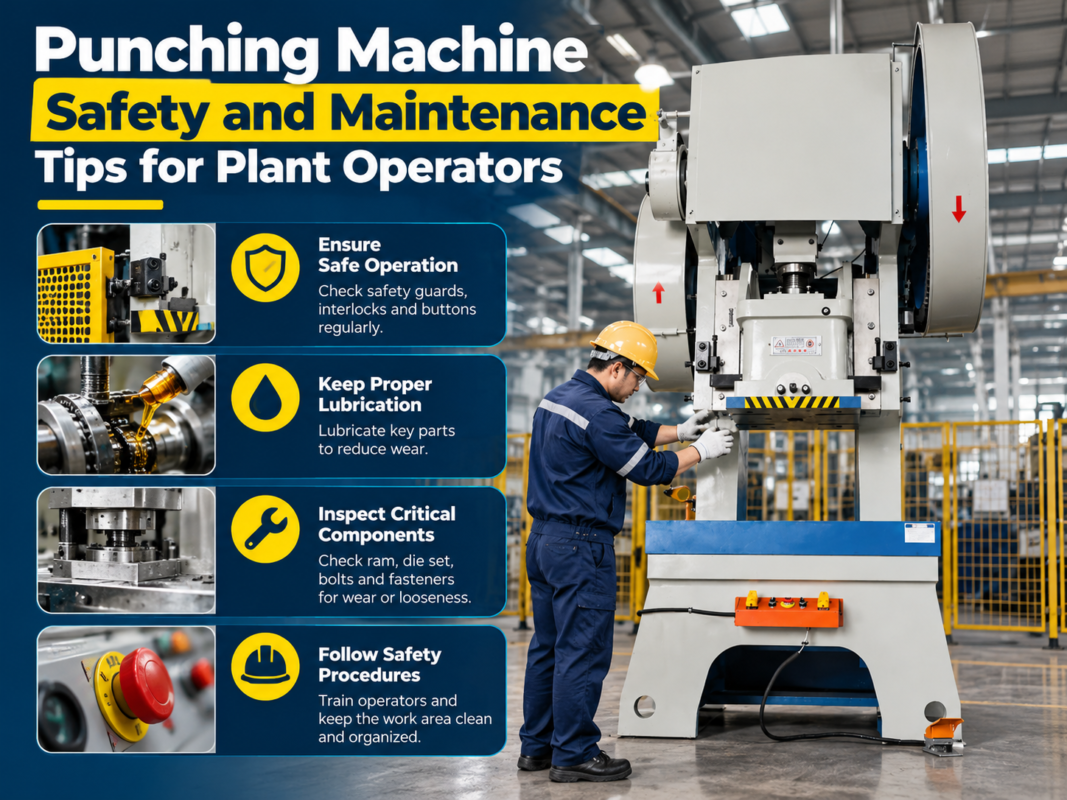
Safety should always be the primary consideration. If a hydraulic press begins making loud, metallic banging sounds, the machine should be stopped immediately. Such sounds often indicate mechanical interference or severe hydraulic shock, both of which can lead to structural failure or high-pressure fluid leaks. Operators should be trained to recognize these “red flag” sounds and empowered to hit the emergency stop button when they occur.
Another key consideration is the impact of noise on the working environment. Excessive industrial noise contributes to operator fatigue and can lead to long-term hearing loss. Furthermore, noise is a sign of inefficiency. Energy that should be used to deform metal is instead being converted into sound waves and heat. By reducing noise, you are often simultaneously improving the energy efficiency and cycle speed of your HARSLE equipment.
Finally, consider the age and maintenance history of the machine. A new press making noise might suggest an installation error or a faulty component, whereas an older machine might be suffering from cumulative wear in the pump bearings or cylinder seals. Keeping a detailed log of maintenance activities and noise observations can significantly speed up the diagnostic process when a technician arrives on-site.
Technical Details: Common Faults and Their Causes
1. Cavitation: The Silent Killer of Hydraulic Pumps
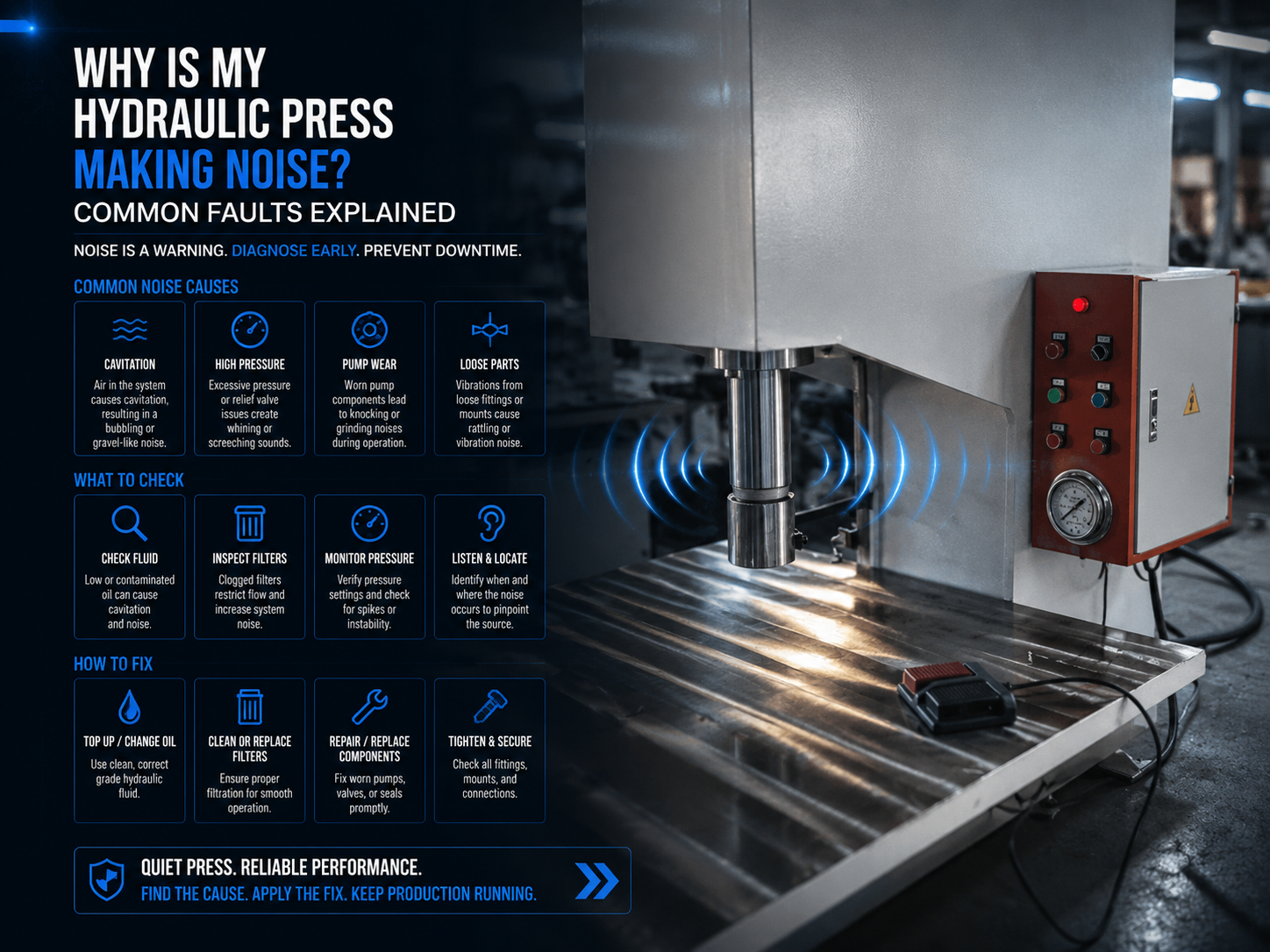
Cavitation is perhaps the most common and destructive cause of noise in hydraulic systems. It occurs when the demand for fluid by the pump exceeds the amount of fluid being supplied. This creates a vacuum, causing the dissolved air in the hydraulic oil to form bubbles. When these bubbles reach the high-pressure side of the pump, they implode with incredible force.
The sound of cavitation is often described as “marbles in a blender” or a high-pitched, metallic rattling. These implosions create localized pressure spikes that can literally pit and erode the metal surfaces of the pump’s internal components. Common causes of cavitation include clogged suction filters, restricted intake lines, or using oil with a viscosity that is too high for the ambient temperature. In HARSLE machines, we emphasize the use of high-quality filtration to prevent these issues.
2. Aeration: Air Contamination in the Fluid
While cavitation involves the formation of bubbles from vacuum, aeration is the introduction of outside air into the hydraulic fluid. This usually happens through a leak in the suction line, a low oil level in the reservoir, or a faulty shaft seal on the pump. Unlike cavitation, which sounds like rattling, aeration often produces a consistent, high-pitched whining or growling sound.
Aeration is particularly dangerous because air is compressible, whereas hydraulic fluid is not. This leads to “spongy” operation, where the press ram may hesitate or move erratically. It also causes the oil to foam, which reduces its lubricating properties and leads to rapid overheating. If you see foam in your sight glass, aeration is the likely culprit.
3. Mechanical Vibrations and Loose Components
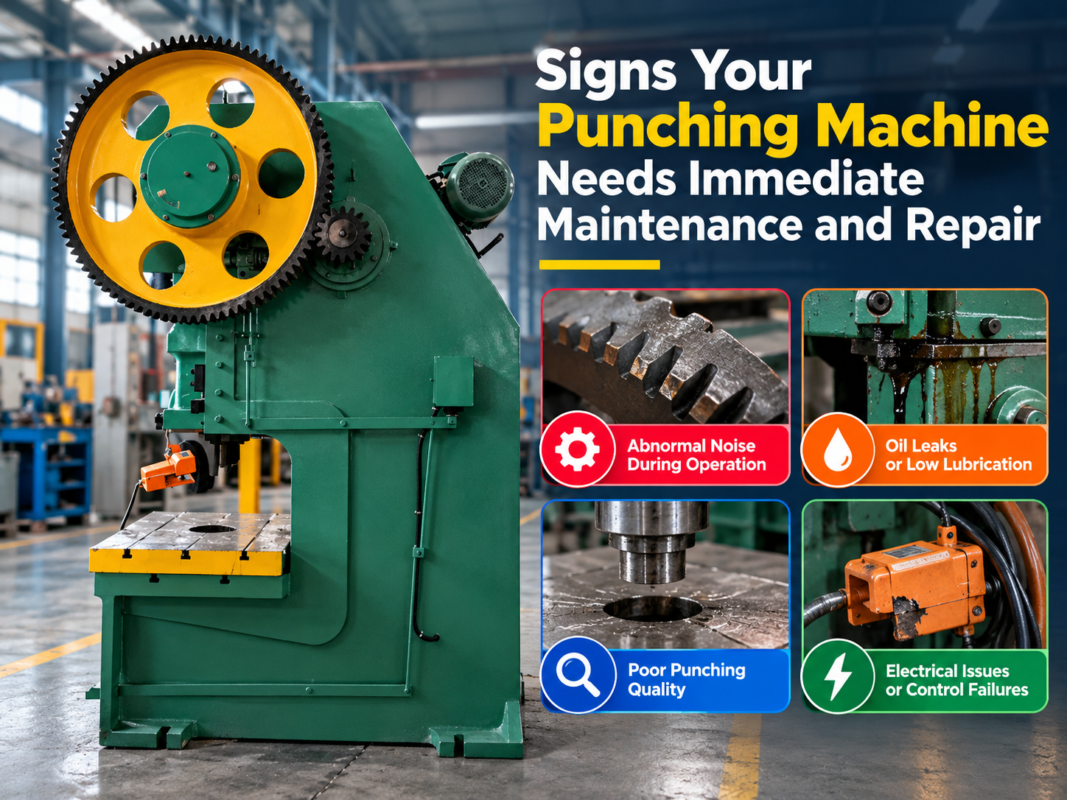
Not all noise is fluid-related. Hydraulic presses exert massive forces, and these forces can cause components to vibrate or shift over time. A rhythmic thumping or rattling often points to mechanical looseness. This could be anything from a loose mounting bolt on the motor to a misaligned coupling between the motor and the pump.
Furthermore, the hydraulic lines themselves can vibrate if they are not properly clamped. This phenomenon, known as “line shock,” occurs when valves open or close rapidly, sending pressure waves through the piping. If the pipes are allowed to rattle against the frame, it creates a loud, distracting noise and can eventually lead to fatigue cracks in the fittings.
4. Relief Valve Chatter
The relief valve is a safety component designed to limit the maximum pressure in the system. If the valve is worn, or if the spring inside has lost its tension, it may “chatter.” This happens when the valve rapidly opens and closes as it struggles to maintain a set pressure. The resulting sound is a high-frequency buzzing or vibrating noise. This not only creates noise but also causes pressure fluctuations that can affect the quality of the finished part.
5. Pump Wear and Internal Leakage
As hydraulic pumps age, the internal tolerances increase. Vanes, gears, or pistons wear down, allowing high-pressure oil to leak back to the low-pressure side. This internal leakage creates turbulence and heat, often resulting in a dull, heavy humming sound that increases in volume as the pressure rises. If your press is struggling to reach its rated tonnage and is making more noise than usual, the pump may be reaching the end of its service life.
Selection Advice: Choosing and Maintaining a Quiet Press
When selecting a new hydraulic press, noise should be one of your key performance indicators (KPIs). High-quality manufacturers like HARSLE prioritize precision engineering to minimize noise at the source. For instance, using servo-driven hydraulic systems can significantly reduce noise levels because the motor only runs at the speed required for the specific task, rather than running at full speed constantly.
Look for machines with robust frame designs. A more rigid frame absorbs vibrations better than a lightweight, poorly constructed one. Additionally, check the quality of the hydraulic components. Brands that use world-class pumps and valves (such as Rexroth or Vickers) generally offer quieter operation and longer lifespans. The integration of vibration-dampening mounts for the motor and pump assembly is another hallmark of a well-designed press.
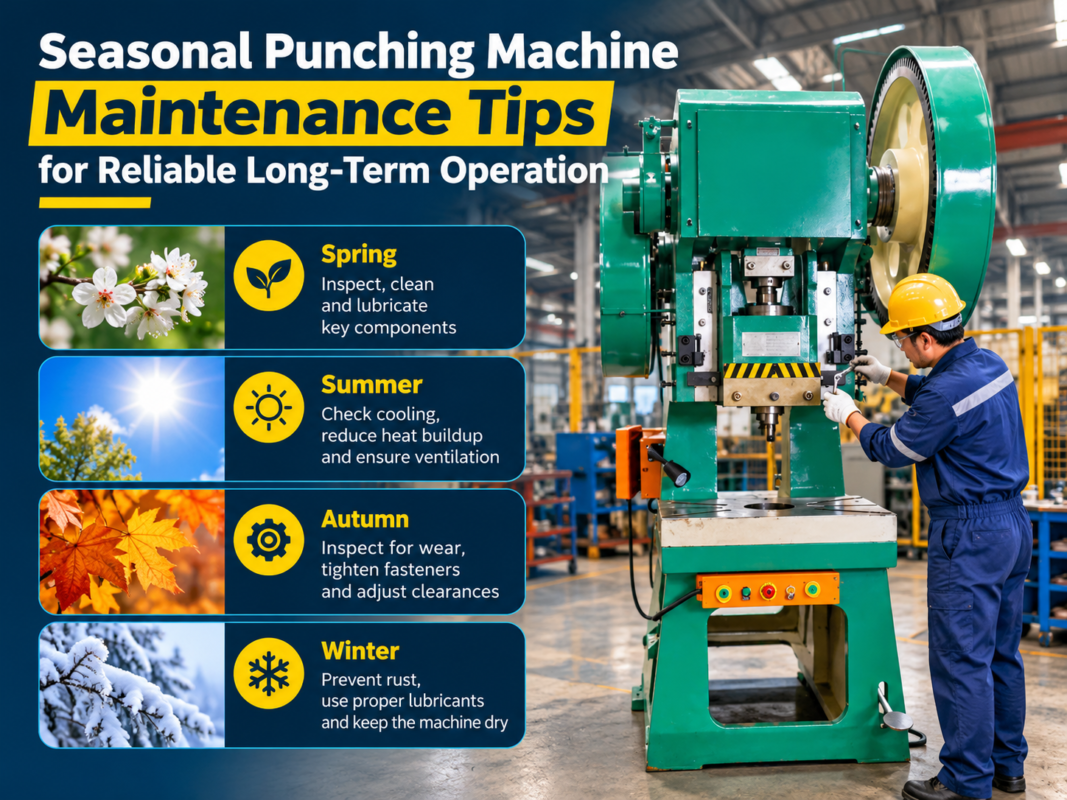
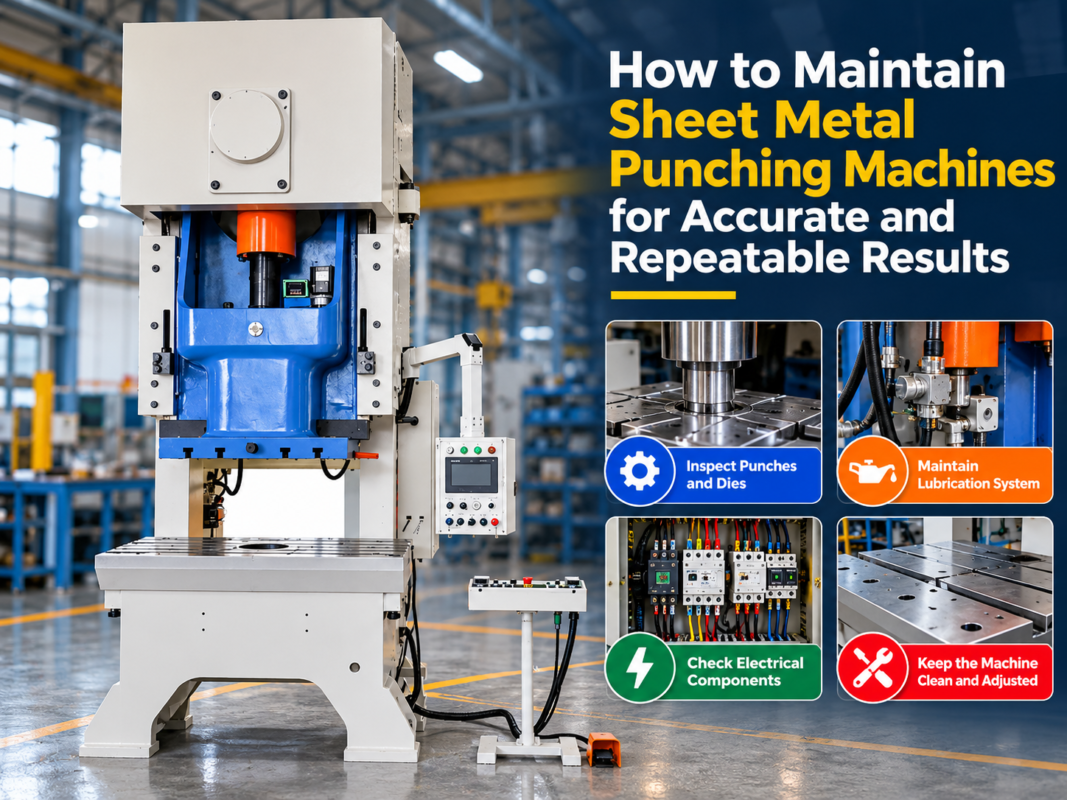
Maintenance is the second half of the equation. To keep your press quiet, follow a strict maintenance schedule:
- Check Oil Levels Daily: Low oil is the fastest way to introduce air into the system.
- Monitor Oil Temperature: Overheated oil loses viscosity, leading to increased pump noise and wear.
- Replace Filters Regularly: Clogged filters lead to cavitation. Don’t wait for the “clogged” indicator if you notice a change in sound.
- Inspect Fittings and Clamps: Ensure all hydraulic lines are secure to prevent vibration-induced noise.
- Analyze Oil Quality: Periodic oil analysis can detect microscopic metal particles, signaling pump wear before it becomes a loud problem.
| Sound Type | Probable Cause | Recommended Action |
|---|---|---|
| High-pitched Whining | Aeration (Air in oil) | Check suction line for leaks; check oil level. |
| Metallic Rattling (Marbles) | Cavitation | Clean/replace suction strainer; check oil viscosity. |
| Rhythmic Thumping | Mechanical Looseness | Tighten mounting bolts; check motor/pump alignment. |
| High-frequency Buzzing | Relief Valve Chatter | Inspect and adjust or replace the relief valve. |
| Loud Banging/Shock | Hydraulic Hammer | Adjust valve shifting speeds; check accumulators. |
Frequently Asked Questions (FAQ)
Is it normal for a hydraulic press to make some noise?
Yes, all hydraulic systems produce some level of noise due to the movement of fluid and the operation of the electric motor. However, this should be a consistent, manageable hum. Any sudden change in volume, pitch, or rhythm is a sign that something is wrong and requires investigation.
Can I continue to operate my press if it is making a whining sound?
It is not recommended. A whining sound usually indicates aeration or the beginning of pump failure. Continuing to operate the machine will likely cause the oil to overheat and damage other components like cylinders and valves. It is much cheaper to fix a leak in a suction line than to replace an entire hydraulic pump.
How does oil temperature affect the noise level?
Oil viscosity changes with temperature. If the oil is too cold, it is thick and hard to pump, which can lead to cavitation. If it is too hot, it becomes too thin to provide adequate lubrication, leading to increased mechanical friction and noise. Maintaining the oil within the manufacturer’s recommended temperature range is crucial for quiet operation.
What is “Hydraulic Hammer”?
Hydraulic hammer occurs when the flow of fluid is stopped or changed direction abruptly. This creates a pressure surge that travels through the system, often resulting in a loud “bang.” This can be mitigated by using “soft-shift” valves or by adjusting the ramp-down speeds in the machine’s PLC settings.
How often should I check the alignment of my pump and motor?
Alignment should be checked during initial installation, after any major repair, and as part of an annual preventive maintenance check. Even a slight misalignment can cause vibration, noise, and premature failure of the pump bearings and shaft seals.
Conclusion: The Importance of Proactive Maintenance
In conclusion, a noisy hydraulic press is a machine that is crying out for attention. Whether the issue is as simple as a low oil level or as complex as pump cavitation, early diagnosis is the key to minimizing repair costs and maximizing productivity. By understanding the technical causes behind different types of noise—such as aeration, mechanical vibration, and valve chatter—operators and maintenance teams can take decisive action to protect their equipment.
HARSLE is committed to providing high-quality, durable metal fabrication machinery that stands the test of time. However, even the best-engineered machines require proper care. Regular inspections, clean hydraulic fluid, and a keen ear for changes in machine sound will ensure that your hydraulic press remains a reliable asset in your production line for years to come. Remember, ignoring a small noise today can lead to a major breakdown tomorrow. Stay proactive, keep your system clean, and listen to what your machinery is telling you.
For more information on maintaining your HARSLE hydraulic press or to explore our latest range of low-noise, high-efficiency metal forming solutions, contact our technical support team today. We are here to help you achieve the highest standards of manufacturing excellence.