
Hydraulic Press Leaking Oil: Diagnosis and Repair Tips for Industrial Efficiency


Introduction to Hydraulic Press Oil Leakage Issues
In the world of metal fabrication, the hydraulic press is a cornerstone of production. Whether it is used for deep drawing, stamping, or forging, the reliability of the hydraulic system is paramount. However, one of the most common and frustrating issues operators face is a hydraulic press leaking oil. This problem is more than just a messy floor; it represents a loss of efficiency, a potential safety hazard, and a sign of underlying mechanical distress. Understanding the nuances of Hydraulic Press Leaking Oil: Diagnosis Repair Tips is essential for any facility manager or technician looking to maintain peak performance and extend the lifespan of their HARSLE machinery.
Oil leaks in hydraulic systems can be categorized into two main types: external and internal. External leaks are visible and result in oil pooling around the machine or dripping from components. Internal leaks occur when fluid bypasses seals or valves within the system, leading to a loss of pressure and heat buildup without any visible oil on the exterior. Both types require immediate attention. A small drip might seem insignificant, but over time, it can lead to thousands of dollars in wasted hydraulic fluid and significant environmental cleanup costs. Furthermore, hydraulic fluid under high pressure can be extremely dangerous, capable of causing injection injuries if a pinhole leak occurs in a hose.
At HARSLE, we prioritize the durability and precision of our metal fabrication equipment. Our hydraulic presses are engineered with high-quality components to minimize the risk of leakage. However, like all industrial machinery, regular wear and tear are inevitable. This guide aims to provide a deep dive into the technical aspects of diagnosing and repairing oil leaks, ensuring your workshop remains safe and productive. By following these Hydraulic Press Leaking Oil: Diagnosis Repair Tips, you can transform a reactive maintenance culture into a proactive one, saving time and resources in the long run.
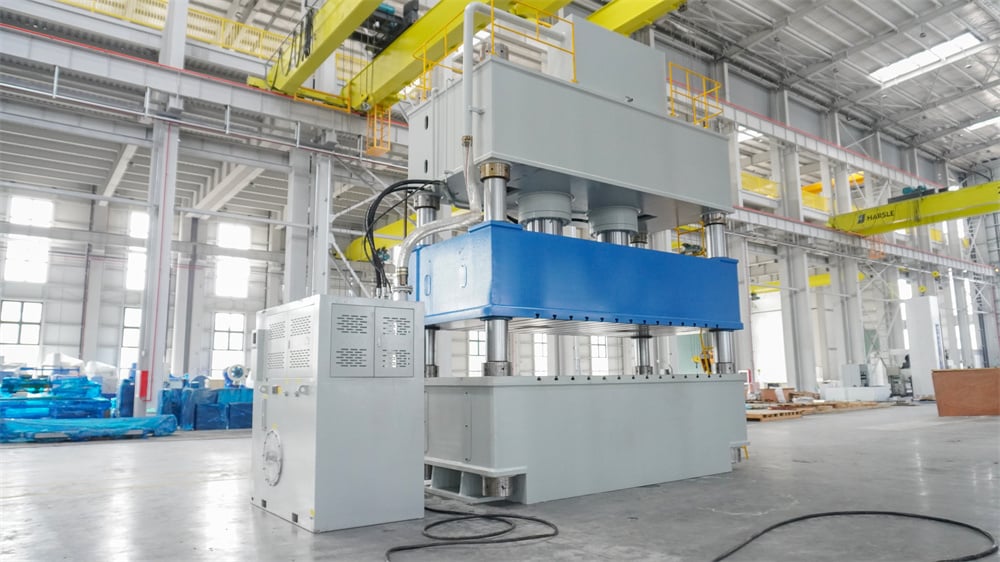
Key Considerations for Managing Hydraulic Leaks
Before diving into the technical repairs, it is crucial to understand the broader implications of hydraulic leaks. The first consideration is safety. Hydraulic fluid is often flammable, and a leak near a heat source or electrical component can lead to fires. Additionally, oil on the floor creates a significant slip-and-fall risk for operators. When you notice a leak, the first step should always be to secure the area and ensure the machine is properly shut down and locked out (LOTO) before any inspection begins.
Environmental impact is another critical factor. Many jurisdictions have strict regulations regarding the disposal of hydraulic oil and the cleanup of industrial spills. Even a slow leak can contaminate groundwater if not contained. Using drip trays and absorbent mats is a temporary fix, but the root cause must be addressed to comply with environmental standards. Furthermore, the cost of hydraulic oil has risen steadily, making leaks a direct drain on your operational budget. A system that loses just one drop of oil per second can lose over 400 gallons of fluid in a year.
System performance is also directly tied to fluid integrity. Hydraulic systems rely on the incompressibility of oil to transmit force. When leaks occur, air can enter the system, leading to cavitation, jerky movements, and a loss of pressing force. This can result in defective parts and increased scrap rates. By focusing on Hydraulic Press Leaking Oil: Diagnosis Repair Tips, you are not just fixing a leak; you are ensuring the quality of your output. Regular monitoring of fluid levels and temperature can provide early warning signs that a leak is developing before it becomes a catastrophic failure.
Technical Details: Identifying Common Leak Points
To effectively diagnose a hydraulic press, you must know where to look. The most common leak points in a hydraulic press include cylinder seals, hose fittings, valve manifolds, and pump gaskets. Each of these components operates under different stresses and requires specific diagnostic approaches. For instance, cylinder leaks often manifest as oil running down the piston rod. This is usually caused by a worn-out wiper seal or a damaged U-cup seal inside the cylinder head. If the rod itself is scored or pitted, it will quickly destroy any new seals installed, making rod inspection a vital part of the repair process.
Hose and fitting leaks are frequently caused by vibration or improper installation. Over time, the constant pulsing of hydraulic pressure can loosen threaded connections. In other cases, the internal reinforcement of the hose may fail due to age or being bent beyond its rated radius. When inspecting hoses, look for “weeping” at the crimped ends or localized bulging. It is important to remember that you should never use your hand to check for leaks while the system is pressurized; instead, use a piece of cardboard or a specialized leak detection tool.
Valve manifolds and pumps are more complex. Leaks here can occur at the interface between the valve body and the manifold block, often due to O-ring failure. Pumps may leak at the shaft seal, which is often a result of excessive backpressure or bearing wear. Diagnosing these requires a clean machine. One of the best Hydraulic Press Leaking Oil: Diagnosis Repair Tips is to thoroughly degrease the entire press and then run it for a short period. This allows you to trace the oil back to its exact point of origin rather than guessing based on where it pools on the floor.
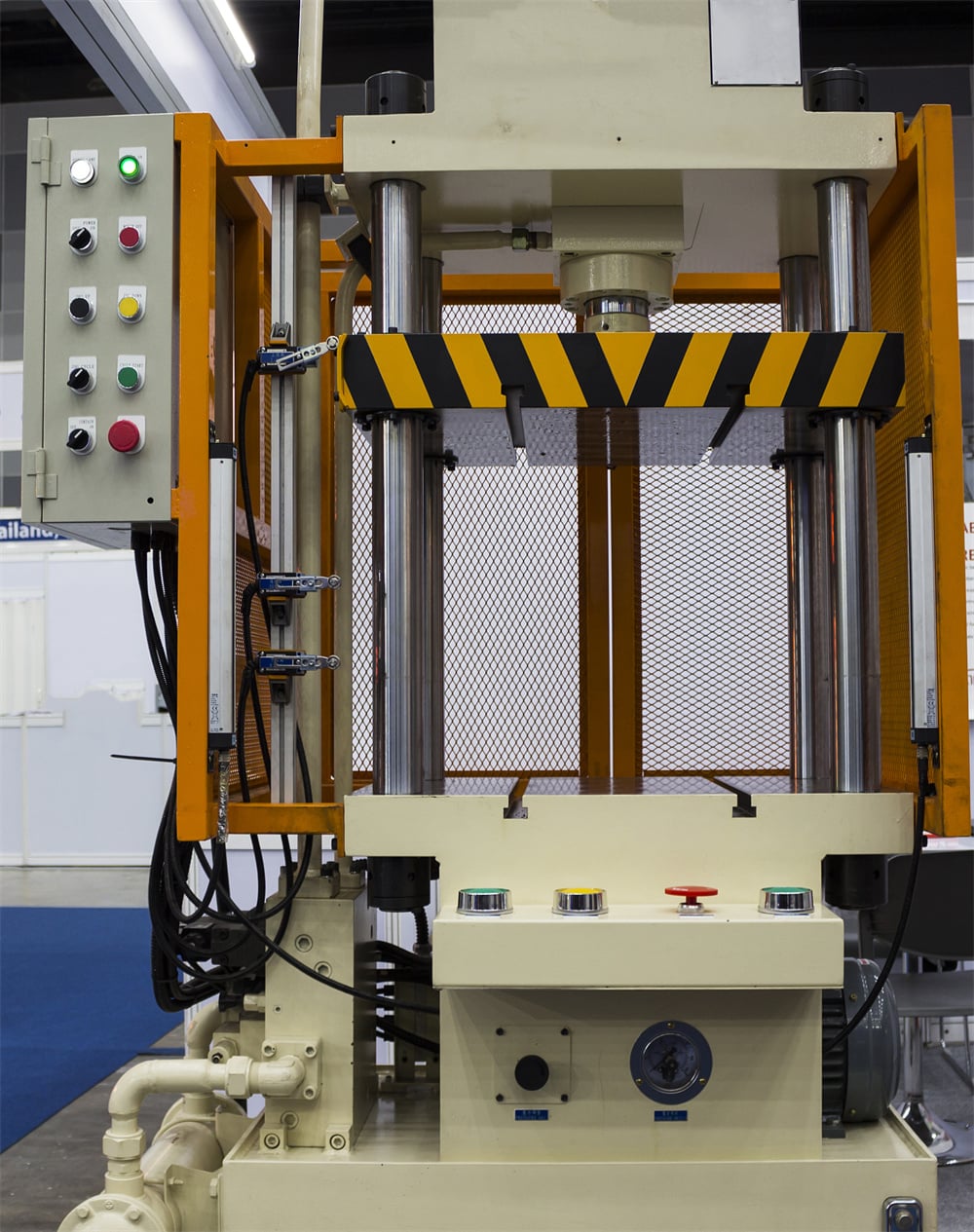
Root Causes of Seal Failure
Understanding why seals fail is the key to preventing future leaks. Heat is the number one enemy of hydraulic seals. Most standard seals are rated for temperatures up to 60-70°C (140-158°F). If the hydraulic system runs hotter than this due to a clogged cooler or an undersized reservoir, the seal material will harden and crack, losing its ability to maintain a tight interface. Monitoring the oil temperature is a fundamental part of hydraulic press maintenance.
Contamination is the second leading cause of failure. Microscopic particles of metal, dirt, or moisture can act as abrasives, wearing down seal lips and scoring cylinder walls. This is why maintaining clean oil through regular filter changes is non-negotiable. When a seal is replaced, the entire area must be cleaned to prevent introducing new contaminants into the system. Additionally, using the wrong type of hydraulic fluid can cause seals to swell or degrade chemically, leading to premature failure.
Step-by-Step Diagnosis and Repair Procedures
When you have identified a leak, follow a structured repair process to ensure the fix is permanent. Here is a technical breakdown of the steps involved in common hydraulic repairs:
- Preparation and Safety: Lower the ram to its lowest position or mechanically lock it in place. Relieve all stored pressure in the accumulators. Turn off the power and follow LOTO procedures.
- Cleaning: Clean the area around the leak with a non-flammable solvent. This prevents dirt from entering the system once it is opened.
- Disassembly: Carefully remove the affected component. If removing a cylinder, ensure you have the proper lifting equipment, as these parts are extremely heavy. Label all hoses and wires to ensure correct reassembly.
- Inspection: Once the component is disassembled, inspect the sealing surfaces. Look for scratches, nicks, or signs of overheating. If a cylinder rod is damaged, it may need to be re-chromed or replaced.
- Seal Replacement: Remove old seals using brass tools to avoid scratching the metal grooves. Install new seals, ensuring they are oriented correctly. Lubricate the seals with clean hydraulic oil before installation to prevent “dry start” damage.
- Reassembly and Testing: Reinstall the component and torque all bolts to the manufacturer’s specifications. Refill the oil if necessary. Start the machine and cycle it at low pressure to bleed air from the system before returning to full production.
| Symptom | Potential Cause | Recommended Action |
|---|---|---|
| Oil dripping from cylinder rod | Worn rod seal or wiper | Replace seal kit; check rod for scoring |
| Leak at hose connection | Loose fitting or damaged O-ring | Tighten fitting or replace O-ring/hose |
| Foaming oil in reservoir | Air entering via suction line leak | Inspect and tighten suction side fittings |
| Excessive heat and slow operation | Internal bypass in valves or cylinder | Perform pressure test to isolate internal leak |
| Oil leaking from pump shaft | Worn shaft seal or bearing failure | Replace shaft seal; check pump alignment |
Selection Advice: Choosing a Press to Minimize Leaks
When purchasing new metal fabrication equipment, the design of the hydraulic system plays a major role in long-term maintenance costs. HARSLE hydraulic presses are designed with a focus on reducing potential leak points. For example, modern designs utilize integrated valve blocks and manifolds, which significantly reduce the amount of external piping and threaded connections. Fewer joints mean fewer opportunities for leaks to develop. When evaluating a machine, look for the quality of the hydraulic components—brands like Rexroth, Vickers, or Parker are industry standards for a reason.
Another factor to consider is the cooling system. A press equipped with an efficient oil cooler (either air-cooled or water-cooled) will maintain stable oil temperatures, drastically extending the life of the seals. Furthermore, look for machines that feature high-quality chrome-plated piston rods. The smoothness and hardness of the rod surface are critical for the longevity of the rod seals. A poorly finished rod will act like sandpaper, wearing out seals in a fraction of their intended lifespan.
Finally, consider the ease of maintenance. Are the filters easily accessible? Is there enough space to reach the cylinder seals without dismantling the entire frame? HARSLE designs its machinery with the technician in mind, ensuring that when maintenance is required, it can be performed quickly and safely. Investing in a high-quality press from the start is the best way to implement Hydraulic Press Leaking Oil: Diagnosis Repair Tips—by making the repairs easier and less frequent.
Frequently Asked Questions (FAQ)
1. How often should I check my hydraulic press for leaks?
A visual inspection should be performed daily before starting the shift. A more thorough inspection, including checking hose integrity and fluid levels, should be done weekly. Early detection is key to preventing major downtime.
2. Can I use any type of hydraulic oil in my HARSLE press?
No, you should always use the oil grade recommended in the user manual (typically ISO VG 32 or 46). Using the wrong oil can lead to seal degradation, poor lubrication, and overheating.
3. Why does my press keep blowing seals even after I replace them?
This is often caused by an underlying issue such as a scored cylinder rod, excessive system pressure, or high operating temperatures. If the root cause isn’t addressed, the new seals will fail just like the old ones.
4. Is it safe to tighten a leaking fitting while the machine is running?
Absolutely not. Never attempt to tighten or loosen any hydraulic component while the system is under pressure. This can lead to a catastrophic failure and severe injury.
5. How do I know if I have an internal leak?
Internal leaks are usually diagnosed by symptoms like the ram drifting down when stopped, the system failing to reach full pressure, or the oil getting excessively hot very quickly without an external cause.
Conclusion: Maintaining a Leak-Free Environment
Mastering Hydraulic Press Leaking Oil: Diagnosis Repair Tips is a vital skill for anyone involved in metal fabrication. A well-maintained hydraulic system is the heartbeat of a productive shop. By understanding the common causes of leaks—such as heat, contamination, and wear—and following a disciplined approach to diagnosis and repair, you can ensure your HARSLE hydraulic press operates at peak efficiency for years to come. Remember that maintenance is an investment, not an expense. The time spent replacing a $50 seal today can save you from a $5,000 pump failure tomorrow.
At HARSLE, we are committed to providing not only the best metal fabrication machinery but also the knowledge needed to keep it running perfectly. Whether you are dealing with a minor drip or a major system overhaul, always prioritize safety and use high-quality replacement parts. By keeping your hydraulic system clean, cool, and dry, you protect your equipment, your employees, and your bottom line. For more technical guides and high-performance machinery, continue exploring our resources and see how HARSLE can elevate your production capabilities.












