Comprehensive Hydraulic Press Stuck Ram Troubleshooting Guide


Introduction to Hydraulic Press Ram Issues
In the high-stakes environment of metal fabrication, the hydraulic press is the workhorse of the factory floor. Whether it is used for deep drawing, stamping, or forging, the reliability of the press is paramount to maintaining production schedules. However, one of the most frustrating and potentially dangerous issues an operator can face is a stuck ram. A hydraulic press stuck ram can bring an entire production line to a grinding halt, leading to lost revenue, missed deadlines, and significant safety concerns. Understanding the root causes and knowing how to systematically troubleshoot this issue is essential for any maintenance team or machine operator.
At HARSLE, we understand that machine downtime is the enemy of profitability. Our hydraulic presses are engineered for durability, but even the most robust machinery requires proper maintenance and occasional troubleshooting. A ram that refuses to move—whether it is stuck at the top of its stroke, the bottom, or somewhere in between—is often a symptom of an underlying issue within the hydraulic, mechanical, or electrical systems. This guide is designed to provide a comprehensive roadmap for identifying the cause of a stuck ram and implementing the necessary fixes to get your operations back on track.
Before diving into the technical specifics, it is important to recognize that a stuck ram is rarely a random occurrence. It is usually the result of gradual wear, environmental factors, or a specific component failure. By approaching the problem with a structured troubleshooting mindset, you can avoid the pitfalls of ‘parts swapping’ and instead focus on the precise cause of the malfunction. This not only saves time but also ensures that the repair is permanent and that the machine is safe for continued use.
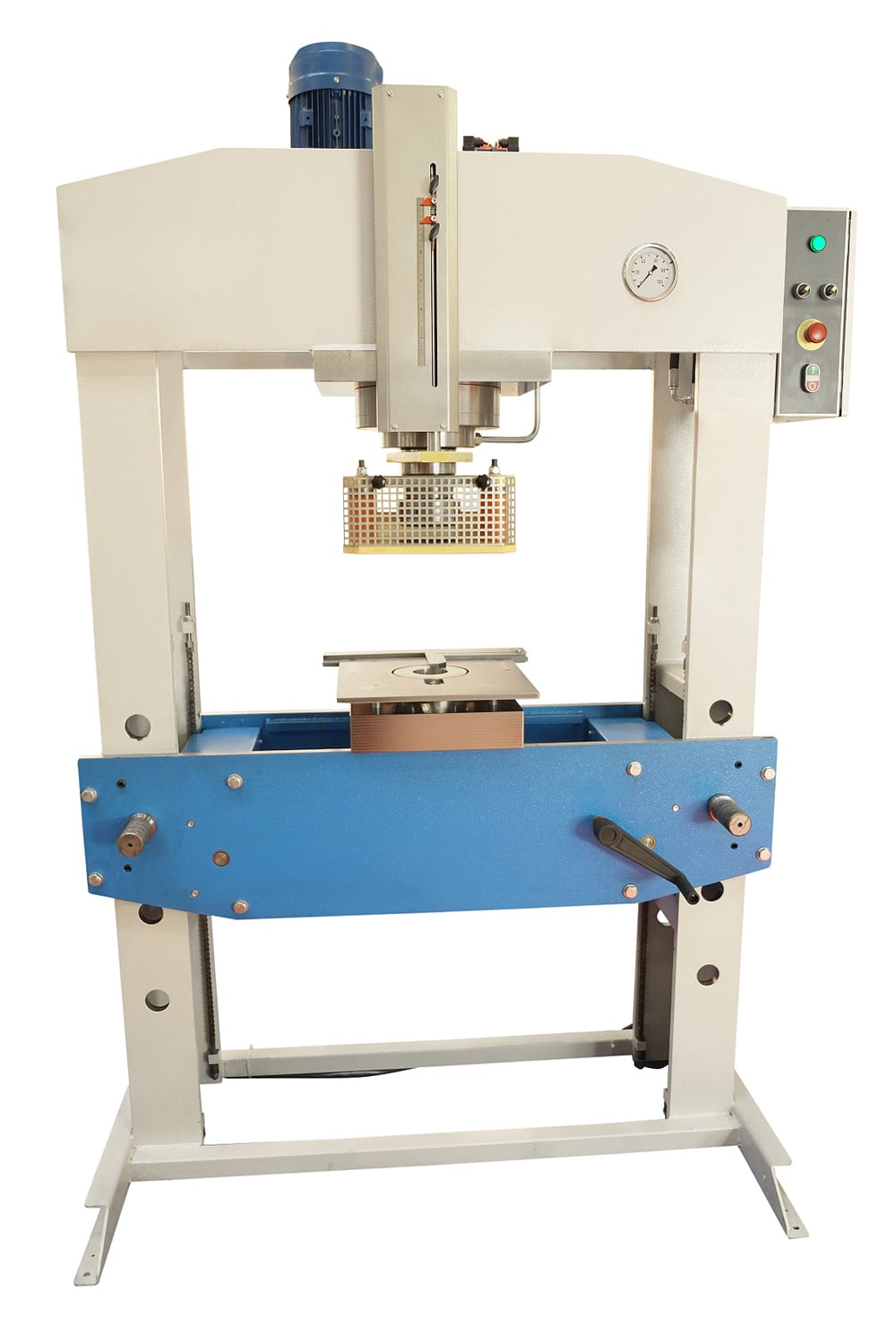
Key Considerations Before Troubleshooting
Safety must always be the first priority when dealing with a stuck hydraulic press ram. A ram that is stuck under pressure or held up by mechanical friction represents a significant amount of stored energy. If that energy is released suddenly, it can cause catastrophic damage to the machine or severe injury to personnel. Before any inspection begins, ensure that the machine is properly locked out and tagged out (LOTO). This includes isolating the electrical power and, crucially, bleeding off any residual hydraulic pressure. Never attempt to work under a stuck ram without first securing it with safety blocks or specialized ram locks.
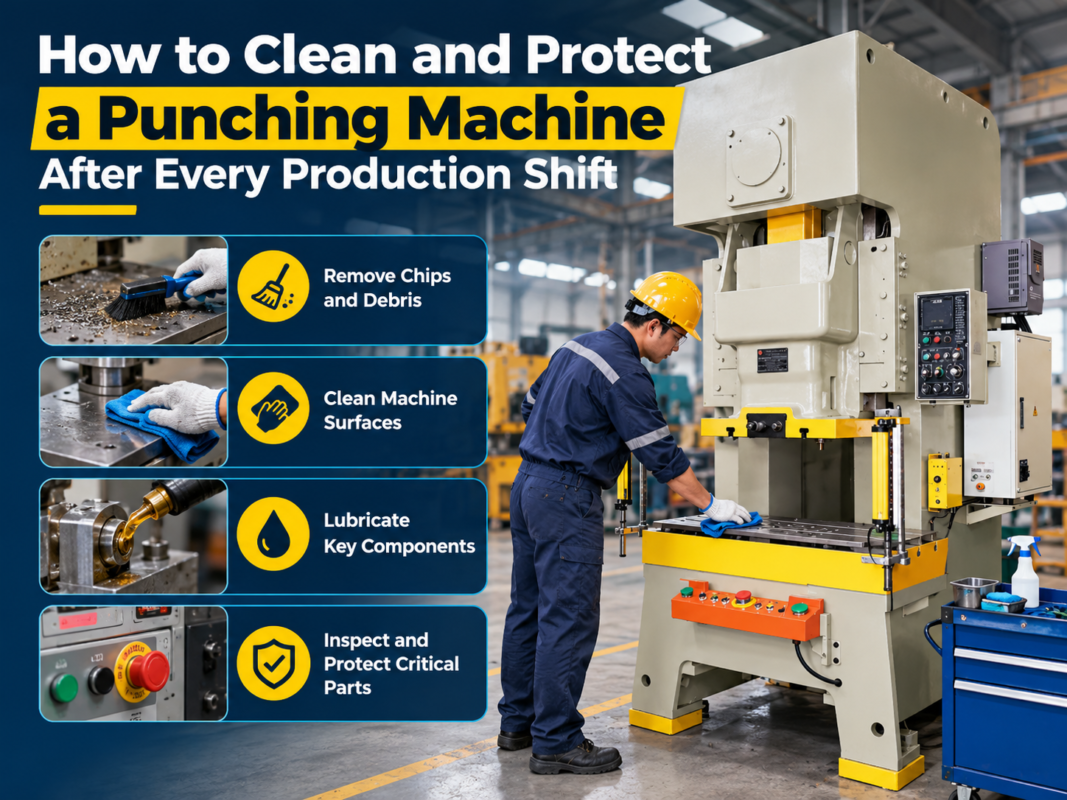
Another key consideration is the environment in which the press operates. Contamination is the leading cause of hydraulic failure. Dust, metal shavings, and moisture can compromise the integrity of hydraulic fluid, leading to valve sticking or seal damage. When troubleshooting, take note of the cleanliness of the shop floor and the condition of the hydraulic oil. If the oil appears cloudy or has a burnt smell, it may be a sign that the system has been overheating or that the filtration system is failing. Addressing these environmental factors is just as important as fixing the immediate mechanical issue.
Finally, consider the history of the machine. Has the ram been sticking intermittently, or was this a sudden, total failure? Sudden failures often point toward electrical or catastrophic hydraulic component failure (like a blown seal or a snapped valve spool). Intermittent sticking, on the other hand, often suggests mechanical binding, gradual wear of the gibs, or deteriorating oil quality. Keeping a detailed maintenance log can provide invaluable clues that speed up the diagnostic process significantly. At HARSLE, we recommend a proactive approach where operators report even minor deviations in ram speed or sound before they escalate into a total jam.
Technical Details: Identifying the Root Cause
1. Hydraulic System Failures
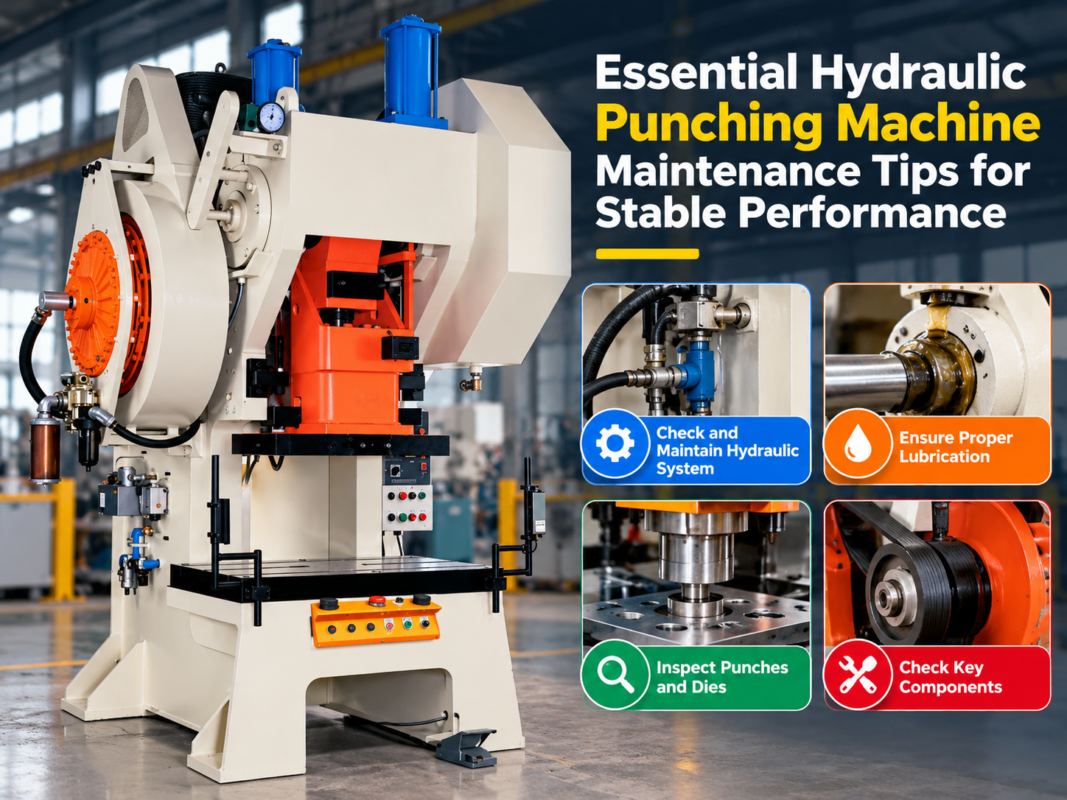
The hydraulic system is the heart of the press, and it is the most common source of ram movement issues. A stuck ram is often caused by a failure in the directional control valves. These valves are responsible for routing oil to the top or bottom of the cylinder. If a valve spool becomes jammed due to contamination or a broken return spring, the ram will not receive the flow of oil necessary to move. You should check the solenoid coils on these valves; if a coil has burnt out, the valve will not shift, leaving the ram stationary despite commands from the control panel.
Another hydraulic culprit is the relief valve. If the relief valve is stuck open, the system cannot build the pressure required to move the ram against its own weight or the resistance of the workpiece. Conversely, if air has entered the hydraulic lines—often through a leak in the suction line or a low oil level in the reservoir—it can cause ‘spongy’ operation or a complete air lock. Air is compressible, whereas hydraulic fluid is not; if there is enough air in the cylinder, the pump may be running, but the ram will remain motionless as the air simply compresses and expands without moving the piston.
2. Mechanical Binding and Alignment
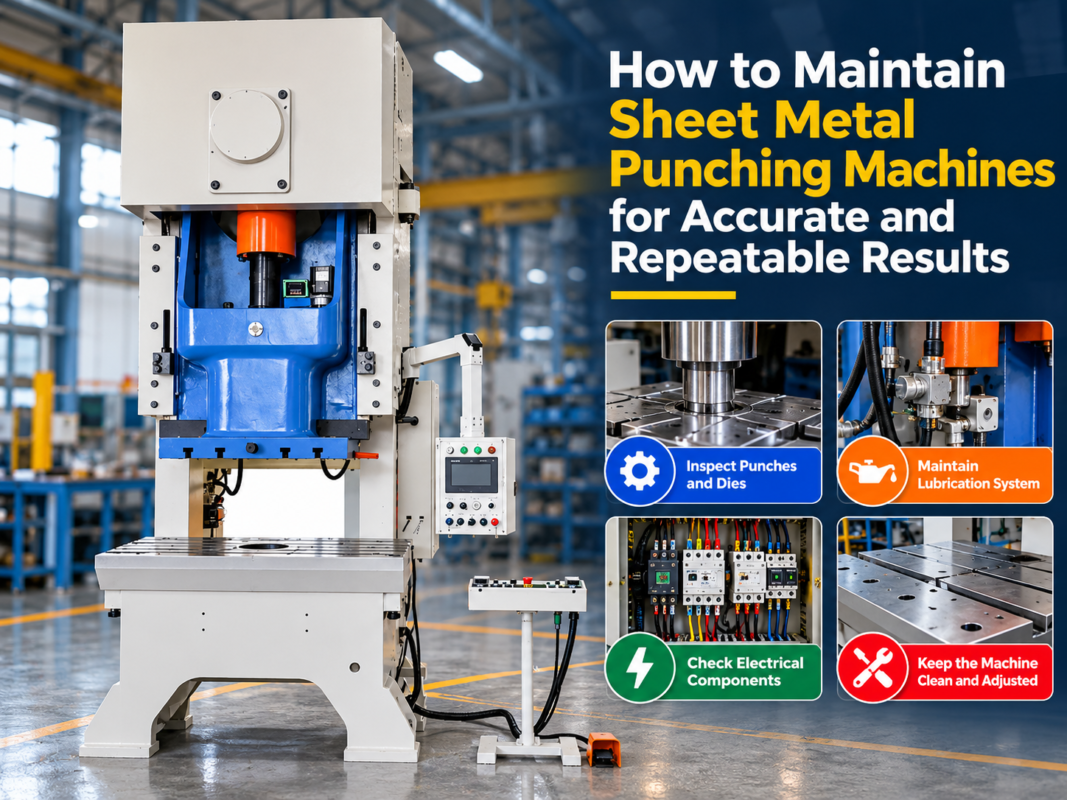
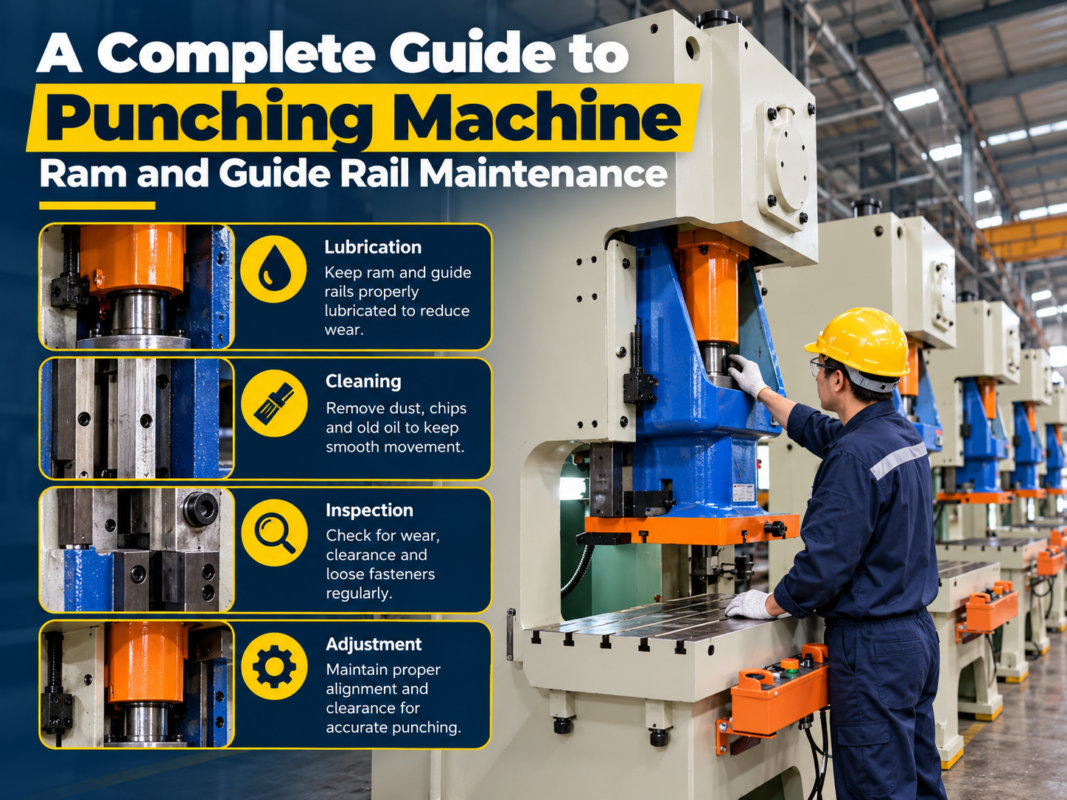
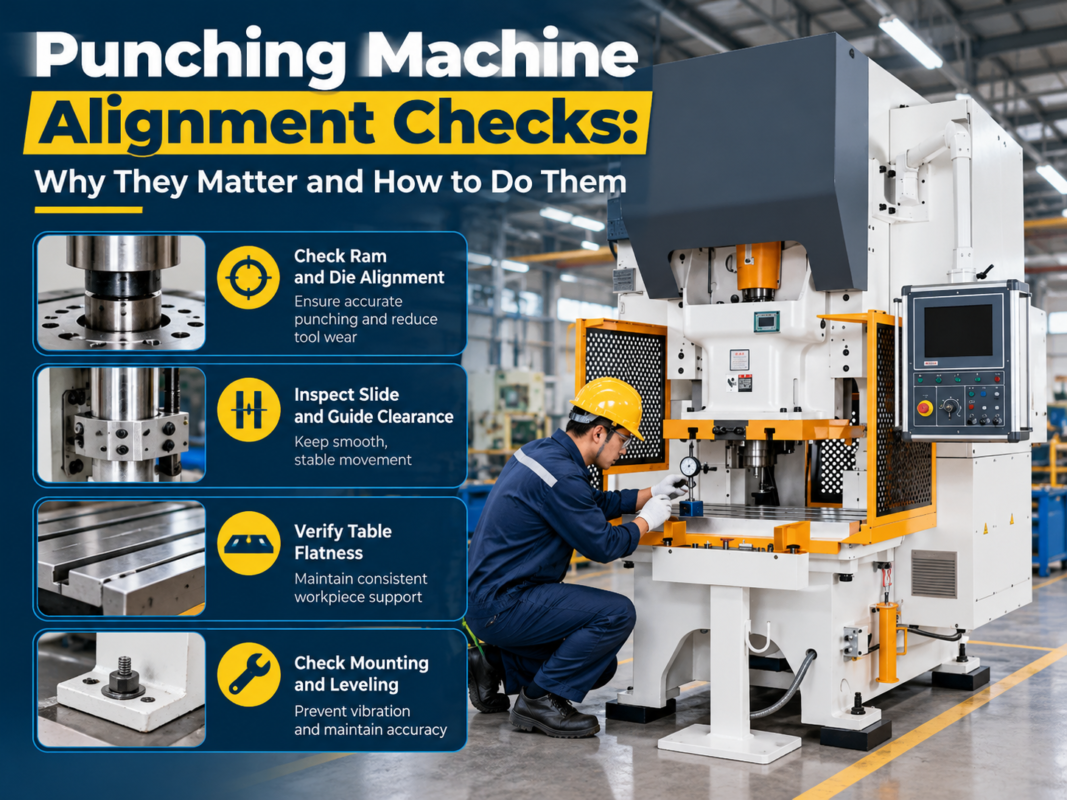
If the hydraulic system is generating pressure but the ram still won’t move, the problem is likely mechanical. The ram travels along guides known as gibs. These gibs must be perfectly aligned and properly lubricated. If the lubrication system fails, or if the gibs are adjusted too tightly, the resulting friction can exceed the force generated by the hydraulic cylinder. Over time, heat from friction can cause the metal to expand, further tightening the fit until the ram seizes completely. Inspect the gib surfaces for scoring or signs of excessive heat, such as discoloration.
Frame distortion is another mechanical issue, though less common. If the press has been overloaded or if the foundation has shifted, the frame may no longer be square. This puts lateral pressure on the ram and the piston rod, leading to binding. Additionally, check the piston rod itself. A bent piston rod, even if the bend is slight, will cause the ram to stick at a specific point in its stroke. This is often caused by off-center loading, where the force of the press is not distributed evenly across the ram face, causing it to tilt and bind against the guides.
3. Electrical and Control Logic Issues
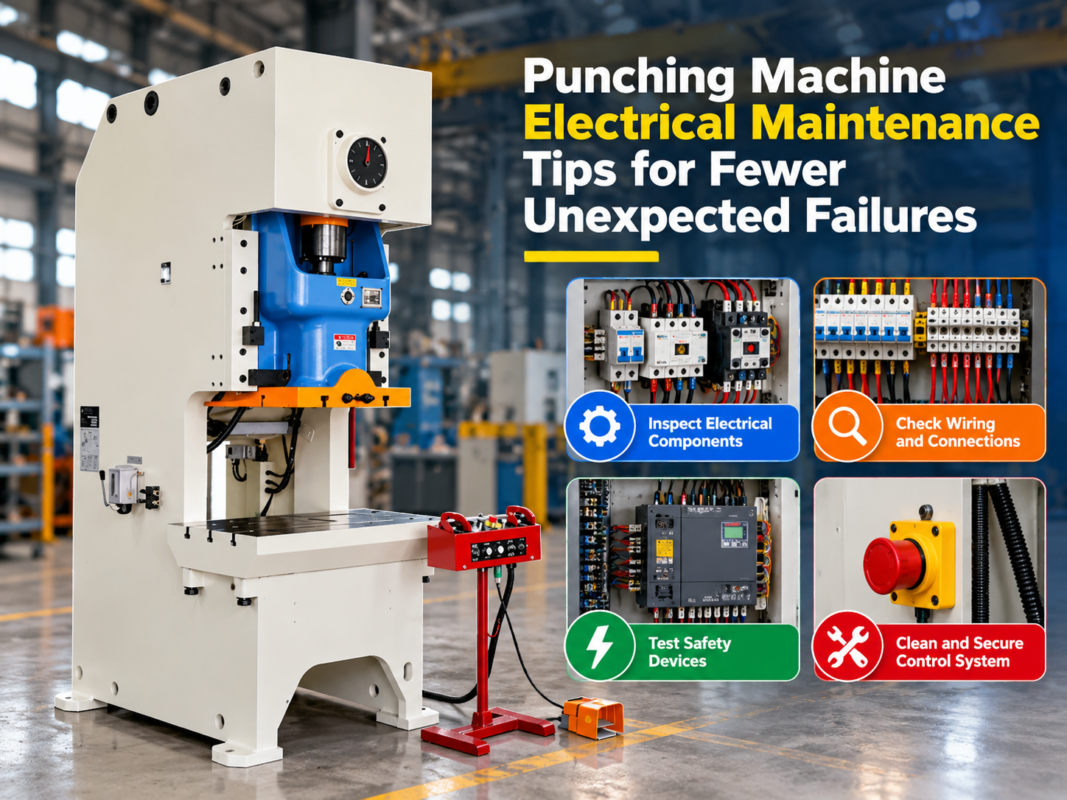
Modern hydraulic presses rely heavily on PLC (Programmable Logic Controller) systems and sensors to manage movement. A stuck ram might not be a physical jam at all, but rather a ‘logical’ jam. For instance, if a limit switch or a linear transducer is faulty, it may be sending a signal to the PLC that the ram has already reached its end-of-travel position. In this case, the PLC will prevent the valves from opening to protect the machine. Check the status of all safety light curtains, E-stop buttons, and interlock switches, as a single tripped sensor can disable the entire movement cycle.
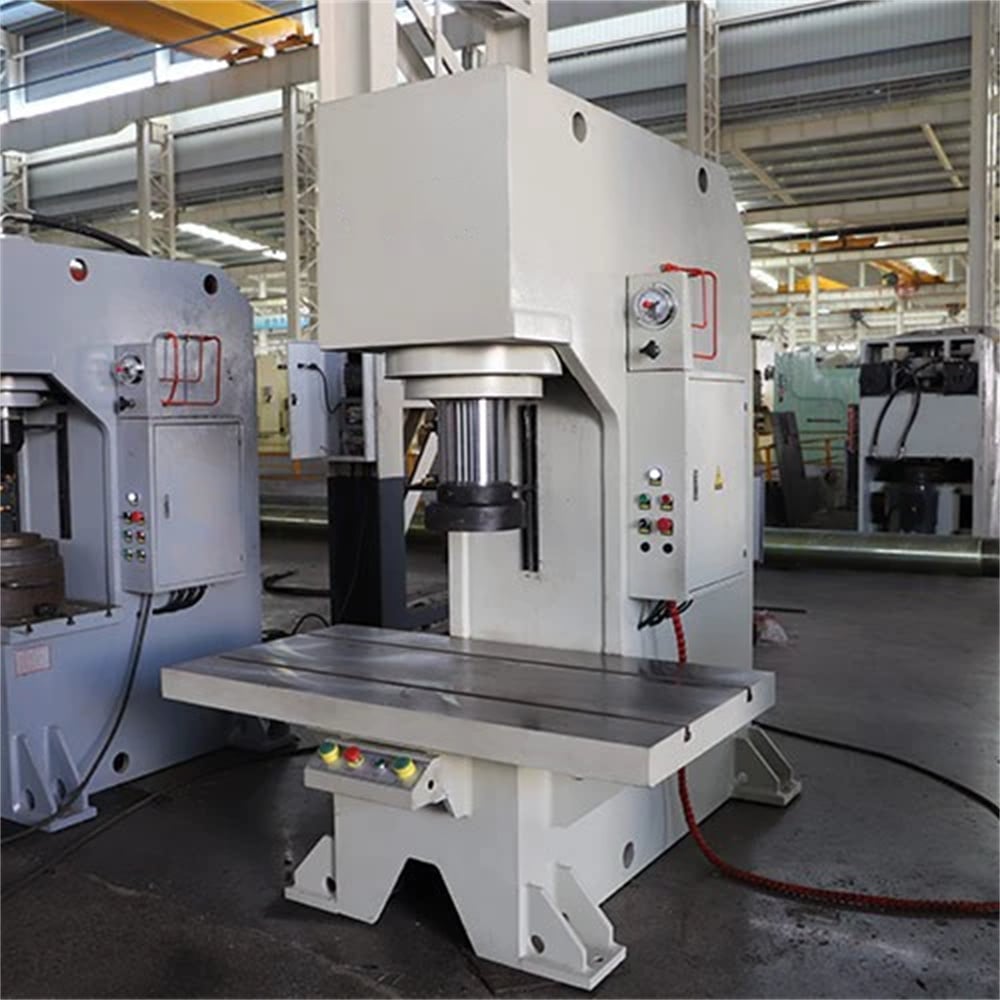
Step-by-Step Troubleshooting Procedure
When faced with a stuck ram, follow this systematic approach to minimize downtime and ensure accuracy:
- Step 1: Verify Power and Controls. Check the main power supply and the control circuit fuses. Ensure the motor is running and the pump is primed. Check the HMI (Human Machine Interface) for any error codes or alarms that might indicate a sensor failure.
- Step 2: Inspect Hydraulic Pressure. Use the built-in pressure gauges to see if the system is reaching its operating pressure when the ‘down’ or ‘up’ command is given. If pressure is zero, look at the pump and relief valves. If pressure is high but there is no movement, the issue is likely a blocked valve or mechanical binding.
- Step 3: Check Solenoid Valves. Manually override the solenoid valves (if equipped with manual overrides) to see if the ram moves. If it moves during a manual override but not during normal operation, the problem is in the electrical coil or the PLC output.
- Step 4: Examine the Gibs and Lubrication. Check the automatic lubrication system to ensure oil is reaching the guides. Loosen the gibs slightly to see if the ram is released. If it moves after loosening, the gibs were either too tight or lacked lubrication.
- Step 5: Bleed the System. If you suspect air in the lines, follow the manufacturer’s procedure to bleed the air from the highest points of the hydraulic circuit and the cylinder bleed ports.
- Step 6: Inspect for Mechanical Obstructions. Ensure there are no tools, scrap metal, or debris caught between the ram and the bed or within the guide system.
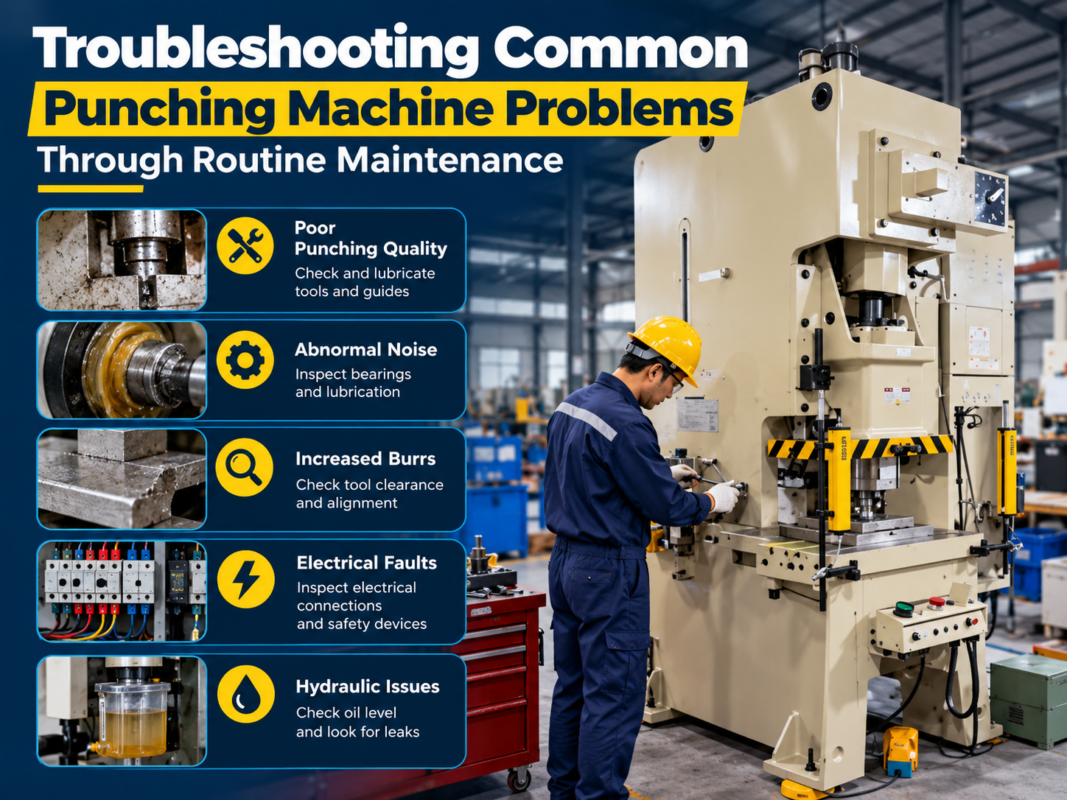
| Symptom | Potential Cause | Recommended Action |
|---|---|---|
| Ram won’t move, pump is quiet | Electrical failure / Motor starter tripped | Check breakers, fuses, and motor contactors. |
| Ram won’t move, pump is noisy | Cavitation / Low oil / Air in system | Check oil level, clean suction filters, bleed air. |
| High pressure, no movement | Mechanical jam / Closed shut-off valve | Inspect gibs, check for physical obstructions. |
| Ram moves slowly or erratically | Internal cylinder leak / Dirty oil | Inspect piston seals, change oil and filters. |
Selection Advice: Choosing a Reliable Press
To avoid the headaches of frequent troubleshooting, it is vital to select a hydraulic press built with high-quality components and a design that prioritizes maintenance accessibility. When evaluating a new press, such as those offered by HARSLE, look for the following features:
1. Quality Component Integration: Ensure the press uses reputable brands for its hydraulic and electrical components. HARSLE presses often feature Rexroth valves and Schneider electrics. These components are not only more reliable but also have better global availability for replacement parts, which is crucial when a ram eventually does get stuck due to wear.
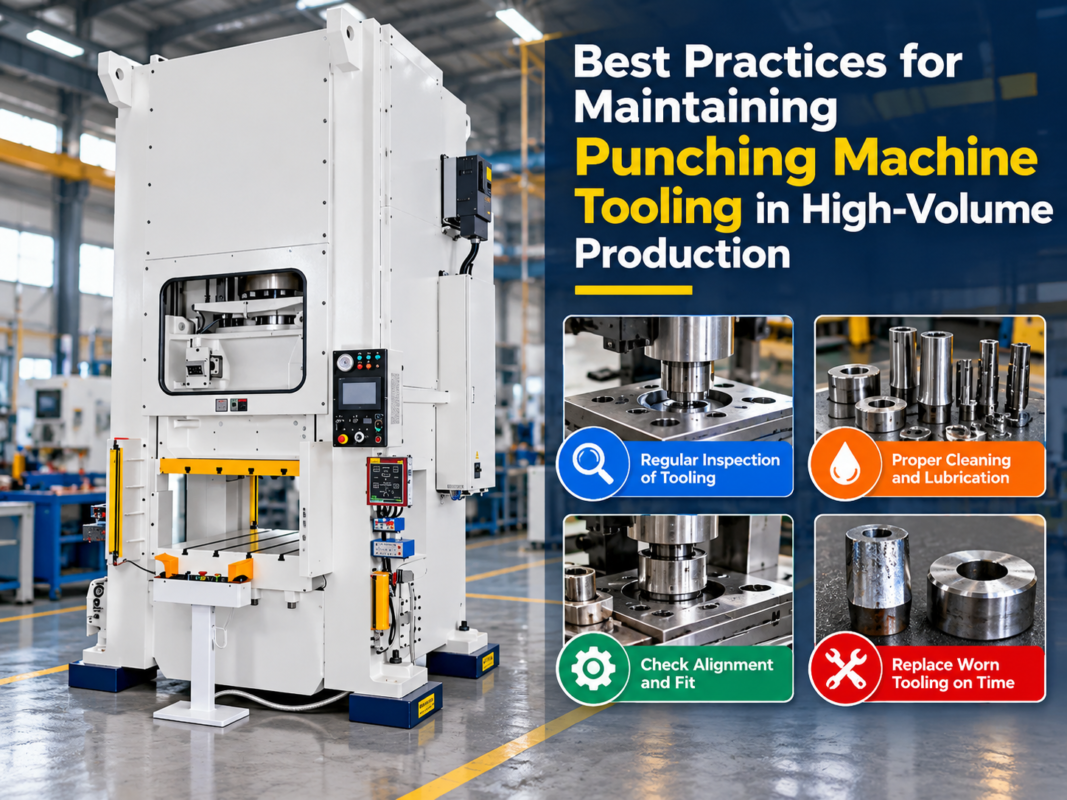
2. Robust Guide Systems: Look for presses with long, adjustable gibs. A longer guide provides better stability and reduces the risk of the ram tilting under off-center loads. High-quality presses will have replaceable wear plates on the gibs, allowing you to restore factory tolerances without expensive machining of the main frame.
3. Advanced Diagnostic Tools: Modern presses should come equipped with digital pressure monitoring and PLC diagnostics. A system that can tell you exactly which limit switch is open or which solenoid is not firing can save hours of manual testing. HARSLE’s latest models integrate smart sensors that provide real-time feedback on machine health.
4. Ease of Maintenance: A well-designed press has its hydraulic manifold and electrical cabinet positioned for easy access. If a technician has to disassemble half the machine just to check a valve, downtime will always be longer than necessary. Consider the layout of the machine and how easily you can perform routine tasks like oil changes and filter replacements.
Frequently Asked Questions (FAQ)
Q1: Can I use a sledgehammer to free a stuck ram?
A: Absolutely not. Using excessive force or impact tools can damage the precision-ground surfaces of the ram, the piston rod, or the gibs. It can also cause internal damage to the hydraulic cylinder seals. Always use the machine’s own hydraulic power or controlled mechanical methods (like jacks) after ensuring all safety protocols are met.
Q2: How often should I change the hydraulic oil to prevent sticking?
A: Generally, hydraulic oil should be changed every 2,000 to 4,000 hours of operation, or at least once a year. However, you should perform oil analysis every six months to check for contamination and additive depletion. Clean oil is the best insurance against valve sticking.
Q3: Why does my ram stick only when it gets hot?
A: This is usually due to thermal expansion. If the gib clearances are set too tight, the heat generated during operation causes the metal to expand, closing the gap and causing the ram to seize. It could also indicate that your hydraulic oil is thinning out too much at high temperatures, leading to internal bypass in the valves.
Q4: Is a stuck ram always a sign of a major failure?
A: Not necessarily. Often, it is something as simple as a tripped E-stop, a dirty limit switch, or a blown fuse. Always start with the simplest possibilities before assuming the worst-case scenario like a bent rod or a failed pump.
Conclusion
A hydraulic press stuck ram is a significant challenge, but with a systematic approach to troubleshooting, it is a problem that can be solved efficiently. By understanding the interplay between the hydraulic, mechanical, and electrical systems, maintenance teams can quickly isolate the root cause and implement a lasting fix. Remember that prevention is always better than cure; regular lubrication, oil filtration, and gib adjustment are the keys to a long-lasting and reliable press.
HARSLE remains committed to providing the metal fabrication industry with high-quality machinery and the technical knowledge required to keep it running at peak performance. Whether you are looking for a new high-precision hydraulic press or need support for your existing equipment, choosing a partner that understands the technical nuances of metal forming is essential. By following the guidelines in this article, you can minimize downtime, enhance safety, and ensure that your hydraulic press remains a productive asset for years to come.