
Comprehensive Hydraulic Press Installation Guide: Foundation, Alignment, and Commissioning Steps


Technical Overview of Hydraulic Press Installation
The successful deployment of heavy industrial machinery begins long before the power is turned on. For high-precision equipment like those manufactured by HARSLE, the Hydraulic Press Installation : Foundation, Alignment, Commissioning Steps process is a critical phase that determines the machine’s long-term accuracy, structural integrity, and operational safety. A hydraulic press is not merely a standalone tool; it is a complex system of high-pressure fluid dynamics, massive structural frames, and sensitive electronic controls. Any oversight during the installation phase can lead to premature seal failure, frame distortion, or catastrophic component breakdown.
In the realm of metal fabrication, the hydraulic press serves as the workhorse for deep drawing, stamping, forging, and molding. Whether you are installing a 4-column press or a heavy-duty H-frame model, the installation must account for the immense forces generated during the work cycle. These forces are not just vertical; they include lateral vibrations and harmonic resonances that must be dissipated through a properly engineered foundation. HARSLE emphasizes that a professional installation ensures that the press maintains its parallelism and perpendicularity under full load, which is essential for producing high-quality parts with tight tolerances.
The technical scope of this guide covers the three pillars of setup: the physical foundation, the precision alignment of the mechanical components, and the systematic commissioning of the hydraulic and electrical systems. By following these rigorous steps, facility managers and engineers can mitigate risks and maximize the Return on Investment (ROI) of their HARSLE machinery. This guide serves as a comprehensive roadmap for ensuring your hydraulic press operates at peak performance from day one.
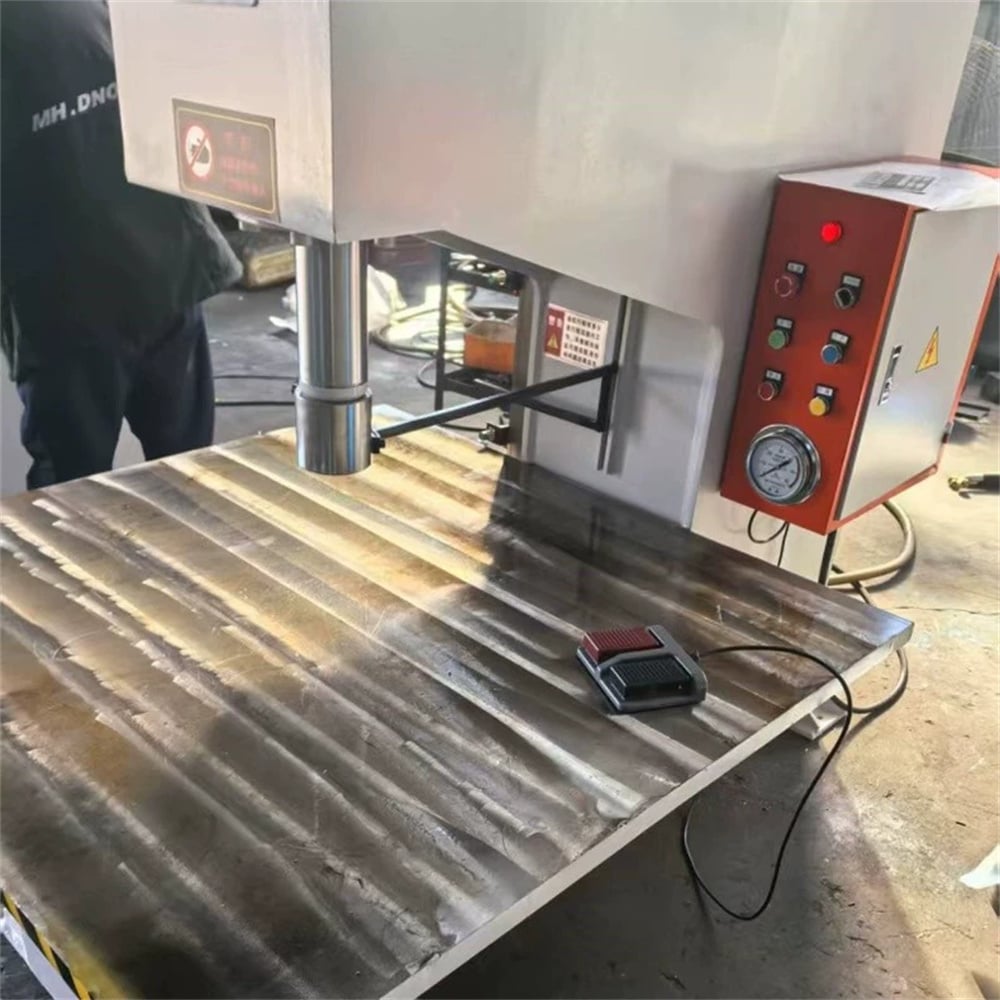
Core Parameters for Installation Planning
Before the first cubic meter of concrete is poured, several core parameters must be analyzed. The most significant factor is the total tonnage of the press. A 500-ton press exerts significantly different stresses on the shop floor than a 2000-ton press. Engineers must calculate the static load (the weight of the machine itself) and the dynamic load (the force exerted during the pressing stroke). HARSLE provides detailed technical data sheets for every model, specifying the center of gravity and the distribution of weight across the mounting points.
Another vital parameter is the “Daylight” or the maximum open height of the press. This dictates the vertical clearance required in the facility. Installation planning must also account for the stroke length and the speed of the ram, as high-speed presses generate more significant kinetic energy that needs to be dampened. Furthermore, the bolster dimensions and the overall footprint of the machine determine the required area for the foundation pit. Accessibility for maintenance, such as changing hydraulic filters or servicing the pump motor, must also be factored into the spatial layout.
Environmental factors also play a role. The installation site must be free from excessive moisture, which can lead to corrosion of the precision-ground columns, and away from other heavy machinery that might transmit unwanted vibrations. Temperature stability is equally important; extreme fluctuations can cause thermal expansion in the hydraulic fluid and the metal frame, affecting the precision of the alignment. HARSLE recommends a controlled industrial environment to maintain the tightest tolerances during the Hydraulic Press Installation : Foundation, Alignment, Commissioning Steps.
The Foundation: Engineering the Base
The foundation is the most permanent part of the installation and the most difficult to correct if done improperly. For heavy hydraulic presses, a standard factory floor is rarely sufficient. A dedicated reinforced concrete foundation pit is usually required. The depth and reinforcement of this pit depend on the soil bearing capacity of the site. A soil analysis should be conducted to ensure the ground can support the combined static and dynamic loads without settling over time.
When constructing the foundation, high-strength concrete (typically C30 or higher) is used, reinforced with a dense grid of steel rebar. The foundation must be isolated from the rest of the factory floor using expansion joints or vibration-dampening materials like cork or specialized rubber pads. This isolation prevents the press’s vibrations from affecting nearby sensitive equipment and protects the press from external shocks. HARSLE’s installation blueprints specify the exact locations for anchor bolts, which must be cast into the concrete with high precision to match the machine’s mounting holes.
Curing time is a factor often overlooked in the rush to begin production. Concrete requires at least 28 days to reach its full design strength. Loading a heavy press onto a partially cured foundation can lead to cracking and permanent misalignment. During the curing process, the anchor bolt sleeves should be kept clean and protected. Once the concrete is ready, the surface must be leveled and cleaned of any debris or oil before the press is positioned. Proper foundation engineering is the bedrock of the Hydraulic Press Installation : Foundation, Alignment, Commissioning Steps.
Precision Alignment and Leveling
Once the press is placed on its foundation, the alignment phase begins. This is where the machine’s theoretical precision becomes a reality. The primary goal is to ensure the bolster (the bottom table) is perfectly level in both the longitudinal and transverse directions. Using high-precision master levels or laser leveling systems, technicians adjust the leveling screws or shims under the press frame. A deviation of even a fraction of a millimeter over the length of the bolster can lead to uneven wear on the bushings and poor part quality.
After the base is leveled, the perpendicularity of the ram movement must be verified. In a 4-column press, this involves checking that the slide moves perfectly parallel to the columns and perpendicular to the bolster. HARSLE machines are built to exacting standards, but the stresses of transport and rigging can cause minor shifts. Dial indicators are used to measure the parallelism between the slide face and the bolster at various points of the stroke. If the slide is not parallel, it will exert side-loading forces on the columns, leading to premature seal failure and potential scoring of the chrome-plated surfaces.
Alignment also extends to the hydraulic and electrical connections. Piping must be installed without stress, ensuring that thermal expansion doesn’t pull on the pump or valve manifolds. Electrical cabinets must be leveled and secured, with all wiring routed through protective conduits to prevent mechanical damage. Precision alignment is a meticulous process that requires patience and the right tools, but it is the only way to guarantee the long-term accuracy of a HARSLE hydraulic press.
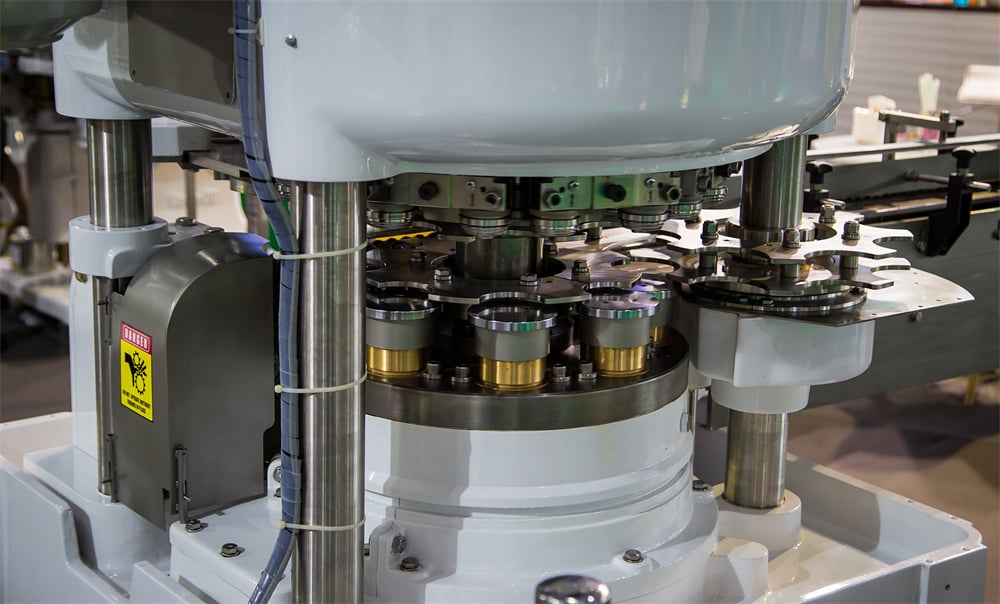
Commissioning Steps: From Power-On to Production
Commissioning is the final bridge between installation and full-scale production. This phase begins with a comprehensive pre-start checklist. All mechanical fasteners are checked for proper torque, and the hydraulic reservoir is cleaned and filled with the specified grade of hydraulic oil. HARSLE recommends using a filtration unit when filling the tank to ensure no contaminants enter the sensitive valve system. The electrical system is then energized, and the rotation of the pump motor is verified to ensure it matches the directional arrow on the housing.
The next step in the Hydraulic Press Installation : Foundation, Alignment, Commissioning Steps is the air bleeding process. Air trapped in the hydraulic lines can cause “spongy” operation, erratic movement, and cavitation in the pump. The ram is cycled at low pressure several times to purge air back to the reservoir. Once the movement is smooth, the pressure is gradually increased. Technicians monitor the system for leaks, unusual noises, or excessive heat generation. The relief valves and pressure switches are calibrated to the machine’s design limits during this stage.
Safety system verification is the most critical part of commissioning. This includes testing the emergency stop buttons, light curtains, and two-hand start controls. The PLC (Programmable Logic Controller) software is checked for proper logic execution, ensuring that all interlocks are functioning correctly. Finally, a series of test cycles are performed under load. The first few parts produced are measured against the design specifications to confirm that the alignment and pressure settings are producing the desired results. Only after these rigorous tests is the HARSLE press handed over to the production team.
Calculation Methods for Installation
Engineering a hydraulic press installation requires several key calculations to ensure safety and performance. Below are the primary formulas used by HARSLE engineers during the planning phase:
- Foundation Volume Calculation: V = (W_m * F_s) / (D_c * G), where V is the volume, W_m is the machine weight, F_s is the safety factor (usually 2-3 for dynamic loads), D_c is the density of concrete, and G is the gravity constant.
- Anchor Bolt Tension: T = (M_o / L_a), where T is the tension, M_o is the overturning moment during peak operation, and L_a is the lever arm of the bolt group.
- Hydraulic Force Conversion: F = P * A, where F is the force (tonnage), P is the hydraulic pressure (PSI or Bar), and A is the effective area of the cylinder piston.
- Heat Dissipation Requirement: Q = P_in * (1 – η), where Q is the heat load, P_in is the input power, and η is the efficiency of the hydraulic system. This determines the size of the oil cooler required.
These calculations ensure that the foundation won’t sink, the bolts won’t shear, and the hydraulic system won’t overheat during continuous operation. HARSLE provides these values in the technical manual to assist site engineers in their preparations.
Parameter Table for HARSLE Hydraulic Presses
The following table outlines the typical installation parameters for standard HARSLE hydraulic press series. These values are indicative and should be verified with the specific model’s manual.
| Model Series | Nominal Force (kN) | Foundation Depth (mm) | Anchor Bolt Size | Oil Capacity (L) | Total Weight (kg) |
|---|---|---|---|---|---|
| Y32-100 | 1000 | 800 | M24 | 400 | 4,500 |
| Y32-315 | 3150 | 1200 | M36 | 800 | 12,000 |
| Y27-500 | 5000 | 1500 | M42 | 1200 | 25,000 |
| Y28-1000 | 10000 | 2200 | M56 | 2500 | 55,000 |
Common Engineering Mistakes in Installation
Even with a detailed guide, certain mistakes frequently occur during the Hydraulic Press Installation : Foundation, Alignment, Commissioning Steps. One of the most common is neglecting the soil bearing capacity. If the soil is too soft or has high clay content, even a thick concrete pad may tilt over time, leading to chronic alignment issues. Always perform a core sample test if the history of the shop floor is unknown.
Another mistake is improper grouting. After the press is leveled with shims, the gap between the machine base and the concrete must be filled with non-shrink grout. If this is done poorly, or if standard mortar is used, the grout will shrink and crack, leaving the machine supported only by the shims. This creates “point loading” which can distort the press frame and cause the anchor bolts to loosen under vibration.
In the commissioning phase, a frequent error is ignoring the cleanliness of the hydraulic system. Many technicians assume that new oil is clean oil. In reality, new oil often contains microscopic particles from the refining and drumming process. Failing to use a 10-micron (or better) filter during the initial fill can damage the high-precision piston pumps and servo valves within the first few hours of operation. HARSLE emphasizes that cleanliness is paramount for hydraulic longevity.
Selection and Installation Checklist
To ensure a successful setup, project managers should follow this comprehensive checklist during the installation of a HARSLE hydraulic press:
- Site Preparation: Verify overhead clearance, floor load capacity, and proximity to power and water (for cooling).
- Foundation: Confirm concrete grade, rebar density, and curing time (minimum 28 days).
- Rigging: Ensure the crane or forklift is rated for the machine’s total weight plus a safety margin.
- Leveling: Use a master level (0.02mm/m accuracy) to check the bolster in four directions.
- Anchoring: Torque anchor bolts to the manufacturer’s specification using a calibrated torque wrench.
- Hydraulics: Flush the system, fill with filtered oil, and bleed all air from the cylinders.
- Electrical: Check all ground connections and verify that the voltage matches the machine’s nameplate.
- Safety: Test all E-stops, light curtains, and interlocking guards before the first full-pressure stroke.
- Documentation: Record all initial alignment readings and pressure settings for future reference.
FAQ: Hydraulic Press Installation and Startup
Q: How long does the entire installation process usually take?
A: For a medium-sized HARSLE press (315-500 tons), the physical installation and commissioning usually take 5 to 10 working days, excluding the 28-day concrete curing period. Larger, custom-engineered lines may take several weeks.
Q: Can I install a hydraulic press on a standard 6-inch factory floor?
A: Generally, no. Most hydraulic presses require a reinforced pit or a much thicker slab (12-36 inches) to handle the dynamic loads. Installing on a standard floor will likely lead to floor cracking and machine misalignment.
Q: What type of hydraulic oil should I use?
A: HARSLE typically recommends high-quality anti-wear hydraulic oil (ISO VG 46 or 68), depending on the ambient temperature of your facility. Always refer to the specific lubrication chart provided with your machine.
Q: Why is my new press making a high-pitched whining noise?
A: This is often a sign of pump cavitation, usually caused by air in the suction line or a restricted suction filter. Ensure all fittings are tight and the oil level is correct. If the noise persists, stop the machine immediately to prevent pump damage.
Q: How often should I check the alignment after installation?
A: HARSLE recommends checking the level and parallelism after the first 500 hours of operation, as the machine and foundation may undergo minor initial settling. After that, an annual check is usually sufficient unless the machine is moved or subjected to an overload event.












