How to Select the Best Laser Cutting Machine for Metal Fabrication Projects


Introduction to Modern Metal Fabrication and Laser Technology
In the rapidly evolving landscape of industrial manufacturing, the ability to produce high-precision components with minimal waste is no longer a luxury—it is a necessity. Metal fabrication shops worldwide are increasingly turning to fiber laser technology to stay competitive. When you aim to Select Best Laser Cutting Machine Metal Fabrication Projects, you are not just buying a piece of hardware; you are investing in the future throughput, accuracy, and profitability of your business. Laser cutting has largely superseded traditional methods like plasma cutting or mechanical shearing for many applications due to its superior edge quality and speed.
The process of selection is multifaceted. It requires a deep understanding of your current production bottlenecks, the types of materials you process most frequently, and your long-term growth projections. A machine that is perfect for a shop specializing in thin-gauge decorative stainless steel will be vastly different from one required by a heavy-duty structural steel fabricator. This guide is designed to walk you through every technical and financial nuance of the selection process, ensuring that your investment yields the highest possible return.
HARSLE understands that the market is flooded with options, from entry-level 1kW machines to ultra-high-power 30kW systems. Navigating these choices requires a structured approach. By the end of this article, you will have a comprehensive framework to evaluate machine specifications, understand the total cost of ownership, and ultimately choose a system that aligns perfectly with your fabrication goals.
Price Range Overview: Understanding the Market Tiers
The price of a laser cutting machine is primarily dictated by its power output, bed size, and the level of automation included. Generally, the market can be divided into three main tiers. Entry-level machines, typically ranging from 1kW to 3kW, are priced between $25,000 and $60,000. These are ideal for small shops or those transitioning from outsourcing to in-house production. They excel at cutting thin sheets of carbon steel and stainless steel up to 6mm or 10mm respectively.
Mid-range machines, featuring 4kW to 8kW fiber laser sources, usually fall within the $70,000 to $150,000 bracket. These machines are the workhorses of the industry, offering a balance of speed and thickness capability. They can comfortably handle materials up to 20mm and offer significantly higher cutting speeds on thinner materials compared to entry-level models. This tier often includes features like exchange tables and basic automation.
High-end, industrial-grade systems with 12kW to 30kW+ power sources can exceed $250,000 and reach upwards of $500,000. These machines are designed for 24/7 high-volume production and can cut through extremely thick materials (up to 50mm or more) with ease. They often come equipped with full automation suites, including automatic loading and unloading systems, which drastically reduce labor costs and increase machine utilization rates.
| Machine Tier | Power Range | Estimated Price (USD) | Primary Application |
|---|---|---|---|
| Entry-Level | 1kW – 3kW | $25,000 – $60,000 | Thin gauge, prototyping, small batches |
| Mid-Range | 4kW – 8kW | $70,000 – $150,000 | General fabrication, medium thickness |
| High-Power | 12kW – 30kW+ | $200,000+ | Heavy industry, high-volume production |
It is important to note that these prices are estimates and can vary based on the brand of the laser source (e.g., IPG vs. Raycus), the quality of the motion system (linear motors vs. rack and pinion), and the geographical location of the supplier. Always request a detailed quote that includes shipping, installation, and initial training.
Main Cost Drivers in Laser Cutting Systems
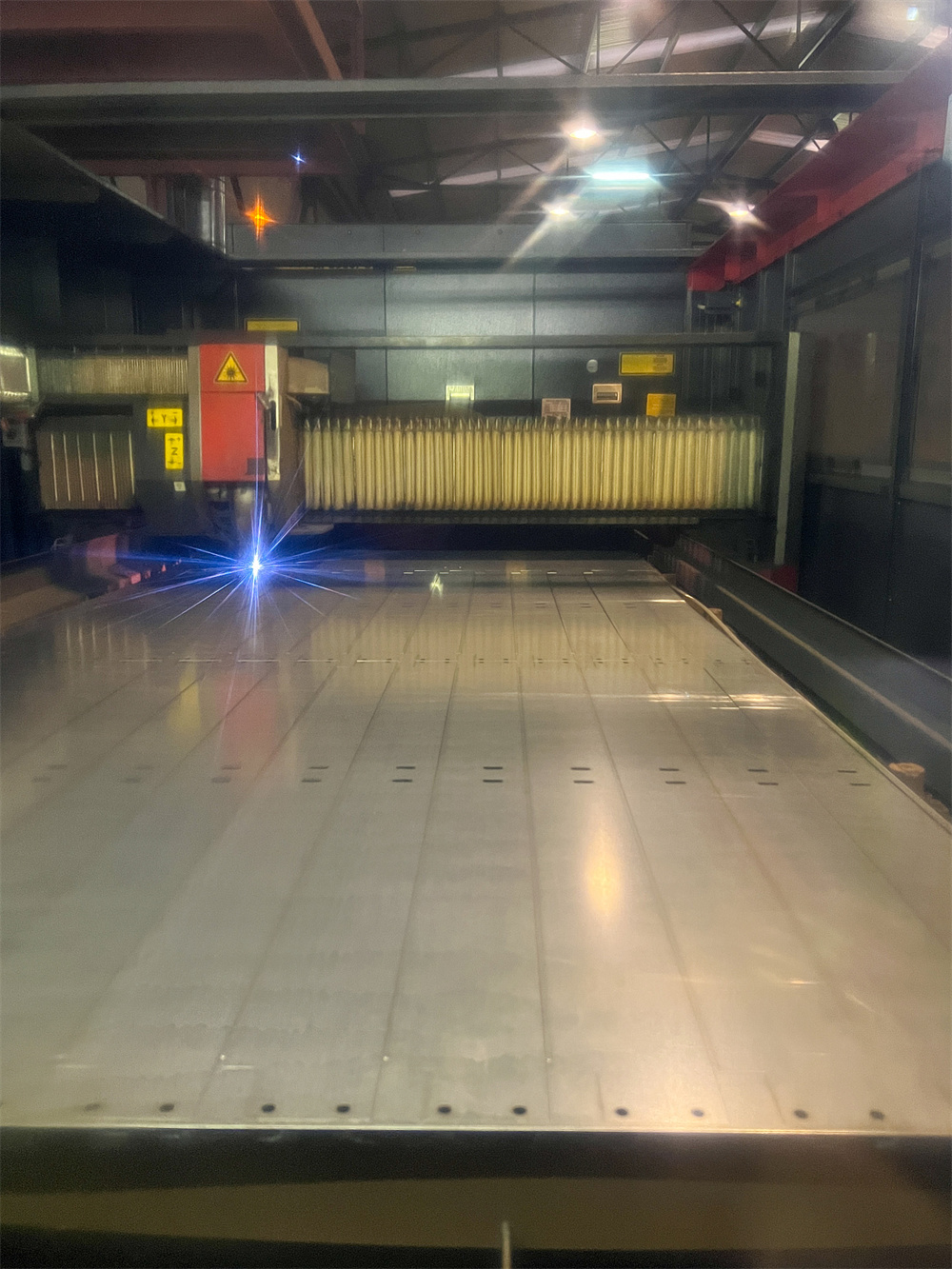
When you Select Best Laser Cutting Machine Metal Fabrication Projects, you must identify what exactly you are paying for. The most significant cost driver is the fiber laser source. Brands like IPG Photonics are considered the gold standard for reliability and beam quality, but they come at a premium. Alternatives like Raycus or Maxphotonics offer excellent performance at a more accessible price point, making them popular for many standard fabrication needs.
The second major driver is the machine’s structural integrity and motion system. A laser cutting machine must maintain extreme precision while moving at high speeds. This requires a heavy, stress-relieved machine bed (often made of cast iron or high-strength welded steel) and high-quality components like HIWIN or PMI linear guides and Yaskawa or Delta servo motors. If the frame is too light, vibrations at high speeds will lead to poor cut quality and premature wear of the mechanical components.
Cutting head technology also plays a role. Modern machines often feature autofocus cutting heads (like those from Raytools or Precitec). These heads automatically adjust the focal point based on the material thickness and type, which is essential for maintaining consistency and reducing setup times. Manual focus heads are cheaper but require a skilled operator and more downtime between different jobs.
Finally, the control system and software (such as CypCut or Beckhoff) contribute to the cost. A user-friendly interface with advanced nesting capabilities can save thousands of dollars in material waste over the machine’s lifespan. Advanced software features like “fly cutting” (cutting without stopping the head between holes) and “frog-jump” positioning significantly increase the parts-per-hour metric, justifying a higher initial investment.
Configuration Impact: Tailoring the Machine to Your Needs
The configuration of your laser machine should be a direct reflection of your workflow. One of the first decisions is the bed size. Standard sizes are 3015 (3m x 1.5m) and 4020 (4m x 2m), but larger formats are available for specialized industries. If you frequently work with standard 4×8 or 5×10 sheets, a 3015 or 4020 bed is essential. Choosing a bed that is too small will force you to pre-cut material, adding an unnecessary step to your process.
Another critical configuration choice is the inclusion of an exchange table (shuttle table). An exchange table allows the operator to load a new sheet and unload finished parts while the machine is still cutting on the other table. This can increase productivity by 30% to 50% in high-volume environments. For shops with limited space or lower volume, a single-table machine might be more appropriate and cost-effective.
The type of gas used during cutting—Oxygen, Nitrogen, or Compressed Air—also impacts the machine’s configuration. Oxygen is typically used for carbon steel, providing an exothermic reaction that aids the cut but leaves an oxidized edge. Nitrogen is used for stainless steel and aluminum to prevent oxidation, resulting in a clean, weld-ready edge. Many modern fabricators are moving toward high-pressure air cutting, which requires a high-spec compressor and filtration system but significantly reduces the cost per part by eliminating the need for bottled gas.
Furthermore, consider if you need a rotary attachment for tube and pipe cutting. Some machines are “combo” units that feature a flatbed for sheet metal and a side-mounted rotary axis for tubes. This is an excellent space-saving solution for shops that do both types of work but don’t have the volume to justify two separate machines. However, dedicated tube lasers are much faster if your primary business is pipe fabrication.
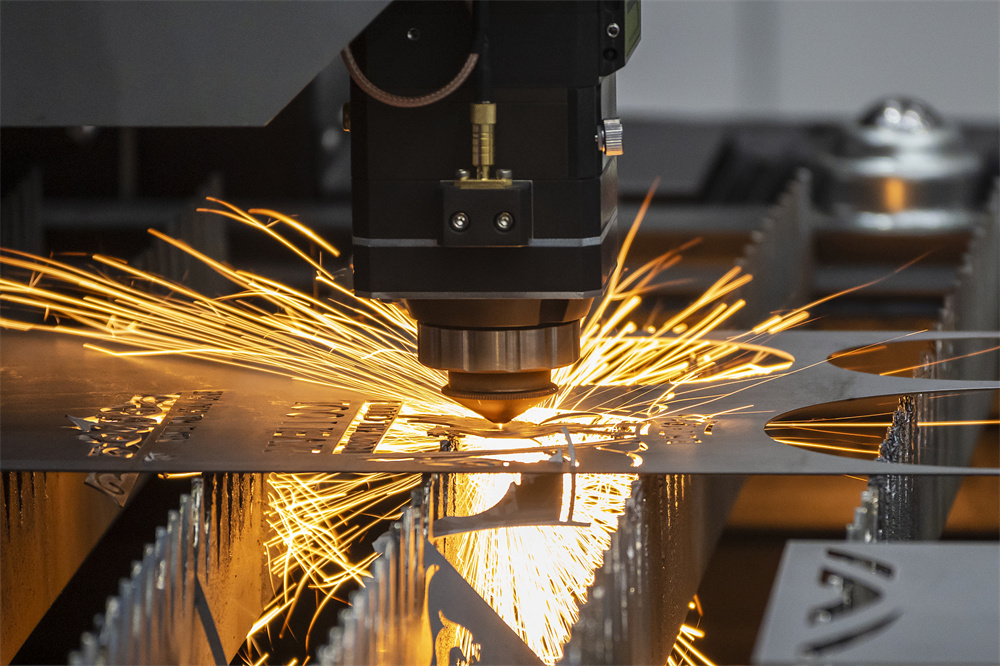
Hidden Costs: What Lies Beneath the Purchase Price
The sticker price of a laser machine is only the beginning. To accurately Select Best Laser Cutting Machine Metal Fabrication Projects, you must account for the hidden costs of operation. Consumables are the most immediate ongoing expense. These include copper nozzles, protective windows (lenses), and ceramic rings. While individually inexpensive, they add up over hundreds of hours of operation. Using high-quality consumables is vital; cheap alternatives can lead to poor cut quality or even damage the cutting head.
Electricity consumption is another factor. While fiber lasers are much more efficient than older CO2 lasers, a high-power system still draws significant current. You must also factor in the power requirements for the water chiller, the dust extractor, and the air compressor. In some regions, industrial electricity rates and peak-demand charges can make a noticeable impact on the monthly budget.
Maintenance and repair costs should be budgeted from day one. Fiber lasers are generally low-maintenance because they have no moving parts in the laser-generating source, but the mechanical components (gears, racks, bellows) still require regular cleaning and lubrication. Furthermore, if a major component like the laser source or the cutting head fails out of warranty, the repair costs can be substantial. Choosing a supplier with a local service team and a robust spare parts inventory is a critical risk-mitigation strategy.
Lastly, don’t overlook the cost of site preparation. A laser machine requires a stable, level concrete floor, often with specific thickness requirements to prevent vibration. You may also need to invest in specialized ventilation or ducting to exhaust the fumes generated during the cutting process, especially when working with galvanized steel or certain alloys that produce toxic smoke.
ROI Calculation: Justifying the Investment
Calculating the Return on Investment (ROI) is the most important step for any business owner. To do this, you need to compare the cost of operating the laser in-house versus your current costs (either outsourcing or using slower traditional methods). The formula for ROI is: (Net Profit from Investment / Cost of Investment) x 100. However, in fabrication, we often look at the “payback period”—how many months it takes for the machine to pay for itself.
Consider a scenario where a shop spends $5,000 per month outsourcing laser-cut parts. By bringing that work in-house, they might reduce the cost to $1,500 (including labor, gas, and power). The $3,500 monthly saving is then applied against the machine’s monthly lease payment. If the lease is $2,500, the shop is immediately cash-flow positive by $1,000 per month. This doesn’t even account for the added value of faster turnaround times and better quality control.
Material utilization is another huge factor in ROI. Advanced nesting software can often improve material yield by 10% to 20% compared to manual layout or older machines. If you process $20,000 worth of metal a month, a 15% improvement in nesting saves you $3,000 every month. Over five years, that’s $180,000—potentially the entire cost of the machine.
Finally, consider the “opportunity cost.” Having a high-speed laser allows you to bid on projects that were previously impossible due to tight tolerances or high volume requirements. The ability to say “yes” to more complex and lucrative work is often the biggest driver of long-term business growth, even if it’s the hardest to quantify in a spreadsheet.
Buying Advice: A Step-by-Step Checklist
When you are ready to Select Best Laser Cutting Machine Metal Fabrication Projects, follow this structured checklist to ensure no detail is missed:
- Define Your Material Profile: List the maximum thickness and the most common thickness for every material you cut (Carbon Steel, Stainless, Aluminum, Copper, Brass). Choose a wattage that handles your *common* thickness at high speed, not just your *maximum* thickness at a crawl.
- Evaluate Bed Size: Don’t just buy a 3015 because it’s standard. If your customers are asking for 4-meter parts, the extra investment in a 4020 bed will pay for itself quickly.
- Check the Service Reputation: Ask the manufacturer for references in your area. Call them and ask about the response time when the machine goes down. A machine that isn’t running is a liability, not an asset.
- Test Cut Your Parts: Never buy a machine without seeing it cut *your* specific files on *your* material. Pay attention to the edge quality, the dross (burr) levels, and the actual time it takes to complete the nest.
- Analyze the Software: Is the CAM software intuitive? Does it support the features you need, like common-line cutting or automatic nesting? Ensure your staff can be trained quickly on the interface.
- Future-Proofing: If you think you need 3kW today, consider if 6kW would allow you to grow into new markets tomorrow. It is much cheaper to buy more power now than to trade in a machine in two years.
By following these steps, you move from an emotional purchase to a data-driven business decision. HARSLE recommends focusing on the “Total Cost of Ownership” rather than just the initial purchase price. A slightly more expensive machine with better local support and higher efficiency will almost always be more profitable in the long run.
Frequently Asked Questions (FAQ)
What is the difference between Fiber and CO2 lasers for metal?
Fiber lasers are the modern standard for metal fabrication. They are more energy-efficient, have no moving parts in the light-generating source, and cut thin to medium-thickness metals much faster than CO2 lasers. CO2 lasers are now mostly reserved for non-metallic materials or very specific thick-plate applications where edge smoothness is the absolute priority, though high-power fiber lasers have largely closed that gap.
How much power (wattage) do I actually need?
This depends on your material thickness. For 1-3mm steel, 1kW-2kW is plenty. For 6-10mm, 3kW-4kW is ideal for speed. If you are regularly cutting 20mm+ plate, you should look at 12kW or higher. Always aim for a power level where your most common material can be cut at at least 2-3 meters per minute for maximum efficiency.
Can a fiber laser cut reflective materials like Copper and Brass?
Yes, modern fiber lasers are designed to handle back-reflections that used to damage older CO2 lasers. However, you should ensure the machine is equipped with a laser source (like nLIGHT or certain IPG models) that has built-in back-reflection protection if you plan to cut these materials frequently.
What is the expected lifespan of a fiber laser source?
Most high-quality fiber laser sources are rated for 100,000 hours of operation. In a typical single-shift shop, this equates to over 20 years of use. The mechanical components of the machine will likely require overhaul or replacement long before the laser source itself fails.
Is air cutting as good as nitrogen cutting?
Air cutting is a middle ground. It is much faster and cheaper than nitrogen but leaves a slight oxide layer on the edge (though much less than oxygen). For many industrial parts that will be painted or powder-coated, air cutting is perfectly acceptable and highly cost-effective. For high-end decorative stainless steel, nitrogen is still preferred.