Laser Cutting Machine Buying Guide: How to Choose the Right Model for Your Workshop


Introduction to Laser Cutting Machine Buying: Choose Model Workshop Success
In the modern metal fabrication landscape, the decision to invest in a laser cutting machine is often the turning point for a workshop’s growth. Whether you are transitioning from traditional plasma cutting or upgrading from older CO2 technology, the process of Laser Cutting Machine Buying : Choose Model Workshop requirements carefully is critical to ensuring long-term profitability. HARSLE, a leader in metal fabrication machinery, understands that the sheer variety of fiber laser machines on the market can be overwhelming. This guide is designed to navigate you through the technical specifications, financial considerations, and operational factors that define the right choice for your specific production needs.
The shift toward fiber laser technology has revolutionized the industry, offering unprecedented speed, precision, and lower operating costs compared to traditional methods. However, a machine that is overpowered for your needs represents wasted capital, while an underpowered machine will create bottlenecks in your production line. To achieve the perfect balance, one must look beyond the sticker price and evaluate the machine as a core component of the workshop’s ecosystem. This article provides a deep dive into the nuances of laser cutting acquisition, helping you make an informed decision that aligns with your business goals.
Price Range Overview: Understanding the Market Tiers
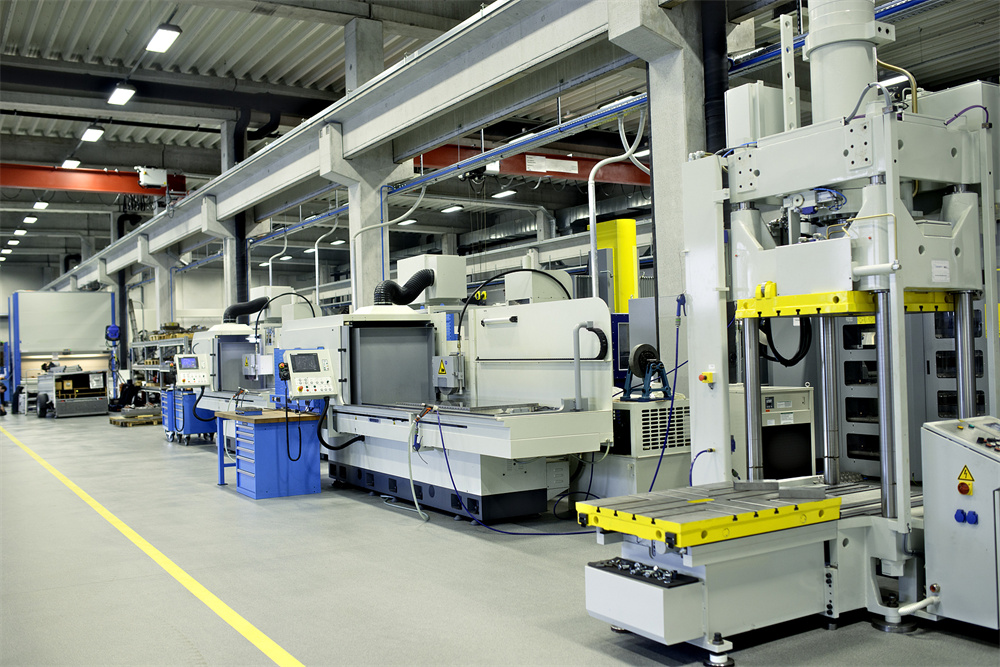
When embarking on the journey of Laser Cutting Machine Buying : Choose Model Workshop owners must first understand the broad price tiers that exist in the market. Fiber laser machines are generally categorized by their power output and bed size, which are the primary determinants of the initial investment. Entry-level machines, typically ranging from 1kW to 3kW, are priced between $25,000 and $55,000. These are ideal for small workshops focusing on thin gauge materials like 1mm to 6mm stainless steel or carbon steel. They offer a significant upgrade in speed over mechanical cutting but are limited in their ability to handle heavy plate.
Mid-range machines, which occupy the 4kW to 12kW bracket, represent the most popular segment for medium-sized fabrication shops. These machines usually cost between $60,000 and $160,000. They are the workhorses of the industry, capable of cutting through 12mm to 25mm materials with ease while maintaining high speeds on thinner sheets. This tier often includes features like automatic nozzle changers and exchange tables, which significantly increase throughput. For many workshops, this range offers the best balance between capability and cost-effectiveness.
High-end industrial machines, featuring power sources from 15kW up to 40kW or more, are designed for heavy-duty manufacturing and thick plate processing. These machines can exceed $250,000 and are often equipped with advanced automation, large format beds (up to 12 meters or more), and sophisticated monitoring systems. While the investment is substantial, the ability to cut 50mm carbon steel or 40mm aluminum at production speeds allows these workshops to compete for high-value contracts in the aerospace, shipbuilding, and heavy machinery sectors.
Main Cost Drivers in Laser Cutting Technology
The primary driver of cost in any fiber laser system is the laser source itself. Brands like IPG Photonics, Raycus, and Maxphotonics dominate the market. IPG is often considered the gold standard for stability and longevity, commanding a premium price. Raycus and Max offer excellent performance-to-price ratios, making them popular choices for workshops looking to maximize their budget. The power of the source (measured in kilowatts) scales the price exponentially; doubling the power does not just double the price—it often involves more complex cooling systems and more robust machine frames to handle the increased thermal load and kinetic energy.
Another significant cost driver is the motion system, which includes the linear guides, rack and pinion, and servo motors. High-precision components from brands like HIWIN (Taiwan) or YYC (Taiwan) and motors from Yaskawa (Japan) ensure that the machine maintains its accuracy over years of operation. A machine frame that has been stress-relieved through heat treatment is more expensive to manufacture but prevents deformation over time, ensuring that the laser beam remains perfectly aligned with the workpiece. Cheaply made frames may vibrate at high speeds, leading to poor cut quality and premature wear on the cutting head.
The cutting head and control software also play a role in the pricing. Advanced heads with autofocus capabilities, such as those from Precitec or Raytools, allow for seamless transitions between different material thicknesses. Similarly, the control system (like CypCut or Beckhoff) dictates the user experience and the efficiency of the nesting process. High-end software can reduce material waste by 10-15%, which, over the life of the machine, can save more money than the initial price difference between a basic and a premium control system.
Configuration Impact: Tailoring the Machine to Your Workflow
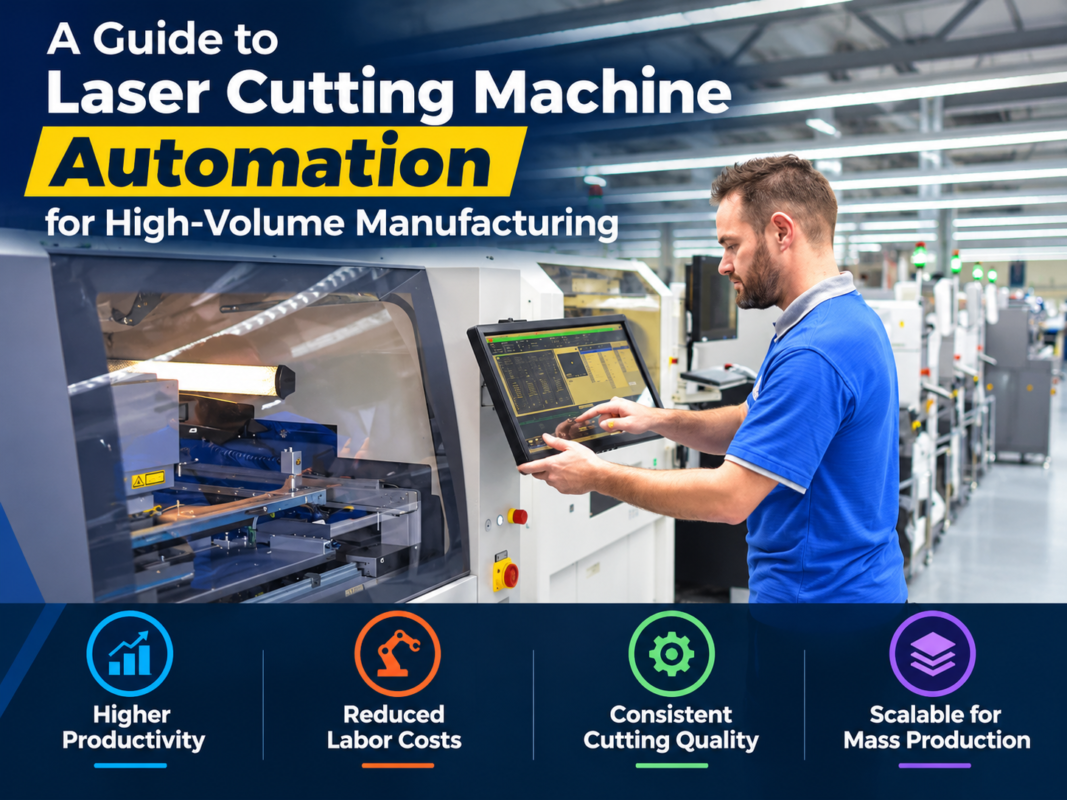
Choosing the right configuration is where the Laser Cutting Machine Buying : Choose Model Workshop strategy becomes highly specific. The first decision is usually between a single table and an exchange table (shuttle table) system. A single table machine is more compact and affordable, but the laser must stop while the operator loads new material and removes finished parts. An exchange table allows the operator to load/unload while the machine is cutting, potentially increasing productivity by 30% to 50%. For high-volume shops, the exchange table is almost always a mandatory requirement.
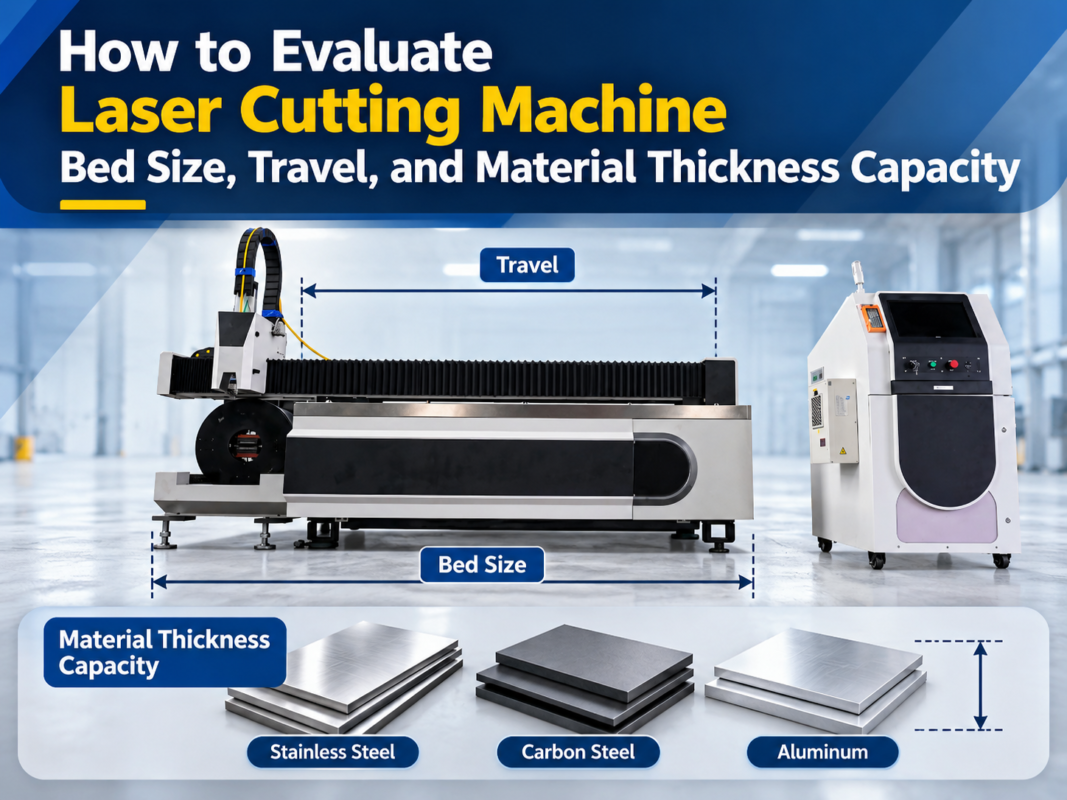
The bed size is another critical configuration factor. While the standard 3015 (3m x 1.5m) bed fits most standard metal sheets, workshops dealing with oversized architectural elements or large industrial parts may require a 4020 or 6025 format. It is important to measure your workshop’s floor space and consider the “swing” area needed for loading sheets. Additionally, some machines are configured as “open” types, while others are “fully enclosed.” Enclosed machines offer better safety by protecting workers from reflected laser light and containing dust and fumes, which is often a requirement for ISO-certified facilities or those located in urban areas.
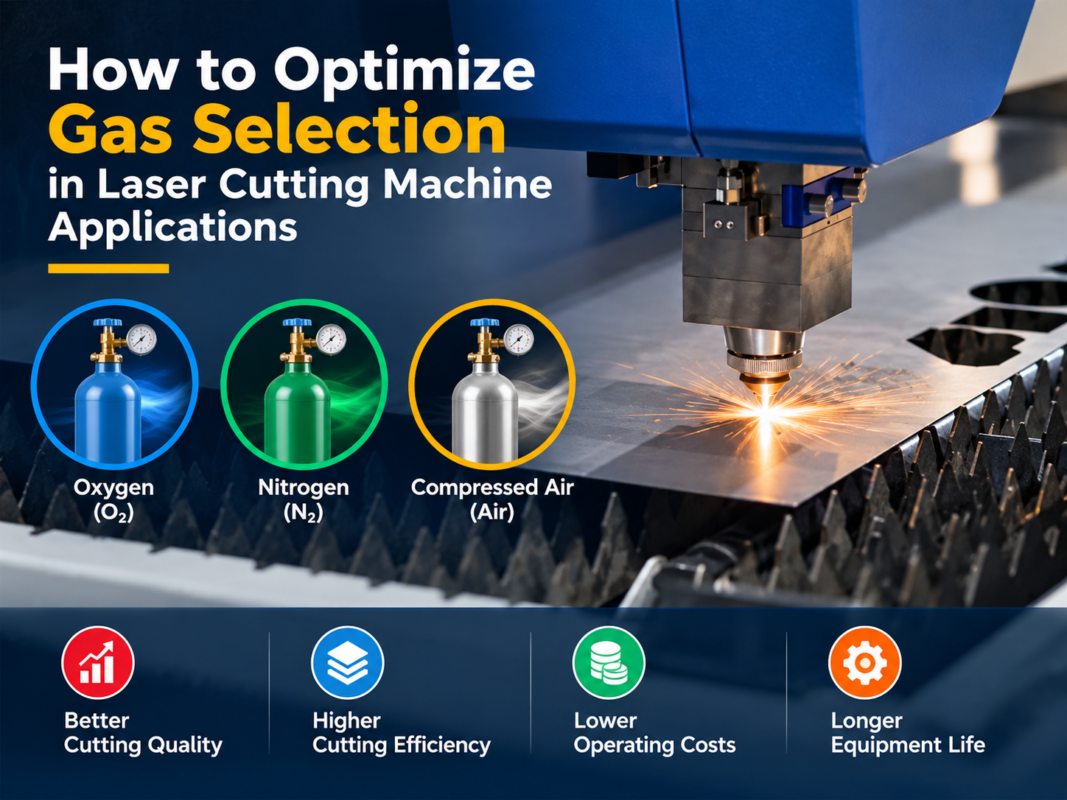
Furthermore, consider the auxiliary gas system. Fiber lasers use Nitrogen, Oxygen, or Compressed Air to assist the cutting process. A machine configured with a high-pressure air compressor system can significantly reduce operating costs when cutting thin stainless steel or carbon steel, as it eliminates the need for expensive bottled gases. However, this requires a more robust filtration and drying system to ensure the air is clean and moisture-free, which adds to the initial configuration cost but pays off in long-term savings.
Hidden Costs: What to Budget for Beyond the Machine
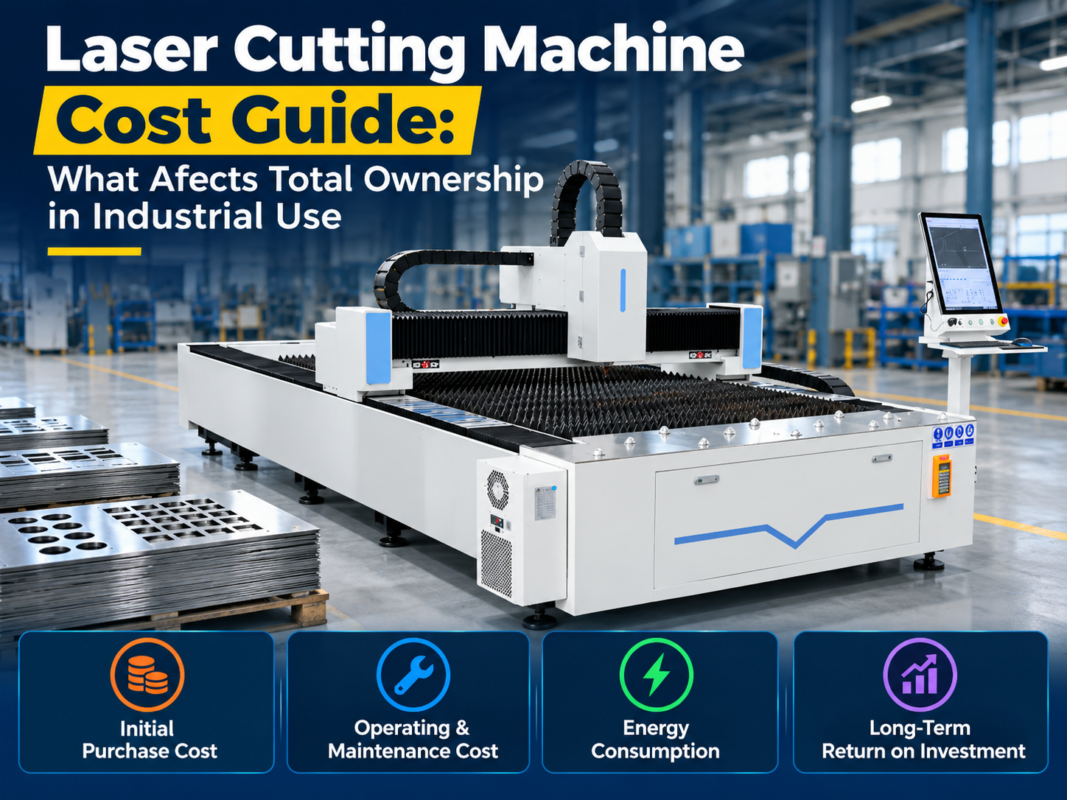
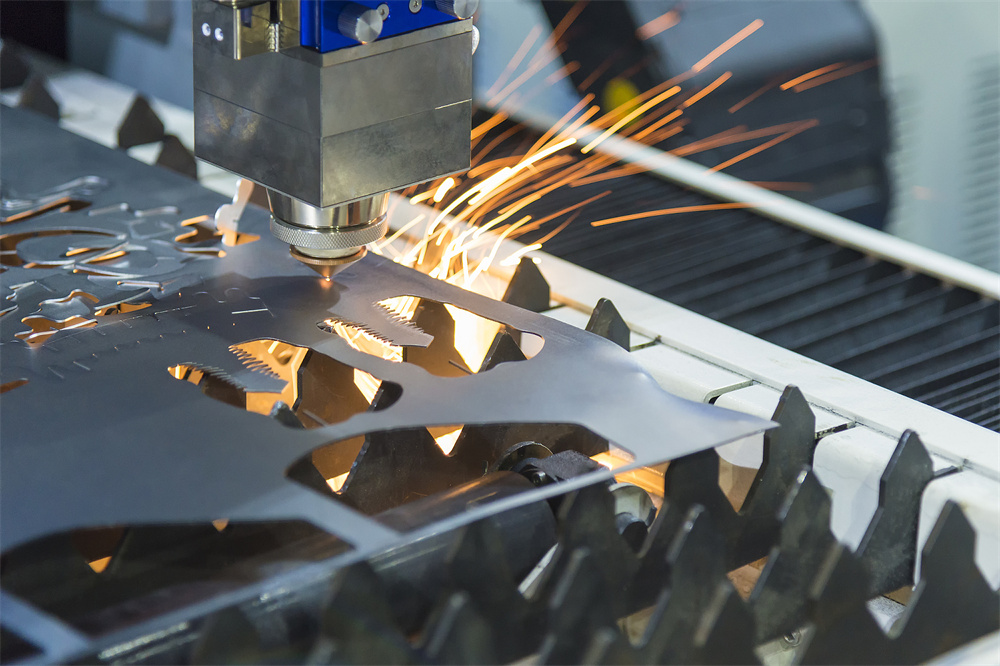
When calculating the budget for a laser cutting machine, many buyers overlook the “hidden” costs that can add 10% to 20% to the total project cost. Installation and commissioning are the first hurdles. While some manufacturers include this in the price, others charge for the technician’s travel, lodging, and daily rates. Furthermore, the workshop’s electrical infrastructure may need an upgrade. A 6kW fiber laser, including its chiller and exhaust system, can draw significant amperage, requiring a dedicated transformer or heavy-duty wiring that must be installed by a certified electrician.
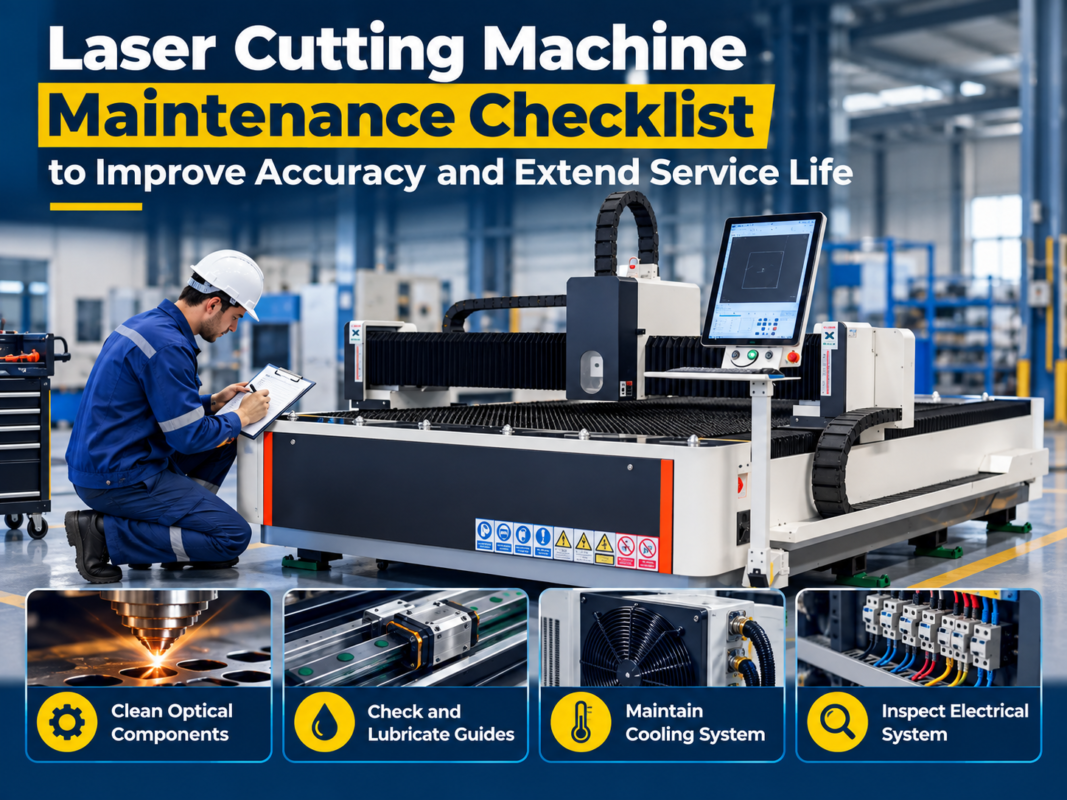
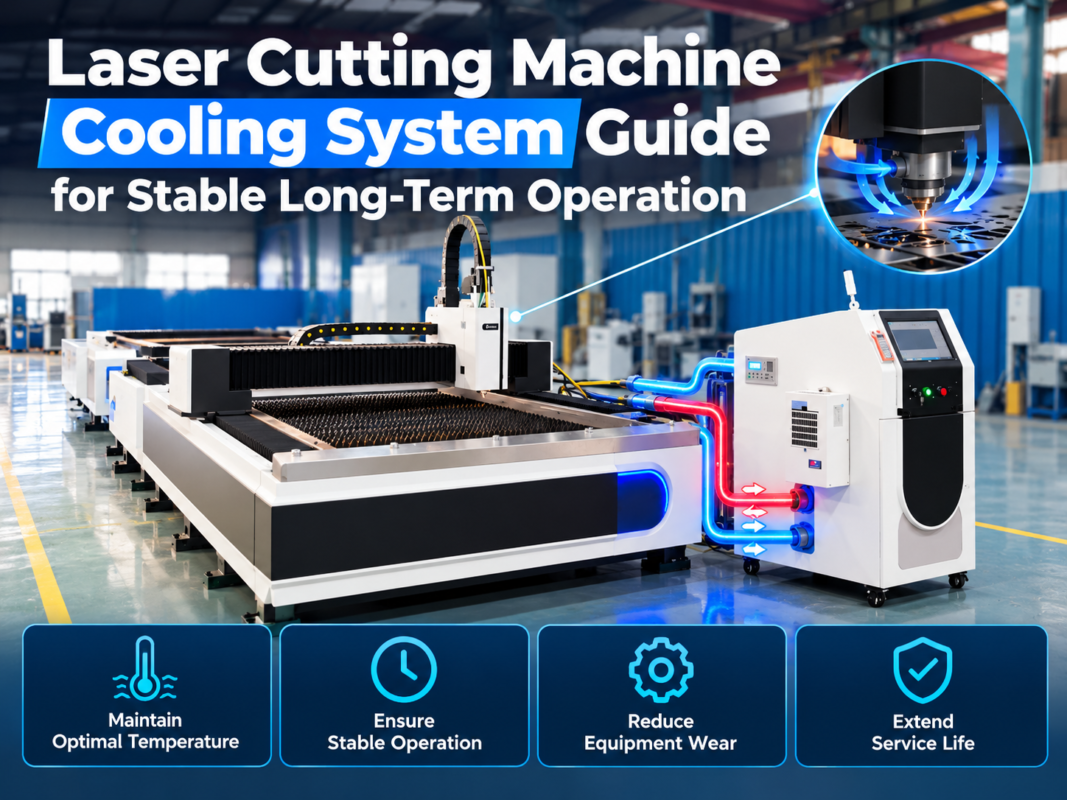
Gas consumption is perhaps the largest ongoing hidden cost. Nitrogen is used for clean, oxide-free cuts in stainless steel and aluminum, and the volume consumed can be staggering during high-speed production. Many workshops eventually invest in a Nitrogen generator or a bulk liquid tank to lower these costs. Additionally, the chiller—which keeps the laser source and cutting head at a stable temperature—requires distilled water and specialized additives to prevent algae growth and corrosion. Neglecting chiller maintenance can lead to a catastrophic failure of the laser source, which is the most expensive part to replace.
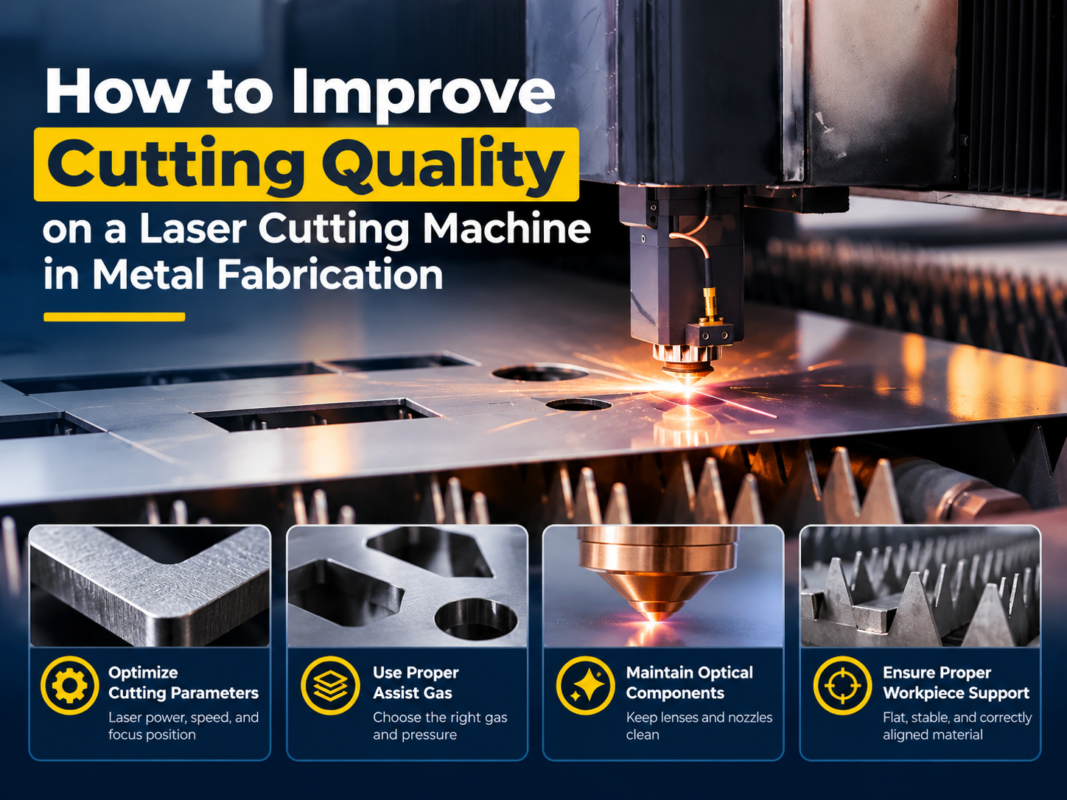
Consumables and spare parts also require a dedicated budget. Nozzles, protective windows (lenses), and ceramic rings are wear items that must be replaced regularly to maintain cut quality. Keeping a stock of these items is essential to avoid downtime. Finally, don’t forget the cost of training. Even the most advanced machine is only as good as its operator. Investing in professional training for your staff on nesting software and machine maintenance will prevent costly errors and extend the life of the equipment.
ROI Calculation: When Will the Machine Pay for Itself?
The Return on Investment (ROI) for a laser cutting machine is typically calculated by comparing the cost of in-house production against the cost of outsourcing to a service center. For example, if a workshop spends $5,000 per month on outsourced laser cutting services, an in-house machine with a monthly lease payment of $3,000 (including gas and electricity) provides an immediate $2,000 monthly cash flow improvement. However, the real ROI often comes from the reduction in lead times. Being able to cut a part in 10 minutes rather than waiting 3 days for a supplier allows for faster project completion and higher customer satisfaction.
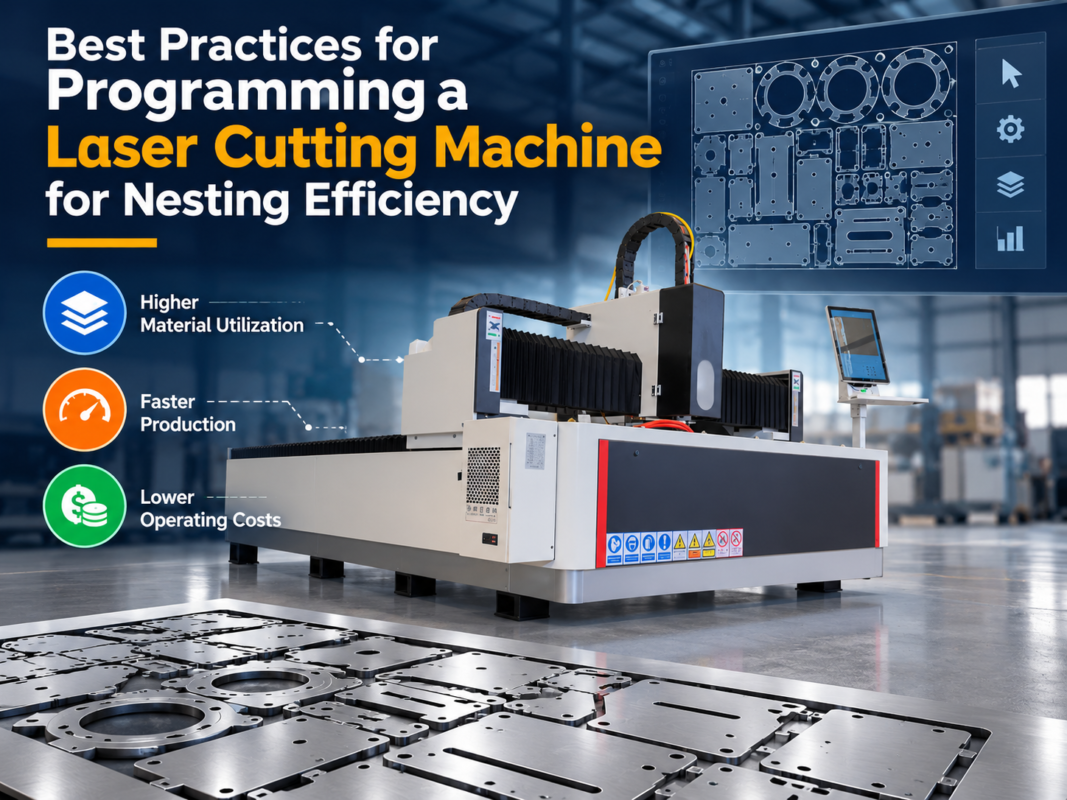
Another factor in ROI is material utilization. Modern nesting software can pack parts so tightly that scrap rates drop significantly. If your workshop processes 20 tons of steel per month, a 10% improvement in material yield can save thousands of dollars annually. Furthermore, the precision of a fiber laser often eliminates the need for secondary processes like grinding or deburring, which reduces labor costs. When calculating ROI, workshops should also account for the tax benefits, such as Section 179 deductions in the US or similar capital investment incentives in other regions, which allow for the immediate expensing of the equipment’s cost.
To perform a realistic ROI analysis, use the following formula: (Monthly Outsourcing Cost + Monthly Labor Savings + Monthly Material Savings) – (Monthly Lease Payment + Monthly Consumables + Monthly Utilities) = Monthly Net Profit Increase. Most high-utilization workshops find that a well-chosen fiber laser pays for itself within 18 to 36 months. Beyond that point, the machine becomes a significant profit center for the business.
Buying Advice: A Step-by-Step Checklist for Workshop Owners
To ensure a successful Laser Cutting Machine Buying : Choose Model Workshop experience, follow this structured approach:
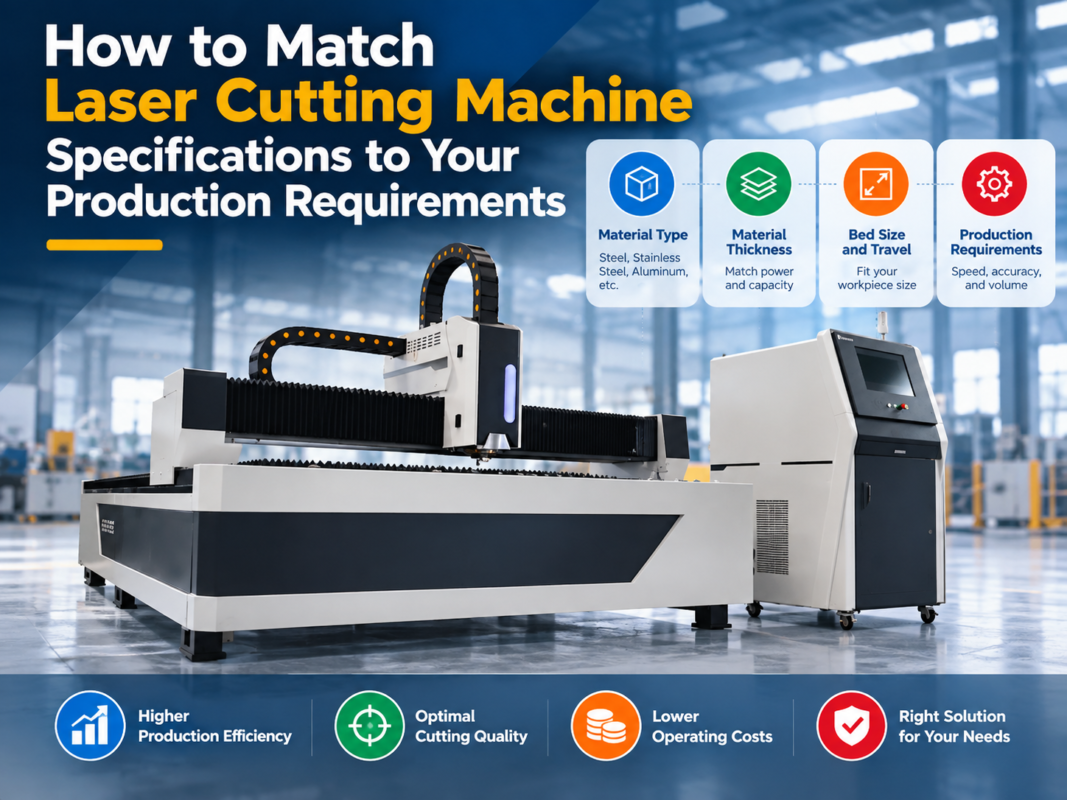
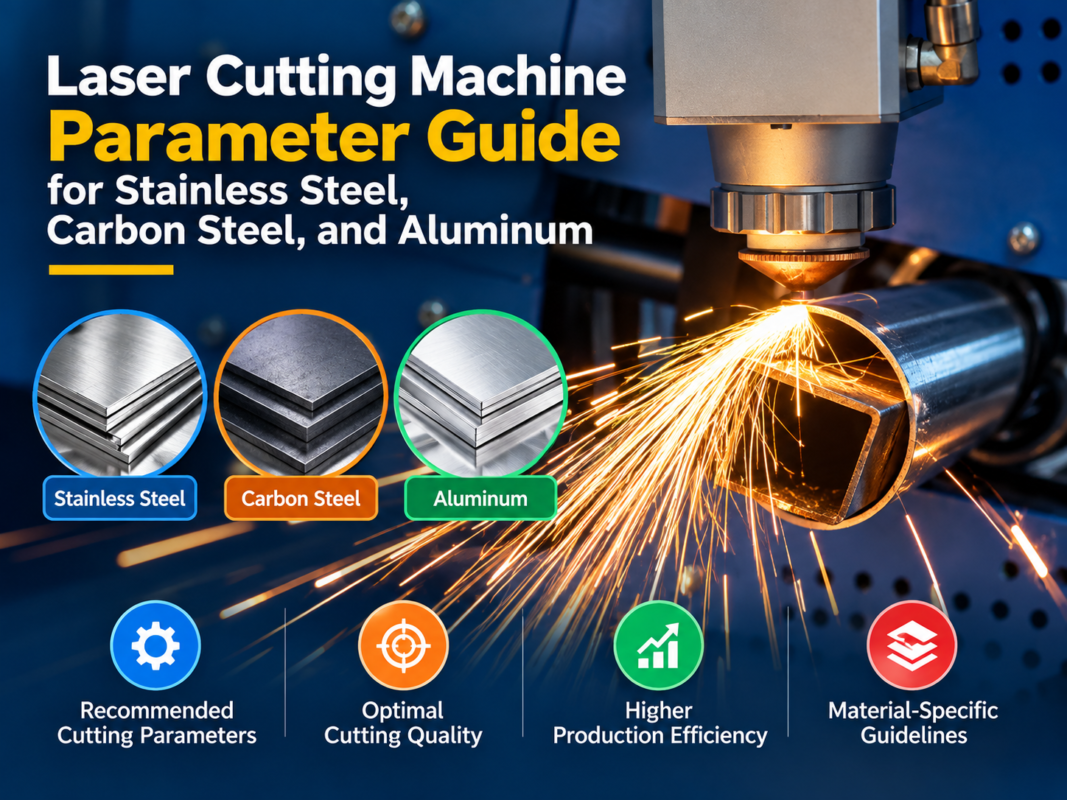
- Define Your Material Profile: List the types of metal you cut most frequently (Carbon Steel, Stainless, Aluminum, Copper) and their maximum thicknesses. This dictates the required laser power.
- Evaluate Your Volume: If you are running the machine more than 4 hours a day, prioritize an exchange table and a high-quality laser source like IPG or Raycus.
- Check the Manufacturer’s Reputation: Research the brand’s service network. A cheap machine becomes very expensive if you have to wait two weeks for a technician to fly in from overseas. HARSLE, for instance, provides robust global support.
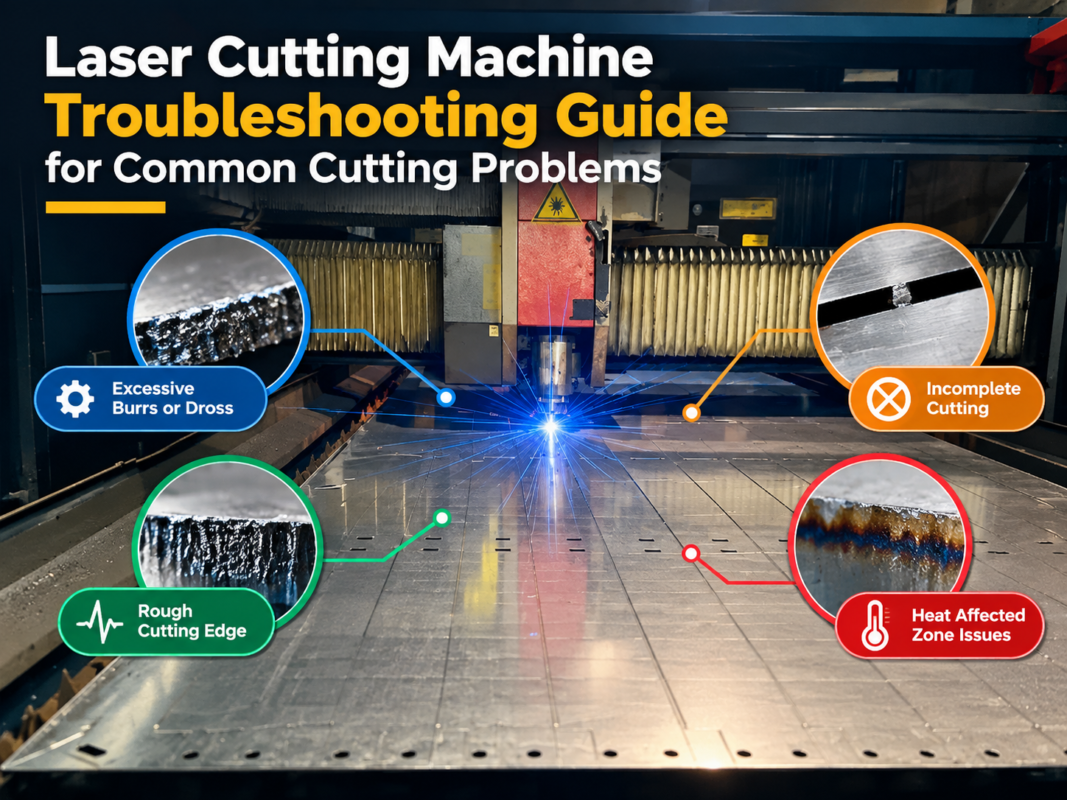
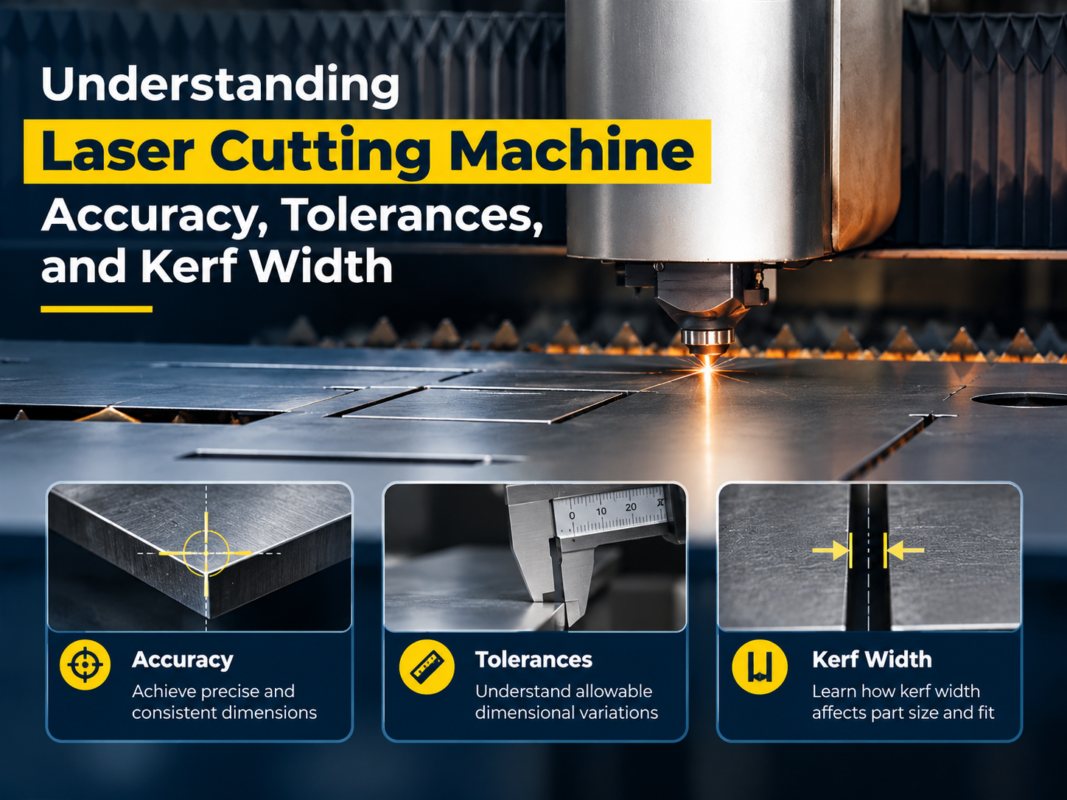
- Request a Sample Cut: Send your most complex CAD files to the manufacturer and ask them to cut them in your specific material. Inspect the edge quality, dross levels, and dimensional accuracy.
- Inspect the Build Quality: Look at the machine’s frame construction. Is it a welded tube frame or a heavy-duty plate-welded frame? The latter offers much better long-term stability.
- Software Compatibility: Ensure the control software is intuitive and compatible with your existing CAD/CAM workflow. Ask about the cost of software updates.
By following these steps, you move from being a passive buyer to an informed investor. The goal is not to buy the most expensive machine, but the one that fits your current production needs while allowing room for 20-30% growth in the coming years.
Frequently Asked Questions (FAQ)
1. What is the difference between Fiber and CO2 lasers?
Fiber lasers use a solid-state medium to generate the beam, which is then delivered via a fiber optic cable. They are much more energy-efficient (up to 30% vs 10% for CO2) and have no moving parts or mirrors in the beam path, making them faster and cheaper to maintain. CO2 lasers are still used for non-metals and some very thick specialized applications, but fiber is the standard for metal fabrication.
2. How much power do I really need?
This depends on your thickest material. A 1kW laser can cut 10mm carbon steel, but it will be very slow. A 3kW laser is the “sweet spot” for many shops, cutting up to 20mm carbon steel and 8mm stainless steel efficiently. If you regularly cut 20mm+ plates, you should look at 6kW or higher.
3. Can a fiber laser cut reflective materials like copper and brass?
Yes, modern fiber lasers are designed to handle back-reflections. However, you must ensure the machine is equipped with a laser source and cutting head that specifically support reflective materials to prevent damage to the optics.
4. What is the expected lifespan of a fiber laser source?
Most high-quality fiber laser sources are rated for 100,000 hours of operation. In a typical single-shift workshop, this equates to over 20 years of service. The electronics and mechanical components are more likely to require maintenance before the laser source itself fails.
5. Is it better to buy a new or used laser cutting machine?
While used machines are cheaper, fiber laser technology evolves rapidly. A 5-year-old machine may lack the efficiency and software features of a new model. Additionally, used machines often come without a warranty, which is a significant risk for such a complex piece of equipment. For most workshops, the reliability and support of a new machine like those from HARSLE provide better long-term value.
6. How important is the cooling system?
The chiller is vital. Fiber lasers generate significant heat. If the chiller fails or is undersized, the laser source will shut down to prevent damage. Always ensure the chiller is a reputable brand and is rated for the specific power output of your laser.