A Practical Buying Guide to Laser Cutting Machines for Small and Medium Fabricators


Introduction to Fiber Laser Technology for SMEs
For small and medium-sized fabricators (SMEs), the transition from traditional cutting methods—such as plasma, waterjet, or manual sawing—to fiber laser technology represents a pivotal moment in business growth. The precision, speed, and versatility of a fiber laser can transform a workshop’s throughput, allowing for tighter tolerances and more complex designs. However, the investment is significant, and the market is flooded with options ranging from budget-friendly entry-level models to high-end automated systems. This guide provides A Practical Buying Laser Cutting Machines Small Medium Fabricators perspective, ensuring that business owners make informed decisions that align with their production goals and financial capabilities.
HARSLE has observed that many fabricators struggle not with the desire to upgrade, but with the technical complexity of the choice. A laser cutting machine is not a standalone tool; it is a system comprising a light source, a motion controller, a cooling unit, and sophisticated software. For an SME, the goal is to find the ‘sweet spot’ where the machine’s capabilities meet current demand while providing enough headroom for future expansion. This article breaks down the essential components of the buying process, from initial price considerations to long-term return on investment (ROI).

Price Range Overview: What to Expect in Today’s Market
The cost of a fiber laser cutting machine is primarily determined by its power output (wattage) and its bed size. For SMEs, the market generally falls into three price tiers. Understanding these tiers is the first step in A Practical Buying Laser Cutting Machines Small Medium Fabricators strategy. It is important to remember that the sticker price is only the beginning; however, it sets the stage for the machine’s potential.
Entry-Level Systems (1kW – 3kW)
Entry-level machines are typically priced between $20,000 and $50,000. These units are ideal for shops primarily working with thin materials, such as 1mm to 10mm carbon steel or stainless steel. While they lack the raw speed of higher-wattage machines, they offer a massive leap in precision over plasma cutters. Many SMEs start here to bring outsourced laser work in-house, significantly reducing lead times and improving quality control.
Mid-Range Performance (4kW – 6kW)
The mid-range tier, priced between $50,000 and $100,000, is the most popular segment for growing fabricators. A 6kW laser can comfortably cut through 20mm mild steel and offers significantly faster cutting speeds on thinner gauges compared to a 3kW source. These machines often come with better structural components, such as heavier frames and more reliable motion systems, which are essential for multi-shift operations.
High-Power Industrial Systems (12kW and Above)
For fabricators dealing with heavy plate or requiring extreme production volumes, high-power lasers (12kW to 30kW+) are the standard. These machines can exceed $150,000 to $300,000. While the investment is high, the ability to cut 30mm+ materials with high edge quality and incredible speed can allow a medium-sized shop to compete with large-scale industrial service centers. For most SMEs, however, the ROI on a 12kW+ machine requires a very high and consistent workload.
Main Cost Drivers: Where Your Money Goes
When evaluating A Practical Buying Laser Cutting Machines Small Medium Fabricators options, it is crucial to understand that two machines with the same wattage can have vastly different price tags. This discrepancy is usually found in the quality of the internal components. Here are the primary drivers of cost in a fiber laser system.
The Fiber Laser Source
The laser source is the heart of the machine. Brands like IPG Photonics are considered the gold standard for reliability and global support, but they come at a premium. Alternatives like Raycus or Maxphotonics offer excellent performance at a lower price point, making them highly attractive for SMEs. The choice of source affects not only the initial cost but also the long-term stability of the laser beam and the availability of spare parts.
Machine Bed and Gantry Construction
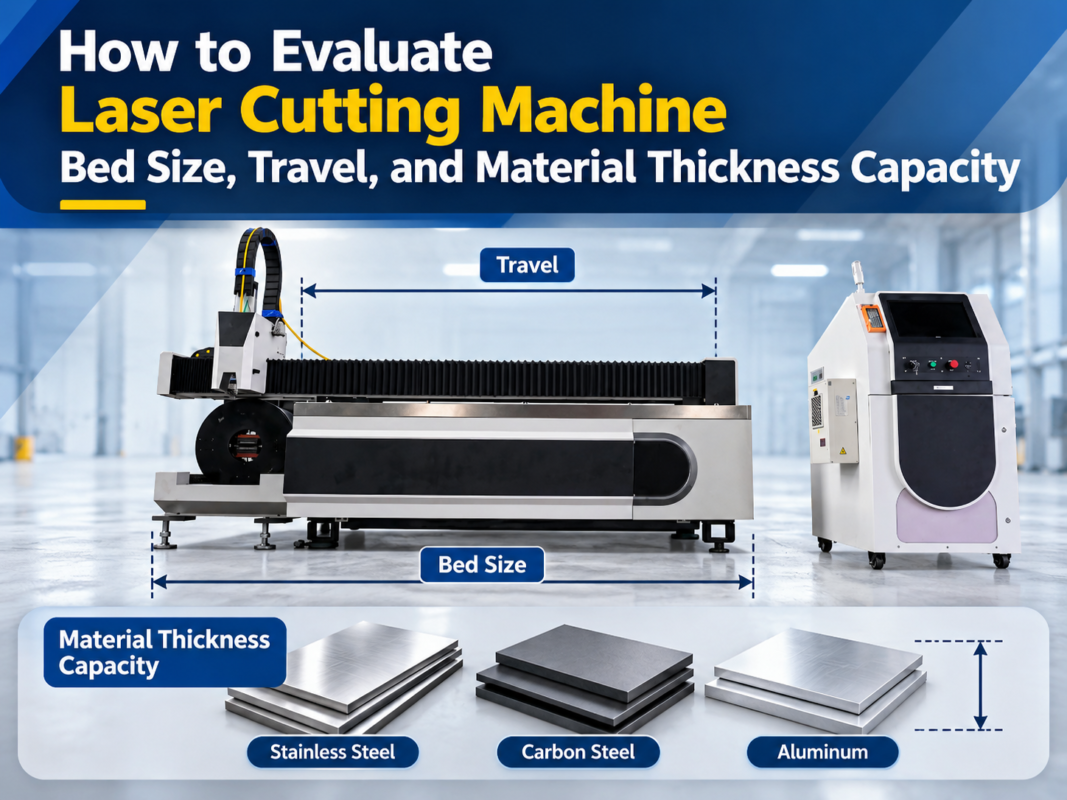
A laser machine must maintain micron-level precision while moving at high speeds. This requires a rigid, thermally stable frame. High-end machines use heavy-duty welded frames that are stress-relieved in furnaces, or even cast iron beds. Cheaper machines may use lighter frames that can vibrate or warp over time, leading to a loss of accuracy. For an SME, investing in a solid frame is a safeguard for the machine’s longevity.
Motion Control and Servo Systems
The speed and accuracy of the cutting head are dictated by the motors and the rack-and-pinion system. High-quality Japanese (like Yaskawa) or European servo motors provide better acceleration and deceleration. This is critical for intricate designs where the machine must change direction rapidly. A high-quality motion system ensures that the ‘3kW’ of power is actually being used efficiently, rather than being limited by slow mechanical movement.
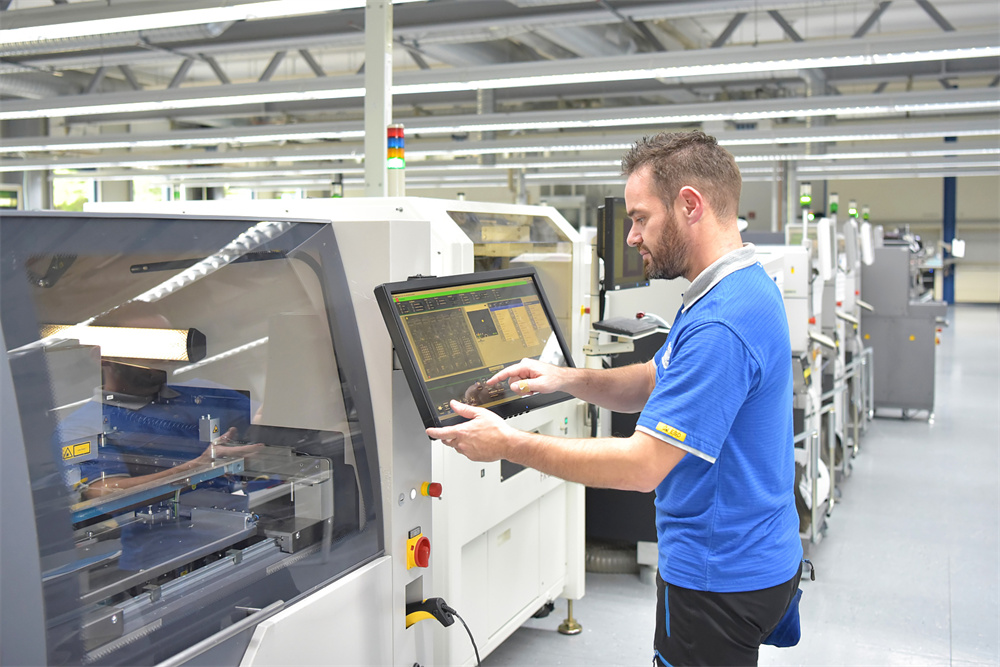
Configuration Impact: Customizing for Your Workflow
The configuration of the machine should match the specific workflow of the fabricator. In A Practical Buying Laser Cutting Machines Small Medium Fabricators, one must decide which features are ‘must-haves’ and which are ‘nice-to-haves’.
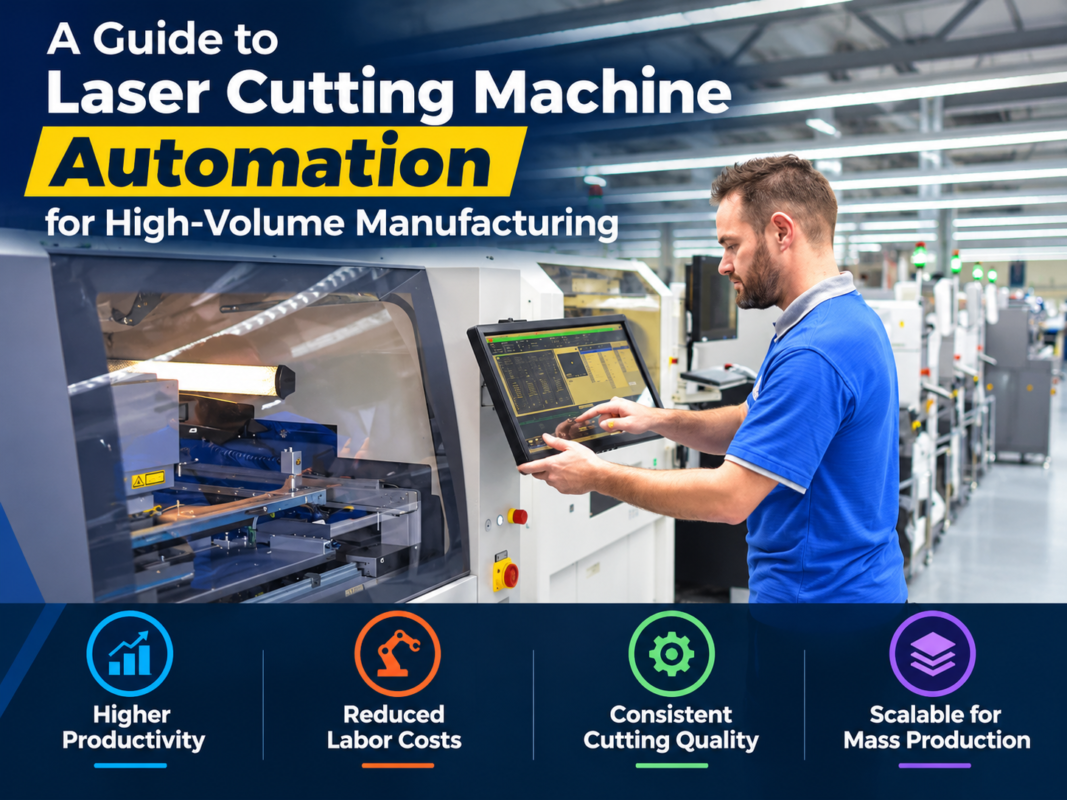
- Exchange Tables: An exchange table (or shuttle table) allows the operator to load a new sheet of metal while the machine is still cutting on the other table. This can increase productivity by 30-50%. For shops with high-volume production, this is almost mandatory. For custom, low-volume shops, a single table may suffice.
- Full Enclosure: A fully enclosed machine is safer, as it protects workers from reflected laser light and contains dust and fumes. In many regions, safety regulations make an enclosure mandatory for high-power lasers. Open-bed machines are easier to load but require stricter safety protocols.
- Tube Cutting Attachment: Some machines offer a rotary axis for cutting pipes and tubes. If your shop does a mix of sheet metal and structural frames, a ‘combo’ machine can save space and the cost of buying a separate tube laser.
- Cutting Head Technology: Features like autofocus and collision protection in the cutting head (e.g., Precitec or Raytools) reduce setup time and prevent expensive damage. For SMEs with less experienced operators, these automated features are invaluable.
The Hidden Costs of Ownership
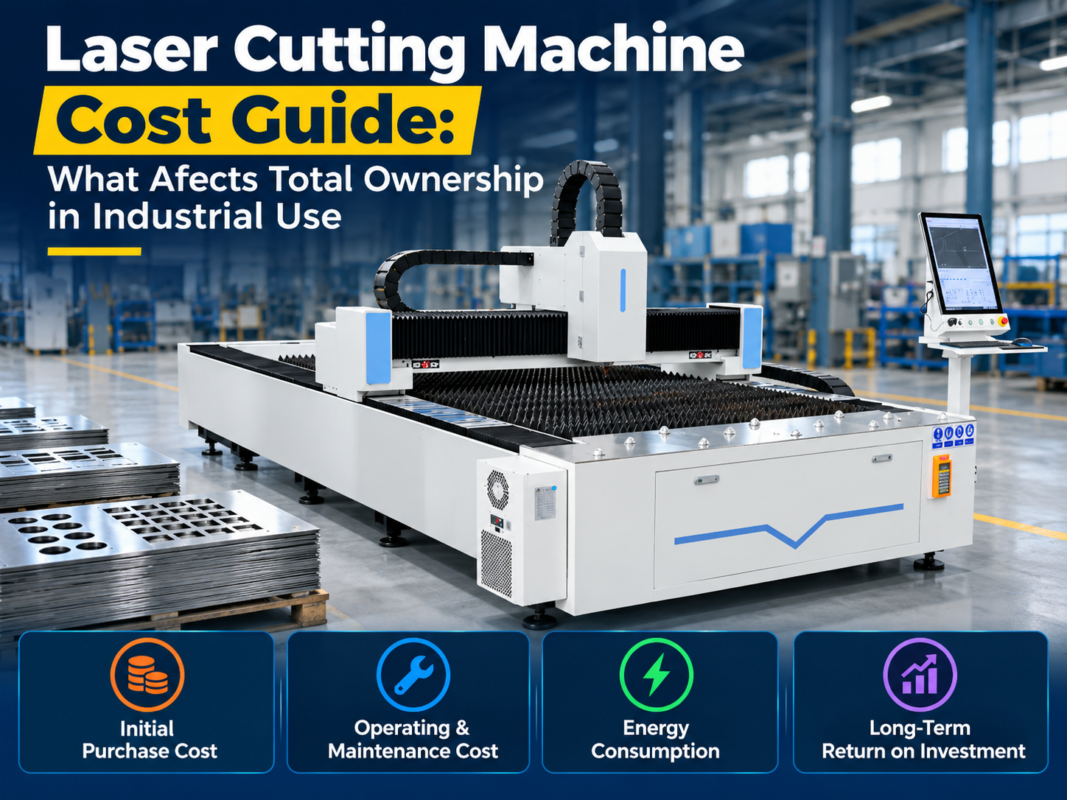
The purchase price is only one part of the total cost of ownership (TCO). To maintain a healthy bottom line, SMEs must account for the ongoing expenses associated with laser cutting. This is a critical part of A Practical Buying Laser Cutting Machines Small Medium Fabricators planning.
Assist Gas Consumption
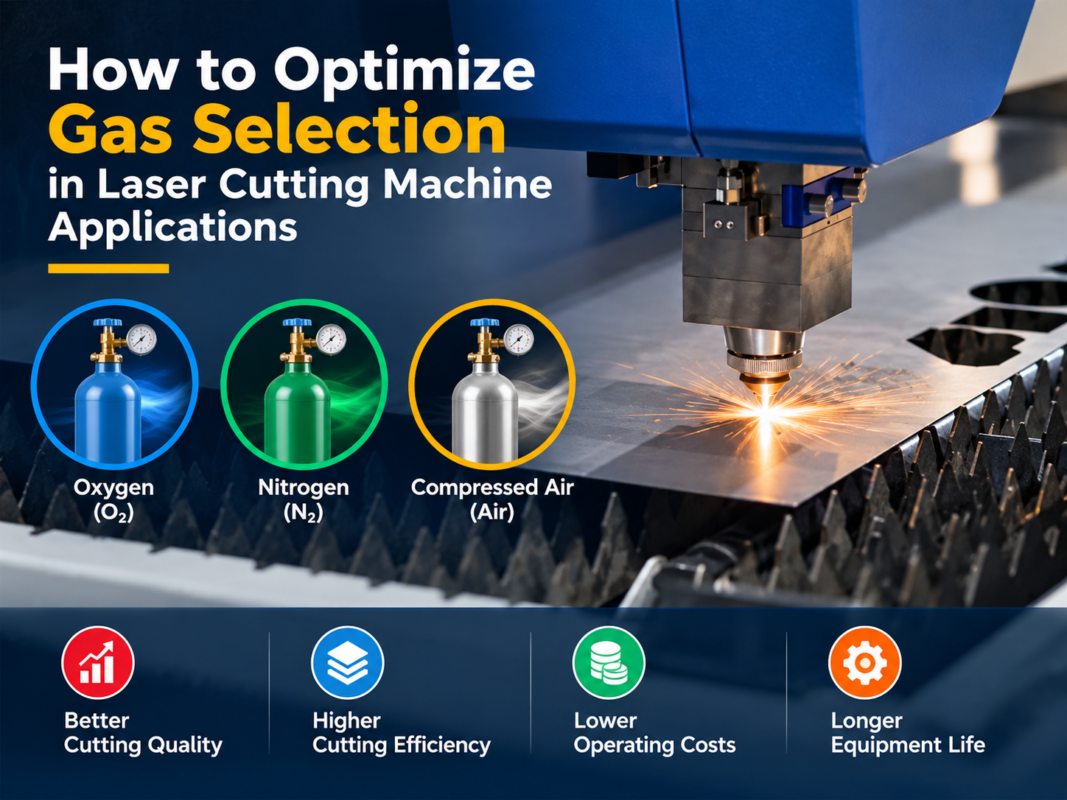
Laser cutting requires assist gas—typically Oxygen, Nitrogen, or Compressed Air. Nitrogen is used for clean, oxidation-free cuts in stainless steel and aluminum but is expensive. Oxygen is used for carbon steel but leaves an oxide layer. Many modern fabricators are moving toward high-pressure air cutting, which requires a high-spec compressor but significantly reduces the cost per part by eliminating gas purchases.
Electricity and Consumables
Fiber lasers are much more energy-efficient than older CO2 lasers, but they still consume significant power, especially when the chiller and dust collector are running. Additionally, consumables like copper nozzles, protective windows (lenses), and ceramic rings must be replaced regularly. While these parts are relatively cheap, their cost adds up over thousands of hours of operation.
Maintenance and Training
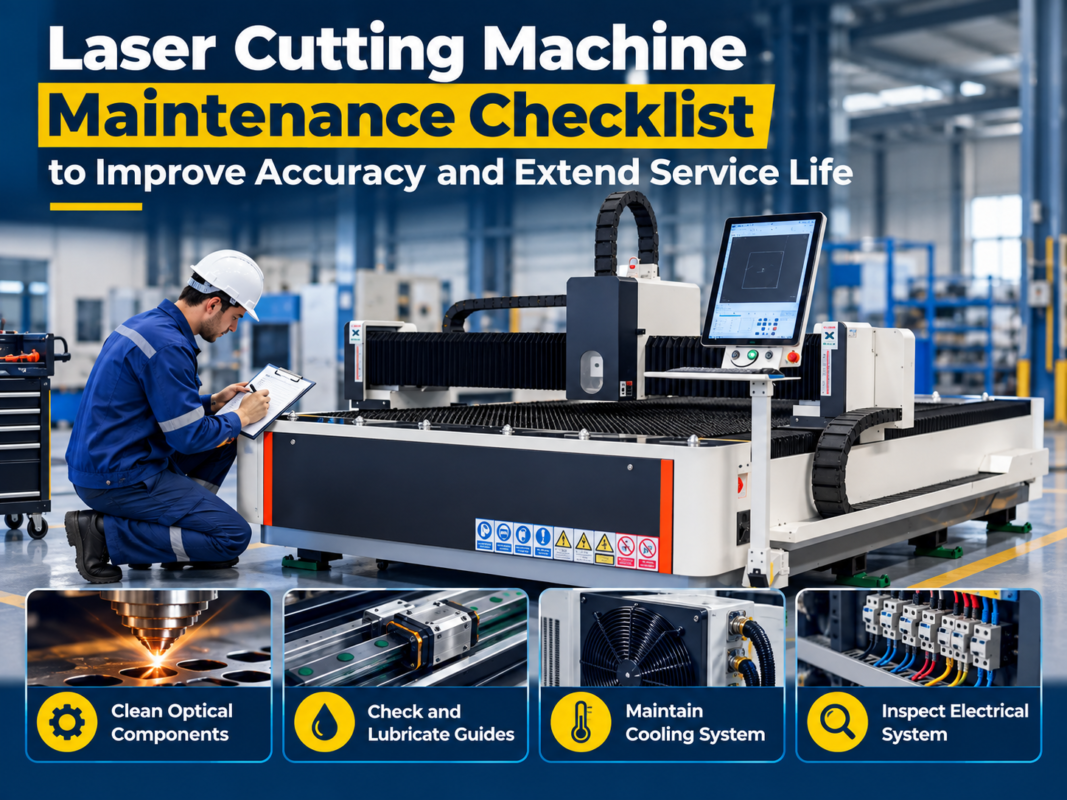
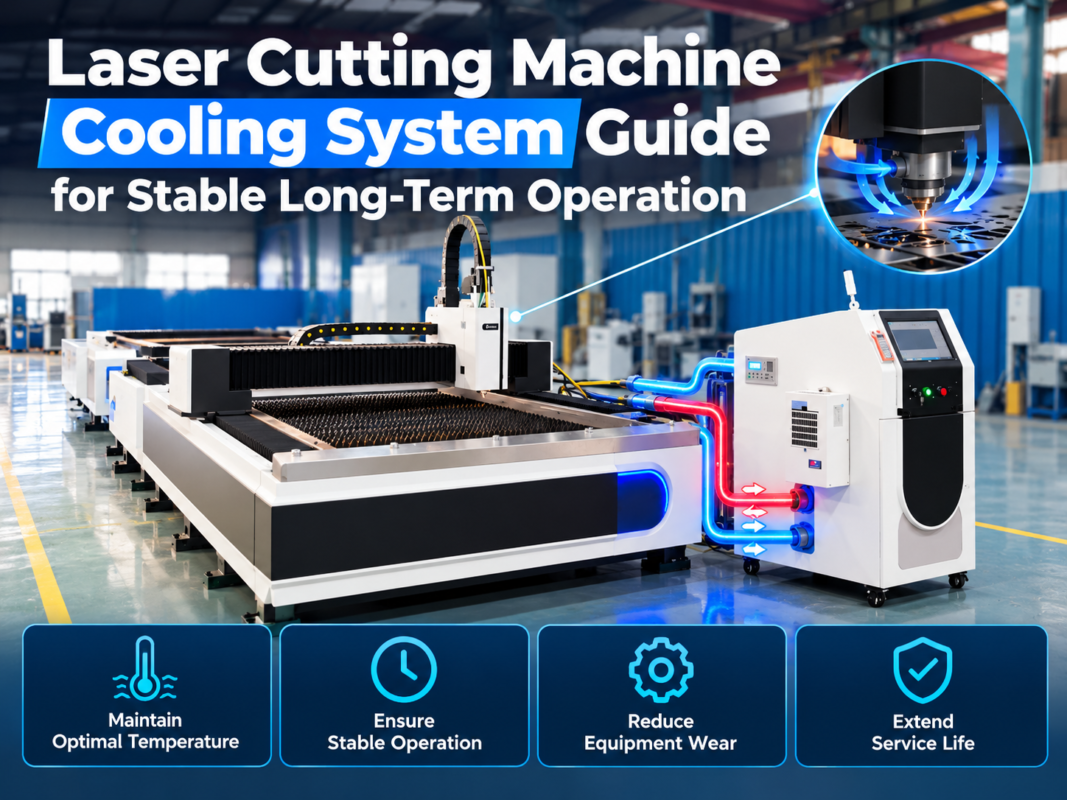
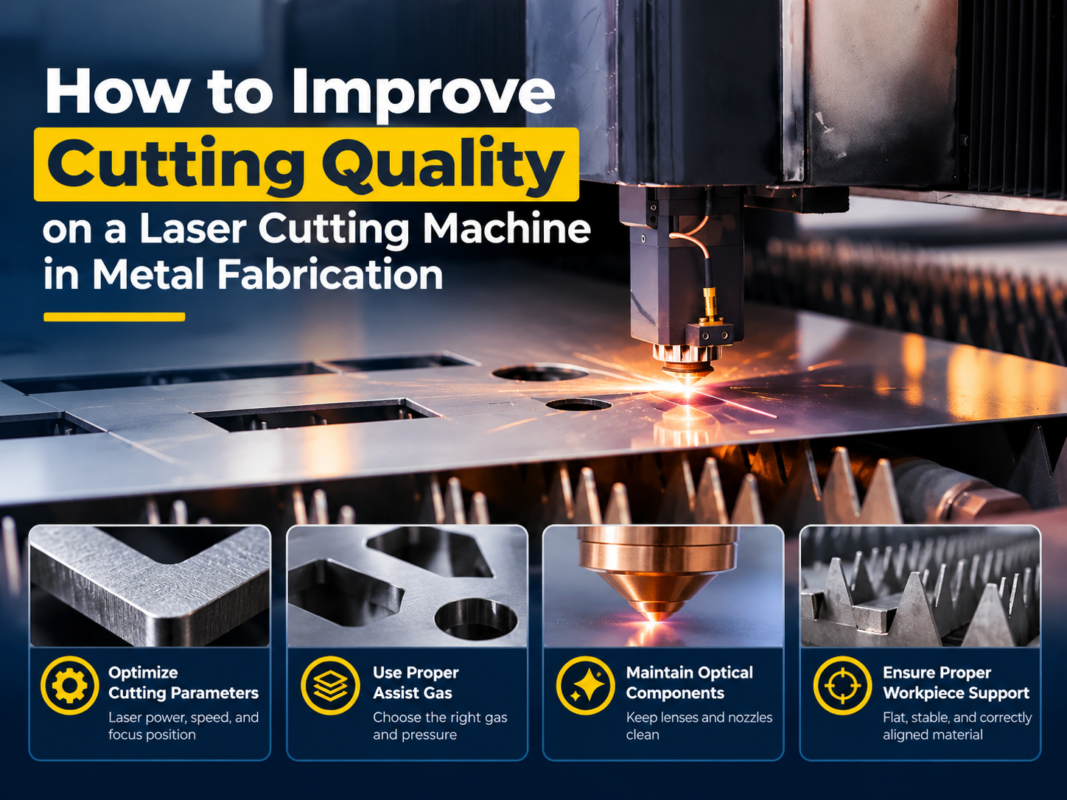
A laser machine requires a clean environment and regular maintenance of the water cooling system and optical path. Furthermore, the software (CAD/CAM) requires training. If your staff isn’t trained to nest parts efficiently, you will waste material, which is often the most significant cost in any fabrication job. HARSLE recommends budgeting for professional installation and at least one week of intensive operator training.
ROI Calculation: When Will the Machine Pay for Itself?
Calculating the ROI is the most important step for an SME. To do this, compare the cost of outsourcing laser cutting versus the cost of doing it in-house. A typical ROI calculation for A Practical Buying Laser Cutting Machines Small Medium Fabricators looks like this:
- Current Outsourcing Cost: Total monthly spend on laser-cut parts from vendors.
- In-House Production Cost: (Monthly Lease Payment) + (Labor) + (Gas/Electricity) + (Material).
- Throughput Increase: Factor in the value of faster lead times. Being able to quote a job and cut it the same day can win more contracts.
Most SMEs find that if they are spending more than $3,000 – $5,000 per month on outsourcing, a 1kW to 3kW fiber laser will pay for itself within 18 to 24 months. Beyond the financial math, the flexibility to prototype instantly and control your own production schedule provides a competitive advantage that is hard to quantify but easy to feel in the daily operations of the business.
Buying Advice: A Step-by-Step Checklist for SMEs
To conclude this A Practical Buying Laser Cutting Machines Small Medium Fabricators guide, here is a practical checklist to follow before signing a purchase agreement:
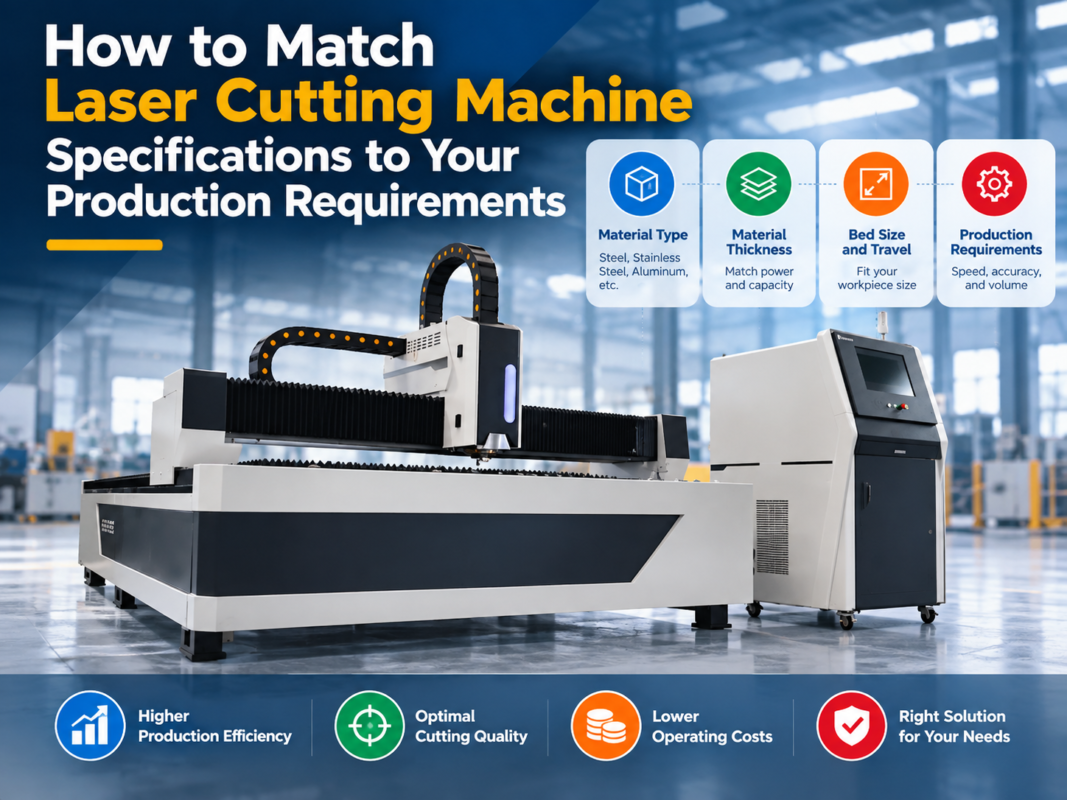
- Define Your Material Mix: Don’t buy a 12kW laser if 90% of your work is 3mm aluminum. Match the power to your most common material thickness.
- Test Cut Your Own Files: Send your most complex CAD files to the manufacturer. Don’t rely on their ‘demo’ files. See how the machine handles your specific geometry and material.
- Check Local Support: A machine is only as good as the technician who can fix it. Ensure the manufacturer or distributor has a service team in your region.
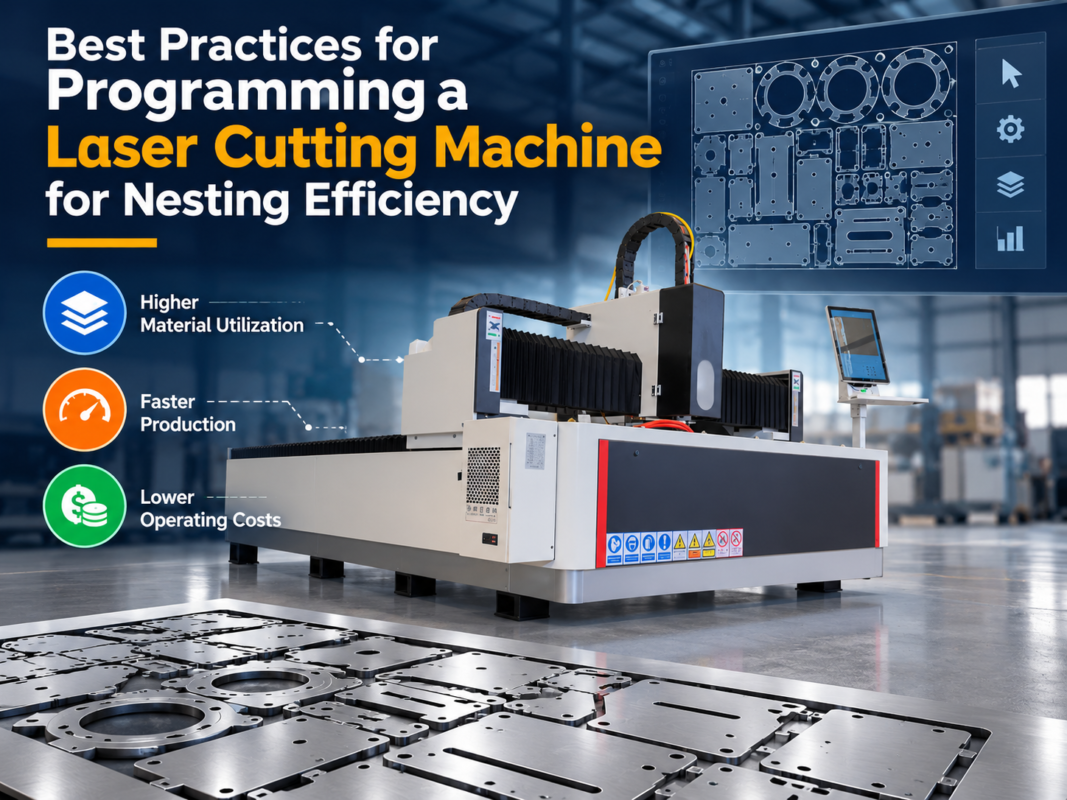
- Evaluate the Software: Is the nesting software user-friendly? Does it integrate with your existing CAD programs? Efficient nesting is the key to profitability.
- Plan Your Floor Space: Remember that a 3015 (3m x 1.5m) machine needs much more space than just the bed size. You need room for the chiller, the dust collector, the electrical cabinet, and material handling.
Frequently Asked Questions (FAQ)
1. Is a fiber laser better than a CO2 laser for an SME?
For almost all metal fabrication applications, yes. Fiber lasers are faster, more energy-efficient, and have fewer moving parts (no mirrors to align). CO2 lasers are now mostly reserved for non-metal materials like wood, acrylic, and leather.
2. Can I cut copper and brass with a fiber laser?
Yes. Unlike CO2 lasers, fiber lasers can safely cut reflective materials like copper, brass, and gold because the wavelength is absorbed much more effectively by these metals.
3. How long does a fiber laser source last?
Most reputable fiber laser sources are rated for 100,000 hours of operation. For a typical SME running one shift, this equates to over 20 years of use, though other components of the machine will likely require maintenance or upgrades before the source fails.
4. Do I need a special foundation for the machine?
While a standard reinforced factory floor is usually sufficient for smaller machines, high-speed, high-power lasers may require a specific concrete thickness to prevent vibrations from affecting cut quality. Always check the manufacturer’s site requirements.
5. What is the difference between air cutting and nitrogen cutting?
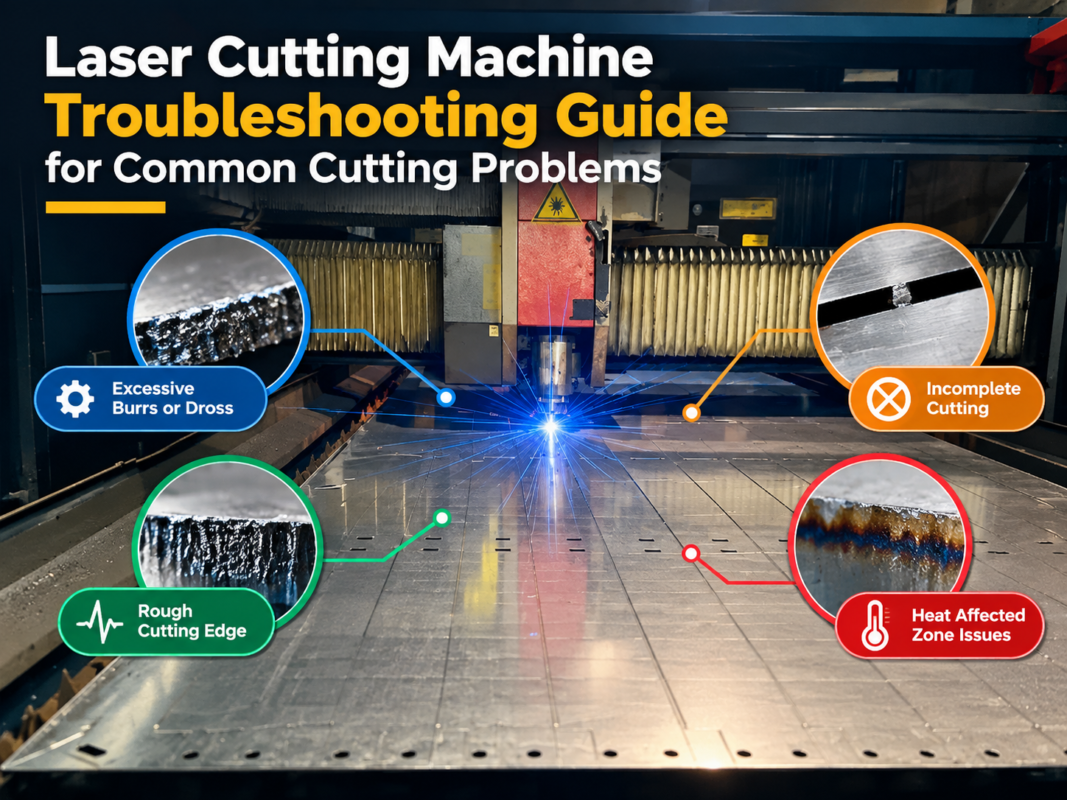
Nitrogen cutting provides a shiny, clean edge but is expensive. Air cutting uses a high-pressure compressor to blow away molten metal. The edge is slightly duller and may have a very thin oxide layer, but for many industrial applications, it is perfectly acceptable and much cheaper.