CO2 vs Fiber Laser Cutting Machine: Which One Should You Buy for Your Business?


Introduction to the Laser Cutting Dilemma
In the modern manufacturing landscape, choosing the right equipment is the difference between a thriving production line and a stagnant workshop. For business owners in the metal fabrication industry, the most common question is: Co2 Vs Fiber Laser Cutting Machine: Which One Should You Buy Business? This decision involves more than just comparing price tags; it requires a deep dive into material compatibility, operational efficiency, maintenance requirements, and long-term scalability.
Historically, CO2 lasers were the undisputed kings of the industry, capable of cutting a wide variety of materials from wood and acrylic to thick steel. However, the emergence of fiber laser technology has disrupted the market, offering unprecedented speeds and lower operating costs for metal applications. As a leading manufacturer, HARSLE understands that every business has unique needs. This guide provides an exhaustive comparison to help you navigate the complexities of laser technology and make an informed investment for your enterprise.
Price Range Overview: Initial Investment Costs
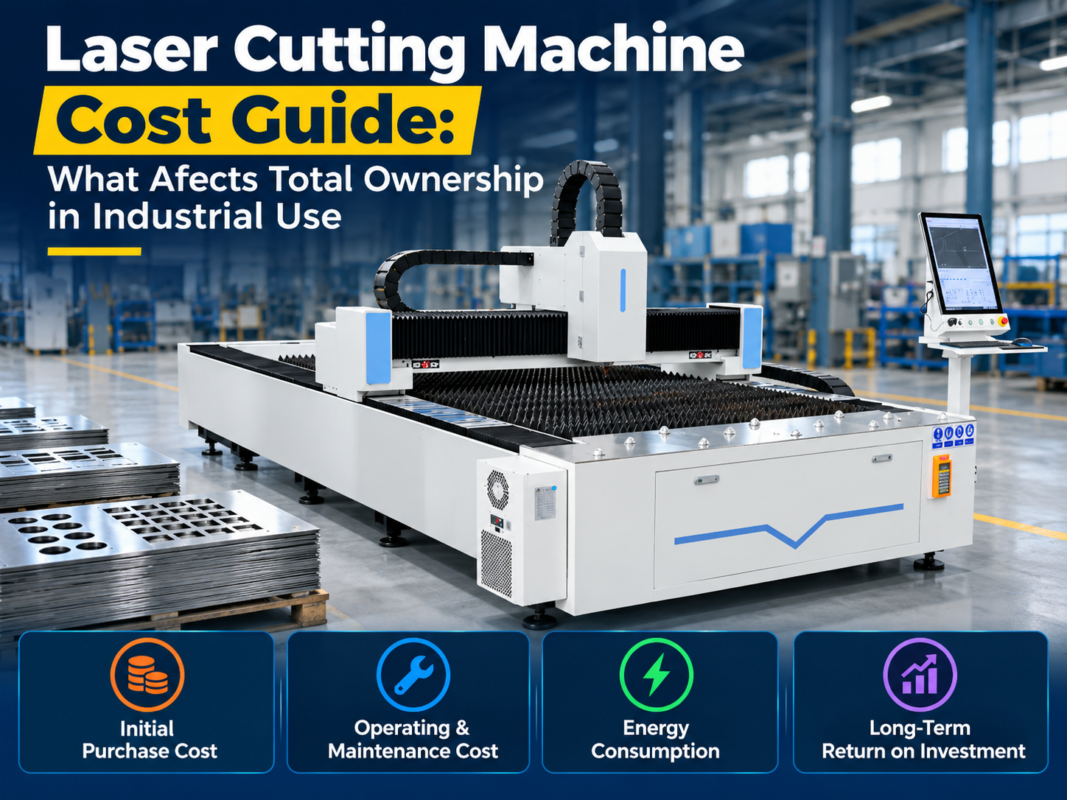
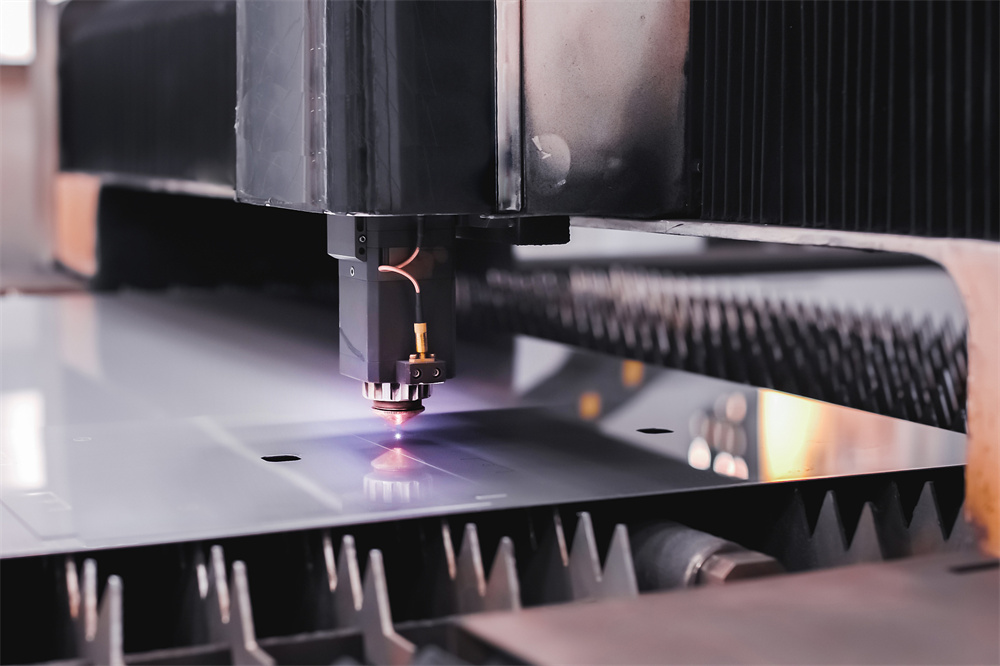
When evaluating the financial commitment required for a laser cutting machine, it is essential to distinguish between the purchase price and the total cost of ownership. Generally, fiber laser machines carry a higher upfront price tag compared to CO2 machines of similar power ratings, though this gap has narrowed significantly in recent years.
For a standard entry-level fiber laser (around 1kW to 2kW), businesses can expect to invest anywhere from $30,000 to $60,000. High-power industrial fiber lasers (12kW to 30kW) designed for heavy-duty plate cutting can exceed $200,000 to $500,000. In contrast, a professional-grade CO2 laser system might start as low as $15,000 for non-metal applications, while high-end metal-cutting CO2 systems typically range between $80,000 and $150,000.
It is important to note that while CO2 lasers might seem more affordable initially, they often require more peripheral equipment, such as complex gas delivery systems and external chillers with higher capacities, which can inflate the total setup cost. Furthermore, the resale value of fiber lasers tends to hold better in the current market due to the industry-wide shift toward solid-state technology.
Main Cost Drivers in Laser Technology
Understanding what drives the price of these machines is crucial for budgeting. The most significant cost driver is the laser source. In a fiber laser, the source is a solid-state block that generates the beam through doped optical fibers. Brands like IPG, Raycus, and Max Photonics dominate this space, with IPG typically commanding a premium for its proven reliability and global service network.
In CO2 systems, the cost is driven by the laser tube (glass or metal/ceramic) and the complex internal gas mixture (Carbon Dioxide, Helium, and Nitrogen). Metal RF tubes are more expensive but offer better beam quality and longer lifespans than glass DC tubes. Another major driver is the motion control system. High-speed fiber lasers require robust frames and high-end servo motors (such as Yaskawa or Panasonic) to handle the extreme accelerations they are capable of achieving. If the frame isn’t built to withstand these forces, the machine will lose accuracy over time, making the structural integrity a hidden but vital cost factor.
Configuration Impact on Performance and Price
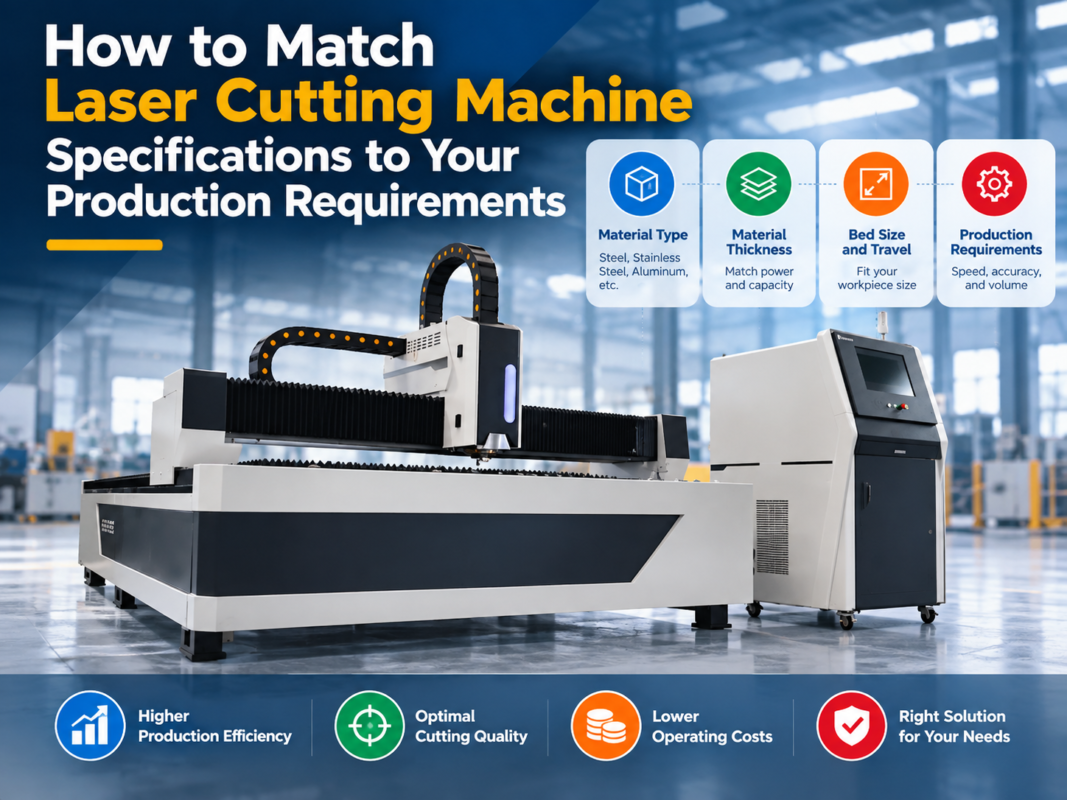
The configuration of your machine dictates its versatility. For fiber lasers, the choice of cutting head is paramount. Advanced heads with autofocus capabilities and integrated sensors can significantly increase the price but are essential for maintaining consistency across varying material thicknesses. For example, a Precitec head is often preferred for high-power applications, whereas Raytools offers a more cost-effective solution for mid-range power.
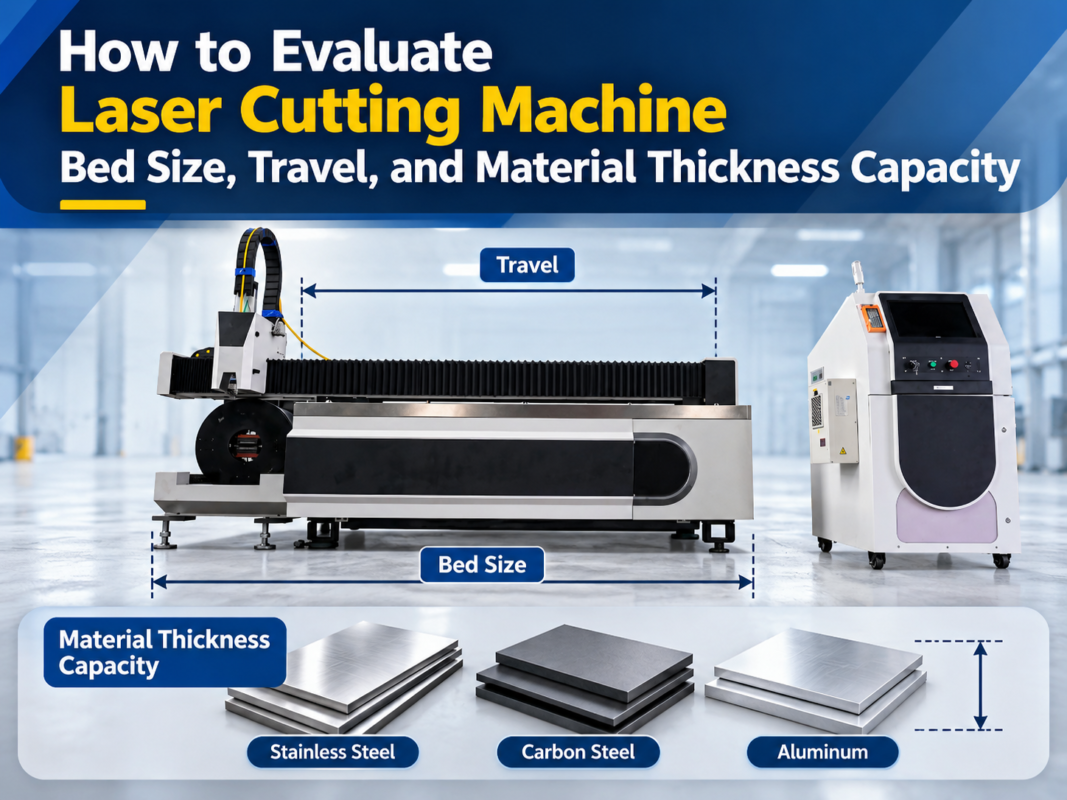
Bed size and table configuration also play a role. A single-table machine is cheaper but requires downtime for loading and unloading. An exchange table (shuttle table) system allows the operator to load a new sheet while the machine is cutting, effectively doubling productivity in high-volume environments. For businesses focused on versatility, a CO2 machine might be configured with a hybrid bed capable of handling both sheet metal and organic materials like wood or leather, though this requires specialized exhaust systems to manage different types of debris and fumes.
Hidden Costs: Maintenance and Operation
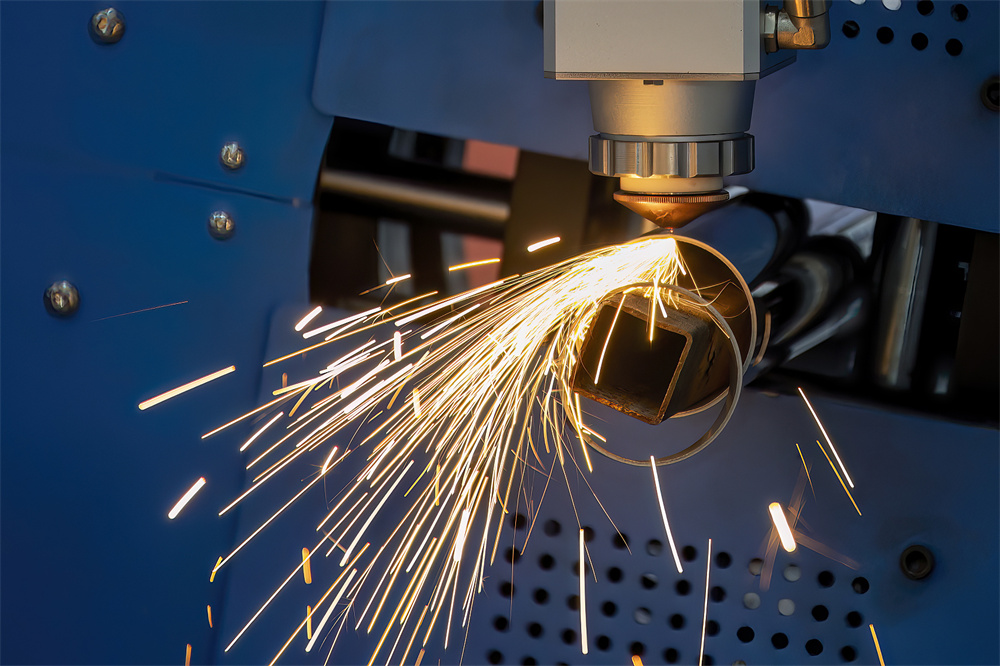
This is where the Co2 Vs Fiber Laser Cutting Machine: Which One Should You Buy Business? debate often finds its answer. The operational costs of a CO2 laser are substantially higher. CO2 lasers have an electrical efficiency of about 8% to 10%, meaning a large portion of the energy consumed is wasted as heat, requiring massive chillers. Fiber lasers, conversely, boast an efficiency of 30% to 35%, leading to significantly lower electricity bills.
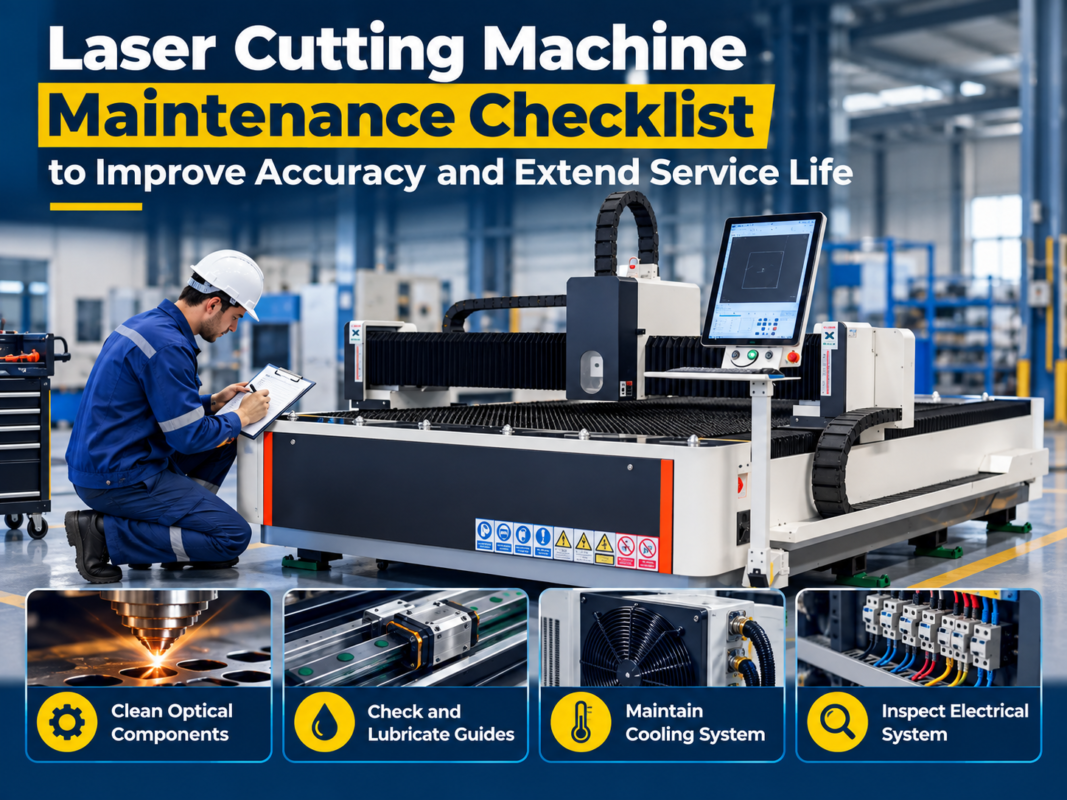
Maintenance is another critical factor. CO2 lasers rely on a series of mirrors and lenses to deliver the beam to the workpiece. These mirrors must be perfectly aligned and kept spotlessly clean; even a tiny speck of dust can cause a burn-back, leading to expensive repairs and downtime. Fiber lasers deliver the beam through a flexible fiber optic cable, meaning there are no mirrors to align and fewer consumables to replace. The primary consumables for fiber are the protective windows and nozzles, which are relatively inexpensive and easy to swap.
ROI Calculation: Speed vs. Cost Per Part
To determine the Return on Investment (ROI), you must look at the cost per part. In thin materials (under 6mm), a fiber laser is typically 3 to 4 times faster than a CO2 laser of equivalent power. For a business producing thousands of brackets or panels, this speed advantage translates directly into higher revenue per hour. Even if the fiber laser costs more to lease, the sheer volume of parts produced often results in a much faster payback period.
However, the ROI calculation shifts when dealing with very thick materials or non-metals. CO2 lasers produce a cleaner edge finish on thick carbon steel (over 20mm) because of their longer wavelength and the way the material absorbs the energy. If your business specializes in thick plate fabrication or custom acrylic signage, the CO2 laser might actually provide a better ROI because it eliminates the need for secondary finishing processes like grinding or polishing, which are labor-intensive and costly.
Buying Advice: Which One Fits Your Business?
Choosing between these two technologies requires an honest assessment of your current workflow and future goals. If your primary focus is metal fabrication—specifically stainless steel, aluminum, brass, or copper—the fiber laser is the clear winner. Its ability to cut reflective metals without damaging the laser source is a technological advantage that CO2 simply cannot match. Fiber lasers are the workhorses of the modern metal shop, ideal for high-volume production and precision engineering.
On the other hand, if your business is a job shop that needs to cut a wide variety of materials including wood, plastics, textiles, and occasional thin metals, the CO2 laser remains a versatile and valuable tool. It is also the better choice for businesses with limited electrical infrastructure, as high-power fiber lasers often require significant upgrades to a building’s power supply. Before purchasing, always request a cut sample of your most common material from the manufacturer to verify edge quality and speed.
Checklist for Buyers:
- Material Type: Metals only? Go Fiber. Mixed materials? Consider CO2.
- Material Thickness: Mostly thin sheet? Fiber. Consistently over 20mm? Evaluate high-power Fiber vs. CO2.
- Production Volume: High volume requires the speed and automation of Fiber.
- Budget: Factor in the 5-year total cost, not just the sticker price.
- Technical Support: Ensure your supplier (like HARSLE) offers robust training and local support.
Frequently Asked Questions (FAQ)
1. Can a fiber laser cut wood or acrylic?
No. The wavelength of a fiber laser (typically 1.06 microns) is not absorbed by organic materials like wood or acrylic. Attempting to cut these materials with a fiber laser is ineffective and can be a fire hazard. For these materials, a CO2 laser (10.6 microns) is required.
2. Is fiber laser cutting safer than CO2?
Both require strict safety protocols. However, fiber laser light is more dangerous to the human eye because it can pass through the cornea and focus on the retina. Fiber lasers must be operated in a fully enclosed housing (Class 1 safety enclosure) with specialized laser-safe glass windows. CO2 lasers are often operated in open-bed configurations, though enclosures are still recommended.
3. How long does a fiber laser source last?
A high-quality fiber laser source typically has a lifespan of about 100,000 hours, which equates to over 10 years of 24/7 operation. CO2 glass tubes may last 2,000 to 10,000 hours, while metal RF tubes can last 20,000 hours before needing a gas refill or refurbishment.
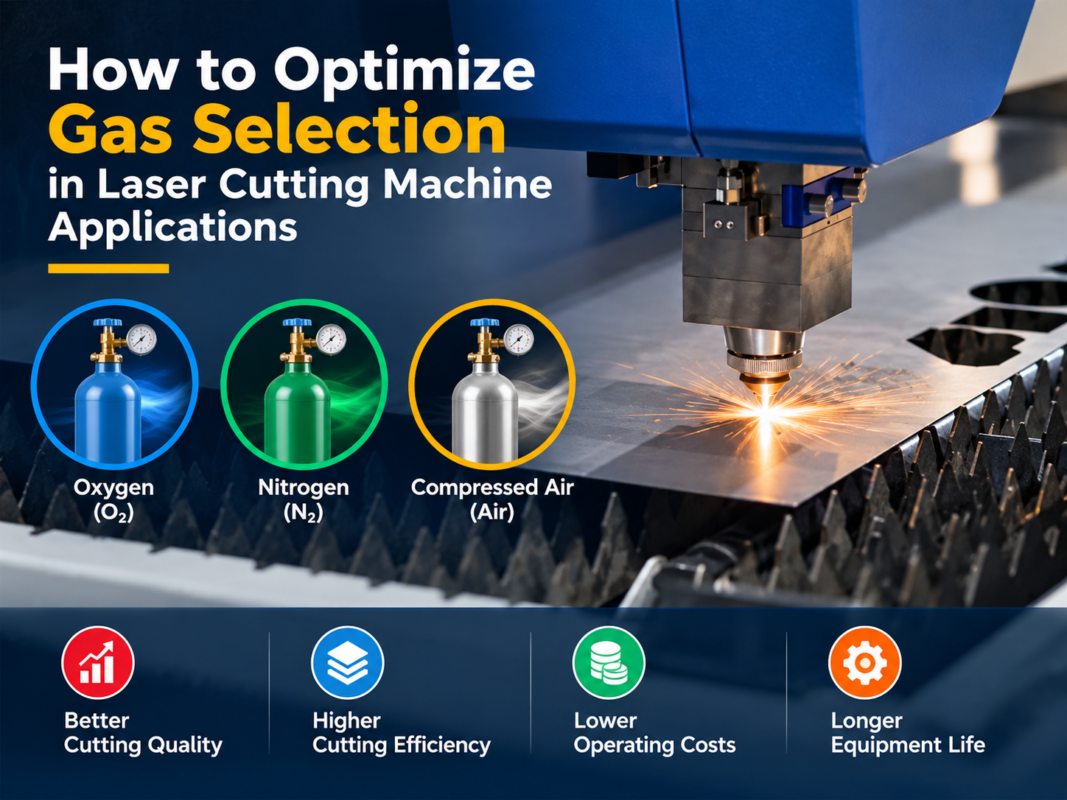
4. Why is Nitrogen used in fiber laser cutting?
Nitrogen is used as an assist gas to blow away molten metal without causing oxidation. This results in a clean, shiny edge that is ready for painting or welding. Oxygen is used for thicker carbon steel to add thermal energy to the cut, but it leaves an oxide layer that must be removed before painting.
5. Which machine is easier for a beginner to learn?
Fiber lasers are generally easier to operate because they require less manual intervention for beam alignment. Modern CNC software, such as CypCut, is highly intuitive and automates many of the parameters that used to require an expert operator on older CO2 systems.
Conclusion
The debate of Co2 Vs Fiber Laser Cutting Machine: Which One Should You Buy Business? ultimately comes down to your specific application. For the vast majority of metal-centric businesses, the fiber laser represents the future of efficiency and profitability. Its low maintenance, high speed, and energy efficiency make it an unbeatable tool for modern fabrication. However, the CO2 laser maintains its niche in specialized material processing and thick-plate aesthetics. At HARSLE, we provide the expertise and high-performance machinery to ensure that whichever path you choose, your business is equipped for success. Contact our technical team today for a personalized consultation and a detailed ROI analysis tailored to your production needs.