Top Factors to Consider Before Buying an Industrial Laser Cutting Machine


Introduction to Industrial Laser Cutting Technology
In the modern manufacturing landscape, the transition from traditional mechanical cutting to advanced laser technology has redefined productivity. For metal fabrication shops, investing in a laser cutter is often the single most significant capital expenditure they will make. However, the market is saturated with various brands, power levels, and configurations, making the decision-making process complex. Understanding the Top Factors Consider Before Buying An Industrial Laser Cutting Machine is essential to ensure that your investment yields the highest possible return while meeting your specific production requirements.
HARSLE, a leader in metal fabrication machinery, understands that a laser cutting machine is more than just a tool; it is the heart of a production line. Whether you are a small job shop or a large-scale industrial manufacturer, the nuances of fiber laser technology, beam quality, and structural integrity will dictate your long-term success. This guide provides a deep dive into the technical and financial considerations necessary for an informed purchase.
Price Range Overview: From Entry-Level to High-Performance
The price of an industrial laser cutting machine can vary wildly, ranging from $20,000 for basic entry-level models to over $500,000 for high-power, fully automated systems. Understanding where your needs fall within this spectrum is the first step in the procurement process.
Entry-Level Machines ($20,000 – $60,000)
These machines typically feature lower power outputs (1kW to 2kW) and are designed for thinner materials. They are ideal for small workshops or businesses transitioning from plasma cutting. While they lack the speed of high-end models, they offer high precision for intricate designs in thin sheet metal. Most entry-level machines utilize a single-platform design without an automatic shuttle table, which increases manual loading and unloading time.
Mid-Range Systems ($60,000 – $150,000)
The mid-range category is the most popular for medium-sized fabrication businesses. These machines usually offer 3kW to 6kW of power and include features like exchange tables (shuttle tables) to minimize downtime. They can handle a wider variety of material thicknesses and offer better acceleration and cutting speeds. At this level, you begin to see higher-quality components such as Japanese servo motors and European cutting heads.
High-End Industrial Solutions ($150,000+)
High-performance machines are built for 24/7 heavy-duty production. With power ratings from 12kW to 30kW and beyond, these systems can cut through thick carbon steel and aluminum with ease. They often feature full enclosures for safety, advanced automation for material handling, and sophisticated software for nesting and remote monitoring. The structural frame of these machines is significantly heavier to withstand the high-G forces generated by rapid acceleration.
Main Cost Drivers: What Dictates the Price Tag?
When evaluating the Top Factors Consider Before Buying An Industrial Laser Cutting Machine, it is crucial to understand which components contribute most to the final cost. The price is not just a reflection of the brand name but of the engineering and technology housed within the machine.
The Laser Source
The laser source is the most expensive component of the machine. Leading brands like IPG Photonics, Raycus, and Maxphotonics offer different levels of stability, beam quality, and serviceability. IPG is often considered the gold standard for reliability and global support, which commands a premium price. Raycus and Max offer excellent value-to-performance ratios, making them popular choices for cost-conscious buyers who still require industrial-grade performance.
Power Output (Wattage)
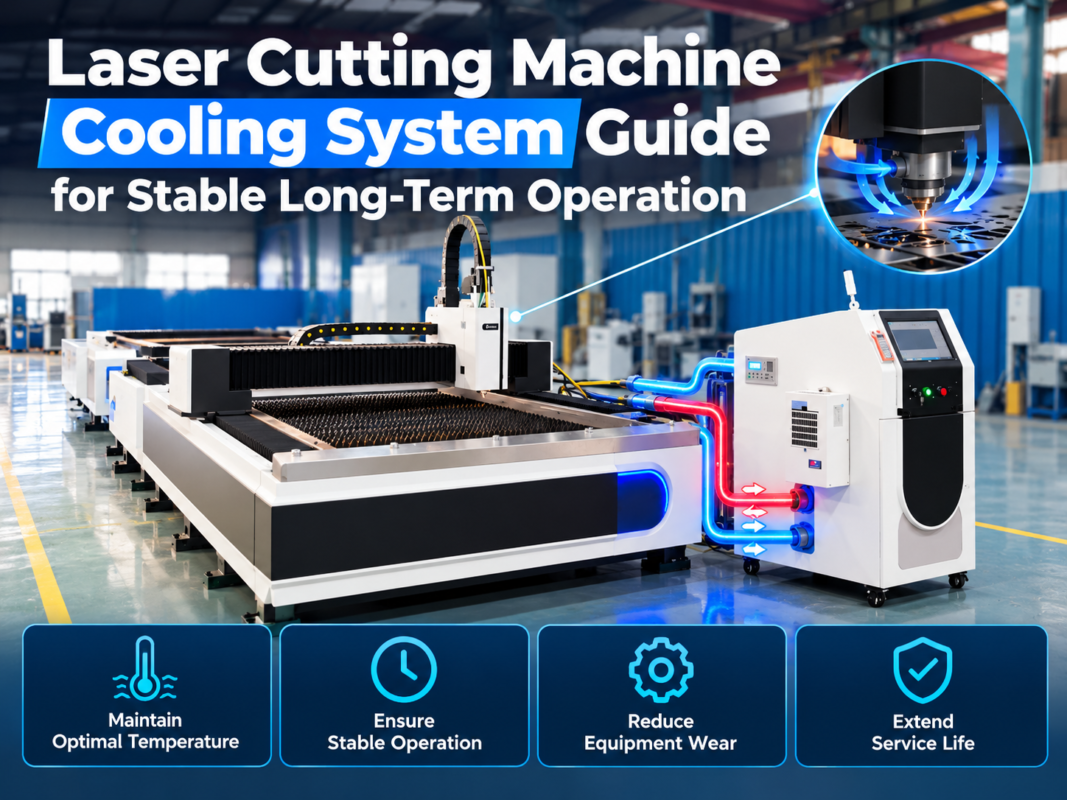
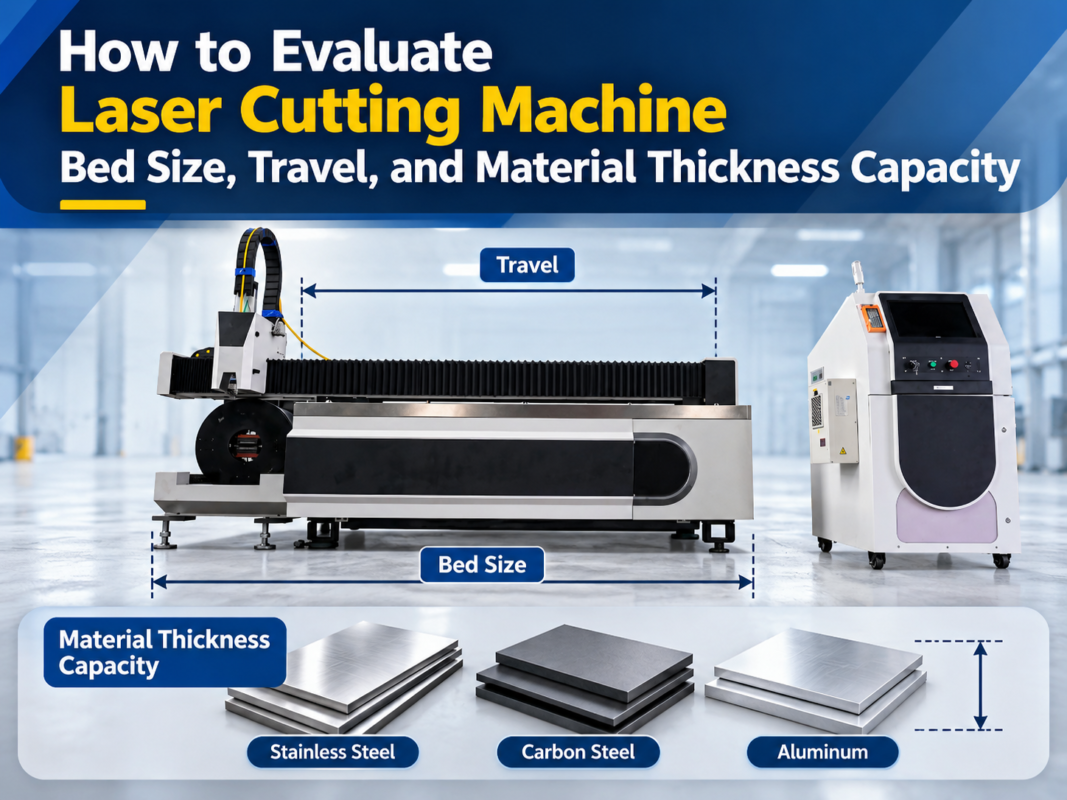
Laser power directly correlates with cutting speed and maximum thickness capacity. A 12kW machine will cut 10mm stainless steel significantly faster than a 3kW machine. However, more power requires more robust cooling systems and higher electricity consumption. Buyers must balance the need for speed with the operational costs associated with higher wattage.
Machine Bed and Frame Construction
A common mistake is overlooking the machine’s physical structure. High-speed laser cutting involves rapid changes in direction, which creates immense vibration. A high-quality machine uses a stress-relieved, heavy-duty welded frame or a cast iron bed. A heavier frame ensures long-term accuracy and prevents the machine from deforming over years of use. If a machine is significantly cheaper than its competitors, the manufacturer may have cut costs on the steel used in the frame.
Configuration Impact: Precision and Speed Components
The configuration of the machine determines its daily performance and the quality of the finished parts. Beyond the laser source, several key components must be scrutinized.
Cutting Head Technology
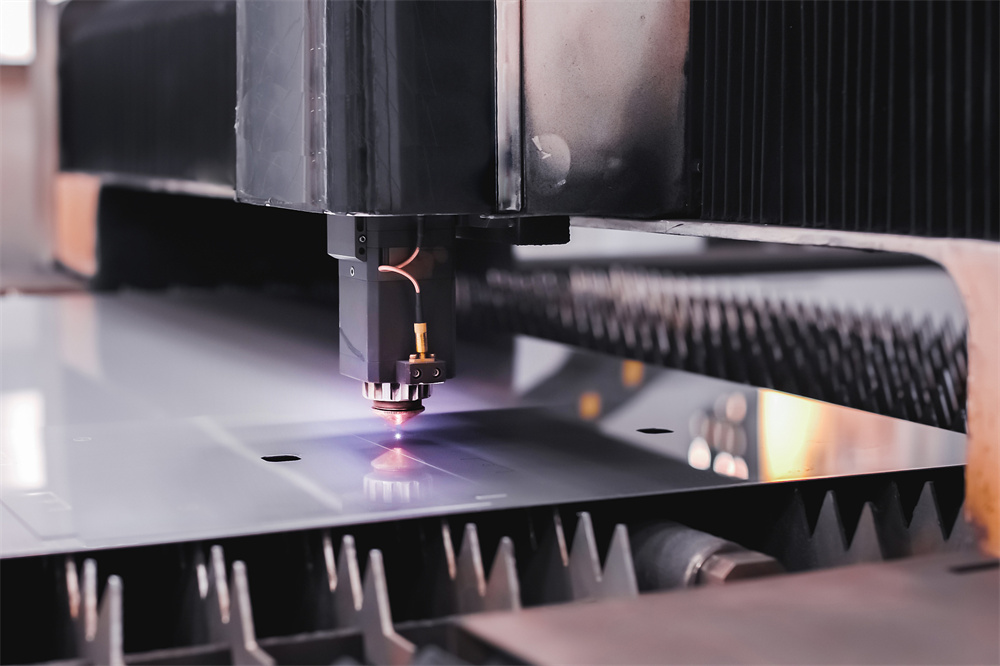
The cutting head (such as those from Precitec or Raytools) is responsible for focusing the laser beam onto the material. Modern industrial machines should feature auto-focus cutting heads. Auto-focus allows the machine to adjust the focal point automatically based on the material type and thickness, which is essential for maintaining consistency and reducing setup times. Advanced heads also include sensors to detect collisions and monitor the health of the protective windows.
Motion Control and Drive Systems
The precision of a laser cutter depends on its motion system. This includes the servo motors, gearboxes, and rack-and-pinion systems. High-end machines use helical racks and high-torque servo motors (like Yaskawa or Panasonic) to achieve high acceleration (up to 2.0G) and positioning accuracy. If the motion system is subpar, the machine will produce jagged edges on curves and lose accuracy at high speeds.
Control System and Software
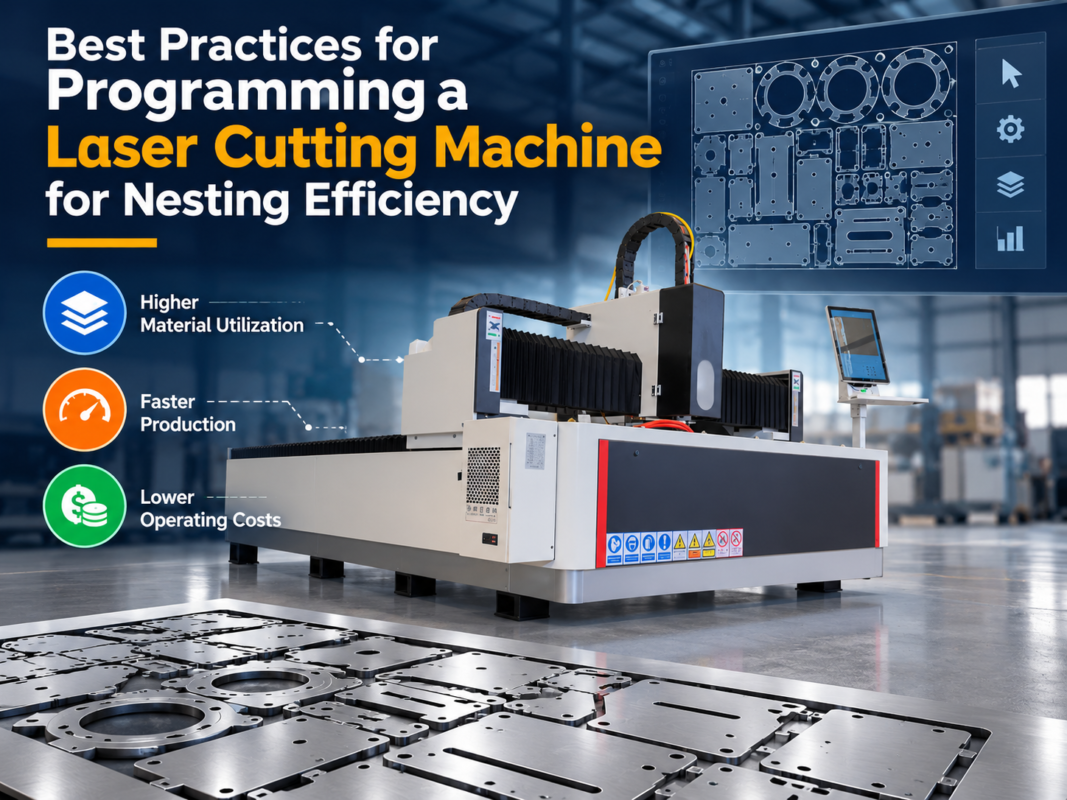
The CNC controller is the brain of the machine. Systems like CypCut are widely used due to their user-friendly interface and powerful nesting capabilities. Good software can significantly reduce material waste by optimizing how parts are placed on a sheet. It also provides features like “Fly Cutting” and “Frog-Hop” positioning, which drastically reduce the time the cutting head spends moving between cuts.
Hidden Costs: Beyond the Initial Purchase
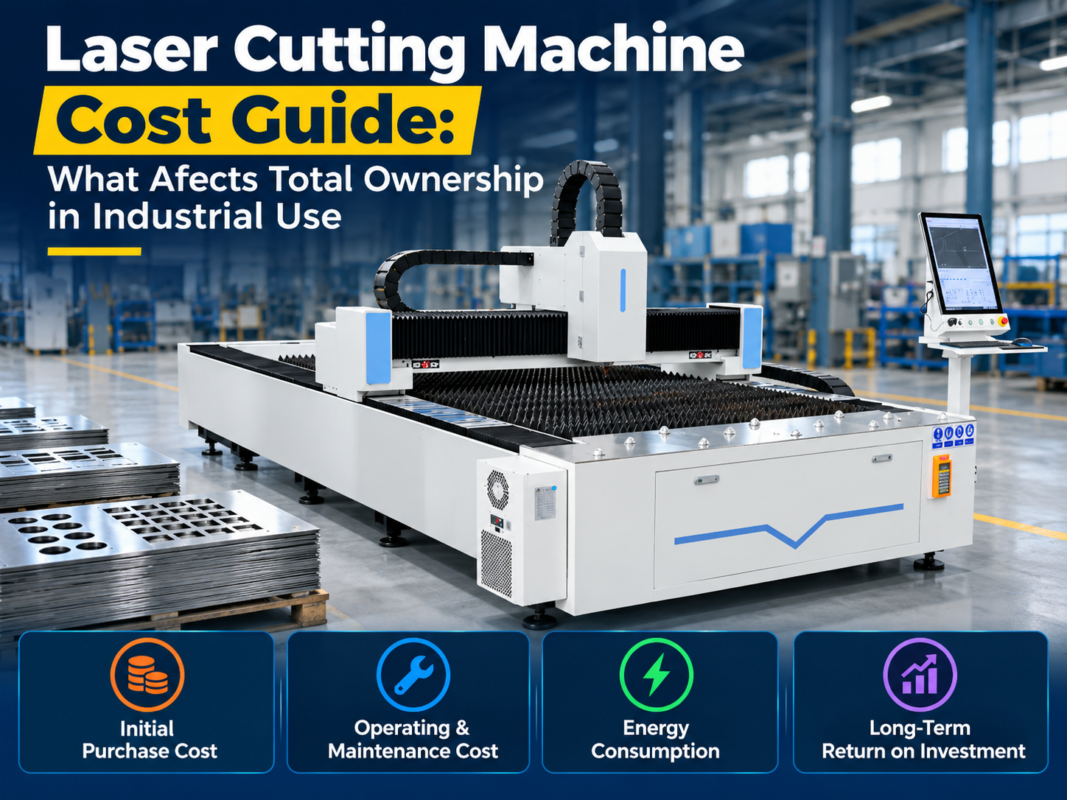
One of the most important Top Factors Consider Before Buying An Industrial Laser Cutting Machine is the total cost of ownership (TCO). The purchase price is only the beginning.
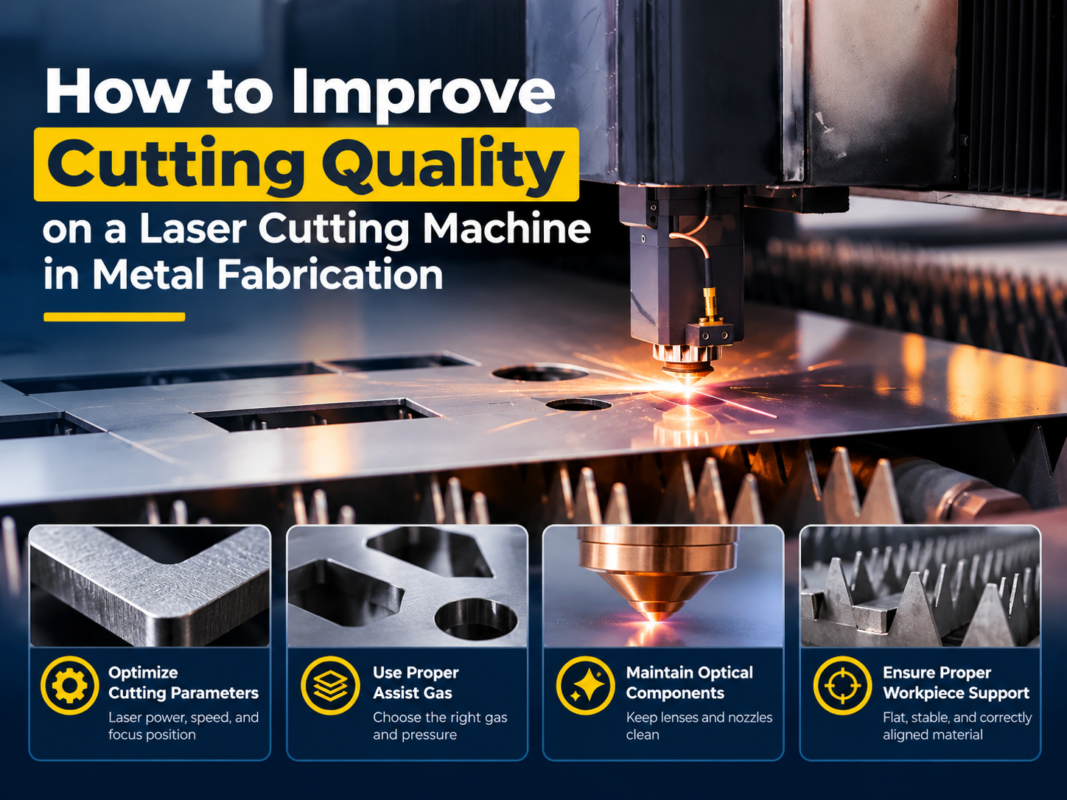
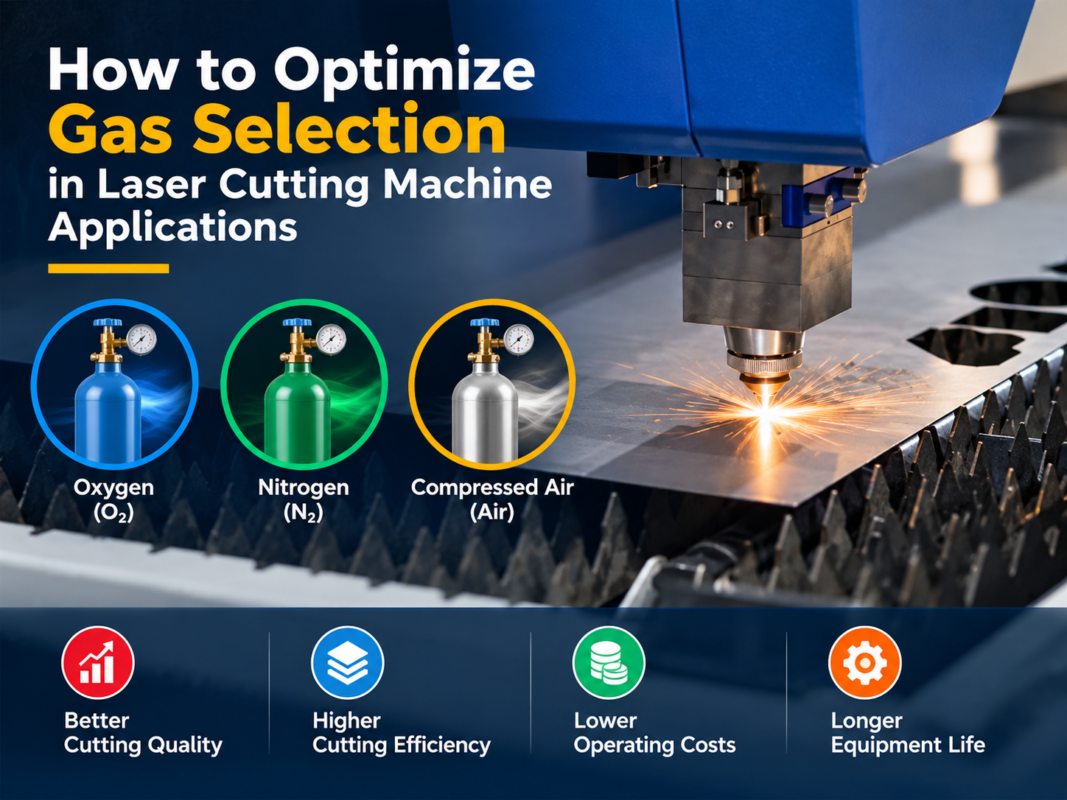
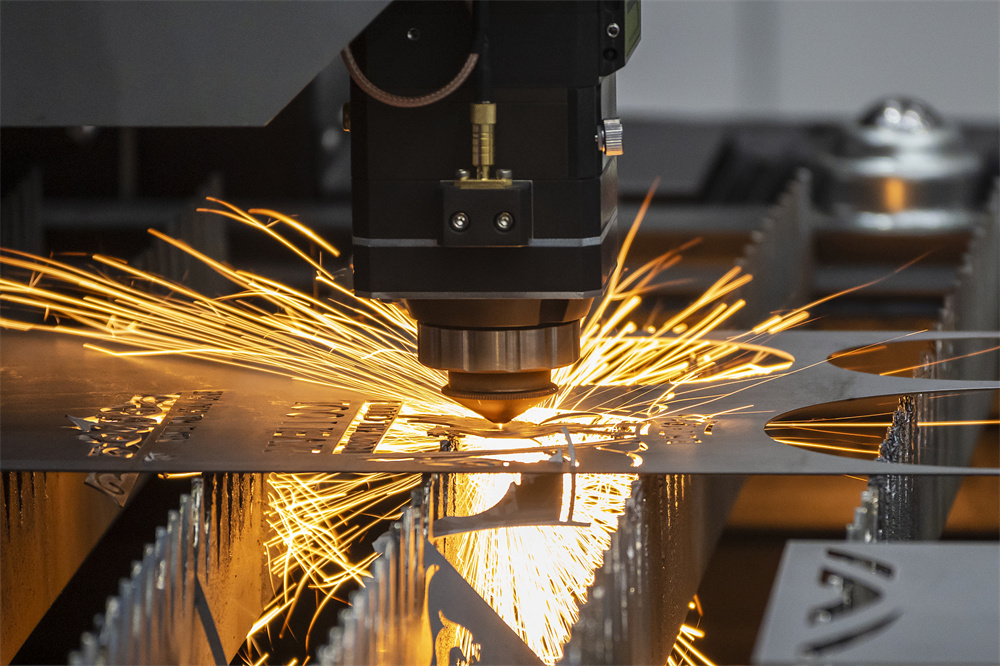
- Assist Gases: Laser cutting requires Oxygen, Nitrogen, or Compressed Air. Nitrogen is essential for clean, oxide-free cuts in stainless steel but can be expensive. Many shops are now investing in high-pressure air compressors to reduce gas costs for certain applications.
- Consumables: You will regularly need to replace copper nozzles, protective windows, and ceramic rings. While individually cheap, these costs add up over thousands of hours of operation.
- Electricity Consumption: While fiber lasers are much more efficient than CO2 lasers, a high-power machine and its associated chiller still consume significant power. Ensure your facility’s electrical grid can handle the load.
- Maintenance and Repairs: Even the best machines require maintenance. Consider the cost of replacement parts and the availability of local technicians. Downtime is the most expensive “hidden cost” of all.
ROI Calculation: Measuring the Value of Your Investment
To justify the purchase of an industrial laser cutting machine, you must calculate the Return on Investment (ROI). This involves comparing the cost of the machine against the profit generated by increased production or the savings from bringing outsourced work in-house.
The ROI Formula:
ROI = (Net Profit from Machine / Cost of Investment) x 100
Consider a scenario where a shop spends $5,000 per month on laser cutting services. By purchasing a $120,000 machine, they eliminate that cost but gain $2,000 in monthly operating expenses (labor, gas, power). The net saving is $3,000 per month. In this simple model, the machine pays for itself in 40 months. However, this doesn’t account for the ability to take on more work, faster turnaround times, and better quality control, which often accelerates the ROI to under 24 months.
| Factor | Impact on ROI | Notes |
|---|---|---|
| Cutting Speed | High | Faster speeds mean more parts per hour. |
| Material Utilization | Medium | Better nesting software saves 5-10% in material costs. |
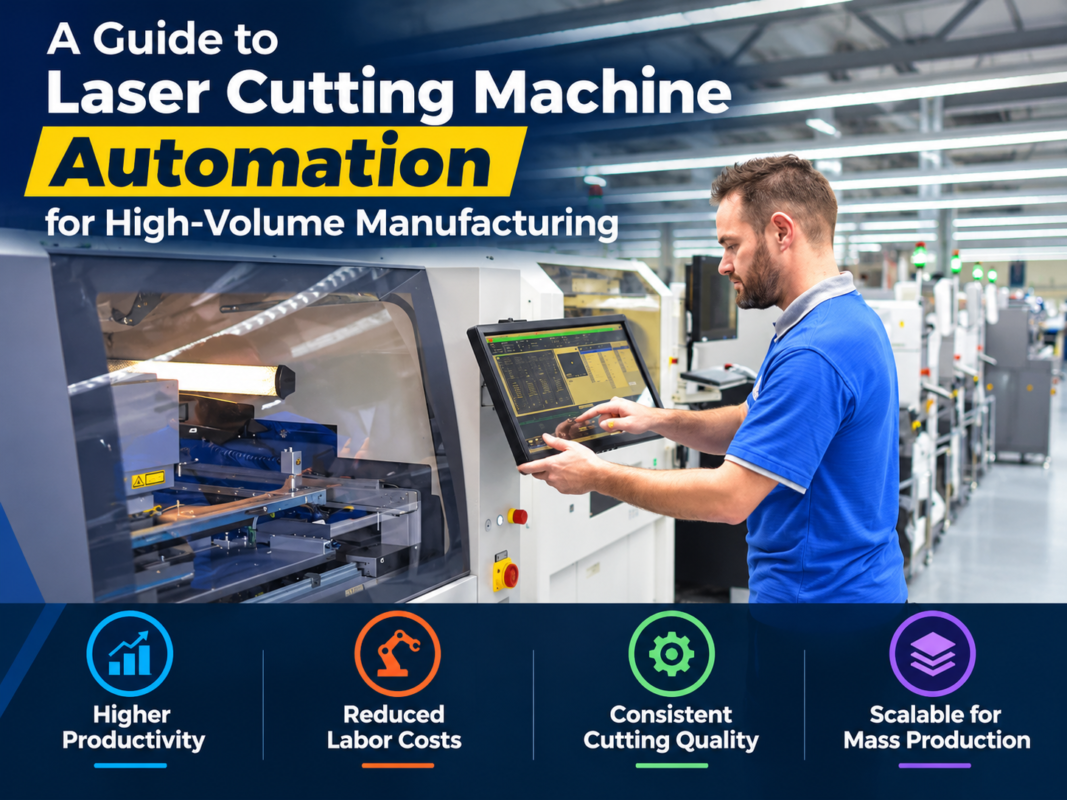
| Labor Savings | High | Automation reduces the need for constant operator supervision. |
| Secondary Processing | Medium | High-quality cuts eliminate the need for deburring or grinding. |
Buying Advice: How to Choose the Right Machine for Your Shop
Before signing a contract, follow this checklist to ensure the machine meets your long-term goals:
- Define Your Primary Material: If you mostly cut aluminum and copper, you need a fiber laser with high-quality beam characteristics and specific safety features for reflective materials.
- Don’t Overbuy Power: If 90% of your work is 3mm mild steel, a 12kW machine is an unnecessary expense. A 3kW or 4kW machine will be more cost-effective.
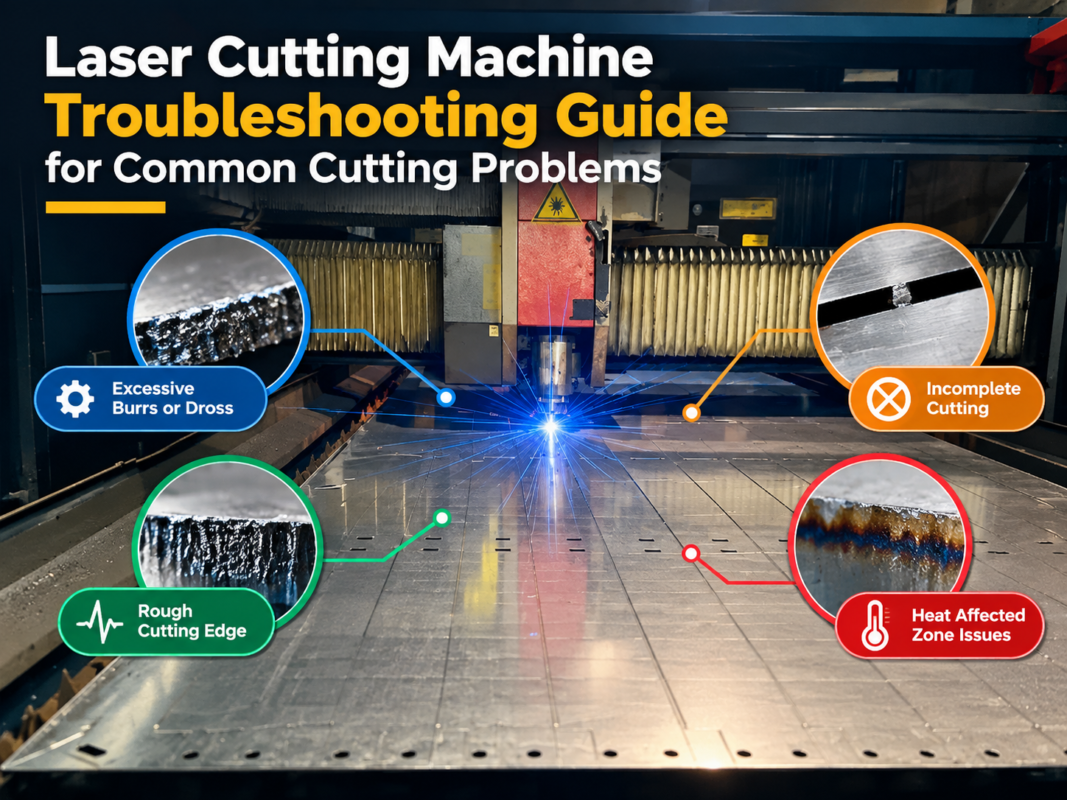
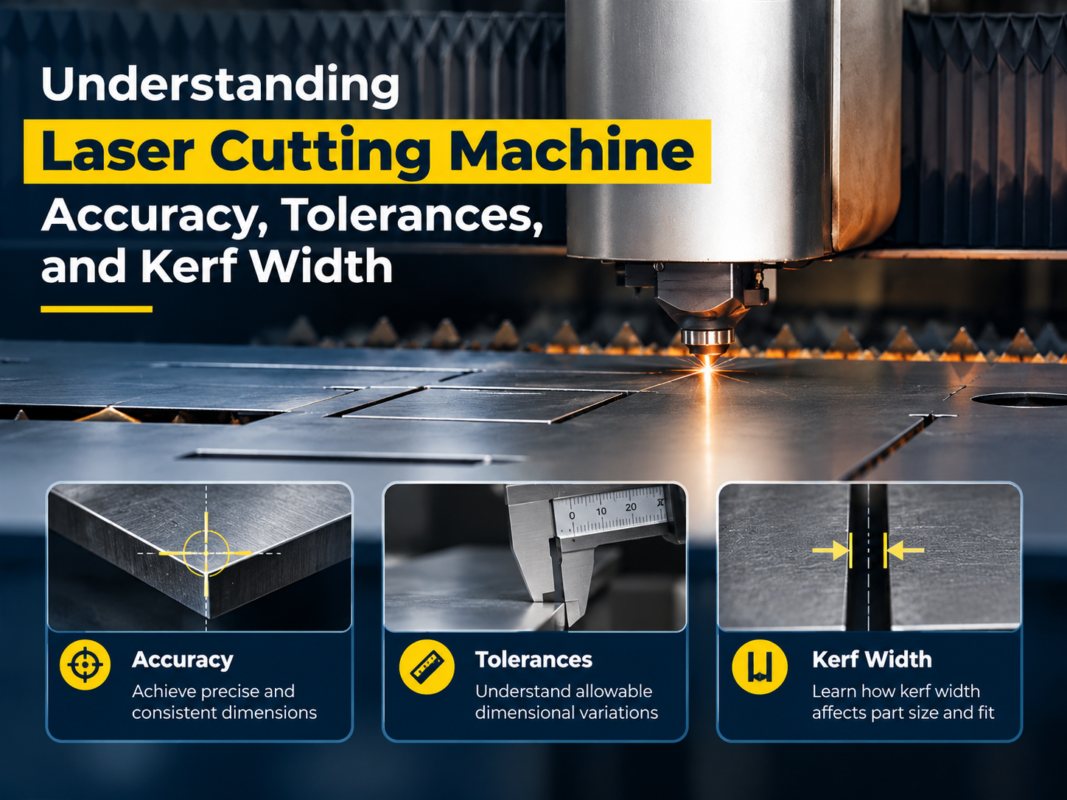
- Test Cut Your Parts: Never buy a machine without seeing it cut your specific files on your specific material. Check for edge squareness, dross, and heat-affected zones.
- Evaluate After-Sales Support: Ask the manufacturer about their response time for technical support. Do they have spare parts stocked in your country?
- Check the Software Compatibility: Ensure the machine’s software can import files from your existing CAD/CAM programs without issues.
Frequently Asked Questions (FAQ)
What is the lifespan of a fiber laser source?
Most high-quality fiber laser sources (like IPG or Raycus) are rated for approximately 100,000 hours of operation. This equates to over 10 years of 24/7 use. Unlike CO2 lasers, they do not require internal mirrors or gas refills, making them much more durable.
Can I cut reflective materials like brass and copper?
Yes, modern fiber lasers are designed to handle reflective materials. However, it is important to use a laser source with back-reflection protection to prevent damage to the laser module. Most industrial-grade fiber lasers now include this as a standard feature.
Is it better to use Nitrogen or Oxygen for cutting?
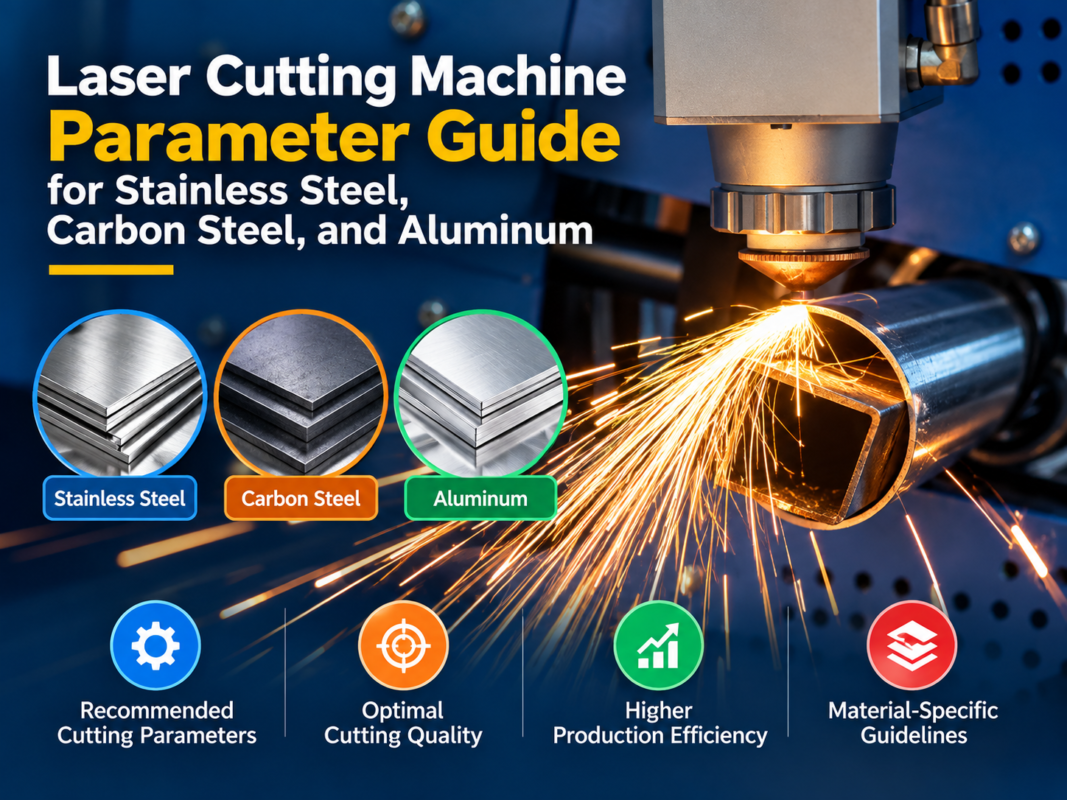
Oxygen is typically used for carbon steel as it creates an exothermic reaction that aids the cutting process, but it leaves an oxide layer on the edge. Nitrogen is used for stainless steel and aluminum to prevent oxidation, resulting in a clean edge that is ready for welding or painting.
How much training is required to operate a CNC laser?
Modern CNC interfaces like CypCut are very intuitive. A basic operator can be trained in 2-3 days. However, mastering nesting optimization and maintenance troubleshooting may take several weeks of hands-on experience.
What are the safety requirements for an industrial laser?
Industrial fiber lasers are Class 4 laser products. They should ideally be operated in a fully enclosed housing with laser-safe viewing windows. Operators must wear appropriate PPE, and the area should be equipped with proper ventilation to remove hazardous fumes generated during the cutting process.
Conclusion
Selecting the right equipment involves a careful balance of technical specifications and financial reality. By focusing on the Top Factors Consider Before Buying An Industrial Laser Cutting Machine—specifically the laser source, machine structure, and total cost of ownership—you can make a choice that empowers your business for years to come. HARSLE remains committed to providing high-performance, reliable laser solutions that help fabricators achieve precision and efficiency in every cut.