Comprehensive Laser Cutting Machine Selection Guide for Stainless Steel, Carbon Steel, and Aluminum


Introduction to Laser Cutting Machine Selection
In the modern metal fabrication landscape, the ability to precision-cut various materials is not just an advantage—it is a necessity. Selecting the right laser cutting machine for stainless steel, carbon steel, and aluminum requires a deep understanding of how laser technology interacts with different physical properties. Whether you are a small job shop or a large-scale industrial manufacturer, the configuration of your fiber laser will dictate your production speed, edge quality, and overall profitability. This guide provides an exhaustive breakdown of the selection process, ensuring you invest in a machine that meets your specific material requirements.
The transition from traditional CO2 lasers to fiber laser technology has revolutionized the industry. Fiber lasers offer higher electrical efficiency, lower maintenance, and superior cutting speeds, especially for thin to medium-thickness metals. However, the ‘one-size-fits-all’ approach does not apply when dealing with the reflective nature of aluminum, the toughness of stainless steel, or the thermal sensitivity of carbon steel. Understanding these nuances is the first step toward a successful equipment acquisition.
Price Range Overview: Understanding the Market
The price of a laser cutting machine is primarily determined by its power output, the quality of its components, and the size of the cutting bed. For most industrial applications, machines are categorized into three main tiers based on their laser source wattage.
Entry-Level Machines (1kW – 3kW)
These machines are typically priced between $30,000 and $60,000. They are ideal for thin sheet metal fabrication, specifically for materials under 10mm. While they can handle stainless steel and carbon steel efficiently, they may struggle with thicker aluminum due to the material’s high thermal conductivity and reflectivity. These are excellent for startups or shops focusing on decorative metalwork and light industrial components.
Mid-Range Industrial Machines (6kW – 12kW)
Priced between $80,000 and $150,000, this is the ‘sweet spot’ for most professional fabrication centers. A 6kW to 12kW fiber laser can cut through 20mm+ carbon steel and stainless steel with ease. The increased power allows for significantly higher cutting speeds on medium-thickness materials, which reduces the cost per part. These machines often feature automated nozzle changers and advanced cooling systems to handle continuous production cycles.
High-Power Heavy-Duty Machines (20kW – 60kW+)
For heavy industry, shipbuilding, and large-scale construction, high-power lasers are required. These machines can exceed $250,000. They are designed to cut ultra-thick plates (up to 50mm or more) and maintain high speeds that were previously only possible with plasma cutting. The precision of a 30kW laser on a 30mm plate is far superior to any other thermal cutting method, though the initial investment and infrastructure requirements are substantial.
Main Cost Drivers in Laser Cutting Technology
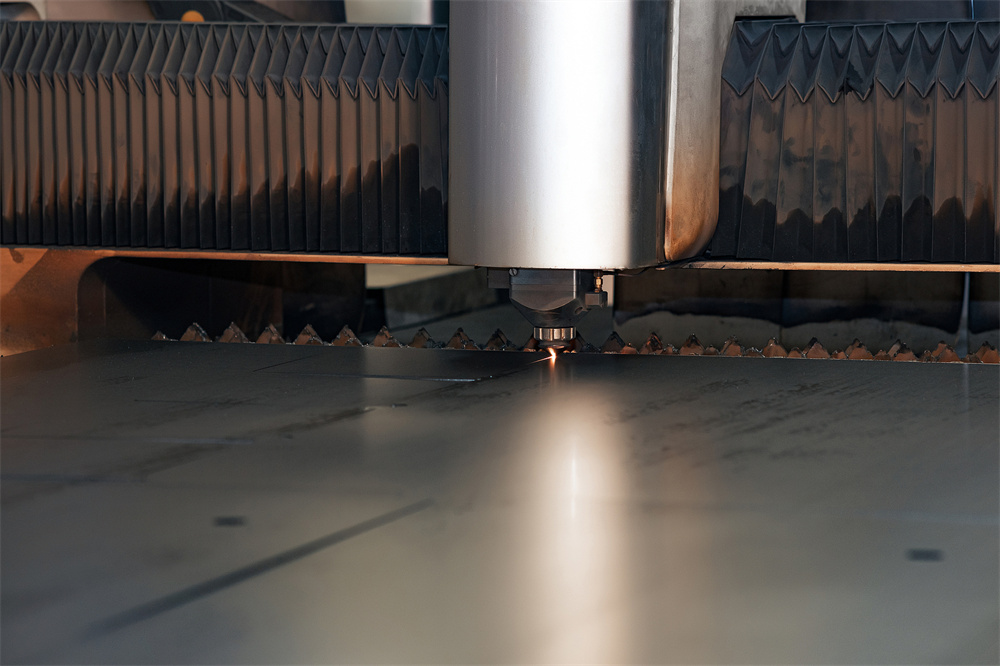
When evaluating a quote for a laser cutting machine, it is essential to look beyond the sticker price and analyze the components that drive the cost. The four pillars of a high-quality machine are the laser source, the cutting head, the bed structure, and the motion control system.
The Laser Source (The Heart)
The laser source is the most expensive component. Brands like IPG Photonics, Raycus, and Maxphotonics dominate the market. IPG is often considered the gold standard for stability and longevity, commanding a premium price. Raycus and Max offer excellent value-to-performance ratios, making them popular choices for mid-market machines. The choice of source affects not only the initial cost but also the long-term reliability and the ease of finding replacement parts.
The Cutting Head (The Precision)
The cutting head houses the focusing lenses and the nozzle. Advanced heads, such as those from Precitec or Raytools, feature auto-focusing capabilities. Auto-focus is critical when switching between different material thicknesses, as it allows the machine to adjust the focal point dynamically during the piercing and cutting process. This reduces setup time and prevents operator error, which can lead to damaged consumables or poor cut quality.
Machine Bed and Gantry (The Foundation)
A high-power laser requires a rigid, heavy-duty bed to maintain accuracy at high speeds. Many high-end machines use a plate-welded bed that has been stress-relieved through heat treatment, or even a cast-iron bed for maximum vibration dampening. A flimsy frame will lead to ‘ghosting’ or inaccuracies in the cut path when the gantry accelerates and decelerates rapidly. The gantry itself is often made of aviation-grade aluminum to reduce weight while maintaining strength, allowing for higher acceleration rates.
Configuration Impact: Matching Power to Material
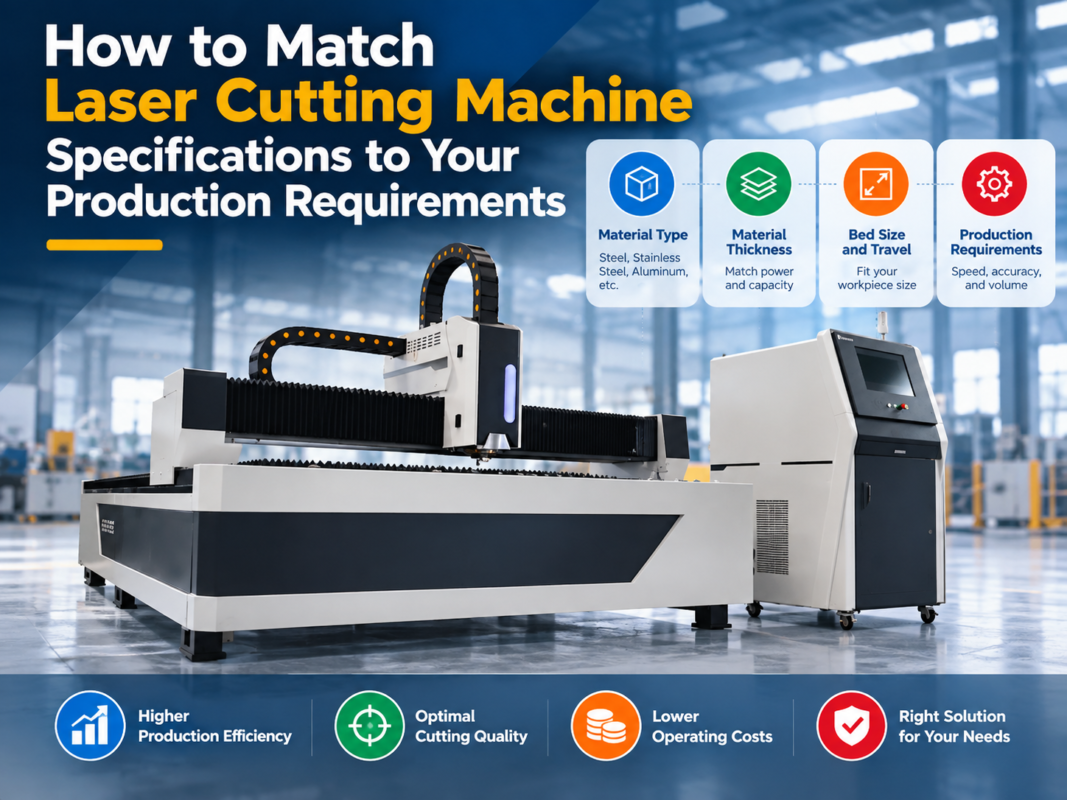
The selection of laser power is directly tied to the materials you intend to process. Each metal reacts differently to the laser beam’s wavelength and energy density.
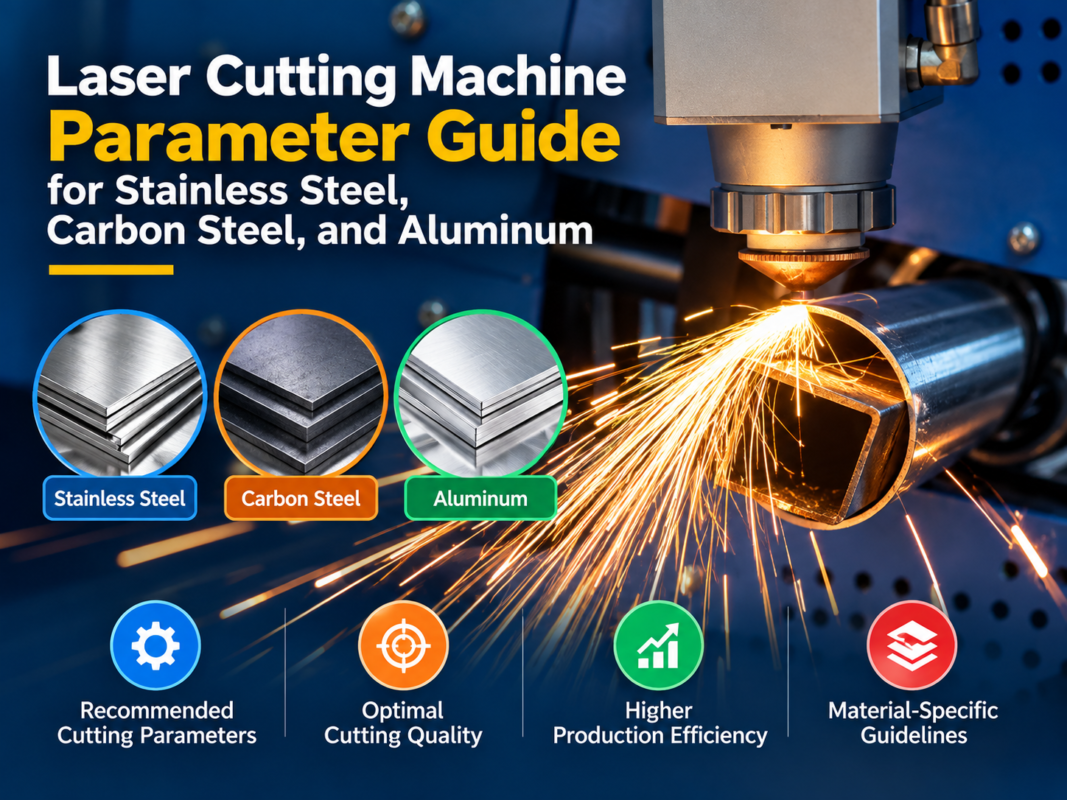
Stainless Steel Requirements
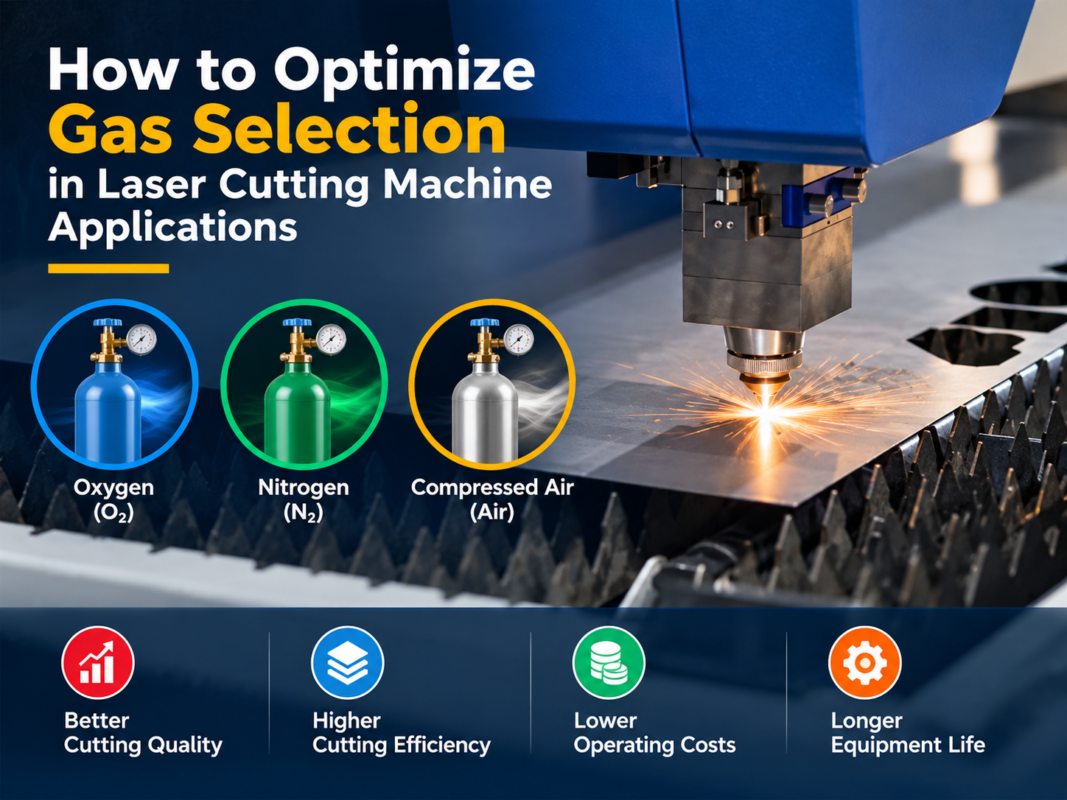
Stainless steel is prized for its corrosion resistance and aesthetic finish. To maintain these properties, it is typically cut using Nitrogen as an assist gas. Nitrogen prevents oxidation, leaving a clean, silver edge that requires no post-processing. However, cutting with Nitrogen requires more laser power compared to Oxygen. For example, a 3kW laser might cut 4mm stainless steel at a high quality, but to cut 10mm stainless steel efficiently, a 6kW or 12kW source is recommended to maintain speed and edge smoothness.
Carbon Steel Requirements
Carbon steel is the most common material in fabrication. It is usually cut using Oxygen as an assist gas. The Oxygen creates an exothermic reaction, adding heat to the process and allowing lower-power lasers to cut relatively thick plates. However, Oxygen cutting leaves an oxide layer on the edge, which must be removed if the part is to be painted or powder-coated. For high-speed cutting of thin carbon steel, many shops are now switching to high-pressure Air or Nitrogen to eliminate the cleaning step.
Aluminum Requirements
Aluminum is a ‘non-ferrous’ and highly reflective metal. In the early days of fiber lasers, aluminum was difficult to cut because the reflected beam could travel back up the fiber and damage the laser source. Modern fiber lasers are equipped with back-reflection protection. Because aluminum dissipates heat quickly, it requires a high energy density to melt. Selecting a machine with a high-quality beam profile and sufficient wattage is crucial for achieving a burr-free finish on aluminum alloys.
Hidden Costs and Operational Expenses
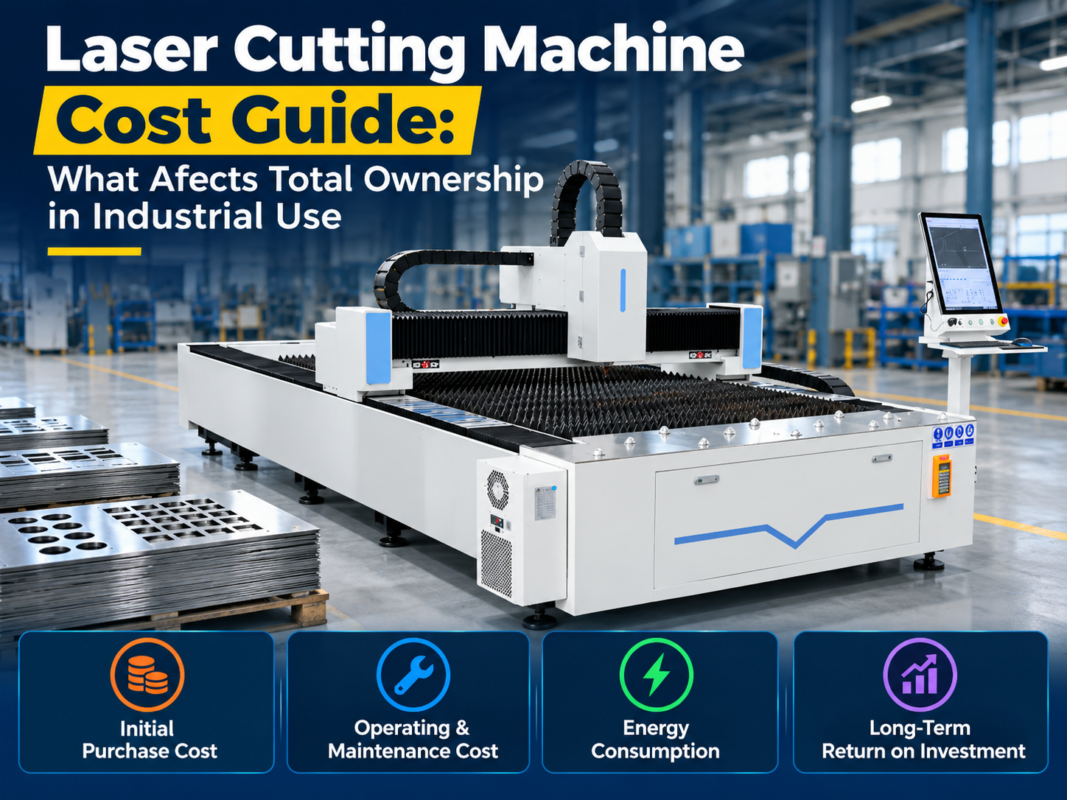
The purchase price is only the beginning. To calculate the true cost of ownership, you must account for daily operational expenses.
- Assist Gases: Nitrogen and Oxygen are significant ongoing costs. High-power cutting with Nitrogen can consume large volumes of gas, leading many shops to invest in Nitrogen generators to reduce long-term expenses.
- Electricity Consumption: While fiber lasers are efficient, the total system (including the chiller, dust extractor, and air compressor) can draw significant power. A 12kW laser system might require a 100kVA power supply.
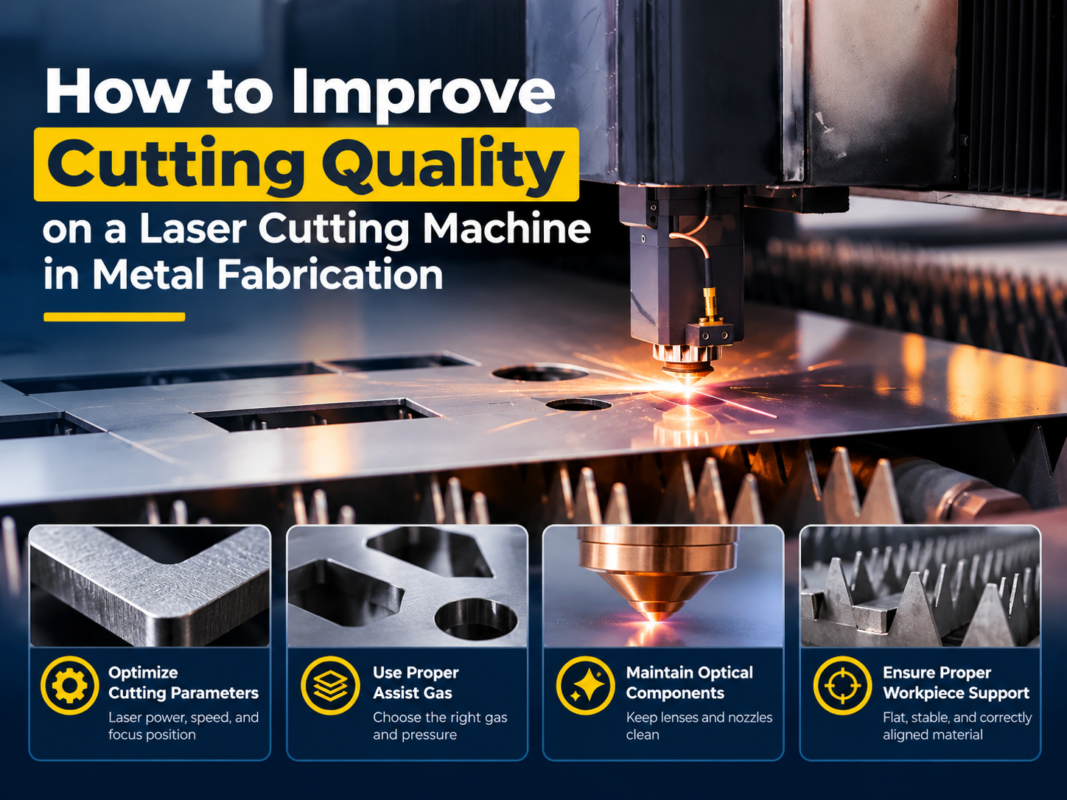
- Consumables: Nozzles, protective windows, and ceramic rings are wear items. Using high-quality consumables is essential to prevent damage to the more expensive internal optics of the cutting head.
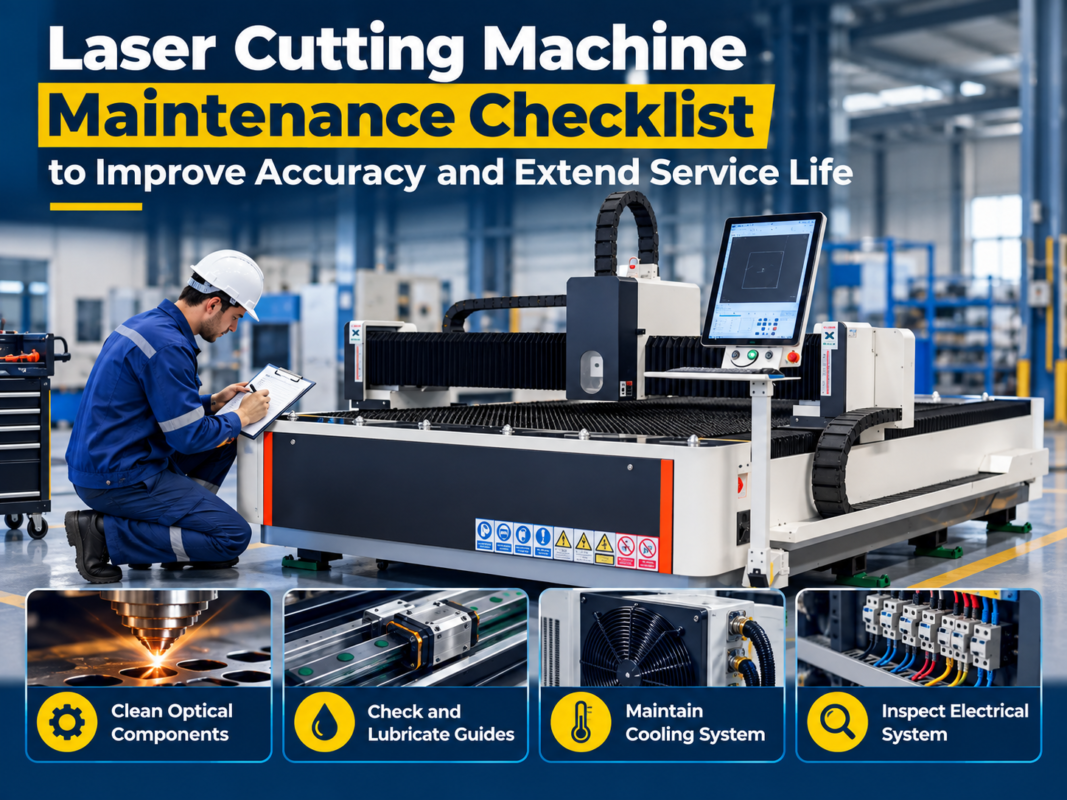
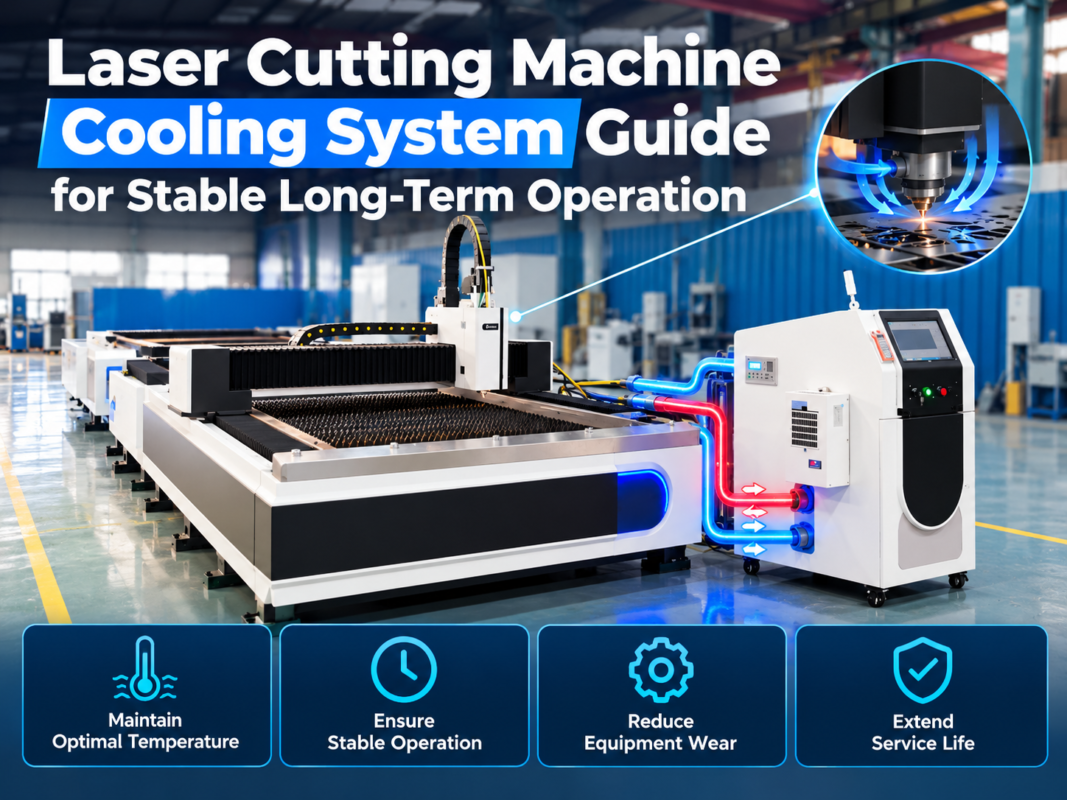
- Maintenance: Regular cleaning of the chiller, lubrication of the linear guides, and checking the dust collection filters are necessary to prevent downtime. A neglected machine will see a rapid decline in cut quality and component lifespan.
ROI Calculation: When Does the Investment Pay Off?
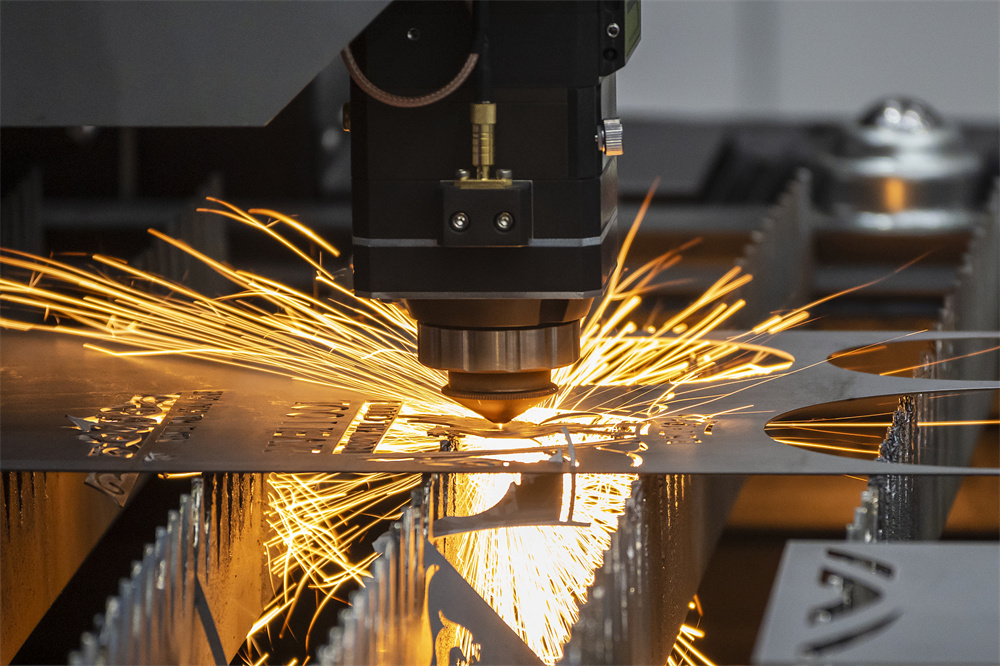
Calculating the Return on Investment (ROI) involves comparing the machine’s output against its total cost (purchase + operation). For a laser cutting machine, the ROI is usually driven by ‘Time per Part’.
Consider a scenario where a 3kW laser cuts a specific part in 60 seconds, while a 12kW laser cuts the same part in 15 seconds. Even though the 12kW machine is more expensive, its throughput is four times higher. If your shop has a high volume of work, the 12kW machine will pay for itself much faster by reducing the labor cost per part and allowing you to take on more contracts. Additionally, the precision of laser cutting often eliminates the need for secondary operations like grinding or drilling, further increasing the profit margin per component.
Buying Advice: A Checklist for Metal Fabricators
Before finalizing your purchase, consider the following checklist to ensure the machine fits your specific needs for stainless steel, carbon steel, and aluminum:
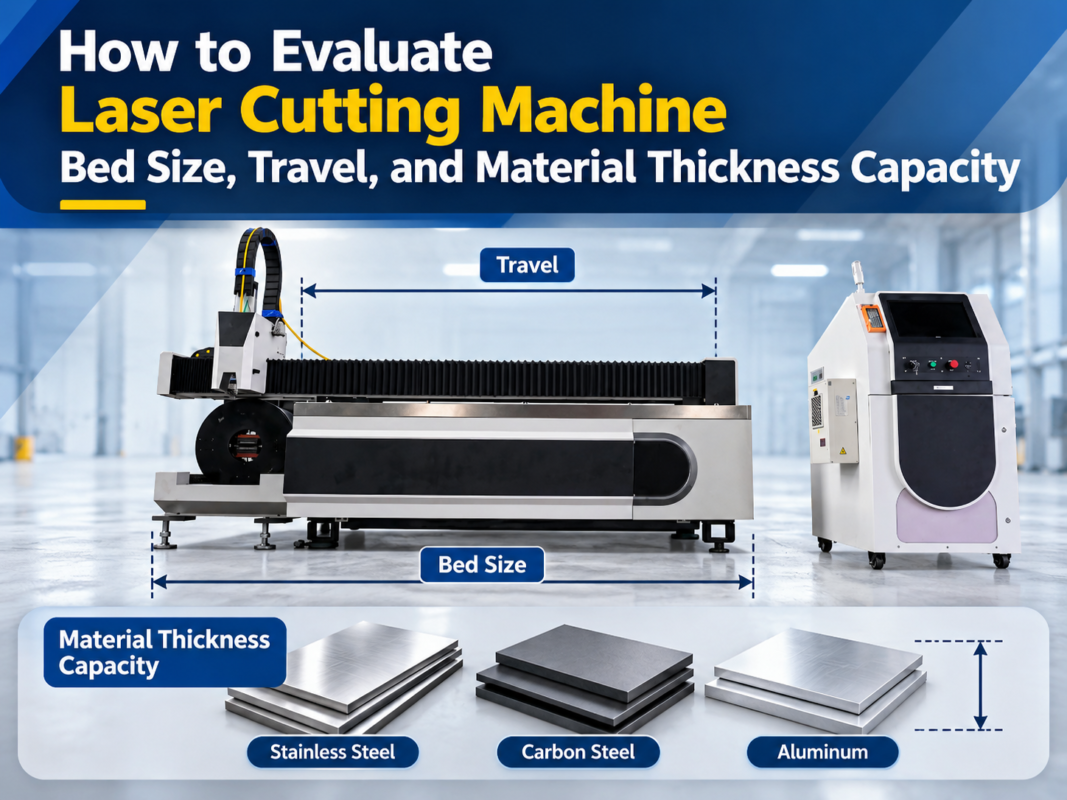
- Define Your Maximum Thickness: Don’t buy a machine based on what you cut 90% of the time; buy it based on the thickest material you need to cut reliably. If you occasionally cut 20mm carbon steel, ensure the machine can handle it without straining the source.
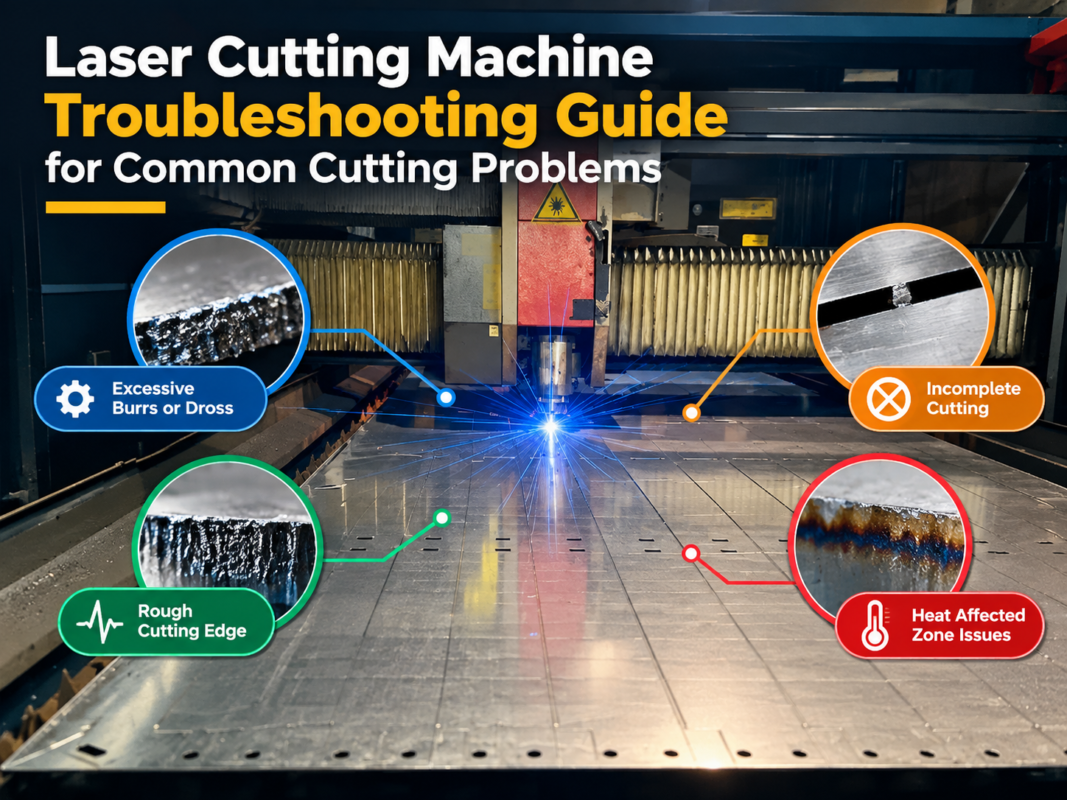
- Test Cut Your Own Material: Always ask the manufacturer for a live demo or sample cuts using your specific grade of stainless steel or aluminum. Observe the edge quality and the dross (burr) levels.
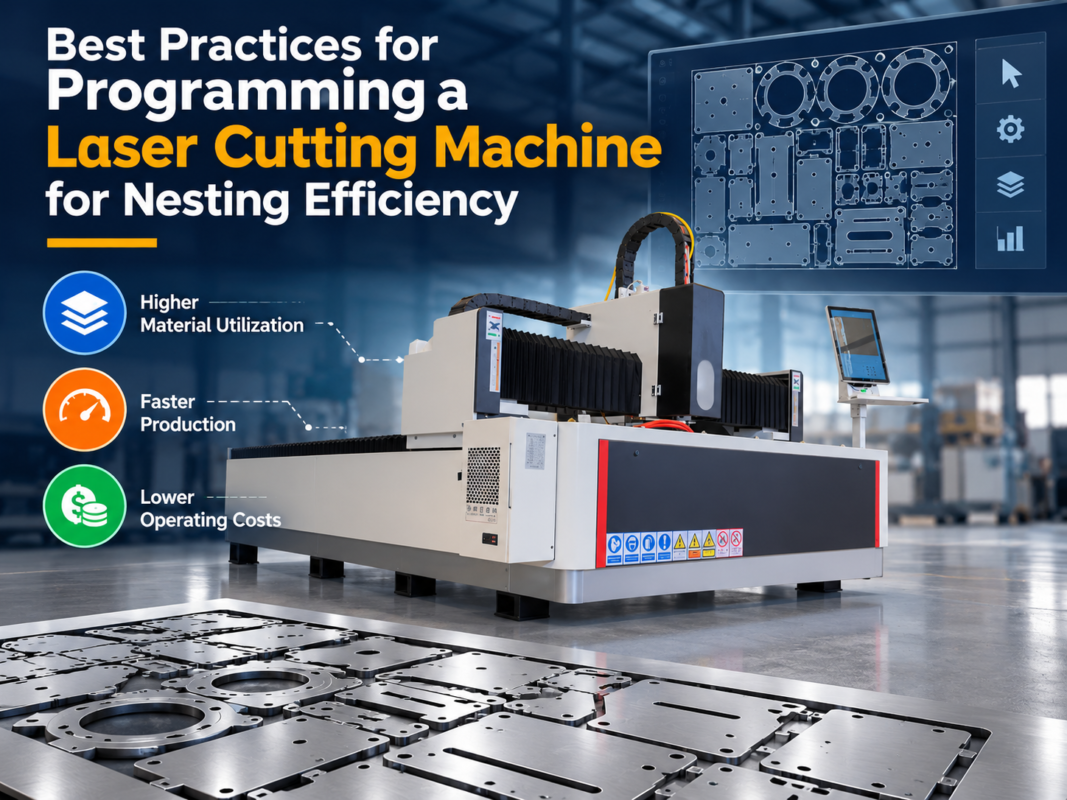
- Evaluate the Software: The CNC software (such as CypCut) should be intuitive and support nesting. Good nesting software saves thousands of dollars a year by minimizing material waste.
- Check After-Sales Support: A laser cutting machine is a complex piece of equipment. Ensure the manufacturer (like HARSLE) provides robust technical support, remote diagnostics, and a ready supply of spare parts in your region.
- Consider Future Expansion: If you plan to grow, consider a machine with a larger bed size (e.g., 2000mm x 4000mm or 2000mm x 6000mm) or an exchange table system to increase efficiency.
Frequently Asked Questions (FAQ)
What is the best assist gas for cutting stainless steel?
Nitrogen is the best choice for stainless steel because it prevents oxidation, resulting in a clean, bright edge. While Oxygen can be used for thicker sections, it will leave a black oxide layer that usually requires manual cleaning.
Can a fiber laser cut aluminum without damaging the machine?
Yes, modern fiber lasers are designed with optical isolators and back-reflection protection specifically to handle reflective materials like aluminum, brass, and copper. However, it is important to use a machine with sufficient power to ensure a clean cut.
How long does a fiber laser source last?
Most reputable fiber laser sources (like IPG or Raycus) are rated for approximately 100,000 hours of operation. This equates to over 10 years of heavy industrial use, provided the machine is maintained correctly and the environment is kept clean.
Is it better to use Air or Nitrogen for thin carbon steel?
For thin carbon steel (under 3mm), high-pressure compressed air is often the most cost-effective solution. It provides a faster cutting speed than Oxygen and a cleaner edge, though not quite as pristine as Nitrogen. It significantly reduces the cost per part by eliminating the need for bottled gas.
What maintenance is required for a laser cutting machine?
Daily maintenance includes cleaning the protective window and nozzle. Weekly tasks involve checking the chiller water levels and cleaning the machine rails. Monthly, you should inspect the electrical components and ensure the exhaust system is functioning at full capacity to remove hazardous fumes.
Why is the ‘Exchange Table’ feature important?
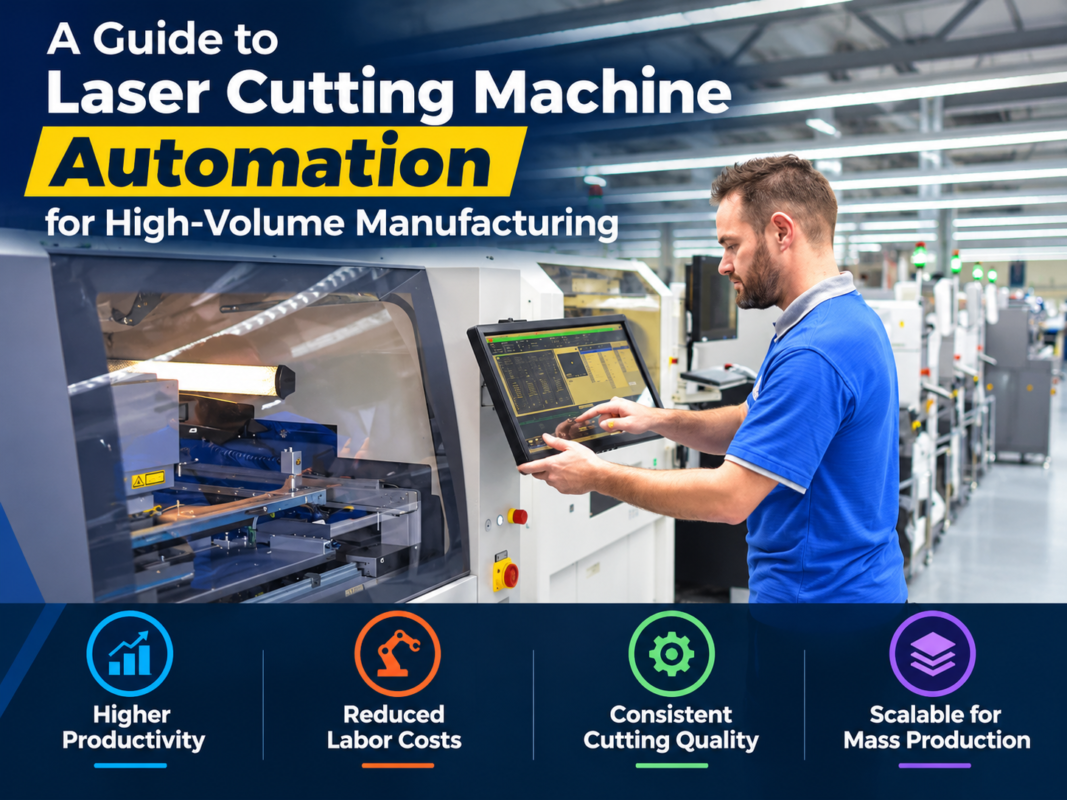
An exchange table (or shuttle table) allows the operator to load a new sheet of metal while the machine is still cutting on the other table. This can increase productivity by 30-50% by eliminating the downtime between cutting cycles.
Conclusion
Selecting the right laser cutting machine for stainless steel, carbon steel, and aluminum is a strategic decision that impacts every facet of your production. By focusing on the relationship between laser power and material properties, and by accounting for both the visible and hidden costs, you can choose a configuration that provides the best ROI. HARSLE remains committed to providing high-performance fiber laser solutions that empower fabricators to achieve precision, speed, and reliability in every cut. Whether you are upgrading from an older system or entering the world of laser fabrication for the first time, the right technology will be the engine of your business growth.