The Ultimate Laser Cutting Machine Buying Guide for Job Shops and Contract Manufacturers


Introduction to Laser Cutting for the Modern Job Shop
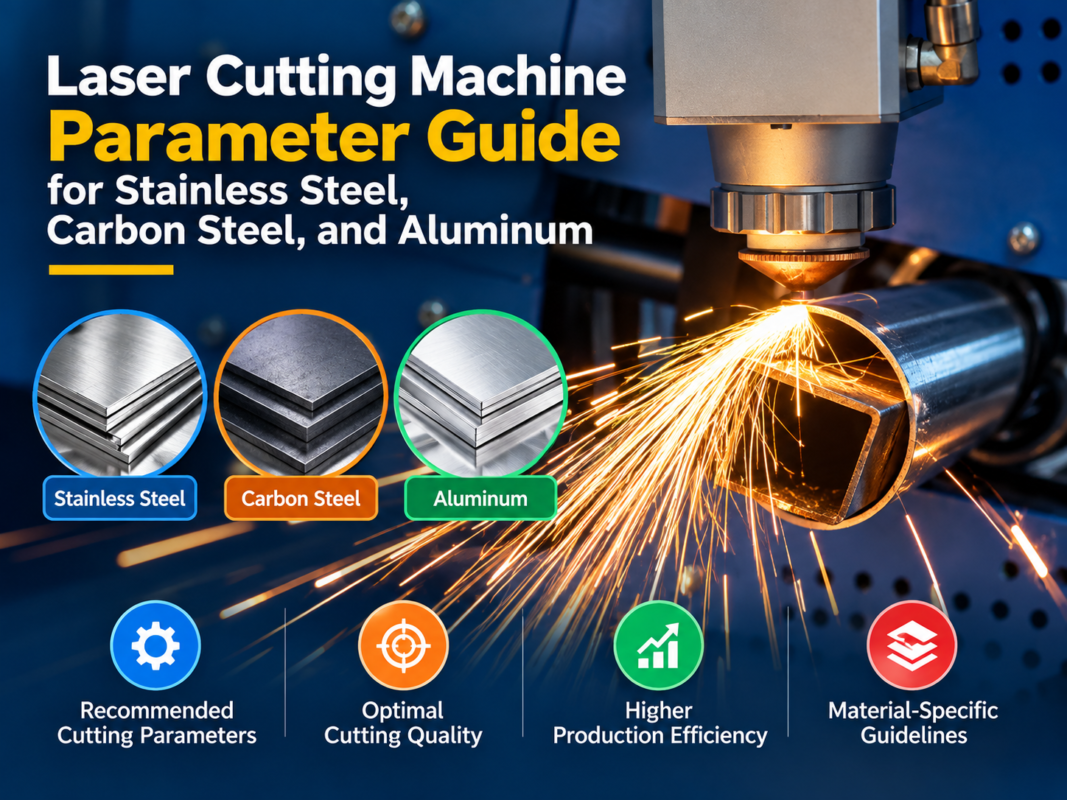
In the competitive landscape of metal fabrication, job shops and contract manufacturers face a unique set of challenges. Unlike dedicated production facilities that run the same part for months, a job shop might process stainless steel in the morning, thick carbon steel in the afternoon, and intricate aluminum components by evening. This versatility requires equipment that is not only powerful but also adaptable and cost-efficient. The decision to invest in a laser cutting machine is often the single most significant capital expenditure a shop will make. This guide is designed to navigate the complexities of the Laser Cutting Machine Buying Job Shops Contract Manufacturers process, ensuring that your investment translates into long-term profitability and operational excellence.
Fiber laser technology has revolutionized the industry, largely displacing CO2 lasers due to higher cutting speeds, lower maintenance requirements, and superior energy efficiency. However, the sheer variety of options—ranging from entry-level 1kW machines to ultra-high-power 30kW systems—can be overwhelming. For a contract manufacturer, the goal is to find the ‘sweet spot’ where the machine’s capabilities align with the current customer base while providing room for future growth. This guide breaks down every critical factor, from initial price points to the nuances of assist gas selection and ROI modeling.
Price Range Overview: Setting Realistic Expectations
Understanding the financial landscape is the first step in the Laser Cutting Machine Buying Guide For Job Shops And Contract Manufacturers. Prices for fiber laser cutting machines vary wildly based on power, bed size, and brand reputation. Generally, the market is divided into three primary tiers: entry-level, mid-range, and high-performance industrial systems.
| Machine Category | Power Range | Estimated Price (USD) | Primary Application |
|---|---|---|---|
| Entry-Level / Small Format | 1kW – 3kW | $30,000 – $65,000 | Thin sheet metal, prototyping, light fabrication. |
| Mid-Range Production | 6kW – 12kW | $80,000 – $160,000 | General job shop work, 1/4″ to 1/2″ steel, high speed. |
| High-Power Industrial | 20kW – 30kW+ | $200,000 – $450,000+ | Heavy plate cutting (1″+), maximum throughput, 24/7 operation. |
For most job shops, the 6kW to 12kW range represents the most versatile investment. These machines offer the speed to handle high-volume thin-gauge work while possessing the ‘punch’ to cut through thicker plates when a contract demands it. It is important to note that the ‘sticker price’ is only the beginning. Shipping, installation, and local taxes can add 5-10% to the total initial cost. Furthermore, machines from established manufacturers like HARSLE often include comprehensive warranties and training, which provide significant value over ‘no-name’ imports that may lack local support.
Main Cost Drivers: What Are You Actually Paying For?
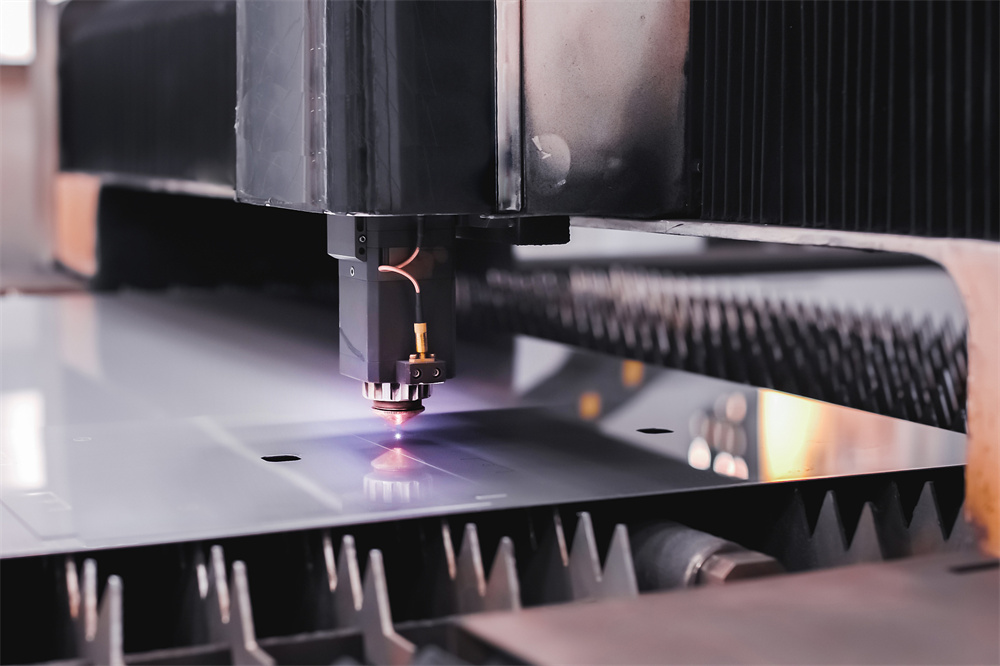
When evaluating a Laser Cutting Machine Buying Job Shops Contract Manufacturers, it is essential to look under the hood. The price is driven by several core components that directly impact the machine’s longevity and precision. The most significant cost driver is the laser source. Brands like IPG Photonics, Raycus, and Maxphotonics dominate the market. IPG is often considered the gold standard for reliability and global support, but it comes at a premium. Raycus and Max offer excellent performance-to-price ratios, making them popular choices for shops looking to maximize their budget.
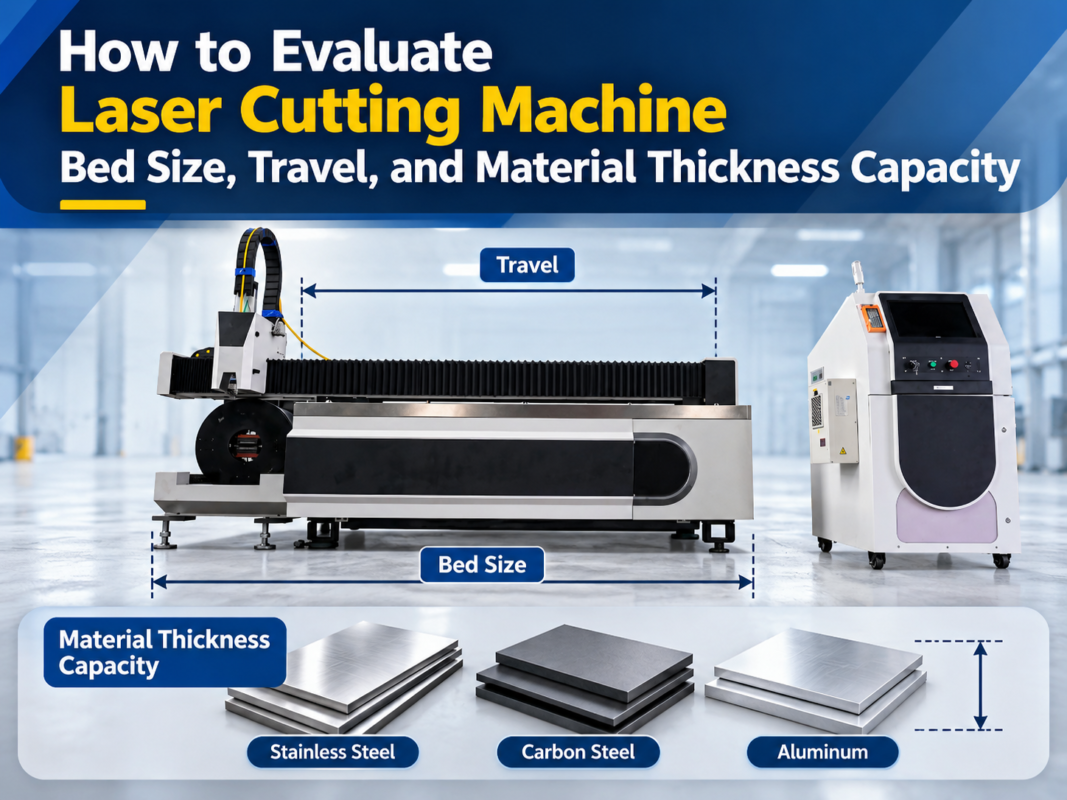
The second major driver is the machine frame and gantry system. A laser cutting machine must maintain extreme precision while moving at high speeds. This requires a heavy, stress-relieved frame—often made of high-strength welded steel or cast iron. A lighter frame may save money upfront but will eventually succumb to vibrations, leading to poor cut quality and premature wear on the motion components. Similarly, the choice between rack-and-pinion systems and linear motors affects both cost and performance. While linear motors offer unmatched speed and accuracy, high-quality rack-and-pinion systems (like those from YYC or Atlanta) are more than sufficient for 95% of job shop applications.
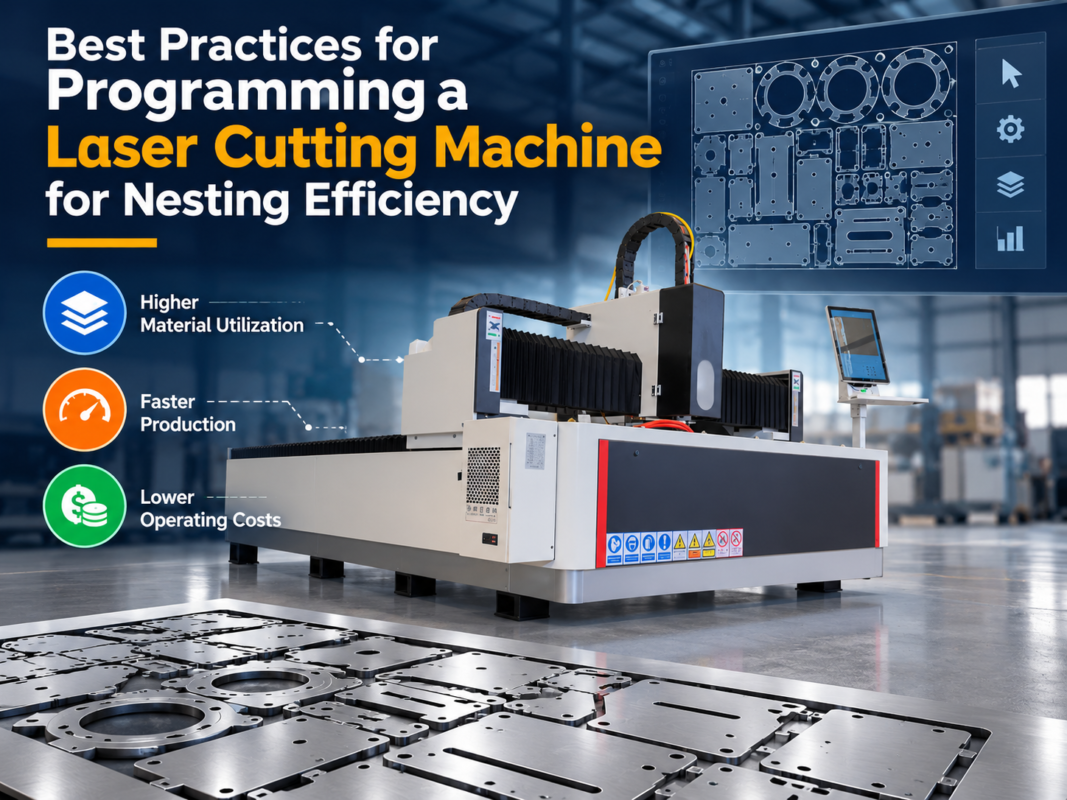
Finally, the control system and software play a pivotal role. For a contract manufacturer, the ability to quickly import CAD files and nest parts efficiently is vital. Systems like CypCut or Beckhoff are industry favorites because they balance user-friendliness with powerful features like ‘fly cutting’ and ‘frog-hop’ positioning, which significantly reduce cycle times. Investing in a machine with a reputable controller ensures that your operators spend less time troubleshooting and more time cutting.
Configuration Impact: Tailoring the Machine to Your Workflow
Configuration is where a job shop can truly customize a machine to its specific niche. One of the most critical decisions is whether to include an automatic exchange table (pallet changer). For a contract manufacturer, downtime is the enemy of profit. An exchange table allows the operator to unload finished parts and load a new sheet while the laser is still cutting on the other table. This can increase productivity by 30-50% compared to a single-table machine. If your shop handles high-volume orders, an exchange table is non-negotiable.
Another consideration is the inclusion of a tube-cutting attachment. Many job shops find that their customers need both flat sheet and structural tube processing. A ‘combo’ machine that features a rotary axis alongside the flatbed can open up new revenue streams without the footprint of two separate machines. However, if tube cutting represents more than 40% of your business, a dedicated tube laser might be a better long-term investment due to its specialized loading and chucking systems.
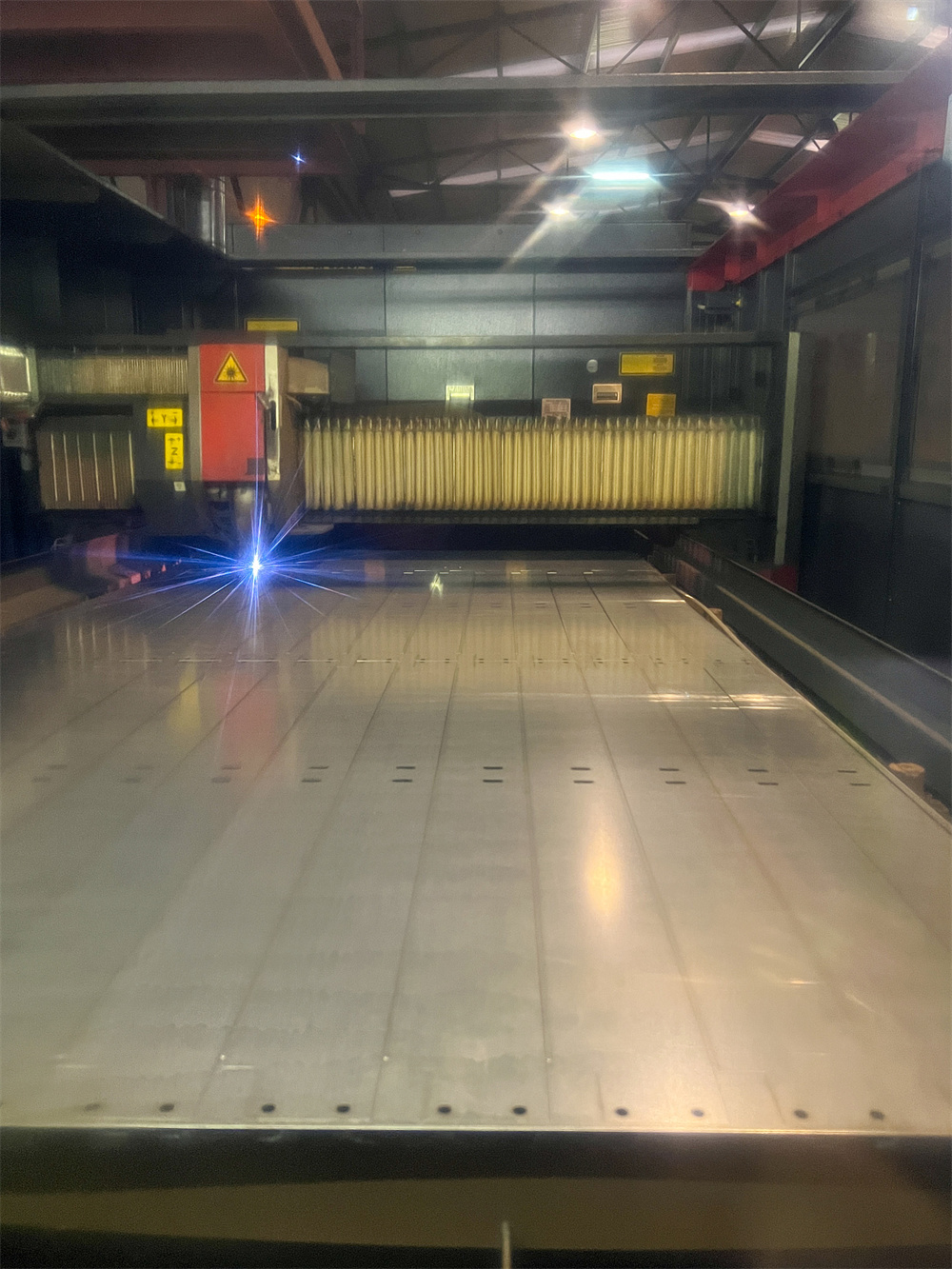
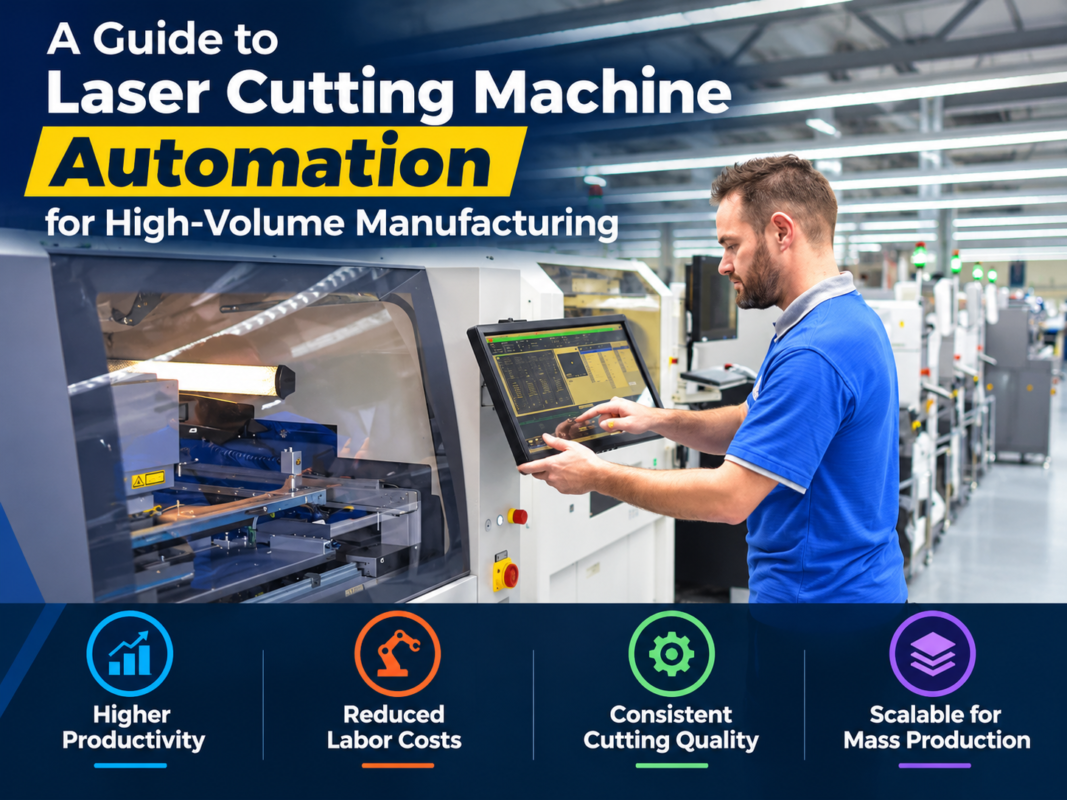
Automation is the final frontier of configuration. While fully automated load/unload towers are common in large-scale manufacturing, they are becoming increasingly affordable for mid-sized job shops. Automation allows for ‘lights-out’ manufacturing, where the machine continues to run after the staff has gone home. Even if you don’t buy automation today, ensure the machine you select is ‘automation-ready’ so you can upgrade as your business scales.
Hidden Costs: Beyond the Purchase Price
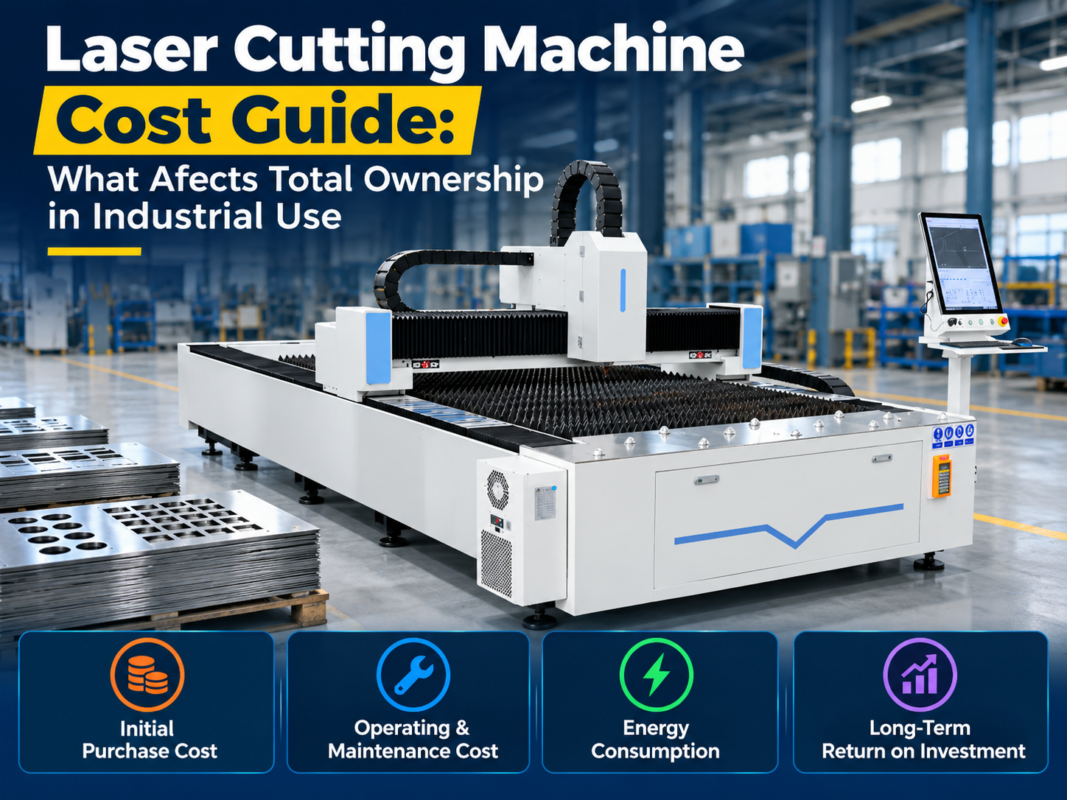
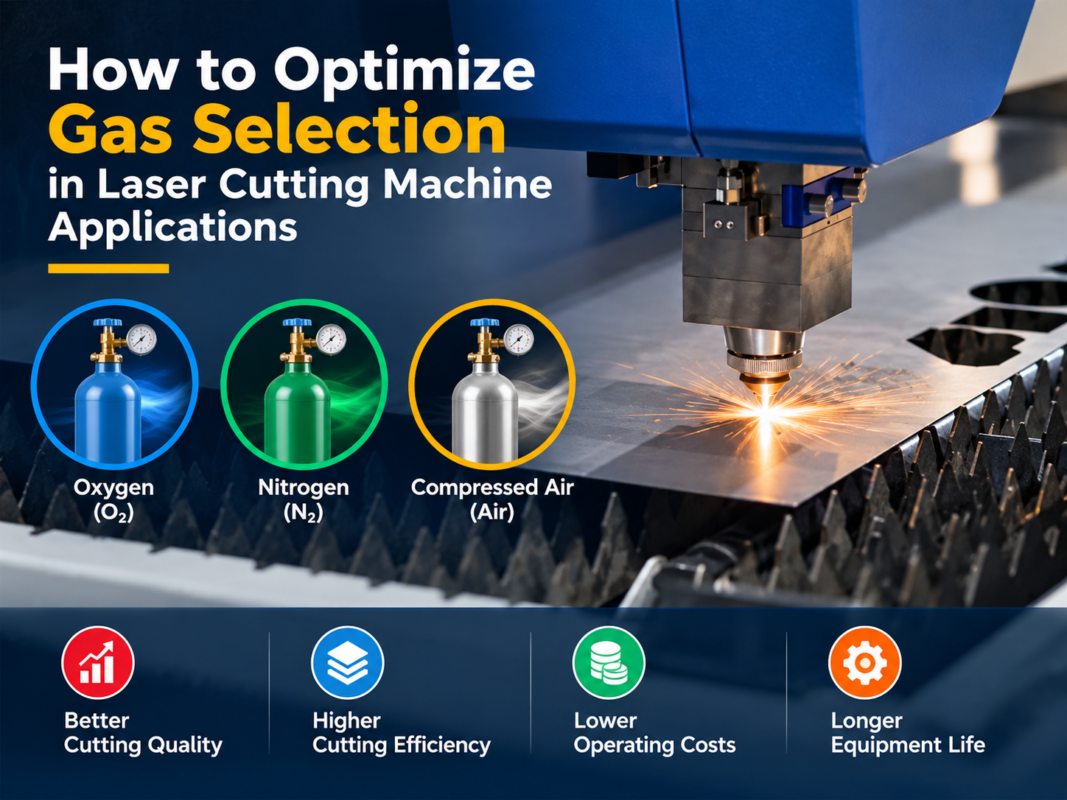
A common mistake in the Laser Cutting Machine Buying Job Shops Contract Manufacturers process is failing to account for operational overhead. The ‘hidden’ costs can often exceed the monthly finance payment of the machine itself. Assist gas is the most significant ongoing expense. Cutting stainless steel or aluminum typically requires high-pressure Nitrogen to prevent oxidation, which can be very expensive. Many shops are now switching to high-pressure air cutting, using specialized compressors to eliminate the need for bottled gas for certain thicknesses. This can save thousands of dollars per month but requires a higher initial investment in a robust compressor and filtration system.
Power consumption is another factor. While fiber lasers are much more efficient than CO2, a 12kW laser system, including the chiller and dust collector, still draws significant amperage. You must ensure your facility’s electrical infrastructure can handle the load. Additionally, consumables such as protective windows, nozzles, and ceramic rings must be factored into the hourly operating cost. While these parts are relatively inexpensive individually, they add up over thousands of hours of operation.
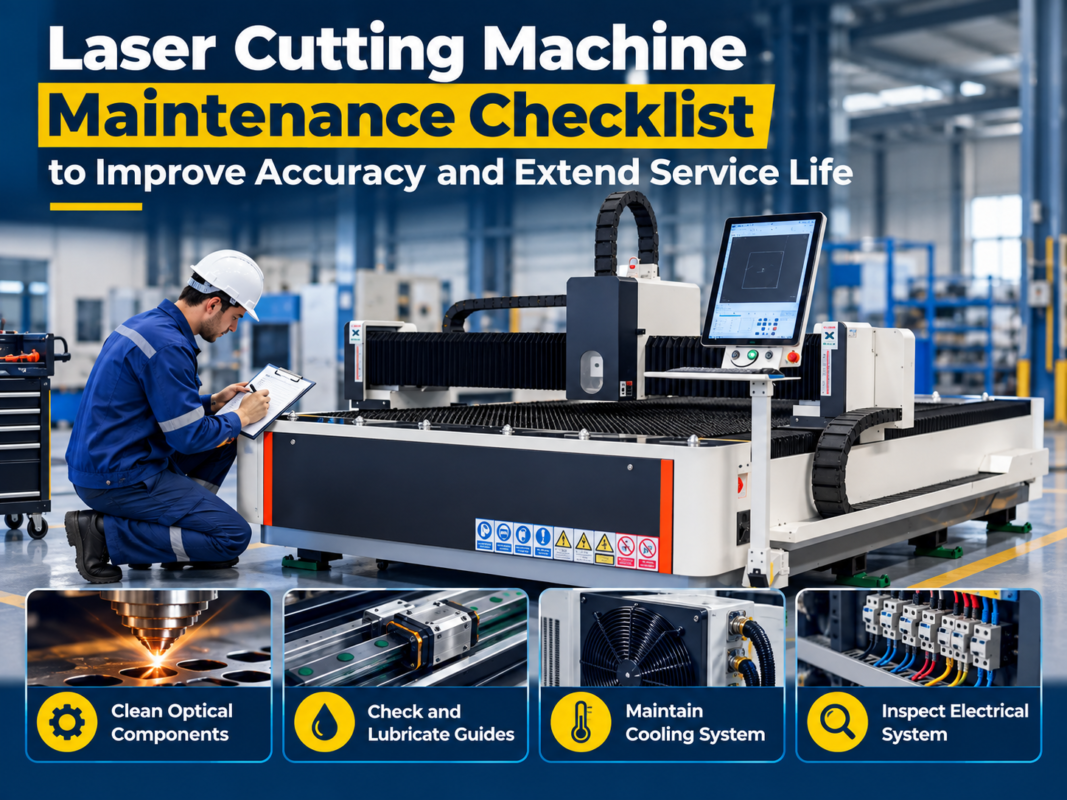
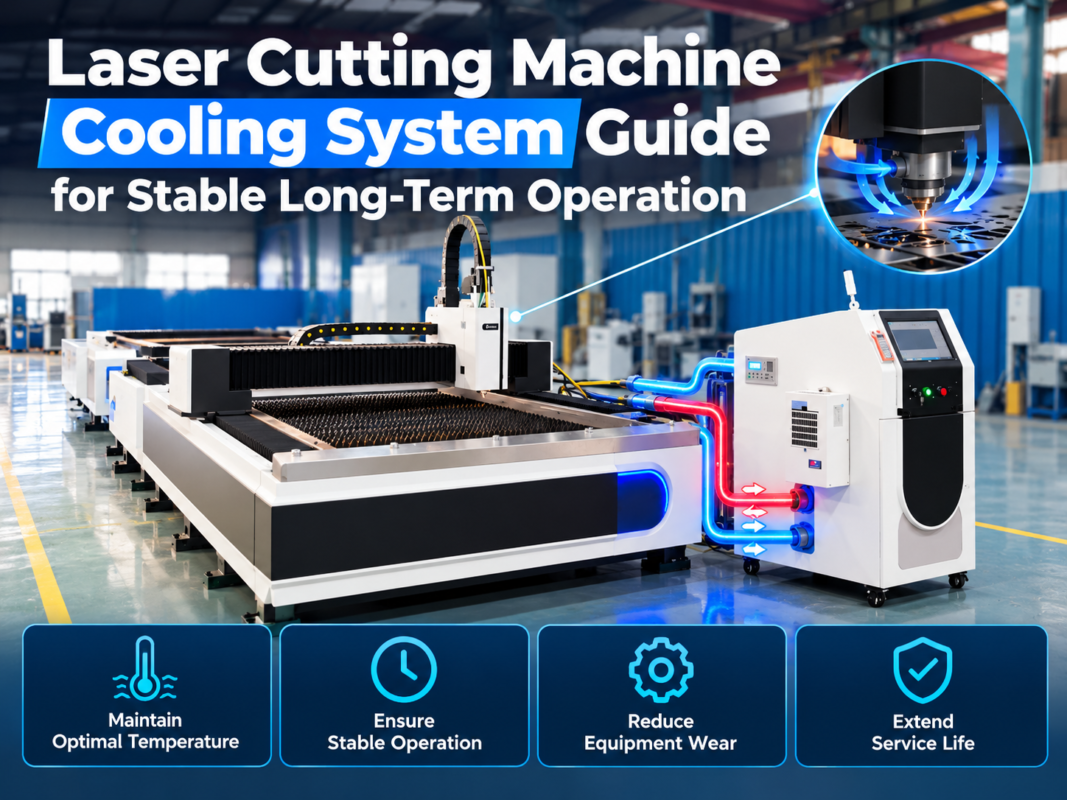
Maintenance and insurance should also be budgeted. Fiber lasers require less maintenance than older technologies, but they are not maintenance-free. Regular cleaning of optics, lubrication of rails, and chiller fluid changes are mandatory to prevent catastrophic failures. Furthermore, insuring a high-value asset like a laser cutter is essential for protecting your business against unforeseen accidents or natural disasters.
ROI Calculation: When Will the Machine Pay for Itself?
Calculating the Return on Investment (ROI) is crucial for justifying the purchase to stakeholders or lenders. To calculate ROI, you must determine your ‘cost per part’ or ‘cost per hour.’ A typical fiber laser might cost between $15 and $40 per hour to operate (including labor, gas, power, and consumables). If the machine allows you to bill out at $150 to $250 per hour, the path to profitability is clear.
Consider this scenario: A job shop replaces an old plasma cutter with a 6kW fiber laser. The laser cuts five times faster and produces a finished edge that requires no secondary grinding. By eliminating the labor-intensive grinding process and increasing throughput, the shop can take on three times the work with the same headcount. In many cases, a well-utilized fiber laser in a busy contract manufacturing environment can pay for itself in 12 to 24 months. The key is ‘utilization’—a machine that sits idle is a liability, while a machine that runs two shifts is a goldmine.
Buying Advice for Job Shops and Contract Manufacturers
When you are ready to make a move, follow these strategic steps to ensure a successful acquisition:
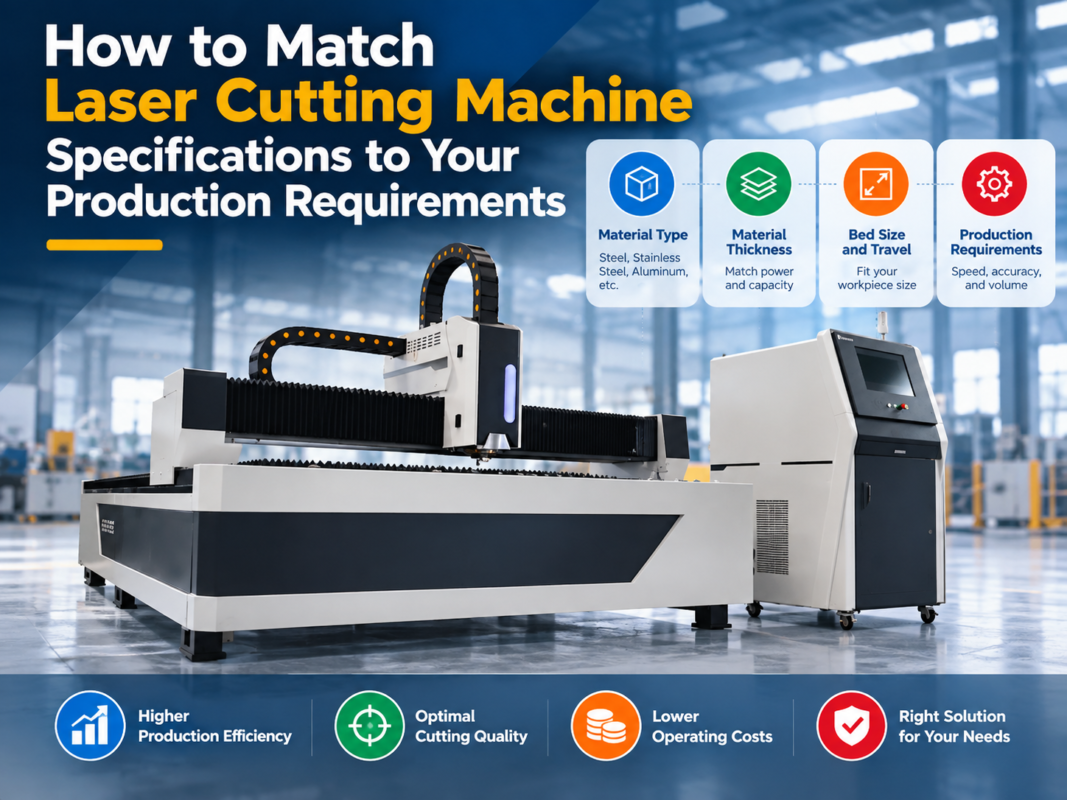
- Analyze Your Material Mix: Don’t buy a 20kW laser if 90% of your work is 16-gauge cold-rolled steel. Conversely, don’t underpower yourself if you plan to move into heavy equipment fabrication.
- Demand a Live Demo: Send your most difficult CAD files to the manufacturer and ask them to cut the parts in front of you (or via live video). Pay attention to the edge quality and the time it takes to set up the job.
- Check the Support Ecosystem: Ask about the availability of spare parts. Does the manufacturer have technicians in your region? How long is the typical response time for a ‘machine down’ emergency?
- Evaluate the Software: Ensure the nesting software is compatible with your existing ERP or CAD systems. Ease of use for the programmer is just as important as the skill of the operator.
- Consider the Resale Value: Reputable brands like HARSLE hold their value better on the secondary market. A machine is an asset; its value at the end of its life cycle matters.
Frequently Asked Questions (FAQ)
1. Is a 3kW laser enough for a general job shop?
A 3kW laser is excellent for sheet metal up to 1/4″ (6mm) and can cut up to 1/2″ (12mm) at slower speeds. If your shop primarily handles thin-gauge ductwork, cabinets, or brackets, 3kW is a cost-effective entry point. However, for general contract work, 6kW is often the preferred baseline for better speed and thickness range.
2. What is the difference between Nitrogen and Oxygen cutting?
Oxygen is used as an assist gas for carbon steel; it creates a chemical reaction that adds heat, allowing for thicker cuts with less power. However, it leaves an oxide layer that must be removed before painting. Nitrogen is an inert gas used to ‘blow away’ molten metal without oxidation, resulting in a clean, shiny edge ready for immediate welding or painting.
3. How long do fiber laser sources last?
Most major fiber laser sources are rated for 100,000 hours of operation. In a typical two-shift job shop, this equates to over 20 years of service. Unlike CO2 lasers, there are no internal mirrors or glass tubes to replace, making the ‘engine’ of the machine incredibly durable.
4. Can I cut copper and brass with a fiber laser?
Yes. One of the greatest advantages of fiber lasers over CO2 is their ability to cut reflective materials like copper, brass, and gold. The shorter wavelength of the fiber laser is absorbed by these metals rather than reflected back into the cutting head, which used to cause damage in older systems.
5. Do I need a specialized technician to run the machine?
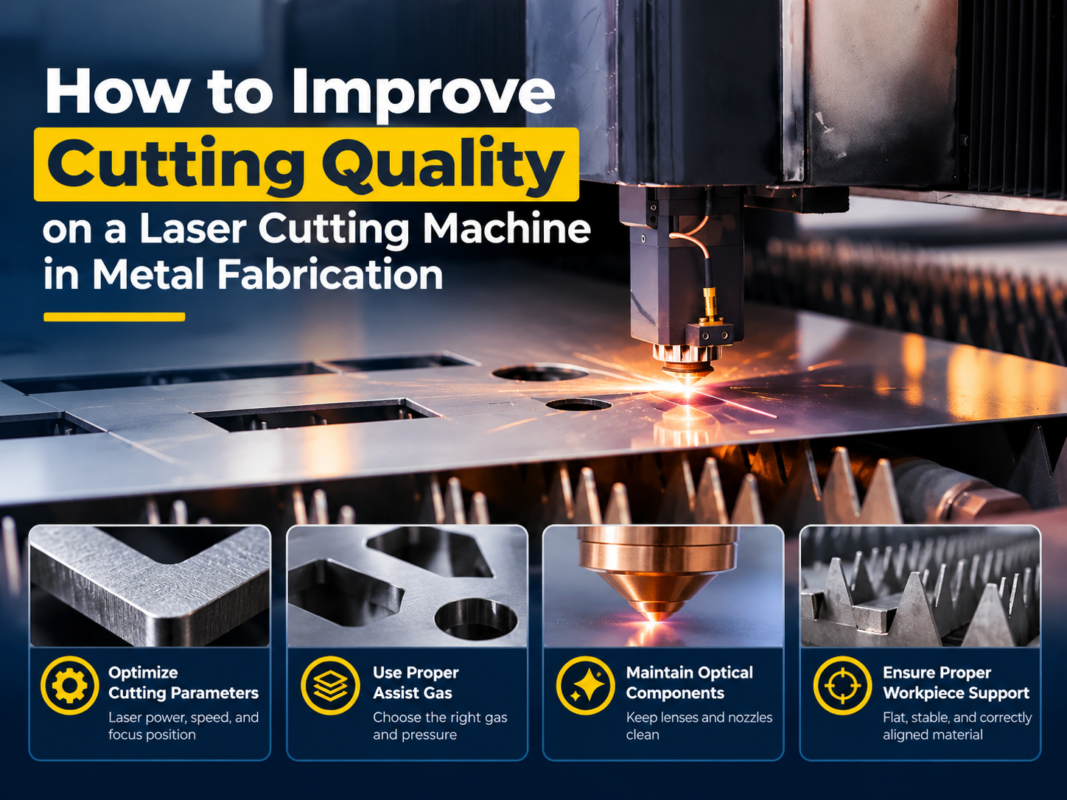
While modern CNC interfaces are very intuitive, a skilled operator is still a valuable asset. A good operator understands how to adjust focal points, gas pressures, and nozzle types to optimize cut quality. Most manufacturers, including HARSLE, provide 3-5 days of intensive training to get your team up to speed.