How to Choose the Right Laser Cutting Machine for Precision Parts Manufacturing


Introduction to Precision Laser Cutting in Modern Manufacturing
In the contemporary landscape of metal fabrication, the ability to produce high-tolerance, intricate components is no longer a luxury—it is a requirement. When businesses look to choose laser cutting machine precision parts manufacturing solutions, they are often overwhelmed by the sheer variety of technologies, power ratings, and price points available. Precision parts manufacturing demands more than just a machine that can cut through metal; it requires a system that offers repeatability, thermal stability, and advanced software integration.
HARSLE understands that investing in a laser cutting machine is a pivotal decision for any fabrication shop. Whether you are a small job shop or a large-scale industrial manufacturer, the right equipment determines your competitive edge. This guide provides a comprehensive deep dive into the factors that influence the selection process, ensuring that your investment yields the highest possible precision and the fastest return on investment.

Price Range Overview: Navigating the Market Tiers
The cost of a laser cutting machine varies significantly based on its capabilities. Generally, the market is divided into three primary tiers: entry-level, mid-range, and high-end industrial systems. Understanding where your needs fall within these tiers is the first step in the decision-making process.
Entry-Level Systems ($20,000 – $60,000): These machines are typically equipped with lower-power fiber laser sources (1kW to 2kW). They are ideal for thin sheet metal fabrication (up to 4mm-6mm) where extreme speed is not the primary concern. While they can achieve decent precision, they may lack the heavy-duty bed construction required for 24/7 high-speed industrial operations.
Mid-Range Industrial Systems ($70,000 – $150,000): This is the sweet spot for most precision parts manufacturers. These machines feature 3kW to 6kW laser sources and are built on more robust frames. They often include features like automatic nozzle changers and exchange tables, which significantly boost productivity. They are capable of handling a wider range of materials, including thicker stainless steel and aluminum, with high accuracy.
High-End/Ultra-High Power Systems ($200,000+): These machines utilize 12kW to 30kW+ laser sources and are designed for maximum throughput and the ability to cut very thick materials (over 25mm) with the precision usually reserved for thinner sheets. They feature advanced linear motors, sophisticated CNC controllers, and full automation capabilities. For industries like aerospace or heavy machinery, these systems are essential.
Main Cost Drivers in Laser Cutting Technology
When you choose laser cutting machine precision parts manufacturing equipment, several core components drive the final price tag. Understanding these helps in evaluating whether a machine is fairly priced for its specifications.
The Laser Source
The laser source is the heart of the machine. Brands like IPG Photonics, Raycus, and Maxphotonics dominate the market. IPG is often considered the gold standard for stability and longevity, commanding a premium price. Raycus and Max offer excellent performance-to-price ratios, making them popular for mid-range machines. The wattage of the source directly impacts cutting speed and the maximum thickness the machine can handle.
Machine Bed and Frame Construction
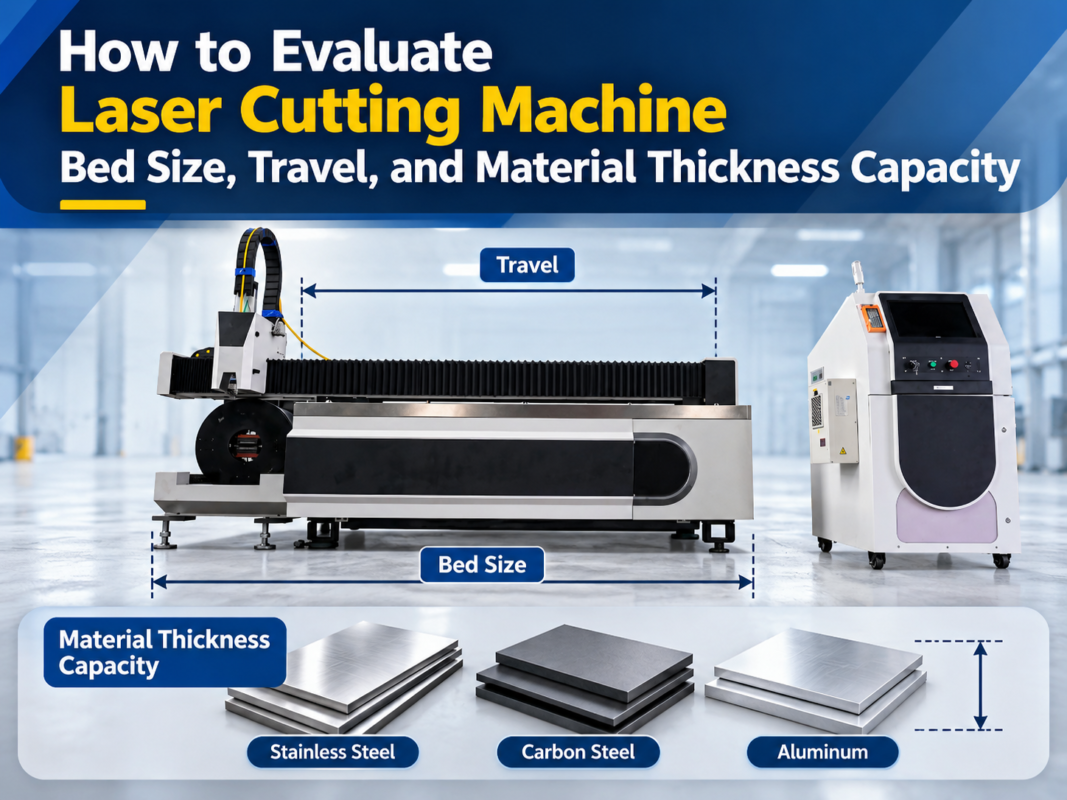
Precision starts with a stable foundation. A high-quality laser cutter uses a heavy-duty welded frame or a cast iron bed. Cast iron beds offer superior thermal stability and vibration dampening compared to lighter steel frames. In precision manufacturing, even microscopic vibrations can lead to jagged edges or dimensional inaccuracies, making the bed construction a critical cost driver.
The Cutting Head and Motion System
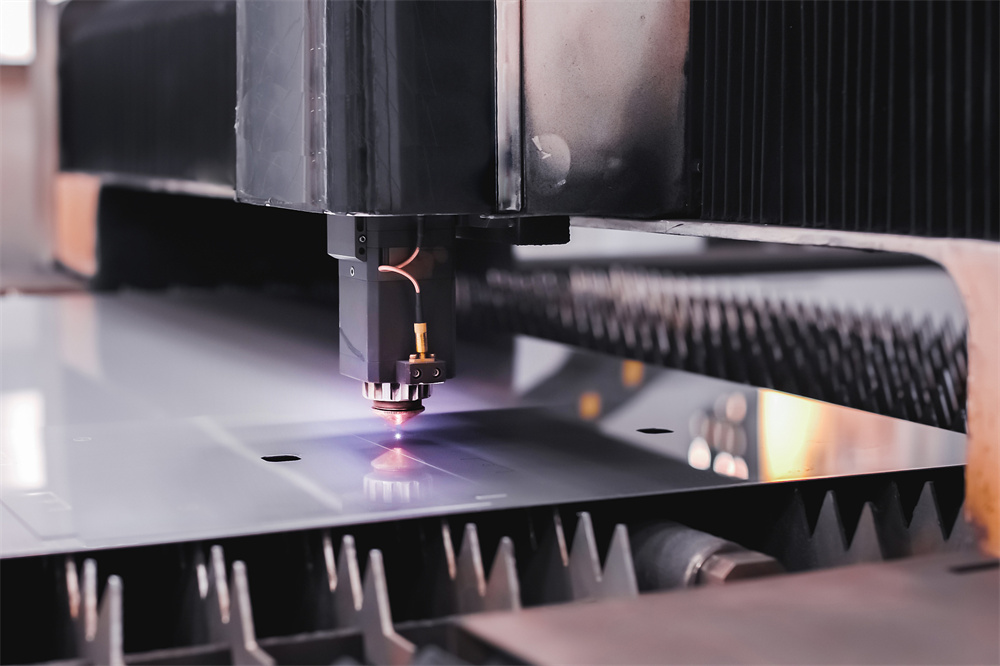
The cutting head (such as those from Precitec or Raytools) must feature autofocus capabilities to maintain the correct focal point during the cutting process. Furthermore, the motion system—comprising servo motors, gear racks, and guide rails—determines the machine’s acceleration and positioning accuracy. High-end machines use linear motors for frictionless, ultra-fast movement, whereas standard machines use high-precision rack and pinion systems.
Configuration Impact on Precision and Efficiency
The configuration of your machine should align with the specific types of parts you intend to manufacture. For precision parts, certain configurations are non-negotiable.
- Fiber vs. CO2: While CO2 lasers were once the standard, fiber lasers have taken over due to their higher electrical efficiency, lower maintenance, and superior cutting speeds on thin to medium-thickness metals. For precision metal parts, fiber is almost always the better choice.
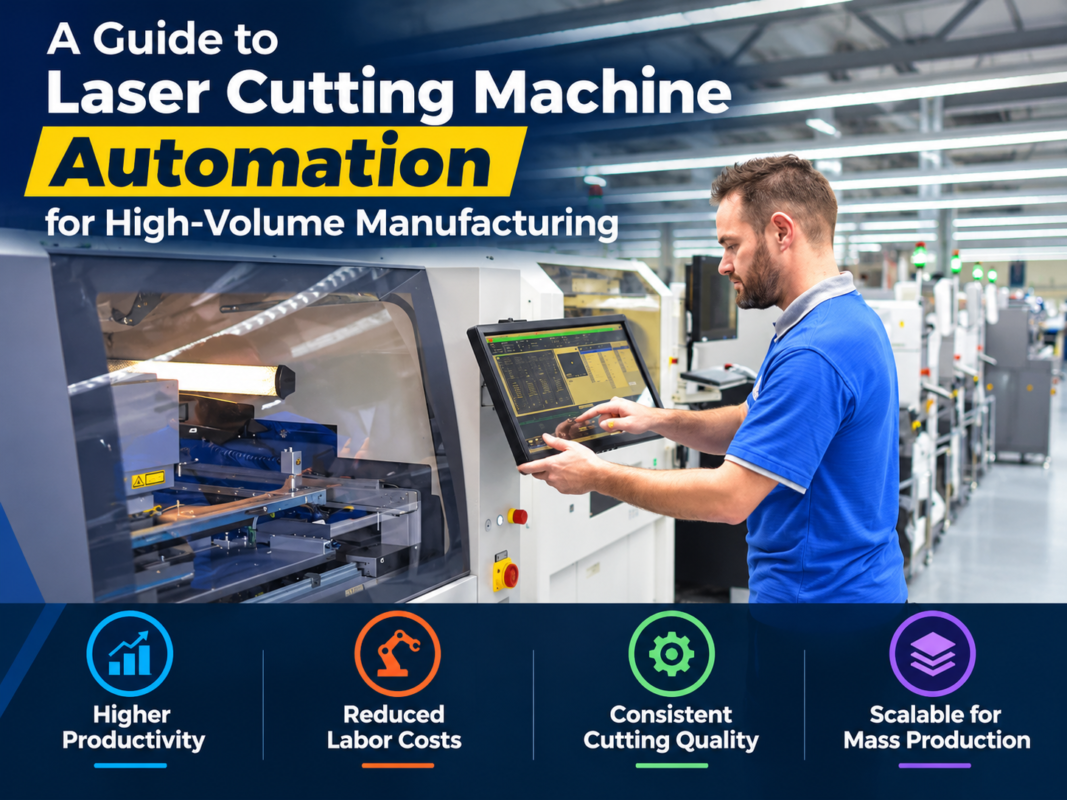
- Exchange Tables: An exchange table allows the operator to load new material while the machine is still cutting. This maximizes the “beam-on” time, which is crucial for maintaining high production volumes in a precision environment.
- Control Systems: The CNC controller (like CypCut, Beckhoff, or FSCUT) is the brain of the operation. A sophisticated controller can handle complex nesting, real-time power adjustment for corners, and integrated monitoring of the cutting process to prevent errors.
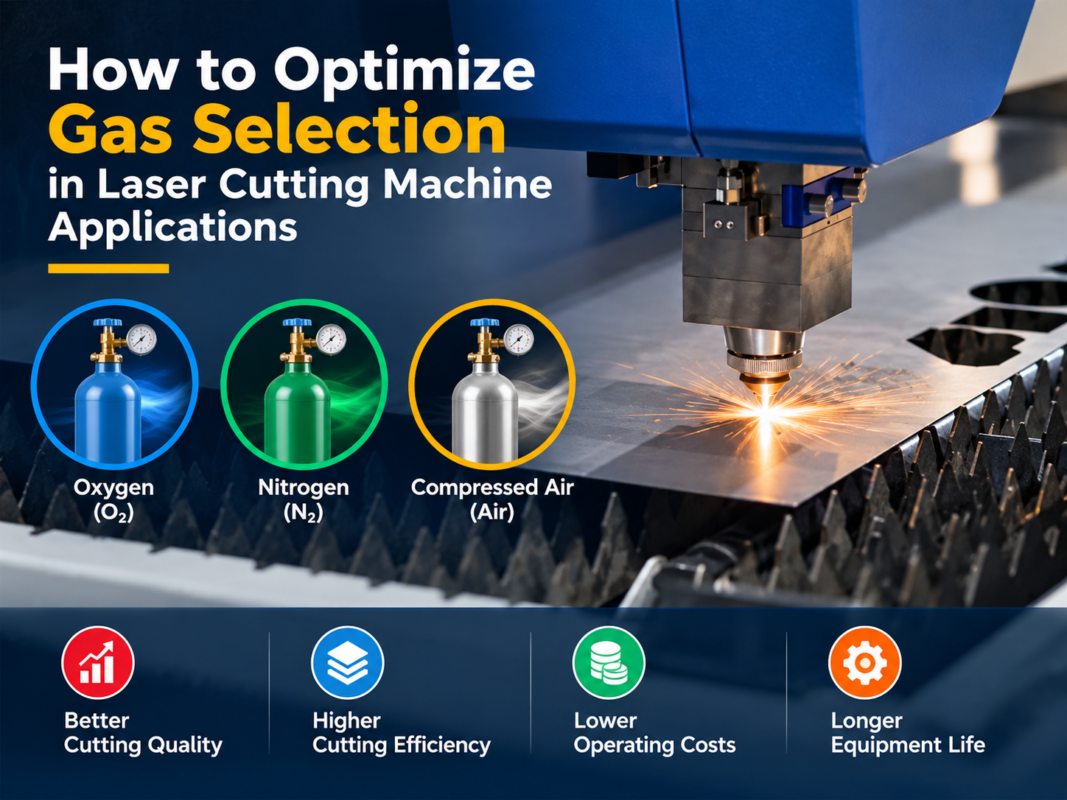
- Gas Selection: The choice of assist gas (Oxygen, Nitrogen, or Compressed Air) affects the edge quality. Nitrogen is preferred for precision stainless steel parts to prevent oxidation, resulting in a clean, weld-ready edge.
Hidden Costs of Owning a Laser Cutting Machine
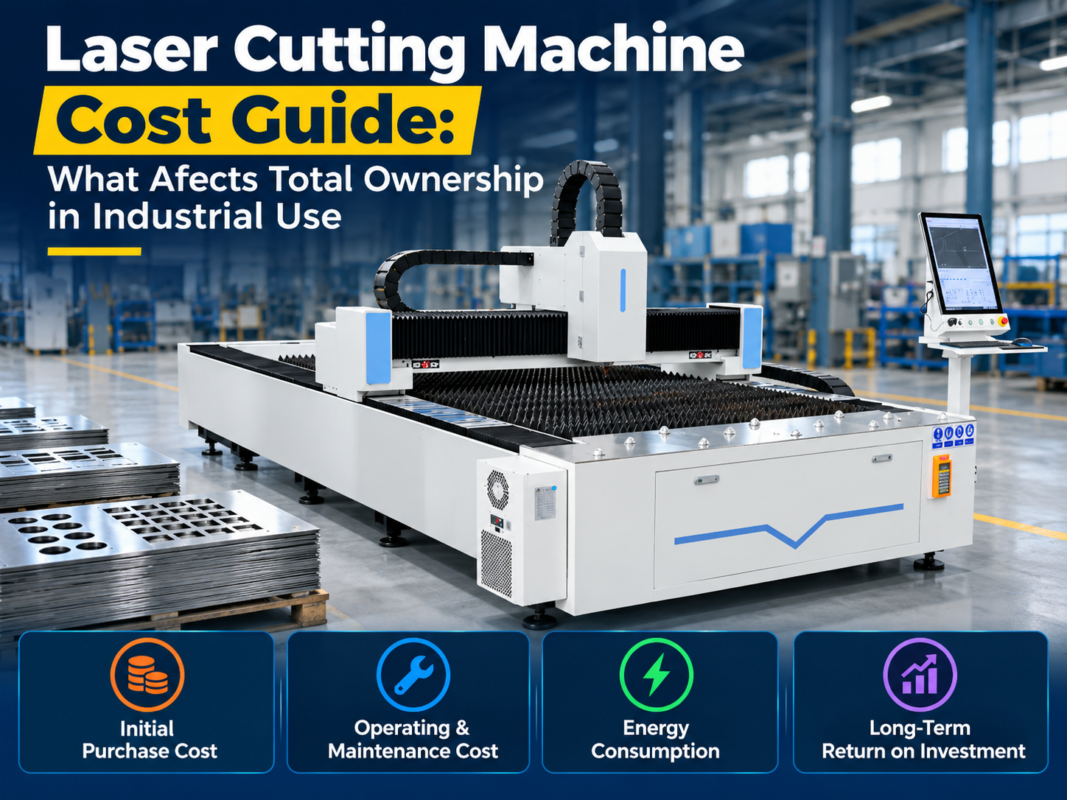
The initial purchase price is only part of the total cost of ownership. To accurately choose laser cutting machine precision parts manufacturing solutions, you must account for ongoing operational expenses.
Consumables: Laser cutting requires regular replacement of nozzles, protective windows, and ceramic rings. While individually inexpensive, these costs add up over thousands of hours of operation. High-quality consumables are essential to maintain precision; using cheap alternatives can lead to poor cut quality and damage to the cutting head.
Gas Consumption: This is often the largest hidden cost. High-pressure nitrogen cutting for stainless steel is expensive. Many modern shops are investing in high-pressure air compressors and filtration systems to use compressed air as an assist gas, which can significantly reduce costs for certain applications without sacrificing too much precision.
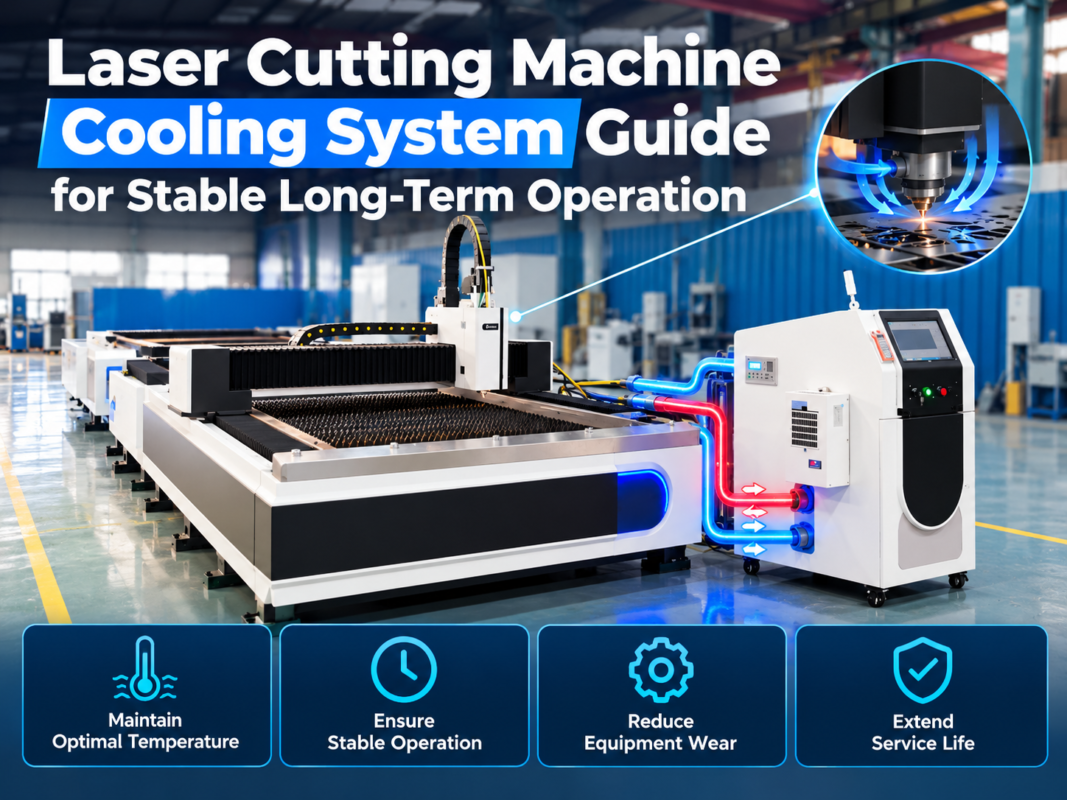
Electricity and Cooling: Fiber lasers are efficient, but the chiller unit required to keep the laser source and cutting head cool consumes significant power. Additionally, the dust extraction and ventilation systems must be factored into the monthly utility budget.
ROI Calculation: When Does the Investment Pay Off?
Calculating the Return on Investment (ROI) involves comparing the cost of the machine against the revenue it generates or the costs it saves. For a precision parts manufacturer, the ROI is driven by three factors: speed, material utilization, and secondary process elimination.
Speed and Throughput: A fiber laser can cut 3-5 times faster than older technologies. If a machine allows you to complete 100 parts in the time it used to take to do 20, your revenue potential per hour increases exponentially.
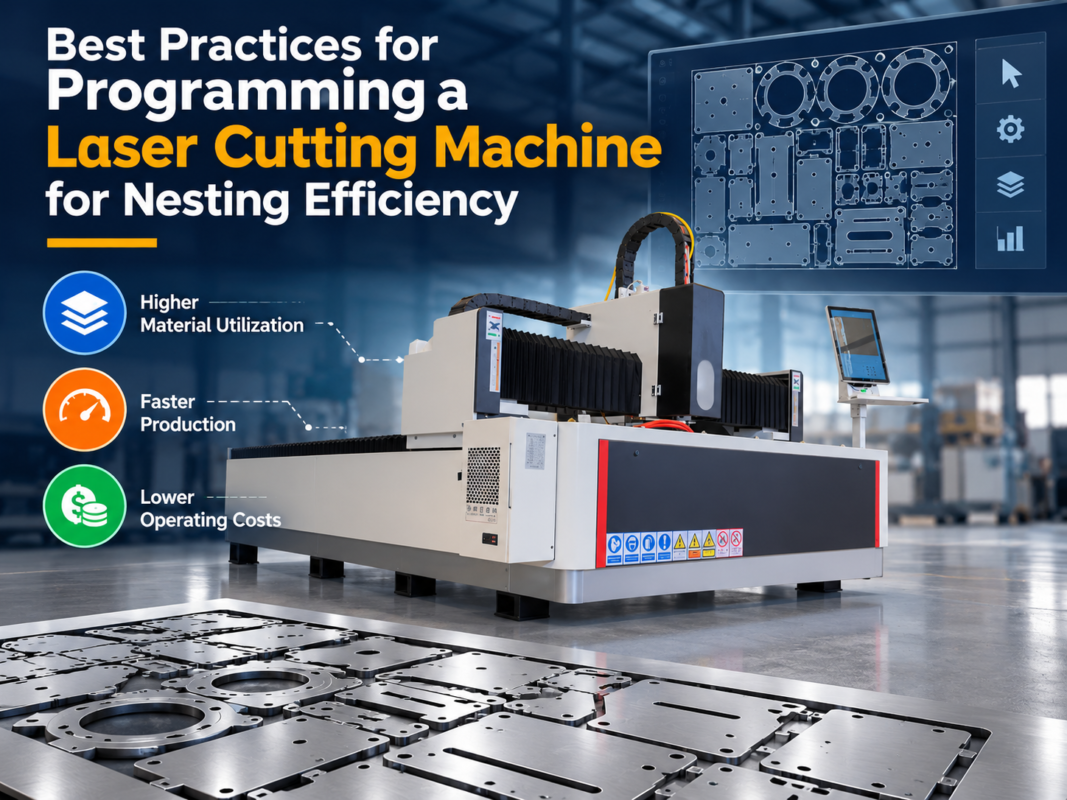
Material Utilization: Advanced nesting software integrated with the laser cutter minimizes scrap. In precision manufacturing, where materials like aerospace-grade aluminum or titanium are expensive, a 5% improvement in nesting efficiency can save thousands of dollars annually.
Eliminating Secondary Processes: The precision of a high-quality laser cutter often eliminates the need for deburring, grinding, or secondary machining. By producing a finished part straight off the machine, you save on labor costs and reduce lead times, which is a massive value-add for customers.
Buying Advice for Precision Parts Manufacturers
Before signing a contract, consider the following checklist to ensure you choose laser cutting machine precision parts manufacturing equipment that fits your specific needs:
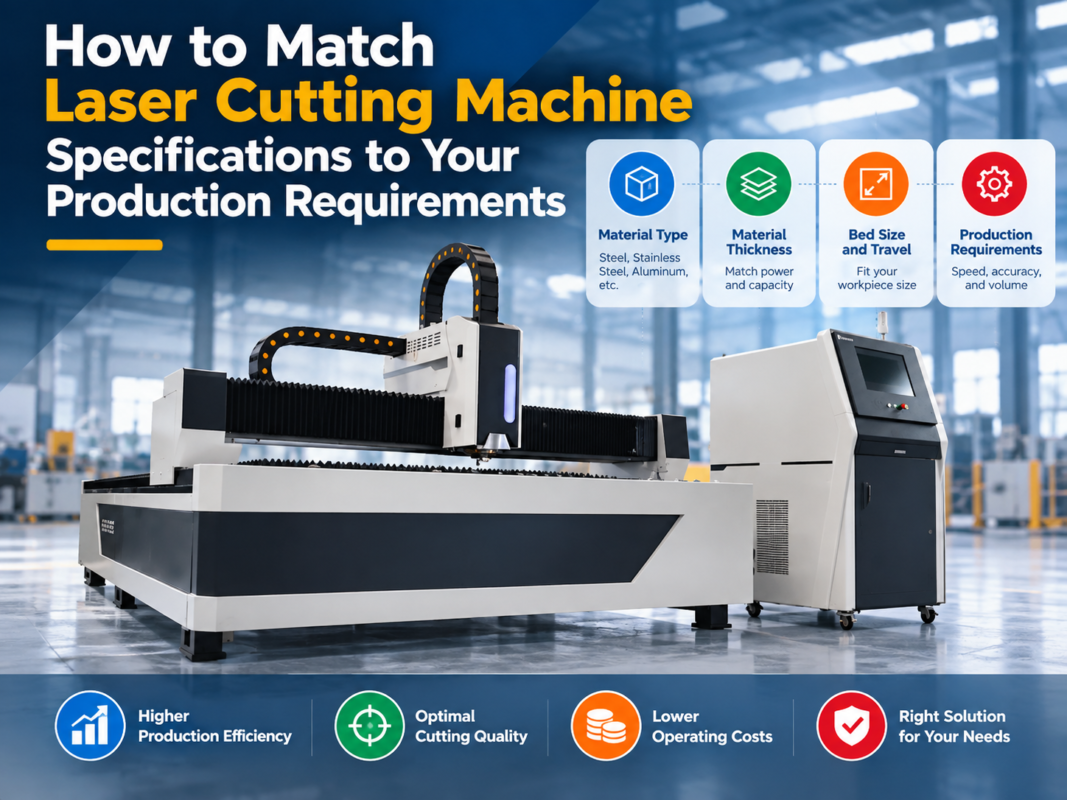
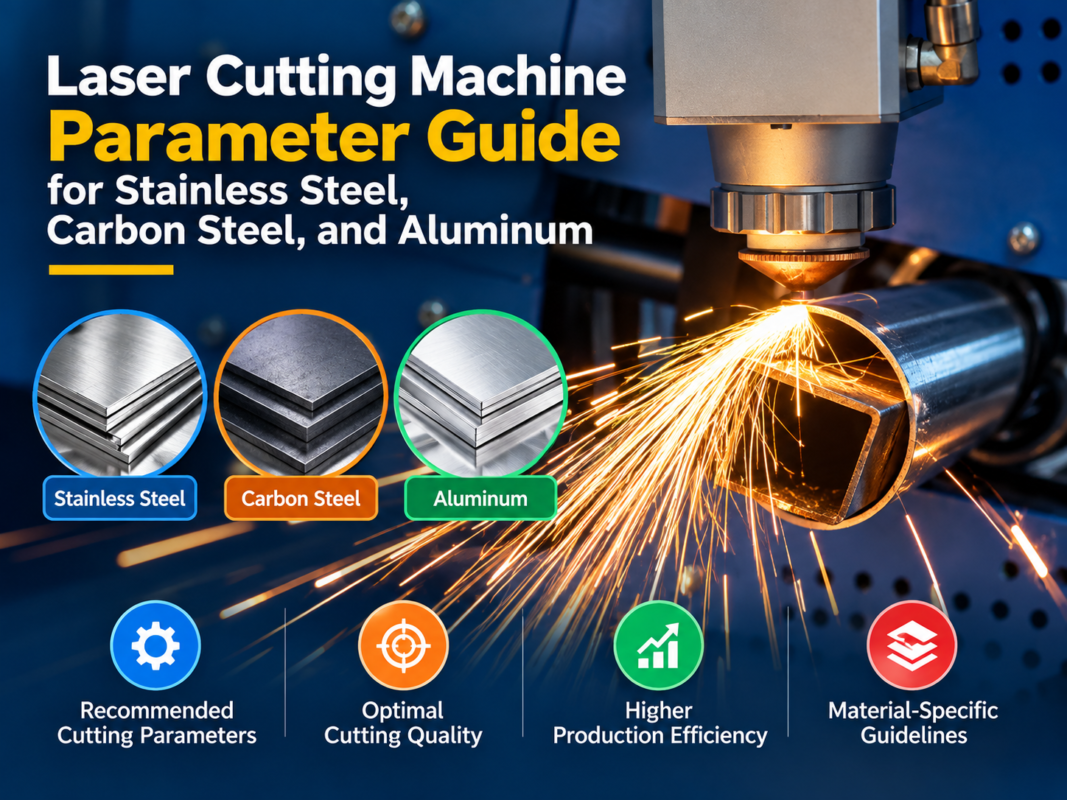
- Define Your Material Mix: Do you primarily cut 1mm stainless or 20mm carbon steel? Your material mix dictates the required laser power and gas configuration.
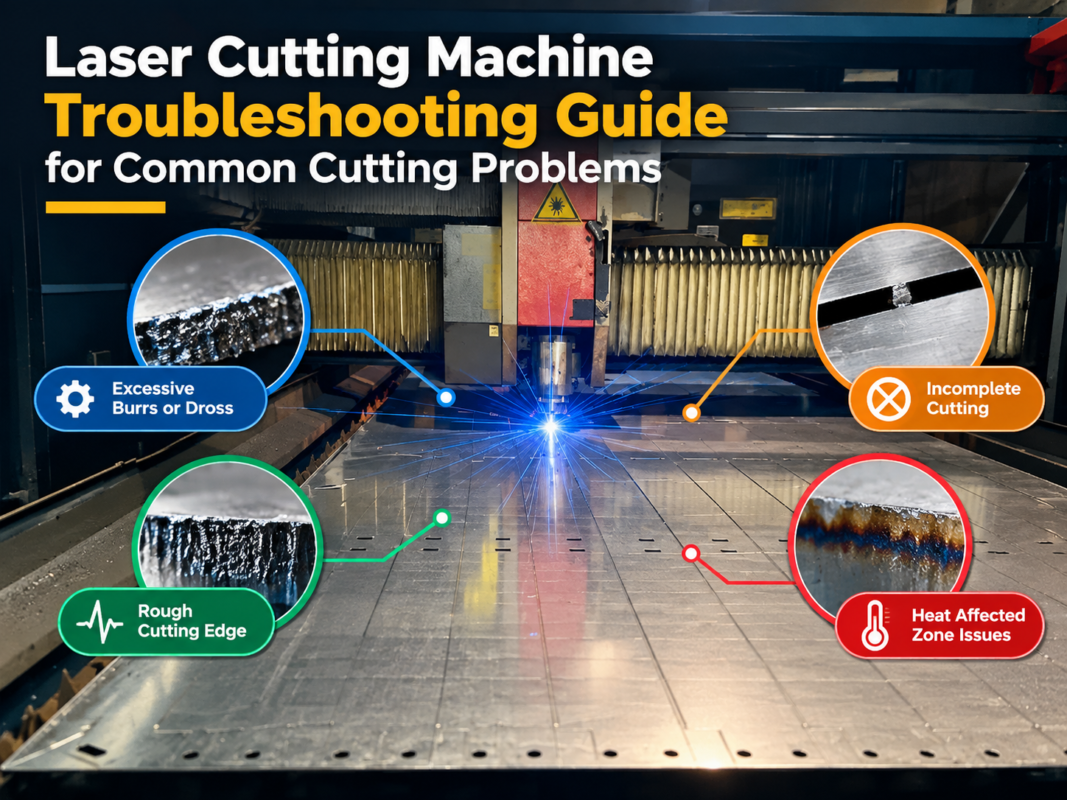
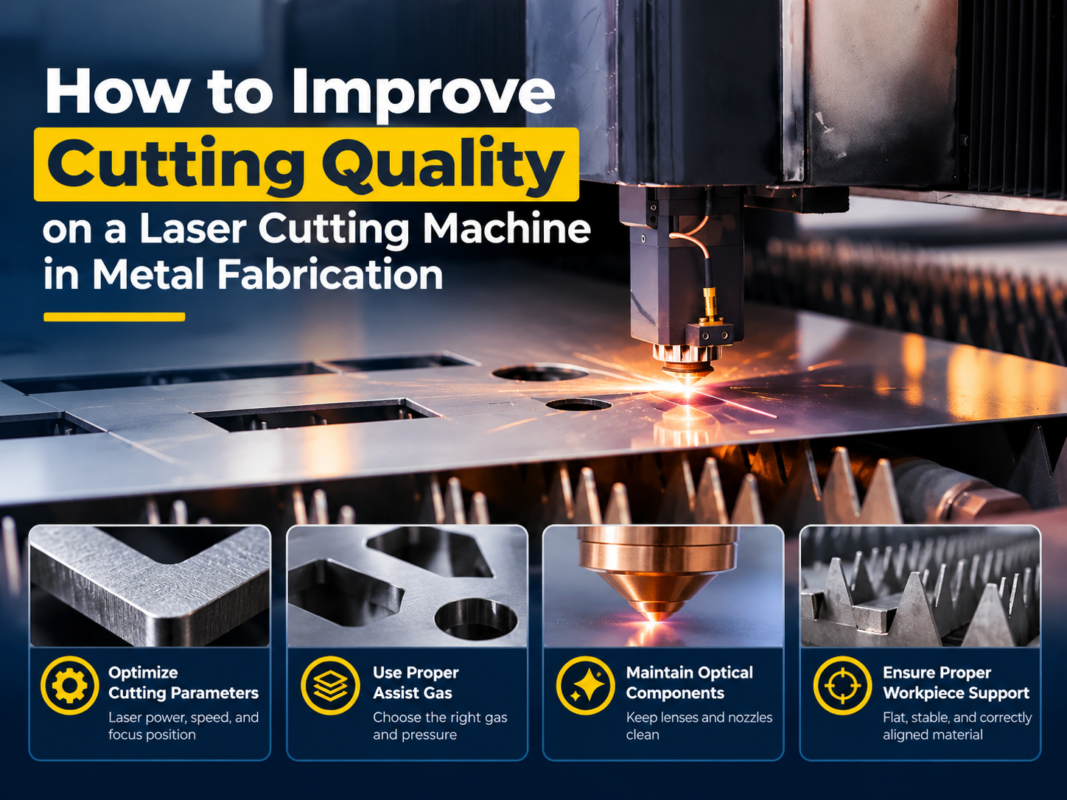
- Test Cut Your Parts: Never buy a machine without seeing it cut your specific parts. Check for dimensional accuracy, edge roughness, and the heat-affected zone (HAZ).
- Evaluate After-Sales Support: A laser cutter is a complex machine. Ensure the manufacturer (like HARSLE) offers robust technical support, readily available spare parts, and comprehensive training for your operators.
- Software Compatibility: Ensure the machine’s software integrates with your existing CAD/CAM workflow. Seamless data transfer reduces errors and setup time.
- Future-Proofing: Consider buying slightly more power than you currently need. As your business grows, having the extra capacity allows you to take on a wider variety of jobs without needing a new machine.
Frequently Asked Questions (FAQ)
What is the typical tolerance of a precision laser cutting machine?
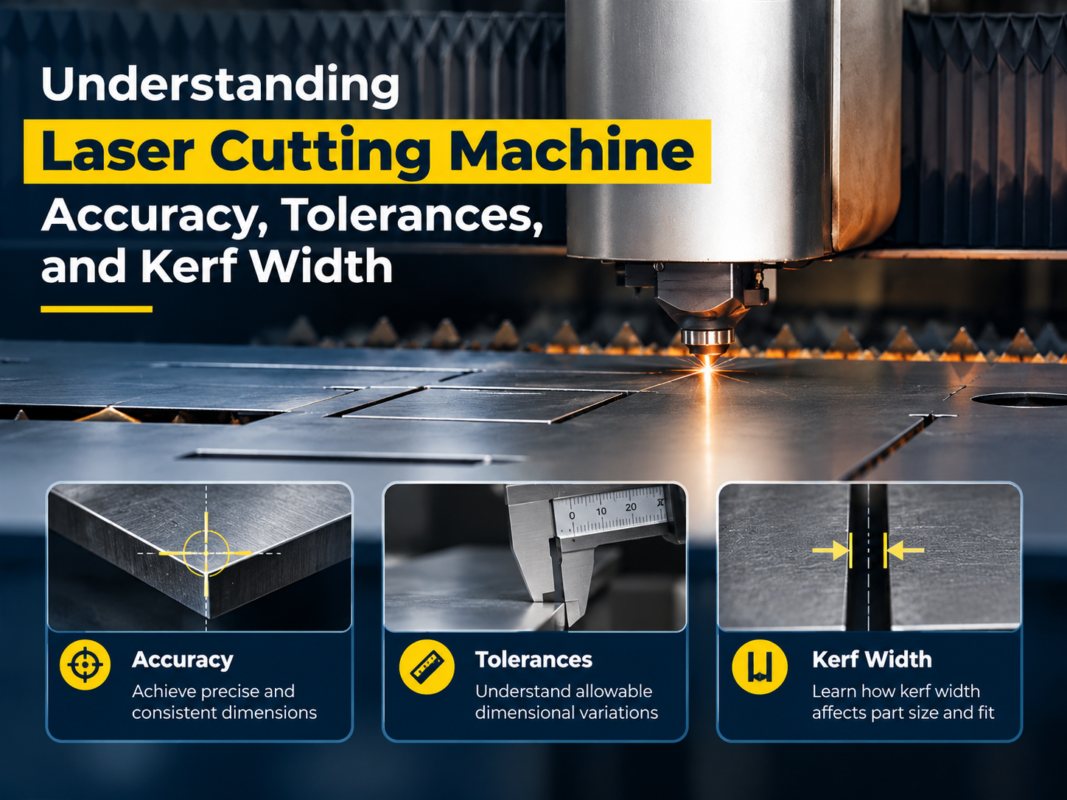
Most high-quality industrial fiber laser cutters can achieve positioning accuracies of ±0.03mm to ±0.05mm and repeatability of ±0.02mm. The actual part tolerance also depends on material thickness and thermal expansion during the cutting process.
Can I cut reflective materials like copper and brass with a fiber laser?
Yes, modern fiber lasers are designed to handle reflective materials. However, it is important to use a laser source with back-reflection protection to prevent damage to the resonator. High-power fiber lasers are excellent for precision copper and brass components.
How often does a laser cutting machine require maintenance?
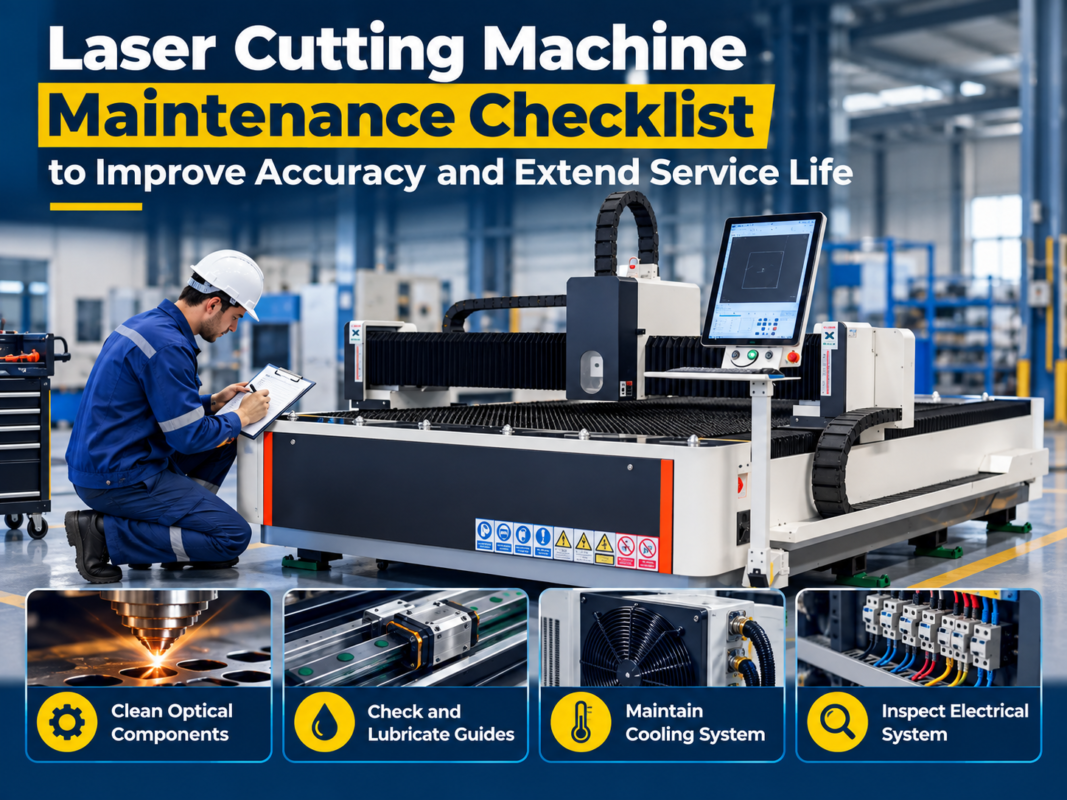
Daily maintenance includes cleaning the protective lens and checking the nozzle. Weekly tasks involve checking the chiller water levels and cleaning the guide rails. A full professional service is typically recommended every 2,000 to 3,000 hours of operation to ensure the machine remains in peak condition for precision work.
Is nitrogen or oxygen better for precision cutting?
Nitrogen is generally better for precision parts where aesthetics and weldability are important, as it prevents oxidation on the cut edge. Oxygen is used for carbon steel to assist the melting process through an exothermic reaction, which allows for thicker cuts but leaves an oxide layer that may need to be removed.
What is the lifespan of a fiber laser source?
Most leading fiber laser sources are rated for approximately 100,000 hours of operation. This equates to over 10 years of 24/7 use, making them an incredibly durable investment for long-term manufacturing needs.
Does the machine bed really affect precision?
Absolutely. A light, poorly constructed bed will vibrate at high speeds, leading to “chatter” marks on the cut edge. A heavy, thermally stable bed (like those used by HARSLE) ensures that the motion system can operate at high accelerations without compromising the dimensional integrity of the part.