Common Mistakes to Avoid When Buying a Laser Cutting Machine: A Comprehensive Guide


Introduction to Laser Cutting Machine Procurement
Investing in a laser cutting machine is one of the most significant capital expenditures a metal fabrication business can undertake. Whether you are upgrading from traditional plasma cutting or expanding your existing CNC capabilities, the transition to fiber laser technology offers unparalleled precision, speed, and efficiency. However, the market is saturated with various brands, power levels, and configurations, making the decision-making process complex. Understanding the Common Mistakes Avoid When Buying A Laser Cutting Machine is essential to ensure that your investment yields the expected returns and supports your long-term production goals.
At HARSLE, we have seen many fabricators fall into the trap of focusing solely on the initial purchase price or over-specifying a machine for tasks they rarely perform. A laser cutting machine is not just a tool; it is the heart of your production line. If the heart is mismatched with the body of your work, the entire operation suffers from bottlenecks, high operational costs, or underutilized capacity. This guide aims to navigate you through the technical and financial landscape of laser procurement, helping you avoid the pitfalls that often lead to buyer’s remorse.
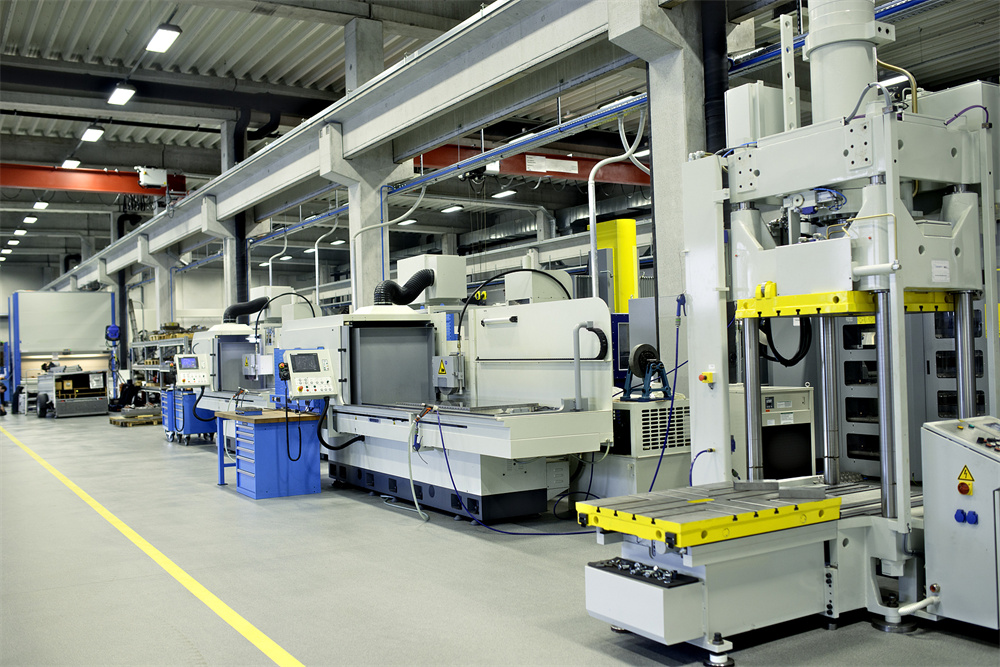
Price Range Overview: What to Expect
The price of a laser cutting machine varies wildly based on technology, power, and build quality. Generally, fiber laser machines have replaced CO2 lasers for metal fabrication due to their lower maintenance and higher efficiency. Entry-level machines, often featuring 1kW to 2kW power sources and smaller beds (e.g., 1300x2500mm), typically range from $25,000 to $50,000. These are ideal for thin sheet metal work and small workshops. However, a common mistake is assuming these machines can handle heavy-duty industrial cycles without significant wear.
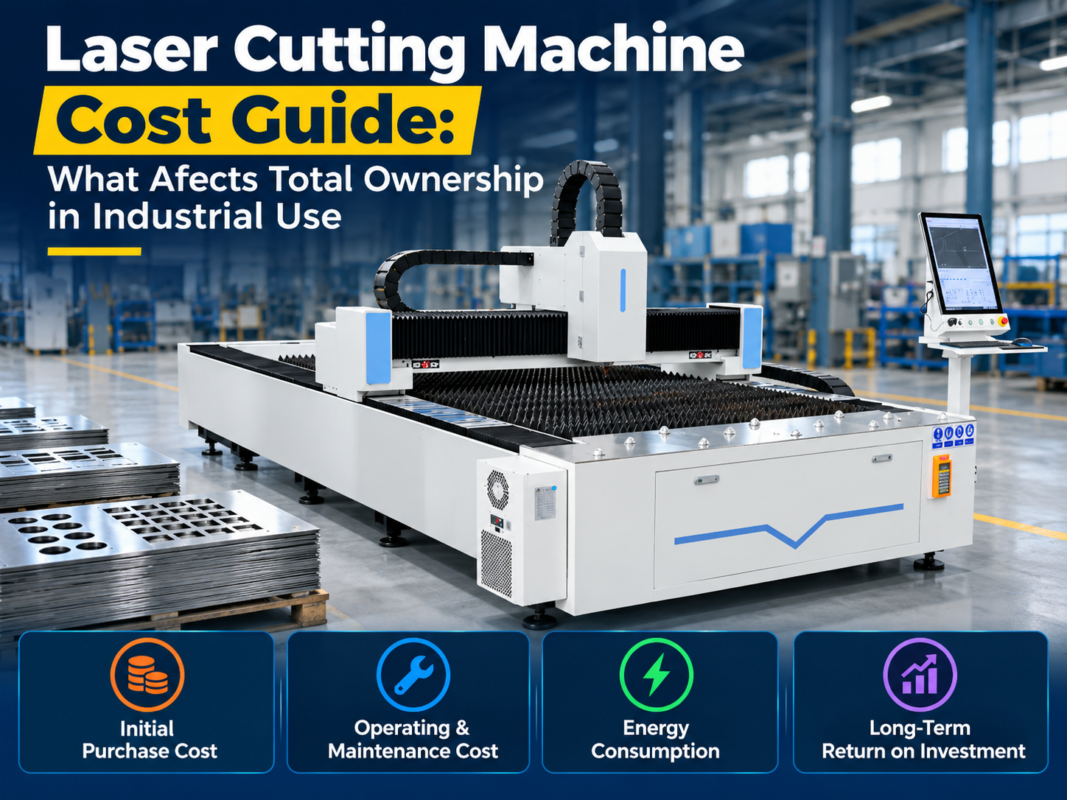
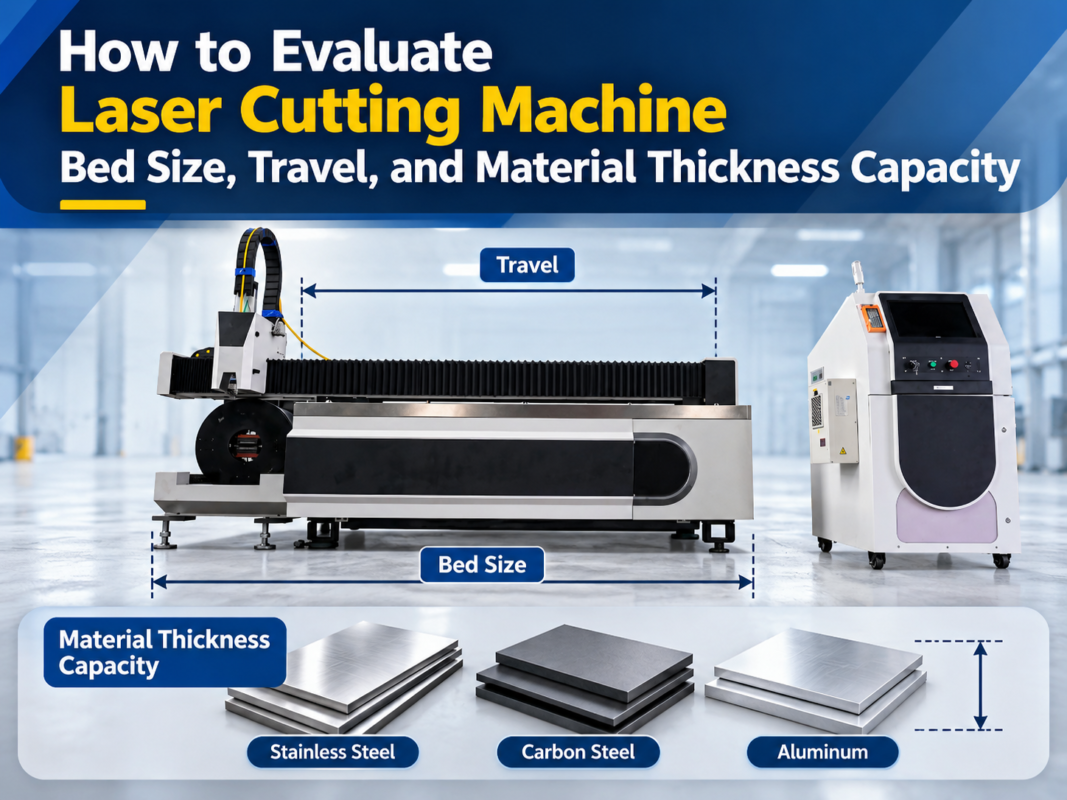
Mid-range machines, which are the workhorses of the industry, usually feature 3kW to 6kW power sources and standard 1500x3000mm or 2000x4000mm beds. These units typically cost between $60,000 and $150,000. They offer a balance of speed and the ability to cut thicker materials like 20mm carbon steel or 12mm stainless steel. High-end industrial machines with 12kW to 30kW+ power sources, automated loading systems, and large-format beds can exceed $300,000. When reviewing these price ranges, the Common Mistakes Avoid When Buying A Laser Cutting Machine often involve failing to account for the total cost of ownership versus the sticker price.
Main Cost Drivers in Laser Cutting Technology
The primary driver of cost in any fiber laser machine is the laser source itself. Brands like IPG, nLIGHT, and Raycus dominate the market. IPG is often the most expensive due to its global reputation and service network, while Raycus offers a more cost-effective alternative for those on a tighter budget. The wattage of the source is the second major driver; every additional kilowatt adds a significant premium to the price. It is vital to match the wattage to your most frequent material thickness rather than your maximum possible thickness.
Beyond the laser source, the motion system—including servo motors, rack and pinion systems, and linear guides—significantly impacts the price. High-speed machines require high-end components from manufacturers like Yaskawa or Beckhoff to maintain accuracy at high acceleration rates. A machine that uses low-quality motion components will eventually suffer from vibration and loss of precision, leading to scrapped parts and increased downtime. Furthermore, the frame construction (cast iron vs. welded plate) affects the machine’s stability and longevity, contributing to the overall cost structure.
Configuration Impact: Choosing the Right Specs
Configuration is where many buyers get overwhelmed. One of the Common Mistakes Avoid When Buying A Laser Cutting Machine is neglecting the importance of the cutting head. Auto-focus cutting heads, such as those from Precitec or Raytools, are essential for high-productivity environments. They allow the machine to adjust the focal point automatically based on the material thickness, which is a game-changer when switching between different jobs throughout the day.
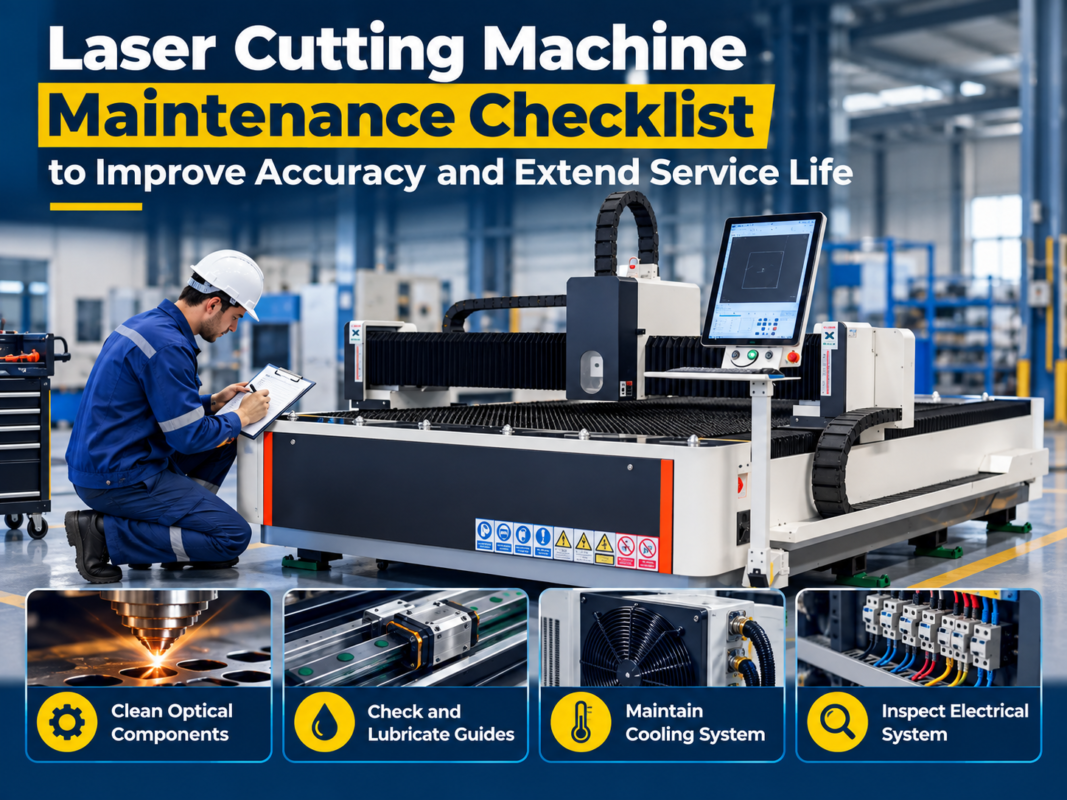
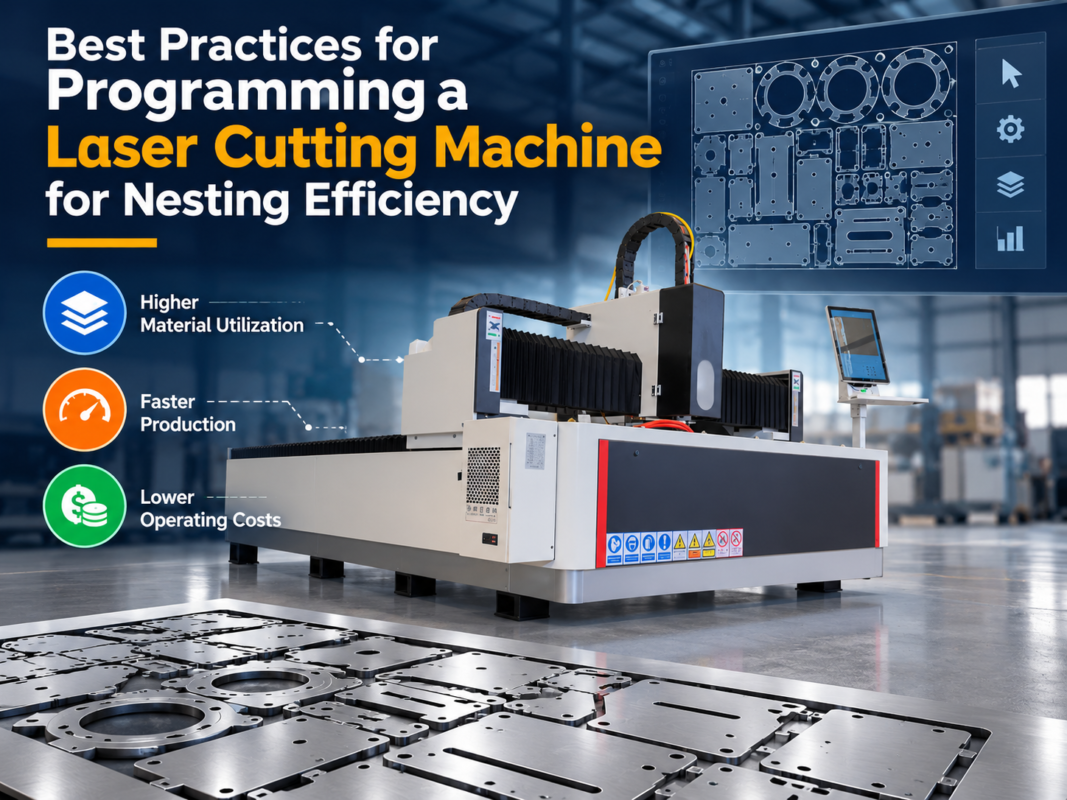
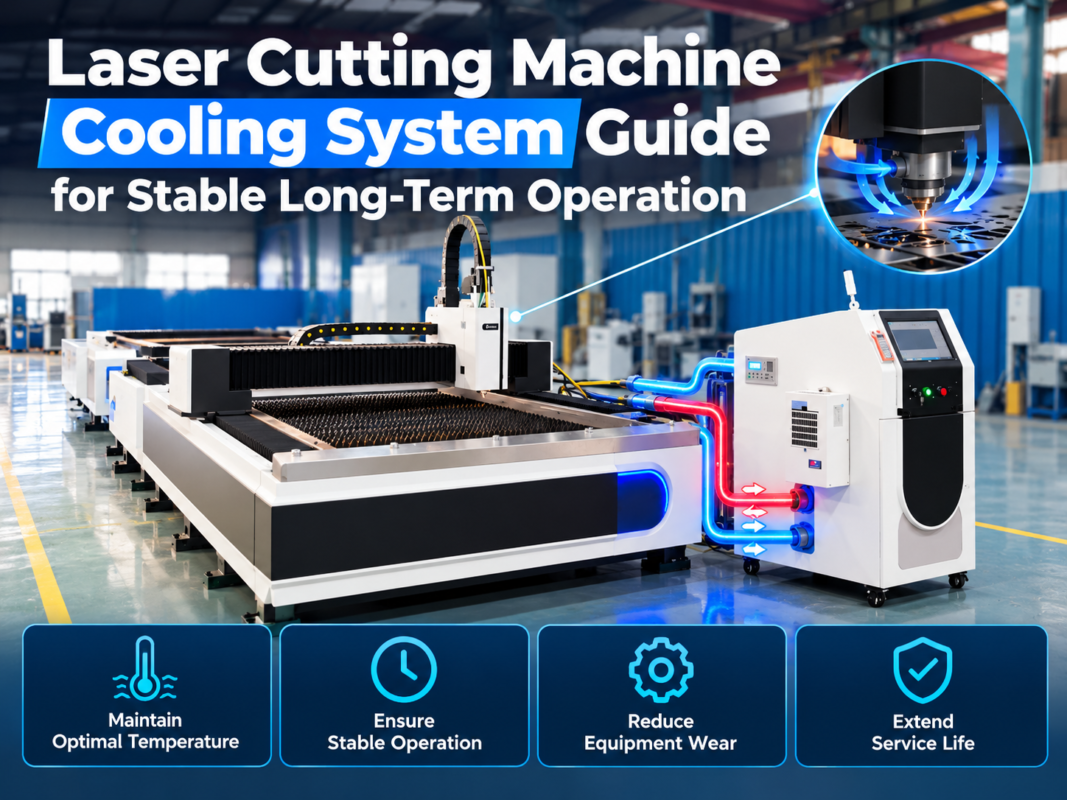
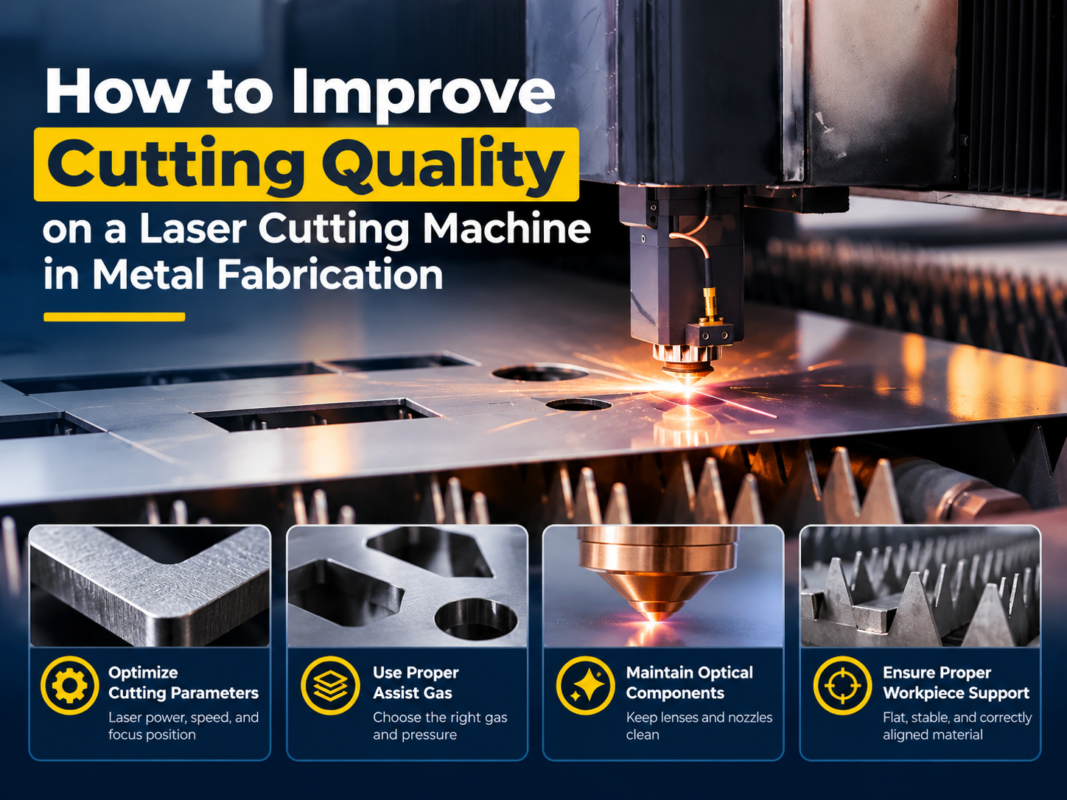
The CNC controller and software are equally critical. A user-friendly interface like CypCut or Lantek can significantly reduce the learning curve for operators. Advanced nesting software can save thousands of dollars annually by optimizing material usage and reducing waste. Additionally, consider the cooling system. A high-quality industrial chiller is non-negotiable for fiber lasers, as the laser source and cutting head generate significant heat. If the chiller is undersized or unreliable, the laser source’s lifespan will be drastically shortened.
Hidden Costs of Owning a Laser Cutting Machine
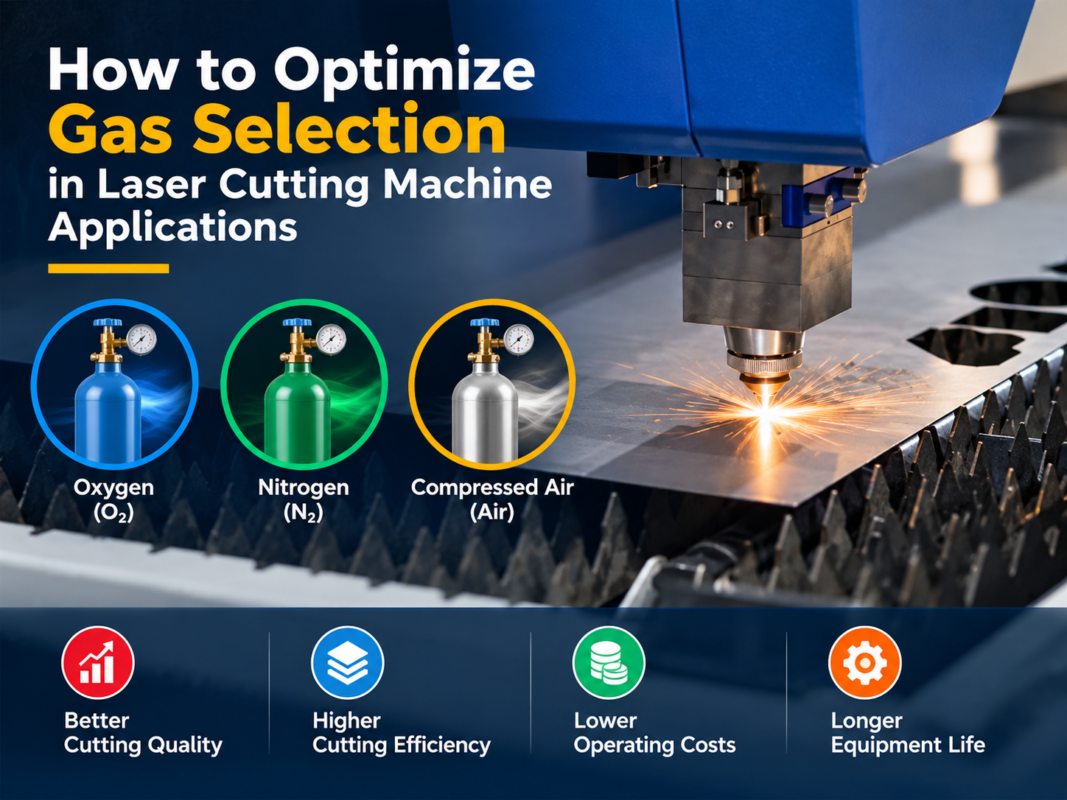
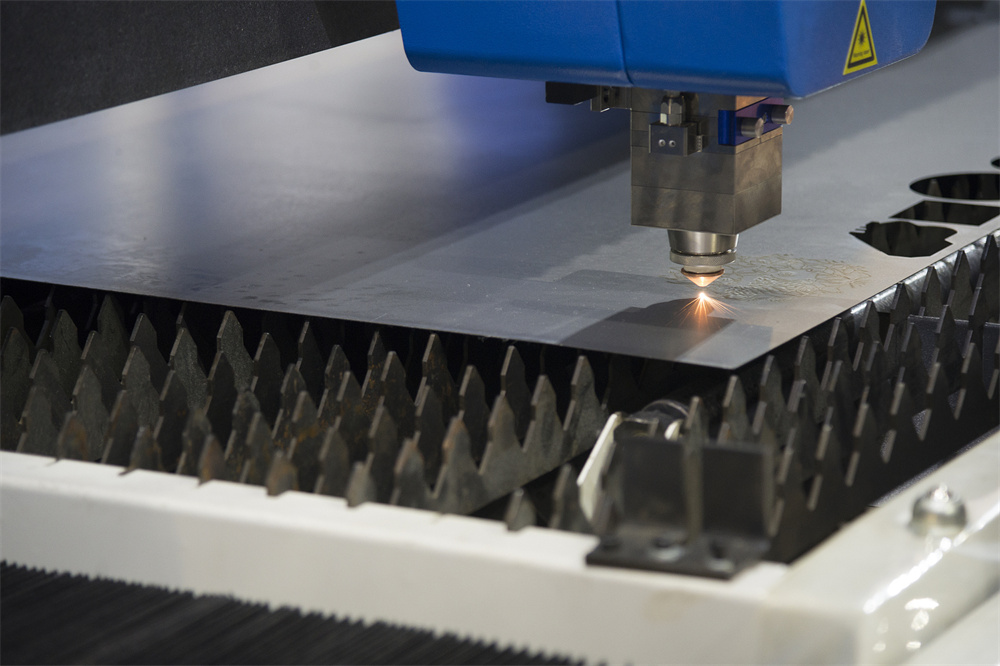
The purchase price is just the beginning. One of the most overlooked Common Mistakes Avoid When Buying A Laser Cutting Machine is failing to budget for auxiliary equipment and consumables. For instance, a laser machine requires high-pressure gas (Oxygen, Nitrogen, or Compressed Air) to function. Nitrogen is expensive but necessary for clean, oxide-free cuts in stainless steel and aluminum. If you plan to use compressed air, you must invest in a high-quality air compressor, dryer, and filtration system to ensure the air is moisture and oil-free, otherwise, you risk damaging the expensive optics in the cutting head.
Electricity consumption is another factor. While fiber lasers are more efficient than CO2, a 6kW machine still draws significant power, especially when the chiller and dust extractor are running. Maintenance costs, including replacement protective windows, nozzles, and ceramic rings, can add up to several thousand dollars a year. Furthermore, don’t forget the cost of floor space and the potential need for a reinforced concrete foundation to ensure the machine remains level and vibration-free during high-speed operations.
ROI Calculation: Making the Investment Pay Off
To justify the purchase, you must perform a detailed Return on Investment (ROI) calculation. Start by estimating your hourly operating cost, which includes electricity, gas, consumables, labor, and the machine’s depreciation. Compare this to the cost of outsourcing your laser cutting or the time saved compared to your current cutting methods. For many shops, bringing laser cutting in-house reduces lead times from weeks to days, allowing for higher markups on finished products.
Consider a scenario where a shop spends $5,000 a month on outsourced laser cutting. By bringing a $100,000 machine in-house, the monthly payment might be $2,000. Even with $1,500 in operating costs, the shop saves $1,500 monthly while gaining total control over production schedules. However, the Common Mistakes Avoid When Buying A Laser Cutting Machine in ROI calculations often involve overestimating the machine’s uptime. Always factor in a 15-20% buffer for maintenance, programming, and material handling when calculating your potential revenue.
Buying Advice: A Step-by-Step Checklist
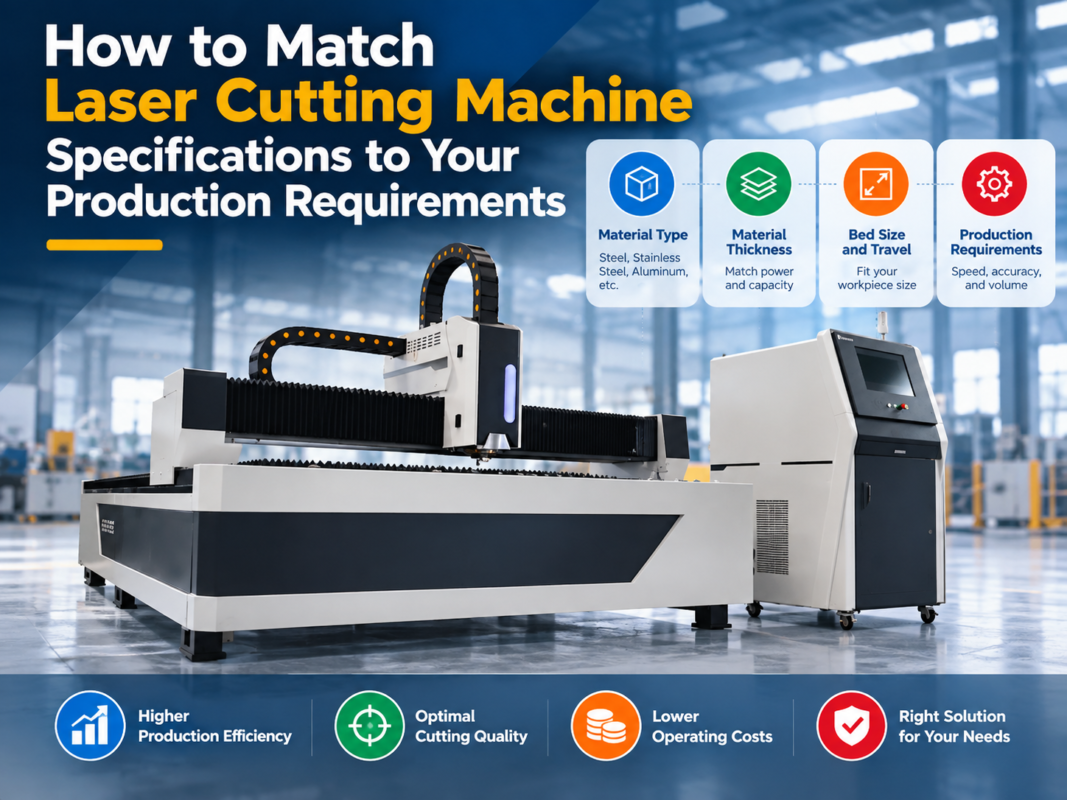
When you are ready to buy, follow a structured approach to avoid common pitfalls. First, define your material requirements: what is the thickest material you will cut 80% of the time? Don’t buy a 12kW machine if you mostly cut 3mm mild steel. Second, research the manufacturer’s after-sales support. A cheap machine becomes the most expensive one in the shop if it sits idle for three weeks waiting for a technician or a spare part from overseas.
- Verify the Frame: Ensure the machine bed is heat-treated to relieve stress, preventing deformation over time.
- Test Cut: Always send your own CAD files to the manufacturer for test cuts on your specific materials.
- Check the Software: Ensure the nesting software is compatible with your existing CAD/CAM workflow.
- Evaluate the Chiller: Confirm the chiller brand and capacity are suitable for your local climate.
- Safety Standards: Ensure the machine meets local safety regulations (CE, FDA, etc.) and includes proper shielding for fiber laser wavelengths.
By following this checklist, you can mitigate the Common Mistakes Avoid When Buying A Laser Cutting Machine and ensure that the equipment you choose aligns with your technical needs and financial constraints.
Common Mistakes to Avoid When Buying a Laser Cutting Machine
To summarize the most critical errors, the first is buying based on price alone. A low-cost machine often uses generic components that are difficult to service and fail prematurely. The second mistake is underestimating the importance of the laser power. While you shouldn’t over-buy, under-buying means the machine will struggle to cut thicker materials, leading to poor edge quality and slow production speeds. Third, many buyers ignore the importance of training. A high-tech machine is only as good as the person operating it; ensure your package includes comprehensive on-site training for your staff.
Another frequent error is neglecting the dust extraction system. Laser cutting generates hazardous fumes and fine dust. Without a robust filtration system, you risk the health of your employees and the cleanliness of your optics. Finally, failing to plan for future growth is a common oversight. If you expect your business to grow, consider a machine with a larger bed or a higher power ceiling than you currently need, as upgrading a laser source later is significantly more expensive than buying the right one initially.
Frequently Asked Questions (FAQ)
1. What is the difference between Fiber and CO2 lasers?
Fiber lasers use solid-state diodes to create the beam, which is then delivered via a fiber optic cable. They are much more efficient, faster at cutting thin materials, and require less maintenance than CO2 lasers, which use a gas mixture and mirrors to deliver the beam. For most metal fabrication tasks today, fiber is the preferred choice.
2. How much power (kW) do I really need?
This depends on your material thickness. For example, a 1kW fiber laser can cut up to 10mm mild steel but is most efficient at 1-4mm. A 6kW laser can comfortably cut 20-25mm mild steel. Always choose a power level that handles your most common thickness with ease, rather than at its absolute limit.
3. Can I cut reflective materials like copper and brass?
Yes, modern fiber lasers are designed to handle reflective materials. However, you must ensure the machine is equipped with back-reflection protection to prevent the laser beam from bouncing back and damaging the laser source. This is a standard feature on high-quality machines but should always be verified.
4. What are the main consumables I need to stock?
The most common consumables are copper nozzles, protective ceramic rings, and protective windows (lenses). You will also need to regularly replace the filters in your dust extractor and maintain the water levels and additives in your chiller system.
5. Is it better to use Nitrogen or Oxygen for cutting?
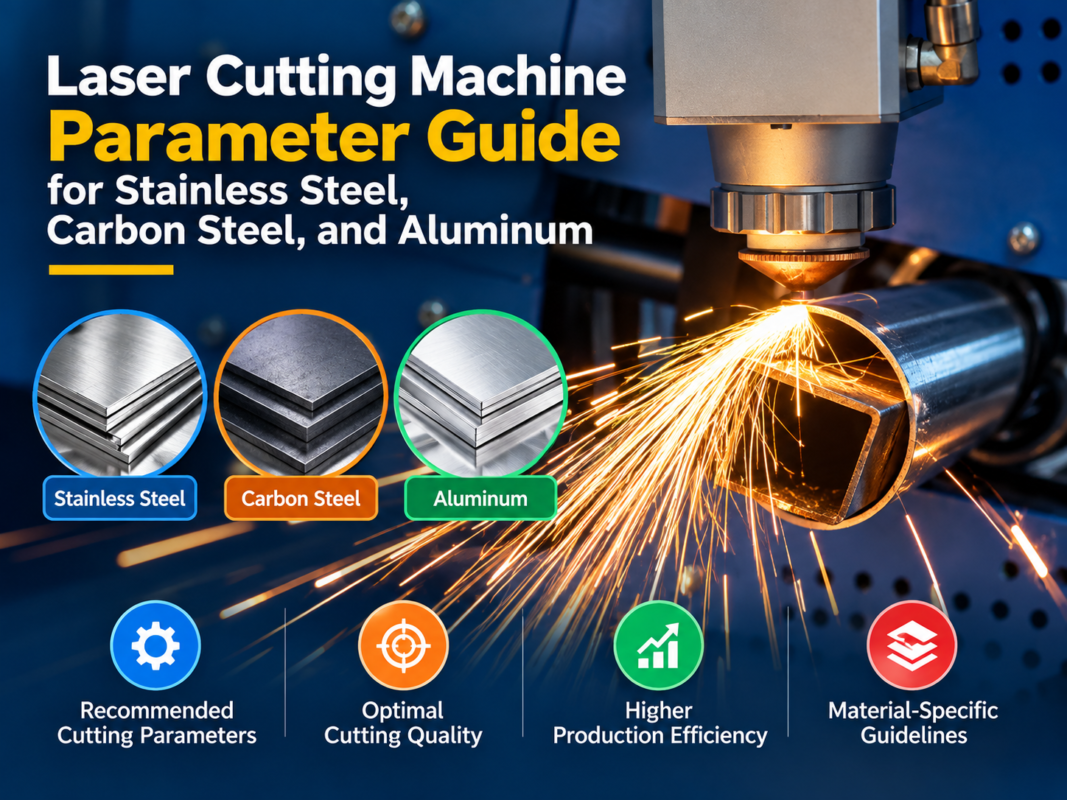
Oxygen is typically used for carbon steel; it creates an exothermic reaction that helps the cutting process but leaves an oxide layer on the edge. Nitrogen is used for stainless steel and aluminum to prevent oxidation, resulting in a clean, shiny edge that is ready for welding or painting without further processing.
6. How long does a fiber laser source last?
Most reputable fiber laser sources (like IPG or Raycus) are rated for approximately 100,000 hours of operation. This equates to over 10 years of 24/7 operation. However, the actual lifespan depends heavily on the environment, cooling efficiency, and regular maintenance of the machine.
7. Why is the machine frame so important?
The frame must withstand the high-speed movements and accelerations of the cutting head without vibrating. A heavy, heat-treated welded frame or a cast-iron frame provides the necessary rigidity to ensure long-term accuracy. A light, poorly made frame will warp over time, making it impossible to maintain precision.