Laser Cutting Machine Benefits for Custom Metal Enclosure Production: A Comprehensive Guide


Introduction to Modern Enclosure Fabrication
In the rapidly evolving landscape of industrial manufacturing, the demand for custom metal enclosures has reached unprecedented heights. From sophisticated electrical cabinets and server racks to specialized medical device housings and telecommunications hubs, the need for precision, durability, and aesthetic appeal is paramount. Traditionally, these enclosures were produced using mechanical punching, shearing, and manual machining—processes that were often slow, labor-intensive, and limited in design flexibility. However, the advent of fiber laser technology has revolutionized this sector. Understanding the laser cutting machine benefits for custom metal enclosure production is essential for any fabricator looking to remain competitive in today’s market.
HARSLE, a leader in metal fabrication machinery, provides state-of-the-art fiber laser cutting solutions specifically engineered to meet the rigorous demands of enclosure manufacturing. By integrating high-speed cutting capabilities with extreme precision, these machines allow manufacturers to transition from simple box designs to complex, high-performance enclosures with minimal lead times. This article explores the multifaceted advantages of utilizing laser cutting technology, the technical requirements of the process, and how the right machine configuration can transform your production floor.
Application Scenarios for Custom Metal Enclosures
Custom metal enclosures are utilized across a vast array of industries, each with its own set of stringent requirements. In the electrical and electronics sector, enclosures must provide protection against environmental factors while allowing for intricate internal mounting systems. Laser cutting machines excel here by creating precise cutouts for switches, displays, and cable entries without the need for expensive custom tooling. The ability to produce small batches of varied designs makes laser cutting the ideal choice for bespoke electrical control panels.
In the telecommunications and IT infrastructure industry, server racks and outdoor cabinets require complex ventilation patterns to ensure thermal management. Traditional punching methods often struggle with the density of these patterns or cause material deformation. A fiber laser cutting machine can execute thousands of micro-perforations with perfect consistency, ensuring optimal airflow while maintaining structural integrity. Furthermore, the medical industry demands enclosures made from high-grade stainless steel with smooth, burr-free edges to meet hygiene standards. Laser cutting provides the clean finish necessary for medical carts, diagnostic equipment housings, and laboratory enclosures.
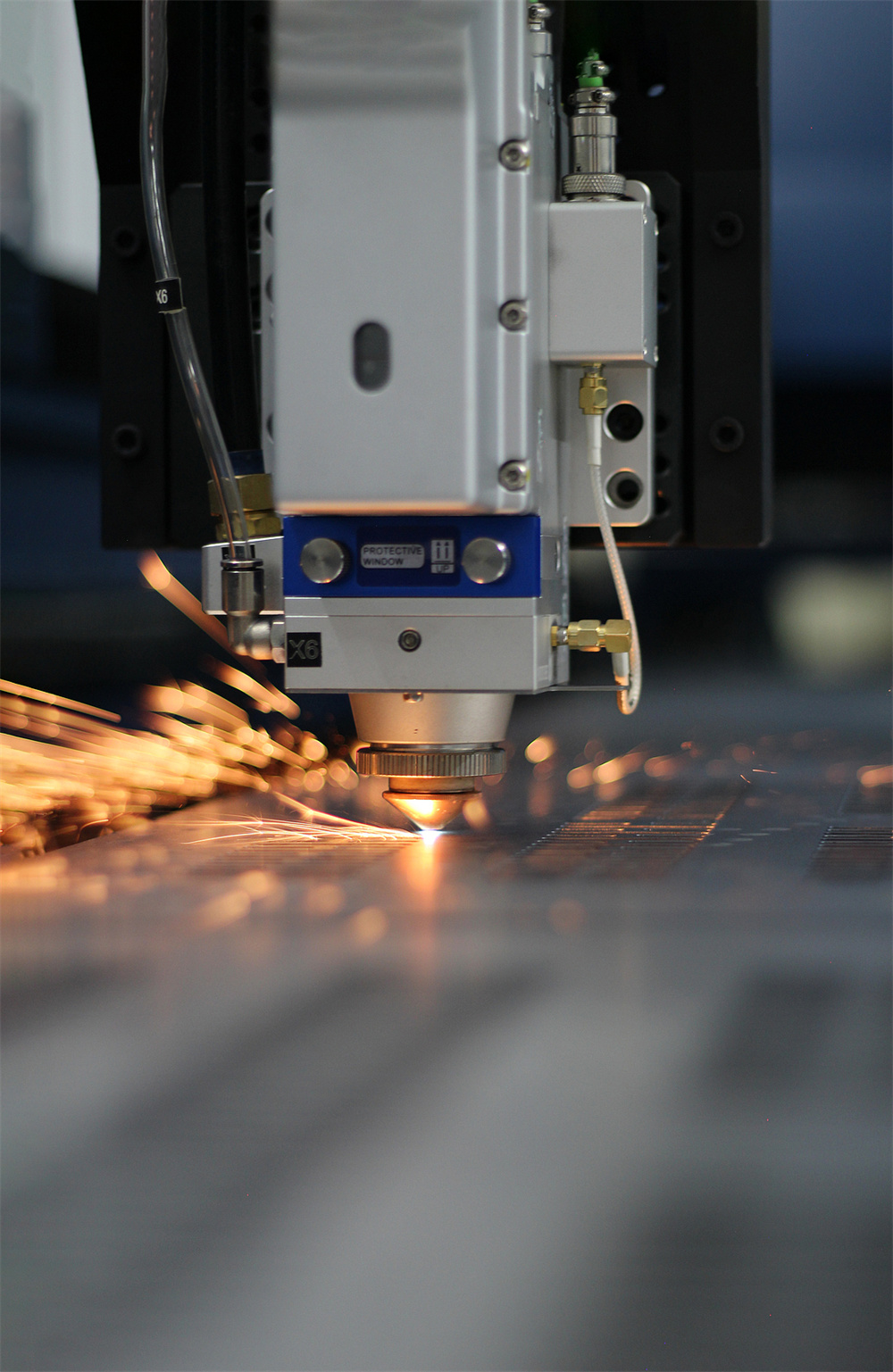
Beyond these, the renewable energy sector—specifically solar and wind power—requires rugged outdoor enclosures that can withstand harsh weather. These often involve thick-gauge galvanized steel or aluminum. The flexibility of a laser cutter allows for the rapid prototyping of these heavy-duty boxes, enabling engineers to test and refine designs before moving to full-scale production. Whether it is a one-off prototype or a high-volume run, the application of laser technology ensures that every enclosure meets the exact specifications of the end-user.
Material and Process Requirements
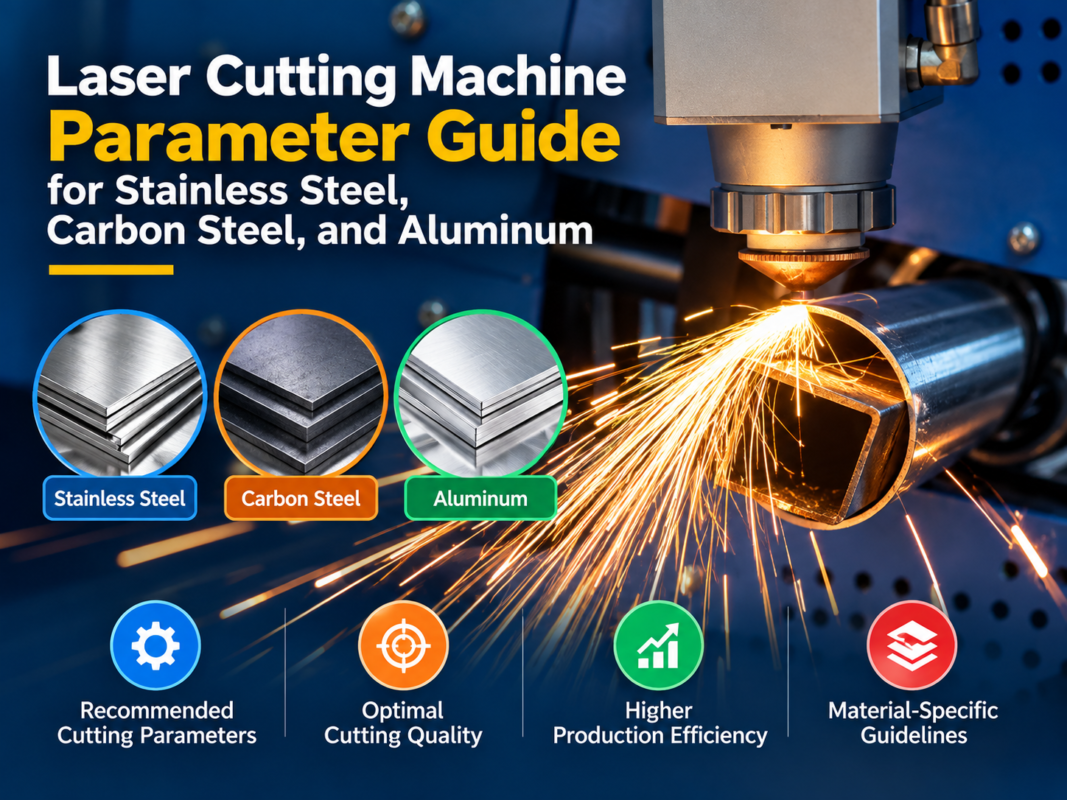
The production of custom enclosures involves a variety of materials, each presenting unique challenges. The most common materials include cold-rolled steel, stainless steel, and aluminum alloys. Cold-rolled steel is favored for its cost-effectiveness and ease of finishing, but it requires precise cutting to ensure that subsequent bending and welding operations are accurate. Stainless steel, often used for its corrosion resistance, requires a high-power laser and nitrogen as an assist gas to prevent oxidation on the cut edge, ensuring a bright, clean finish that requires no secondary grinding.
Aluminum is increasingly popular for lightweight enclosures, particularly in aerospace and portable electronics. However, its high reflectivity and thermal conductivity make it difficult to cut with older CO2 lasers. Modern fiber lasers, like those offered by HARSLE, utilize a shorter wavelength that is more readily absorbed by reflective metals, allowing for high-speed cutting of aluminum with minimal dross. Additionally, galvanized steel is frequently used for outdoor enclosures. Cutting this material requires specialized parameters to manage the zinc coating, preventing it from interfering with the laser beam or compromising the cut quality.
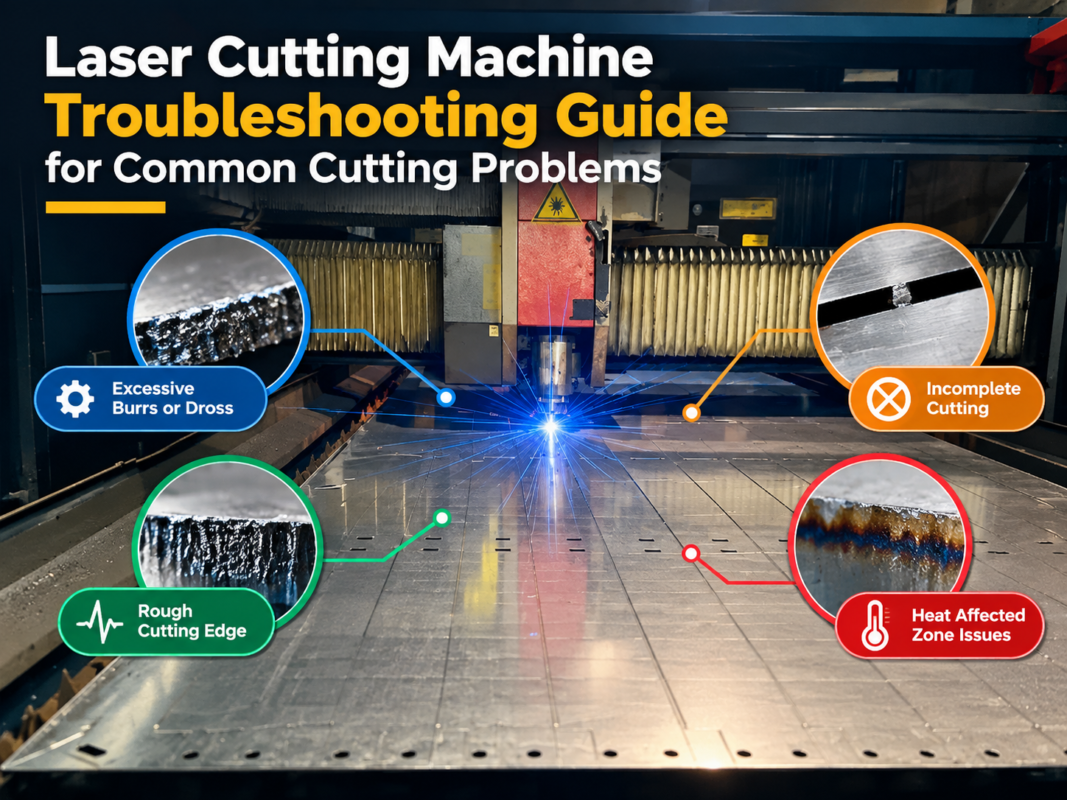
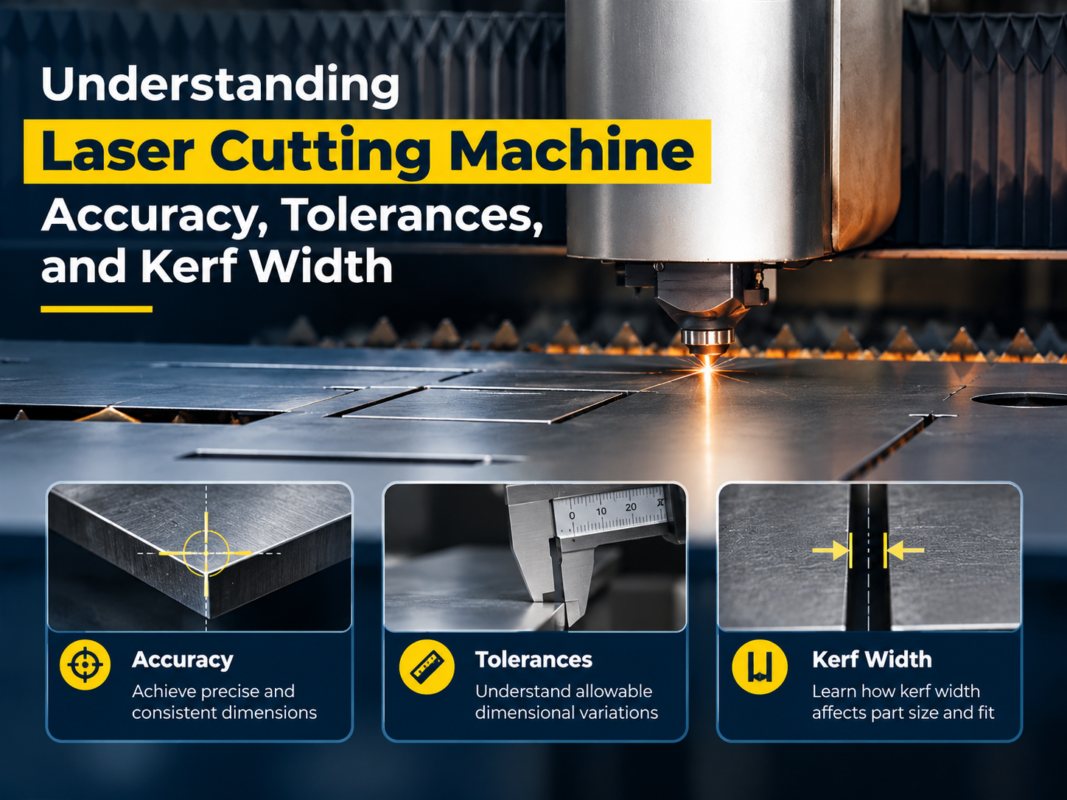
Process requirements for enclosures are exceptionally high. Tolerances are often within ±0.05mm to ensure that doors, hinges, and internal components align perfectly. Furthermore, the “Heat Affected Zone” (HAZ) must be minimized to prevent warping, especially in thin-gauge sheets. Laser cutting achieves this by concentrating energy into a microscopic spot, resulting in a very narrow kerf and minimal thermal transfer to the surrounding material. This precision is critical when the enclosure design includes intricate interlocking tabs or complex geometries that must be folded accurately on a press brake.
Recommended Machine Configuration for Enclosure Production
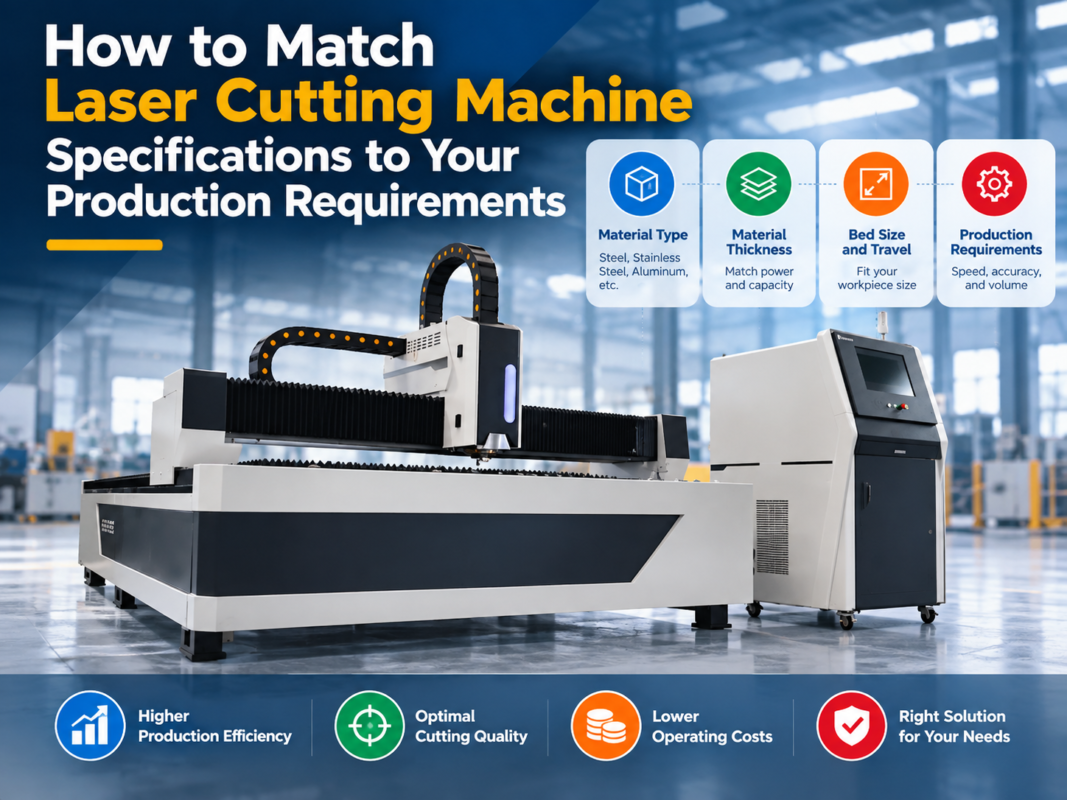
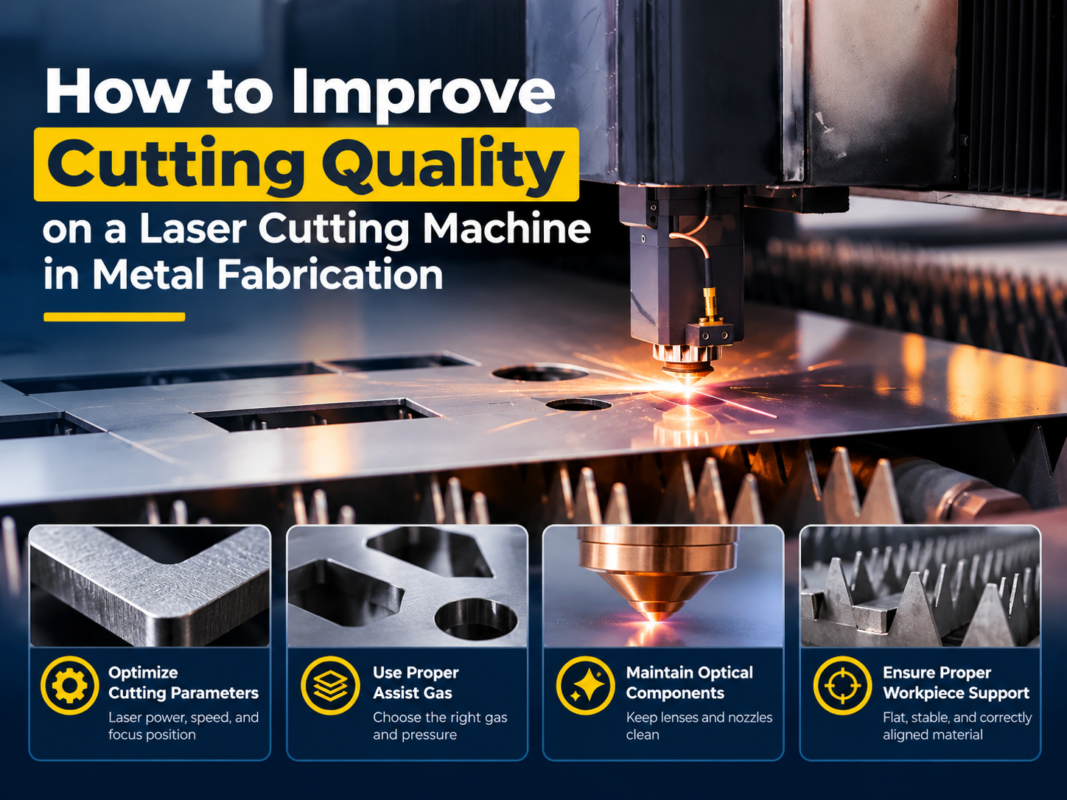
To maximize the laser cutting machine benefits for custom metal enclosure production, selecting the right configuration is vital. For most enclosure manufacturers, a fiber laser source ranging from 3kW to 6kW is the “sweet spot.” This power range provides the speed necessary for thin-gauge materials (1mm to 3mm) while maintaining the capability to cut thicker base plates or structural components up to 20mm if required. HARSLE recommends the use of high-quality laser sources like Raycus or IPG, which offer long-term stability and high wall-plug efficiency.
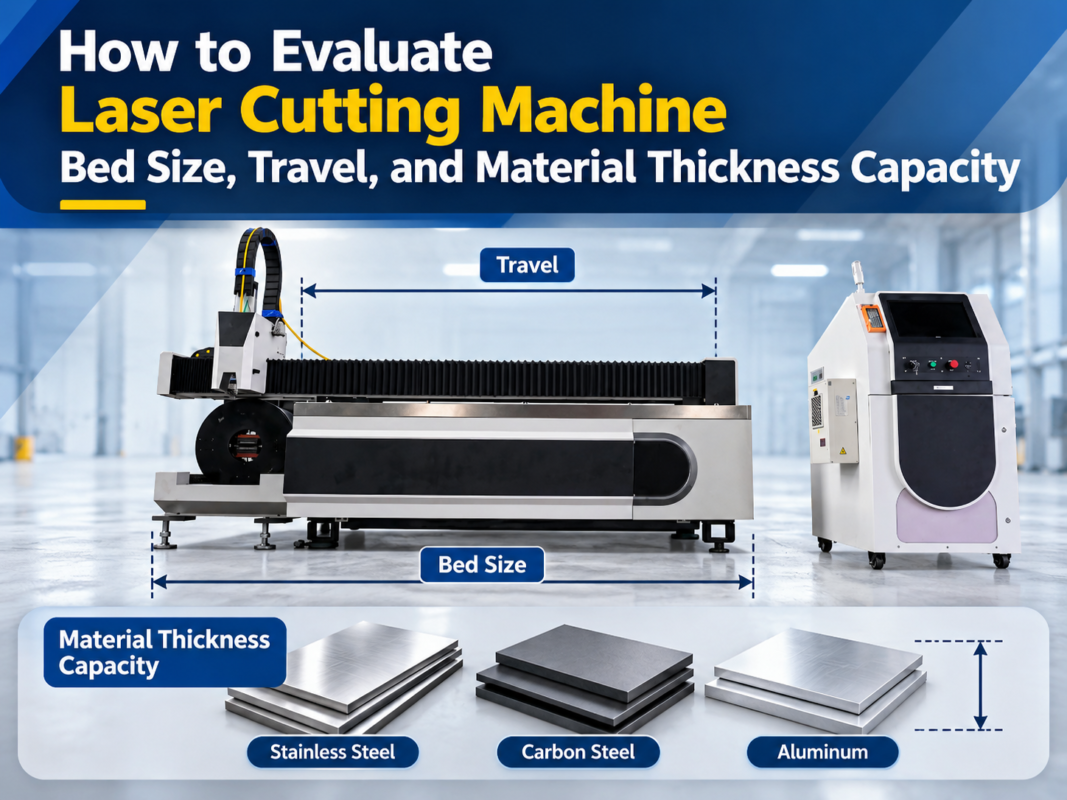
The machine bed should be a heavy-duty, stress-relieved welded structure to ensure vibration damping during high-speed movements. A dual-drive gantry system equipped with precision rack and pinion sets and high-torque servo motors (such as Yaskawa or Delta) is essential for maintaining accuracy at high accelerations. For enclosure work, which often involves large sheets, a 3015 (3000mm x 1500mm) or 4020 (4000mm x 2000mm) working area is standard, allowing for the nesting of multiple enclosure components on a single sheet.
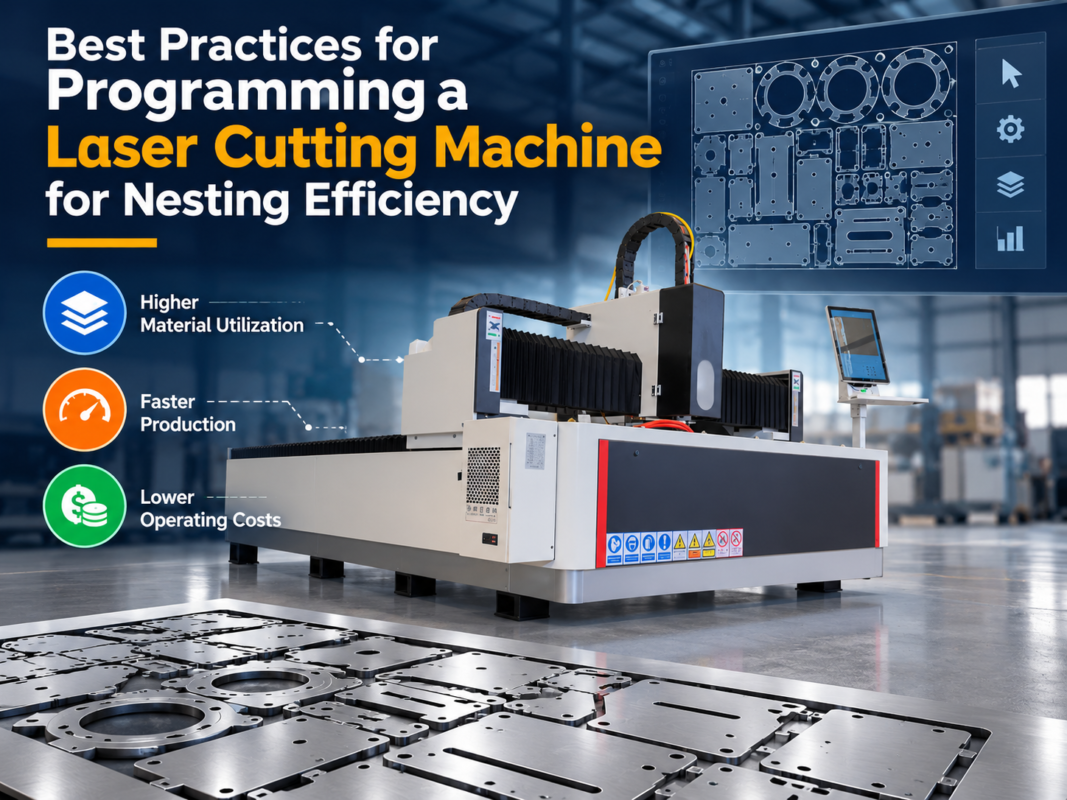
Software and control systems are equally important. A system like the CypCut CNC control provides intuitive nesting capabilities, which are crucial for reducing material waste. Features such as automatic edge seeking, leapfrog movement, and real-time power adjustment ensure that the machine operates at peak efficiency. Additionally, an autofocus cutting head is highly recommended; it automatically adjusts the focal position based on the material thickness and type, reducing setup time and eliminating human error during material changeovers.
The Workflow: From Design to Finished Enclosure
The workflow in a laser-centric enclosure production facility is streamlined and highly digital. It begins with the CAD (Computer-Aided Design) phase, where engineers create 3D models of the enclosure. These models are then “unfolded” into 2D flat patterns. Because laser cutting is so precise, designers can include features like “bend deductions” and “relief notches” directly into the flat pattern, knowing the laser will replicate them exactly. This ensures that when the part moves to the press brake, the final dimensions are perfect.
Once the 2D files are ready, they are imported into CAM (Computer-Aided Manufacturing) software for nesting. Nesting optimizes the layout of parts on the metal sheet to minimize scrap. For custom enclosures, which may involve many different small parts (brackets, doors, panels), advanced nesting can save up to 20% in material costs compared to traditional shearing. The nested file is then sent to the HARSLE fiber laser cutting machine via a local network or USB.
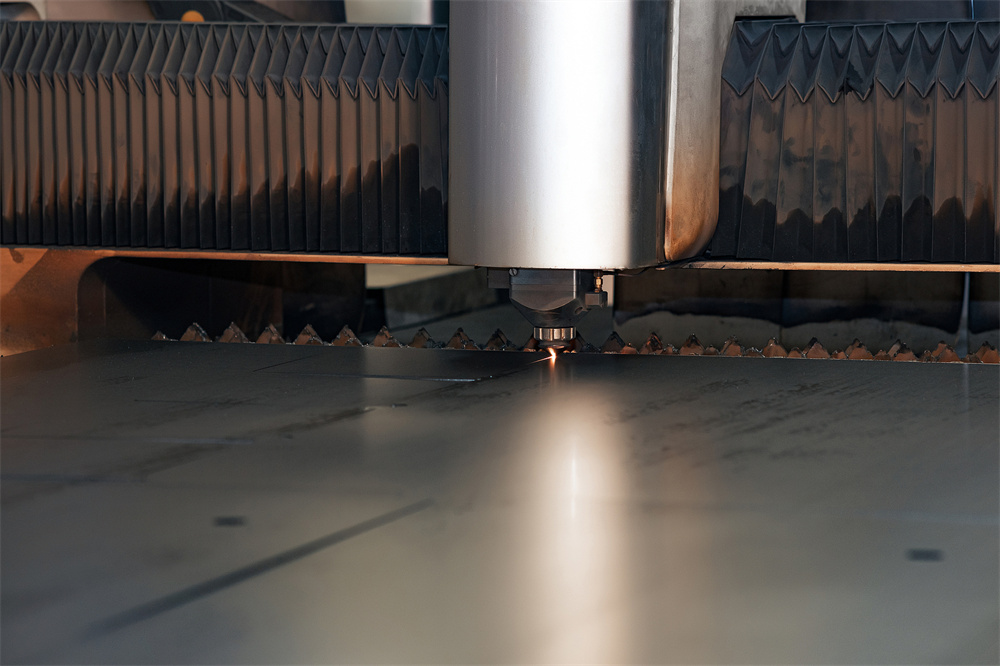
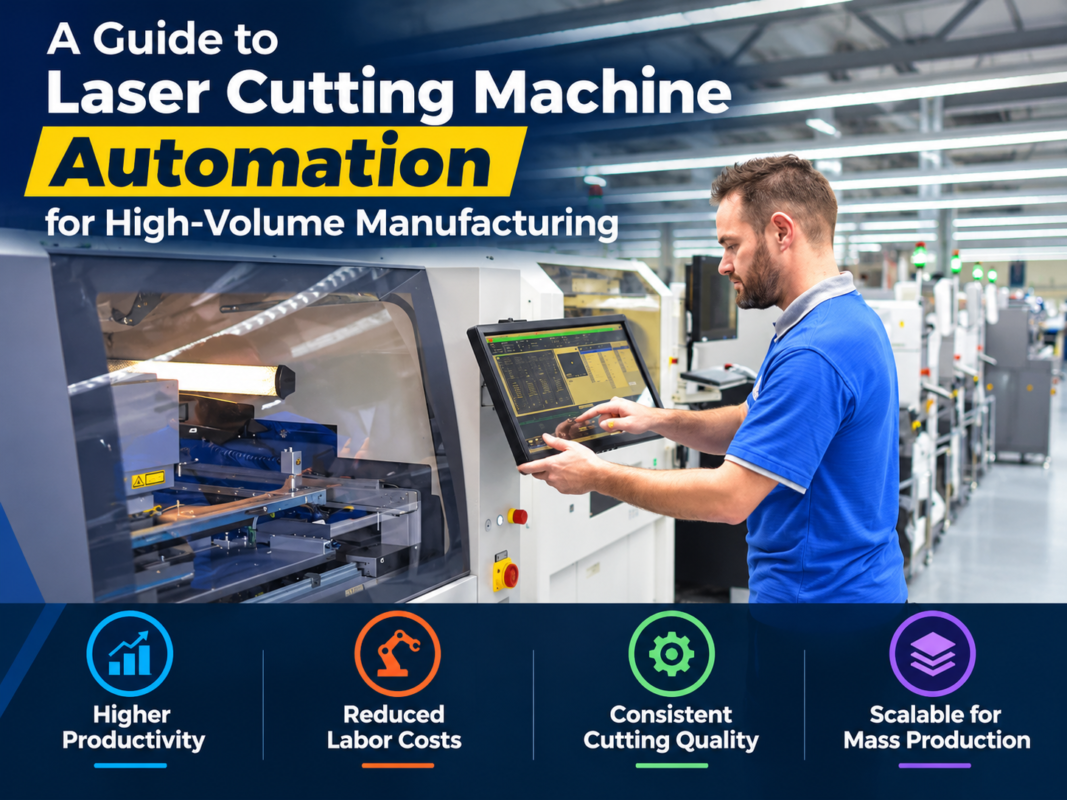
The operator loads the material onto the exchange table—a feature that allows one sheet to be cut while the next is being loaded, virtually eliminating downtime. The laser then executes the program, cutting out all holes, slots, and outer profiles in a single pass. After cutting, the parts are sorted. Because the laser produces a clean, burr-free edge, the parts can often go directly to the bending station without the need for deburring or edge cleaning. This seamless transition from cutting to forming is where the greatest time savings are realized.
Productivity Benefits and ROI
The primary laser cutting machine benefits for custom metal enclosure production manifest in significantly increased productivity and a rapid return on investment (ROI). Speed is the most obvious factor; a fiber laser can cut thin sheet metal at speeds exceeding 30 meters per minute, which is several times faster than a mechanical punch press for complex geometries. Furthermore, because there is no physical tool contact, there is no tool wear and no need to stop the machine to change punches or dies. This “zero-tooling” environment is a game-changer for custom shops that handle dozens of different designs daily.
Accuracy and repeatability also contribute to productivity. In enclosure assembly, even a 1mm error can lead to misaligned screw holes or doors that don’t close properly, leading to costly rework or scrapped parts. Laser cutting eliminates these issues, ensuring that the first part is identical to the thousandth. This level of precision also facilitates the use of automated welding or robotic assembly further down the line, as the fit-up of laser-cut parts is consistently tight and predictable.
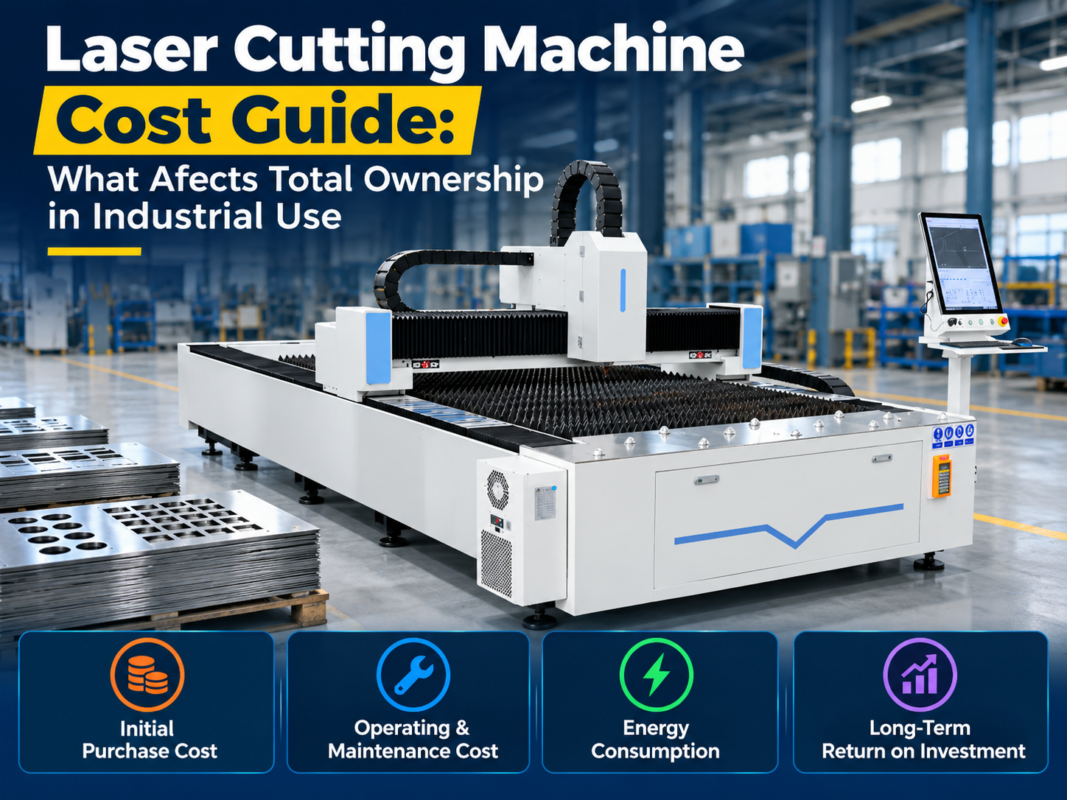
From a financial perspective, the reduction in material waste and the elimination of secondary processing (like drilling or grinding) directly improve the bottom line. While the initial investment in a HARSLE fiber laser may be higher than traditional equipment, the lower operating costs—due to high energy efficiency and low maintenance requirements—result in a lower cost-per-part. Most manufacturers find that the machine pays for itself within 12 to 24 months through increased throughput and expanded service offerings, such as the ability to take on more complex, high-margin custom projects.
Case Example: Transforming an Electrical Cabinet Shop
Consider a mid-sized fabrication shop that specialized in standard electrical cabinets. They previously relied on a combination of a manual shear, a turret punch, and a radial drill. Producing a custom enclosure with non-standard dimensions or unique hole patterns required hours of setup time and manual layout. Their lead time for a custom order was typically three weeks, and their scrap rate was nearly 15% due to manual errors and the limitations of the punch press.
After implementing a HARSLE 3kW Fiber Laser Cutting Machine, the shop’s workflow changed overnight. They were able to eliminate the shearing and drilling steps entirely. Complex ventilation louvers and custom connector cutouts that used to take 20 minutes to punch and drill were now completed in under 2 minutes with the laser. The nesting software reduced their scrap rate to less than 5%. Most importantly, their lead time dropped from three weeks to three days. This allowed them to capture high-priority contracts from the telecommunications industry, effectively doubling their annual revenue within the first year of operation.
Frequently Asked Questions (FAQ)
1. What is the maximum thickness a fiber laser can cut for enclosures?
For most enclosure applications, fiber lasers are used on materials between 0.5mm and 6mm. However, a 6kW HARSLE fiber laser can cut carbon steel up to 25mm and stainless steel up to 20mm, providing plenty of overhead for structural base plates or heavy-duty industrial housings.
2. How does laser cutting affect the painting or powder coating process?
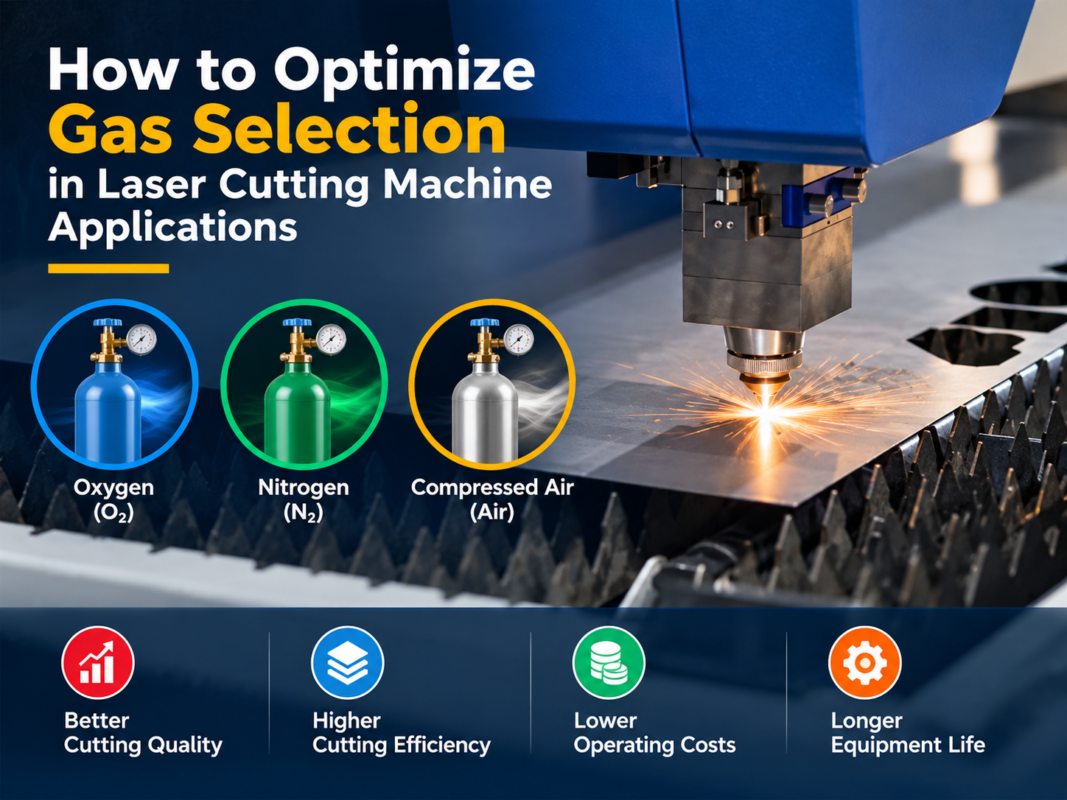
When cutting with nitrogen (especially on stainless or cold-rolled steel), the edge remains free of oxide. This is ideal for powder coating as it ensures maximum adhesion. If cutting with oxygen, a thin oxide layer forms which should be removed before coating to prevent peeling. Most enclosure manufacturers prefer nitrogen for this reason.
3. Can a laser cutting machine handle reflective materials like copper or brass?
Yes, modern fiber lasers are designed to handle reflective materials. While enclosures are rarely made entirely of copper, internal busbars or decorative elements often are. HARSLE machines feature protective optical paths and specific laser frequencies that safely and efficiently cut these materials without damaging the machine.
4. Is it difficult to learn how to operate a HARSLE laser cutting machine?
Not at all. The CypCut control system is designed with a user-friendly interface. Most operators with basic computer skills can learn to run the machine and perform basic nesting within a few days of training. HARSLE also provides comprehensive technical support and training videos to assist new users.
5. What maintenance is required for a fiber laser?
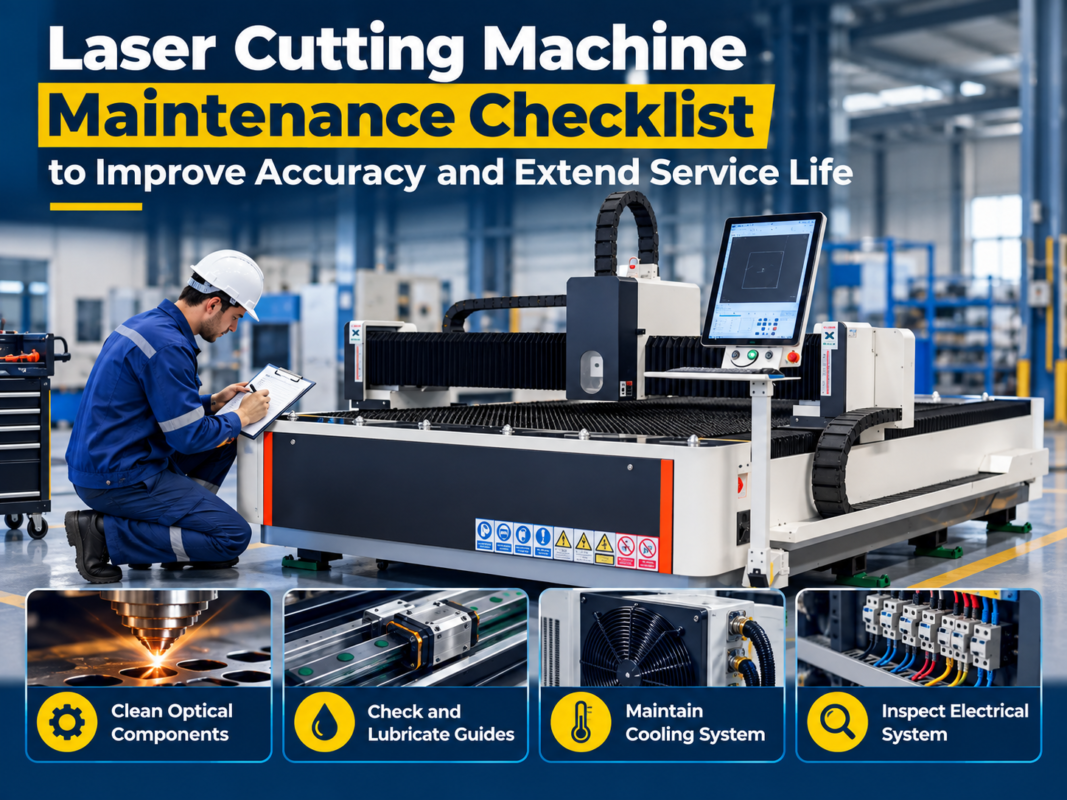
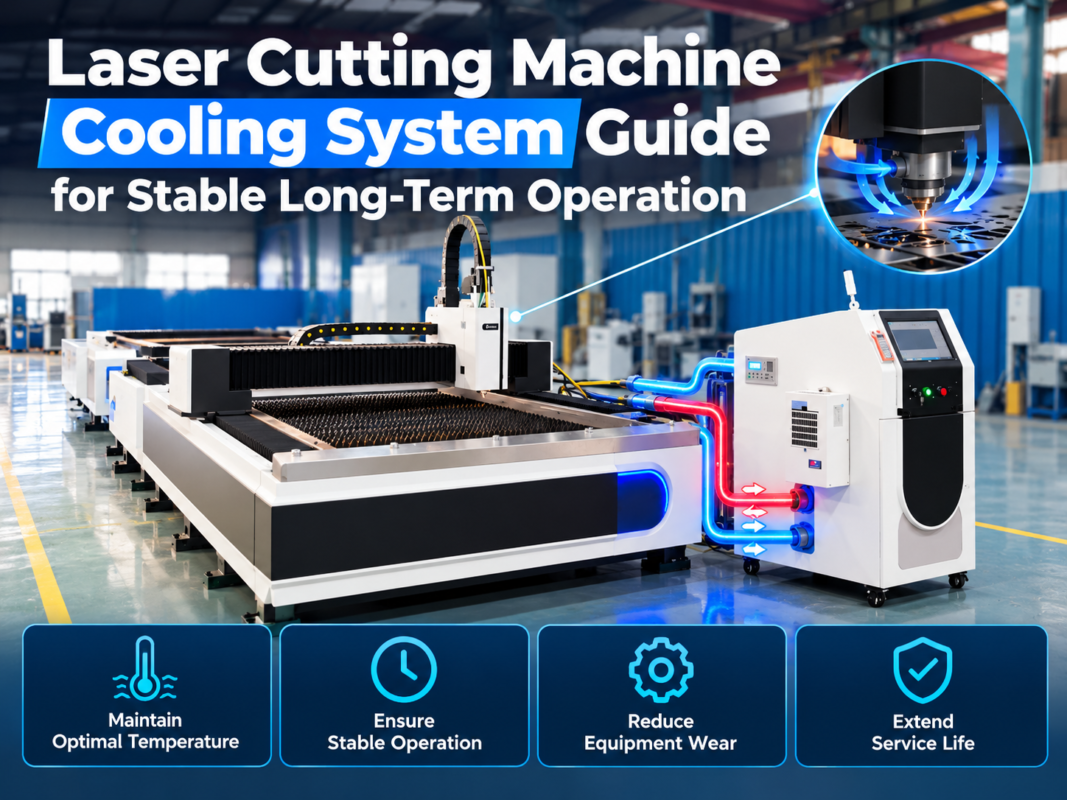
Fiber lasers require significantly less maintenance than CO2 lasers. There are no mirrors to align or gas tubes to refill. Primary maintenance involves keeping the machine clean, lubricating the guide rails, checking the cooling water levels in the chiller, and occasionally replacing consumable parts like nozzles and protective windows.
Conclusion and Call to Action
The laser cutting machine benefits for custom metal enclosure production are clear: unparalleled precision, incredible speed, and the flexibility to tackle any design challenge. By moving away from traditional, restrictive fabrication methods and embracing fiber laser technology, manufacturers can reduce costs, improve quality, and significantly shorten lead times. In a market where customization is the new standard, the ability to produce high-quality enclosures efficiently is the ultimate competitive advantage.
HARSLE is committed to helping fabricators achieve these goals with our range of high-performance fiber laser cutting machines. Whether you are a small shop looking to upgrade your capabilities or a large-scale manufacturer seeking to optimize your production line, we have the expertise and the technology to support your growth. Contact HARSLE today to speak with our technical experts, request a quote, or schedule a demonstration. Let us help you unlock the full potential of your metal fabrication business.