Industrial Laser Cutting Machine Applications In Medical Device Fabrication: A Comprehensive Guide


Introduction to Precision in Medical Manufacturing
The medical device industry is characterized by its uncompromising demand for precision, reliability, and biocompatibility. As surgical techniques evolve toward minimally invasive procedures, the components required—ranging from tiny cardiovascular stents to complex orthopedic implants—must be manufactured with microscopic accuracy. This is where Industrial Laser Cutting Machine Applications In Medical Device Fabrication become indispensable. Unlike traditional mechanical cutting methods, fiber laser technology offers a non-contact, high-speed, and ultra-precise solution that meets the stringent regulatory standards of the healthcare sector.
In the realm of medical fabrication, the margin for error is virtually zero. A slight burr on a surgical tool or a microscopic deviation in a stent’s geometry can have life-altering consequences. Industrial laser cutting machines, particularly those developed by HARSLE, provide the necessary control over heat-affected zones (HAZ) and kerf width to ensure that every part produced is identical to its digital blueprint. This article explores the multifaceted applications, technical requirements, and productivity benefits of utilizing advanced laser systems in the medical field.
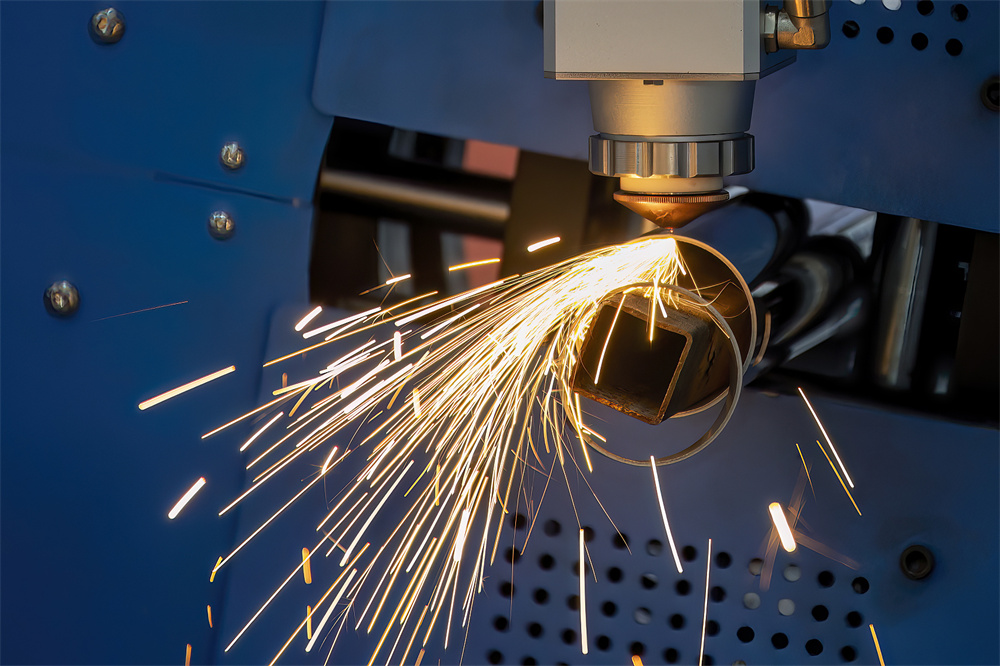
Application Scenario: Where Lasers Meet Medicine
Cardiovascular and Endovascular Stents
One of the most iconic Industrial Laser Cutting Machine Applications In Medical Device Fabrication is the production of stents. These tiny, mesh-like tubes are inserted into arteries to keep them open. They are typically cut from very thin-walled Nitinol or stainless steel tubing. The laser must execute intricate patterns with widths as small as 20 microns. The non-contact nature of laser cutting ensures that the delicate tubing does not deform during the process, which is a common issue with mechanical micro-machining.
Orthopedic Implants and Bone Plates
Orthopedic surgery often requires custom-shaped bone plates, screws, and joint replacements. These components are usually made from Grade 5 Titanium or specialized cobalt-chrome alloys. Laser cutting machines allow for the rapid fabrication of these parts from flat sheets or contoured blanks. The ability to cut complex geometries allows surgeons to use implants that better match the patient’s anatomy, improving recovery times and long-term outcomes.
Surgical Instruments and Tooling
From scalpels and forceps to complex robotic surgical arms, the tools used in modern operating rooms require sharp edges and ergonomic designs. Laser cutting provides the clean edges necessary for cutting tools and the structural integrity required for handheld instruments. Furthermore, the laser can be used for marking and engraving serial numbers or graduation scales directly onto the tools, ensuring traceability and ease of use for medical professionals.
Diagnostic Equipment Housings
Beyond the internal devices, industrial lasers are used to fabricate the chassis and internal components of diagnostic machines like MRI scanners, CT systems, and laboratory analyzers. These applications often involve larger sheets of stainless steel or aluminum. The speed and versatility of an industrial laser cutting machine allow manufacturers to produce these large-scale components with the same level of precision as smaller medical devices, ensuring that sensitive electronic components fit perfectly within their protective enclosures.
Material and Process Requirements
Biocompatibility and Material Integrity
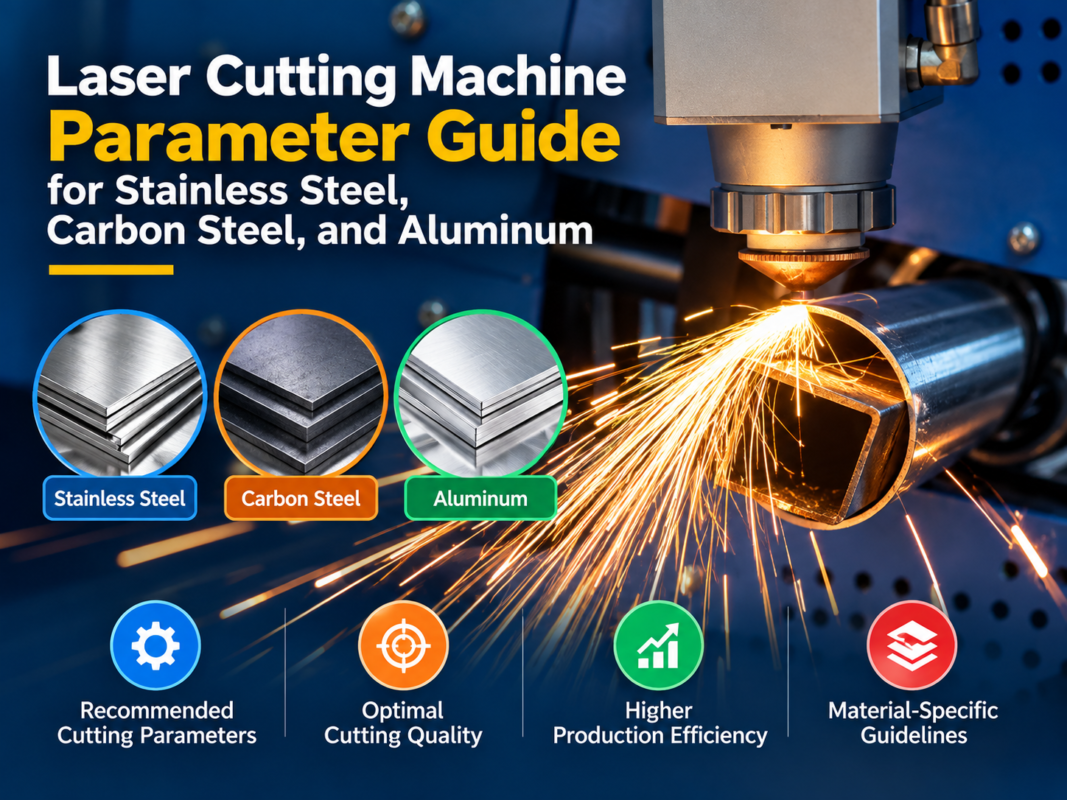
The primary materials used in medical device fabrication include 316L stainless steel, Titanium (Ti6Al4V), Nitinol (nickel-titanium alloy), and various cobalt-chromium alloys. These materials are chosen for their biocompatibility and mechanical strength. When using an Industrial Laser Cutting Machine Applications In Medical Device Fabrication, it is crucial to maintain the material’s chemical properties. Excessive heat can lead to oxidation or changes in the crystalline structure, which might compromise the device’s performance inside the human body.
Minimizing the Heat-Affected Zone (HAZ)
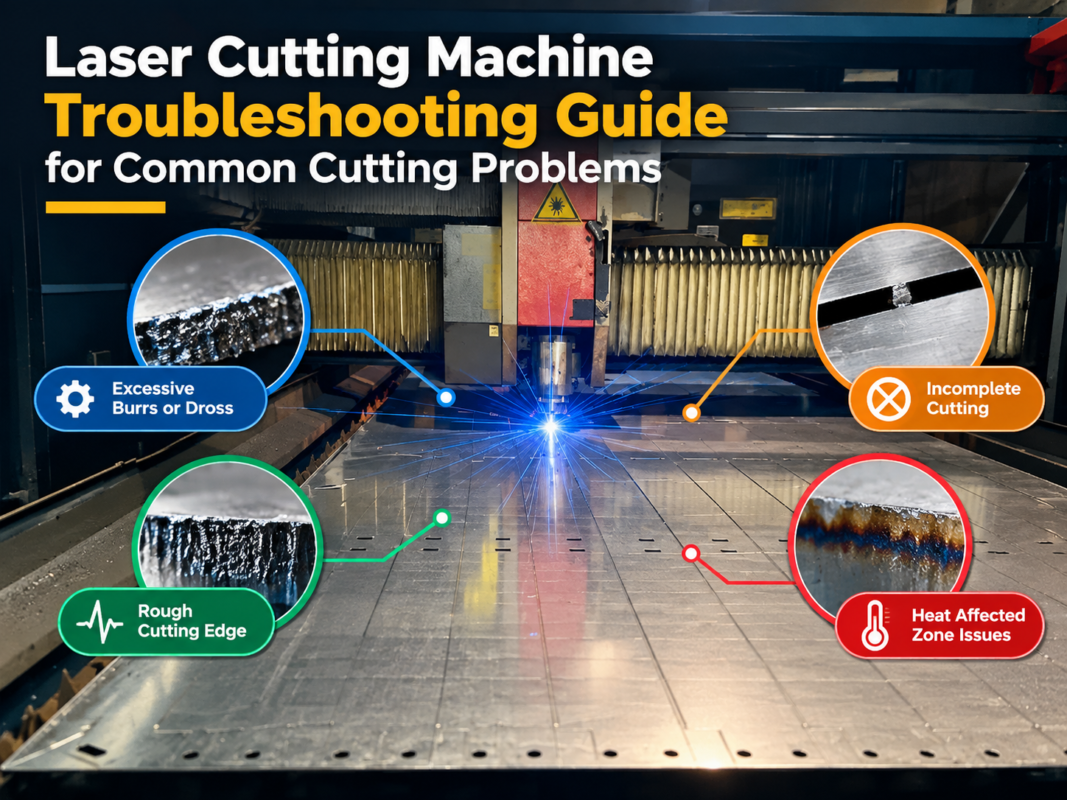
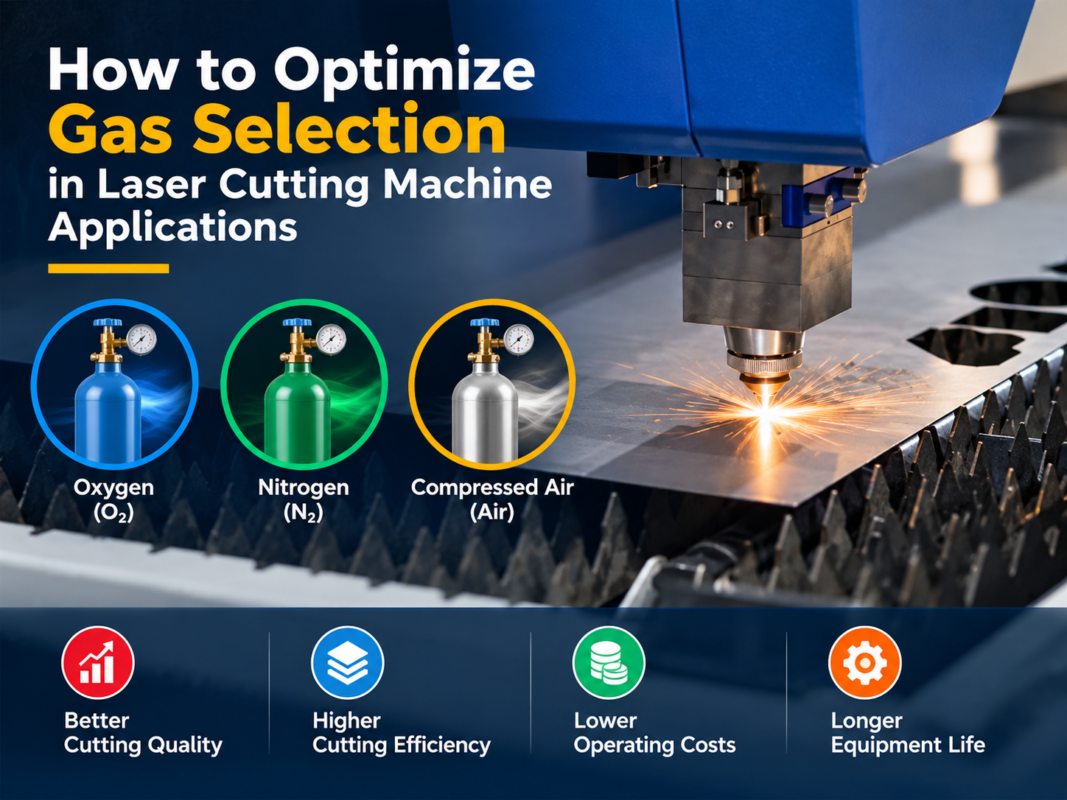
In medical manufacturing, the Heat-Affected Zone must be kept to an absolute minimum. A large HAZ can lead to micro-cracking or localized brittleness. Modern fiber lasers use high-frequency pulsing and optimized gas assists (such as high-purity oxygen or nitrogen) to blow away molten material instantly, leaving a clean edge with minimal thermal impact. This is particularly important for Nitinol, which relies on its shape-memory properties that can be destroyed by improper heat management.
Surface Finish and Burr-Free Cutting
Post-processing in the medical industry is expensive and time-consuming. Therefore, the goal of laser cutting is to produce a “near-net-shape” part that requires minimal deburring or polishing. The high beam quality of HARSLE laser systems ensures a smooth surface finish (Ra values) that meets the requirements for subsequent passivation or electropolishing. Eliminating burrs is critical, as any loose metal fragment could pose a significant risk during a surgical procedure.
Recommended Machine Configuration for Medical Fabrication
Fiber Laser Source Selection
For most medical applications, a fiber laser source ranging from 1kW to 3kW is ideal. While higher power is available, medical components are often thin, and the focus is on beam quality (M2 factor) rather than raw piercing power. Sources from reputable brands like IPG or Raycus are recommended for their stability and long-term reliability. For micro-applications, ultra-fast lasers (femtosecond or picosecond) may be used, but for general medical fabrication, a high-quality continuous wave (CW) fiber laser with pulsing capabilities is the industry standard.
High-Precision Motion Control
The machine frame must be exceptionally rigid to eliminate vibrations. Linear motors are often preferred over traditional rack-and-pinion systems for medical applications because they offer higher acceleration and sub-micron positioning accuracy. This ensures that complex curves and small holes are perfectly round and consistent across thousands of parts.
Specialized Cutting Heads and Nozzles
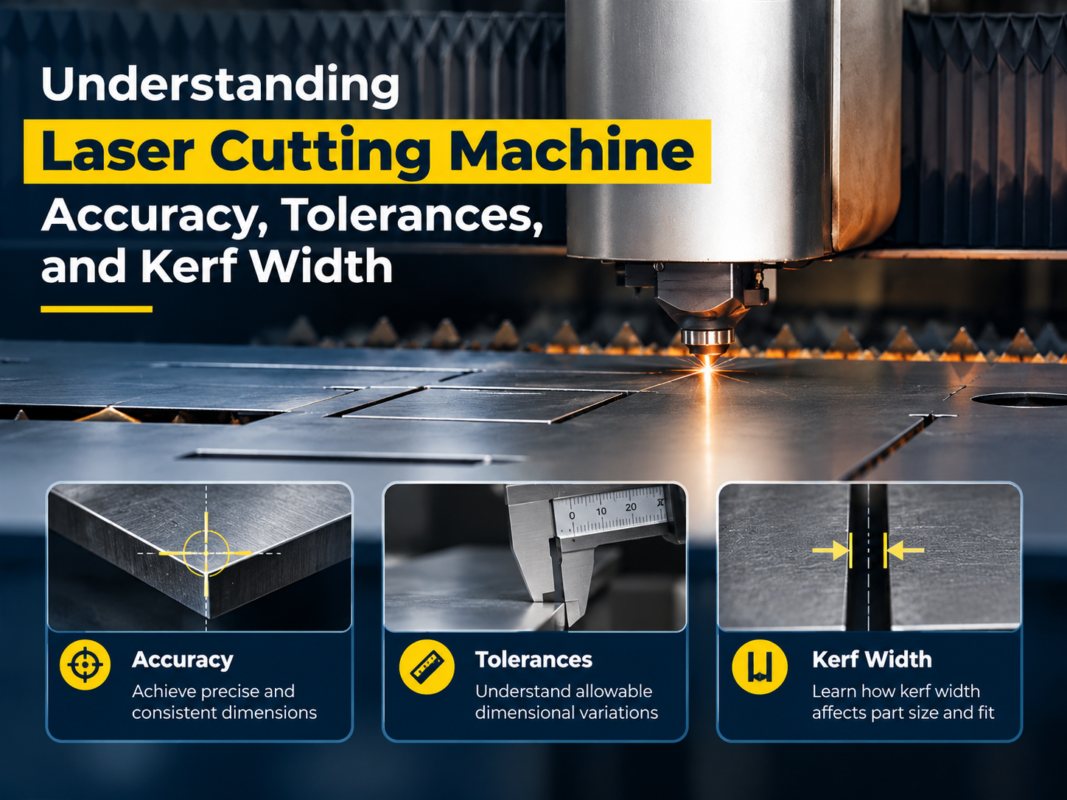
A small-diameter nozzle and a short focal length lens are typically used to achieve the smallest possible spot size. This allows for extremely narrow kerf widths, which is essential for the intricate designs found in cardiovascular stents and biopsy needles. Additionally, an automatic height sensing system is vital to maintain a constant standoff distance, especially when cutting curved surfaces or slightly warped thin sheets.
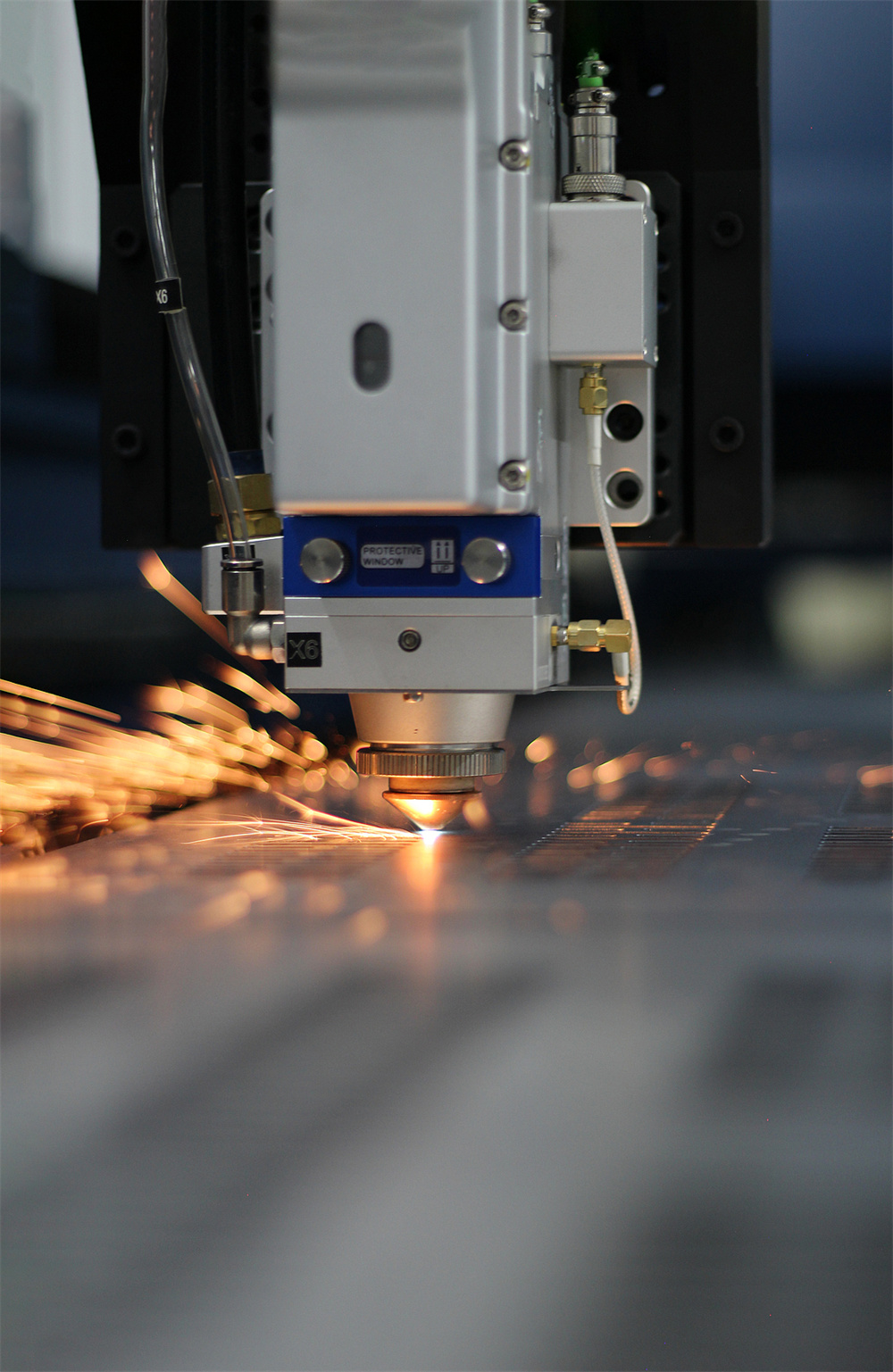
Workflow in Medical Device Laser Cutting
Step 1: CAD/CAM Design and Optimization
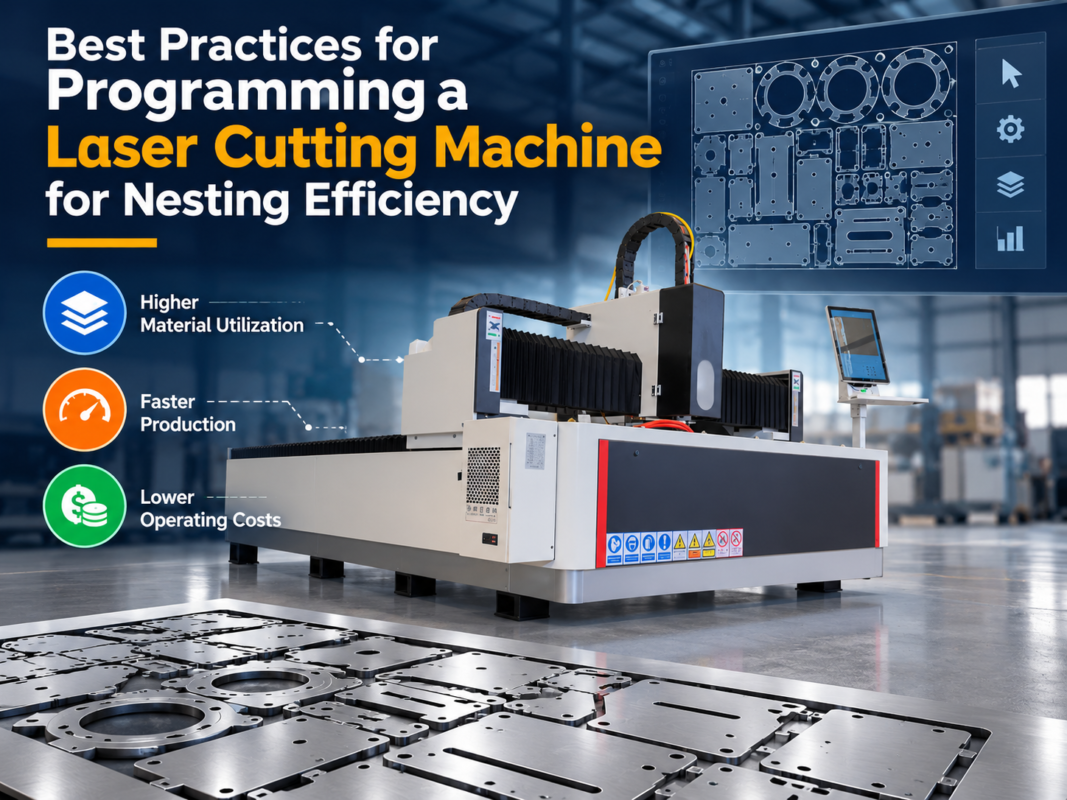
The process begins with a highly detailed 3D model. Engineers must account for the laser’s kerf width during the design phase. Specialized CAM software then converts these designs into G-code, optimizing the cutting path to minimize heat buildup in specific areas and maximize material utilization through nesting.
Step 2: Material Preparation and Loading
Medical-grade materials are often supplied with protective coatings or in high-precision tubes. The material must be cleaned of any oils or contaminants before being loaded into the machine. For tube cutting, a rotary axis (4th axis) is employed to rotate the workpiece while the laser head moves along its length.
Step 3: Parameter Calibration
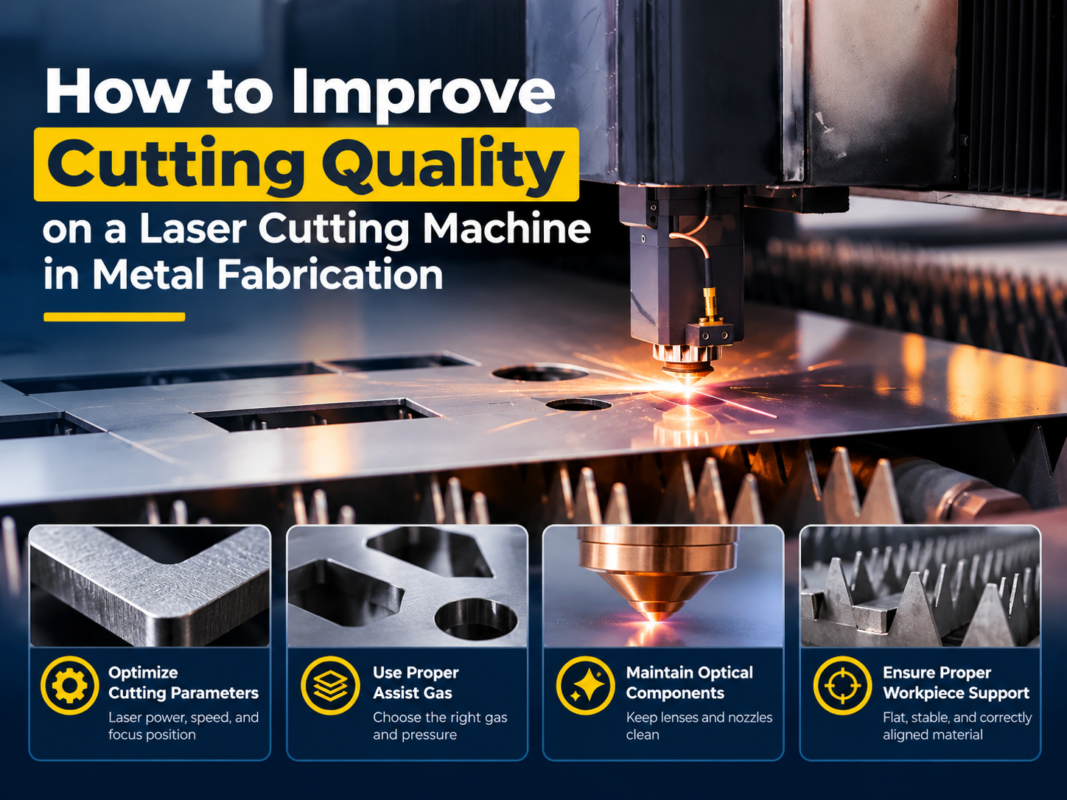
Before the full production run, technicians perform test cuts to calibrate the laser power, frequency, duty cycle, and gas pressure. For medical devices, these parameters are often locked in once validated to comply with ISO 13485 quality management standards.
Step 4: The Laser Cutting Process
The machine executes the programmed path. In many medical applications, “wet cutting” or specialized cooling techniques are used to further reduce the thermal footprint. The real-time monitoring system tracks the laser’s performance to ensure consistency from the first part to the last.
Step 5: Post-Processing and Quality Control
Once cut, parts undergo ultrasonic cleaning, chemical passivation (to improve corrosion resistance), and sometimes electropolishing. Quality control involves microscopic inspection and coordinate measuring machine (CMM) verification to ensure every dimension falls within the specified tolerances.
Productivity Benefits of Laser Technology
Unmatched Speed and Throughput
Compared to traditional EDM (Electrical Discharge Machining) or mechanical milling, Industrial Laser Cutting Machine Applications In Medical Device Fabrication offer significantly faster cycle times. A laser can cut complex patterns in seconds that would take minutes or hours using other methods. This high throughput is essential for meeting the global demand for medical supplies.
Flexibility and Rapid Prototyping
The medical field is constantly innovating. Laser cutting allows manufacturers to move from a digital design to a physical prototype in a matter of hours. There is no need for expensive custom tooling or dies, making it cost-effective to produce small batches of specialized instruments or to iterate on a design until it is perfected.
Reduced Material Waste
Medical-grade alloys like Titanium and Nitinol are extremely expensive. The narrow kerf of the laser and advanced nesting software allow manufacturers to pack parts tightly together on a single sheet, significantly reducing scrap rates and lowering the overall cost per part.
Case Example: Manufacturing Orthopedic Bone Plates
A leading medical device manufacturer recently transitioned from traditional CNC milling to a HARSLE Fiber Laser Cutting system for the production of titanium bone plates. The challenge was the high cost of milling bits, which wore out quickly when machining tough titanium, and the long setup times for different plate sizes.
By implementing the Industrial Laser Cutting Machine Applications In Medical Device Fabrication, the company achieved a 60% reduction in production time. The laser was able to cut the complex outer profiles and the internal screw holes in a single pass. Furthermore, the edge quality was so high that the secondary grinding stage was eliminated, moving the parts directly to the polishing phase. This shift not only saved on tool costs but also allowed the company to offer more customized plate designs to hospitals, improving their market competitiveness.
Frequently Asked Questions (FAQ)
1. What materials can be cut for medical devices?
The most common materials include 316L and 304 stainless steel, Grade 5 Titanium, Nitinol, and Cobalt-Chrome. Some specialized plastics used in medical housings can also be cut using CO2 lasers, though fiber lasers are preferred for metals.
2. How precise is an industrial laser cutting machine?
High-end industrial lasers can achieve positioning accuracies of ±0.01mm and repeatability of ±0.005mm. In micro-cutting applications, the kerf width can be as narrow as 0.02mm.
3. Does laser cutting affect the biocompatibility of the metal?
If performed correctly with the right gas assist and power settings, laser cutting does not change the bulk properties of the material. However, post-processing like passivation is usually required to restore the chromium oxide layer on stainless steels and ensure the part is fully biocompatible.
4. Can lasers cut thin-walled medical tubing?
Yes, by using a rotary axis, industrial lasers are the standard tool for cutting thin-walled tubes for stents, catheters, and endoscopic tools. This process is often called laser micro-machining.
5. Is laser cutting cost-effective for small batches?
Absolutely. Since laser cutting is a digital process that doesn’t require physical molds or specialized cutters, it is the most cost-effective method for small-scale production and prototyping in the medical industry.
6. What maintenance is required for these machines?
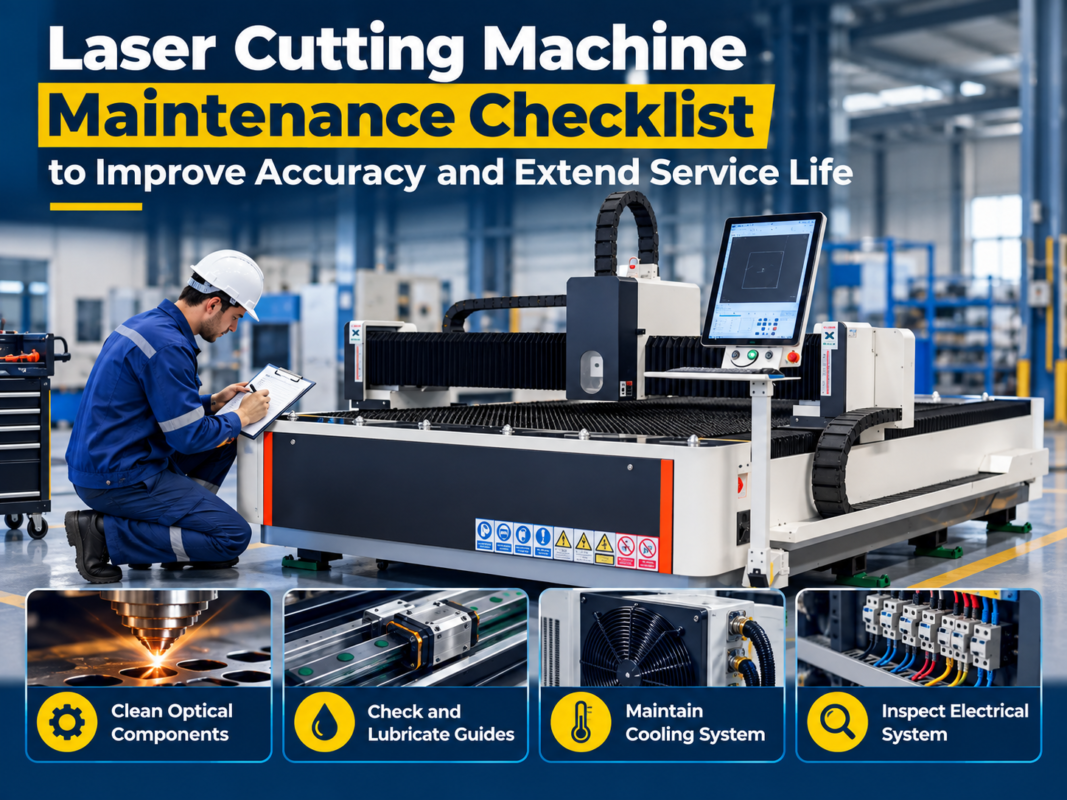
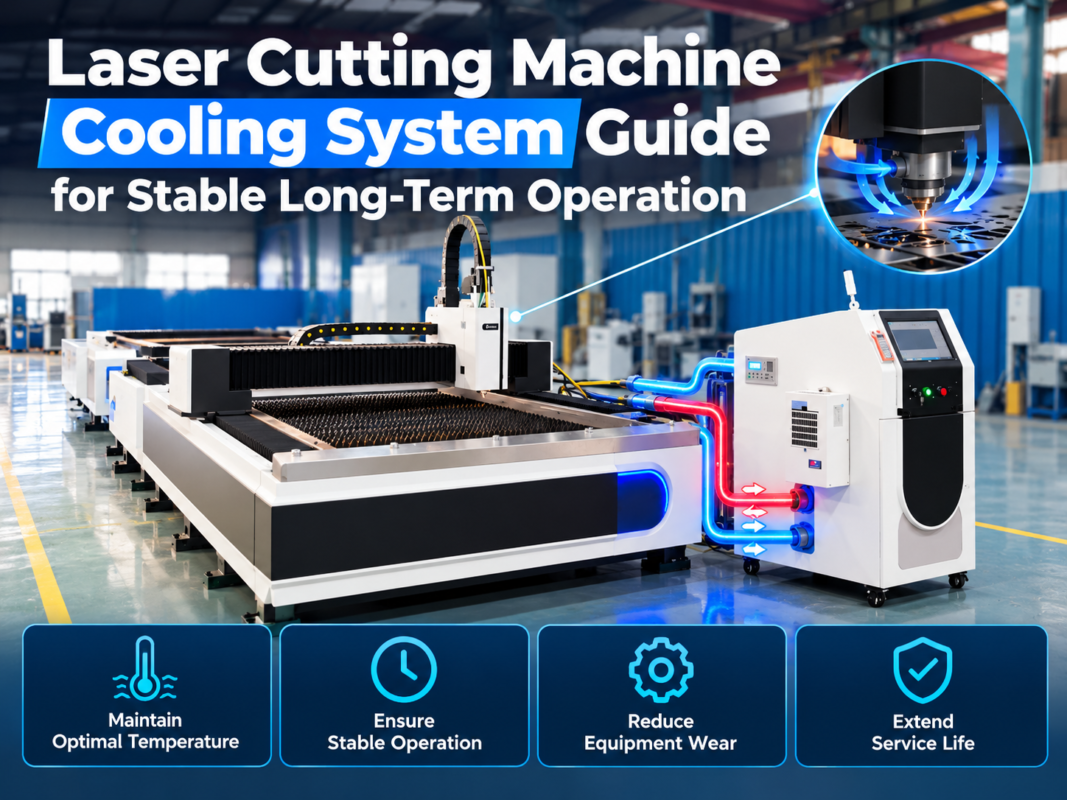
Regular maintenance includes cleaning the optics, checking the gas delivery system, ensuring the cooling unit is functioning, and calibrating the motion system. Fiber lasers are generally low-maintenance compared to older CO2 technology.
Conclusion: Choosing HARSLE for Medical Fabrication
The integration of Industrial Laser Cutting Machine Applications In Medical Device Fabrication has revolutionized the way medical components are designed and manufactured. The combination of extreme precision, material versatility, and high-speed production makes fiber lasers the cornerstone of modern medical engineering. As the industry continues to push the boundaries of what is possible in surgery and diagnostics, the role of advanced machinery becomes even more critical.
HARSLE is committed to providing the medical manufacturing sector with cutting-edge laser solutions that meet the highest standards of quality and efficiency. Our machines are designed to handle the rigors of medical-grade material fabrication, ensuring that your facility can produce life-saving devices with confidence and precision. Whether you are producing micro-stents or large-scale diagnostic equipment, HARSLE has the expertise and technology to support your goals.
Ready to elevate your medical device manufacturing capabilities? Contact HARSLE today to learn more about our industrial laser cutting solutions and how we can help you achieve unparalleled precision in your fabrication processes.