Laser Cutting Machine Uses in Shipbuilding and Marine Metalwork: A Comprehensive Industrial Guide


Introduction to Laser Cutting in the Maritime Industry
The shipbuilding and marine metalwork industry is undergoing a massive technological shift. Traditionally dominated by plasma and oxy-fuel cutting, the sector is now rapidly adopting high-power fiber laser technology. The demand for larger vessels, more efficient offshore structures, and precision-engineered marine components has made the Laser Cutting Machine Uses In Shipbuilding Marine Metalwork a central topic for modern shipyards. As global trade expands and the need for specialized vessels like LNG carriers and offshore wind farm support ships grows, the precision offered by HARSLE laser systems becomes indispensable.
In this comprehensive guide, we will explore how laser cutting machines are revolutionizing the way ships are built. From the initial hull construction to the intricate details of internal piping and deck equipment, laser technology provides a level of accuracy and speed that was previously unattainable. We will delve into the specific application scenarios, material requirements, and the technical configurations necessary to succeed in the demanding maritime environment.
Application Scenarios for Laser Cutting in Shipbuilding
The application of laser cutting in shipbuilding is vast, covering everything from massive structural plates to small, intricate brackets. One of the primary Laser Cutting Machine Uses In Shipbuilding Marine Metalwork is the fabrication of hull sections. Modern ship hulls require complex curvatures and precise edge preparation for welding. Fiber lasers, especially those equipped with 3D bevel cutting heads, allow shipbuilders to cut large steel plates with the necessary weld preparations (V, Y, or K-shaped bevels) in a single pass, significantly reducing the time spent on secondary grinding.
Beyond the hull, internal bulkheads and decks benefit immensely from laser precision. These components must fit perfectly to ensure the structural integrity of the vessel. Laser cutting ensures that every stiffener, girder, and plate is cut to exact specifications, minimizing the gaps that need to be filled during welding. This not only improves the strength of the ship but also reduces the overall weight by allowing for more optimized designs. In the offshore sector, laser cutting is used to fabricate components for oil rigs and wind turbine foundations, where the ability to cut high-strength, thick-section steel is critical.
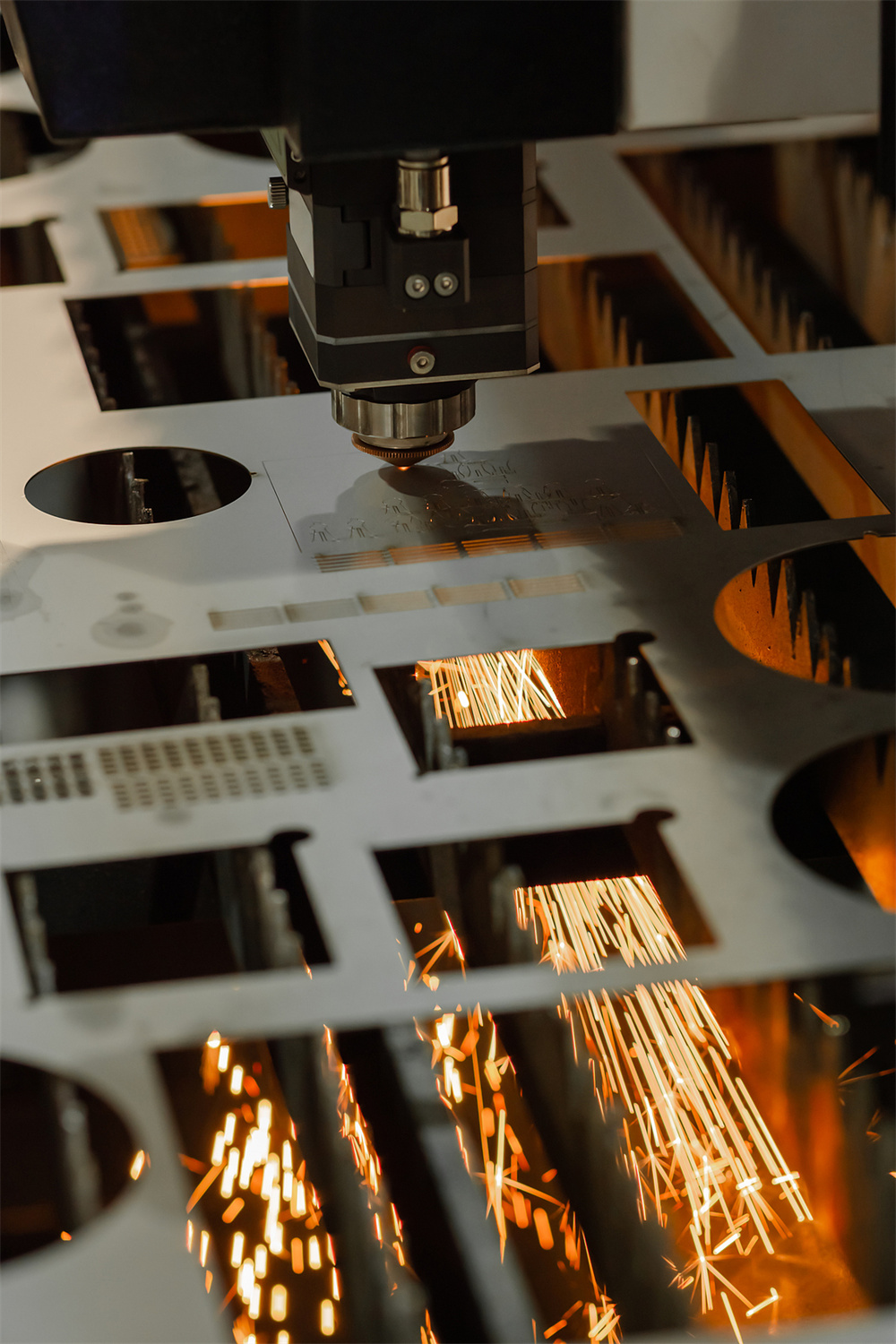
Another vital application is in the production of marine piping and ventilation systems. Ships are filled with complex networks of pipes for fuel, water, and waste. Laser tube cutting machines allow for the precise cutting and hole-punching of these pipes, ensuring easy assembly and leak-proof joints. Furthermore, the aesthetic and functional components of a ship, such as stainless steel railings, ladders, and galley equipment, are often produced using laser cutting to achieve a high-quality finish that resists the corrosive marine environment.
Material and Process Requirements for Marine Metalwork
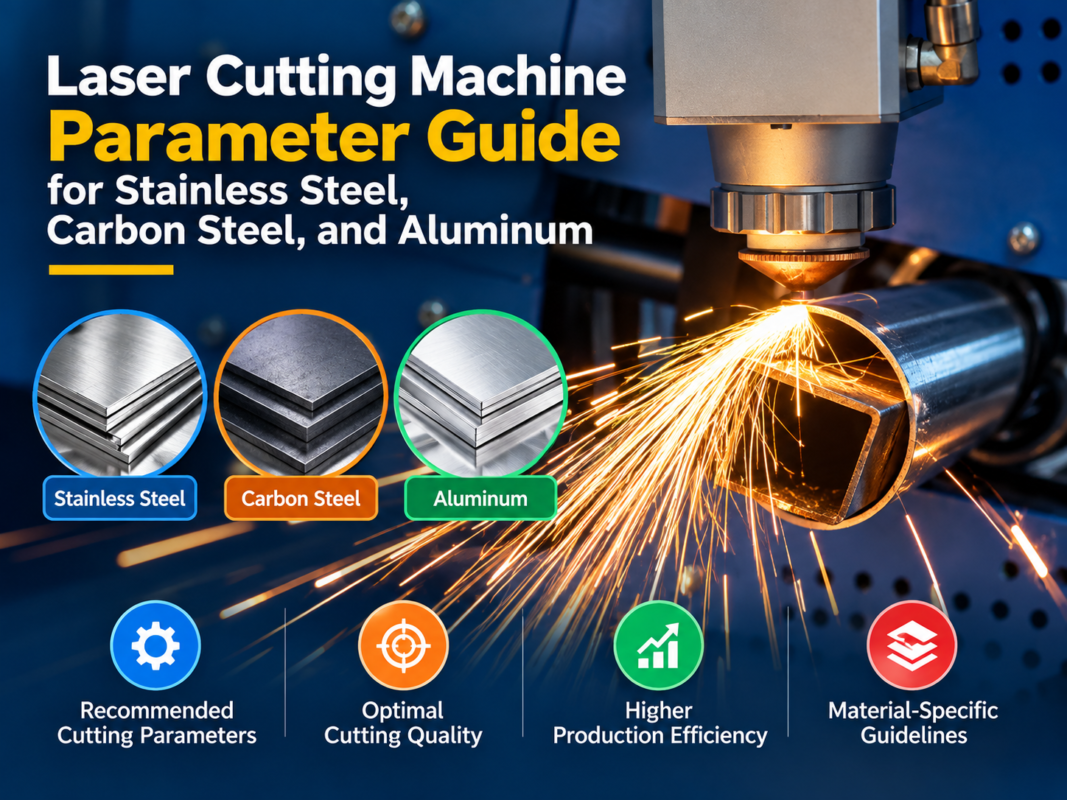
Shipbuilding involves a unique set of materials designed to withstand harsh saltwater environments and extreme mechanical stresses. The most common material is marine-grade carbon steel, such as AH36, DH36, and EH36. These high-strength steels are often thick, ranging from 10mm to over 50mm. Cutting these materials requires high-power fiber lasers (often 12kW to 40kW) to maintain speed and edge quality. The process must ensure minimal heat-affected zones (HAZ) to prevent the degradation of the steel’s mechanical properties, which is a significant advantage of laser cutting over plasma.
Aluminum alloys, particularly the 5000 and 6000 series, are also widely used in the construction of fast ferries, yachts, and the superstructures of larger ships. Aluminum is highly reflective and has high thermal conductivity, making it challenging to cut with traditional methods. However, modern fiber lasers with specialized beam parameters can cut through thick aluminum plates with ease, providing clean edges that require little to no post-processing. This is crucial for maintaining the lightweight benefits of aluminum in marine design.
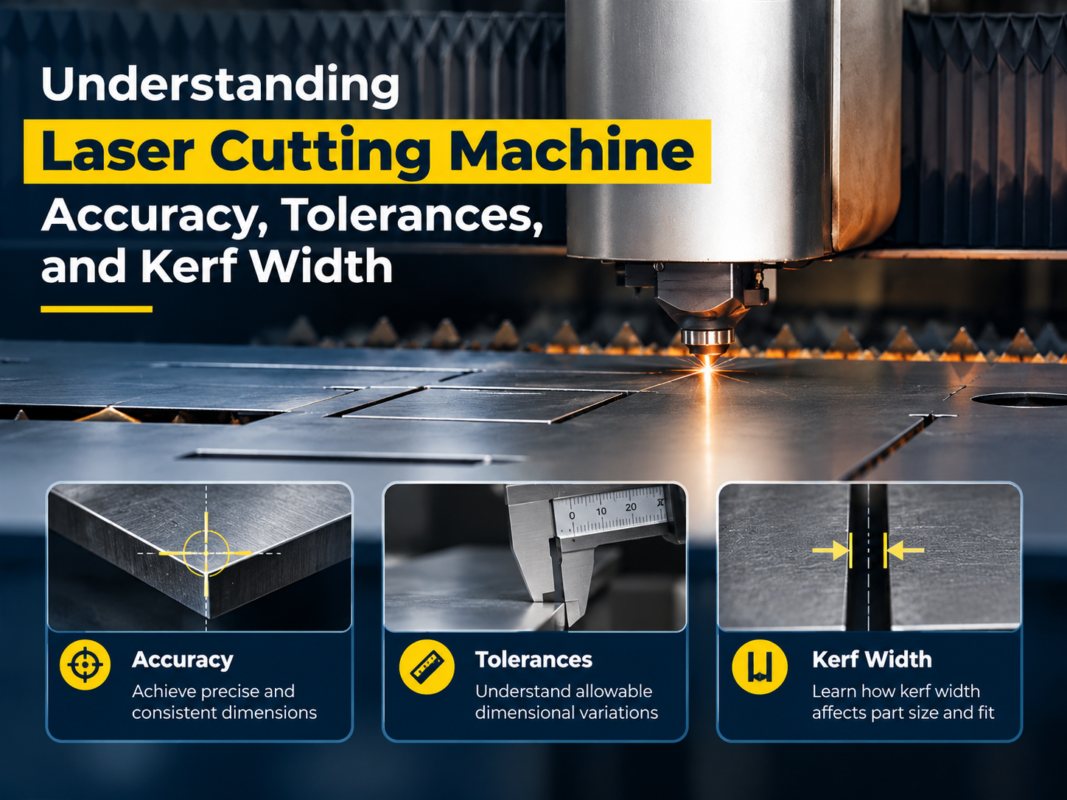
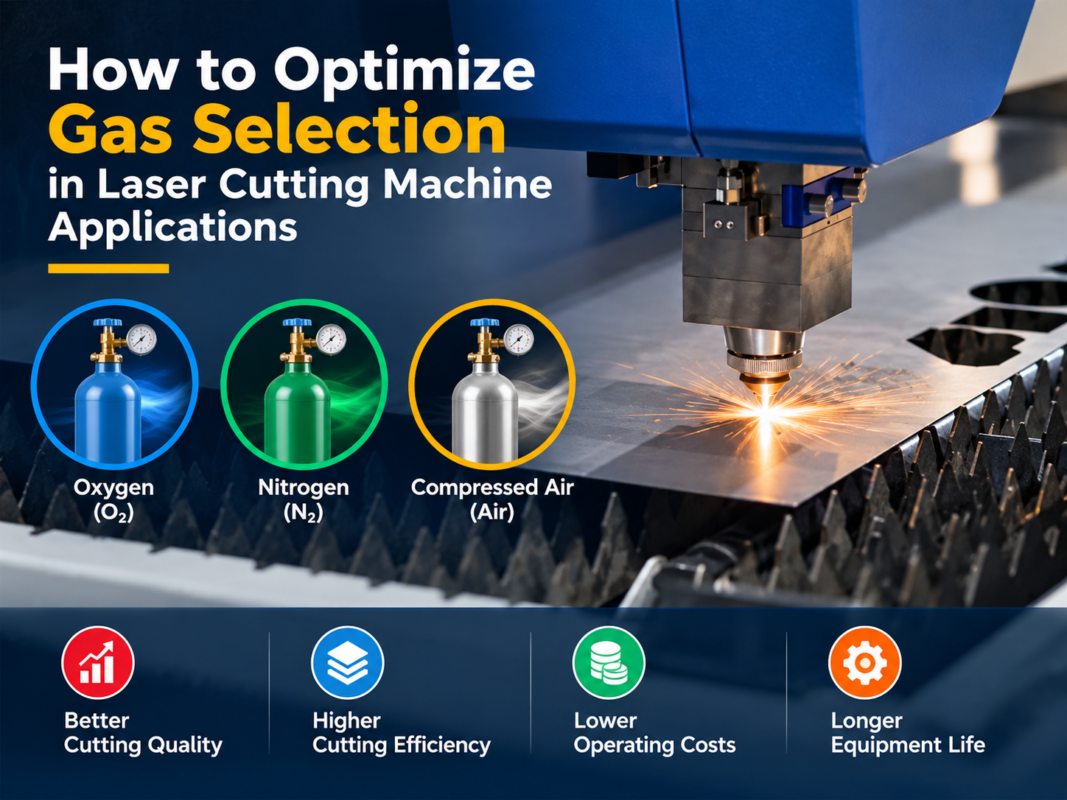
Stainless steel is another staple in marine metalwork, used for components that require high corrosion resistance. When cutting stainless steel for marine use, nitrogen is typically used as the assist gas to prevent oxidation of the cut edge. This ensures that the protective chromium oxide layer remains intact, preventing rust in salty air. The process requirements also include strict tolerances; in shipbuilding, a deviation of even a few millimeters over a 12-meter plate can lead to significant alignment issues during assembly. Laser cutting machines provide the sub-millimeter accuracy needed to avoid these costly errors.
Recommended Machine Configuration for Shipyards
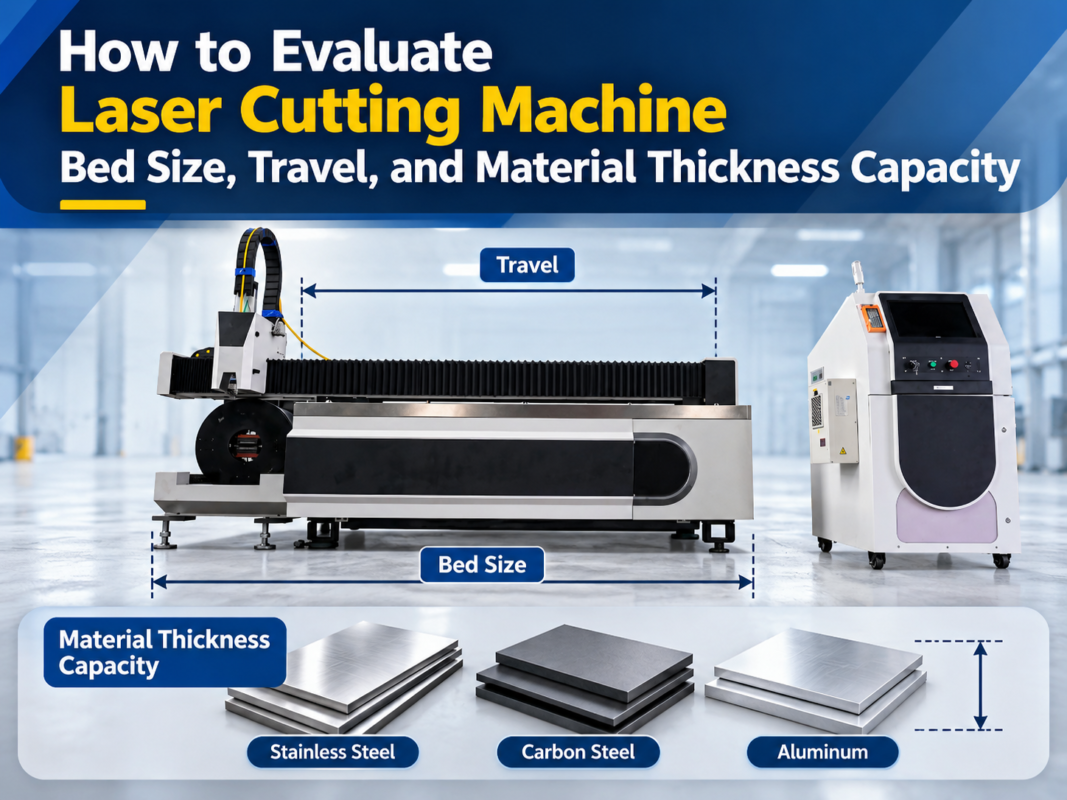
To handle the scale and complexity of maritime projects, a specific machine configuration is required. For Laser Cutting Machine Uses In Shipbuilding Marine Metalwork, HARSLE recommends a large-format fiber laser cutting machine. These machines often feature beds that are 3 meters wide and 12 to 24 meters long, allowing for the processing of full-size shipyard plates without the need for repositioning. This increases throughput and ensures the continuity of long cuts.
- Laser Power: A minimum of 12kW is recommended for general shipbuilding, while 20kW to 40kW is ideal for heavy-duty hull plating. Higher power allows for faster cutting speeds on thick materials and the ability to use air or nitrogen for thicker sections, reducing gas costs.
- Bevel Cutting Head: A 5-axis or 3D bevel cutting head is essential. This allows the machine to cut angles up to 45 degrees, which is necessary for creating the weld joints required by international maritime standards.
- Heavy-Duty Bed Design: The machine frame must be exceptionally rigid to support the weight of massive steel plates. A hollow-structure bed with high-temperature annealing ensures long-term stability and precision under heavy loads.
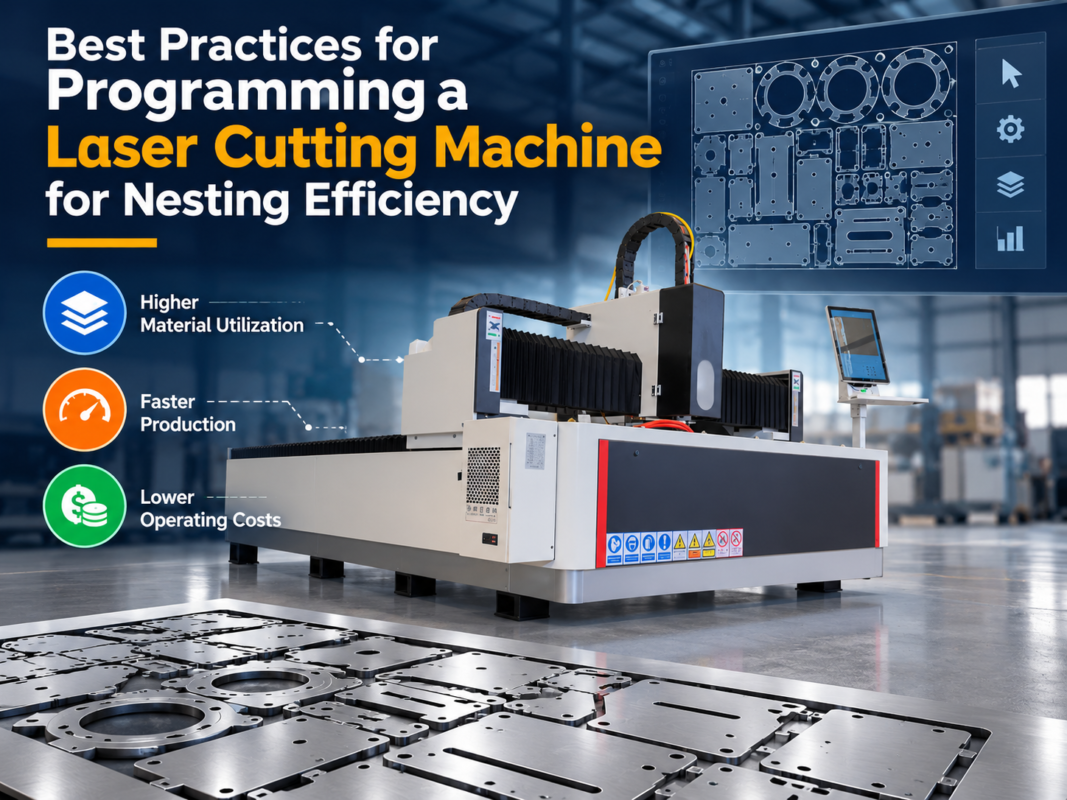
- Advanced Control System: Systems like FSCUT or Beckhoff, integrated with specialized nesting software, are vital. They allow for the efficient layout of parts to minimize material waste, which is a significant cost factor in large-scale shipbuilding.
- Dust and Fume Extraction: Given the volume of material being cut, a high-capacity zoned dust extraction system is necessary to maintain a safe working environment and protect the machine’s optical components.
The Workflow: From CAD to Finished Marine Component
The workflow in a laser-equipped shipyard begins with the design phase. Naval architects create complex 3D models of the vessel using CAD software. These models are then broken down into individual flat patterns. The Laser Cutting Machine Uses In Shipbuilding Marine Metalwork workflow relies heavily on sophisticated nesting software. This software takes the thousands of parts required for a ship and arranges them on the steel plates to maximize material utilization. In shipbuilding, where material costs can represent 30-50% of the total build cost, even a 5% improvement in nesting efficiency can save millions of dollars.
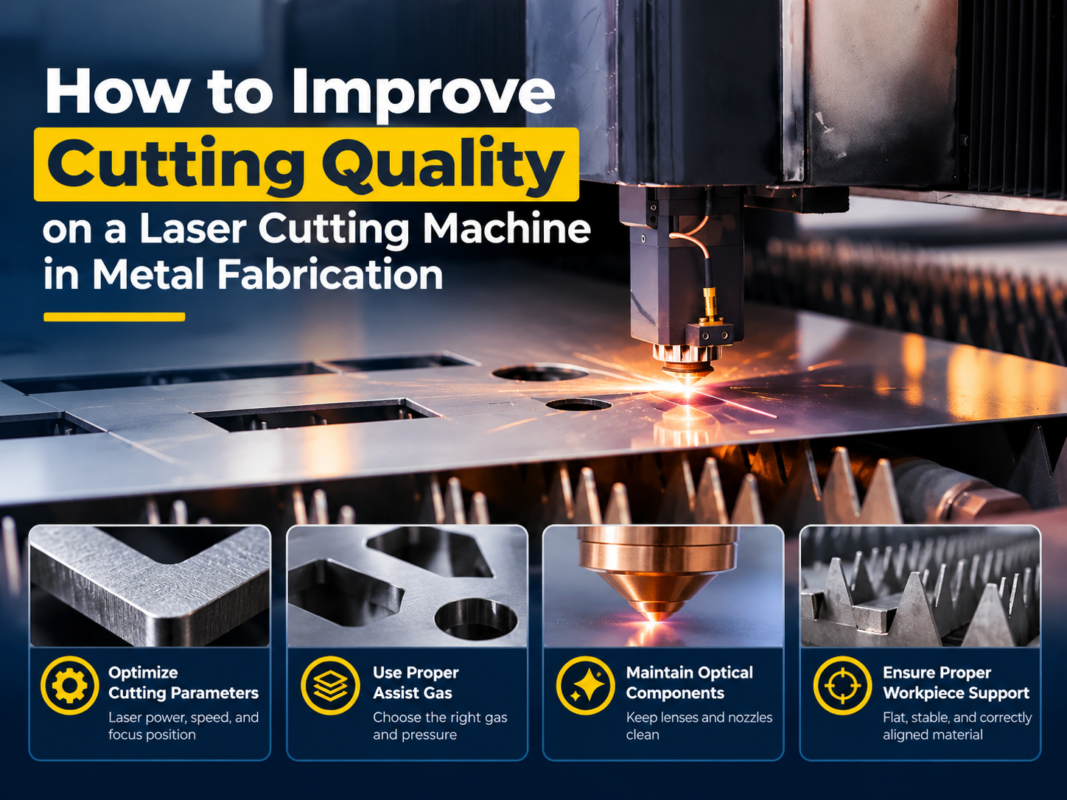
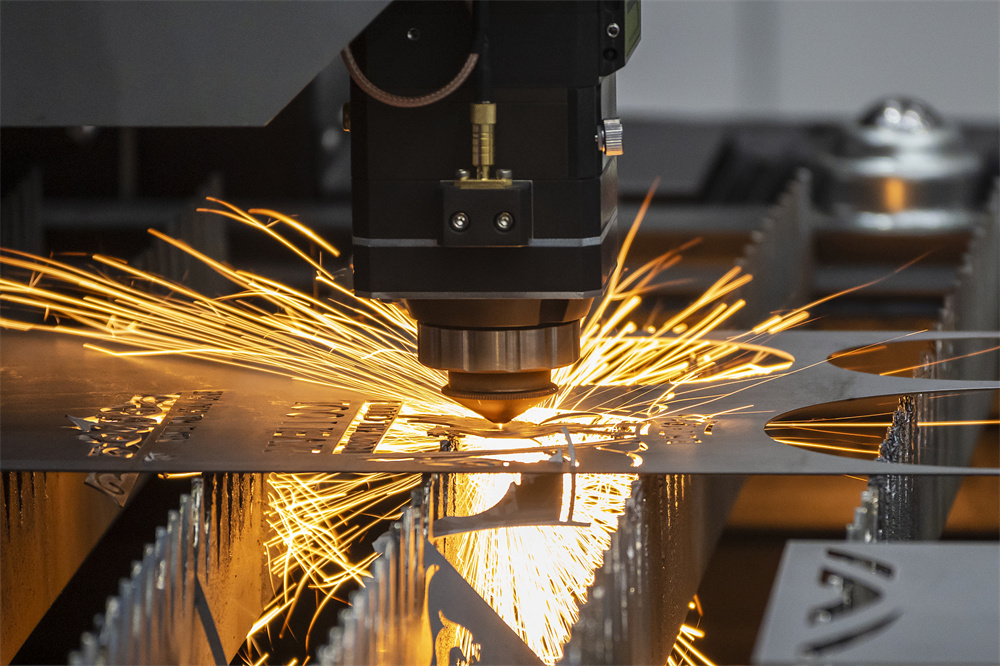
Once the nesting is complete, the CNC code is sent to the laser cutting machine. The material is loaded onto the bed, often using overhead cranes or automated vacuum lifters. The operator selects the appropriate cutting parameters based on the material type and thickness. For thick marine steel, the machine may use a “blast piercing” technique to quickly penetrate the plate before beginning the cut. During the cutting process, the laser’s height sensor maintains a constant distance from the plate, even if the plate is slightly warped, ensuring a consistent cut quality.
After cutting, the parts are labeled and sorted. Because laser cutting produces such clean edges, many parts can go directly to the welding station. This “just-in-time” fabrication approach reduces the need for large storage areas for work-in-progress. Quality control is integrated into the workflow, with many modern machines featuring onboard cameras or sensors that can verify the dimensions of the cut parts against the original CAD drawing in real-time.
Productivity Benefits of Laser Cutting in Shipbuilding
The transition to laser cutting offers transformative productivity benefits for shipyards. The most immediate benefit is speed. Compared to traditional plasma cutting, fiber lasers can be 2 to 5 times faster on thin to medium-thickness materials. Even on thick plates, the superior edge quality of the laser means that the time-consuming process of grinding and edge cleaning is virtually eliminated. This allows the shipyard to move parts through the fabrication shop much faster, shortening the overall build cycle of the vessel.
Accuracy is another major driver of productivity. In traditional shipbuilding, “fit-up” issues are common, where parts do not align perfectly during assembly, requiring manual trimming or excessive welding. Laser cutting provides such high precision that parts fit together like a jigsaw puzzle. This not only speeds up the assembly process but also results in higher-quality welds with less distortion. Furthermore, the reduced heat input of the laser means that the plates themselves are less likely to warp during the cutting process, maintaining the flatness required for automated welding systems.
| Feature | Plasma Cutting | Fiber Laser Cutting |
|---|---|---|
| Precision | Moderate (±0.5mm – 1.0mm) | High (±0.05mm – 0.1mm) |
| Heat Affected Zone | Large | Minimal |
| Cutting Speed (10mm Steel) | Moderate | Very High |
| Operating Cost | Higher (Consumables) | Lower (Energy Efficient) |
| Edge Quality | Rough (Needs Grinding) | Smooth (Ready for Weld) |
Material savings also contribute to the bottom line. The narrow kerf (width of the cut) of a laser allows for tighter nesting of parts. Additionally, the ability to cut complex shapes and small holes that plasma cannot handle means that more components can be integrated into a single cut part, reducing the total number of parts and the amount of welding required. Over the course of a large project, these efficiencies lead to significant cost reductions and a more competitive position in the global shipbuilding market.
Case Example: Modernizing a Mediterranean Shipyard
A prominent shipyard in the Mediterranean recently faced the challenge of increasing their production capacity for luxury yachts and specialized research vessels. Their existing plasma cutting equipment was creating a bottleneck; the edges were too rough for the high-end finish required, and the thermal distortion was causing issues with the aluminum superstructures. They turned to HARSLE for a solution, implementing a 20kW large-format fiber laser cutting machine with a 12-meter bed and a 3D bevel head.
The results were immediate. The shipyard reported a 40% reduction in the time required to fabricate hull sections. The 3D bevel head allowed them to automate the edge preparation for welding, which was previously a manual task. For the aluminum components, the laser provided a clean, dross-free cut that eliminated the need for secondary finishing. This not only improved the aesthetic quality of the yachts but also significantly reduced labor costs. The shipyard was able to take on more complex projects and meet tighter deadlines, ultimately increasing their annual revenue by 25% within the first year of operation.
Future Trends in Marine Laser Cutting
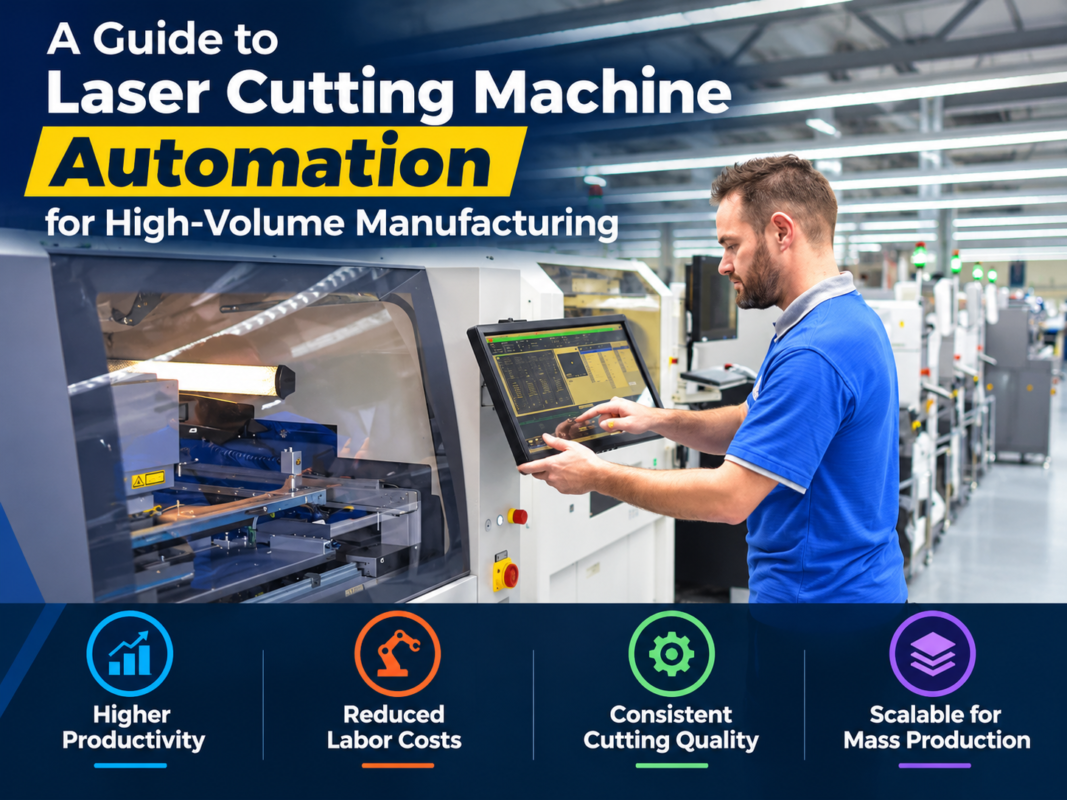
The future of Laser Cutting Machine Uses In Shipbuilding Marine Metalwork is closely tied to automation and digitalization. We are seeing the rise of “Smart Shipyards” where laser cutting machines are integrated into a fully digital manufacturing ecosystem. This includes the use of AI-driven nesting algorithms that can predict material usage and optimize cutting paths in real-time. Furthermore, the integration of robotic loading and unloading systems is becoming more common, allowing for 24/7 lights-out operation.
Another trend is the increasing power of fiber lasers. As 60kW and even 100kW lasers become commercially viable, the ability to cut the thickest armor plating for naval vessels or massive structural components for deep-sea platforms will become faster and more efficient. We are also seeing advancements in “green” shipbuilding, where the energy efficiency of fiber lasers compared to older technologies helps shipyards reduce their carbon footprint, aligning with global environmental regulations.
FAQ: Laser Cutting in the Maritime Industry
What is the maximum thickness a laser can cut for shipbuilding?
With current technology, high-power fiber lasers (30kW-40kW) can effectively cut carbon steel up to 50mm-70mm and stainless steel or aluminum up to 40mm-50mm. For most shipbuilding applications, which typically use plates between 10mm and 30mm, a 20kW laser is more than sufficient for high-speed, high-quality production.
How does the salty marine environment affect the laser machine?
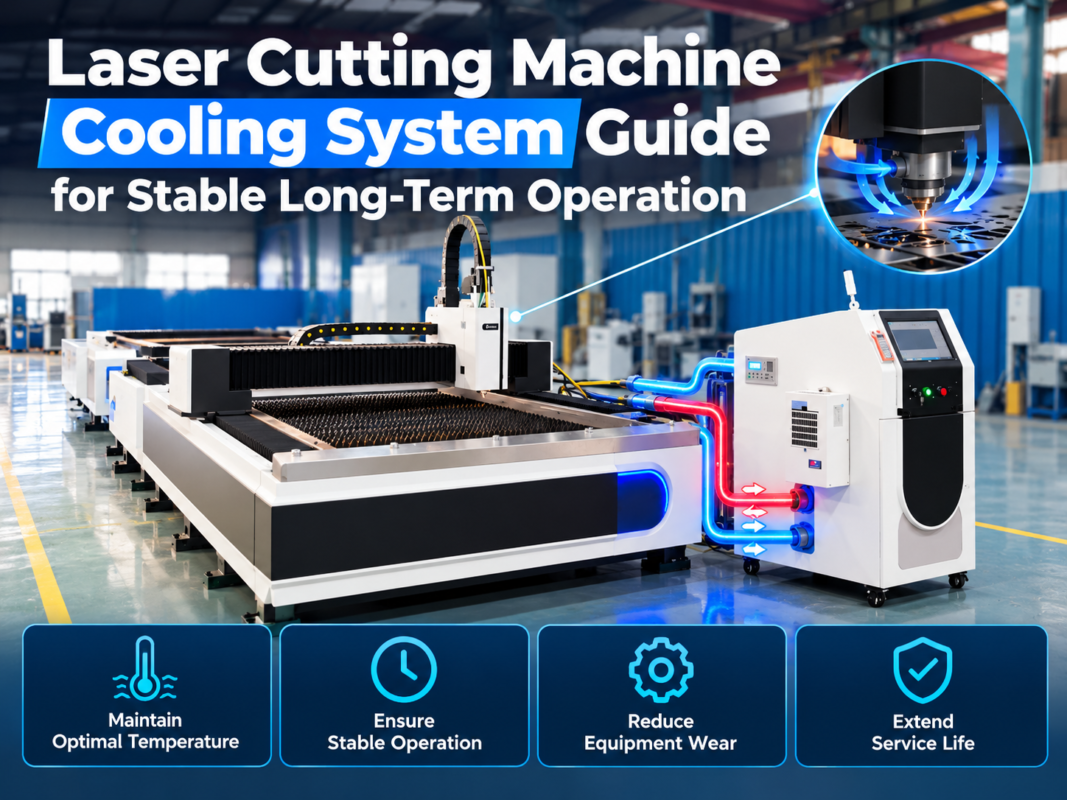
Shipyards are notoriously harsh environments. To protect the laser machine, HARSLE uses sealed electrical cabinets with industrial air conditioning, specialized coatings on mechanical components to prevent corrosion, and advanced filtration systems for the laser source and optics. Regular maintenance and a clean, climate-controlled room for the laser source are recommended.
Can laser cutting replace plasma cutting entirely in a shipyard?
While laser cutting is superior for most applications, plasma cutting still has a place for extremely thick materials (over 80mm) or where high precision is not required and initial investment costs need to be kept very low. However, for modern, efficient shipbuilding, the laser is becoming the primary tool, with plasma relegated to secondary or very specific heavy-duty tasks.
Is specialized training required for shipyard workers?
Yes, operating a high-power fiber laser requires specific training in CNC programming, laser safety, and machine maintenance. However, modern control systems are very intuitive, and HARSLE provides comprehensive training packages to ensure that shipyard staff can transition from older technologies to laser cutting smoothly and safely.
Conclusion and CTA
The Laser Cutting Machine Uses In Shipbuilding Marine Metalwork are diverse and transformative. By providing unmatched precision, speed, and material efficiency, fiber lasers have become the cornerstone of modern maritime fabrication. Whether you are building luxury yachts, massive container ships, or offshore energy platforms, the right laser cutting solution can significantly enhance your productivity and competitive edge.
At HARSLE, we specialize in providing high-power, large-format laser cutting solutions tailored to the unique needs of the shipbuilding industry. Our machines are built to withstand the rigors of the shipyard while delivering the precision your projects demand. Contact HARSLE today to speak with our technical experts and discover how our laser cutting technology can navigate your business toward a more efficient and profitable future.