Precision Laser Cutting for Elevator and Elevator Component Manufacturing: The Ultimate Guide


Introduction to Precision Laser Cutting in the Elevator Industry
The elevator industry is a cornerstone of modern urban infrastructure, demanding the highest standards of safety, aesthetic appeal, and structural integrity. As buildings reach new heights, the complexity of elevator systems increases, necessitating advanced manufacturing techniques. Precision Laser Cutting Elevator Elevator Component Manufacturing has emerged as the gold standard for producing the intricate parts required for modern lift systems. From the sleek stainless steel panels of a luxury hotel elevator to the heavy-duty structural brackets of a freight lift, laser technology provides the versatility and accuracy that traditional mechanical methods simply cannot match.
In this comprehensive guide, we will explore how precision laser cutting transforms the production of elevator components. We will delve into the specific application scenarios, the rigorous material requirements, and the ideal machine configurations that allow manufacturers to stay competitive in a demanding global market. By the end of this article, you will understand why investing in high-quality laser cutting machinery is essential for any manufacturer looking to excel in the elevator sector.
Application Scenarios for Elevator Component Manufacturing
The manufacturing of an elevator involves a diverse array of components, each with unique geometric and functional requirements. Precision laser cutting is utilized across almost every stage of the fabrication process. One of the most prominent applications is the production of elevator car panels. These panels, often made from decorative stainless steel, require clean edges and precise dimensions to ensure a seamless fit during assembly. Laser cutting allows for the creation of intricate patterns, ventilation slots, and cutouts for lighting fixtures without distorting the material.
Another critical application is the fabrication of elevator doors and frames. These components must be perfectly square and dimensionally accurate to ensure smooth operation and safety. Any slight deviation can lead to mechanical failure or noise during operation. Precision laser cutting ensures that door skins and internal reinforcements are cut to exact specifications, facilitating easier welding and assembly. Furthermore, the technology is used for manufacturing control panels and signal fixtures, where small, precise holes for buttons and displays are required.
Beyond the visible components, laser cutting is vital for the structural elements of the elevator system. This includes guide rail brackets, counterweight frames, and motor mounts. These parts are typically made from thicker carbon steel and require high-power lasers to achieve clean cuts through heavy gauges. The ability to cut complex shapes in thick materials allows engineers to design more efficient and lighter structural components, reducing the overall weight of the elevator system and improving energy efficiency.
Decorative and Aesthetic Components
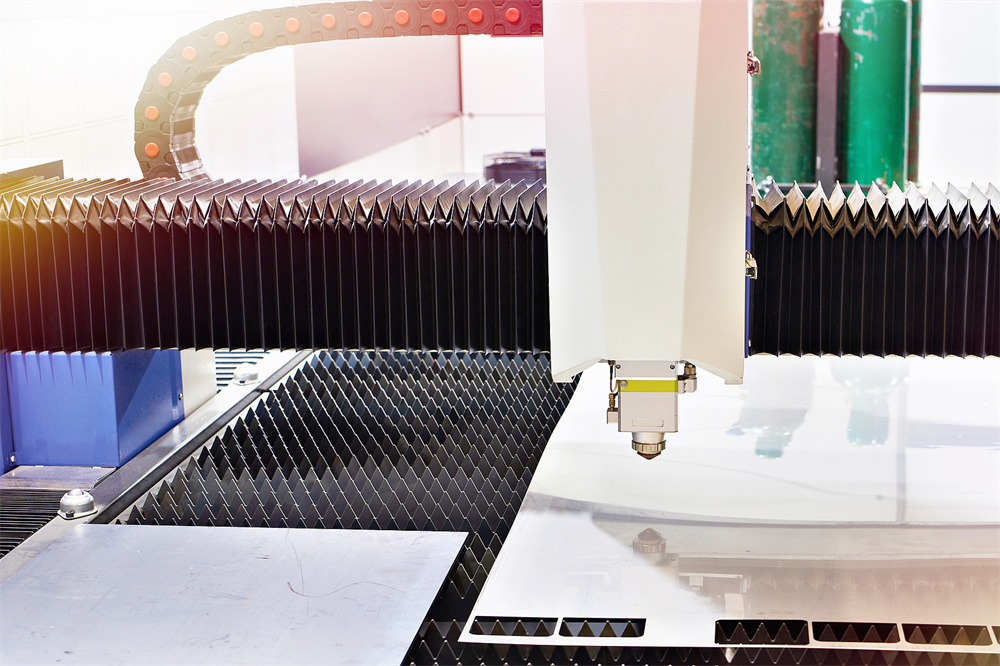
In the luxury elevator segment, aesthetics are as important as functionality. Manufacturers often use etched, mirrored, or textured stainless steel. Traditional cutting methods can damage these sensitive surfaces. Precision laser cutting, particularly when using fiber laser technology, allows for cutting through protective films without leaving burrs or heat-affected zones that could ruin the finish. This capability is essential for creating the high-end look expected in modern commercial and residential buildings.
Safety and Structural Integrity
Safety is the paramount concern in elevator manufacturing. Components like safety gear housings and governor parts must be manufactured with zero defects. Laser cutting provides the repeatability necessary to ensure that every part produced meets the stringent safety standards of the industry. The high level of automation in modern CNC laser machines reduces the risk of human error, ensuring that every bracket and support is identical to the digital design.
Material and Process Requirements
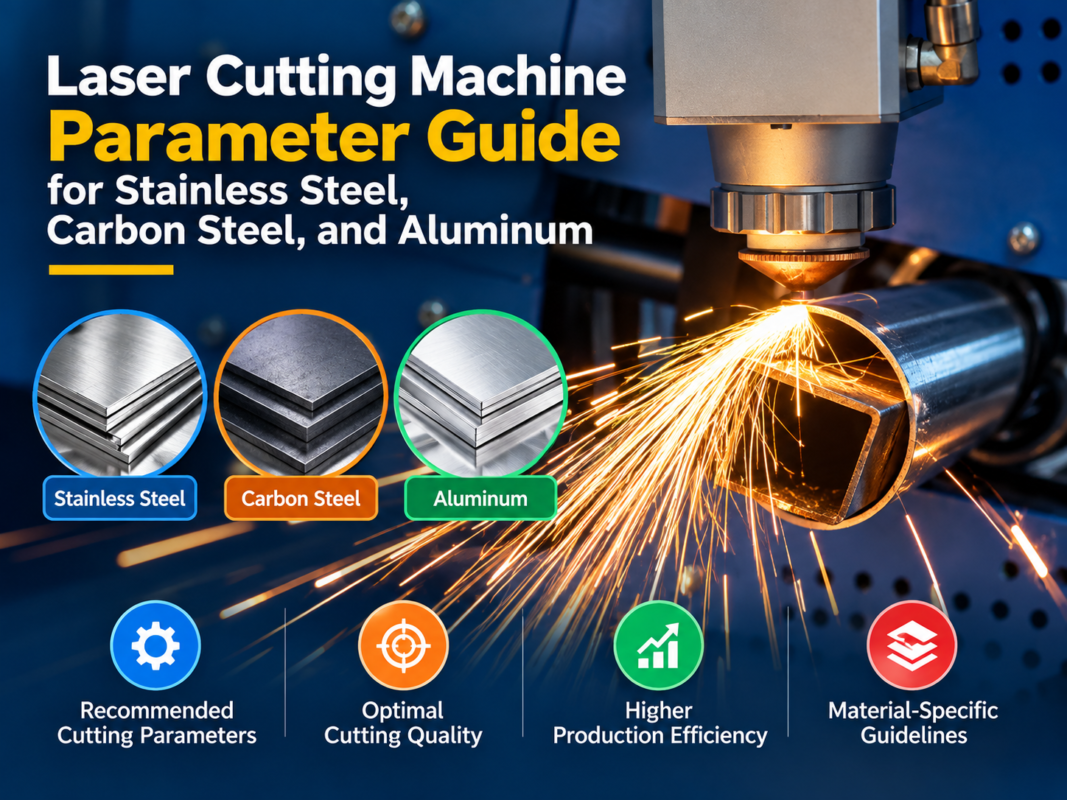
The elevator industry utilizes a wide range of materials, each presenting its own set of challenges for fabrication. Stainless steel is the most common material for visible surfaces due to its durability and corrosion resistance. Grades such as 304 and 316 are standard, often in thicknesses ranging from 0.5mm to 3.0mm for panels. For structural components, carbon steel (Q235 or Q355) is frequently used, with thicknesses often exceeding 10mm or even 20mm for heavy-duty brackets.
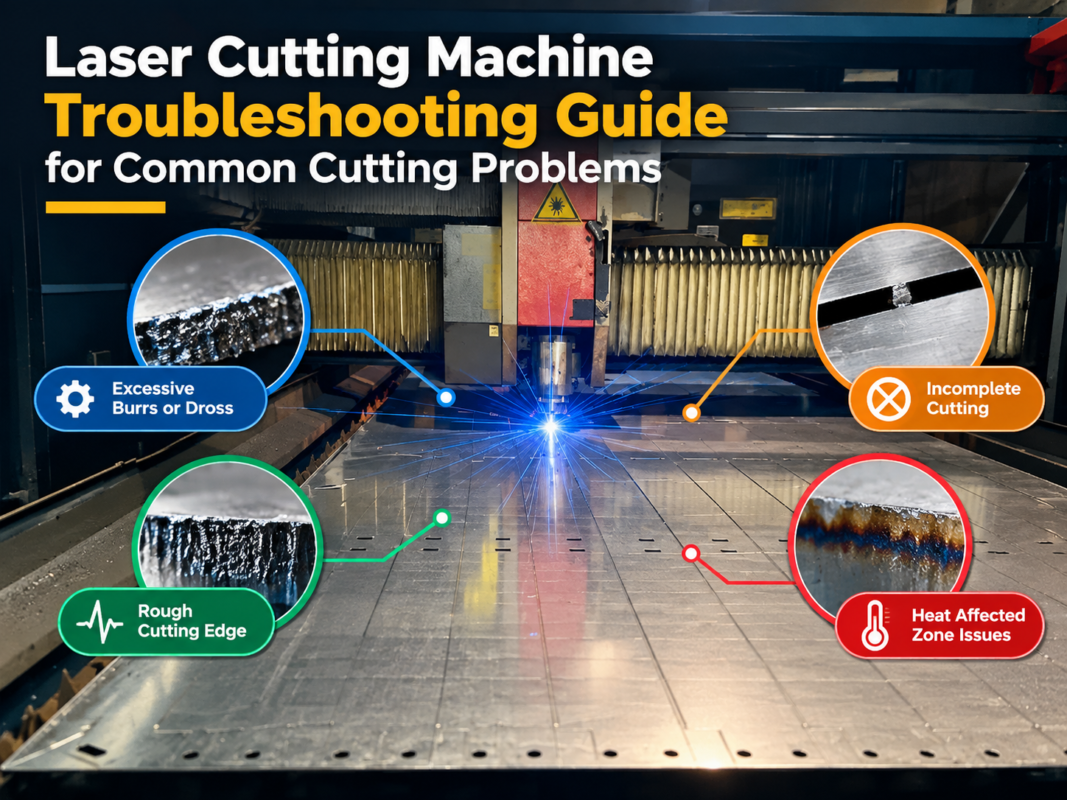
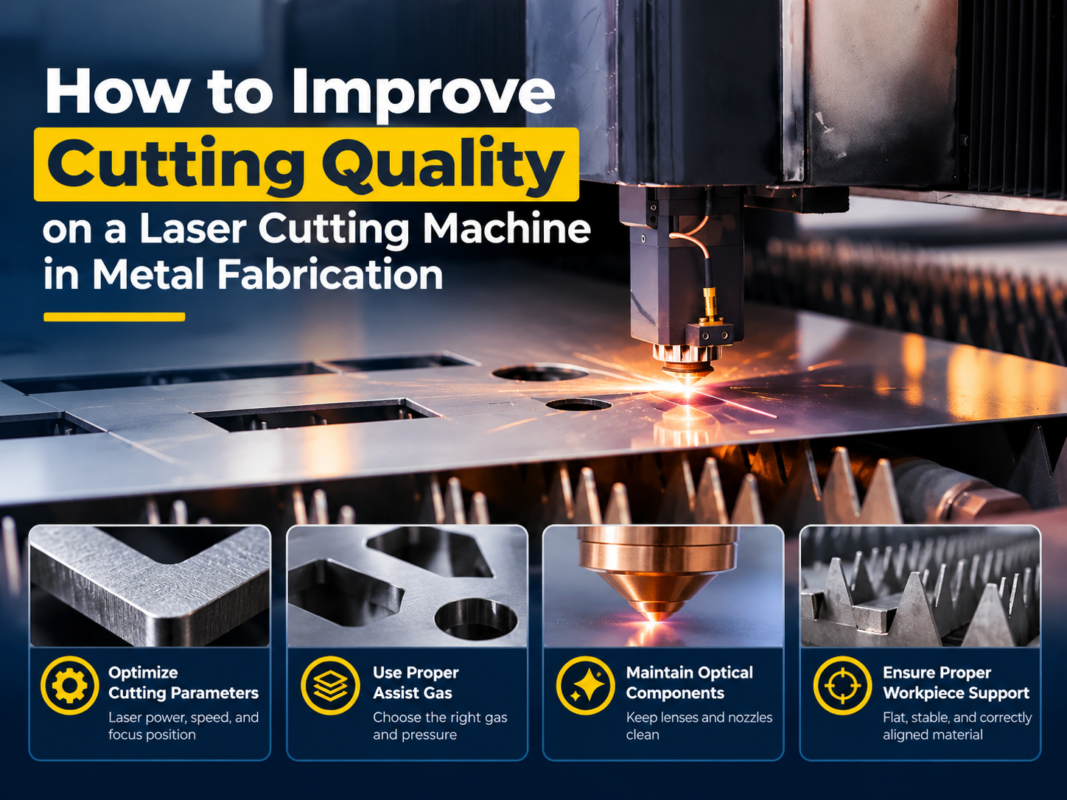
One of the primary process requirements in Precision Laser Cutting Elevator Elevator Component Manufacturing is the management of heat. Excessive heat can cause warping, especially in thin stainless steel panels. Modern fiber lasers offer excellent beam quality and high energy density, allowing for faster cutting speeds which minimize the heat-affected zone (HAZ). This ensures that the panels remain flat and the edges remain sharp, reducing the need for secondary finishing processes like grinding or straightening.
Surface Protection and Edge Quality
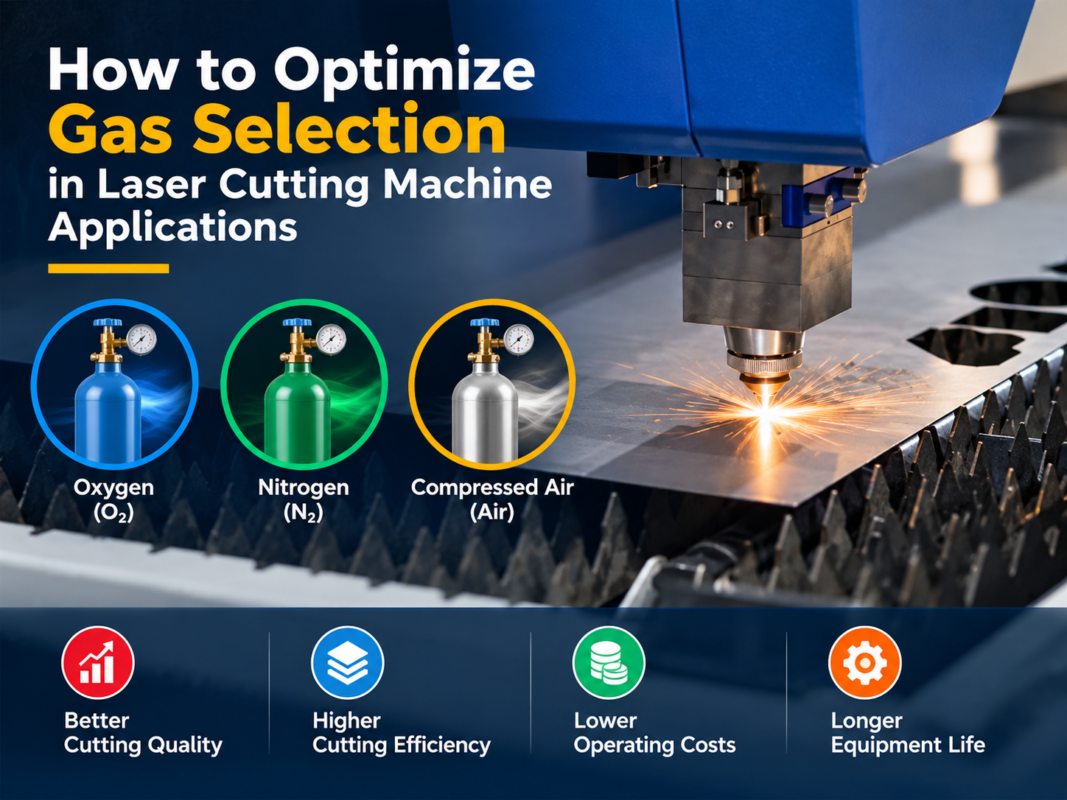
Elevator panels are often pre-finished with mirror or hairline textures. To protect these surfaces during the manufacturing process, they are covered with a laser-compatible plastic film. The laser must be able to cut through both the film and the metal in a single pass without melting the film onto the metal surface. This requires precise control over the laser’s pulse frequency and gas pressure. Nitrogen is typically used as the assist gas for stainless steel to prevent oxidation and ensure a bright, clean edge that requires no further treatment.
Tolerance and Repeatability
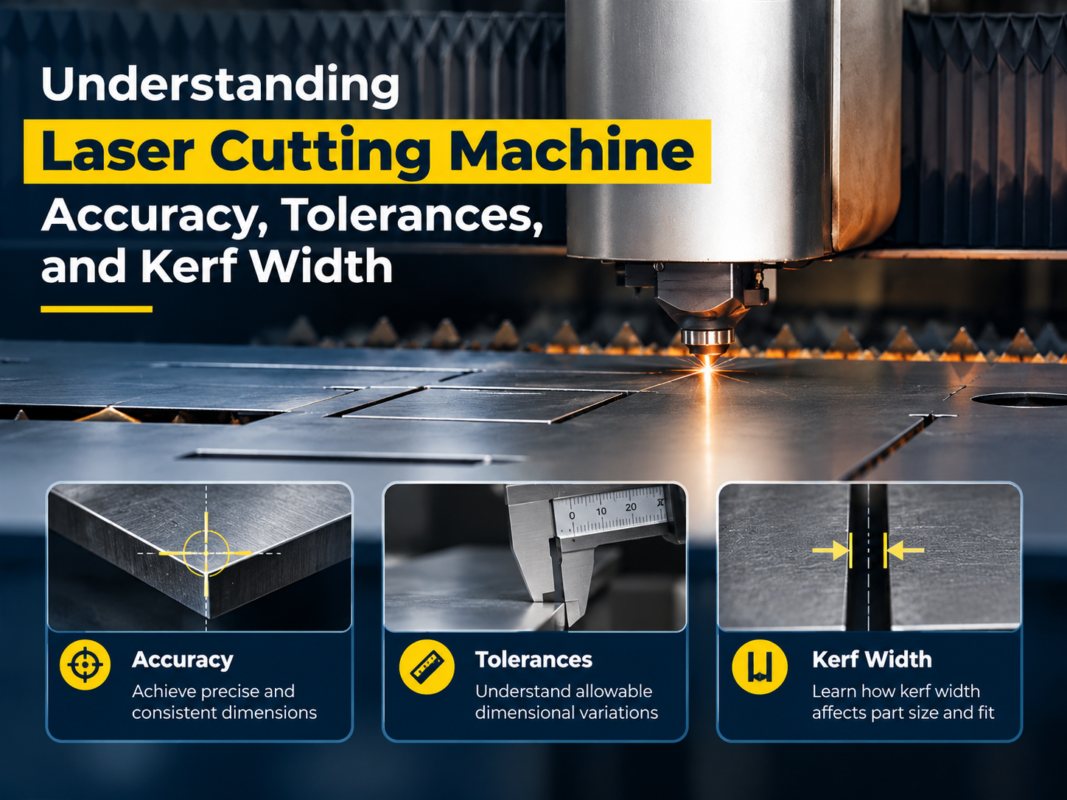
The tolerances required in elevator manufacturing are often within ±0.1mm. This level of precision is necessary because elevator components are part of a larger, complex assembly where parts from different suppliers must fit together perfectly. Laser cutting machines equipped with high-precision linear guides and servo motors can consistently achieve these tolerances over long production runs. This repeatability is a key factor in reducing waste and ensuring that the assembly line operates smoothly without the need for manual adjustments.
Recommended Machine Configuration
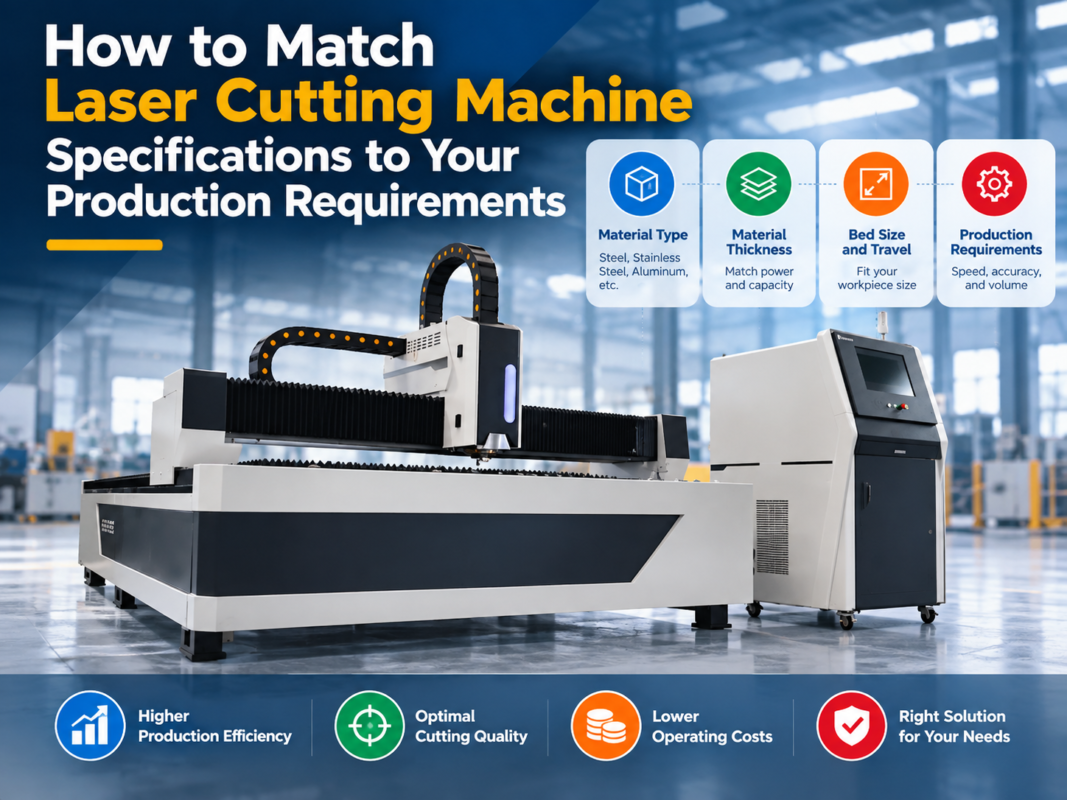
Choosing the right machine configuration is critical for optimizing Precision Laser Cutting Elevator Elevator Component Manufacturing. For most elevator manufacturers, a fiber laser cutting machine is the preferred choice over CO2 lasers due to its higher efficiency, lower operating costs, and superior performance on reflective materials like stainless steel and aluminum.
| Feature | Recommended Specification | Reasoning |
|---|---|---|
| Laser Power | 3kW to 12kW | Higher power allows for faster cutting of thin panels and the ability to cut thick structural steel. |
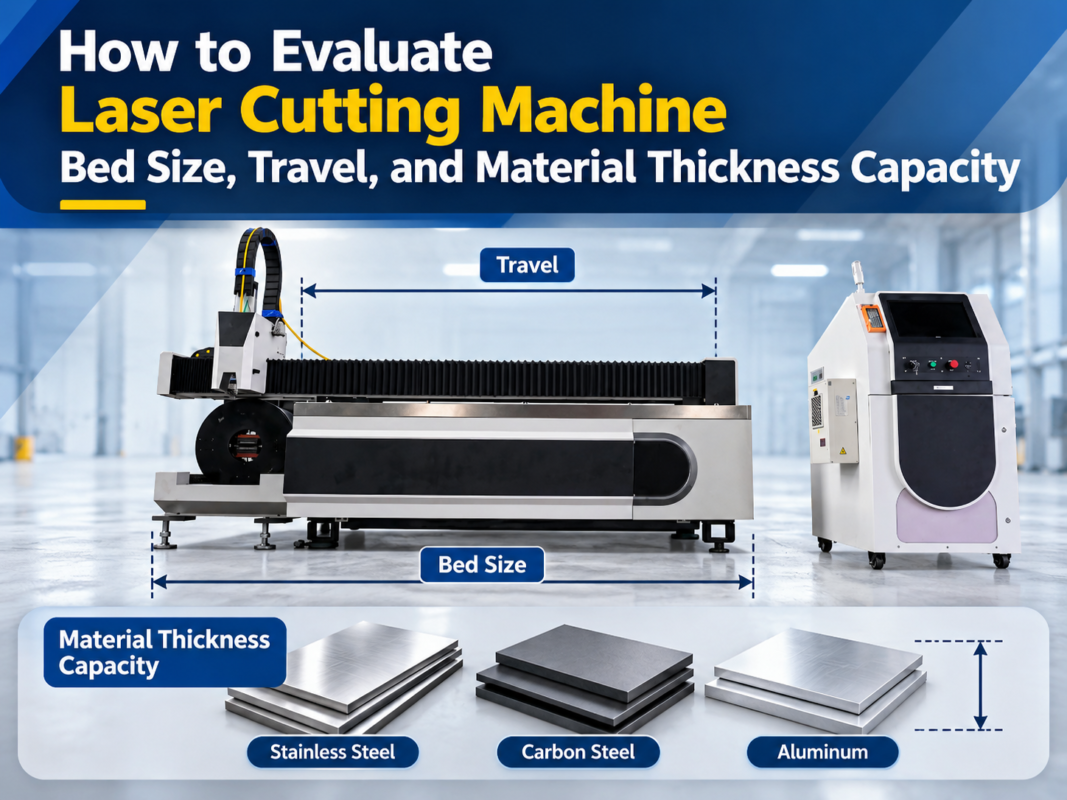
| Working Area | 3000mm x 1500mm or 4000mm x 2000mm | Large format beds are necessary for full-sized elevator door and wall panels. |
| Control System | CypCut or Beckhoff | Advanced CNC systems offer better nesting algorithms and real-time monitoring. |
| Drive System | Dual-drive Gantry with Servo Motors | Ensures high-speed stability and precision over large distances. |
| Assist Gas | Nitrogen and Oxygen | Nitrogen for clean stainless steel cuts; Oxygen for efficient carbon steel cutting. |
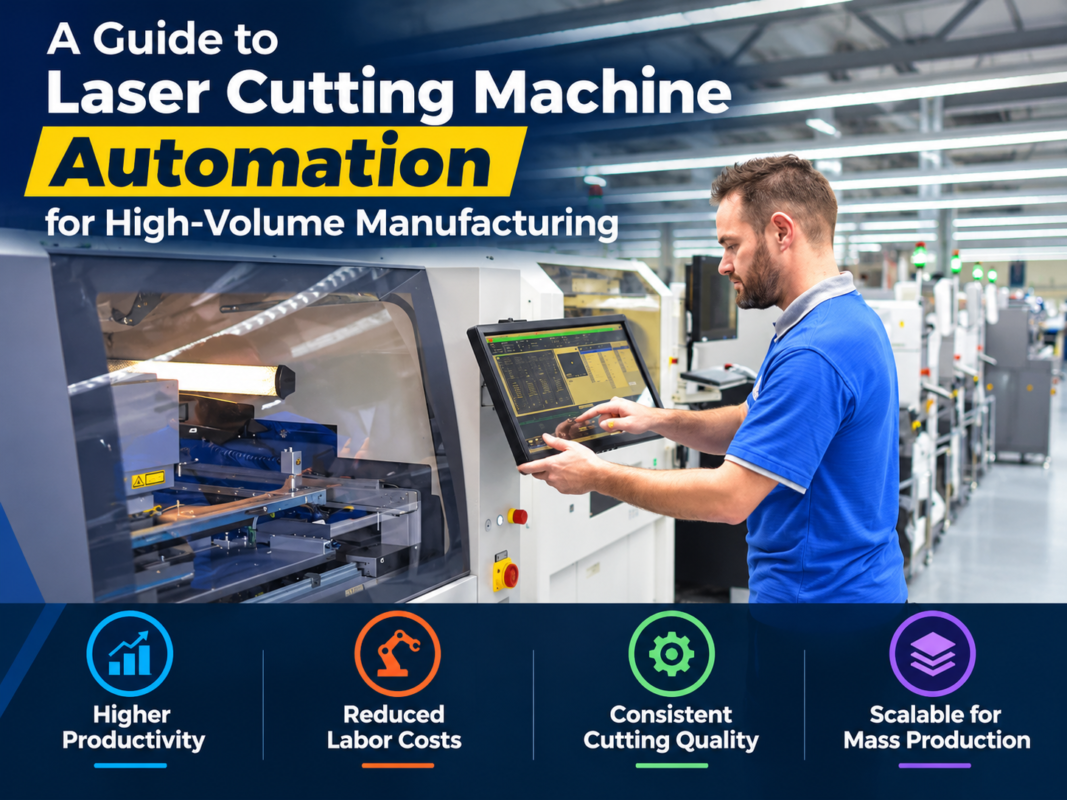
For high-volume production, an automatic shuttle table (exchange table) is highly recommended. This allows the operator to load new sheets and unload finished parts while the machine is still cutting, significantly increasing the duty cycle of the laser. Additionally, for manufacturers producing elevator frames and guide rails, a professional tube laser cutting attachment or a dedicated tube laser machine may be necessary to handle square and rectangular tubing with the same level of precision as flat sheets.
The Importance of the Laser Source
The heart of the machine is the laser source. Brands like IPG, Raycus, or nLIGHT are preferred for their reliability and beam stability. In elevator manufacturing, where downtime can disrupt a tightly scheduled supply chain, having a reliable laser source is non-negotiable. A 6kW fiber laser is often considered the “sweet spot” for elevator manufacturers, providing enough power to cut 20mm carbon steel while maintaining incredible speed on 1.5mm stainless steel panels.
Workflow of Laser Cutting in Elevator Production
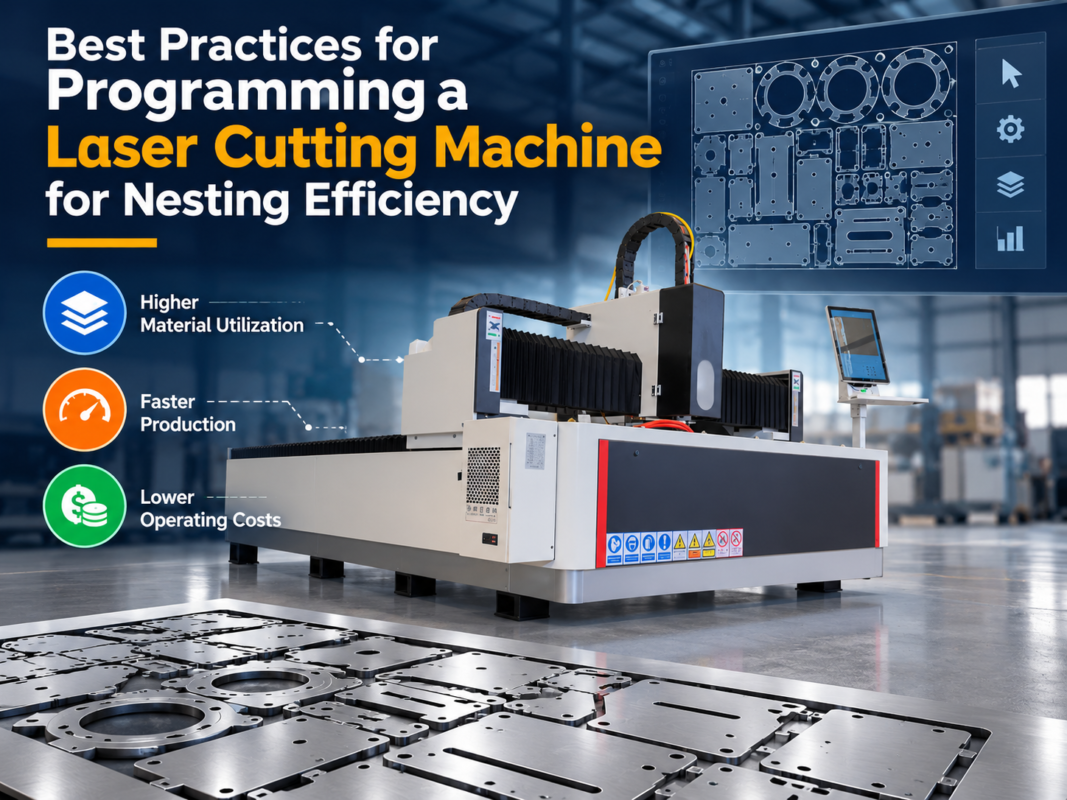
The workflow for Precision Laser Cutting Elevator Elevator Component Manufacturing begins with the design phase. Engineers create detailed 3D models of the elevator components using CAD software. These models are then exported as 2D DXF or DWG files for the laser cutting software. The nesting software plays a crucial role here, as it arranges the parts on the metal sheet to minimize waste. Given the high cost of stainless steel, even a 5% improvement in material utilization can lead to significant annual savings.
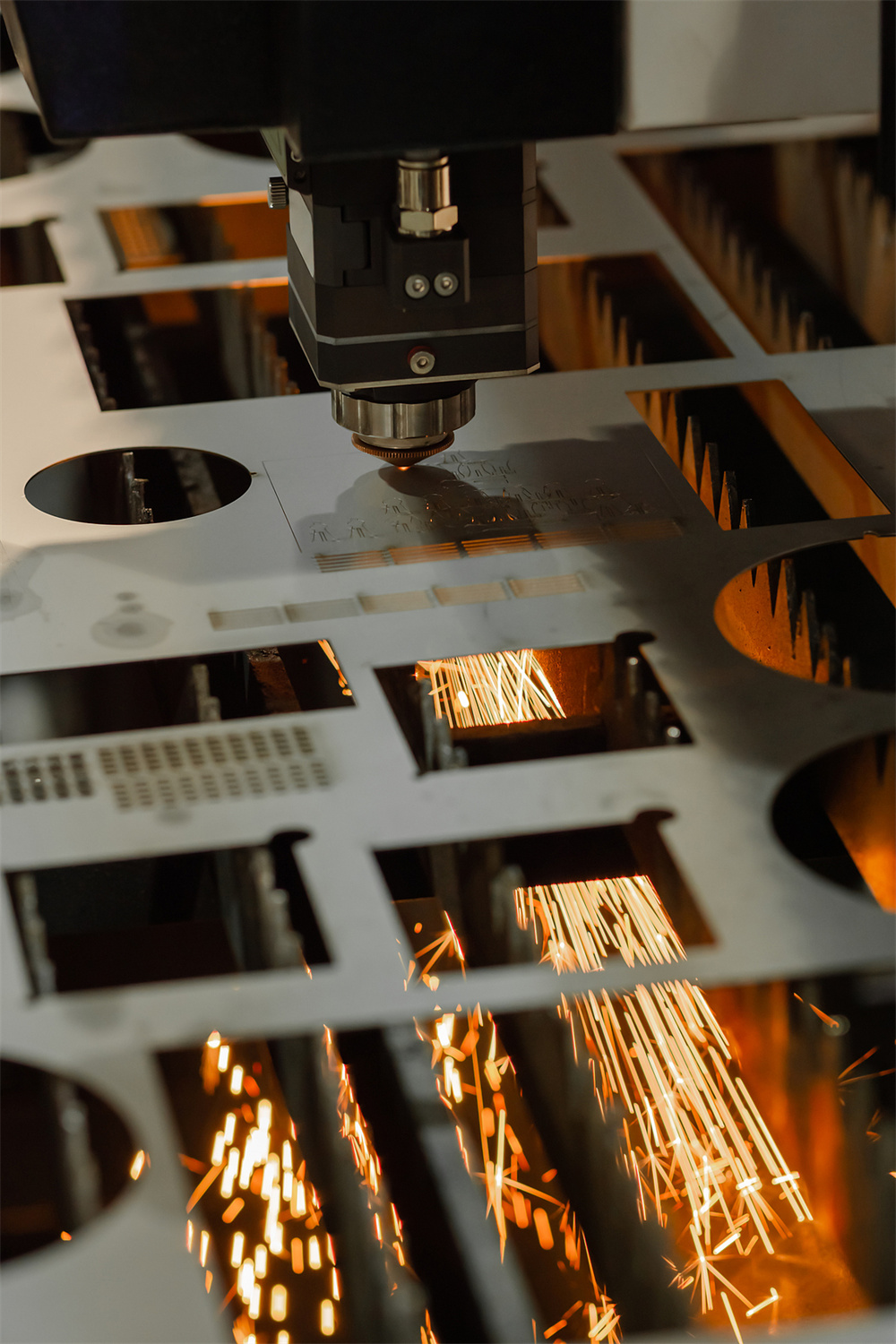
Once the nesting is complete, the CNC program is transferred to the laser cutting machine. The operator selects the appropriate material parameters—such as power, speed, gas pressure, and focal position—from a pre-defined library. The machine then executes the cut. For elevator panels, the laser often performs a “pierce-point” strategy to avoid any splatter on the decorative surface. After cutting, the parts are sorted. Because laser cutting produces such clean edges, many parts can go directly to the bending or welding station without any intermediate deburring.
Quality Control Integration
Modern laser cutting workflows often include integrated quality control steps. Some high-end machines feature vision systems that can inspect the cut quality in real-time or verify the dimensions of the first part in a batch. This ensures that any issues, such as nozzle wear or gas fluctuations, are identified before a large amount of material is wasted. In the elevator industry, where traceability is often required for safety-critical parts, the CNC system can also engrave part numbers or QR codes directly onto the components during the cutting process.
Productivity and Economic Benefits
The transition to precision laser cutting offers substantial productivity gains for elevator manufacturers. Compared to traditional CNC punching, laser cutting is significantly faster for complex geometries. While a punch press requires specific tools for every hole shape, a laser can cut any shape imaginable with a simple software change. This eliminates the need for expensive tool inventories and the downtime associated with tool changes. For small-batch or custom elevator designs, this flexibility is a massive competitive advantage.
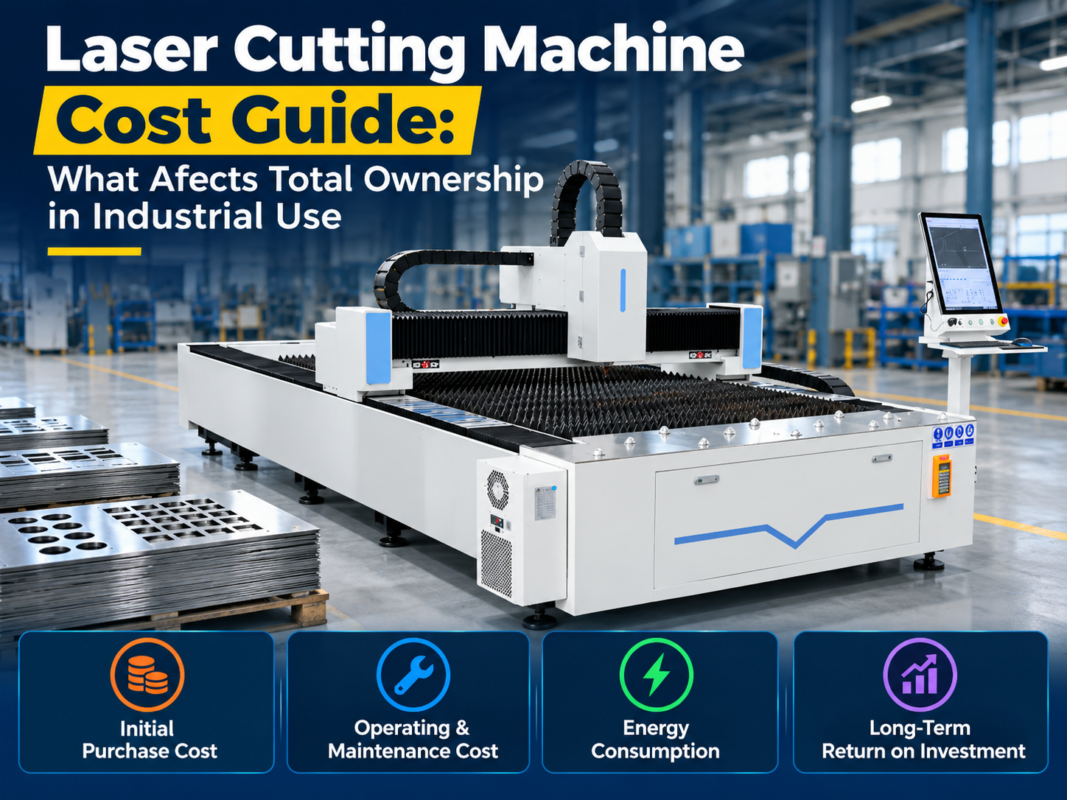
From an economic perspective, the reduction in secondary processing is a major cost saver. The high-quality edge produced by a fiber laser means that parts are ready for the next stage of production immediately. This reduces labor costs and shortens the overall manufacturing cycle time. Furthermore, the high energy efficiency of fiber lasers compared to CO2 lasers results in lower electricity bills, contributing to a lower total cost of ownership and a faster return on investment (ROI).
- Reduced Material Waste: Advanced nesting software optimizes sheet usage, which is critical when working with expensive decorative metals.
- Lower Labor Costs: Automation and reduced secondary finishing mean fewer man-hours per elevator unit.
- Design Freedom: Engineers can design complex, lightweight parts that were previously impossible or too expensive to manufacture.
- Faster Time-to-Market: Rapid prototyping and quick setup times allow manufacturers to respond faster to customer demands.
Case Example: Upgrading an Elevator Production Line
Consider a mid-sized elevator manufacturer that previously relied on a combination of mechanical shearing and CNC punching. Their production of car panels was slow, and they struggled with edge deformation on thin stainless steel. By implementing a HARSLE 6kW Fiber Laser Cutting Machine with an automatic exchange table, they were able to revolutionize their workflow. The company reported a 40% increase in production capacity within the first six months.
The precision of the laser allowed them to move from a ±0.5mm tolerance to ±0.05mm. This improvement meant that the assembly of the elevator cars became much faster, as parts fit together perfectly without the need for manual filing or adjustment. Additionally, the ability to cut intricate patterns allowed them to launch a new line of designer elevator interiors, which commanded a higher market price. The investment in Precision Laser Cutting Elevator Elevator Component Manufacturing not only improved their efficiency but also expanded their market reach.
Frequently Asked Questions (FAQ)
What is the best laser power for elevator manufacturing?
For most applications, a 3kW to 6kW fiber laser is ideal. It provides a balance of speed for thin panels and the capability to cut structural components up to 16-20mm. If your production involves very thick structural steel consistently, a 12kW or higher source may be beneficial.
Can laser cutting handle mirrored stainless steel without scratching?
Yes, by using a fiber laser with the correct settings and nitrogen assist gas, you can cut through mirrored stainless steel that is protected by a laser-film. The process is non-contact, meaning the cutting head never touches the material, which prevents scratches.
How does laser cutting compare to CNC punching for elevators?
Laser cutting is more flexible and better for complex shapes and small batches. CNC punching can be faster for simple, repetitive patterns but requires expensive tooling and can cause material deformation. Most modern elevator factories use laser cutting as their primary fabrication method due to its versatility.
What maintenance is required for a fiber laser machine?
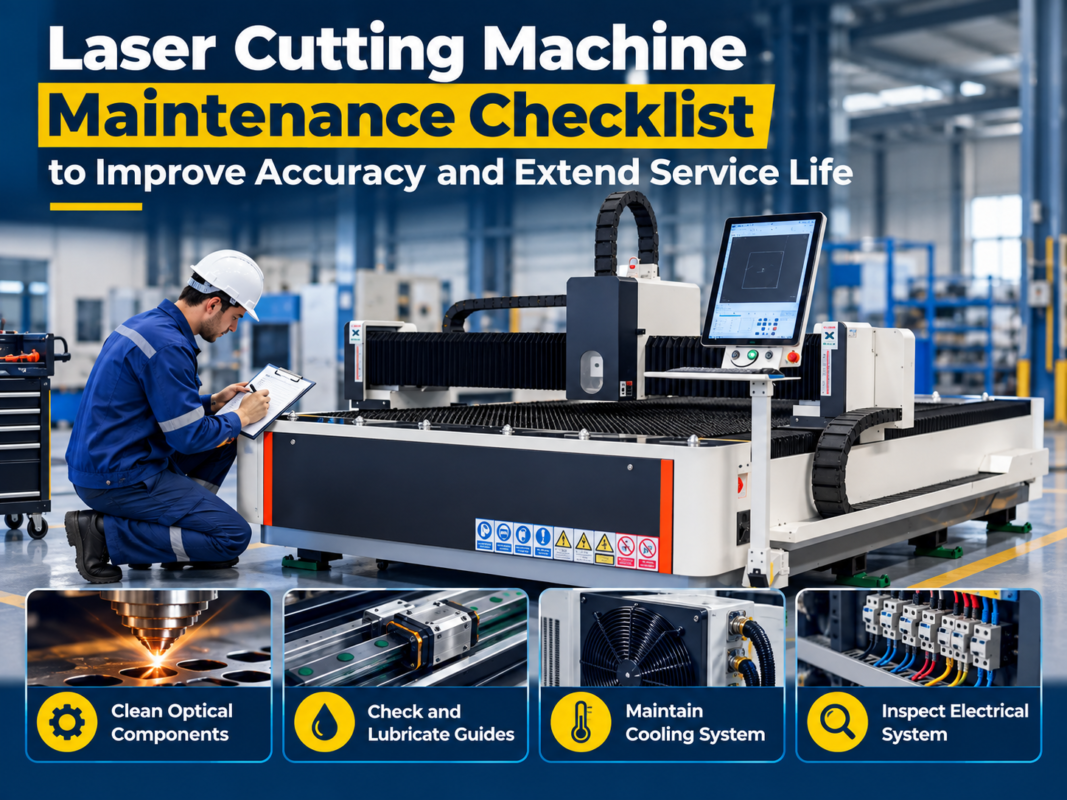
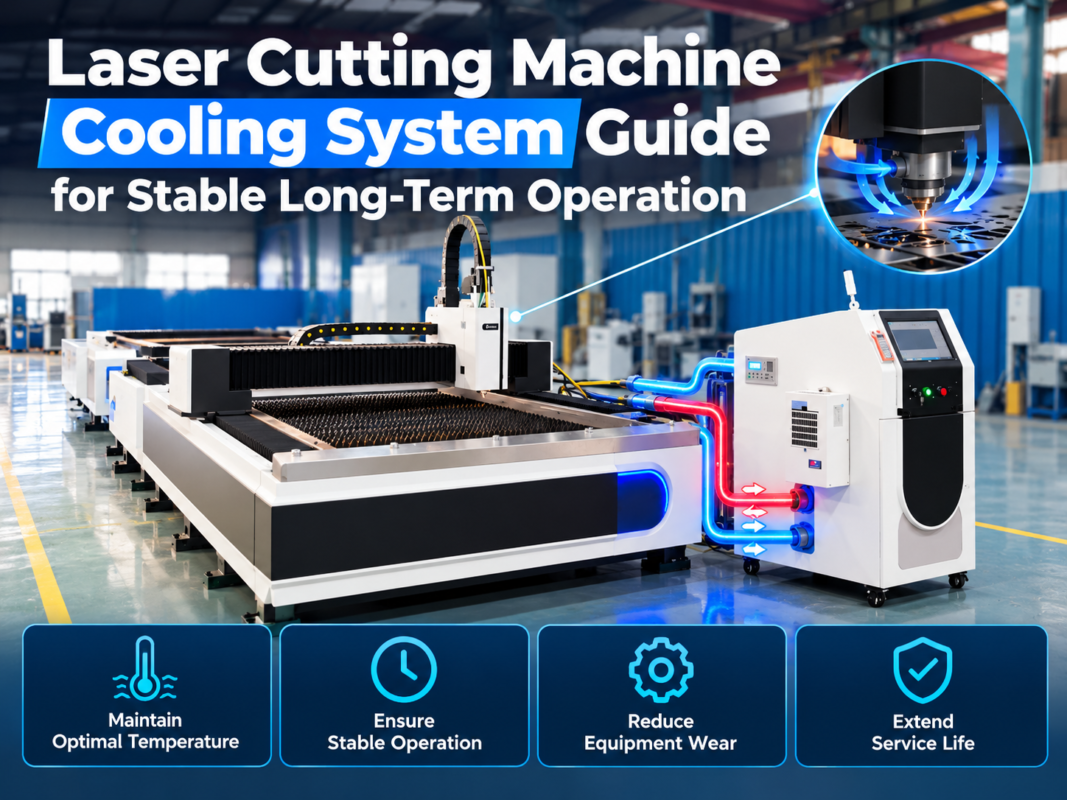
Fiber lasers require relatively low maintenance compared to CO2 lasers. Key tasks include cleaning the protective lenses, checking the water chiller levels, lubricating the guide rails, and ensuring the dust extraction system is functioning correctly. Regular maintenance ensures long-term accuracy and machine longevity.
Conclusion and Call to Action
Precision Laser Cutting Elevator Elevator Component Manufacturing is no longer just an option; it is a necessity for manufacturers who want to stay relevant in a high-tech, safety-conscious industry. The combination of speed, precision, and material versatility offered by fiber laser technology provides a clear path to increased profitability and superior product quality. Whether you are fabricating decorative panels or heavy-duty structural components, the right laser cutting solution will transform your production capabilities.
At HARSLE, we specialize in providing high-performance metal fabrication machinery tailored to the needs of the elevator industry. Our fiber laser cutting machines are designed for durability, precision, and ease of use. If you are looking to upgrade your manufacturing facility or need expert advice on the best configuration for your specific needs, our team is here to help. Contact HARSLE today to discover how our precision laser cutting solutions can elevate your manufacturing process to new heights.