Laser Cutting Applications in Electrical Cabinet and Panel Fabrication: A Comprehensive Industrial Guide


Introduction to Laser Cutting in the Electrical Industry
The fabrication of electrical cabinets and control panels has undergone a radical transformation over the last decade. Traditionally, these enclosures were produced using mechanical turret punches and manual shearing methods, which, while functional, lacked the flexibility and precision required for modern, complex electrical systems. Today, Laser Cutting Applications In Electrical Cabinet Panel Fabrication have become the gold standard, offering unparalleled accuracy, speed, and design freedom. As the demand for smart grids, renewable energy infrastructure, and industrial automation grows, the need for high-quality, durable, and precisely engineered enclosures has never been higher.
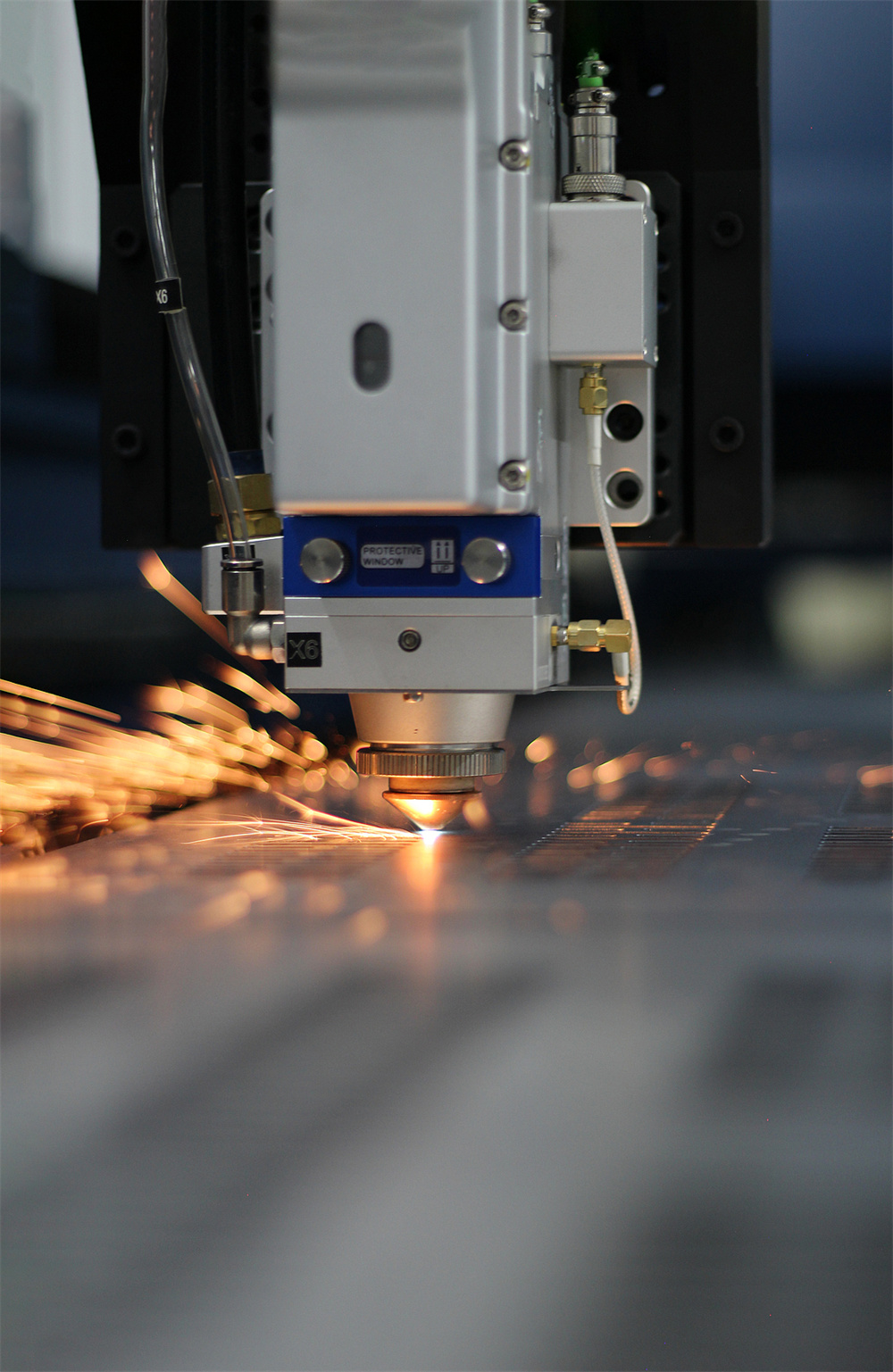
HARSLE, a leader in metal fabrication machinery, recognizes that the electrical industry requires more than just a machine; it requires a solution that integrates seamlessly into a high-output production environment. Fiber laser technology has emerged as the primary driver of efficiency in this sector. By utilizing a concentrated beam of light to melt and vaporize material, fiber lasers can create intricate cutouts for switches, displays, and cable entries with tolerances that mechanical methods simply cannot match. This guide explores the depth of laser cutting applications in this vital industry, providing technical insights for manufacturers looking to optimize their operations.
Application Scenarios in Electrical Fabrication
Power Distribution and Switchgear Cabinets
Power distribution cabinets are the backbone of electrical infrastructure in residential, commercial, and industrial buildings. These cabinets often require thick structural frames and thinner cladding panels. Laser cutting allows for the simultaneous production of both, ensuring that mounting holes for heavy-duty circuit breakers and busbars align perfectly with the external housing. The ability to cut high-strength carbon steel and galvanized sheets without deforming the material is critical for maintaining the structural integrity of high-voltage switchgear.
Industrial Control Panels and Automation Enclosures
In the world of industrial automation, control panels house sensitive PLCs (Programmable Logic Controllers), HMIs (Human Machine Interfaces), and delicate wiring. These panels often feature a high density of small, precise cutouts for buttons, pilot lights, and ventilation fans. Laser cutting excels here because it can handle complex geometries without the need for expensive custom tooling. Whether it is a one-off custom control box or a mass-produced series of enclosures, the laser provides consistent results every time.
Server Racks and Data Center Infrastructure
The digital age relies on massive data centers, which in turn rely on standardized server racks. These racks require extensive perforation for airflow and cooling. Traditional punching can cause sheet warping when creating thousands of small holes. Fiber laser cutting, however, uses a non-contact process that minimizes heat-affected zones (HAZ), ensuring that the large, perforated panels remain perfectly flat. This is essential for the modular assembly of data center rows where every millimeter counts.
Outdoor and Weatherproof Enclosures (NEMA/IP Rated)
Electrical cabinets used outdoors must meet strict NEMA or IP ratings to protect against dust, water, and corrosion. This often involves the use of stainless steel or aluminum. Laser cutting provides clean, burr-free edges that are essential for creating tight seals with gaskets. Furthermore, the precision of the laser ensures that door hinges and locking mechanisms fit perfectly, maintaining the enclosure’s protective rating over years of environmental exposure.
Material and Process Requirements
Common Materials in Cabinet Fabrication
The choice of material dictates the laser cutting parameters. In electrical fabrication, the most common materials include:
- Cold-Rolled Steel (CRS): Used for indoor cabinets due to its excellent surface finish and paintability.
- Stainless Steel (304/316): Preferred for food processing, medical, and marine environments where corrosion resistance is paramount.
- Galvanized Steel: Offers a balance of cost and corrosion resistance, though it requires specific laser settings to manage the zinc coating.
- Aluminum Alloys: Used for lightweight applications and heat dissipation, though its reflectivity requires a fiber laser source rather than CO2.
Precision and Tolerance Standards
Electrical components like DIN rails and modular breakers follow strict international standards. Consequently, the panels they mount to must have hole placements within tolerances of +/- 0.1mm. Laser cutting machines achieve this consistently, reducing the need for secondary drilling or filing. Additionally, the “kerf” (the width of the cut) is extremely narrow, allowing for tight nesting of parts and minimal material waste.
Edge Quality and Post-Processing
One of the most significant advantages of Laser Cutting Applications In Electrical Cabinet Panel Fabrication is the edge quality. A clean cut is not just an aesthetic requirement; it is a safety one. Sharp burrs can cut through wire insulation, leading to short circuits or fires. Fiber lasers, especially when using nitrogen as an assist gas, produce a bright, oxide-free edge that is ready for welding or powder coating without further grinding.
Recommended Machine Configuration for Cabinet Shops
Laser Source Power Selection
For most electrical cabinet fabrication, a fiber laser source between 1.5kW and 4kW is ideal. This range allows for high-speed cutting of thin sheets (0.5mm – 2.0mm) while still providing the capability to cut thicker structural components (up to 10mm or 12mm) when necessary. HARSLE recommends the use of IPG or Raycus sources for their stability and long service life.
The Importance of an Exchange Table
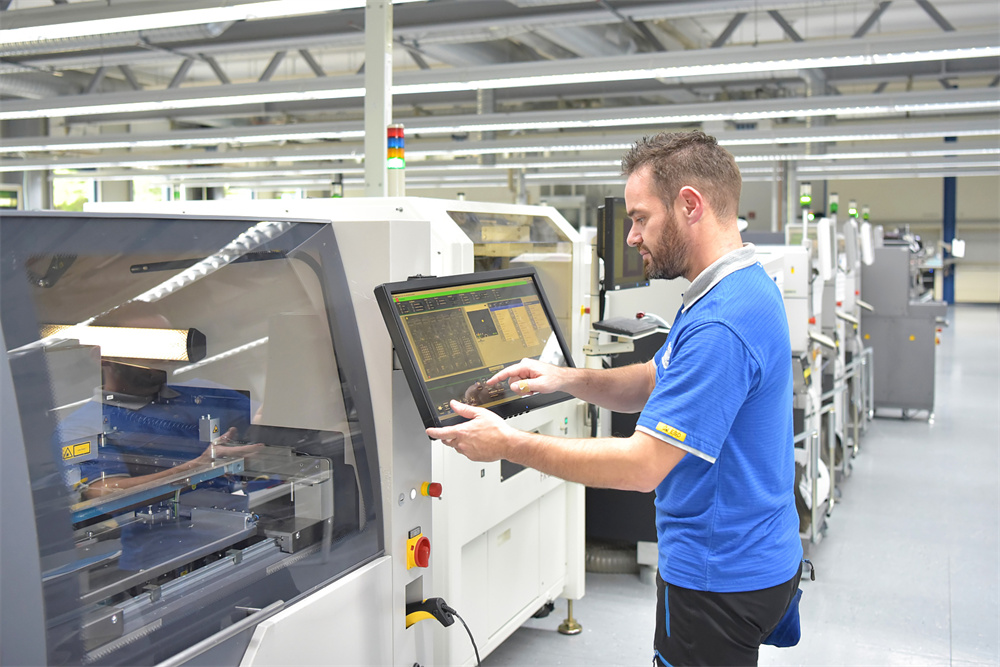
In a high-volume production environment, downtime is the enemy of profitability. An automatic exchange table (shuttle table) allows the operator to load a new sheet of metal and unload finished parts while the machine is cutting. This can increase productivity by 30-50% compared to single-table machines, making it a vital configuration for cabinet manufacturers.
Intelligent Nesting Software
The cost of raw materials is a major factor in the price of an electrical cabinet. Advanced nesting software (such as CypCut or Lantek) integrates with the laser machine to arrange parts in the most efficient way possible. For cabinets, which often involve many rectangular panels of varying sizes, intelligent nesting can reduce scrap rates to below 10%.
Auto-Focus Cutting Heads
Different materials and thicknesses require different focal points. An auto-focus cutting head automatically adjusts the lens position based on the material library settings. This ensures optimal cut quality across a mixed-production run without manual intervention, which is common in custom panel shops.
The Workflow: From CAD to Finished Cabinet
Step 1: Design and CAD Integration
The process begins with a 3D model of the cabinet. Engineers design the enclosure, including all cutouts for components. This model is then flattened into a 2D DXF or DWG file. Modern CAD software can even account for the “bend allowance” required for the next stage of fabrication (the press brake).
Step 2: Nesting and Path Optimization
The 2D files are imported into the laser’s CAM software. Here, the software determines the best cutting path to minimize head movement and prevent heat buildup in specific areas. Common-line cutting (where two parts share a single cut line) is often used to save time and gas.
Step 3: The Laser Cutting Process
The sheet is loaded onto the machine. The laser follows the programmed path, using assist gases (Oxygen for carbon steel, Nitrogen for stainless and aluminum) to clear the molten metal. The high speed of the fiber laser ensures that even complex patterns are completed in minutes.
Step 4: Bending and Forming
Once cut, the flat patterns are moved to a CNC Press Brake. Because the laser-cut holes are so precise, they can be used as reference points for the backgauge of the press brake, ensuring that every bend is perfectly aligned with the cutouts.
Step 5: Welding and Finishing
The bent components are welded together (often using fiber laser welding for a clean finish). Finally, the cabinet is powder-coated. The clean edges from the laser cutting process ensure that the paint adheres perfectly, providing long-term corrosion protection.
Productivity and Economic Benefits
| Feature | Traditional Punching | Fiber Laser Cutting |
|---|---|---|
| Tooling Costs | High (Requires dies for every shape) | Zero (Software-driven) |
| Setup Time | Long (Tool changes) | Instant (File loading) |
| Design Flexibility | Limited by tool inventory | Unlimited |
| Edge Quality | May have nibble marks/burrs | Smooth and clean |
| Material Utilization | Moderate | High (Advanced Nesting) |
The economic argument for laser cutting is compelling. By eliminating the need for physical tooling, manufacturers can take on small-batch custom orders that were previously unprofitable. Furthermore, the speed of fiber lasers allows for a “Just-In-Time” (JIT) manufacturing model, reducing the need for large inventories of finished cabinets. This agility is a significant competitive advantage in the fast-moving electrical sector.
Case Example: Upgrading a Switchgear Production Line
A mid-sized manufacturer of industrial switchgear was struggling with long lead times and high scrap rates using an aging turret punch press. They frequently had to outsource complex stainless steel panels because their mechanical equipment couldn’t handle the material without warping. After consulting with HARSLE, they implemented a 3kW Fiber Laser Cutting Machine with an exchange table.
The results were immediate. Their prototype-to-production cycle was reduced from two weeks to two days. Because the laser could cut all the necessary holes and the outer perimeter in a single setup, they eliminated three secondary operations. The precision of the laser-cut parts also improved the speed of their assembly line, as components fit together perfectly without manual adjustment. Within 14 months, the machine had paid for itself through material savings and increased throughput.
Frequently Asked Questions (FAQ)
1. What is the best assist gas for cutting electrical cabinets?
For stainless steel and aluminum cabinets, Nitrogen is the best choice as it prevents oxidation and leaves a clean, weld-ready edge. For carbon steel, Oxygen is typically used to increase cutting speed, although it leaves a thin oxide layer that may need to be removed before high-quality painting.
2. Can a fiber laser cut copper busbars used inside cabinets?
Yes, but it requires a fiber laser (not CO2) and preferably a high-power source (3kW+) with a cutting head designed to handle back-reflections. Copper is highly reflective, but modern fiber lasers are well-equipped to process it efficiently.
3. How does laser cutting affect the NEMA rating of an enclosure?
Laser cutting actually helps maintain NEMA ratings. Because the cuts are so precise, the doors and panels fit more tightly, and the smooth edges ensure that rubber gaskets can form a perfect, airtight seal.
4. Is it difficult to learn the software for laser cutting?
Most modern laser software, like CypCut, is designed with a user-friendly interface. Operators with basic CAD knowledge can usually become proficient within a few days of training. HARSLE provides comprehensive training and support to ensure a smooth transition.
5. What maintenance is required for a fiber laser machine?
Fiber lasers are low-maintenance compared to CO2 lasers. Key tasks include keeping the chiller water clean, checking the protective windows in the cutting head, and ensuring the rails and racks are lubricated. The laser source itself is solid-state and requires virtually no maintenance for up to 100,000 hours.
Conclusion and Call to Action
The integration of Laser Cutting Applications In Electrical Cabinet Panel Fabrication is no longer a luxury—it is a necessity for any manufacturer aiming to stay competitive in today’s industrial landscape. The precision, speed, and flexibility offered by HARSLE’s fiber laser solutions empower fabricators to meet the most demanding specifications while maximizing their bottom line. Whether you are producing standard power distribution boxes or highly customized automation panels, the right laser technology will transform your production capabilities.
Are you ready to elevate your electrical cabinet fabrication process? Contact HARSLE today to speak with our technical experts. We can provide a detailed ROI analysis, material test cuts, and a customized machine configuration tailored to your specific production needs. Visit our website or call us to schedule a demonstration and see the future of metal fabrication in action.