Laser Cutting Machine Applications for Tool and Die Shops: A Comprehensive Guide


Introduction to Laser Cutting in the Tool and Die Industry
The tool and die industry has long been the backbone of mass production, providing the essential molds, dies, and fixtures required to manufacture everything from automotive components to consumer electronics. Traditionally, this sector relied heavily on conventional machining processes such as milling, drilling, and Electrical Discharge Machining (EDM). However, the emergence of high-power fiber laser technology has introduced a paradigm shift. Laser cutting machine applications for tool and die shops are now becoming a standard for increasing speed, reducing costs, and enhancing design flexibility.
In a modern tool and die environment, precision is paramount. The ability to cut complex geometries in hardened tool steels with minimal thermal distortion is a significant advantage. Fiber lasers, specifically those developed by HARSLE, offer the power and accuracy needed to meet these rigorous demands. By integrating laser cutting into their workflow, shops can move from design to prototype in a fraction of the time required by traditional methods, allowing them to stay competitive in a fast-paced global market.
This article explores the specific ways laser cutting machines are utilized within tool and die shops, the technical requirements for handling specialized materials, and the productivity gains that can be realized through proper machine configuration and workflow optimization. Whether you are looking to replace aging equipment or expand your shop’s capabilities, understanding these applications is crucial for making an informed investment.
Application Scenarios in Tool and Die Manufacturing
Laser cutting machine applications for tool and die shops are diverse, ranging from the creation of simple shims to the fabrication of complex progressive die components. One of the primary scenarios is the production of stripper plates and die retainers. These components often require intricate cutouts and precise hole patterns that would be time-consuming to produce on a CNC mill or via wire EDM. A fiber laser can execute these cuts in seconds, maintaining tolerances that are often sufficient for non-critical fitment areas.
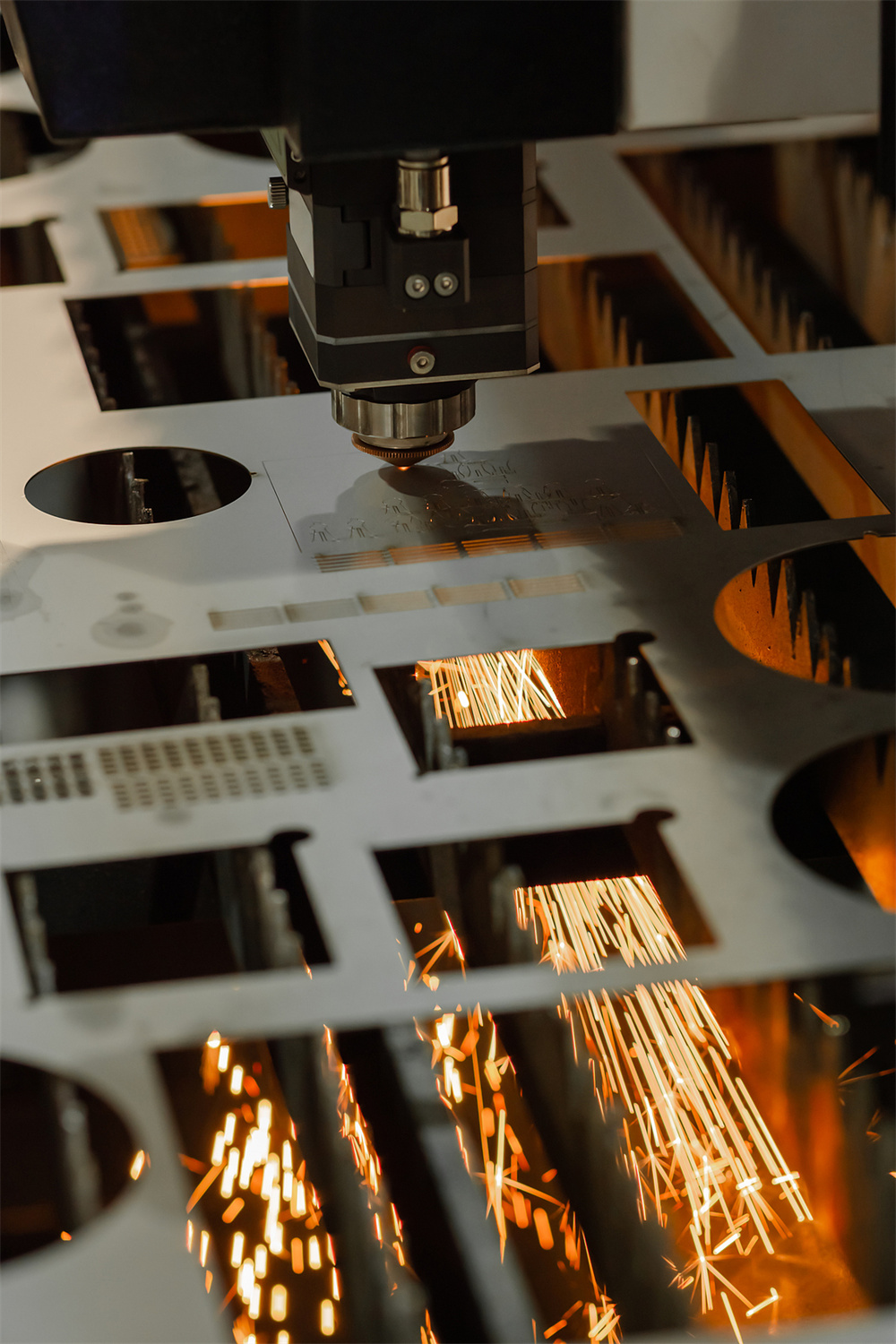
Another critical application is the manufacturing of custom jigs and fixtures. Tool and die shops frequently need to create specialized work-holding devices to facilitate the assembly or inspection of parts. Laser cutting allows for the rapid fabrication of these fixtures from various plate thicknesses. Because the laser process is non-contact, there is no tool wear, ensuring that the thousandth fixture is as accurate as the first. This is particularly useful for shops that handle high-mix, low-volume production runs.
Prototyping is perhaps where laser cutting shines brightest. Before committing to the expensive and time-consuming process of building a permanent hard tool, shops can use a laser cutting machine to produce “soft tooling” or prototype parts. This allows engineers to verify the design, fit, and function of a part before the final die is even started. This iterative process reduces the risk of costly errors and speeds up the overall development cycle for the end customer.
Furthermore, laser cutting is increasingly used for the repair and modification of existing dies. When a design change occurs, or a die component wears out, a laser can be used to cut replacement inserts or to modify existing plates. The ability to precisely cut hardened materials means that modifications can often be made without the need for extensive annealing and re-hardening, saving significant time and energy costs.
Material and Process Requirements
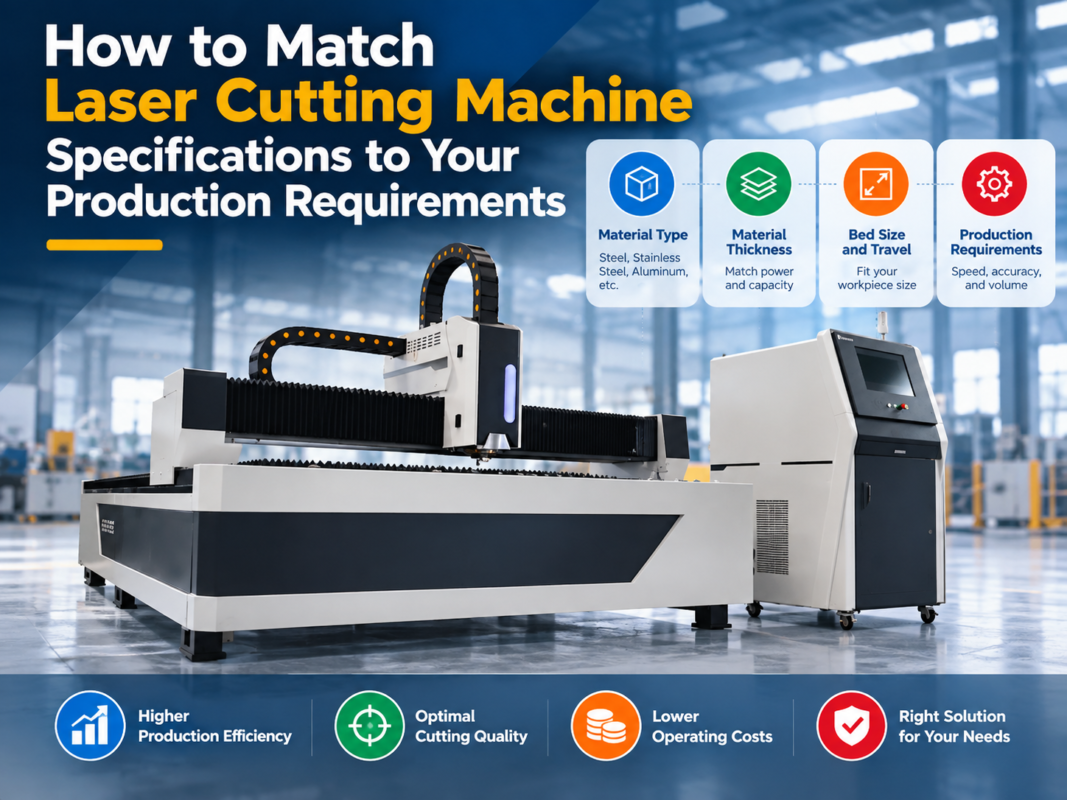
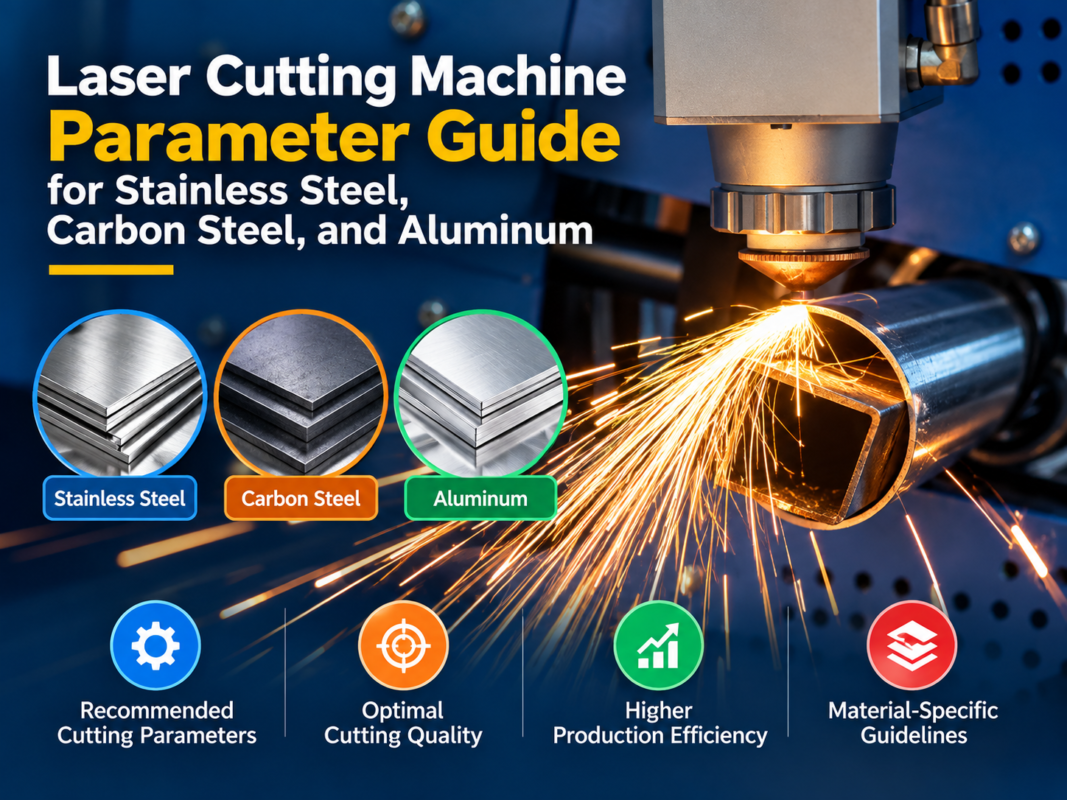
Tool and die shops work with a specific subset of materials that present unique challenges for laser cutting. The most common materials include high-carbon tool steels like D2, A2, and O1, as well as various grades of stainless steel and aluminum. These materials are chosen for their hardness, wear resistance, and toughness, but these same properties require a laser cutting machine with high beam quality and precise parameter control.
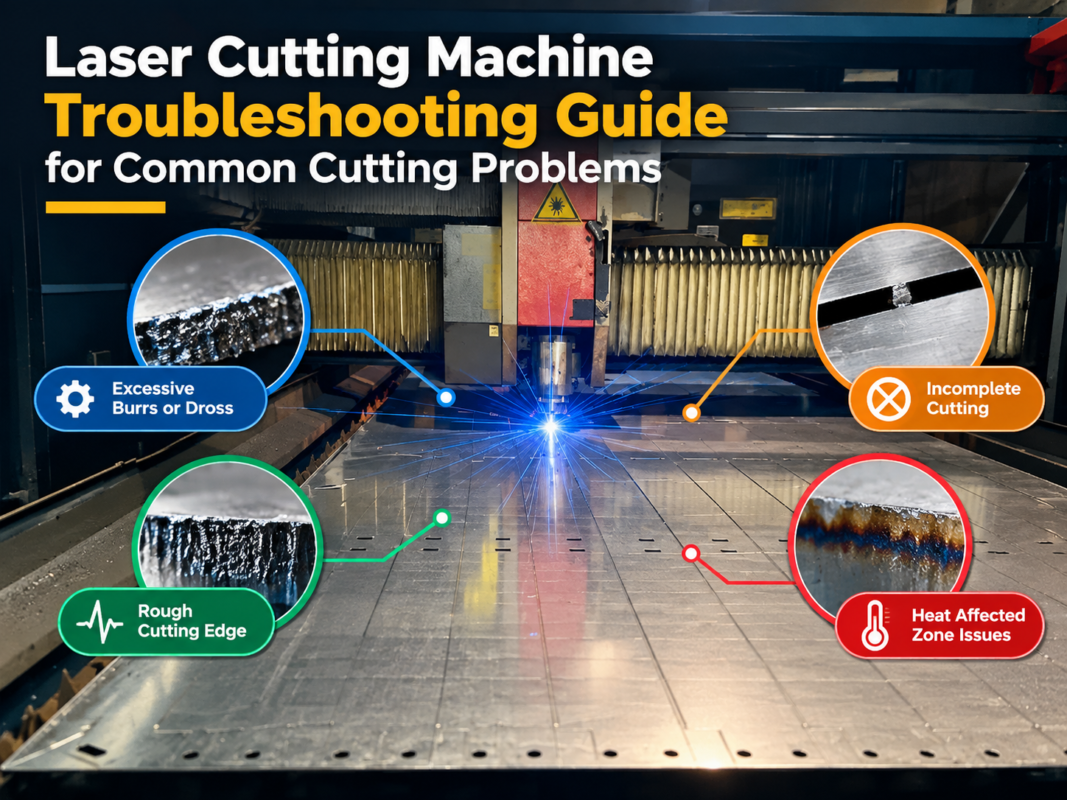
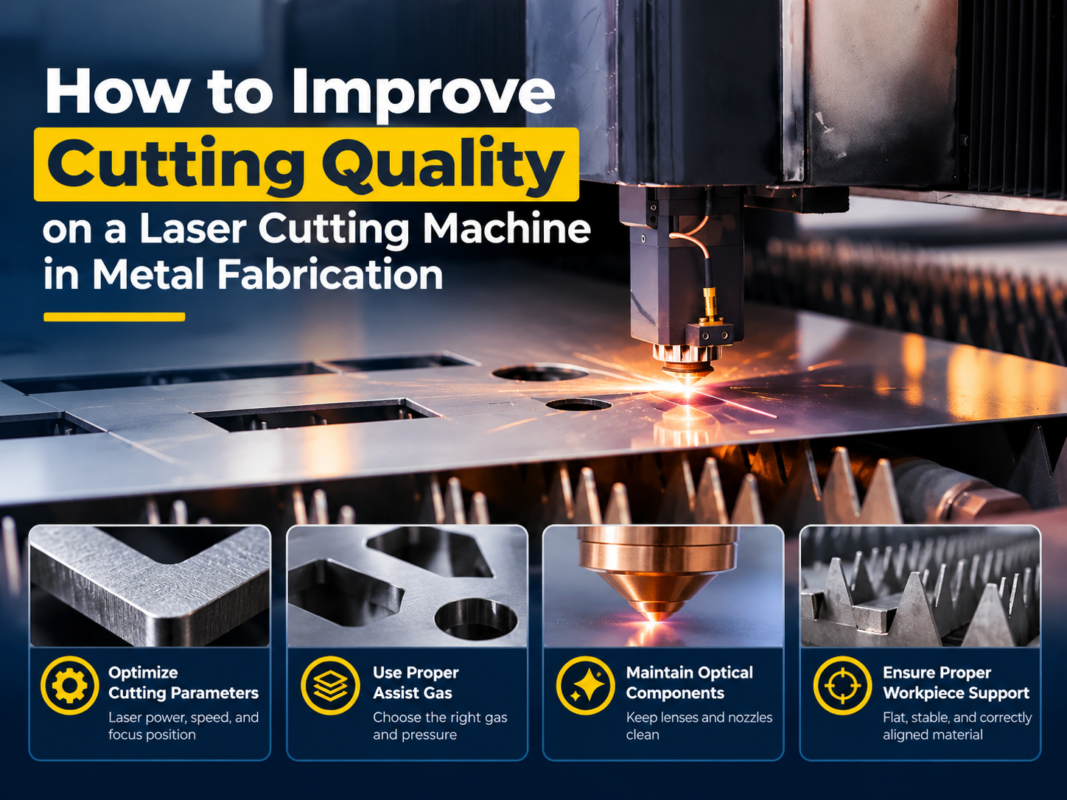
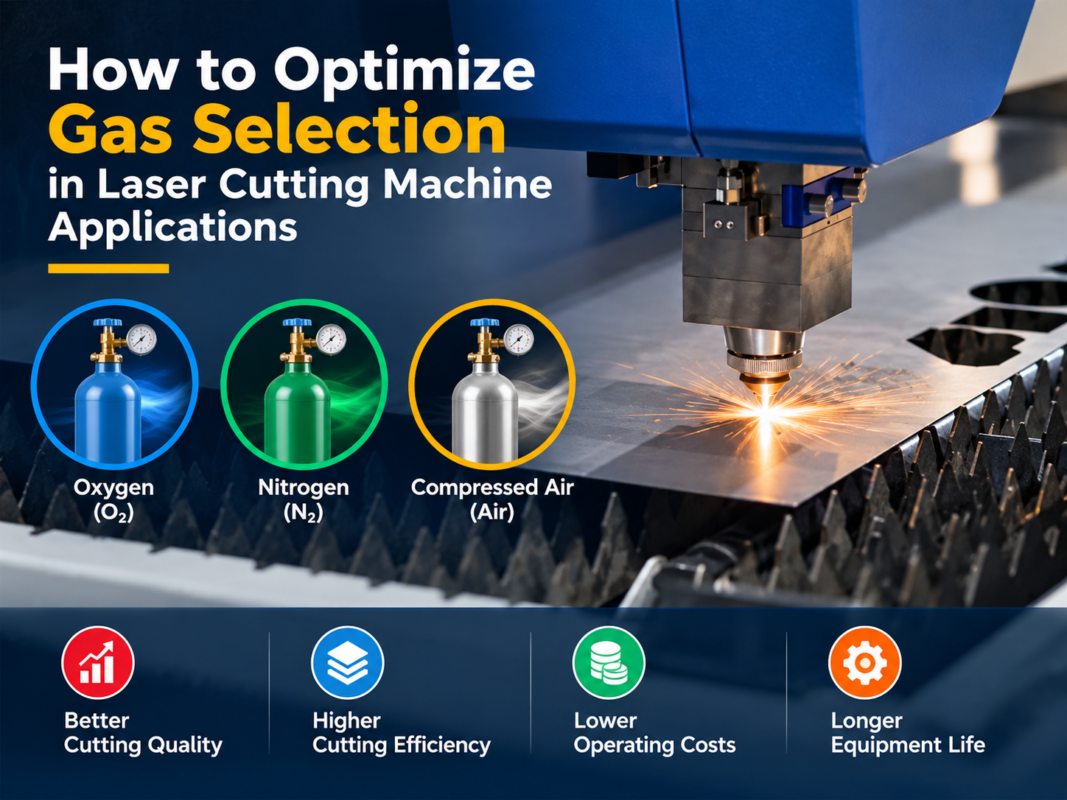
When cutting tool steels, managing the Heat Affected Zone (HAZ) is critical. While fiber lasers produce a much smaller HAZ than CO2 lasers or plasma cutters, the intense heat can still alter the metallurgical properties of the edge. For components that will undergo further heat treatment or require extreme precision, shops must calibrate their cutting speed and gas pressure to minimize dross and carbonization. Nitrogen is typically the preferred assist gas for these applications, as it provides a clean, oxide-free cut that is ready for secondary operations.
Thickness is another major consideration. Tool and die components often involve thick plates, sometimes exceeding 20mm or 25mm. Cutting through such thicknesses requires high-wattage fiber laser sources (typically 6kW to 12kW or higher) and specialized cutting heads with autofocus capabilities. The machine must be able to maintain a consistent focal point throughout the cut to ensure verticality and surface finish. HARSLE machines are designed with these requirements in mind, featuring robust frames that can handle the weight of heavy tool steel plates without vibrating.
Reflective materials, such as copper and brass, are also common in tool and die shops, particularly for EDM electrodes or specialized bushings. Traditional CO2 lasers struggled with these materials due to back-reflection damaging the optics. Modern fiber lasers, however, are much better equipped to handle reflective metals. By using specific wavelengths and protective optical coatings, fiber lasers can safely and efficiently cut these materials, expanding the shop’s capability to produce a wider range of components in-house.
Recommended Machine Configuration
For a tool and die shop to maximize the benefits of laser cutting, the machine configuration must be tailored to high-precision, heavy-duty work. The first consideration is the laser source. A fiber laser source from reputable brands like Raycus or IPG is recommended for its reliability and energy efficiency. For most tool and die applications, a power range of 3kW to 6kW is the “sweet spot” for versatility, though shops focusing on heavy plate work should consider 12kW or higher.
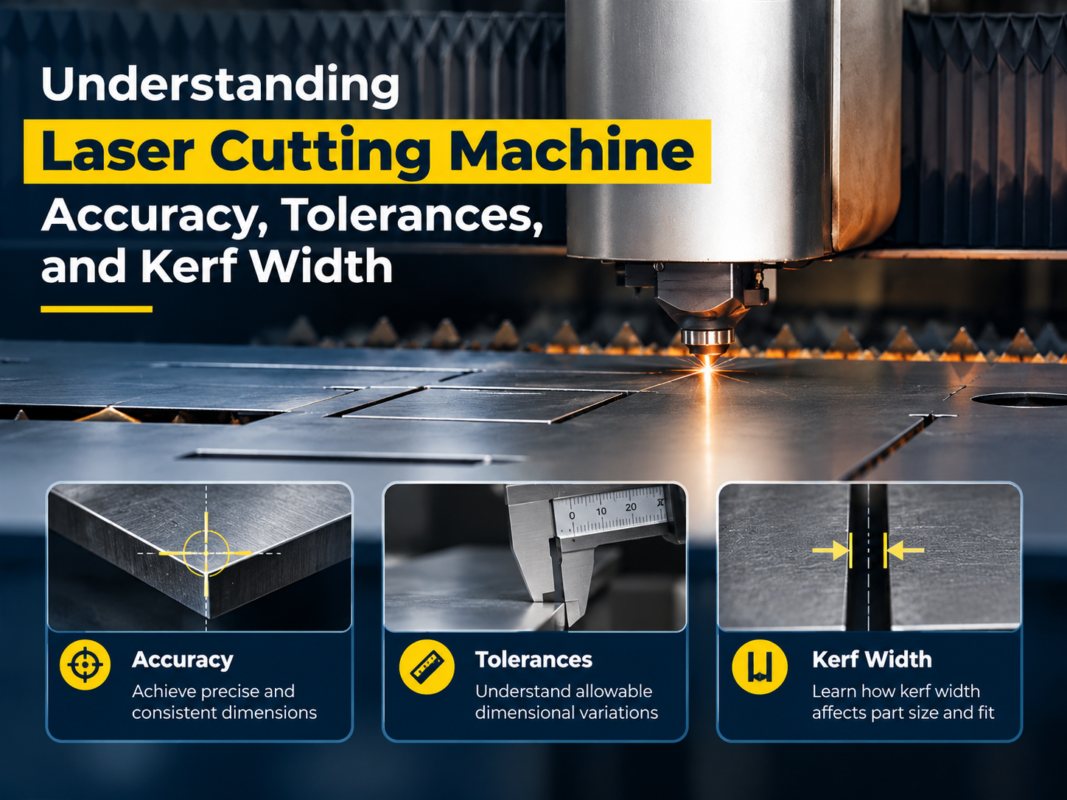
The machine bed and frame are equally important. A tool and die shop needs a machine with high structural integrity to maintain accuracy over years of use. A heavy-duty welded frame that has been stress-relieved and precision-machined is essential. Furthermore, the use of high-precision linear guides and rack-and-pinion systems ensures that the machine can achieve the tight tolerances (often within +/- 0.03mm to 0.05mm) required for die components.
Key Configuration Components:
- Cutting Head: An autofocus cutting head (such as Raytools or Precitec) is vital for handling varying material thicknesses without manual intervention.
- CNC Controller: A sophisticated controller like the CypCut system allows for complex nesting, fly-cutting, and real-time monitoring of the cutting process.
- Assist Gas System: A dual-gas manifold for Oxygen and Nitrogen, with high-pressure piping, is necessary to switch between fast carbon steel cutting and clean stainless/tool steel cutting.
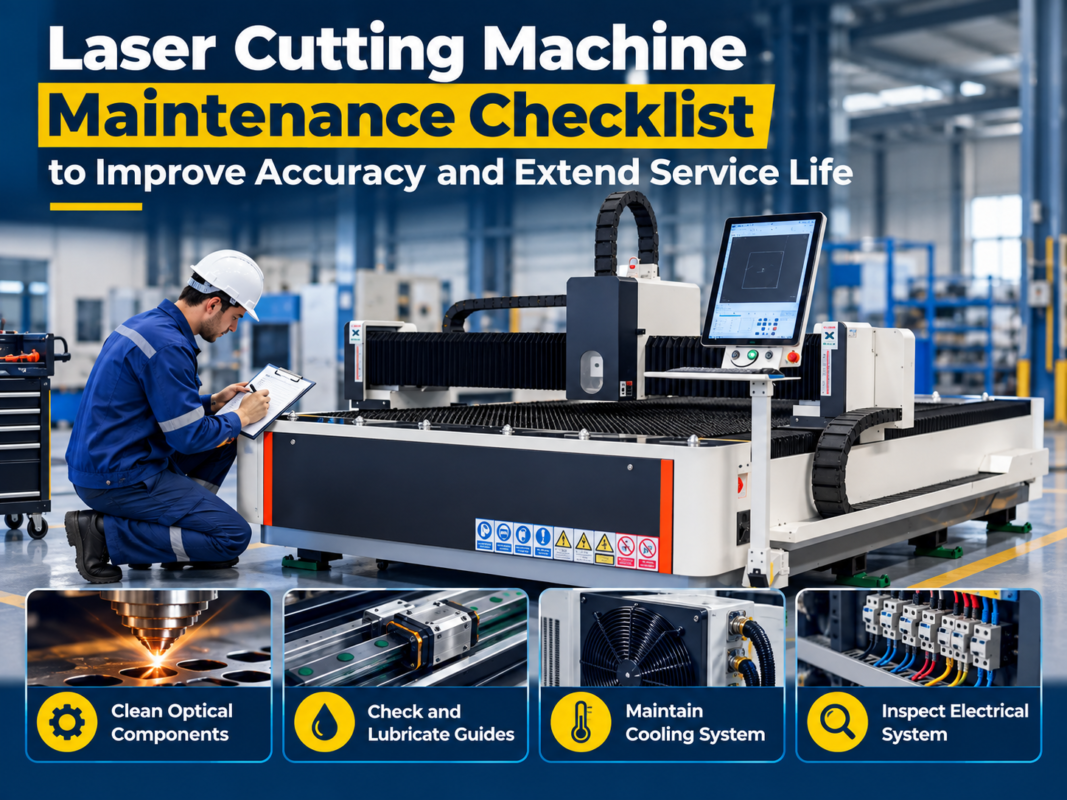
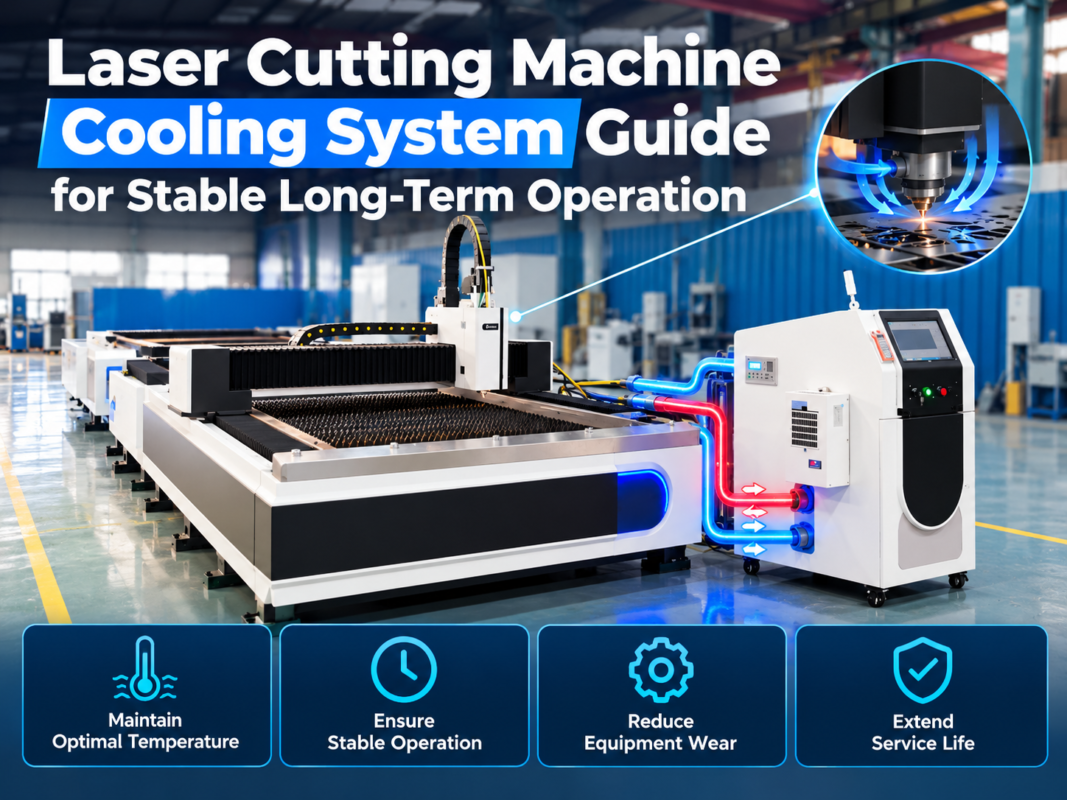
- Cooling System: A high-capacity industrial chiller is required to maintain the temperature of the laser source and the cutting head, ensuring stability during long production runs.
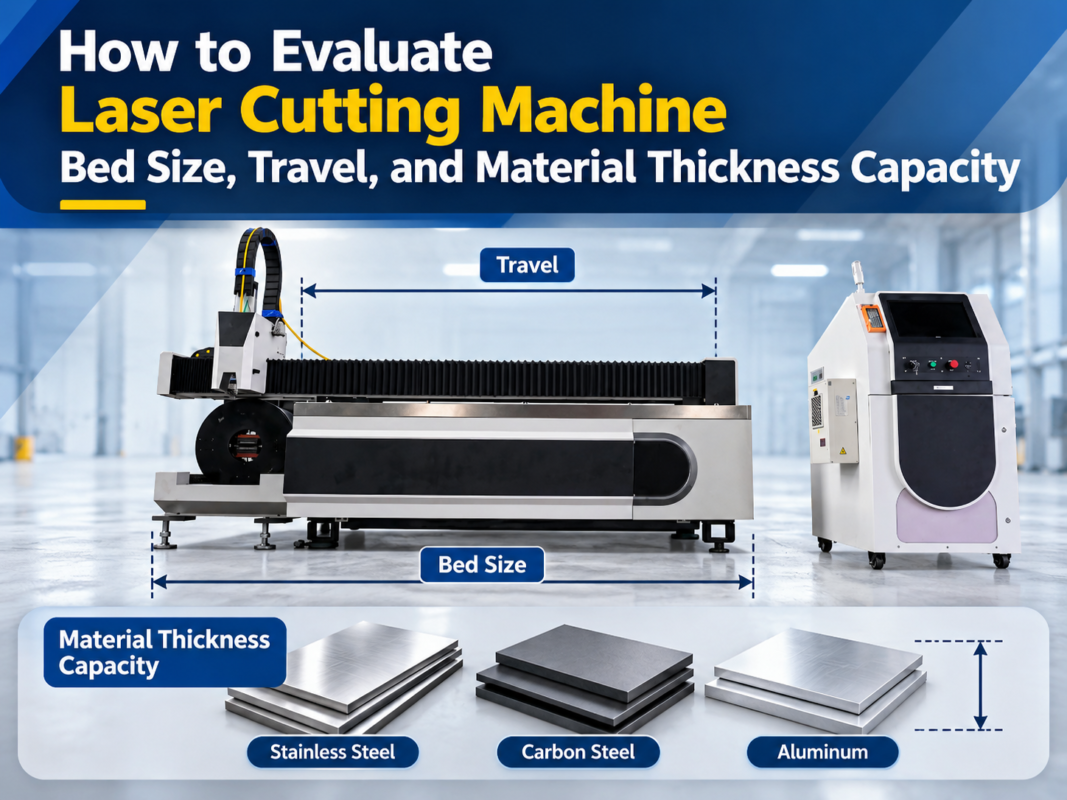
Additionally, shops should consider the bed size. While a standard 3015 (3m x 1.5m) bed is sufficient for most tasks, some tool and die shops prefer larger formats if they are producing components for large-scale automotive stamping dies. An exchange table system is also a highly recommended feature, as it allows the operator to load new material while the machine is still cutting, significantly increasing the overall equipment effectiveness (OEE).
The Integrated Workflow
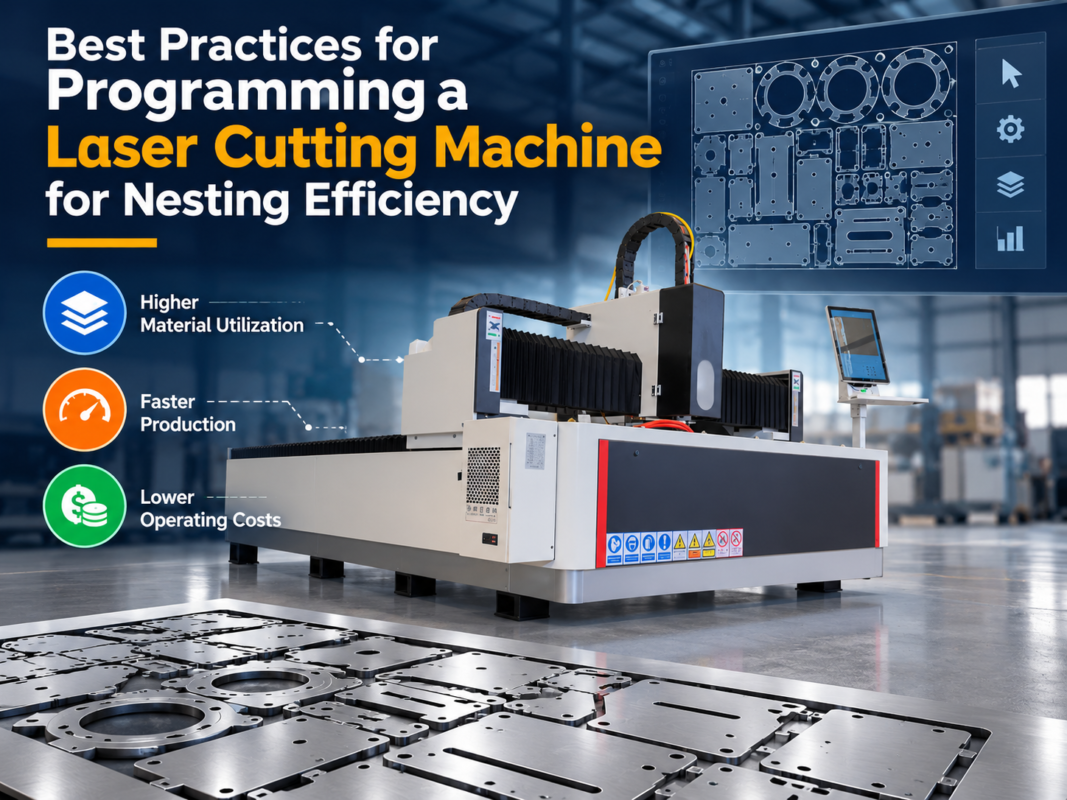
The workflow for laser cutting machine applications for tool and die shops begins in the engineering department. Most shops use advanced CAD/CAM software like SolidWorks, AutoCAD, or specialized die design software. The 2D profiles of the die components are exported as DXF or DWG files and imported into the laser’s nesting software. This software optimizes the layout of parts on the sheet to minimize material waste—a crucial step when working with expensive tool steels.
Once the nesting is complete, the operator selects the appropriate cutting parameters based on the material type and thickness. These parameters include laser power, frequency, duty cycle, cutting speed, and gas pressure. Modern HARSLE machines often come with a pre-loaded library of parameters, which serves as an excellent starting point for operators. After the parameters are set, the machine performs a “frame” check to ensure the cutting area is clear and the material is properly positioned.
During the cutting process, the CNC controller manages the movement of the laser head and the output of the laser source. For tool and die work, features like “lead-ins” and “lead-outs” are carefully placed to ensure that the entry and exit points of the laser do not leave marks on the critical edges of the part. Micro-joints may also be used to keep small parts from falling through the slats of the cutting bed, which is especially important for maintaining the organization of complex die sets.
Post-processing is the final stage of the workflow. While laser cutting produces a very clean edge, some components may still require a light grind or deburring, especially if they are to be used in high-precision sliding fits. If the material was cut in an annealed state, it would then proceed to heat treatment. The speed of the laser cutting process means that the entire cycle—from raw plate to heat-treat-ready component—can often be completed in a single shift.
Productivity Benefits and ROI
The primary productivity benefit of laser cutting in a tool and die shop is the drastic reduction in lead times. A task that might take six hours on a wire EDM can often be completed in fifteen minutes on a fiber laser. While the laser may not always match the sub-micron precision of EDM, it is more than sufficient for a large percentage of die components, such as spacers, retainers, and stripper plates. This allows the EDM machines to be reserved for the most critical, high-precision inserts, thereby optimizing the entire shop’s throughput.
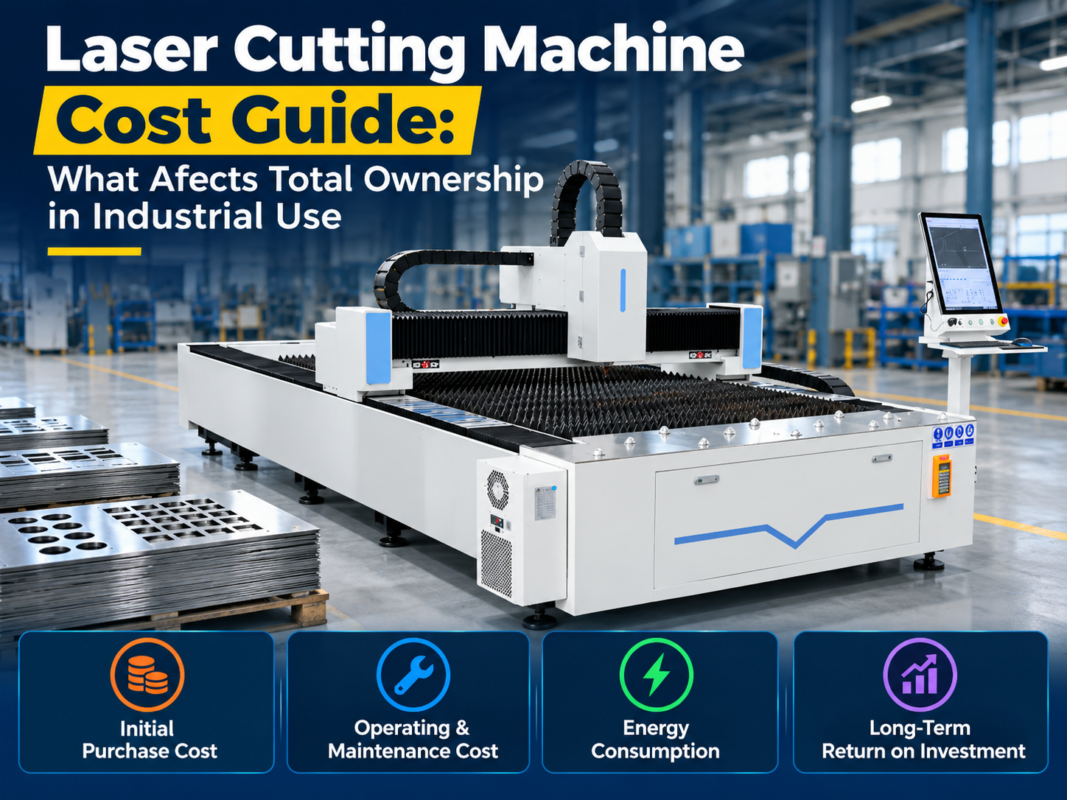
Cost savings are another significant factor. Laser cutting eliminates the need for expensive consumables like EDM wire or specialized milling bits. The energy efficiency of fiber lasers also results in lower utility bills compared to older CO2 models. Furthermore, the high speed of the laser means that the labor cost per part is significantly reduced. When these factors are combined, most shops find that their laser cutting machine pays for itself within 12 to 24 months, depending on their volume.
| Feature | Traditional Machining (Milling/EDM) | Fiber Laser Cutting |
|---|---|---|
| Setup Time | High (Fixturing/Tooling) | Low (Software-based) |
| Cutting Speed | Slow to Moderate | Very High |
| Material Waste | Moderate (Chip removal) | Low (Optimized Nesting) |
| Complex Geometries | Difficult/Expensive | Simple/No Extra Cost |
| Tool Wear | Constant Concern | None (Non-contact) |
Beyond direct costs, the flexibility offered by laser cutting allows shops to take on work they might have previously turned away. The ability to cut thin shims, thick plates, and even engrave part numbers or alignment marks in a single process makes the shop a “one-stop-shop” for their customers. This added value can lead to higher margins and stronger customer relationships.
Case Example: Modernizing a Traditional Die Shop
Consider the case of a mid-sized tool and die shop specializing in automotive stamping. For decades, they relied on a fleet of vertical machining centers and three wire EDM machines. Their bottleneck was always the production of stripper plates and custom fixtures, which would often sit in the EDM queue for days. This delay trickled down, affecting the final assembly and testing of the dies.
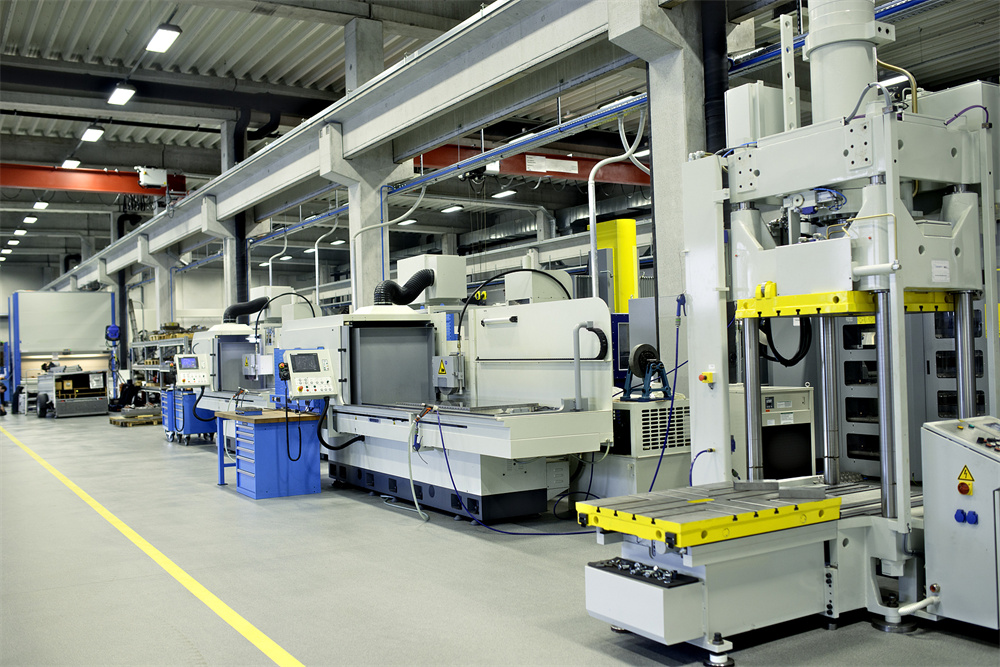
The shop decided to invest in a HARSLE 6kW Fiber Laser Cutting Machine. Initially, they intended to use it only for simple shims and prototypes. However, they quickly realized that the laser’s accuracy was sufficient for over 60% of their die plate components. By moving these parts from the EDM machines to the laser, they reduced the lead time for a standard die set by nearly 30%.
Furthermore, the shop began offering “rapid prototyping” services to their automotive clients. They could now deliver functional metal prototypes in 24 hours, a service that previously took a week. This new revenue stream, combined with the internal efficiency gains, allowed the shop to recover the cost of the laser machine in just 14 months. The transition also improved employee morale, as the operators were able to focus on more complex, high-value machining tasks rather than repetitive plate cutting.
Frequently Asked Questions (FAQ)
1. Can a laser cutting machine cut through hardened tool steel?
Yes, fiber lasers can cut through hardened tool steel. However, it is often more efficient to cut the material in its annealed state and then heat-treat it afterward. If cutting hardened steel is necessary, the laser can handle it, but the heat-affected zone (HAZ) may require more careful management to avoid micro-cracking on the edges.
2. What is the typical tolerance for laser-cut die components?
A high-quality fiber laser machine can typically maintain tolerances within +/- 0.05mm (0.002 inches). While this is not as tight as wire EDM (which can reach +/- 0.005mm), it is more than sufficient for many tool and die components like stripper plates, spacers, and outer die blocks.
3. How does laser cutting compare to waterjet cutting for tool and die work?
Laser cutting is significantly faster and cleaner than waterjet cutting. While waterjet can cut thicker materials without any heat-affected zone, it is slower, noisier, and creates a mess with abrasive garnet. For most tool and die shops, the speed and precision of a fiber laser make it the superior choice for materials up to 25mm thick.
4. Is it difficult to learn how to operate a laser cutting machine?
Modern CNC controllers and nesting software have made laser cutting very user-friendly. An operator with a basic understanding of CAD and machining principles can typically become proficient in operating a HARSLE laser machine within a few days of training.
5. What maintenance is required for a fiber laser in a shop environment?
Fiber lasers require relatively low maintenance compared to CO2 lasers. Key tasks include keeping the optics clean, checking the chiller’s water levels, lubricating the linear guides, and ensuring the dust extraction system is functioning correctly. Most of these are simple daily or weekly checks.
Conclusion and Call to Action
Laser cutting machine applications for tool and die shops represent a significant leap forward in manufacturing efficiency. By providing a fast, accurate, and flexible method for producing die components and prototypes, fiber lasers allow shops to meet the increasing demands of modern industry. From reducing lead times to lowering production costs, the benefits are clear and measurable.
At HARSLE, we specialize in providing high-performance metal fabrication solutions tailored to the needs of precision-oriented industries. Our range of fiber laser cutting machines is designed with the durability and accuracy that tool and die shops require. If you are ready to modernize your shop and stay ahead of the competition, our team of experts is here to help you find the perfect machine configuration for your specific needs.
Contact HARSLE today to schedule a consultation or request a quote. Let us help you transform your tool and die operations with the power of advanced laser technology!