Common Laser Cutting Machine Applications In Construction Metal Fabrication


Introduction to Laser Cutting in the Construction Industry
The construction industry has undergone a massive transformation over the last decade, moving away from traditional manual fabrication methods toward high-precision automated solutions. At the heart of this revolution is the fiber laser cutting machine. When discussing Common Laser Cutting Machine Applications In Construction Metal Fabrication, we are looking at a technology that has redefined how structural components, decorative elements, and infrastructure parts are designed and manufactured. HARSLE, a leader in metal fabrication machinery, provides the high-power fiber lasers necessary to meet the rigorous demands of modern building projects.
In construction, speed and accuracy are not just advantages; they are requirements. Whether it is the fabrication of massive steel girders for a skyscraper or the intricate perforated panels of a modern museum facade, laser cutting offers a level of versatility that plasma or waterjet cutting often cannot match. This article explores the diverse applications, technical requirements, and productivity benefits of integrating laser cutting technology into the construction workflow.
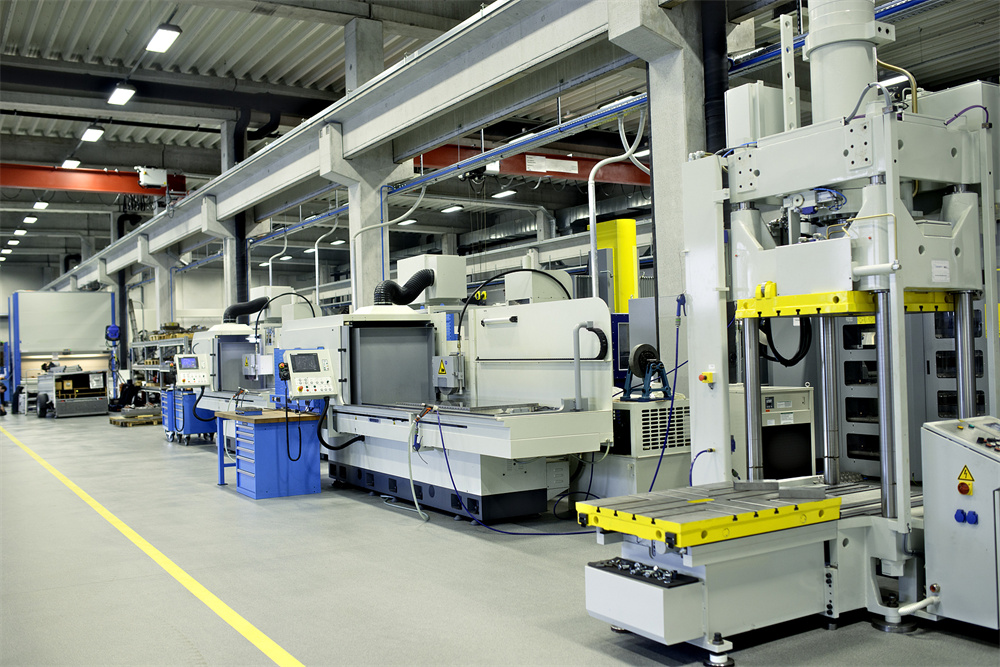
Common Laser Cutting Machine Applications In Construction Metal Fabrication
1. Structural Steel Components
Structural steel is the backbone of any major construction project. Traditionally, thick steel plates used for gussets, base plates, and connection brackets were cut using plasma or oxy-fuel systems. However, the industry is shifting toward high-power fiber lasers. Laser cutting allows for the creation of bolt holes and connection points with such high precision that secondary drilling or reaming is often unnecessary. This is one of the most critical Common Laser Cutting Machine Applications In Construction Metal Fabrication because it directly impacts the structural integrity and assembly speed of the building frame.
2. Architectural Facades and Decorative Panels
Modern architecture relies heavily on aesthetics. Perforated metal facades, sunshades, and custom-designed cladding are frequently used to give buildings a unique identity. Fiber lasers can execute complex geometric patterns and intricate filigree work on large-format sheets of aluminum or stainless steel. The ability to cut these patterns at high speeds without distorting the material makes laser cutting the preferred choice for architectural metalwork.
3. HVAC Ductwork and Ventilation Systems
Heating, Ventilation, and Air Conditioning (HVAC) systems require a vast amount of thin-gauge sheet metal fabrication. Laser cutting machines are used to cut the flat patterns for ducts, elbows, and transitions. The precision of the laser ensures that the parts fit together perfectly, reducing air leakage and improving the energy efficiency of the building’s climate control system. Furthermore, the nesting capabilities of modern laser software minimize material waste, which is a significant cost factor in large-scale HVAC projects.
4. Elevator and Escalator Components
The vertical transportation industry relies on laser cutting for everything from the structural frame of the elevator car to the decorative interior panels and call button plates. Stainless steel is the primary material here, and the clean, burr-free edges produced by fiber lasers are essential for both safety and visual appeal. The high repeatability of laser cutting ensures that every component in a multi-story installation is identical.
5. Staircases, Railings, and Balustrades
Custom staircases and safety railings are common in both commercial and residential construction. Laser cutting allows for the precise cutting of stringers, treads, and decorative balusters. For spiral staircases, laser-cut components ensure that the complex angles and curves align perfectly during on-site welding and assembly.
Material and Process Requirements
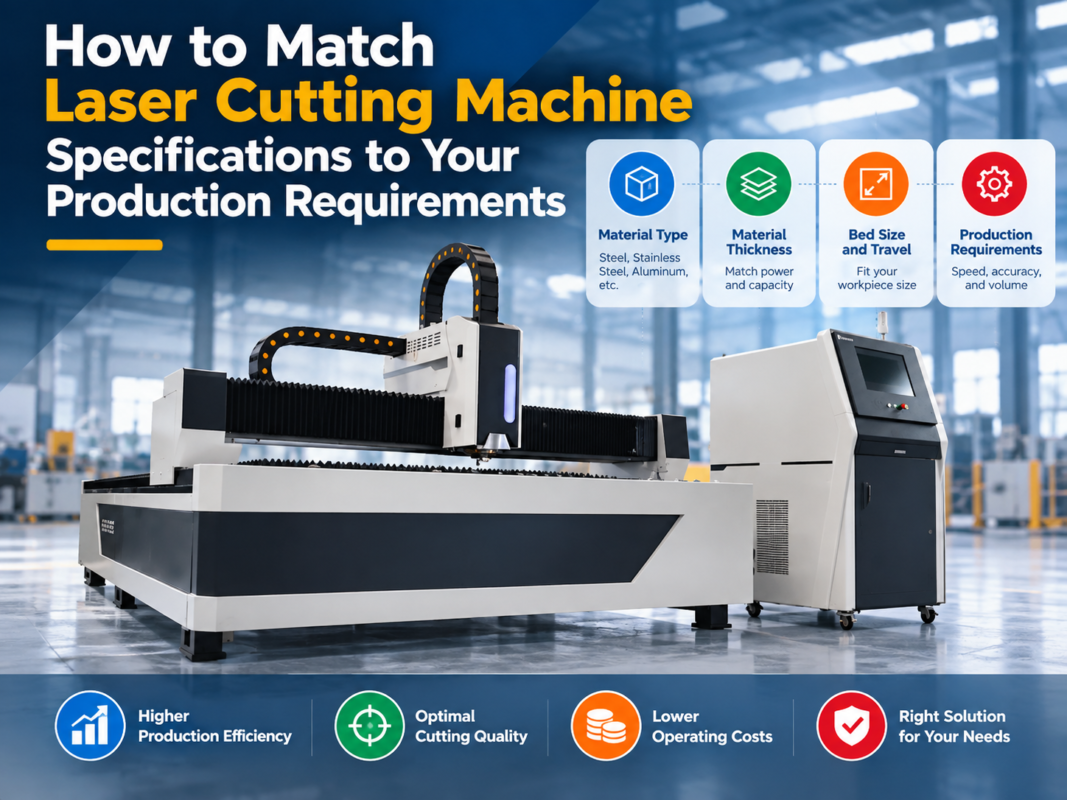
To successfully implement Common Laser Cutting Machine Applications In Construction Metal Fabrication, one must understand the material constraints and process requirements. Construction projects typically involve a mix of heavy-duty structural materials and lighter aesthetic materials.
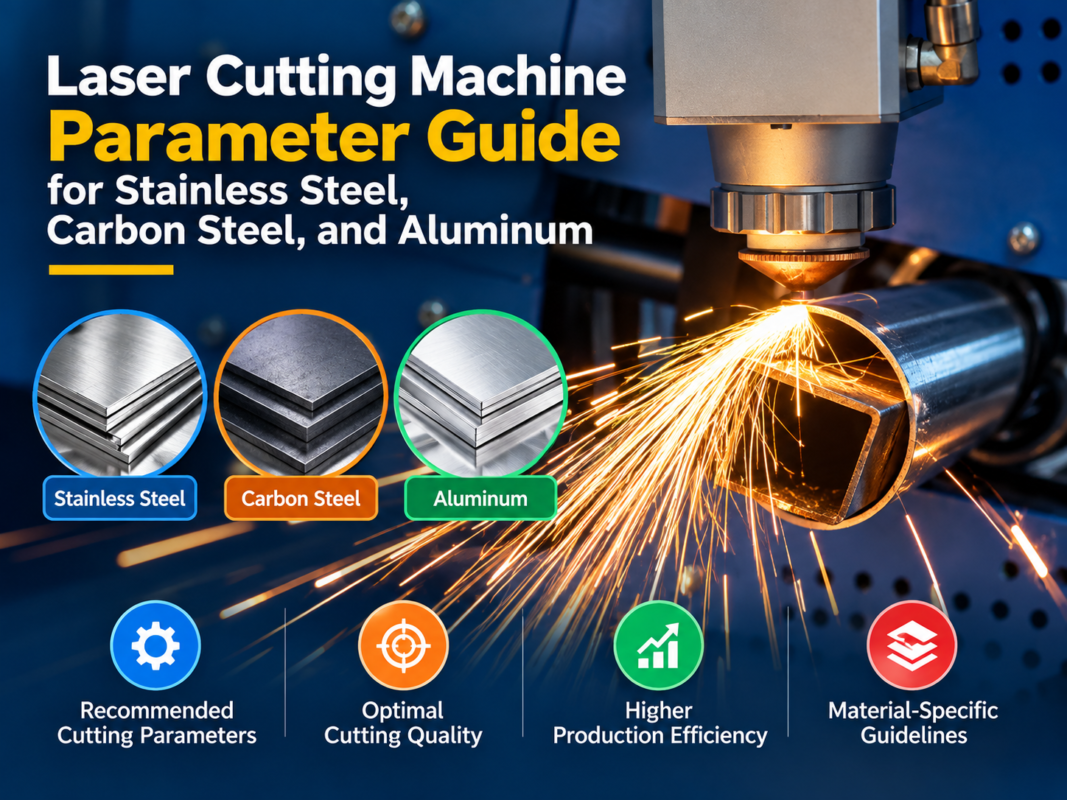
- Carbon Steel: Used for structural frames, base plates, and brackets. Thicknesses can range from 6mm to over 30mm. High-power lasers (12kW to 30kW) are required to maintain speed and edge quality on thicker sections.
- Stainless Steel: Common in facades, handrails, and kitchen infrastructure. It requires nitrogen as a shielding gas to prevent oxidation and ensure a bright, clean edge.
- Aluminum: Used for lightweight cladding and window frames. Aluminum is reflective, so a fiber laser with a robust beam delivery system is necessary to prevent back-reflection damage.
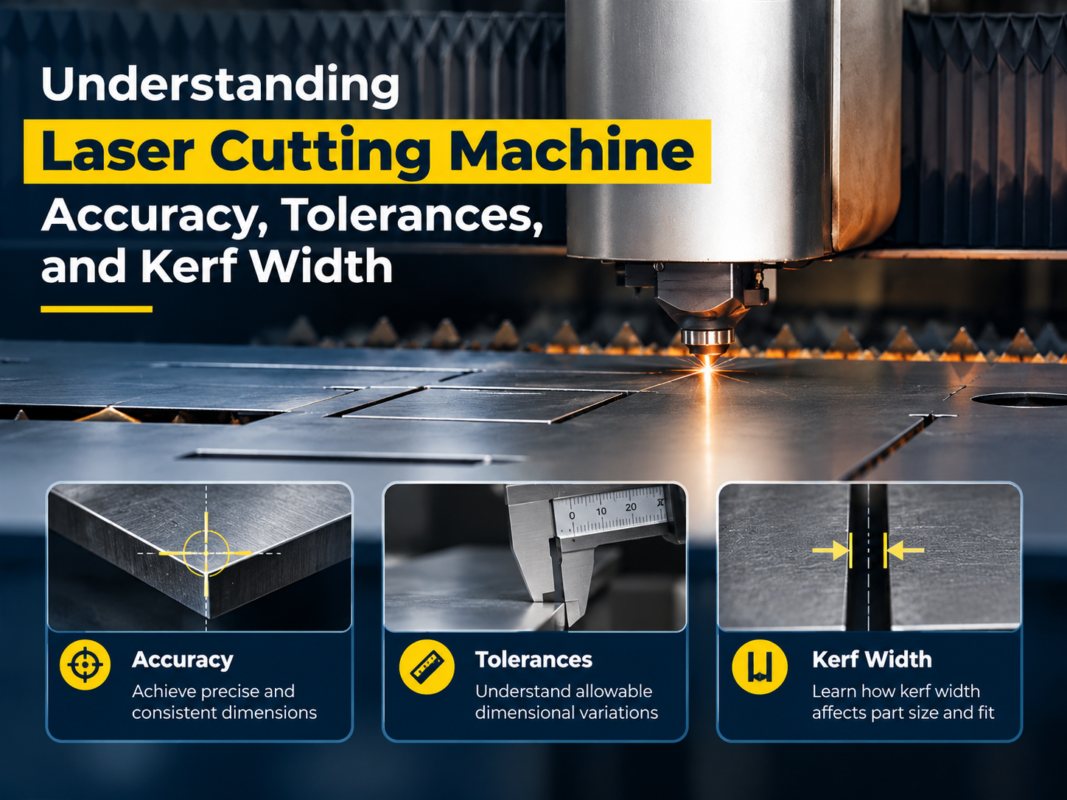
- Tolerances: Construction standards often require tolerances within +/- 0.1mm to 0.5mm. Laser cutting easily achieves this, ensuring that large assemblies fit together without on-site modifications.
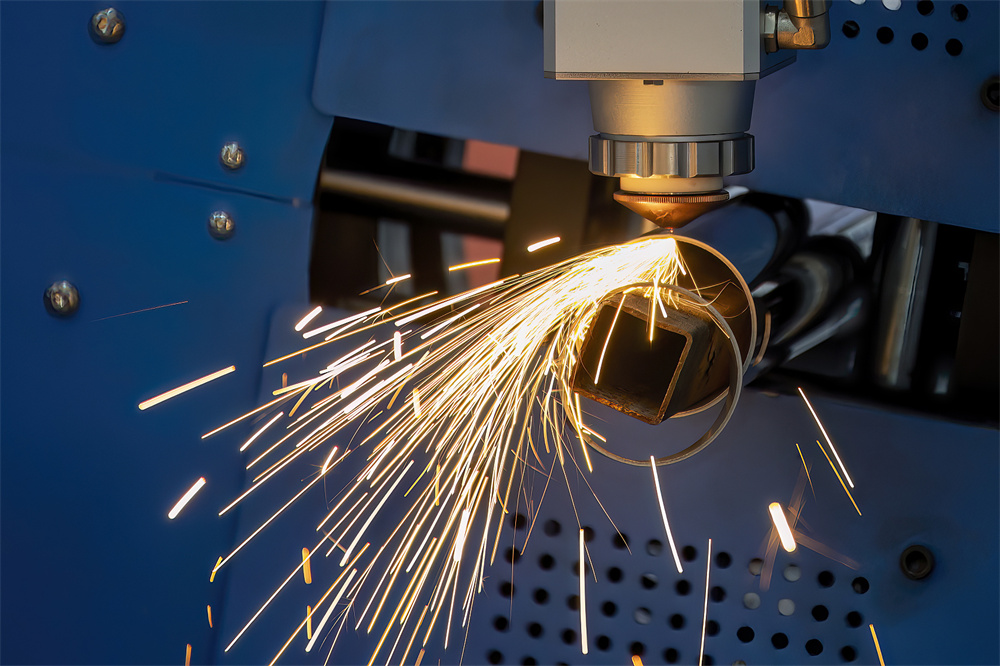
Recommended Machine Configuration for Construction
Choosing the right machine is vital for handling the diverse tasks in construction fabrication. HARSLE recommends the following configurations for optimal performance:
| Feature | Recommended Specification | Reasoning |
|---|---|---|
| Laser Power | 6kW – 30kW | Higher power is needed for thick structural plates and faster processing of thin sheets. |
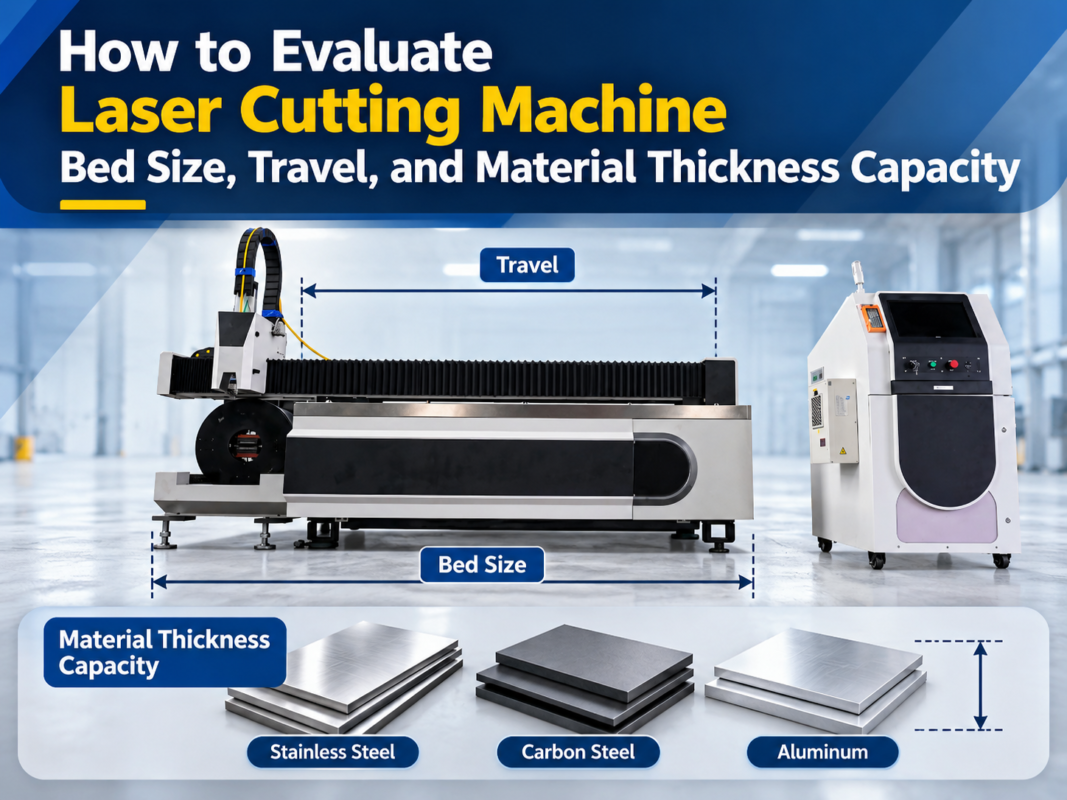
| Bed Size | 3000x1500mm to 8000x2500mm | Construction often involves large-format sheets for facades and long structural members. |
| Cutting Head | Auto-focusing Intelligent Head | Allows for seamless transition between different material thicknesses without manual adjustment. |
| Control System | CypCut or Similar Professional CNC | Provides advanced nesting and path optimization to reduce waste and cycle time. |
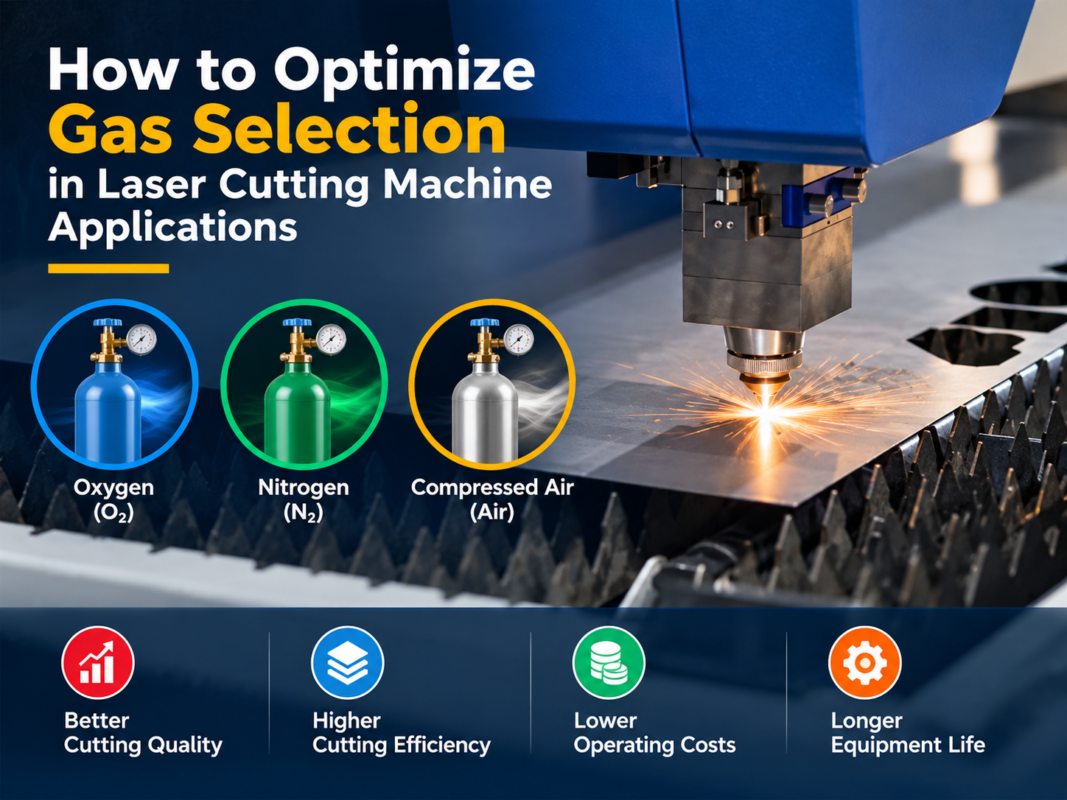
| Gas Selection | Oxygen, Nitrogen, and Compressed Air | Oxygen for thick carbon steel; Nitrogen for stainless/aluminum; Air for cost-effective thin sheet cutting. |
The Workflow: From Blueprint to Building Site
The integration of a laser cutting machine into the construction workflow follows a structured path to ensure efficiency and quality control.
- CAD Design: Architects and engineers provide CAD files (DXF or DWG). These designs include all bolt holes, notches, and markings required for the final assembly.
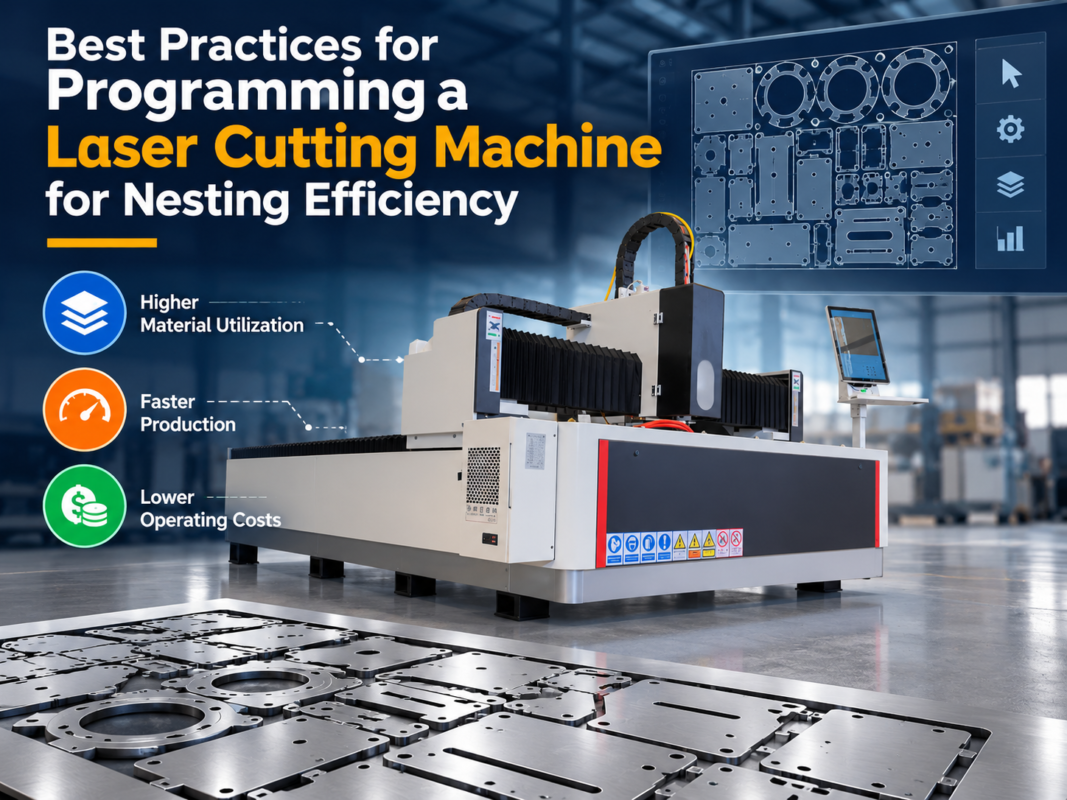
- Nesting and Programming: The CAD files are imported into nesting software. This software arranges the parts on the metal sheet to maximize material utilization. For construction, where material costs are high, efficient nesting can save thousands of dollars per project.
- Material Loading: Large sheets are loaded onto the laser bed, often using automated vacuum lifters or exchange tables to minimize downtime.
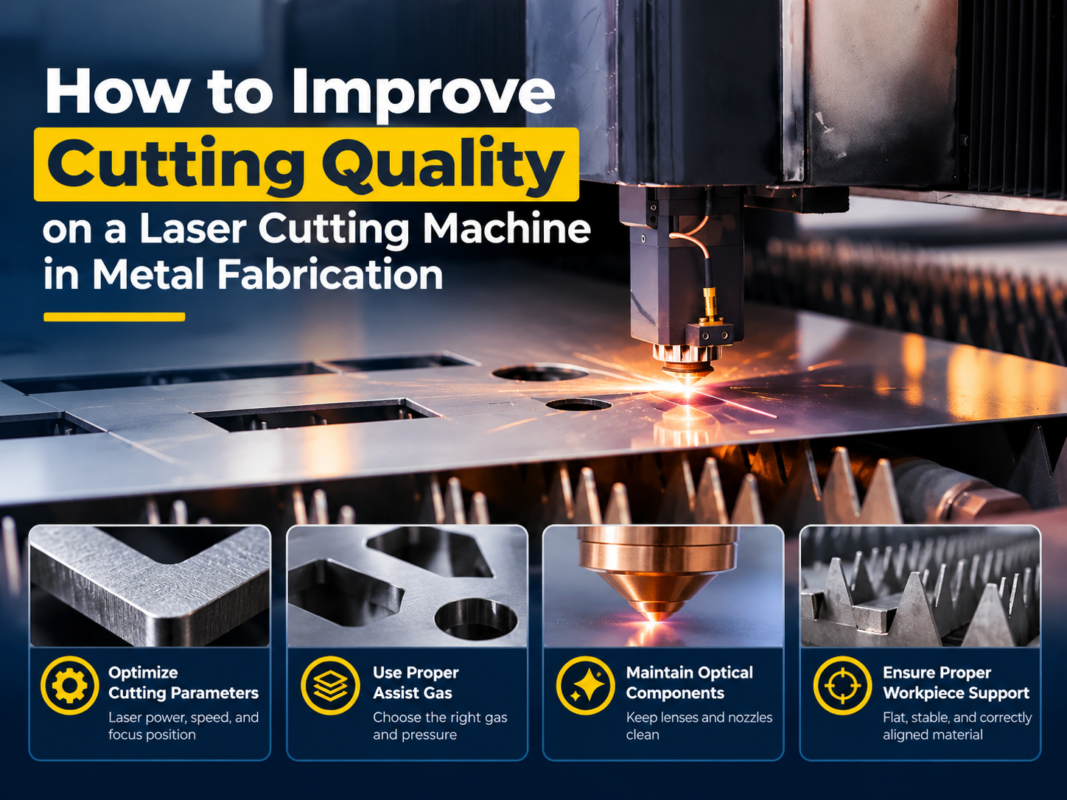
- Parameter Setting: The operator selects the material type and thickness. The machine automatically adjusts the focal point, gas pressure, and cutting speed.
- The Cutting Process: The fiber laser executes the program. For structural parts, the laser may also perform “etching” to mark part numbers or welding lines, which aids the assembly team.
- Unloading and Sorting: Parts are removed, sorted by assembly group, and sent for secondary processes like bending (on a HARSLE press brake) or direct shipment to the construction site.
Productivity Benefits of Laser Cutting in Construction
Why is the industry moving toward laser technology? The benefits are multifaceted, impacting both the bottom line and the quality of the final structure.
Elimination of Secondary Operations
Traditional cutting methods like plasma often leave a layer of dross or a heat-affected zone (HAZ) that must be ground away before welding or painting. Laser cutting produces such a clean edge that parts can often go straight from the machine to the welding station. This significantly reduces labor costs and speeds up the production cycle.
High Precision for Modular Construction
Modular and prefabricated construction is a growing trend. In this model, entire sections of a building are built in a factory and shipped to the site. This requires extreme precision; if a bolt hole is off by 2mm, the entire module might not fit. Laser cutting provides the sub-millimeter accuracy required for successful modular assembly.
Reduced Material Waste
With advanced nesting algorithms, laser cutting machines can place parts incredibly close together, sharing common cut lines. In large-scale construction projects involving hundreds of tons of steel, even a 5% improvement in material yield represents a massive cost saving.
Versatility Across Projects
A single HARSLE fiber laser can cut thin decorative aluminum in the morning and 20mm structural steel plates in the afternoon. This versatility allows fabrication shops to bid on a wider variety of construction contracts without needing multiple specialized cutting machines.
Case Example: High-Rise Facade Project
Consider a recent project involving a 40-story commercial building featuring a complex, perforated aluminum exterior. The fabricator was tasked with producing 5,000 unique panels, each with a slightly different hole pattern to create a “gradient” effect across the building’s surface.
Using a HARSLE 12kW Fiber Laser Cutting Machine, the fabricator was able to:
- Process each panel in under 8 minutes, compared to the 30 minutes it would have taken with a CNC punch press.
- Maintain perfect edge quality, eliminating the need for deburring.
- Use the laser’s marking function to label each panel with its specific grid coordinate, making on-site installation significantly faster for the construction crew.
- Achieve a 92% material utilization rate through dynamic nesting.
Frequently Asked Questions (FAQ)
What is the maximum thickness a fiber laser can cut for construction?
Modern high-power fiber lasers (20kW-30kW) can cut carbon steel up to 50mm and stainless steel up to 40mm. However, for most Common Laser Cutting Machine Applications In Construction Metal Fabrication, thicknesses typically range between 6mm and 25mm.
Is laser cutting more expensive than plasma cutting?
While the initial investment in a fiber laser machine is higher than a plasma cutter, the operating cost per part is often lower due to faster cutting speeds, lower gas consumption (when using air), and the elimination of secondary grinding and cleaning processes.
Can laser cutting machines handle structural tubes and beams?
Yes. Many HARSLE laser machines come with a rotary attachment or are dedicated tube lasers capable of cutting square, rectangular, and round tubing, as well as H-beams and C-channels, which are essential in construction.
How long does a fiber laser source last in a high-production environment?
A high-quality fiber laser source (like those from IPG or Raycus used by HARSLE) typically has a lifespan of 100,000 hours. In a standard construction fabrication shop, this equates to over 10 years of reliable service with minimal maintenance.
Conclusion and CTA
The Common Laser Cutting Machine Applications In Construction Metal Fabrication are vast and ever-expanding. From the hidden structural brackets that hold a building together to the stunning decorative facades that define a city’s skyline, fiber laser technology is the driving force behind modern construction efficiency. By adopting high-precision laser cutting, fabricators can reduce waste, eliminate costly secondary processes, and deliver superior quality components in record time.
Are you looking to upgrade your construction fabrication capabilities? HARSLE offers a wide range of high-power fiber laser cutting machines designed to handle the toughest materials and the most complex designs. Contact HARSLE today to find the perfect machine configuration for your next project and take your production to the next level.