Laser Cutting Machine Price Guide: How Much Does It Cost in 2026?


Introduction to the 2026 Laser Cutting Market
As we navigate through 2026, the metal fabrication industry has witnessed a significant transformation in technology and pricing structures. The question of Laser Cutting Machine Price : Much Does It Cost In 2026? is more relevant than ever for business owners looking to upgrade their production capabilities. Fiber laser technology has matured, leading to higher power capacities—reaching up to 60kW and beyond—while entry-level machines have become more accessible to small-scale workshops. Understanding the nuances of pricing in this landscape requires a deep dive into technical specifications, brand positioning, and the global economic factors influencing manufacturing costs.
HARSLE continues to lead the way in providing high-performance machinery that balances cost-efficiency with cutting-edge innovation. In 2026, the market is no longer just about the initial purchase price; it is about the total cost of ownership, energy efficiency, and the integration of AI-driven software that optimizes material usage. This guide serves as a comprehensive resource to help you navigate the complexities of the current market and make an informed investment decision for your fabrication business.
Price Range Overview: Categorizing the Investment
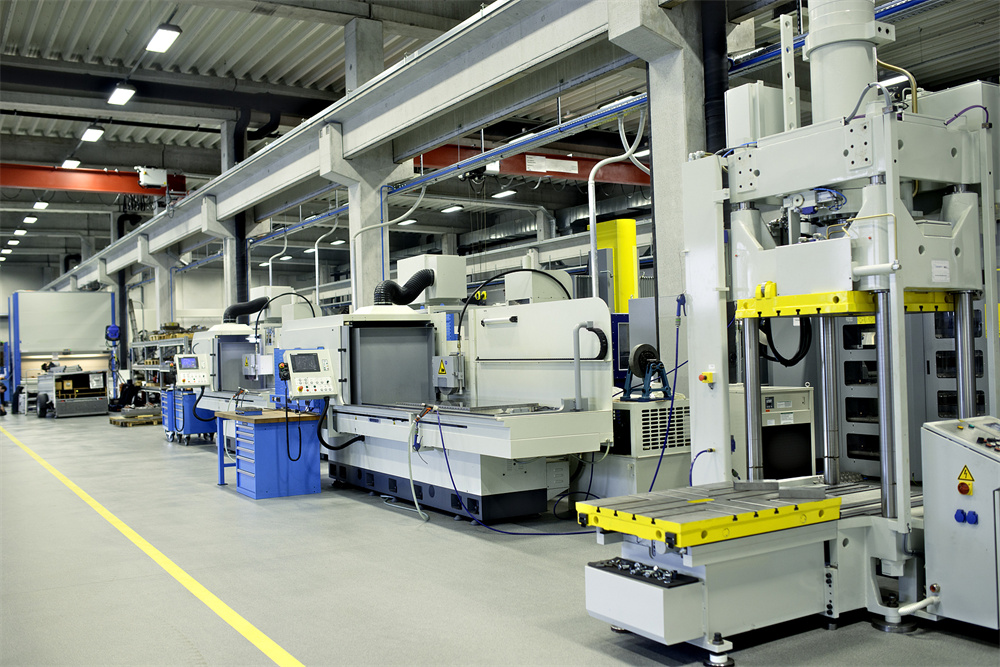
The Laser Cutting Machine Price : Much Does It Cost In 2026? varies significantly based on the machine’s power and intended application. Generally, the market is divided into three primary tiers: entry-level, mid-range, and high-power industrial systems. Each tier serves a specific production volume and material thickness range.
Entry-Level Fiber Lasers (1kW – 3kW)
For small workshops or businesses transitioning from plasma cutting, entry-level fiber lasers are the starting point. In 2026, these machines typically range from $25,000 to $55,000. These units are ideal for cutting thin sheets of carbon steel (up to 12mm) and stainless steel (up to 5mm). While they lack the speed of higher-wattage systems, their precision and low maintenance costs make them a favorite for decorative metalwork and light component manufacturing.
Mid-Range Production Lasers (6kW – 12kW)
The mid-range segment is the workhorse of the modern fabrication shop. Prices in 2026 for these machines generally fall between $60,000 and $150,000. With 6kW to 12kW of power, these machines can handle thicker materials with ease and offer significantly higher cutting speeds on medium-gauge metals. This range often includes features like automatic nozzle changers and exchange tables, which are essential for maintaining high throughput in a competitive market.
High-Power Industrial Systems (20kW – 60kW+)
At the top of the spectrum are the ultra-high-power lasers designed for heavy industry, shipbuilding, and large-scale construction. These machines can cost anywhere from $200,000 to over $600,000. The 2026 market has seen a surge in demand for 30kW and 40kW models, which can replace traditional mechanical processing for thick plates (up to 50mm-100mm). The investment is substantial, but the ability to cut thick steel with laser precision at high speeds offers an unparalleled competitive advantage.
| Machine Category | Power Range | Estimated Price (2026) | Primary Application |
|---|---|---|---|
| Entry-Level | 1kW – 3kW | $25,000 – $55,000 | Thin sheet metal, signage, light fab |
| Mid-Range | 6kW – 12kW | $60,000 – $150,000 | General job shops, automotive parts |
| High-Power | 20kW – 60kW | $200,000 – $600,000+ | Heavy machinery, shipbuilding, thick plate |
Main Cost Drivers: What Are You Paying For?
When evaluating the Laser Cutting Machine Price : Much Does It Cost In 2026?, it is crucial to understand the components that dictate the final quote. Not all 6kW machines are created equal, and the quality of internal components significantly impacts both the price and the machine’s longevity.
The Laser Source
The laser source is the heart of the machine and typically accounts for 30% to 40% of the total cost. Leading brands like IPG Photonics remain the premium choice due to their reliability and global service network. However, in 2026, domestic Chinese sources like Raycus and Maxphotonics have closed the quality gap significantly, offering high-power sources at a more competitive price point. Choosing a premium source increases the upfront cost but often results in better beam stability and a longer lifespan.
The Cutting Head and Optics
The cutting head, equipped with autofocus sensors and high-quality lenses, is another major cost driver. Brands like Precitec or specialized HARSLE-integrated heads are designed to handle the intense heat generated by high-wattage lasers. In 2026, intelligent cutting heads with built-in monitoring sensors (to detect pierce completion or lens contamination) have become standard in mid-to-high-range machines, adding to the initial investment but reducing operational downtime.
Machine Bed and Frame Construction
A laser is only as accurate as the frame it sits on. High-speed cutting requires a rigid, heavy-duty bed to dampen vibrations. In 2026, high-end machines utilize plate-welded beds that have undergone stress-relief annealing and precision milling. A lightweight frame might save money initially, but it will lead to accuracy issues and mechanical wear within a few years of operation. HARSLE emphasizes the use of reinforced frames to ensure 24/7 industrial reliability.
CNC Control System and Software
The “brain” of the machine—the CNC controller—impacts the ease of use and the efficiency of the cutting paths. Advanced systems like CypCut or Beckhoff provide sophisticated nesting algorithms that save material. In 2026, AI-integrated software that automatically adjusts cutting parameters based on material quality is a premium feature that can add several thousand dollars to the price but pays for itself through reduced waste and setup time.
Configuration Impact: Customizing Your Machine
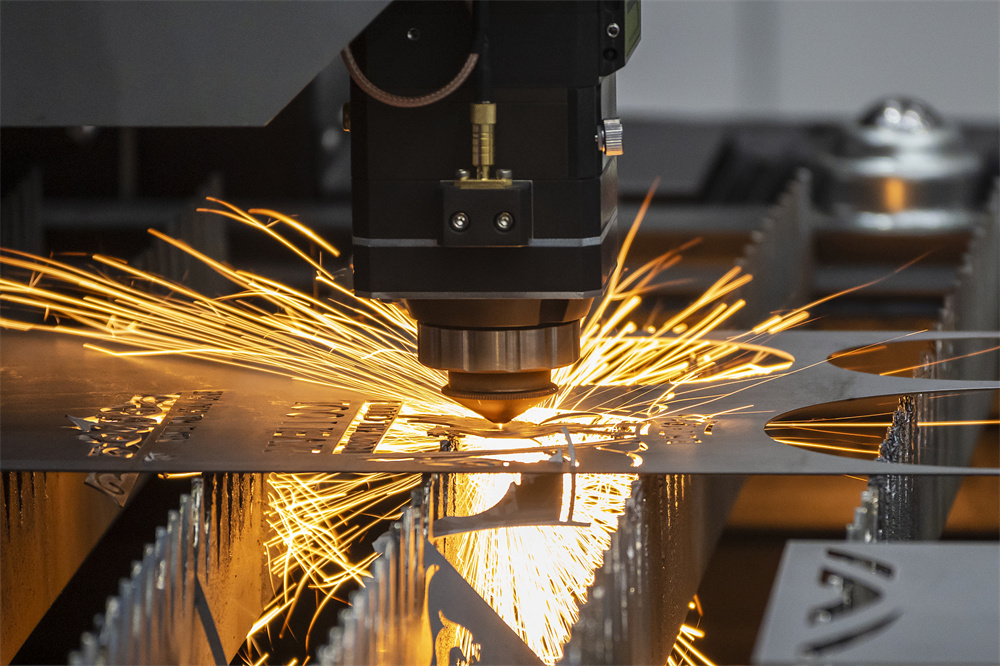
The base price of a laser cutting machine often excludes several configurations that are necessary for specific workflows. When asking Laser Cutting Machine Price : Much Does It Cost In 2026?, you must consider how these add-ons affect your budget.
Exchange Tables (Shuttle Tables)
An exchange table allows the operator to load a new sheet of metal while the machine is cutting another. This feature is almost mandatory for production environments, as it can increase productivity by 50% or more. Adding an automatic exchange table typically adds $15,000 to $30,000 to the machine’s price, depending on the size (e.g., 3015 vs. 6025 formats).
Tube Cutting Attachments
Many fabricators require the ability to cut both flat sheets and tubes. A 2-in-1 machine featuring a side-mounted tube rotation axis is a cost-effective alternative to buying two separate machines. This configuration usually adds $10,000 to $25,000 to the base price. However, for dedicated high-volume tube production, a specialized professional tube laser is recommended, which starts at a higher price point.
Full Protective Enclosure
Safety regulations in 2026 are stricter than ever. A fully enclosed machine with OD6+ rated laser safety glass protects operators from reflected radiation and contains the fumes generated during cutting. While open-bed machines are cheaper, many regions now require full enclosures for lasers above 4kW, adding roughly $8,000 to $20,000 to the cost.
Hidden Costs: Beyond the Sticker Price
The Laser Cutting Machine Price : Much Does It Cost In 2026? is only the beginning. To avoid budget overruns, buyers must account for the “hidden” costs associated with commissioning and operating a high-power laser.
- Shipping and Logistics: Industrial lasers are heavy and fragile. International shipping, customs duties, and local rigging (using cranes to move the machine into your shop) can cost between $3,000 and $15,000 depending on your location.
- Installation and Training: While some manufacturers include this, others charge separately. Professional installation ensures the machine is leveled and the beam is aligned. Training for your operators is vital to prevent expensive mistakes like crashing the cutting head.
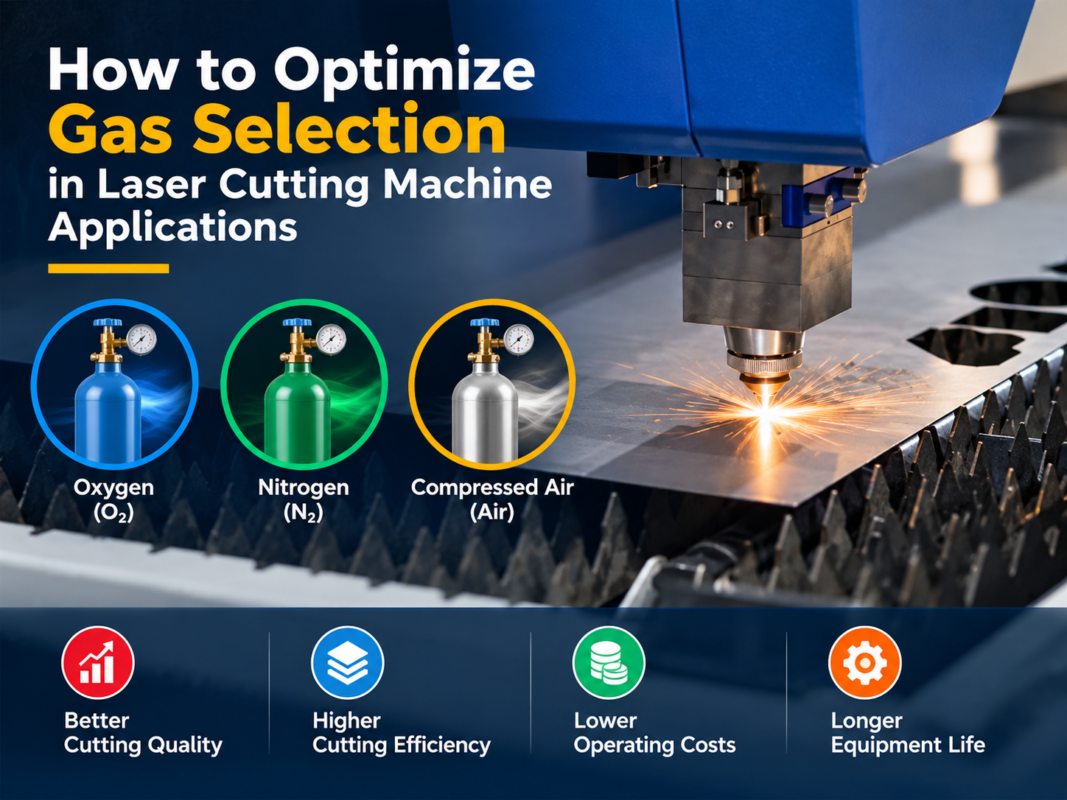
- Gas Supply Systems: Laser cutting requires assist gases like Nitrogen, Oxygen, or compressed air. High-power machines consume large volumes of gas. Investing in a high-pressure air compressor system (which can cost $10,000 – $20,000) can eliminate the ongoing cost of Nitrogen for many applications.
- Power Infrastructure: A 20kW laser requires a significant amount of electricity. You may need to upgrade your facility’s electrical panel or install a dedicated transformer, which can be a significant hidden expense.
- Consumables: Nozzles, protective windows, and ceramic rings are ongoing expenses. While individually cheap, they add up over a year of multi-shift operation.
ROI Calculation: Is the Investment Worth It?
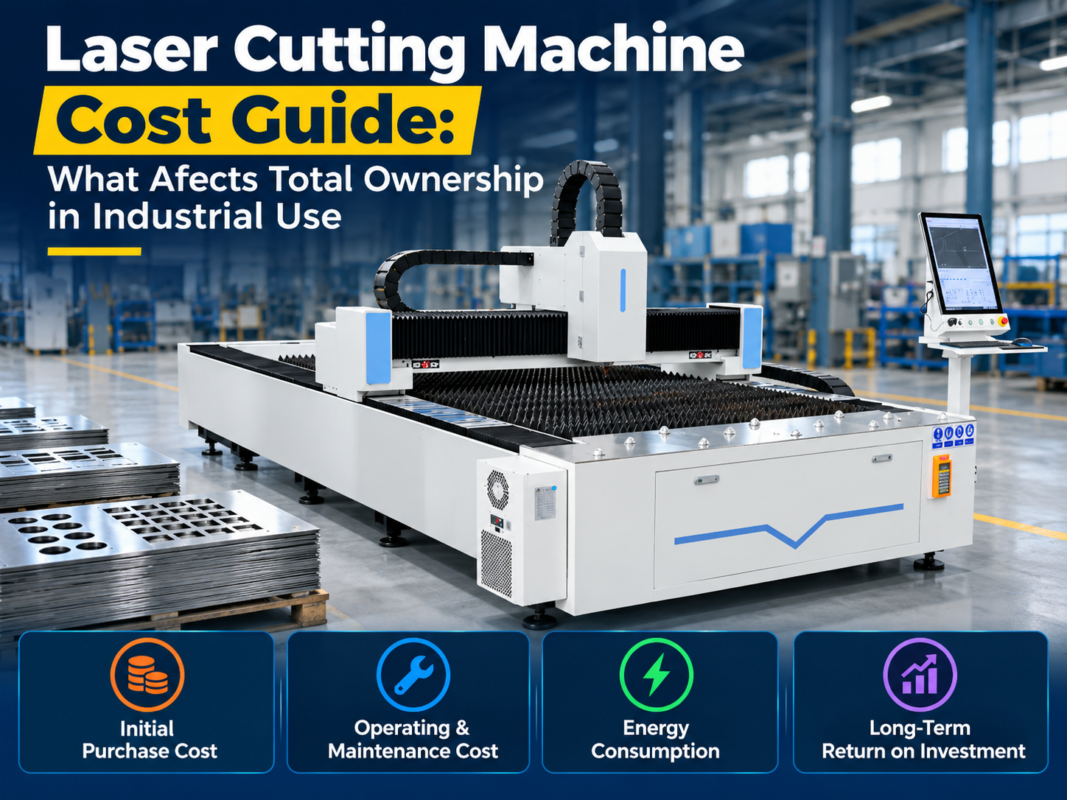
Determining the Laser Cutting Machine Price : Much Does It Cost In 2026? is meaningless without calculating the Return on Investment (ROI). A more expensive, higher-power machine often has a faster ROI than a cheaper, slower one because it reduces the “cost per part.”
To calculate ROI, consider the following formula: (Total Monthly Revenue from Laser – Total Monthly Operating Costs) / Monthly Finance Payment. In 2026, the increased speed of high-power lasers (20kW+) allows shops to complete jobs in a fraction of the time it took five years ago. For example, cutting 20mm carbon steel with a 20kW laser is significantly faster and uses less gas than a 6kW laser, leading to a lower cost per meter. Many HARSLE customers find that their machines pay for themselves within 12 to 24 months when running at 60-70% capacity.
Furthermore, the ability to bring cutting in-house rather than outsourcing to a service center saves the markup and reduces lead times, allowing you to take on more profitable, time-sensitive projects. The precision of modern lasers also reduces the need for secondary finishing processes like grinding, further saving on labor costs.
Buying Advice: Choosing the Right Machine for 2026
When you are ready to move past the question of Laser Cutting Machine Price : Much Does It Cost In 2026? and make a purchase, follow these strategic steps to ensure you get the best value:
- Define Your Material Mix: Don’t buy a 30kW laser if 90% of your work is 3mm aluminum. Conversely, don’t under-power your shop if you plan to grow into heavy plate fabrication. Match the power to your most common thickness, with a 20% buffer for future growth.
- Request a Live Demo or Sample Cut: Any reputable manufacturer like HARSLE will provide sample cuts using your specific CAD files and material. This proves the machine’s edge quality and speed in a real-world scenario.
- Evaluate After-Sales Support: A machine that is down for a week waiting for a part is a massive financial drain. Ensure the manufacturer has a local service presence or a robust remote diagnostic system. In 2026, many HARSLE machines feature 5G-enabled remote troubleshooting to minimize downtime.
- Check the Software Compatibility: Ensure the machine’s software integrates with your existing ERP or CAD/CAM workflow. Seamless data transfer from design to cut is essential for modern “Industry 4.0” manufacturing.
- Consider Financing: With interest rates and tax incentives for green manufacturing in 2026, leasing or financing might be more beneficial than a cash purchase, allowing you to preserve working capital.
Frequently Asked Questions (FAQ)
1. Why has the price of high-power lasers dropped since 2020?
The primary reason is the mass production of fiber laser sources and increased competition among source manufacturers. What was once experimental technology (like 20kW sources) is now standard industrial equipment, leading to economies of scale that benefit the end-user.
2. Can I upgrade the power of my laser cutting machine later?
Generally, no. While some components can be upgraded, the laser source, chiller, and cutting head are specifically matched. Upgrading usually requires replacing all these major components, which is often nearly as expensive as buying a new machine. It is better to buy the power you need for the next 3-5 years upfront.
3. How long does a fiber laser cutting machine last?
A well-maintained fiber laser machine can last 10 to 15 years. The laser source itself typically has a rated life of 100,000 hours. However, the mechanical components (rails, motors, gears) will require maintenance and eventual replacement to maintain precision over a decade of use.
4. Is air cutting really cheaper than nitrogen cutting?
Yes, significantly. While air cutting requires a high-pressure compressor and filtration system (an upfront cost), it eliminates the ongoing expense of liquid nitrogen. In 2026, high-power lasers have made air cutting viable for much thicker materials than before, offering a clean enough edge for many industrial applications.
5. What is the difference between a $30,000 machine and a $100,000 machine with the same power?
The difference lies in the build quality, component brands, speed (acceleration), and features. A $100,000 machine will likely have a heavier frame, faster servo motors (allowing for higher G-force acceleration), a more sophisticated control system, and better after-sales support. For high-volume production, the more expensive machine is almost always the more profitable choice due to higher uptime and faster cycle times.
Conclusion
Investing in a laser cutting machine in 2026 is a strategic move that can redefine your company’s production capabilities. While the Laser Cutting Machine Price : Much Does It Cost In 2026? can range from $25,000 to over half a million dollars, the key is to align the investment with your specific production goals and material requirements. By focusing on quality components, understanding the hidden costs, and calculating the potential ROI, you can select a machine that provides a competitive edge for years to come. HARSLE remains committed to providing the metal fabrication industry with transparent pricing and world-class technology to help businesses of all sizes succeed in this evolving market.