High-Power Laser Cutting Machine Price Guide for Heavy-Duty Production


Introduction to High-Power Laser Cutting in Heavy-Duty Environments
In the modern landscape of metal fabrication, the demand for thicker materials, faster turnaround times, and higher precision has led to a significant shift toward high-power fiber laser cutting machines. When we discuss ‘high-power’ in the context of heavy-duty production, we are generally referring to machines ranging from 12kW to 60kW and beyond. These machines are the workhorses of industries such as shipbuilding, aerospace, heavy machinery manufacturing, and structural steel fabrication.
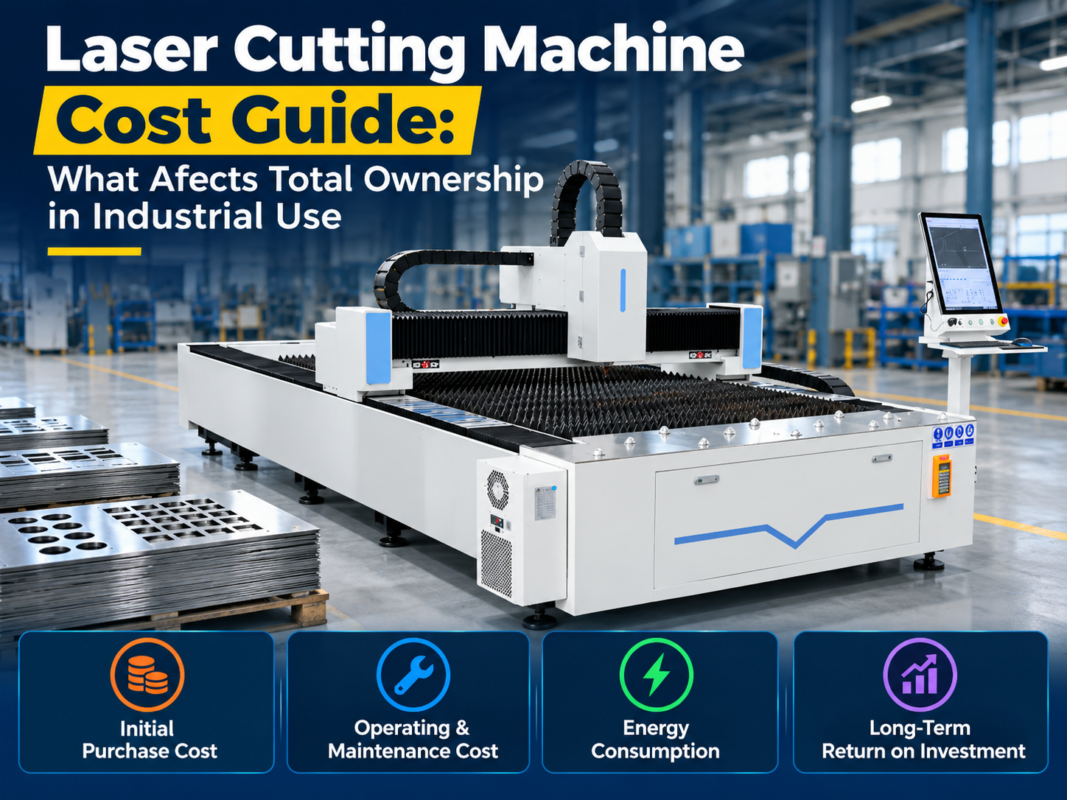
Understanding the High-Power Laser Cutting Machine Price Heavy-Duty Production landscape is essential for any business looking to upgrade its capabilities. The investment is substantial, often ranging from hundreds of thousands to over a million dollars. However, the price is not just a reflection of the laser’s wattage; it encompasses the engineering of the machine bed, the sophistication of the motion control system, and the reliability of the optical components. This guide aims to provide a transparent breakdown of what influences these costs and how to evaluate the value proposition of a high-power system.
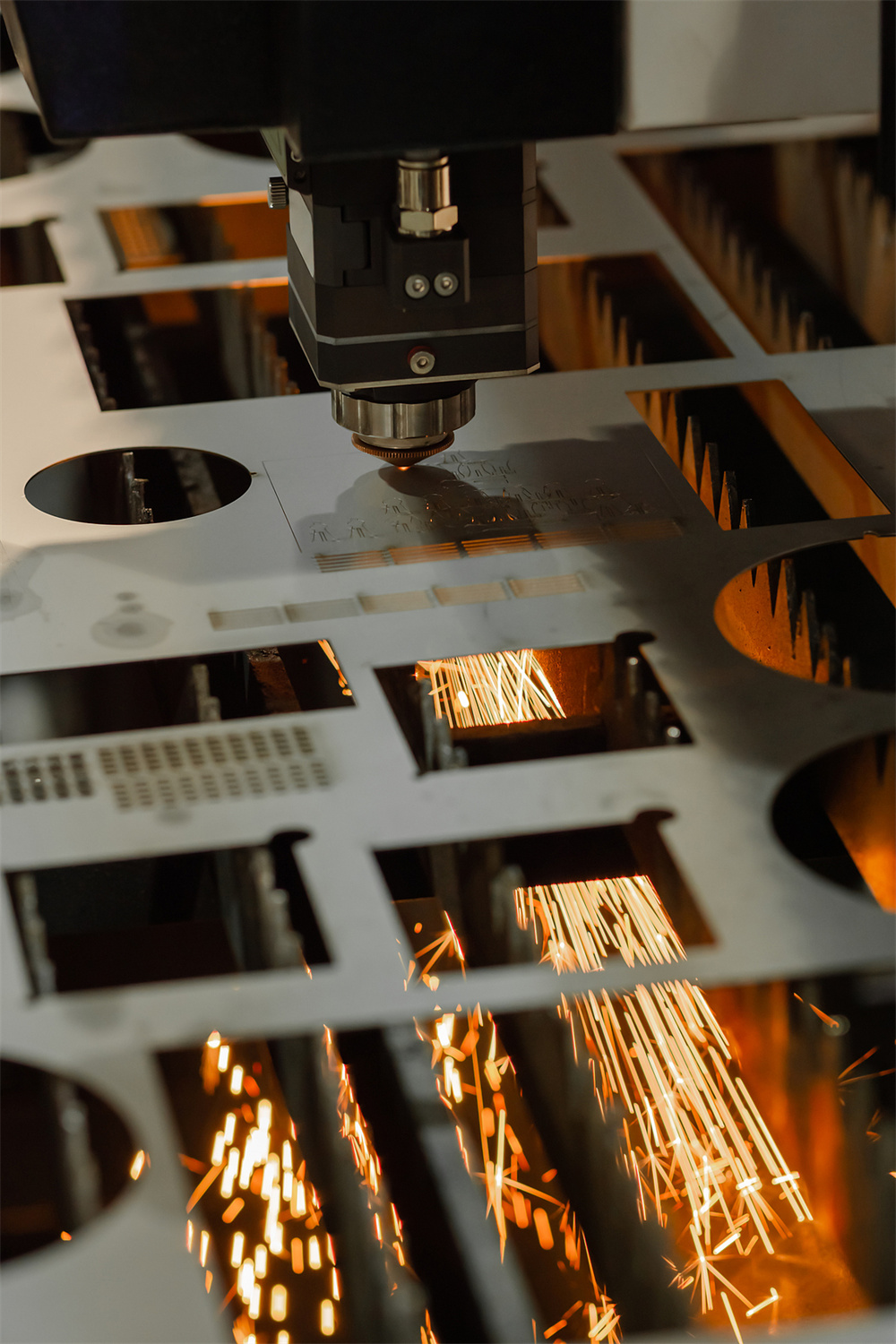
Price Range Overview: From 12kW to 60kW
The price of a high-power laser cutting machine is primarily dictated by the laser source power. As the wattage increases, the price does not follow a linear path; rather, it jumps significantly at certain technological thresholds. Below is a general overview of the market price ranges for heavy-duty fiber laser cutting machines in the current industrial market.
| Laser Power (kW) | Typical Price Range (USD) | Primary Material Thickness (Mild Steel) | Production Focus |
|---|---|---|---|
| 12kW – 15kW | $120,000 – $180,000 | 10mm – 30mm | High-speed medium plate cutting |
| 20kW – 30kW | $200,000 – $350,000 | 20mm – 50mm | Heavy structural steel, thick plate efficiency |
| 40kW – 60kW | $400,000 – $750,000+ | 40mm – 100mm+ | Extreme thickness, replacing plasma/flame cutting |
It is important to note that these prices are estimates for complete systems, including the machine tool, laser source, chiller, and basic software. Prices can vary based on the brand of the laser source (e.g., IPG vs. Raycus) and the level of automation included in the package. For heavy-duty production, the machine must be built to withstand 24/7 operation, which often places these machines at the higher end of the price spectrum compared to entry-level models.
Main Cost Drivers: What Are You Paying For?
When evaluating the High-Power Laser Cutting Machine Price Heavy-Duty Production, several core components drive the majority of the cost. Understanding these will help you decide where to invest and where to save.
1. The Laser Source
The laser source is the heart of the machine and typically accounts for 30% to 50% of the total cost. Brands like IPG Photonics (USA/Germany) command a premium due to their long-standing reputation for stability and global service networks. Domestic Chinese brands like Raycus and Maxphotonics have made massive strides in the high-power sector, offering 20kW and 30kW sources at a significantly lower price point while maintaining impressive performance. For heavy-duty production, the choice of laser source often depends on the criticality of the uptime and the specific materials being cut.
2. Machine Bed Construction
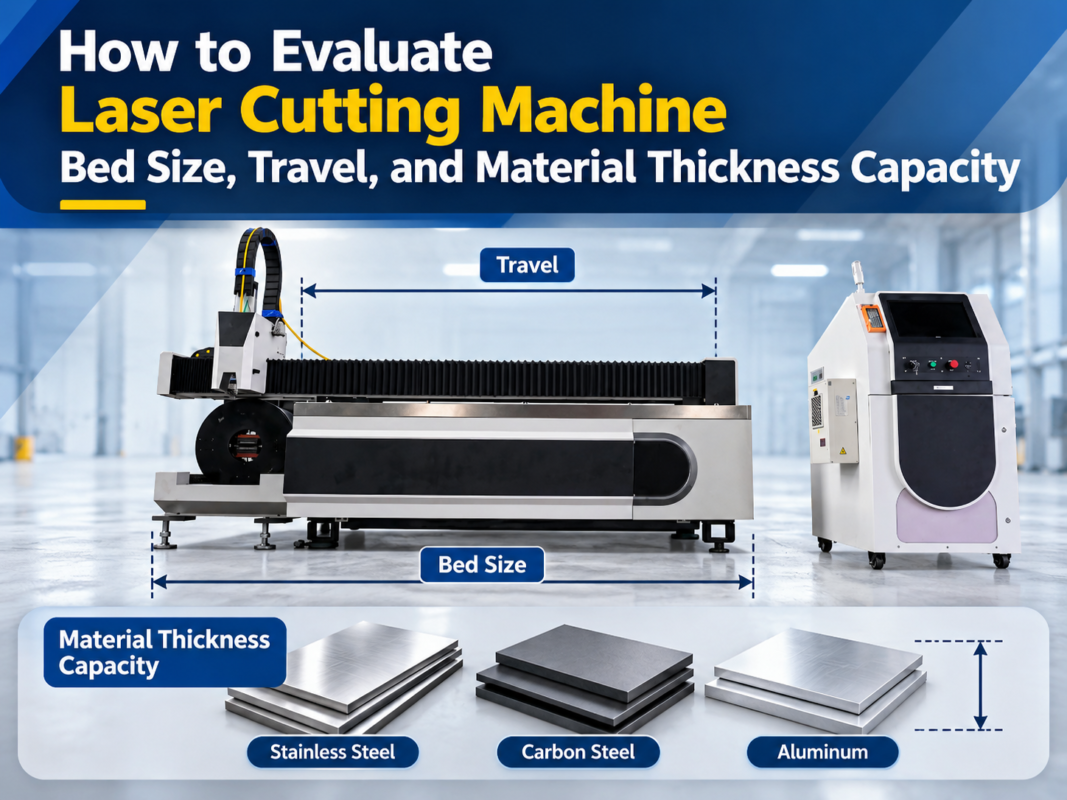
High-power lasers generate immense heat and move at high speeds. A standard machine bed will warp or vibrate under these conditions. Heavy-duty machines require a reinforced, heat-treated, and often hollow-structured bed. Many premium manufacturers use a plate-welded bed that undergoes stress-relief annealing to ensure long-term accuracy. The weight of the machine is a good indicator of its quality; a 12kW machine might weigh 10 tons, while a 30kW machine could exceed 15-20 tons to ensure stability during high-acceleration movements.
3. Motion System and Motors
To translate high power into high productivity, the machine needs to move fast. This requires high-precision rack and pinion systems (such as those from Atlanta or Alpha) and powerful servo motors (like Yaskawa or Panasonic). In ultra-high-power applications, some manufacturers utilize linear motors to achieve even higher speeds and accelerations, though this adds a significant premium to the price.
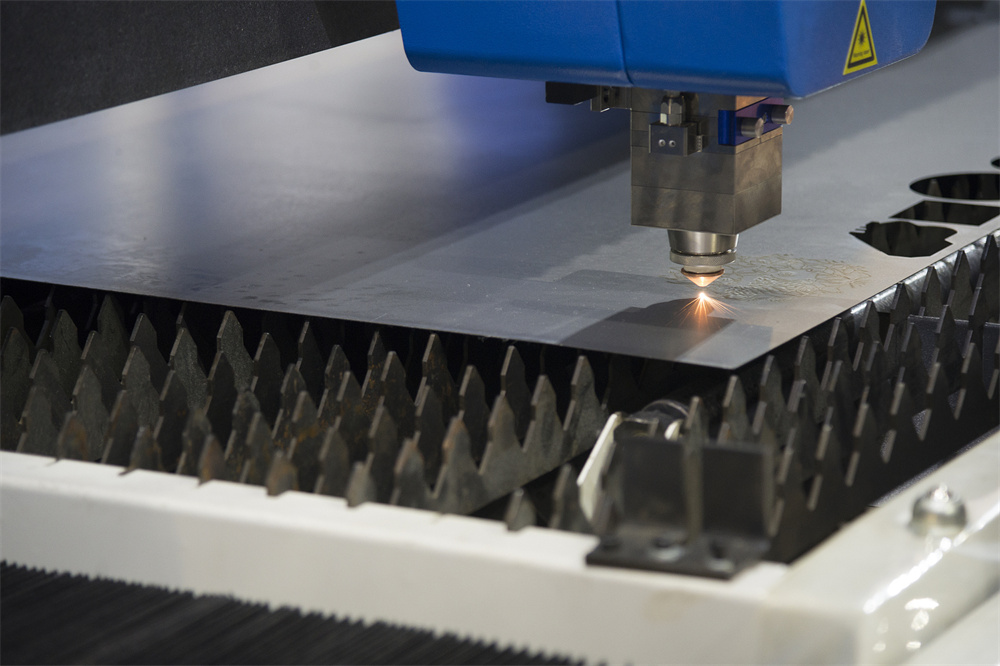
Configuration Impact: Customizing for Performance
Beyond the base price, the configuration of the machine can swing the cost by tens of thousands of dollars. For heavy-duty production, certain configurations are not just optional; they are necessary.
Cutting Head Technology
High-power lasers require specialized cutting heads (like Precitec or high-end domestic brands) that can handle the thermal load. Features like autofocus, zoom-spot adjustment, and protective window monitoring are essential. A cutting head capable of handling 30kW is significantly more expensive than one for 6kW because it requires advanced cooling channels and high-grade optics to prevent thermal shift.
Gas Control and Automation
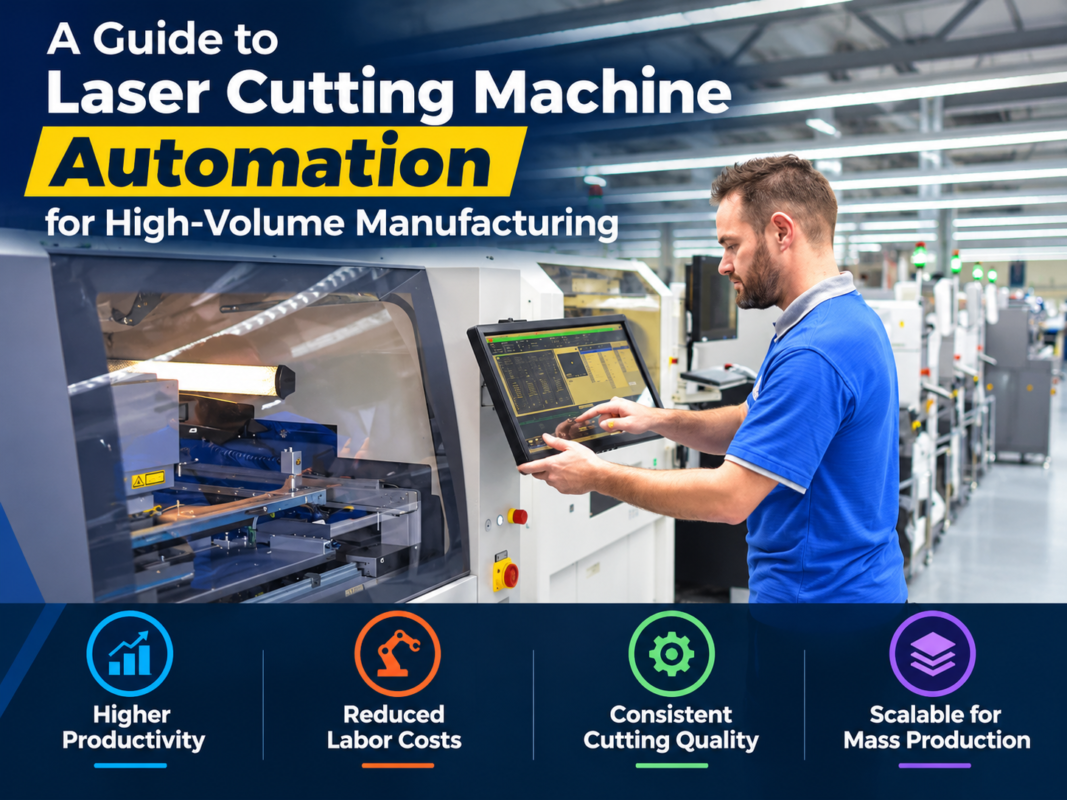
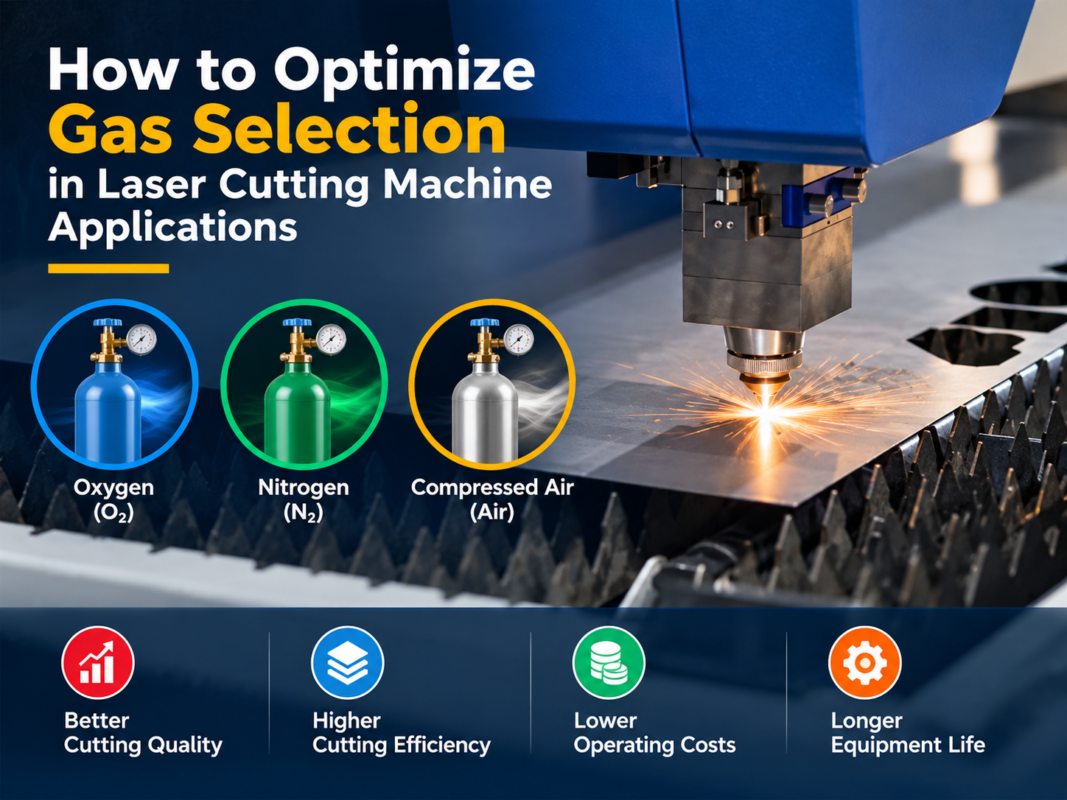
Heavy-duty production often involves switching between Oxygen (for thick carbon steel) and Nitrogen or Air (for stainless steel and high-speed thin plate cutting). Automatic gas consoles that precisely control pressure and flow rates are standard in high-power machines. Furthermore, adding an automatic nozzle changer can save hours of manual labor per week, though it adds to the initial investment.
Exchange Platforms and Dust Extraction
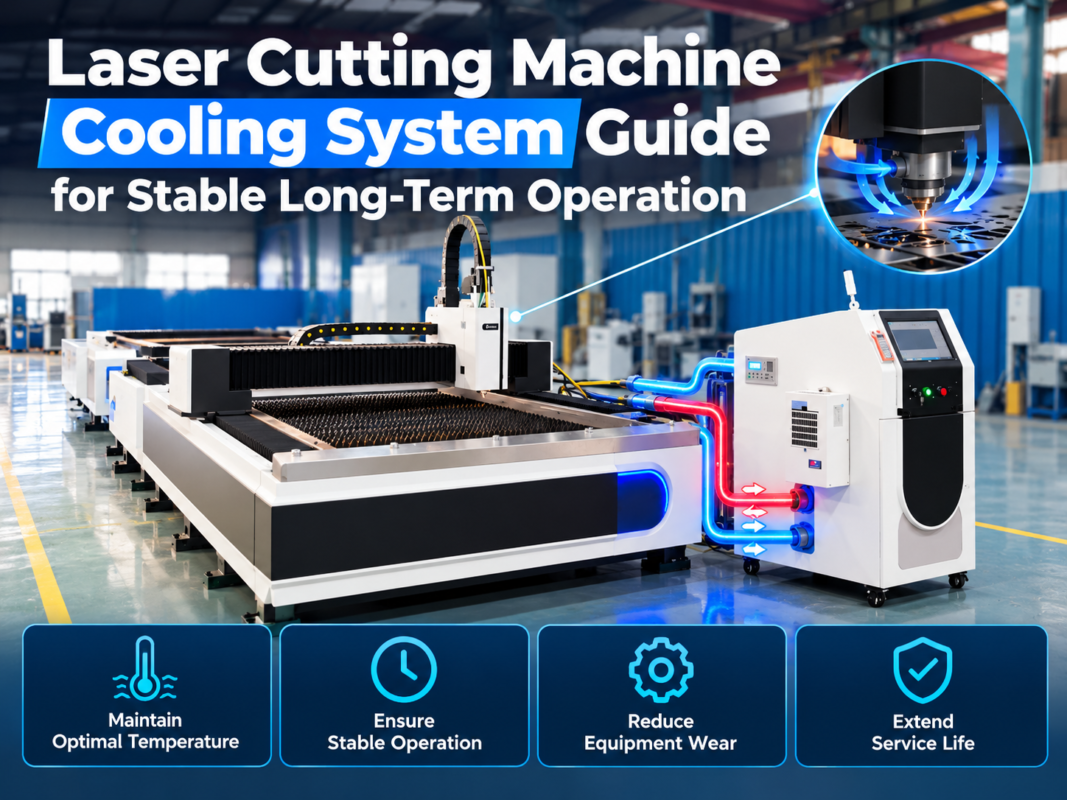
For heavy-duty production, a single-table machine is rarely sufficient. An automatic exchange platform (shuttle table) allows the operator to load new sheets while the machine is cutting, maximizing the ‘beam-on’ time. Additionally, high-power cutting produces significant fumes and dust, requiring a robust, multi-zone dust extraction system and a high-capacity dust collector, which are critical for both safety and machine longevity.
Hidden Costs of High-Power Laser Ownership
The purchase price is only the beginning. When budgeting for a High-Power Laser Cutting Machine Price Heavy-Duty Production, you must account for the operational and environmental costs.
- Electrical Infrastructure: A 30kW laser system can have a total power consumption exceeding 100kVA. You may need to upgrade your facility’s transformer and install dedicated voltage stabilizers.
- Gas Consumption: While high-power lasers cut faster, they also consume gas at a higher rate. Many shops investing in 20kW+ machines also invest in Nitrogen generators or liquid gas tanks to reduce the per-unit cost of gas.
- Consumables: Protective windows, nozzles, and ceramic rings are replaced more frequently in high-power environments due to the intense heat and potential for back-reflection.
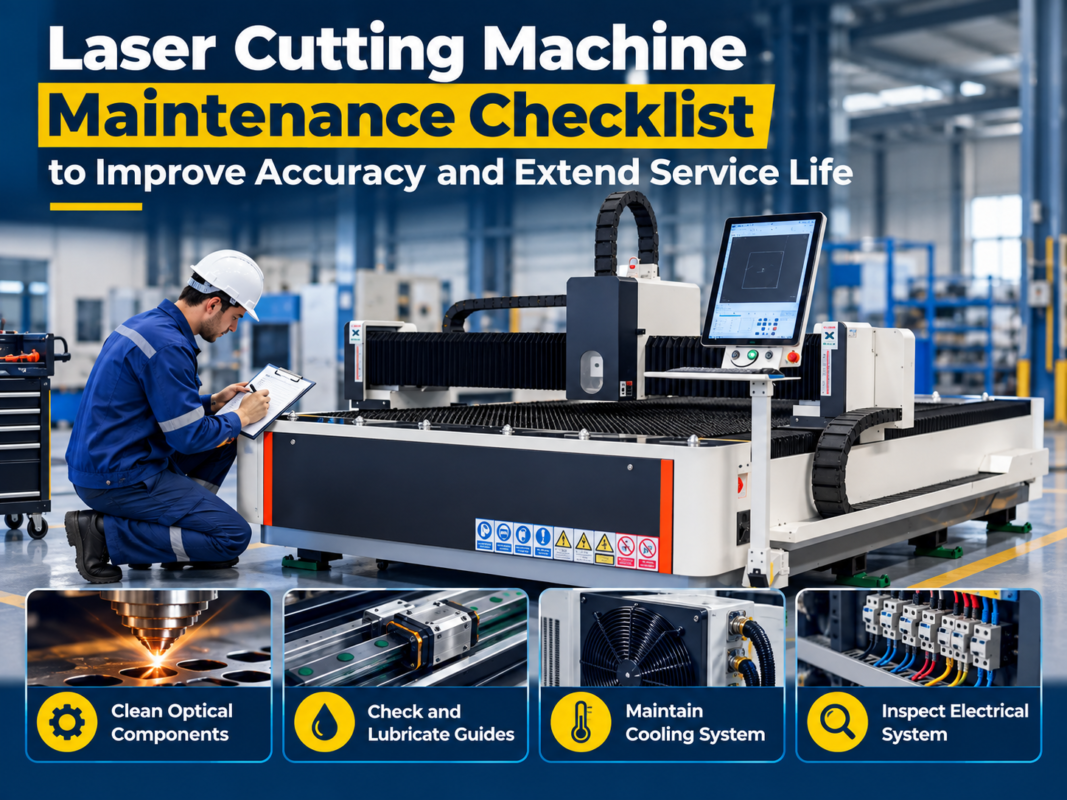
- Maintenance and Training: High-power systems are complex. Regular maintenance of the chiller, vacuuming the dust ducts, and cleaning the optics are mandatory. Training your operators to handle high-power parameters is also a hidden but vital cost.
ROI Calculation: Why High Power Often Costs Less Per Part
It may seem counterintuitive, but a more expensive 20kW machine often results in a lower cost per part than a 6kW machine for heavy-duty production. This is due to the exponential increase in cutting speed and the ability to cut thicker materials with air instead of expensive gases.
Consider a 20mm thick carbon steel plate. A 6kW machine might cut this at 0.8 m/min using Oxygen. A 20kW machine can cut the same material at 3.5 m/min or faster. While the 20kW machine costs twice as much, it produces four times the output. When you factor in labor, factory overhead, and electricity, the 20kW machine’s ROI is often achieved much faster in high-volume environments. Furthermore, the ability to use high-pressure air cutting on 10-15mm stainless steel (which is only possible with high power) can save thousands of dollars in Nitrogen costs annually.
Buying Advice for Heavy-Duty Production
When you are ready to request quotes for a High-Power Laser Cutting Machine Price Heavy-Duty Production, follow these steps to ensure you get the best value:
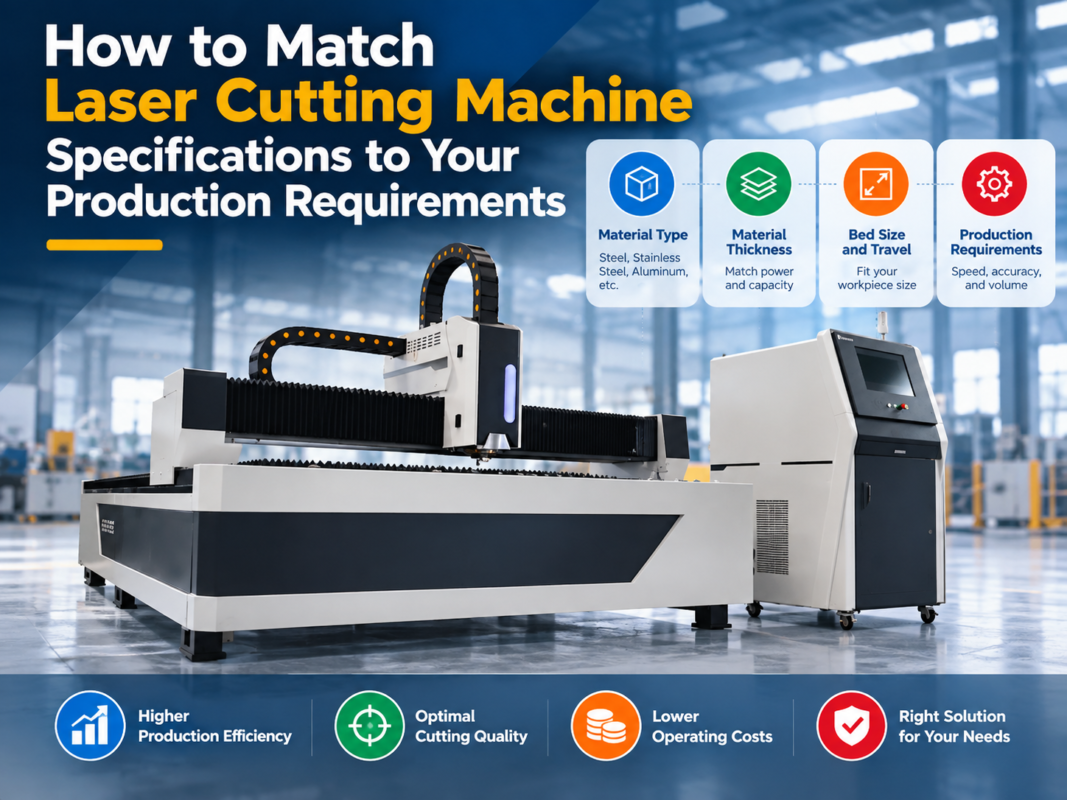
- Define Your Thickness Sweet Spot: Don’t buy a 40kW machine if 90% of your work is 12mm plate. A 15kW or 20kW machine might be more efficient for your specific mix.
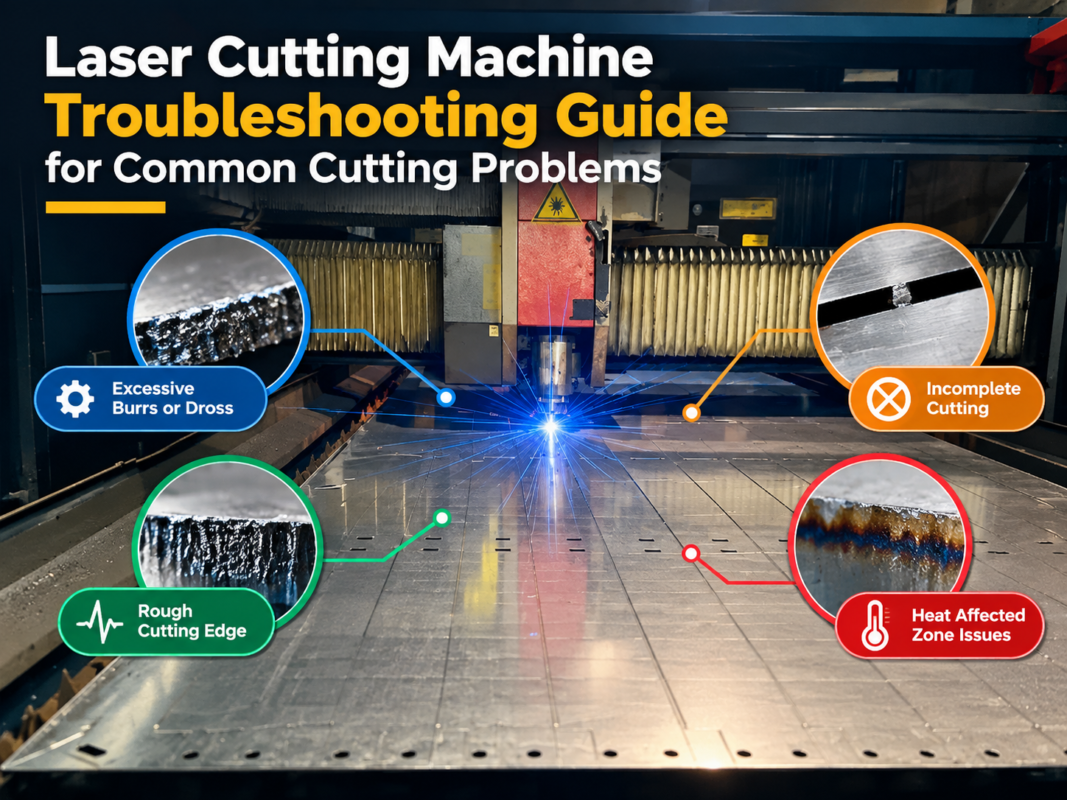
- Test Cut Your Materials: Always send your own material samples to the manufacturer. Observe the edge quality and the actual speed achieved, not just the theoretical speed in the brochure.
- Check the After-Sales Support: High-power machines are complex. Ensure the manufacturer (like HARSLE) has a proven track record of support, spare parts availability, and technician expertise in your region.
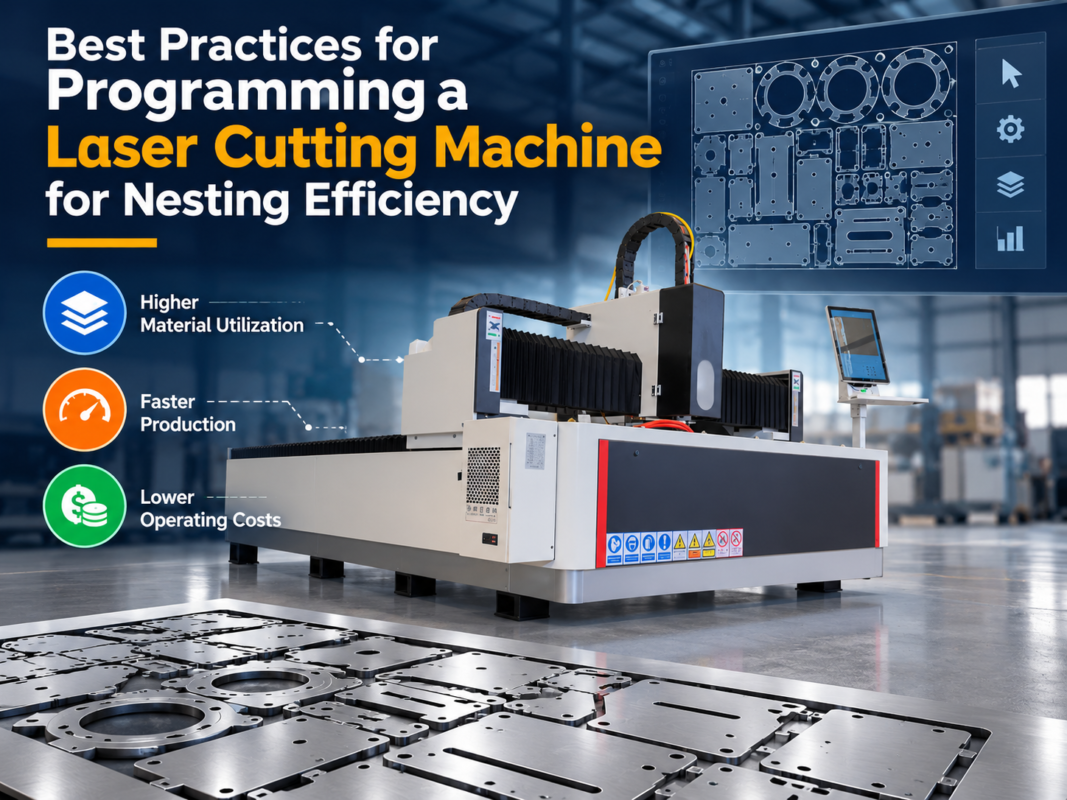
- Evaluate the Software: Heavy-duty production requires efficient nesting to minimize material waste. Ensure the machine comes with high-end nesting software that can handle complex geometries and common-line cutting.
Frequently Asked Questions (FAQ)
What is the lifespan of a high-power fiber laser source?
Most leading fiber laser sources are rated for approximately 100,000 hours of operation. In a heavy-duty production environment (two shifts), this equates to over 15-20 years. However, the actual lifespan depends heavily on the cleanliness of the environment and the consistency of the cooling system.
Can I upgrade my laser power later?
Generally, no. While some modular laser sources allow for power increases, the rest of the machine (chiller, cutting head, electrical components, and bed) is usually designed for a specific power range. It is almost always more cost-effective to buy the power you need from the start.
Is air cutting viable for heavy-duty production?
Yes, air cutting is one of the biggest advantages of high-power lasers (12kW and above). With sufficient air pressure and filtration, you can cut stainless steel and even carbon steel at very high speeds, significantly reducing the cost per part compared to using Nitrogen.
How much floor space is required?
A standard 6025 (6m x 2.5m) exchange platform laser cutting machine typically requires a footprint of about 15m x 5m, including the chiller, dust collector, and clearance for loading/unloading. Larger format machines for shipbuilding can require significantly more space.
Why is the price difference between brands so large?
The price difference usually stems from the quality of components (IPG vs. domestic sources, German vs. local gearboxes) and the structural integrity of the machine frame. A cheaper machine may perform well initially but may lose accuracy or require more frequent repairs in a heavy-duty, multi-shift environment.