Laser Cutting Machine Purchase Cost vs Operating Cost: Full Price Guide


Introduction to Laser Cutting Economics
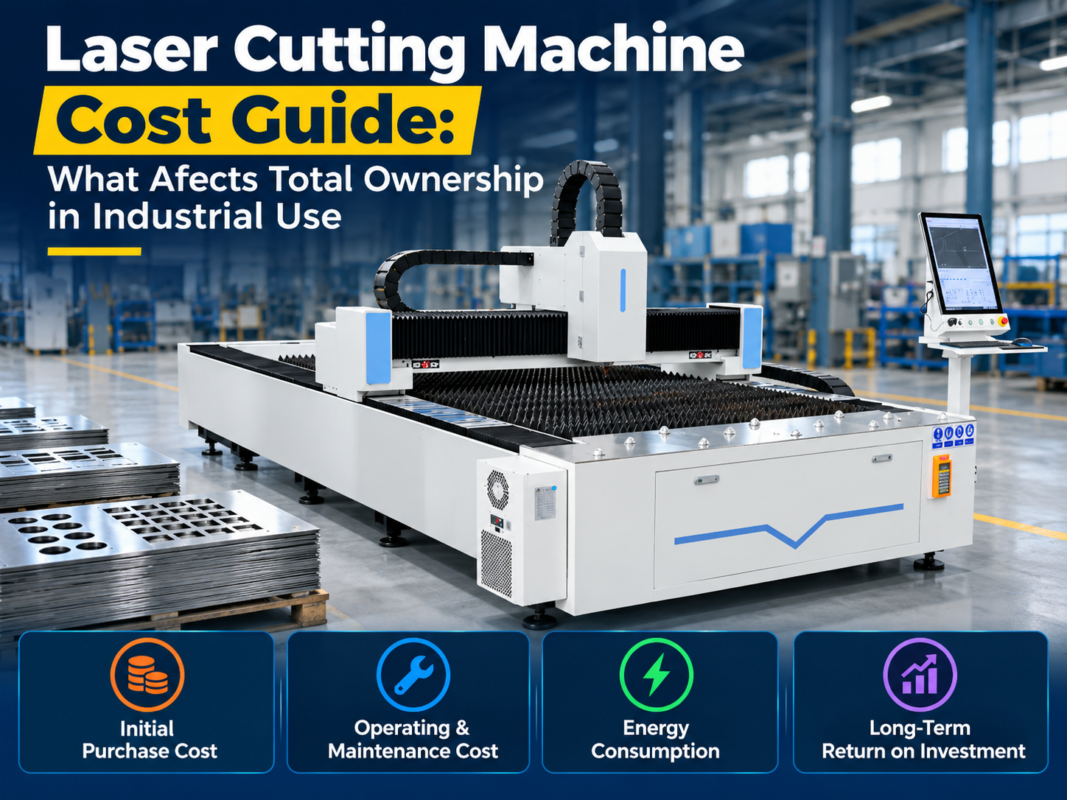
In the modern metal fabrication landscape, investing in a fiber laser cutting machine is often the single most significant capital expenditure a shop will make. However, the true cost of ownership extends far beyond the initial invoice. Understanding the Laser Cutting Machine Purchase Cost Vs Operating Cost: Full Price dynamic is essential for business owners to ensure long-term profitability and operational efficiency. While the purchase price (CAPEX) represents the entry barrier, the operating costs (OPEX) determine the daily margins of every part produced.
HARSLE, a leader in industrial machinery, recognizes that transparency in pricing and operating data allows fabricators to make informed decisions. This guide provides a deep dive into the financial variables of laser cutting, from the high-end fiber sources to the hidden costs of assist gases and maintenance. Whether you are a small job shop looking for your first 1kW machine or a large-scale manufacturer eyeing a 30kW powerhouse, this comprehensive analysis will help you navigate the complex financial landscape of laser technology.
The shift from CO2 to fiber laser technology has fundamentally changed the cost structure of the industry. Fiber lasers offer higher wall-plug efficiency and lower maintenance requirements, yet the initial investment remains substantial. By the end of this guide, you will have a clear framework for calculating the total cost of ownership (TCO) and determining the Return on Investment (ROI) for your specific production needs.
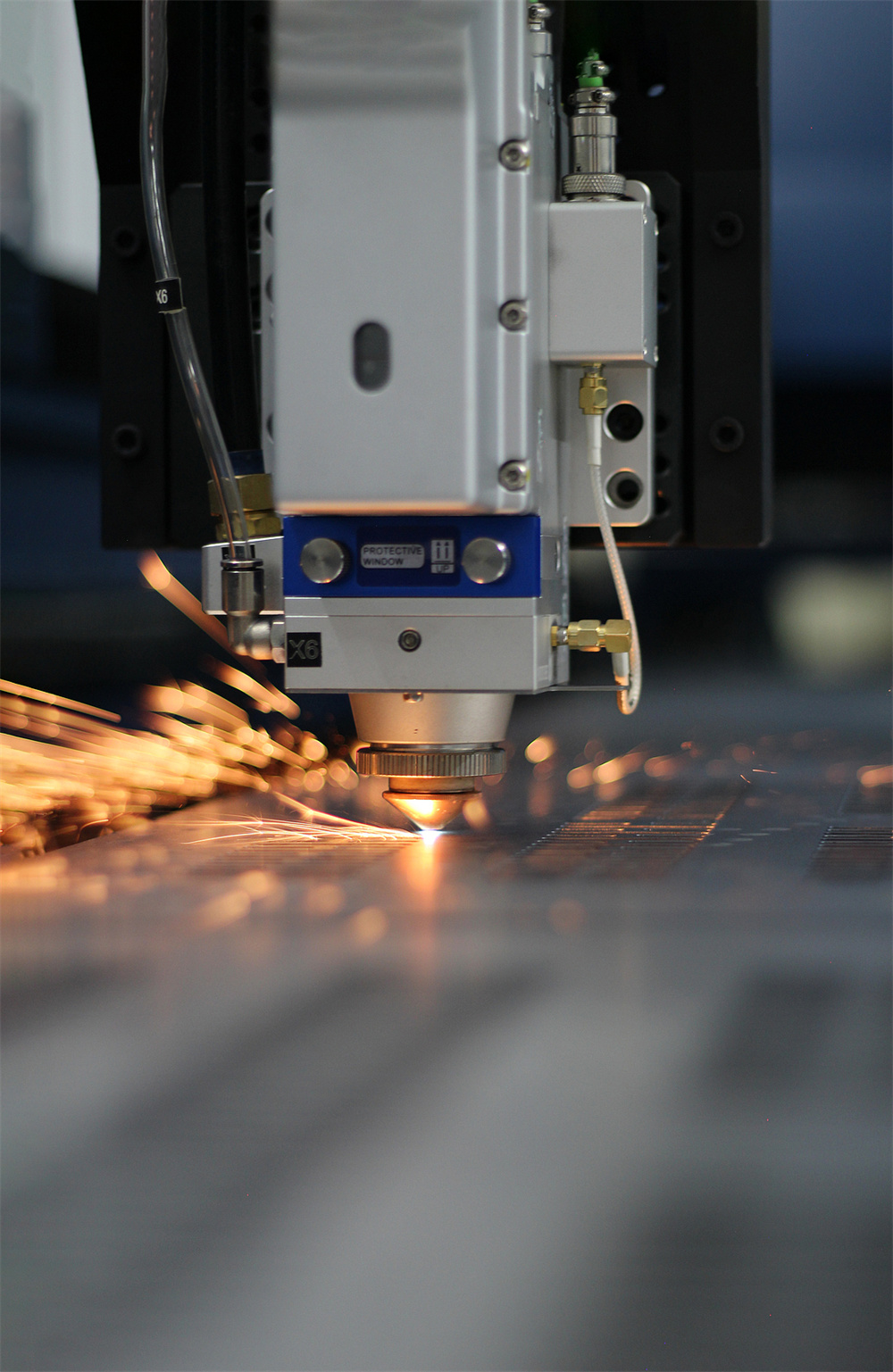
Price Range Overview: The Initial Investment
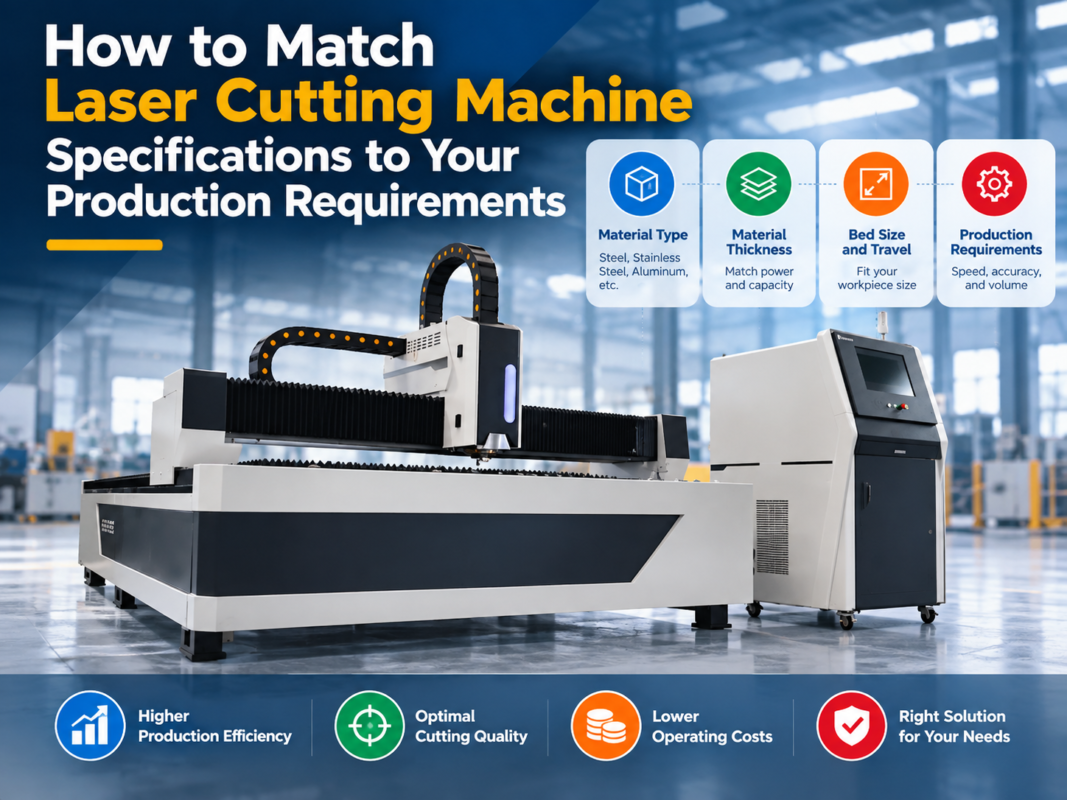
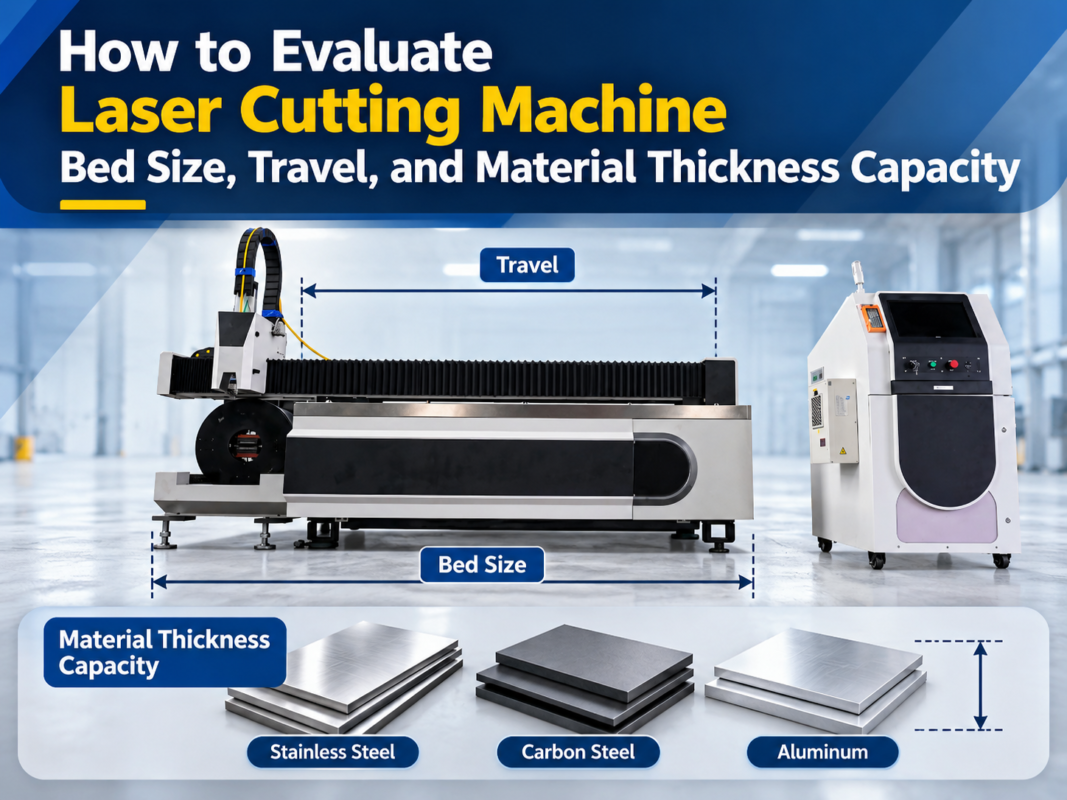
The purchase price of a laser cutting machine is primarily dictated by its power output, bed size, and the quality of its core components. In today’s market, fiber lasers have become the industry standard due to their speed and reliability. Below is a general breakdown of what you can expect to pay for a standard sheet metal fiber laser cutting machine.
Entry-Level and Small Scale (1kW – 3kW)
Entry-level machines are typically priced between $20,000 and $50,000. These machines are ideal for thin materials (up to 6mm carbon steel) and are often used by hobbyists, small workshops, or for prototyping. While the price is attractive, these machines often lack features like automatic nozzle changers or high-speed exchange tables, which can limit throughput in a high-volume environment.
Mid-Range Production (6kW – 12kW)
This is the “sweet spot” for most professional fabrication shops. Prices range from $60,000 to $150,000. Machines in this category can handle a wide variety of thicknesses, from thin sheets to 20mm+ plates. They usually come equipped with advanced CNC controllers, dual exchange tables to minimize downtime, and robust frames designed for 24/7 operation. The 12kW models, in particular, have seen a surge in popularity due to their ability to cut medium-thickness materials with incredible speed using compressed air.
High-Power Industrial (20kW – 40kW+)
For heavy industry and thick plate processing, high-power lasers are required. These machines can cost anywhere from $200,000 to over $500,000. The cost is driven by the expensive laser source (such as IPG or high-end Raycus units) and the reinforced machine structure needed to handle the thermal load and mechanical stress of high-speed cutting. These machines are designed to replace multiple lower-power units, offering a massive leap in productivity.
| Power Level | Typical Thickness (Steel) | Estimated Price Range (USD) | Primary Application |
|---|---|---|---|
| 1kW – 2kW | 1mm – 4mm | $20,000 – $35,000 | Thin sheet, Signage, Prototyping |
| 3kW – 6kW | 4mm – 12mm | $40,000 – $80,000 | General Fabrication, Job Shops |
| 12kW – 20kW | 12mm – 30mm | $100,000 – $250,000 | Heavy Machinery, High-Volume Parts |
| 30kW+ | 30mm – 50mm+ | $300,000+ | Shipbuilding, Structural Steel |
Main Cost Drivers: What Are You Paying For?
When analyzing the Laser Cutting Machine Purchase Cost Vs Operating Cost: Full Price, it is important to understand the components that drive the sticker price. Not all machines are created equal, and the “cheapest” option often uses inferior components that lead to higher operating costs later.
The Laser Source
The laser source is the heart of the machine and accounts for 30% to 50% of the total cost. Brands like IPG Photonics are considered the gold standard for reliability and beam quality, commanding a premium price. Brands like Raycus and Maxphotonics offer excellent performance at a more competitive price point. The choice of source affects not only the purchase price but also the long-term stability and serviceability of the machine.
The Cutting Head and Motion System
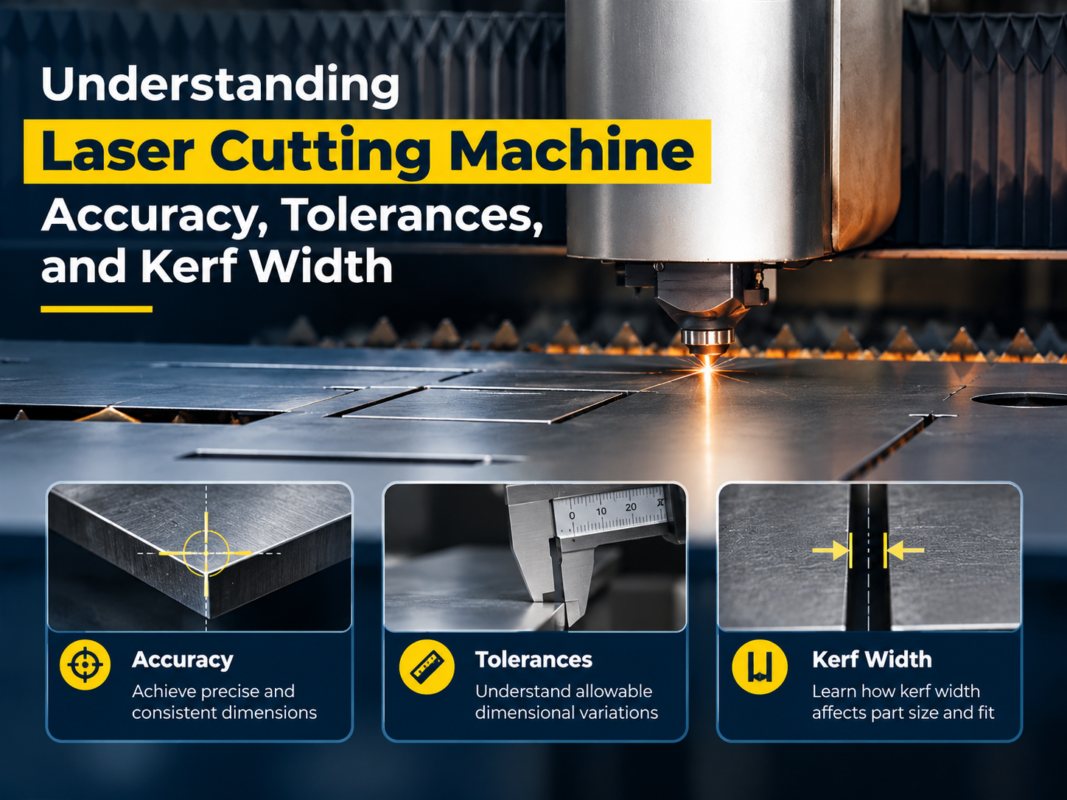
Precision is determined by the cutting head (e.g., Precitec or Raytools) and the motion system. High-end machines utilize linear motors or high-precision rack and pinion systems from manufacturers like YYC or Atlanta. The quality of the servo motors (Yaskawa or Panasonic) also impacts the machine’s acceleration and accuracy. A machine that can accelerate at 1.5G to 2.0G will significantly outperform a cheaper model limited to 0.5G, leading to a lower cost per part.
Machine Bed and Frame
A high-quality laser cutting machine requires a heavy, heat-treated frame to maintain accuracy over years of use. HARSLE utilizes high-strength steel plate welding and tempering processes to ensure the bed does not deform under the intense heat of the laser. A lighter, cheaper frame may vibrate at high speeds, leading to poor cut quality and premature wear on the mechanical components.

Configuration Impact: Customizing for Efficiency
The configuration of the machine can drastically alter both the purchase price and the operational efficiency. When evaluating the Laser Cutting Machine Purchase Cost Vs Operating Cost: Full Price, consider how these add-ons impact your workflow.
- Exchange Tables: A dual-pallet exchange table allows the operator to load new material and unload finished parts while the machine is cutting. This can increase productivity by 50% or more. While it adds $10,000 to $20,000 to the purchase price, the reduction in idle time often pays for itself within months.
- Full Enclosure: Safety is paramount. A fully enclosed machine protects operators from reflected laser radiation and contains dust and fumes. In many regions, an enclosure is a legal requirement for high-power fiber lasers.
- Tube Cutting Attachment: Some machines offer a rotary axis for cutting pipes and profiles. This “combo” configuration is more expensive than a flat-sheet machine but cheaper than buying two separate machines, making it a cost-effective choice for versatile shops.
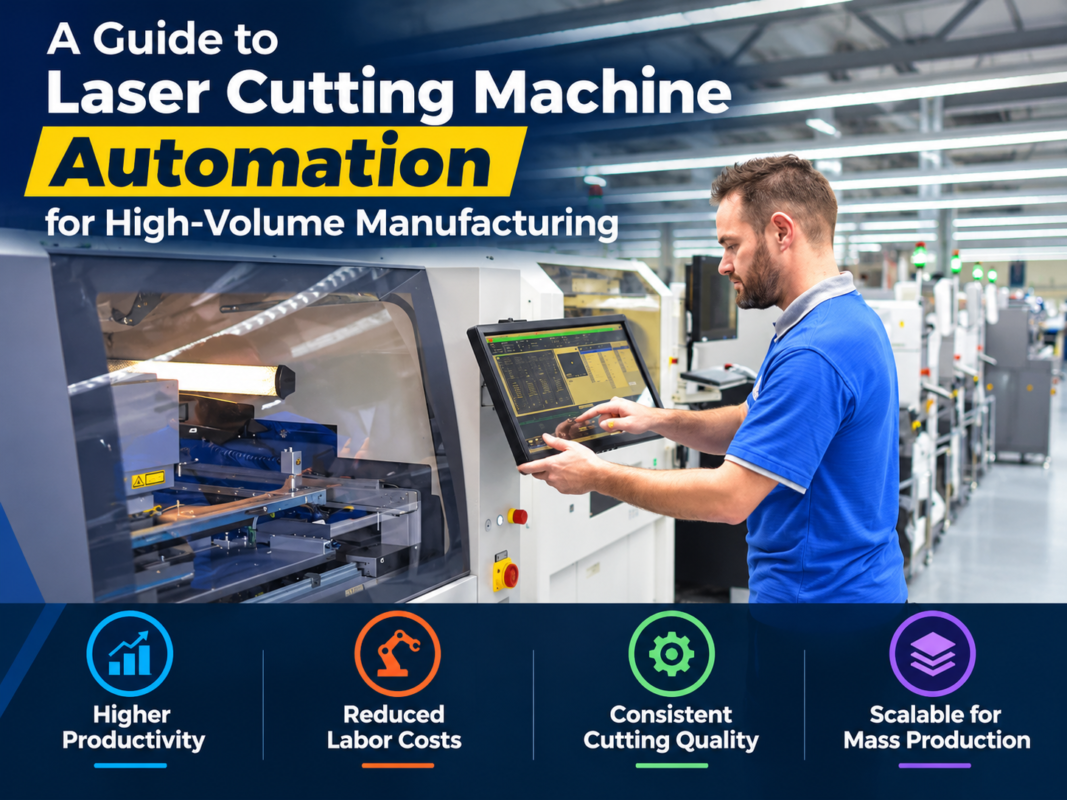
- Automation Systems: Automatic loading and unloading robots can push the purchase price significantly higher but allow for “lights-out” manufacturing, drastically reducing labor costs per part.
Operating Costs: The Daily Reality
While the purchase price is a one-time hit, operating costs are ongoing. To truly understand the Laser Cutting Machine Purchase Cost Vs Operating Cost: Full Price, you must calculate the hourly running cost. The main components of OPEX are electricity, assist gases, consumables, and maintenance.
Electricity Consumption
Fiber lasers are highly efficient, converting about 30-35% of electrical energy into laser light. However, the chiller, CNC system, and dust extractor also consume power. A 6kW machine might draw 20-30kW of total power during operation. Depending on local utility rates, this usually costs between $2 and $5 per hour.
Assist Gases: The Largest Variable
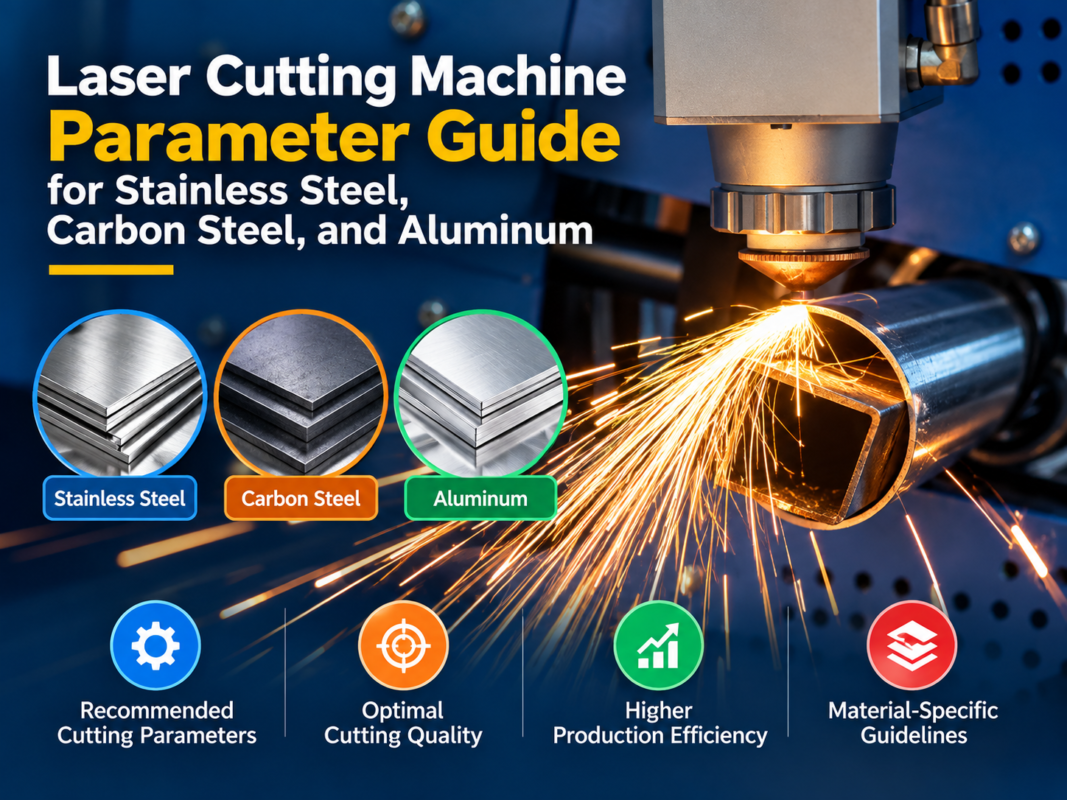
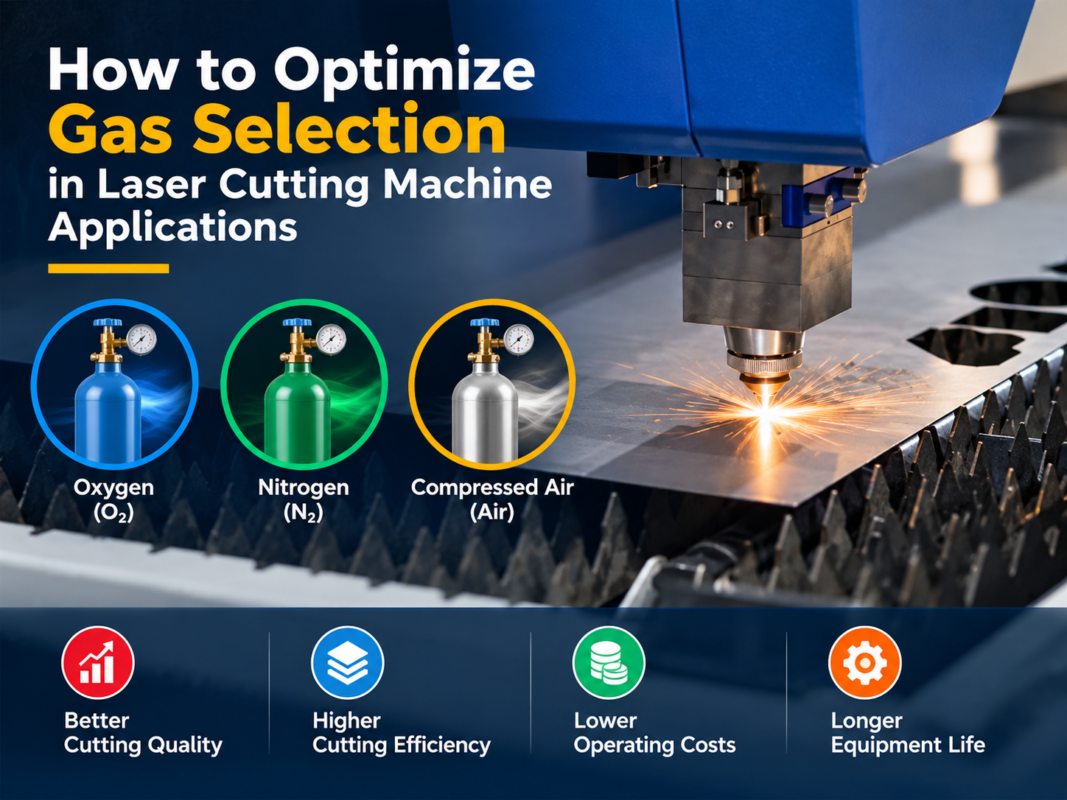
Assist gas is often the most significant operating expense. Oxygen (O2) is used for carbon steel, creating an exothermic reaction that aids cutting but leaves an oxidized edge. Nitrogen (N2) is used for stainless steel and aluminum to prevent oxidation, but it requires high pressure, making it expensive. Many modern shops are switching to High-Pressure Compressed Air cutting. While it requires a specialized compressor and filtration system (an initial cost of $5,000 – $15,000), it can reduce gas costs by up to 90% for certain materials.
Consumables and Maintenance
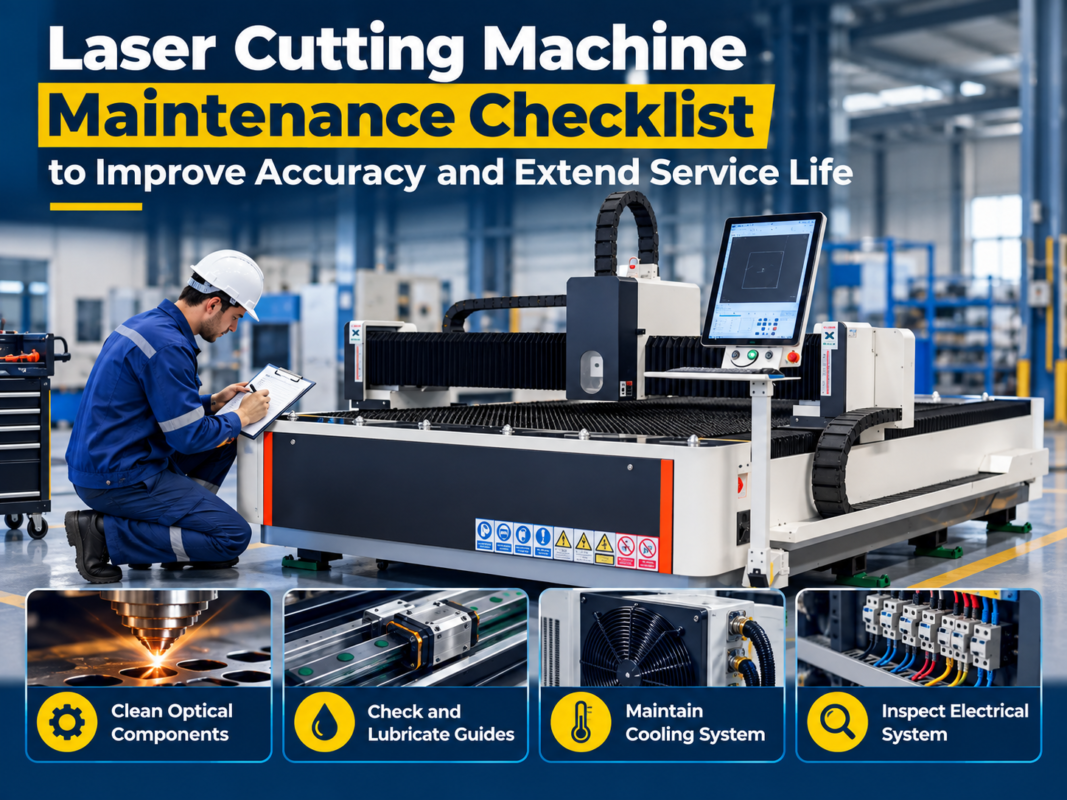
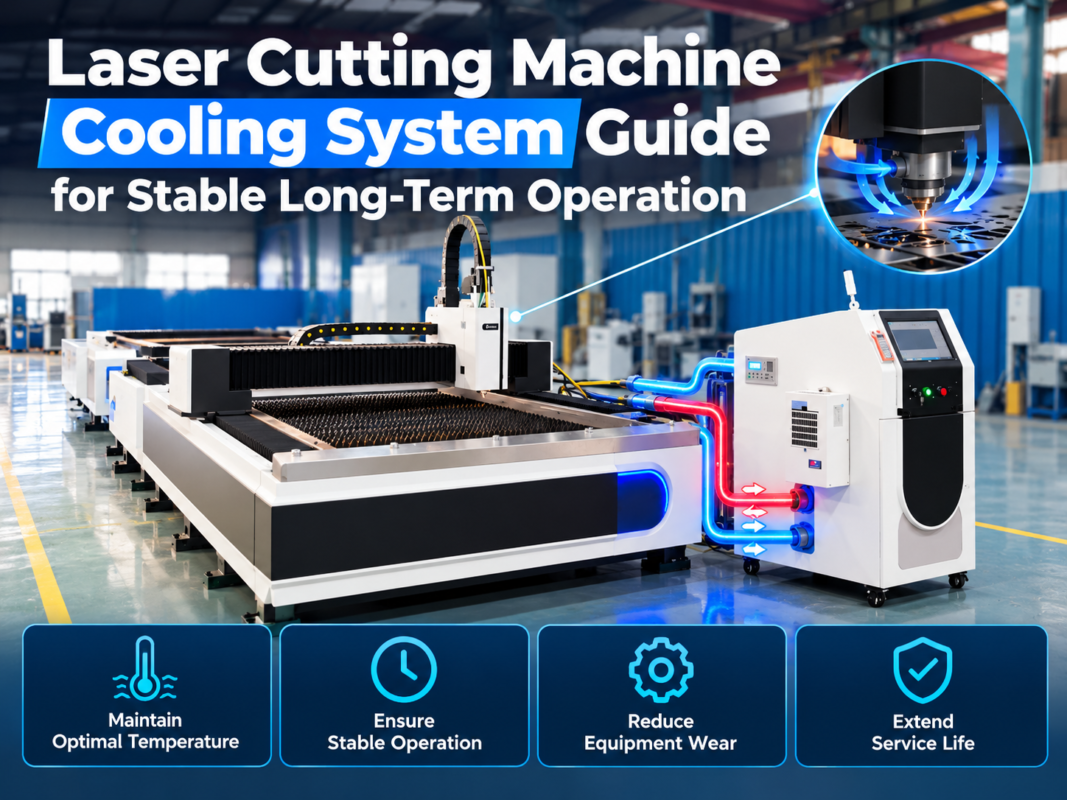
Consumables include nozzles, protective windows (lenses), and ceramic rings. These are relatively inexpensive but must be replaced regularly to maintain cut quality. Maintenance for fiber lasers is minimal compared to CO2 lasers—there are no mirrors to align or gas tubes to refill. However, regular cleaning of the chiller, lubrication of the rails, and checking the dust collector filters are essential to prevent costly downtime.
Hidden Costs: Beyond the Machine
When budgeting for a laser cutting machine, many buyers overlook the “soft costs” associated with installation and operation. These can add 10% to 20% to the initial project budget.
- Shipping and Rigging: Moving a 10-ton machine across the ocean and into your facility requires specialized logistics and heavy-duty forklifts or cranes.
- Site Preparation: You may need to reinforce your concrete floor or install a dedicated electrical transformer to handle the machine’s power requirements.
- Software: CAD/CAM and nesting software (like CypCut or Lantek) are vital for optimizing material usage. While some machines include basic software, advanced nesting features often require a subscription or a one-time license fee of $2,000 – $5,000.
- Training: Even the best machine is useless without a skilled operator. Factor in the cost of training your staff on the CNC interface, maintenance protocols, and safety procedures.
ROI Calculation: When Does It Pay Off?
The goal of understanding the Laser Cutting Machine Purchase Cost Vs Operating Cost: Full Price is to determine the Return on Investment. To calculate ROI, you must compare the cost of producing parts in-house versus outsourcing them to a service center.
For example, if you currently spend $10,000 per month on outsourced laser cutting, and your new HARSLE machine costs $100,000 with an operating cost of $30 per hour (including labor), you can calculate the payback period. If the machine runs 160 hours a month, the operating cost is $4,800. Adding the machine’s monthly financing payment (e.g., $2,000), your total monthly cost is $6,800. This results in a monthly saving of $3,200, leading to a payback period of roughly 31 months. Furthermore, having the machine in-house reduces lead times from weeks to hours, providing a competitive advantage that is hard to quantify but immensely valuable.
Buying Advice: Choosing the Right HARSLE Machine
To maximize your investment, follow these strategic buying tips:
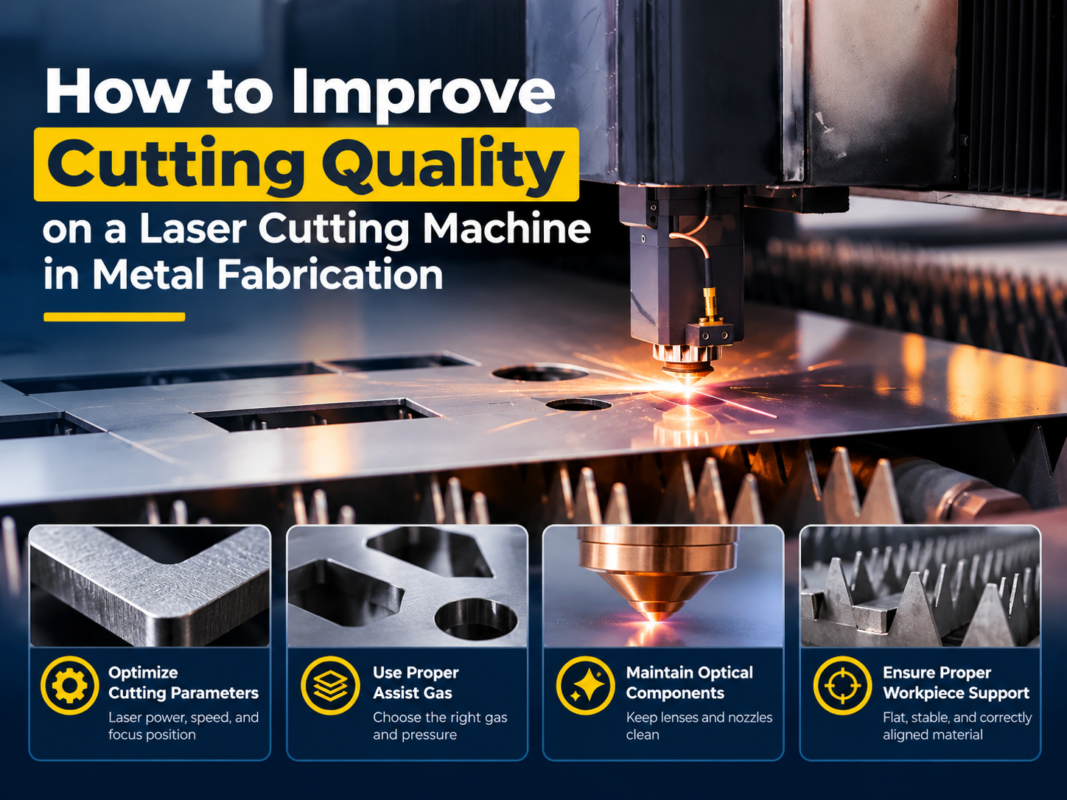
- Don’t Overbuy Power: If 90% of your work is 3mm stainless steel, a 3kW or 6kW machine is sufficient. Buying a 20kW machine for thin work results in higher electricity costs and a longer ROI without a significant speed advantage on thin gauges.
- Prioritize Support: A machine that is down is a machine that is losing money. Ensure your supplier, like HARSLE, offers robust technical support and readily available spare parts.
- Test Cut Your Materials: Before purchasing, send samples of your most common materials to the manufacturer. Analyze the edge quality and the time taken to cut the parts to verify the machine’s performance.
- Consider the Resale Value: High-quality machines from reputable brands hold their value better on the secondary market, providing an exit strategy or trade-in value when it’s time to upgrade.
Frequently Asked Questions (FAQ)
1. How long does a fiber laser source last?
Most high-quality fiber laser sources are rated for 100,000 hours of operation. In a typical single-shift shop, this equates to over 20 years of use. Unlike CO2 lasers, there is no significant degradation in power over time if the machine is properly maintained.
2. Can I cut copper and brass with a fiber laser?
Yes. Fiber lasers have a wavelength that is much better absorbed by reflective metals like copper and brass compared to CO2 lasers. However, you should ensure the machine has back-reflection protection to prevent damage to the laser source.
3. Is air cutting as good as nitrogen cutting?
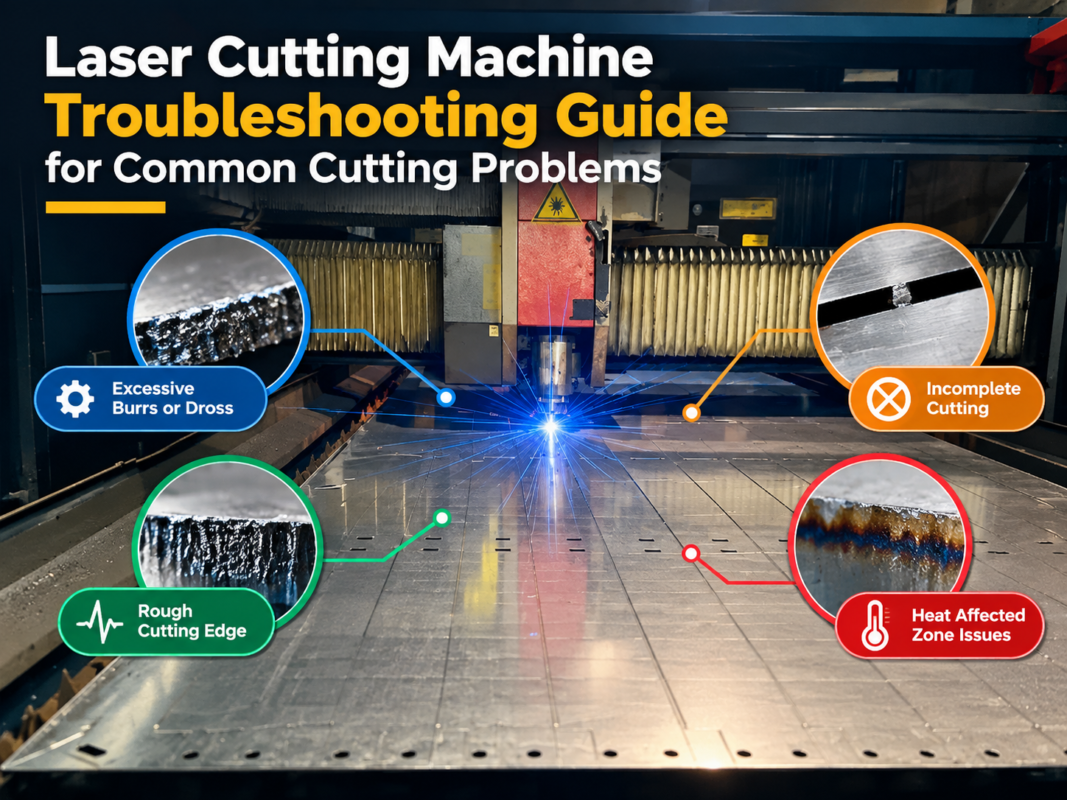
Air cutting is significantly cheaper but results in a slightly rougher edge and a thin oxide layer. For parts that will be painted or powder-coated, air cutting is often the most economical choice. For high-end decorative stainless steel, nitrogen is still preferred for a mirror-like finish.
4. What is the most common maintenance issue?
The most common issues are contaminated protective windows or clogged nozzles. These are usually caused by improper gas settings or poor piercing techniques. Regular operator training can eliminate 90% of these minor issues.
5. How much space do I need for a laser cutting machine?
A standard 3015 (3m x 1.5m) machine with an exchange table typically requires a footprint of about 10m x 5m, including space for the chiller, dust collector, and material handling. Always leave at least 1 meter of clearance around the machine for maintenance access.