Laser Cutting Machine Buying Guide: Key Specifications That Affect Cutting Performance


Technical Overview of Modern Laser Cutting Systems
In the contemporary landscape of metal fabrication, the transition from traditional mechanical cutting to high-precision laser technology has redefined productivity standards. A laser cutting machine is not merely a tool but a complex integration of optics, mechanics, and software. When considering a Laser Cutting Machine Buying : Key Specifications That Affect Cutting Performance, it is essential to understand that the synergy between the laser source, the machine bed, and the control system dictates the final output quality. Modern fiber lasers have largely superseded CO2 lasers in metal processing due to their superior energy efficiency, lower maintenance requirements, and higher absorption rates in reflective metals like aluminum and copper.
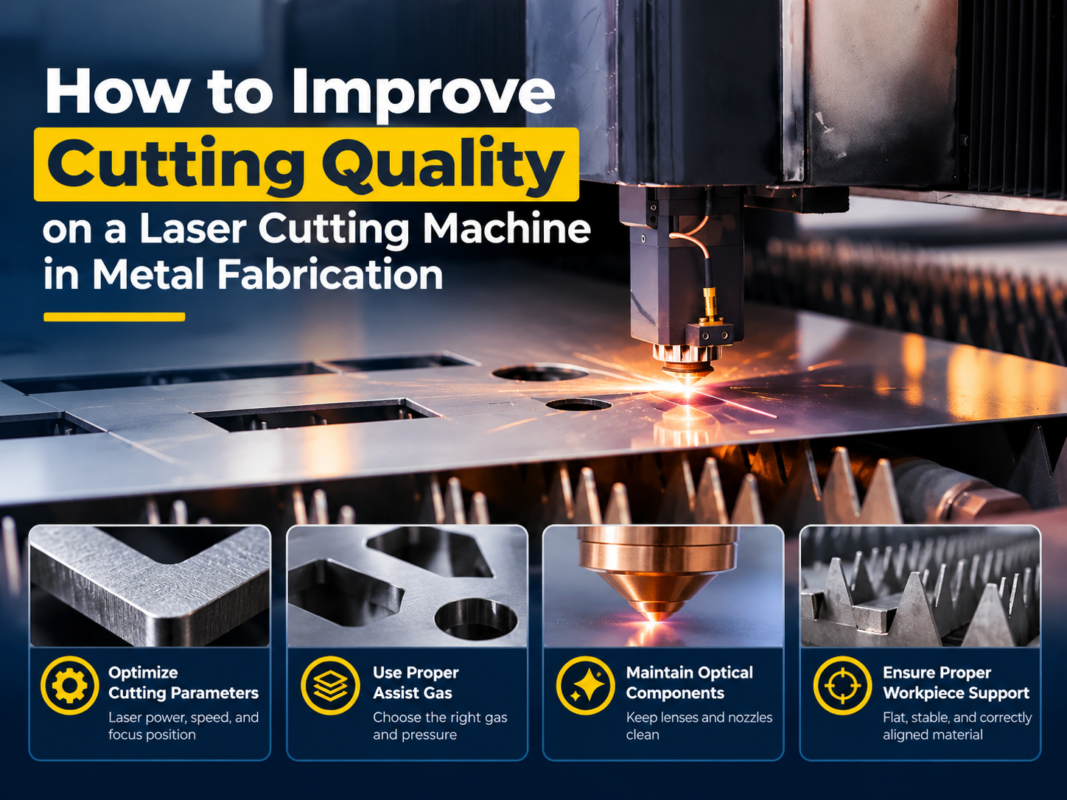
The fundamental principle of laser cutting involves focusing a high-power laser beam onto the surface of a workpiece. The energy density at the focal point is so high that it causes the material to melt, burn, or vaporize rapidly. Simultaneously, a high-speed coaxial gas stream (oxygen, nitrogen, or compressed air) blows away the molten material, creating a clean slit or ‘kerf’. For industrial buyers, the challenge lies in identifying which technical specifications directly translate to faster cycle times, tighter tolerances, and lower cost-per-part. This guide provides a deep dive into the critical parameters that must be evaluated during the procurement process.
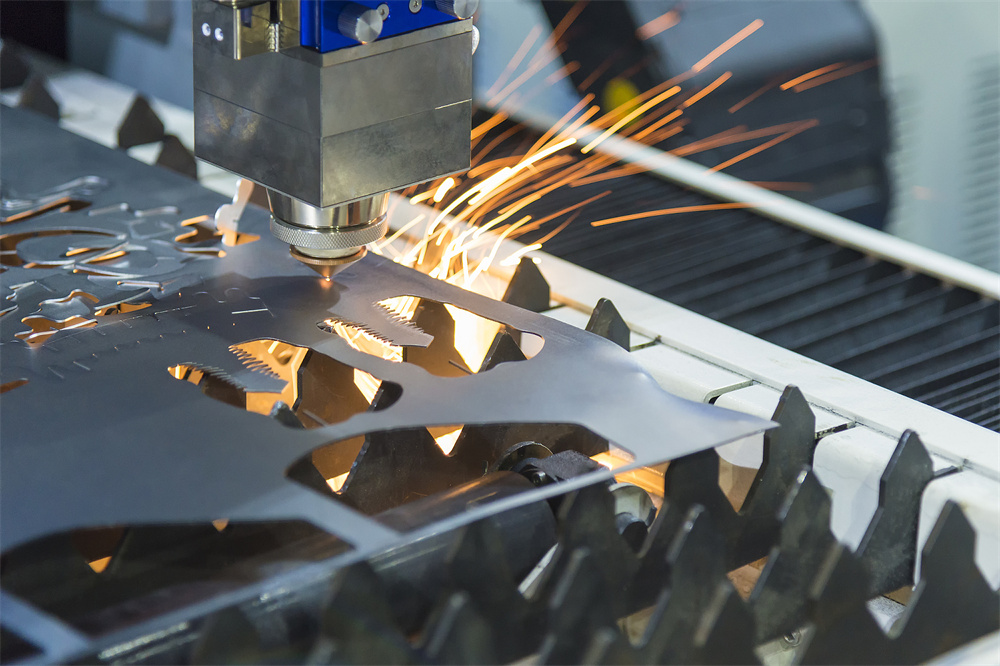
HARSLE emphasizes that the structural integrity of the machine frame is the foundation of all performance. A high-power laser is useless if the machine cannot maintain positioning accuracy at high accelerations. Therefore, the technical overview must include the machine’s dynamic performance, which is a result of the gantry’s weight-to-stiffness ratio and the damping characteristics of the bed. Whether you are a small job shop or a large-scale manufacturer, understanding these nuances is the first step toward a successful investment.
Core Parameters Influencing Cutting Performance
1. Laser Power and Energy Density
Laser power, measured in Watts (W) or Kilowatts (kW), is the most prominent specification. It determines the maximum thickness a machine can cut and the speed at which it can process thinner materials. However, power alone is not the sole indicator of performance. Energy density—the amount of power concentrated into a specific area—is what actually performs the work. A 12kW laser with poor beam quality might perform worse than a well-optimized 6kW laser on certain materials. When evaluating Laser Cutting Machine Buying : Key Specifications That Affect Cutting Performance, buyers must look at how the power is delivered through the cutting head and the stability of that power over long production shifts.
2. Beam Quality (M² Factor)
Beam quality, often expressed as the M² factor or Beam Parameter Product (BPP), describes how well a laser beam can be focused. An M² value close to 1.0 indicates a near-perfect Gaussian beam, which can be focused to a very small spot size. A smaller spot size results in higher energy density, narrower kerf widths, and cleaner edges. For thin sheet metal, high beam quality is critical for high-speed processing. For thicker plates, a slightly larger spot size might be beneficial to facilitate the removal of molten slag, highlighting the need for adjustable beam profiles in versatile machines.
3. Positioning Accuracy and Repeatability
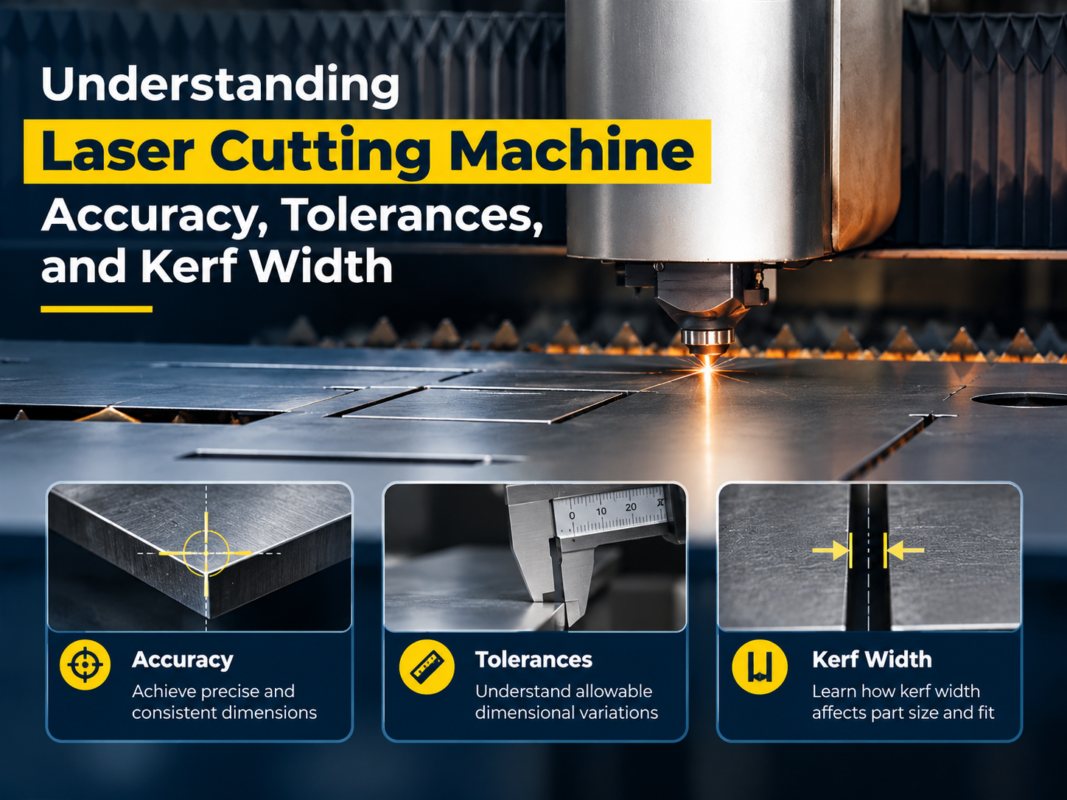
Positioning accuracy refers to the machine’s ability to move the cutting head to a specific coordinate, while repeatability measures how consistently it can return to that same spot. In high-precision industries like aerospace or medical device manufacturing, these specs are non-negotiable. These parameters are influenced by the quality of the linear guides, the precision of the rack and pinion system (or linear motors), and the resolution of the servo motor encoders. A machine with a positioning accuracy of ±0.03mm is standard for high-end industrial applications.
4. Acceleration and Gantry Speed
While maximum traverse speed (e.g., 120m/min) looks impressive on a spec sheet, acceleration (measured in Gs) is often more important for complex geometries. High acceleration allows the machine to reach its programmed cutting speed faster after navigating corners or small holes. A machine with 1.5G acceleration will significantly outperform a 0.5G machine when cutting intricate patterns, even if their top speeds are identical. This is a crucial aspect of the Laser Cutting Machine Buying Guide Key Specifications That Affect Cutting Performance.

Calculation Method for Cutting Efficiency
To accurately predict the performance of a laser cutting machine, engineers use several calculation methods. The most common is the relationship between cutting speed (V), laser power (P), and material thickness (d). While empirical data from manufacturers is the best source, a general rule of thumb is that cutting speed is proportional to power and inversely proportional to the square of the thickness for many materials. For example, doubling the power might allow for more than double the speed on thin materials, but the gains diminish as thickness increases due to the limitations of heat conduction and gas dynamics.
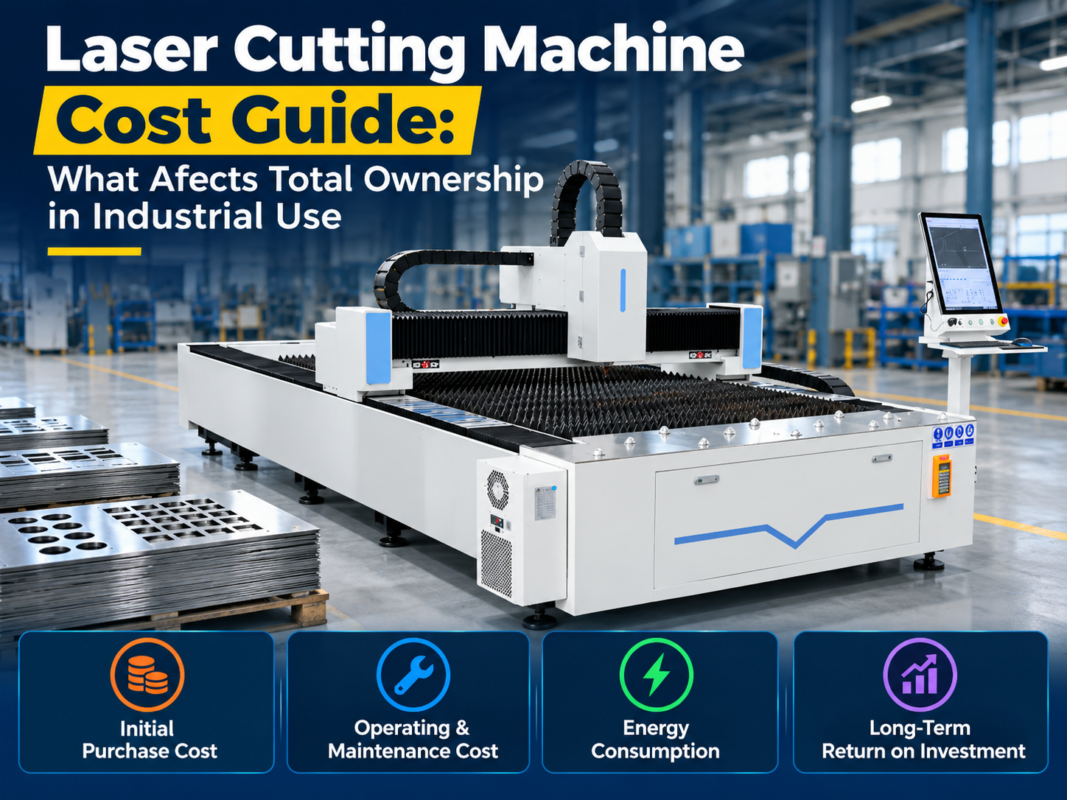
Another vital calculation is the Gas Consumption Rate. Assist gas costs can account for a significant portion of operational expenses. The flow rate (Q) is determined by the nozzle diameter (D) and the gas pressure (p). The formula Q = k * D² * p (where k is a constant) helps in estimating the hourly cost of Nitrogen or Oxygen. When buying a machine, calculating the Total Cost of Ownership (TCO) involves adding the electricity consumption (wall-plug efficiency of fiber lasers is typically around 30-40%) to the gas and consumable costs (nozzles, protective windows).
Furthermore, the ‘Duty Cycle’ calculation is essential for high-volume production. This involves calculating the ratio of actual ‘beam-on’ time to the total cycle time. Machines with fast pallet changers and high-speed piercing technologies (like frequency-modulated piercing) maximize the duty cycle, ensuring that the high-power laser is actually cutting for the majority of the shift rather than waiting for material loading or slow head movements.
Comparative Parameter Table for Fiber Lasers
The following table provides a generalized comparison of performance expectations across different power levels for common industrial materials. Note that these values can vary based on the specific machine brand and gas setup.
| Laser Power (kW) | Material Type | Max Cutting Thickness (mm) | Optimal Cutting Speed (m/min) | Assist Gas |
|---|---|---|---|---|
| 3kW | Carbon Steel | 20mm | 0.8 – 1.2 (at 12mm) | Oxygen |
| 3kW | Stainless Steel | 10mm | 1.5 – 2.5 (at 6mm) | Nitrogen |
| 6kW | Carbon Steel | 25mm | 1.5 – 2.0 (at 16mm) | Oxygen |
| 6kW | Stainless Steel | 16mm | 3.0 – 5.0 (at 8mm) | Nitrogen |
| 12kW | Carbon Steel | 40mm | 2.5 – 3.5 (at 20mm) | Oxygen / Air |
| 12kW | Stainless Steel | 40mm | 4.0 – 7.0 (at 12mm) | Nitrogen / Air |
| 20kW+ | Carbon Steel | 50mm+ | 5.0 – 8.0 (at 20mm) | Air / Oxygen |
| 20kW+ | Stainless Steel | 50mm+ | 10.0+ (at 10mm) | Nitrogen / Air |
Common Engineering Mistakes in Machine Selection
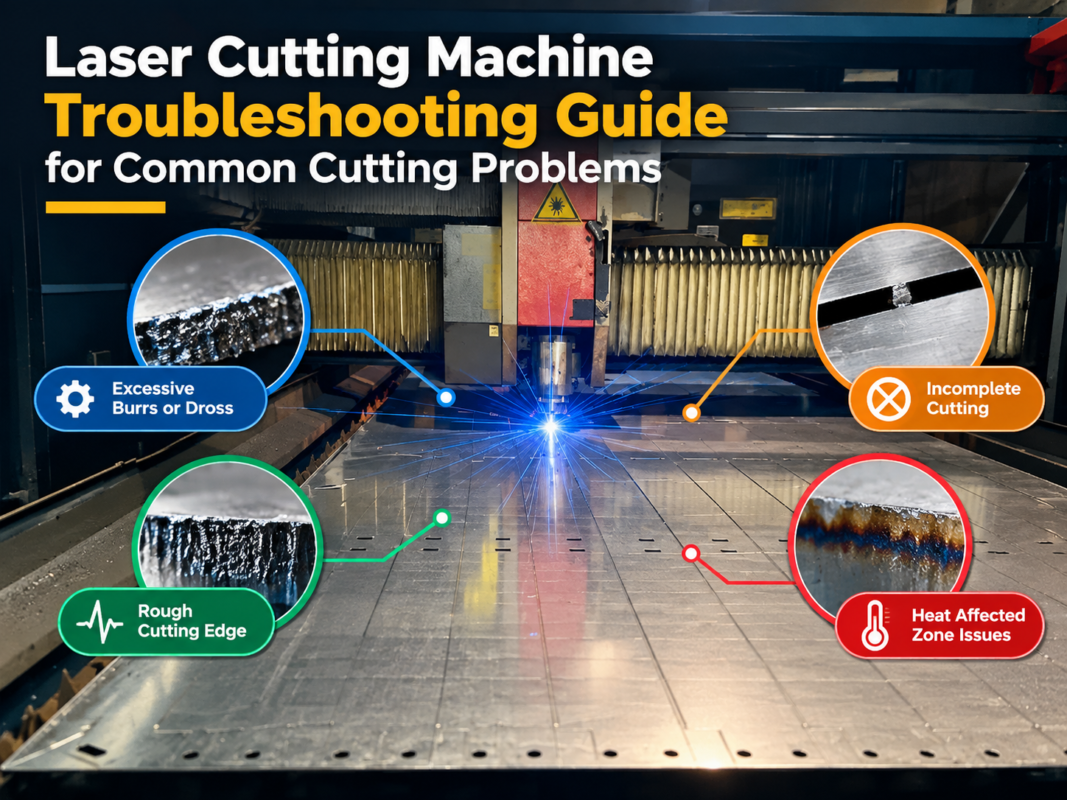
One of the most frequent mistakes in Laser Cutting Machine Buying : Key Specifications That Affect Cutting Performance is over-prioritizing laser power while neglecting the machine’s structural stability. A 20kW laser source mounted on a lightweight, poorly damped frame will suffer from vibrations, leading to poor edge quality and premature wear of the motion components. The ‘bed’ should ideally be a heavy-duty, heat-treated welded structure or a cast iron frame to ensure long-term thermal stability and vibration dampening.
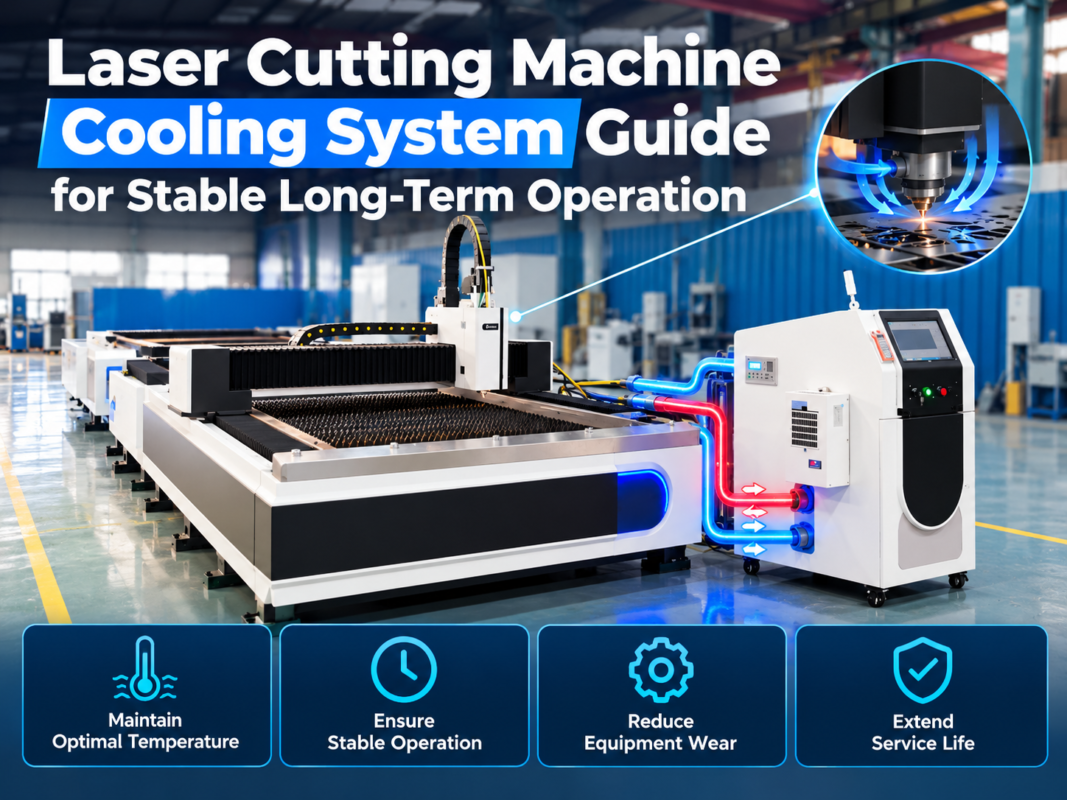
Another common error is underestimating the importance of the chiller and the gas delivery system. Fiber lasers are sensitive to temperature fluctuations. An undersized or low-quality chiller can lead to power instability and even damage the laser modules. Similarly, if the gas piping is too narrow or the regulators are inconsistent, the cutting quality will fluctuate, leading to increased scrap rates. Buyers often focus on the ‘sticker price’ of the machine and forget to audit the auxiliary systems that keep the machine running at peak performance.
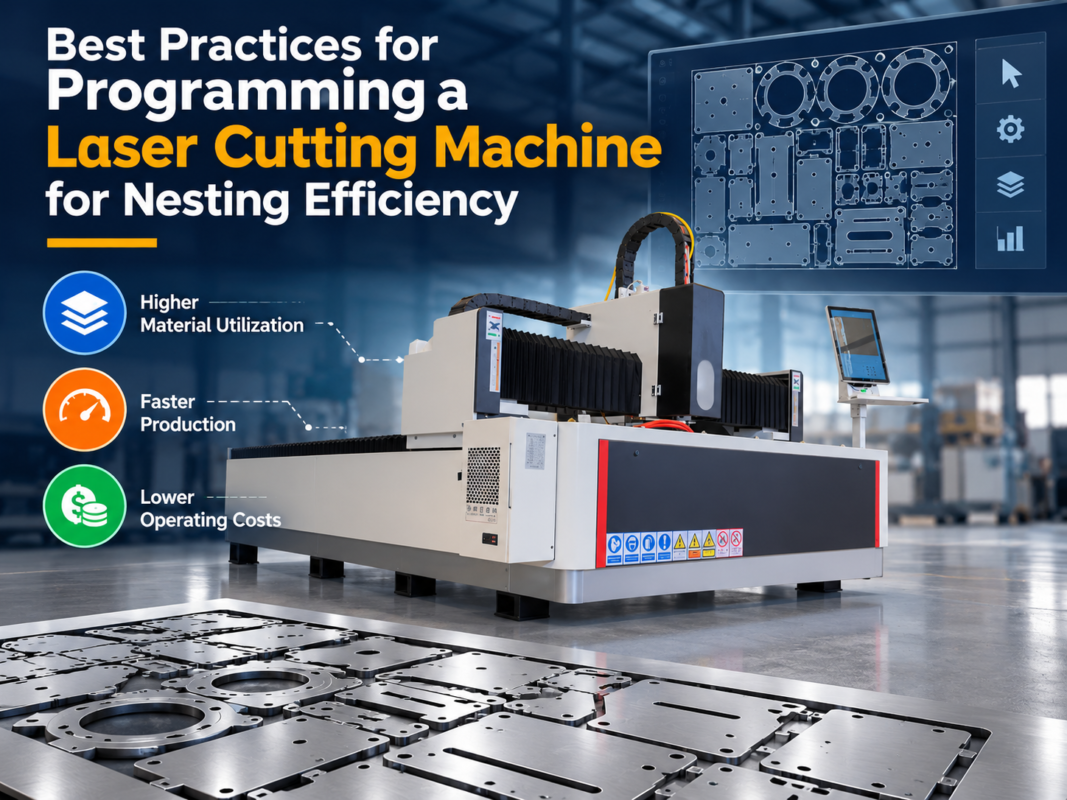
Lastly, many buyers fail to consider software integration. The CNC controller and the nesting software are the ‘brains’ of the operation. If the software is difficult to use or lacks advanced features like ‘fly-cutting’ (cutting without stopping the head between shapes) or ‘frog-jump’ (optimized head lifting), the machine will never reach its theoretical maximum productivity. Always request a demonstration of the software’s workflow and its ability to handle complex CAD files efficiently.
Selection Checklist for Procurement Teams
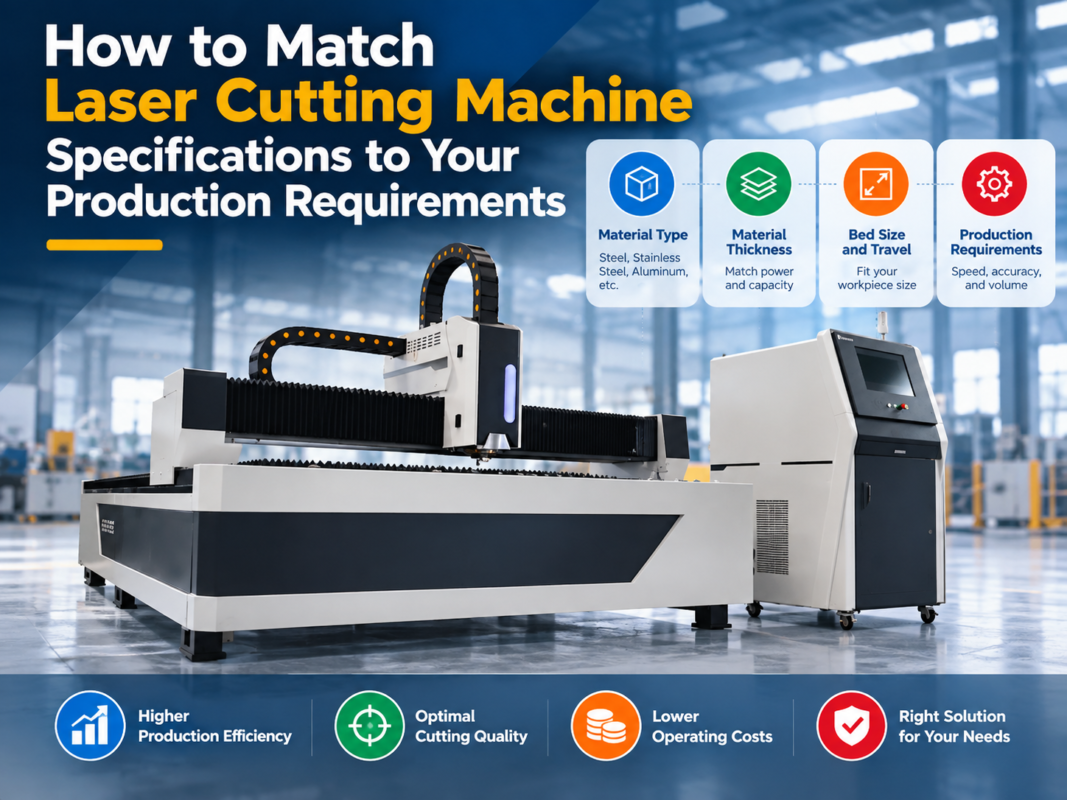
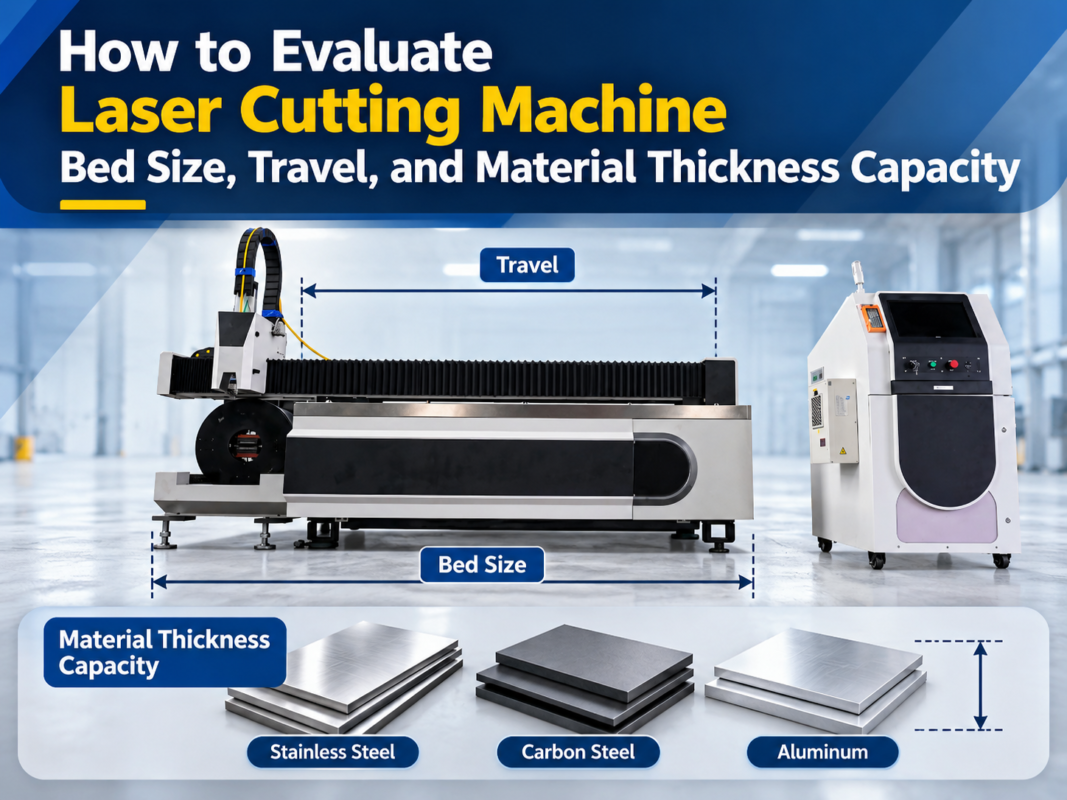
- Define Material Range: List the primary materials (Carbon Steel, Stainless, Aluminum, Brass) and the most common thicknesses you will process.
- Verify Laser Source Brand: Ensure the laser source (e.g., IPG, Raycus, nLIGHT) has a local service network and a proven track record for the specific power level.
- Inspect the Cutting Head: Look for features like autofocus, temperature monitoring, and anti-collision protection. Brands like Precitec or HARSLE-optimized heads are industry standards.
- Evaluate the Motion System: Check the brand of the servo motors (e.g., Yaskawa, Panasonic) and the precision grade of the gear racks and linear guides.
- Assess the Bed Construction: Ask about the stress-relief process used for the machine frame. A high-temperature annealing process is vital for preventing deformation over time.
- Check the Control System: Is the interface user-friendly? Does it support Industry 4.0 features like remote monitoring and data logging?
- Review Safety Features: Ensure the machine is fully enclosed (Class 1 laser safety) and has an effective dust extraction and filtration system.
- Calculate Total Power Requirements: Ensure your facility has the electrical capacity to handle the laser, chiller, and dust collector simultaneously.
Frequently Asked Questions (FAQ)
What is the lifespan of a fiber laser source?
Most high-quality fiber laser sources are rated for approximately 100,000 hours of operation. This equates to over 10 years of 24/7 production. However, the actual lifespan depends on the operating environment, maintenance of the cooling system, and the quality of the power supply.
Can I cut reflective materials like copper with any fiber laser?
While fiber lasers are much better at cutting reflective materials than CO2 lasers, it is still challenging. It is recommended to use a laser source with ‘back-reflection protection’ and a cutting head designed for high-reflectivity metals to prevent damage to the optical components.
Is Nitrogen or Oxygen better for cutting?
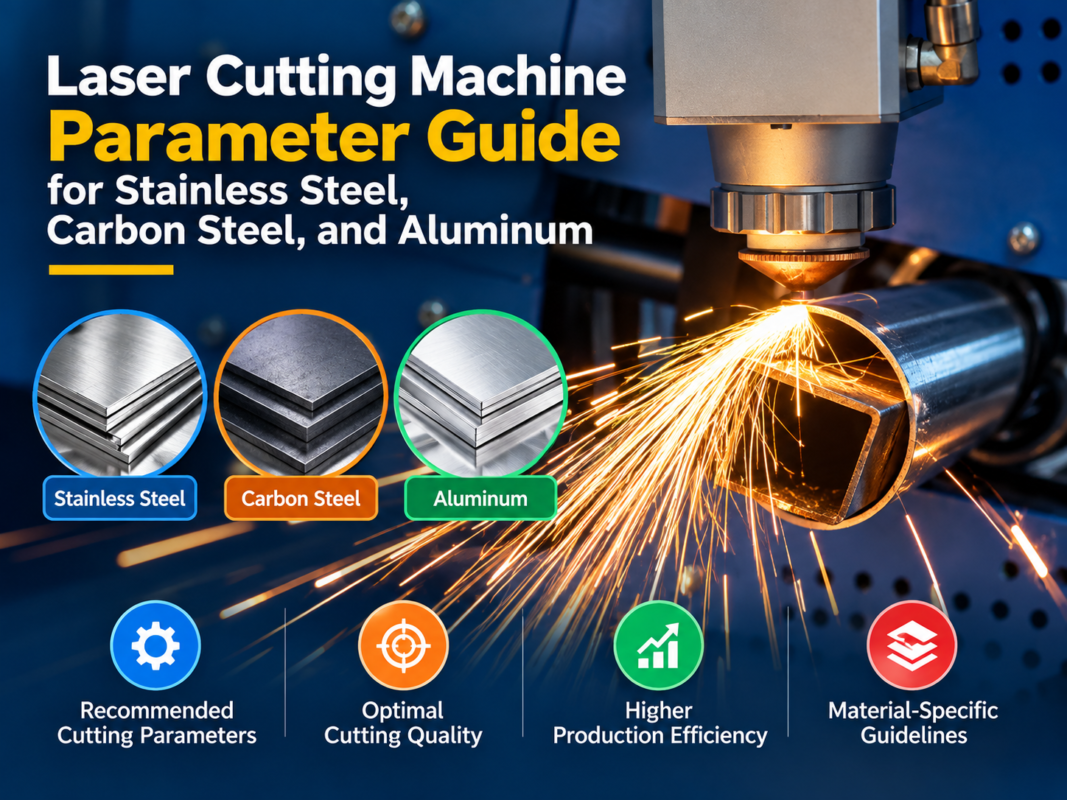
Oxygen is typically used for carbon steel as it creates an exothermic reaction that aids the cutting process, allowing for thicker cuts with less power. Nitrogen is used for stainless steel and aluminum to prevent oxidation, resulting in a clean, shiny edge that is ready for welding or painting without secondary processing.
How important is the autofocus feature?
Autofocus is critical for productivity and consistency. It allows the machine to automatically adjust the focal point based on the material thickness and type. Without it, operators must manually adjust the lens, which is time-consuming and prone to human error, especially when switching between different jobs.
What maintenance is required for a fiber laser cutting machine?
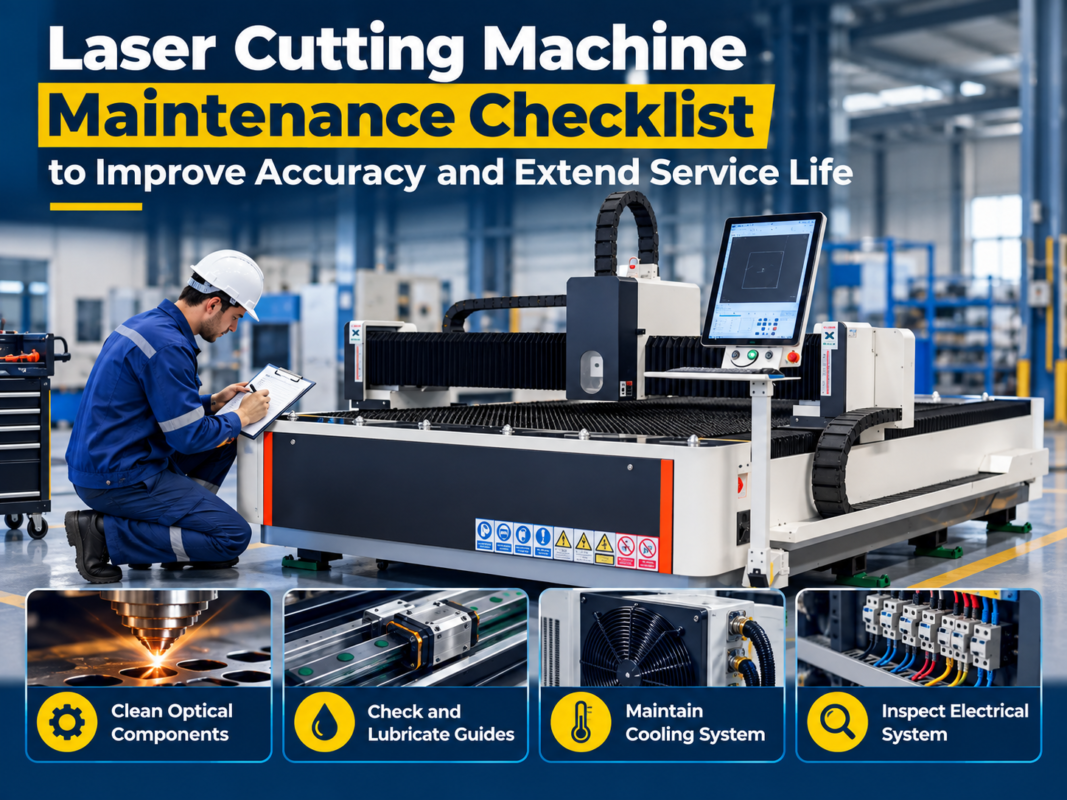
Compared to CO2 lasers, fiber lasers require very little maintenance. Key tasks include cleaning the protective windows of the cutting head, checking the chiller’s water levels and filters, lubricating the linear guides, and ensuring the dust collector filters are cleaned or replaced regularly.