How to Choose the Right Laser Cutting Machine for Your Sheet Metal Workshop: A Comprehensive Guide


Technical Overview of Modern Laser Cutting Technology
In the rapidly evolving landscape of metal fabrication, the decision to integrate a laser cutting machine into your sheet metal workshop is a pivotal moment. For decades, CO2 lasers were the industry standard, but the emergence of fiber laser technology has fundamentally shifted the paradigm. Fiber lasers utilize a solid-state laser source to generate a beam that is delivered via a flexible fiber optic cable. This technology offers a wavelength of approximately 1.064 micrometers, which is ten times shorter than that of a CO2 laser, allowing for much higher absorption rates in metals like steel, aluminum, and brass.
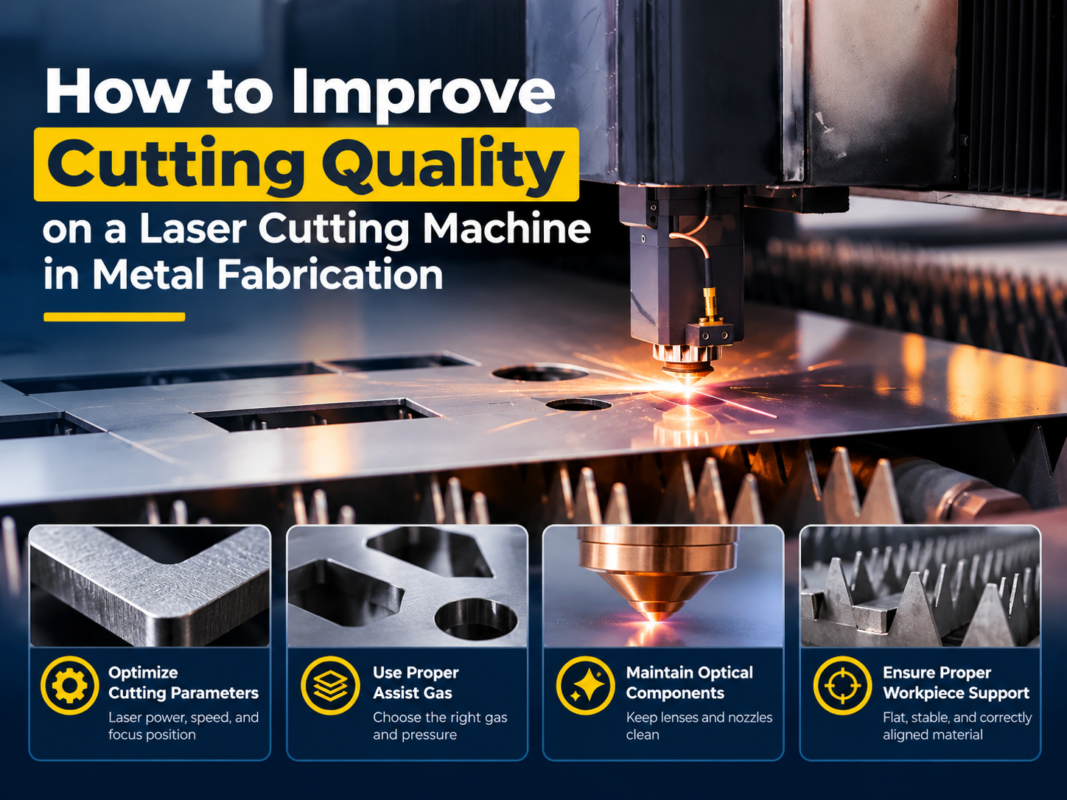
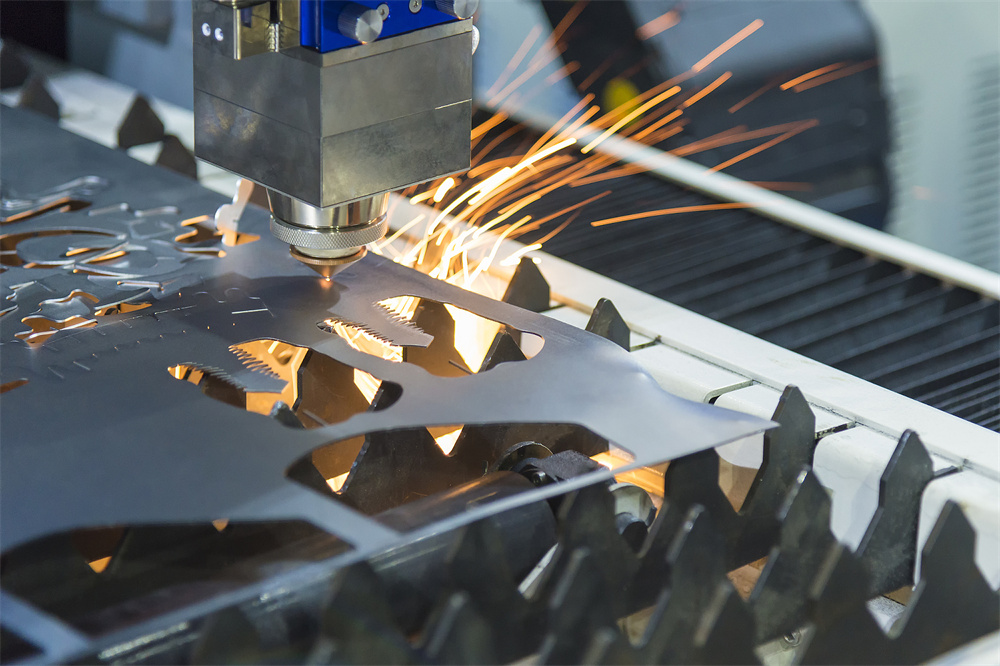
When you choose a laser cutting machine for a sheet metal workshop, you are investing in a system that combines optics, mechanics, and software. The process begins with the laser source, where energy is pumped into a doped fiber. The resulting beam is then focused through a cutting head, which uses a series of lenses to concentrate the energy into a microscopic point. This concentrated heat melts or vaporizes the material, while a high-pressure assist gas (such as Oxygen, Nitrogen, or Compressed Air) blows the molten metal away, creating a clean, precise kerf.
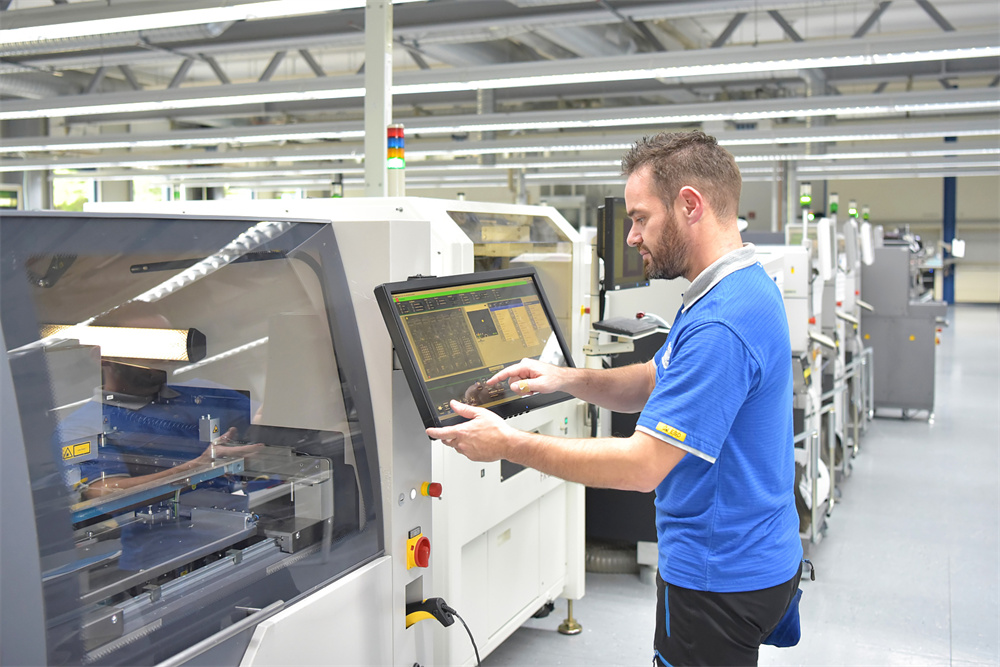
The efficiency of a fiber laser is one of its most significant technical advantages. While CO2 lasers typically operate at 8-10% wall-plug efficiency, fiber lasers can reach upwards of 35-40%. This translates to lower electricity bills and a smaller carbon footprint for the workshop. Furthermore, the lack of mirrors and bellows in the beam delivery system reduces maintenance requirements significantly, making fiber lasers the preferred choice for high-uptime industrial environments.
Core Parameters to Consider for Your Workshop
Selecting the right machine requires a deep dive into several core parameters that define the machine’s capability and its fit for your specific production needs. The most critical factor is the Laser Power. Power levels typically range from 1kW to 30kW or more. A 1kW to 3kW machine is generally sufficient for thin sheet metal (under 6mm), while 6kW to 12kW machines are the workhorses for medium-thickness plates. High-power machines (20kW+) are designed for heavy industry, capable of cutting 50mm carbon steel with ease.
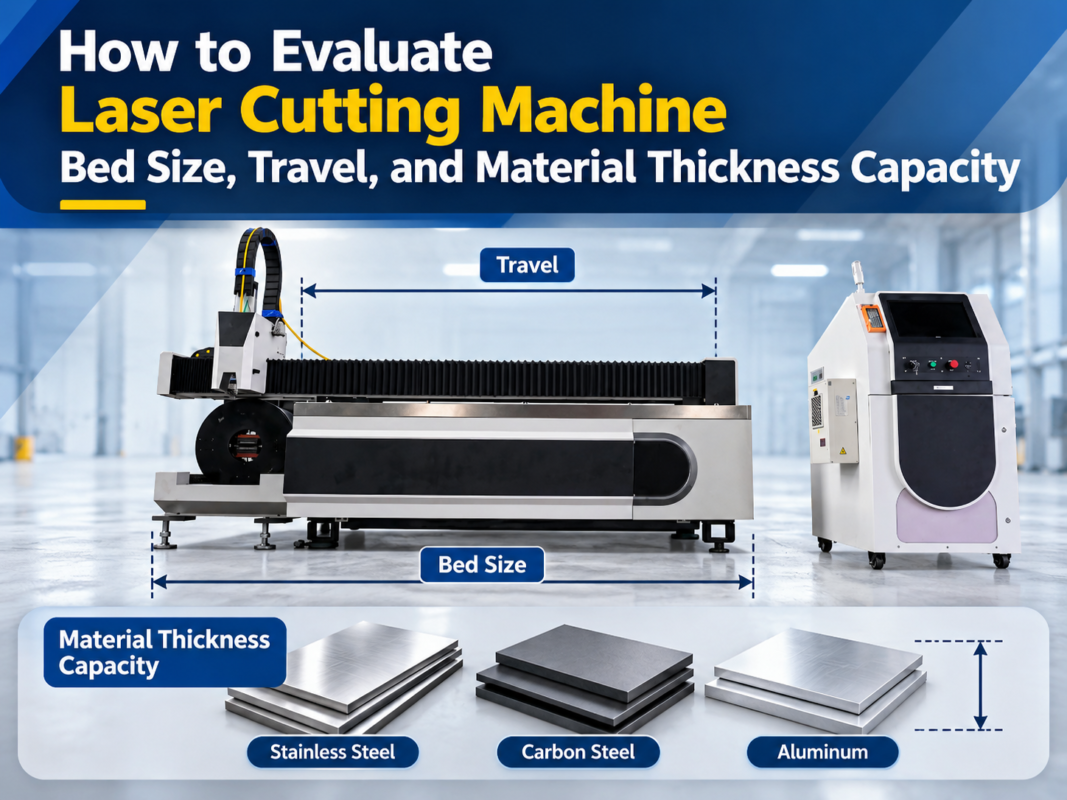
The Machine Bed Size is another vital consideration. Standard sizes include 3015 (3000mm x 1500mm), 4020, and 6025. Your choice should be dictated by the standard sheet sizes provided by your local suppliers. Choosing a bed that is too small will limit your ability to handle large projects, while a bed that is excessively large for your needs will waste valuable floor space and increase the initial investment cost without providing a proportional return.
The Motion System determines the machine’s speed and accuracy. High-end machines utilize linear motors or high-precision rack and pinion systems driven by AC servo motors. Acceleration is often more important than top speed in sheet metal fabrication, as the machine frequently changes direction when cutting complex geometries. Look for machines with acceleration ratings of 1.0G to 2.0G for optimal productivity. Additionally, the Control System (such as CypCut or Beckhoff) acts as the brain of the machine, managing nesting, path optimization, and real-time monitoring of cutting parameters.
Calculation Method: Determining Power and ROI
To choose the right laser cutting machine for your sheet metal workshop, you must perform a technical calculation based on your most frequent material types and thicknesses. A common mistake is buying a machine based on the “maximum” thickness it can cut. Instead, you should buy based on the “production” thickness—the thickness the machine can cut quickly and cleanly during an 8-hour shift.
The general rule of thumb for fiber laser power is as follows: for every 1kW of power, you can effectively cut approximately 2mm of stainless steel with nitrogen at production speeds. Therefore, if your workshop primarily handles 6mm stainless steel, a 3kW source is the minimum, but a 6kW source would allow for much higher feed rates and lower gas consumption per part. To calculate the Return on Investment (ROI), consider the following formula:
ROI = (Total Revenue from Laser Parts – (Machine Payment + Labor + Gas + Electricity + Consumables)) / Initial Investment
By analyzing the cost per part, you will often find that a higher-power machine, despite its higher initial cost, results in a lower cost per part due to significantly faster cutting speeds and the ability to use compressed air as an assist gas for thicker materials. Compressed air cutting can reduce operating costs by up to 40% compared to nitrogen, provided the laser power is high enough to maintain cut quality.
Parameter Table: Power vs. Material Performance
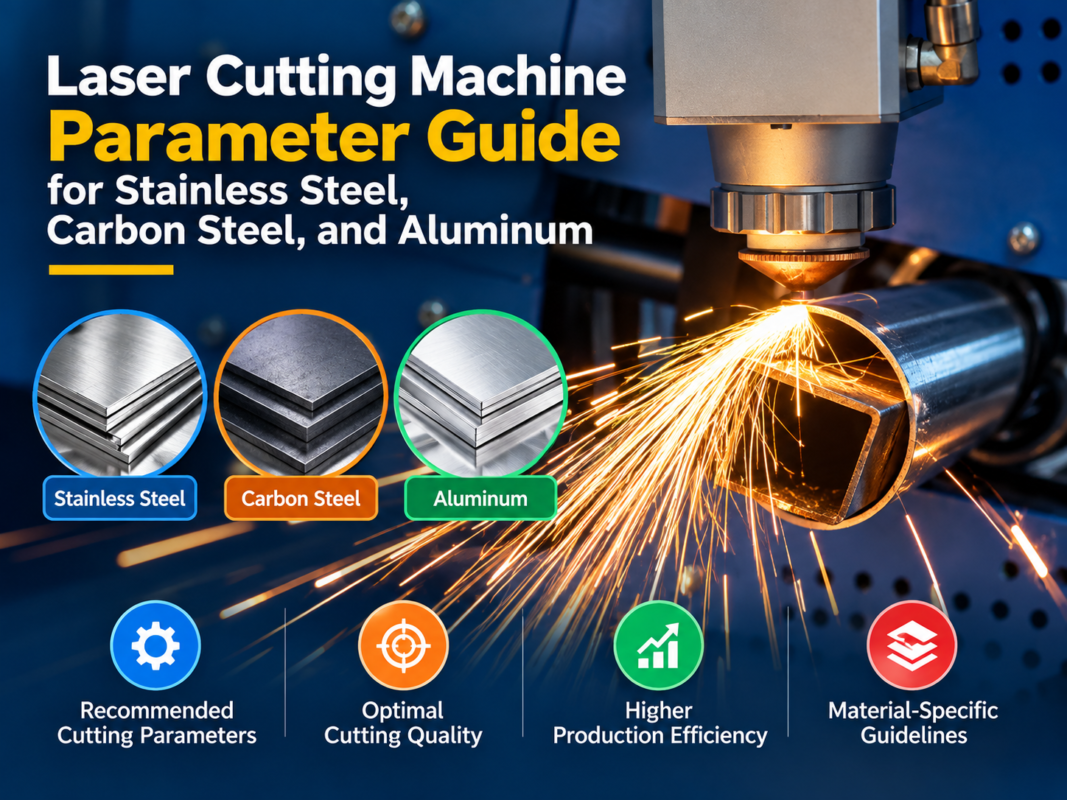
The following table provides a general guideline for cutting speeds and maximum thicknesses based on common laser power levels. Note that these values can vary based on the specific laser source (IPG, Raycus, Max) and the quality of the cutting head.
| Laser Power | Material Type | Max Thickness (mm) | Production Thickness (mm) | Avg. Speed (m/min) @ Prod. Thick |
|---|---|---|---|---|
| 1.5kW | Carbon Steel (O2) | 14 | 6 | 2.5 – 3.5 |
| 1.5kW | Stainless Steel (N2) | 6 | 3 | 4.0 – 6.0 |
| 3kW | Carbon Steel (O2) | 20 | 10 | 2.0 – 3.0 |
| 3kW | Stainless Steel (N2) | 10 | 5 | 3.5 – 5.5 |
| 6kW | Carbon Steel (O2) | 25 | 16 | 1.8 – 2.5 |
| 6kW | Stainless Steel (N2) | 20 | 10 | 4.0 – 7.0 |
| 12kW | Carbon Steel (Air/O2) | 40 | 20 | 2.5 – 4.5 |
| 12kW | Stainless Steel (N2/Air) | 40 | 16 | 8.0 – 12.0 |
Common Engineering Mistakes in Selection
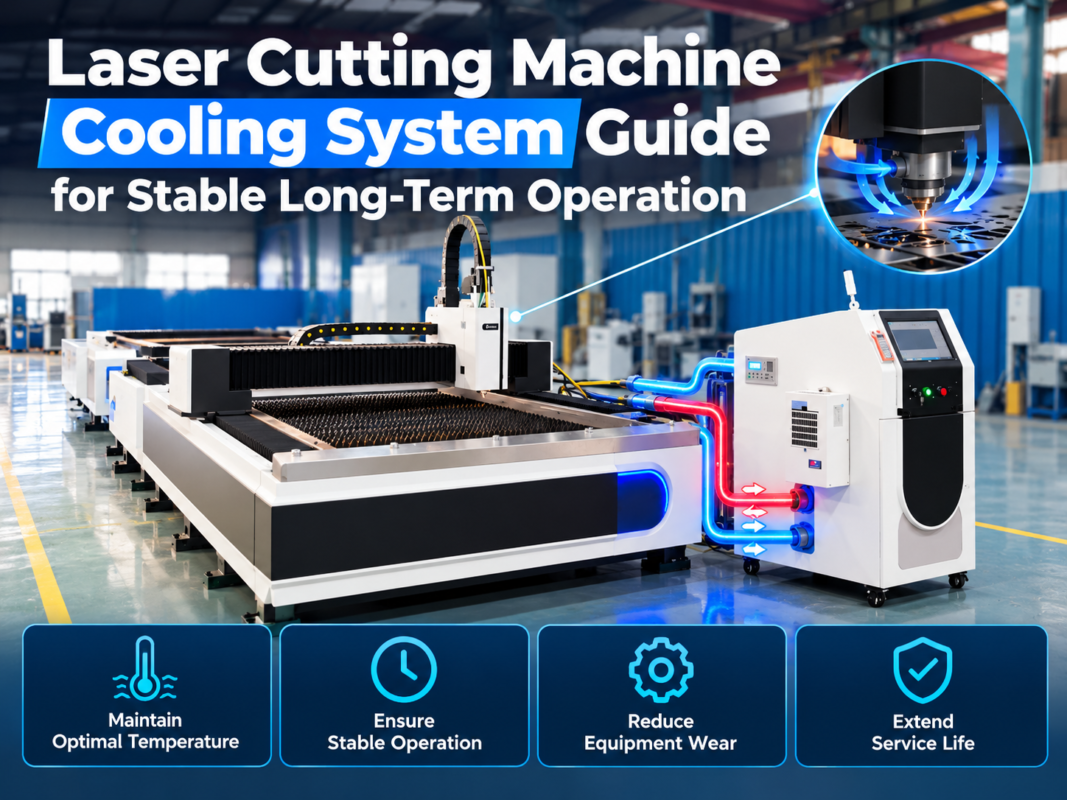
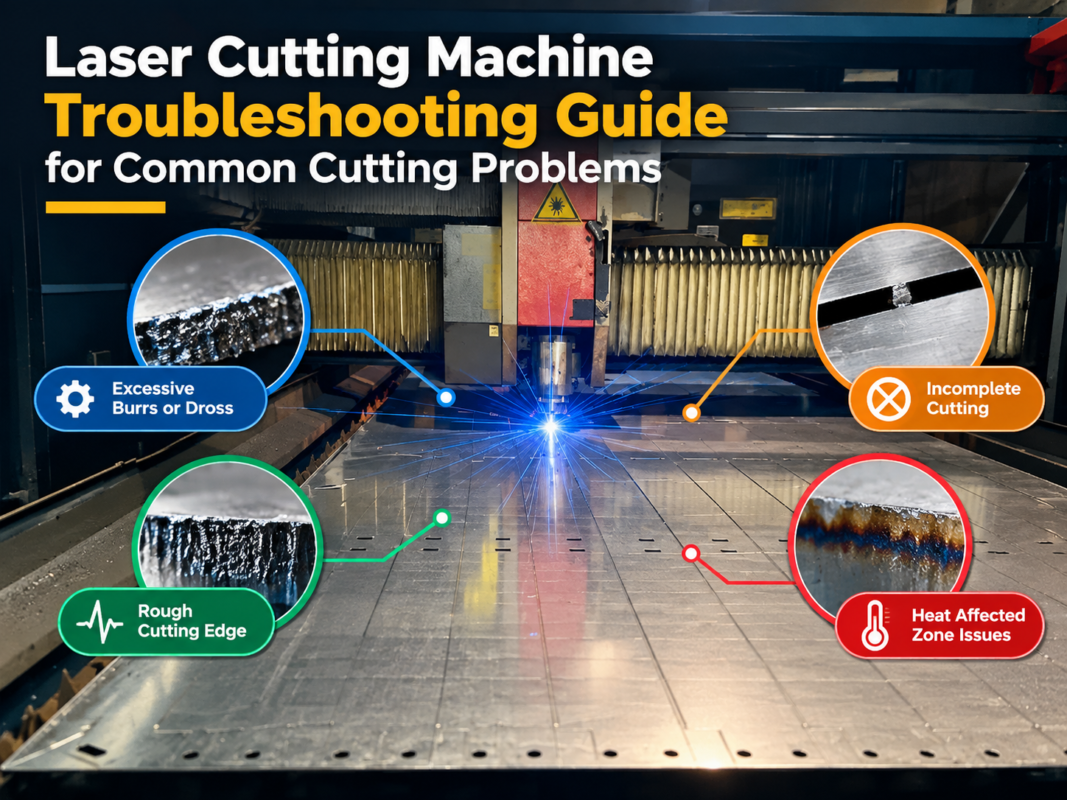
One of the most frequent mistakes when workshops choose a laser cutting machine for sheet metal is underestimating the importance of the peripheral equipment. A laser machine is only as good as its support system. For instance, using low-purity oxygen or nitrogen will result in poor edge quality and increased dross, leading to expensive secondary finishing processes. Similarly, an undersized chiller will cause the laser source to overheat, leading to power fluctuations and potential hardware failure.
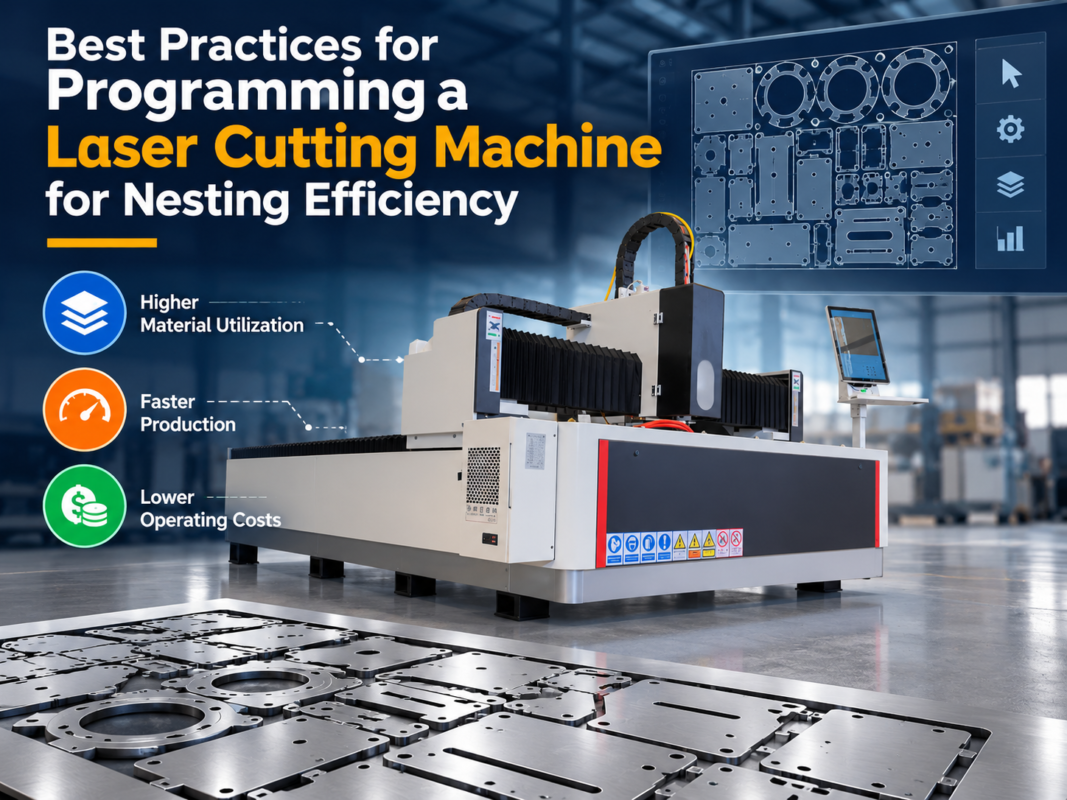
Another common error is ignoring the software ecosystem. Many workshops focus solely on the hardware but forget that the CAD/CAM software determines how efficiently the material is used. Advanced nesting software can save 5-10% in material costs annually, which for a high-volume shop, can equate to tens of thousands of dollars. Ensure the machine you choose is compatible with industry-standard nesting software and offers features like “common line cutting” and “bridge cutting” to minimize pierce points.
Finally, many buyers fail to account for foundation and environment requirements. High-power lasers are sensitive to vibrations. If your workshop has heavy stamping presses nearby, you may need a specialized isolated foundation for the laser. Furthermore, dust collection is not just a safety requirement; it is a machine longevity requirement. Without a robust dust extraction system, metallic dust can settle on the rack and pinion or electronic components, causing premature wear and short circuits.
Selection Checklist for Workshop Owners
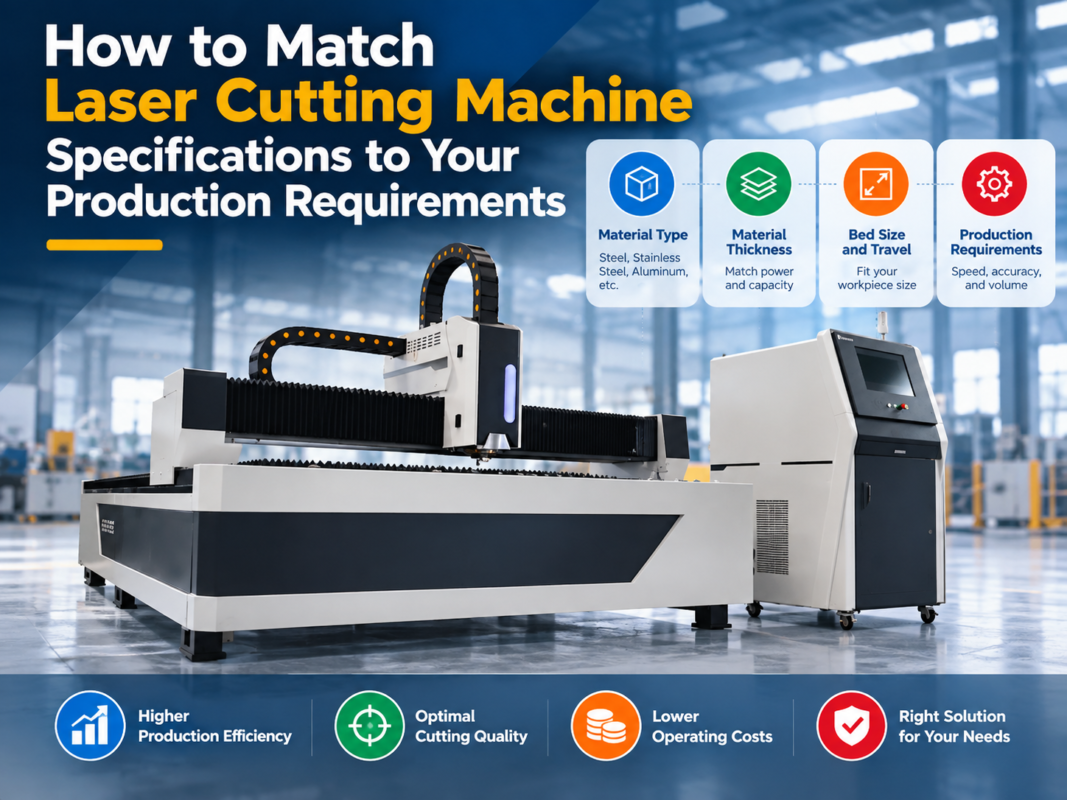
- Define Material Range: List the top 3 materials and thicknesses you cut 80% of the time.
- Evaluate Power Requirements: Choose a power level where your production thickness is well within the machine’s high-speed range.
- Bed Size Compatibility: Ensure the bed fits your standard sheet sizes (e.g., 4’x8′ or 5’x10′).
- Check Component Brands: Verify the laser source (IPG/Raycus), servo motors (Yaskawa/Panasonic), and cutting head (Raytools/Precitec).
- Assess Gas Infrastructure: Determine if you will use liquid tanks, cylinders, or a high-pressure air compressor system.
- Software Integration: Confirm the CNC controller is user-friendly and supports your existing CAD files.
- Safety Features: Ensure the machine has a full enclosure (Class 1 laser safety) if operating in a busy workshop.
- After-Sales Support: Research the manufacturer’s reputation for technical support and spare parts availability in your region.
- Future Proofing: Consider if the machine frame can handle a power upgrade in the future.
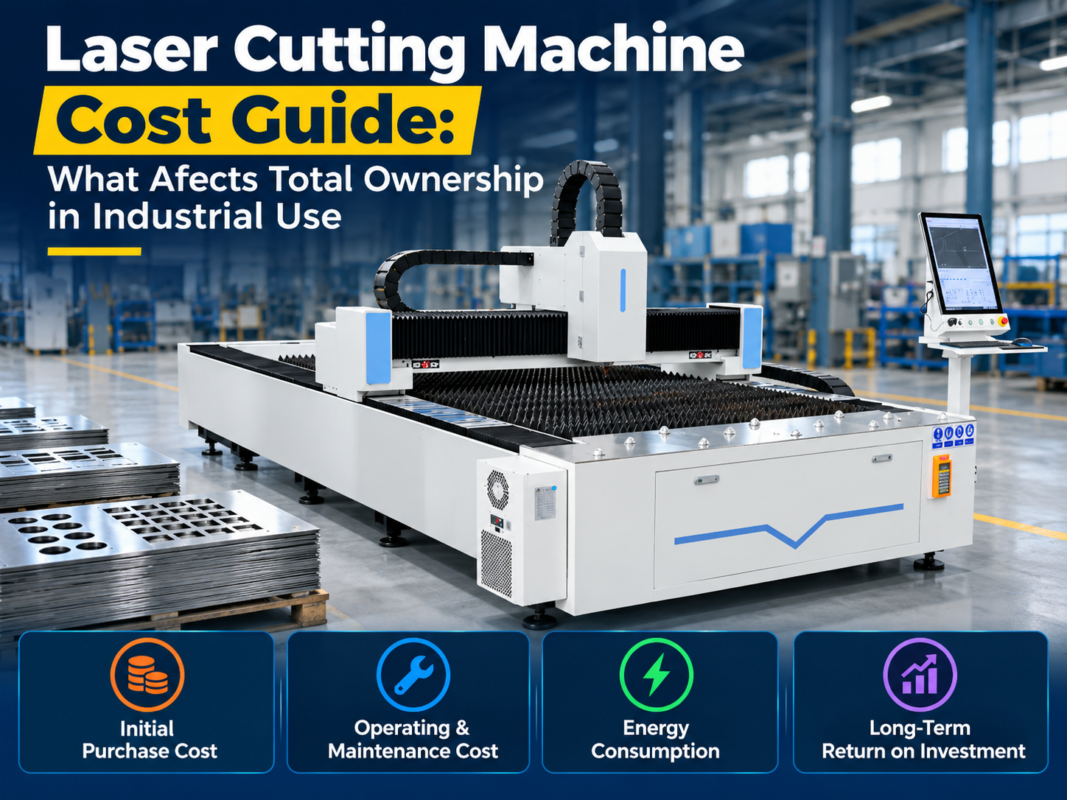
- Total Cost of Ownership (TCO): Calculate electricity, gas, consumables, and maintenance over a 5-year period.
Frequently Asked Questions (FAQ)
1. What is the difference between Nitrogen and Oxygen cutting?
Oxygen is used as a reactive gas for carbon steel; it creates an exothermic reaction that adds heat to the process, allowing for thicker cuts with less power. However, it leaves an oxidized edge that must be cleaned before painting. Nitrogen is an inert cooling gas used for stainless steel and aluminum to prevent oxidation, resulting in a shiny, weld-ready edge. Nitrogen requires much higher pressures and is generally more expensive to use.
2. How long does a fiber laser source last?
Most reputable fiber laser sources, such as those used by HARSLE, are rated for approximately 100,000 hours of operation. This equates to over 10 years of 24/7 operation. Unlike CO2 lasers, there are no internal optics to clean or gas mixtures to refill within the source itself, making it extremely durable.
3. Can I cut reflective materials like copper and brass?
Yes, fiber lasers are excellent for reflective materials. Because the wavelength is absorbed much more efficiently than CO2, and because the fiber delivery system is not susceptible to back-reflection damage (provided the machine has back-reflection protection), you can safely cut copper, brass, and bronze.
4. Is an enclosed machine necessary?
For fiber lasers, an enclosure is highly recommended. The 1.06um wavelength is extremely dangerous to human eyes, and even a reflected beam can cause permanent blindness. An enclosed machine (Class 1) ensures that the laser radiation is contained. Open-bed machines (Class 4) require strict safety protocols, including laser safety goggles for everyone in the vicinity and restricted access zones.
5. How much maintenance does a laser cutting machine require?
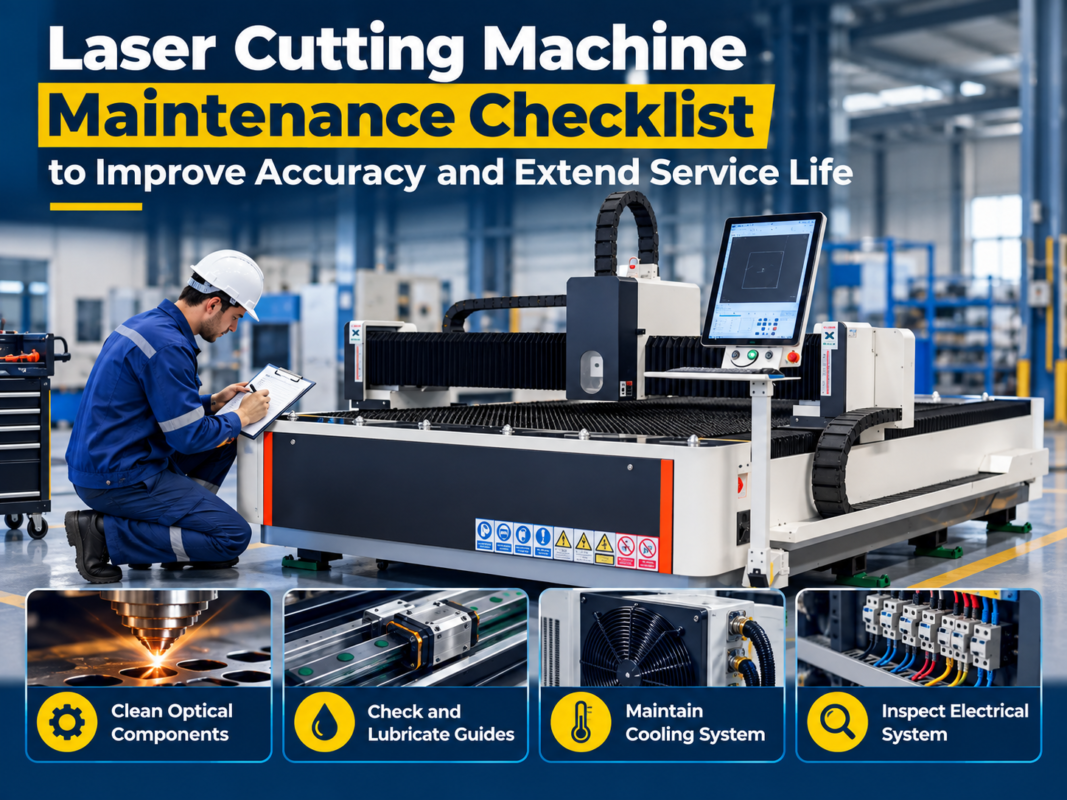
Daily maintenance includes cleaning the protective window of the cutting head and checking the nozzle for damage. Weekly tasks involve cleaning the rails and lubricating the motion system. Monthly, you should check the chiller’s water quality and the dust collector’s filters. Compared to other CNC machinery, fiber lasers are relatively low-maintenance, but consistency is key to precision.